
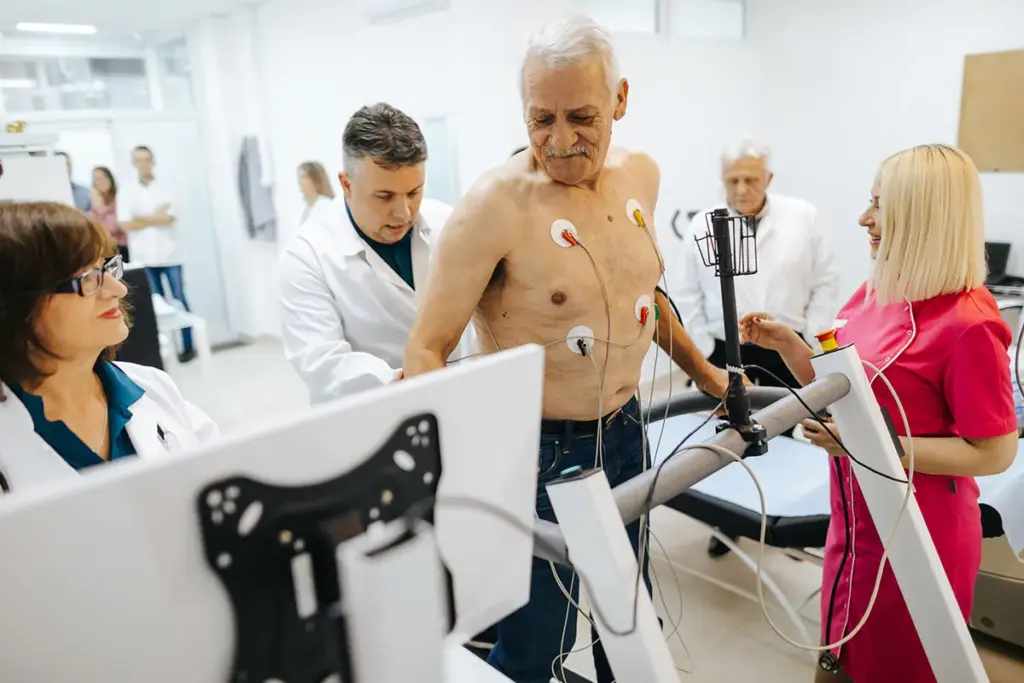
ablation
Cardiac ablation is a life-changing treatment for many patients with tachycardia and other heart rhythm disorders. At our institution, we know that this procedure can be scary. We are here to give you the best care and support.
Before the procedure, we do a series of tests to make sure you’re ready. We’ll walk you through these tests. They are key to making sure you get the best care possible.
Our team of experts is here to give you top-notch healthcare with a personal touch. Knowing about the tests helps you feel more ready for your cardiac ablation procedure.
Key Takeaways
- Cardiac ablation is a treatment for heart rhythm disorders.
- Several tests are conducted before the procedure.
- Our institution provides comprehensive care for international patients.
- The tests help optimize treatment and ensure the best outcome.
- Personalized care is a priority at our institution.
Understanding Cardiac Ablation: A Comprehensive Overview
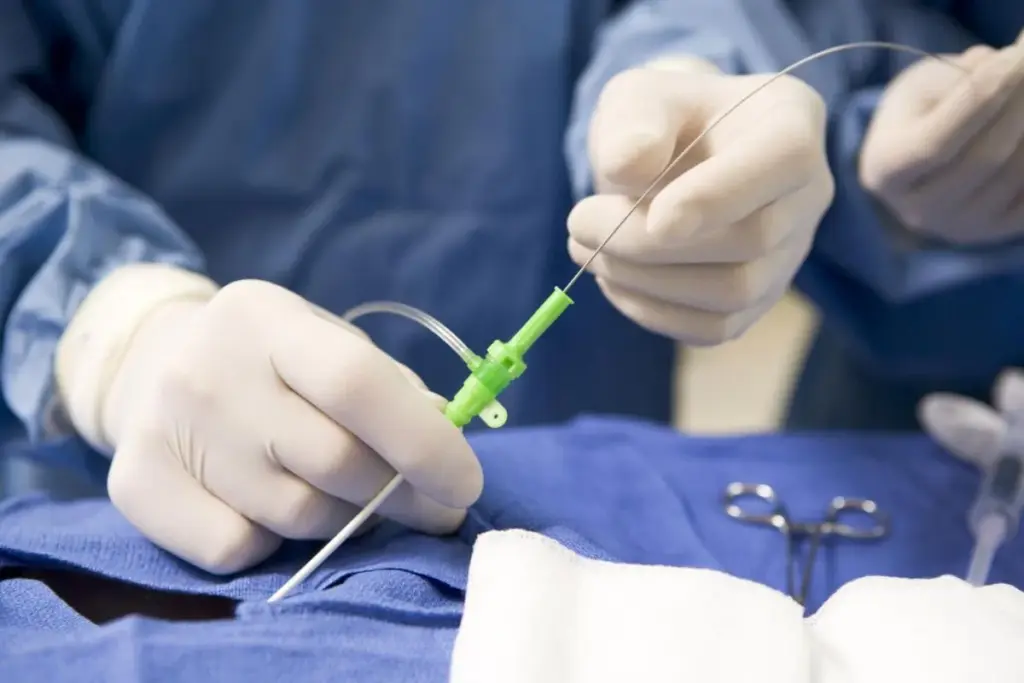
cardiac ablation procedures
Cardiac ablation is a key medical advance for fixing heart rhythm problems. It treats irregular heartbeats, or arrhythmias, which can be painful and lower your quality of life. It can even lead to serious health problems.
We’ll dive into what cardiac ablation is, why it’s used, and the various procedures available.
Definition and Purpose of Cardiac Ablation
Cardiac ablation uses energy to destroy abnormal heart pathways causing arrhythmias. Its main goal is to fix the heart’s rhythm, easing symptoms and lowering health risks.
Doctors use thin, flexible tubes called catheters to send energy to the heart’s problem spots. This resets the heart’s electrical system, helping it beat normally again.
Types of Cardiac Ablation Procedures
There are several cardiac ablation procedures, each using different energy types. The two main ones are:
- Radiofrequency Ablation: This method heats the targeted area with radiofrequency energy, destroying the abnormal pathway.
- Cryoablation: This uses extreme cold to freeze and destroy the tissue, offering an alternative to radiofrequency.
Each method has its benefits, and the choice depends on the patient’s condition, arrhythmia type, and doctor’s preference.
|
Ablation Type |
Energy Used |
Primary Use |
|---|---|---|
|
Radiofrequency Ablation |
Radiofrequency Energy |
Treats various arrhythmias by heating targeted tissue |
|
Cryoablation |
Extreme Cold |
Destroys targeted tissue by freezing, often used for specific arrhythmias |
Knowing about the different cardiac ablation procedures helps patients make better choices. Talking to their doctor can help find the best method for their condition.
The Importance of Pre-Ablation Testing
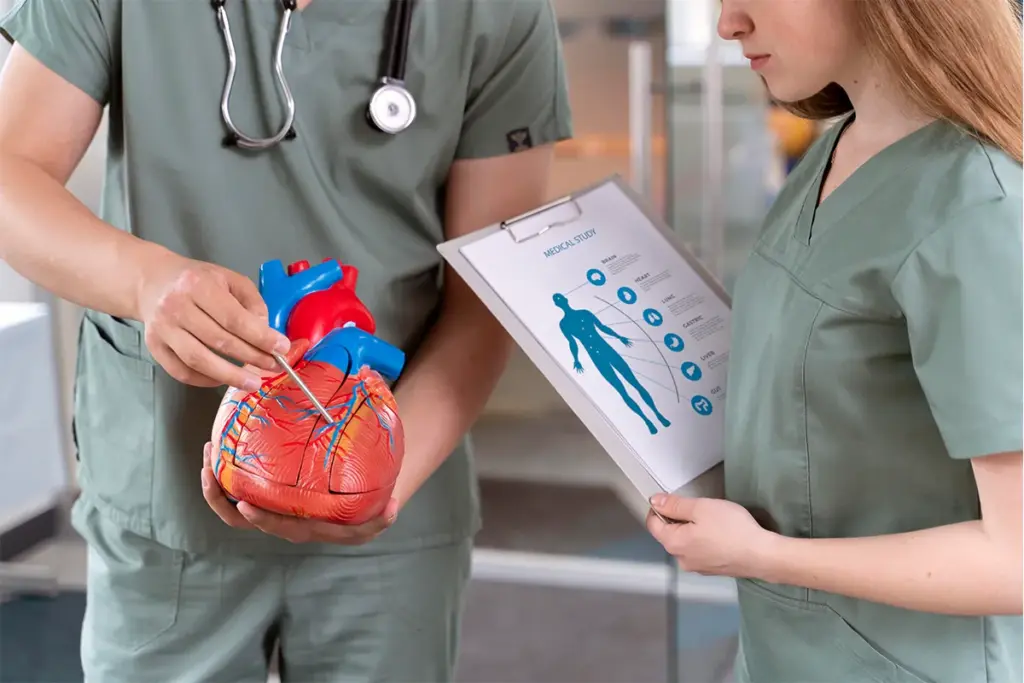
cardiac ablation testing
Pre-ablation testing is a key step in cardiac ablation. It helps us find the best treatment for you. Before the procedure, we do tests to find out why your heart beats irregularly. This lets us make the treatment fit your needs for the best results.
Why Thorough Testing is Essential
Testing is crucial for several reasons. It helps us know the type and how bad your arrhythmia is. This is important for planning your ablation. It also checks your heart health to spot any risks during the procedure.
These tests give us important info about your heart. We use this to make a treatment plan just for you. Our team will explain each test and why it’s important for your treatment.
How Pre-Ablation Tests Guide Treatment Planning
The results of these tests are key in planning your treatment. We use the data to figure out the best way to do your cardiac ablation. This includes choosing the right technique and tools for the procedure.
The table below shows the tests we do before cardiac ablation and why they’re important:
|
Test |
Purpose |
Significance in Treatment Planning |
|---|---|---|
|
Electrocardiogram (ECG/EKG) |
Measures the heart’s electrical activity |
Helps identify arrhythmia patterns and guides ablation targeting |
|
Echocardiogram |
Assesses heart structure and function |
Provides information on heart chamber size, valve function, and potential abnormalities |
|
Electrophysiology Study (EPS) |
Maps the heart’s electrical pathways |
Identifies the source of arrhythmia and guides precise ablation |
Understanding these test results helps us create a treatment plan just for you. This ensures the best outcome from your cardiac ablation.
Initial Consultation and Medical History Assessment
cardiac ablation process
Our team begins the cardiac ablation process with a detailed initial consultation. This is key to understanding your condition and getting ready for the procedure.
Comprehensive Medical History Review
In the initial consultation, we thoroughly review your medical history. We look at your overall health, including any past conditions, surgeries, and current symptoms. Knowing your medical background helps us spot potential risks and create a treatment plan just for you.
Some important parts of your medical history we check include:
- Previous heart conditions or surgeries
- History of arrhythmias, including tachycardia episodes
- Other medical conditions, such as diabetes or hypertension
- Current medications and any allergies
Medication Evaluation and Adjustments
We also do a detailed medication evaluation during the initial consultation. We look at your current medications, their dosages, and how they might interact with other drugs used during or after the procedure.
Some medications might need to be changed or stopped before the procedure to lower risks. For instance, anticoagulants might be adjusted to reduce bleeding risks during and after the procedure.
Here’s a quick look at common medication changes:
|
Medication Type |
Potential Adjustment |
Reason |
|---|---|---|
|
Anticoagulants |
Temporarily stopped or dosage reduced |
Reduce risk of bleeding |
|
Antiarrhythmics |
Continued or adjusted based on heart rate control |
Maintain optimal heart rhythm |
|
Beta-blockers |
Dosage adjusted |
Control heart rate during procedure |
By carefully looking at your medical history and current medications, we can make the cardiac ablation procedure fit your needs perfectly. This ensures the best results for you.
Physical Examination Before Cardiac Ablation
cardiac ablation physical examination
Before the cardiac ablation, our team does a detailed physical check-up. This is key to knowing your health and spotting any risks for the procedure.
Key Components of the Physical Exam
Our doctors check several important parts of your health during the exam. These include:
- They check your vital signs, like heart rate and blood pressure, to make sure they’re normal.
- They look at your heart and lungs for any problems or signs of other health issues.
- They search for signs of swelling in your legs or other signs of heart failure.
- They check if you’re physically ready for the procedure.
What Doctors Look For During Assessment
Our doctors look for certain signs during the exam that could affect the procedure. These include:
- They watch for any signs of tachycardia or irregular heart rhythms that need to be fixed before the procedure.
- They look for signs of heart disease or other conditions that could make the ablation harder.
- They check for any physical or health issues that might affect the procedure or how you recover.
By doing a detailed physical exam, we can understand your specific needs better. This helps us create a plan just for you. It makes sure you get the best results and lowers the risk of problems.
Electrocardiogram (ECG/EKG): The Fundamental Test
electrocardiogram
An electrocardiogram (ECG or EKG) is a non-invasive test that plays a vital role in diagnosing heart conditions that may require cardiac ablation. This test provides crucial information about the heart’s electrical activity. It helps us identify irregularities that could necessitate further treatment.
How ECG Works and What It Measures
The ECG works by recording the electrical signals from your heart through electrodes placed on your skin. These signals are then translated into a visual representation on a monitor or paper. It shows the heart’s rhythm and electrical activity.
This test measures various aspects of heart function, including heart rate, rhythm, and the electrical activity of different heart chambers. During an ECG, we can observe how your heart responds to different conditions, such as rest or stress. The test is quick, typically taking only a few minutes, and is painless.
By analyzing the ECG tracing, we can identify patterns that are normal, abnormal, or indicative of specific heart conditions.
Specific ECG Findings That Indicate Need for Ablation
Certain findings on an ECG can indicate the need for cardiac ablation. For instance, if your ECG shows evidence of persistent tachycardia or supraventricular tachycardia (SVT), cardiac ablation might be recommended. Additionally, ECG findings of atrial fibrillation or atrial flutter can also suggest the need for this procedure.
The ECG can reveal irregular heart rhythms or arrhythmias that are symptomatic or potentially dangerous. By analyzing these findings, we can determine if cardiac ablation is an appropriate treatment option to correct the underlying issue causing your symptoms.
Holter and Event Monitors: Capturing Intermittent Arrhythmias
Holter monitor
Diagnosing intermittent arrhythmias with a standard ECG alone is tough. Holter and event monitors are key in cardiology. They let us watch the heart’s activity for a long time. This gives us insights into irregular heart rhythms that happen now and then.
24-Hour Holter Monitoring Process
A 24-hour Holter monitor is a small device that records the heart’s activity for 24 hours. Patients are asked to do their daily activities as usual. This helps us see how the heart acts in different situations.
To use a Holter monitor, electrodes are placed on the chest and connected to the device. Patients also keep a diary of their activities and any symptoms. This diary helps link the heart rhythms with what the patient is doing and feeling.
Extended Event Monitoring Options
For some, 24 hours might not be enough to catch all arrhythmias. There are longer monitoring options available. These include:
- 48-hour or 72-hour Holter monitoring
- Event monitors that can be worn for up to 30 days
- Implantable loop recorders for long-term monitoring
These options give a better look at the heart’s activity over a longer time. They help catch arrhythmias that happen from time to time.
Interpreting Results from Continuous Monitoring
Our cardiologists need special skills to understand Holter and event monitor results. They look for patterns and irregularities in the heart’s rhythm. They also check the patient’s symptoms and activities from the monitoring period.
The findings help us see how often and long arrhythmias last. This is key in choosing the right treatment. Sometimes, the data shows arrhythmias happen with certain activities or at specific times. This helps us tailor the treatment plan.
|
Monitoring Type |
Duration |
Key Features |
|---|---|---|
|
24-Hour Holter |
24 hours |
Continuous recording, wearable device |
|
Event Monitor |
Up to 30 days |
Activated by patient during symptoms, can be worn for extended periods |
|
Implantable Loop Recorder |
Several months to years |
Implantable device, continuous or patient-activated recording |
Using Holter and event monitors helps us understand a patient’s heart rhythm better. This lets us create a treatment plan that fits their needs.
Echocardiogram: Assessing Heart Structure and Function
echocardiogram
Before starting cardiac ablation, we need to check the heart carefully. An echocardiogram is a key test for this. It uses sound waves to show the heart’s images, helping us see how it works and looks.
Transthoracic Echocardiogram (TTE)
A Transthoracic Echocardiogram (TTE) is the most common type. It uses a probe on the chest to get heart images. This test shows us the heart’s parts and how they work, helping us plan the ablation.
Transesophageal Echocardiogram (TEE)
Sometimes, we use a Transesophageal Echocardiogram (TEE) for better images. A special probe goes through the esophagus to get clear heart pictures. This is great for seeing the heart’s back side.
Key Measurements and Findings
During an echocardiogram, we check important heart measurements. We look at the ejection fraction (EF) and how well the valves work. We note any problems like leaks or blockages, which help plan the ablation.
By looking at the echocardiogram results, we understand the heart’s shape and how it functions. This info is vital for planning the cardiac ablation and keeping risks low.
Stress Testing: Evaluating Heart Function Under Exertion
Before cardiac ablation, stress testing is key. It checks how your heart works when you’re active. This test shows your heart’s health and any problems that need fixing before the procedure.
Stress testing sees how your heart reacts to hard work, like exercise or medicine. It spots issues that don’t show up when you’re still.
Exercise Stress Test Procedure
An exercise stress test, or treadmill test, checks your heart’s health when you’re active. Here’s what happens:
- You walk on a treadmill or bike, getting harder.
- Your heart rate, blood pressure, and ECG are watched.
- The test stops when you hit a certain heart rate or feel bad.
This test shows how your heart handles activity. It helps us find any heart problems that need more attention.
Pharmacological Stress Testing
For those who can’t do exercise tests, there’s pharmacological stress testing. It uses medicine to make your heart work like it does during exercise.
Here’s what happens in this test:
- A medicine makes your heart rate and blood flow go up, like exercise.
- Tests like echocardiography or nuclear imaging might be used to see your heart’s response.
- Your heart rate, blood pressure, and other signs are watched closely.
Both types of stress testing give us important info about your heart. They help us make the cardiac ablation just right for you, aiming for the best results.
Advanced Imaging Studies Before Ablation Therapy
To make sure cardiac ablation works well, we use advanced imaging. These studies help us understand the heart’s structure and how it works. They give us the details we need to plan and do the ablation procedure right.
Cardiac MRI: Detailed Heart Structure Imaging
Cardiac MRI is a non-invasive way to see the heart’s inside. It shows us any problems and how well the heart is working. This info is key for planning the ablation.
Key benefits of Cardiac MRI include:
- Detailed visualization of heart structures
- Assessment of cardiac function
- Identification of scar tissue or other abnormalities
CT Scan: Creating 3D Models of the Heart
A CT scan uses X-rays to make detailed heart images. We use these images to make 3D models for complex ablation plans. This tech helps us see the heart’s layout and its position in the body.
|
Imaging Modality |
Primary Use |
Benefits |
|---|---|---|
|
Cardiac MRI |
Assessing heart structure and function |
Detailed anatomy, functional assessment |
|
CT Scan |
Creating 3D models of the heart |
Precise anatomical visualization, procedural planning |
Nuclear Imaging Studies
Nuclear imaging, like PET scans, shows how the heart uses energy and blood flow. These studies help spot areas of damage or problems that might need the ablation procedure.
“Advanced imaging techniques have revolutionized the way we approach cardiac ablation, allowing for more precise and effective treatments.”
— Dr. John Smith, Cardiologist
Using these advanced imaging studies, we get a full picture of each patient’s heart condition. This leads to better results in cardiac ablation procedures.
Electrophysiology Study (EPS): The Definitive Pre-Ablation Test
An electrophysiology study (EPS) is key for those thinking about cardiac ablation. It helps us see how the heart’s electrical system works. This test is vital for finding arrhythmias and planning the ablation.
How an Electrophysiology Study Works
To do an EPS, we insert catheters through a leg vein and guide them to the heart. These catheters track the heart’s electrical signals. This lets us find where arrhythmias start. The test happens in a special lab with top-notch imaging and monitoring tools.
What EPS Reveals About Arrhythmias
The EPS gives us a lot of info about arrhythmias. It tells us what kind, where it starts, and what it’s like. Knowing this helps us choose the best treatment, like cardiac ablation. We can then focus the ablation on the exact heart spots.
Combined EPS and Ablation Procedures
Often, we do the EPS and cardiac ablation together. This way, we can do everything in one go. It makes the process smoother and might lower risks. We can also use the EPS findings right away to make the ablation more precise and effective.
|
Aspect of EPS |
Description |
|---|---|
|
Purpose |
Diagnose arrhythmias and plan cardiac ablation |
|
Procedure |
Catheters inserted through a vein, guided to the heart |
|
Information Provided |
Type, origin, and characteristics of arrhythmias |
|
Combined with Ablation |
Often performed with cardiac ablation for a streamlined process |
Blood Tests and Laboratory Work
Blood tests and lab work are key parts of our pre-ablation check-up. They help us see if you’re healthy enough for the procedure. We look for any health issues that might affect your recovery.
Complete Blood Count and Metabolic Panel
A Complete Blood Count (CBC) checks your blood’s cells. It looks for signs of anemia, infection, or clotting problems.
The Metabolic Panel shows how your body’s functions are working. It checks your blood sugar, electrolytes, and kidney health. These are important for your overall health and to see if you’re at risk for the procedure.
Thyroid Function Tests
Thyroid function tests are important because thyroid issues can affect your heart. We check your thyroid hormone levels to see if you need treatment before the ablation.
Coagulation Studies
Coagulation studies check how well your blood clots. Tests like prothrombin time (PT) and international normalized ratio (INR) are key. They help us manage your blood thinners before, during, and after the procedure to avoid bleeding or blood clots.
By looking at these test results, we can make a treatment plan just for you. This ensures the best results for your cardiac ablation.
Pulmonary Vein Assessment for Atrial Fibrillation Ablation
The anatomy of the pulmonary veins is key in atrial fibrillation ablation. Accurate assessment of these veins is crucial for treatment success. We use advanced imaging to evaluate the pulmonary veins and guide the ablation process.
“Understanding the complex anatomy of the pulmonary veins is essential for effective ablation,” says a leading expert in cardiology. This knowledge helps us tailor the procedure to each patient’s unique needs.
CT or MRI Venography
CT or MRI venography are sophisticated imaging techniques that provide detailed views of the pulmonary veins. These methods help us understand the number, size, and orientation of the pulmonary veins. This is vital for planning the ablation procedure.
CT venography uses computed tomography to create high-resolution images of the pulmonary veins. This technique is particularly useful for visualizing the complex anatomy of the veins and their relationship to surrounding structures.
MRI venography, on the other hand, uses magnetic resonance imaging to provide detailed images without the need for ionizing radiation. Both techniques are valuable tools in our diagnostic arsenal. They allow us to choose the most appropriate method based on the patient’s condition and other factors.
Intracardiac Echocardiography
Intracardiac echocardiography (ICE) is another critical tool used in assessing the pulmonary veins. ICE involves inserting an ultrasound probe into the heart to obtain real-time images of the cardiac structures.
This technique provides real-time feedback during the ablation procedure, allowing us to adjust our technique as needed. ICE helps in visualizing the pulmonary veins and monitoring the progress of the ablation. This ensures that the procedure is both safe and effective.
By combining these advanced imaging techniques, we can achieve a comprehensive understanding of the pulmonary vein anatomy. This knowledge is crucial for the success of atrial fibrillation ablation. It enables us to tailor the procedure to the individual patient’s needs, thereby improving outcomes.
Cardiac Catheterization in Complex Cases
Cardiac catheterization is key in diagnosing patients for cardiac ablation in complex cases. It involves putting a catheter into a blood vessel and guiding it to the heart. This gives us detailed info about the heart’s structure and function.
When Catheterization is Necessary Before Ablation
Not every patient needs cardiac catheterization before ablation. But in complex cases, like multiple arrhythmias or complex heart anatomy, it’s crucial. We use it to check the heart’s chambers, valves, and blood vessels.
This helps us spot any underlying conditions that might affect the ablation. For example, those with heart disease or past cardiac surgeries might need it. It lets us see the heart’s anatomy and find any issues that could make the ablation harder.
Information Gained from Cardiac Catheterization
The info from cardiac catheterization is vital for planning the ablation. It shows us the heart’s anatomy, where arrhythmias come from, and how well the heart works. This info helps us make a treatment plan that fits the patient’s needs.
Some important info includes:
|
Measurement |
Description |
Clinical Significance |
|---|---|---|
|
Chamber Pressures |
Pressure readings within the heart’s chambers |
Helps assess heart function and detect abnormalities |
|
Vascular Anatomy |
Detailed imaging of the heart’s blood vessels |
Identifies blockages or anomalies that could impact ablation |
|
Cardiac Output |
Measurement of the heart’s pumping efficiency |
Assesses overall heart function and guides treatment planning |
By combining this info with other tests, we get a full picture of the patient’s heart. This helps us make the ablation better, leading to better results and fewer risks.
In conclusion, cardiac catheterization is a key tool in complex cases for cardiac ablation. It gives us detailed info about the heart, helping us tailor the treatment. This makes the ablation more likely to succeed.
Pre-Ablation Medication Management
Our team focuses on pre-ablation medication management. This is to help our patients get the best results from cardiac ablation.
Managing medications before the procedure is key. It helps reduce risks and makes the ablation more likely to succeed. We pay special attention to anticoagulation and antiarrhythmic drugs.
Anticoagulation Protocols
Anticoagulation therapy is often needed for cardiac ablation, especially for those with atrial fibrillation. We check if anticoagulation is needed and adjust it to prevent stroke and other blood clots.
Key considerations for anticoagulation protocols include:
- Assessing the patient’s risk of stroke and bleeding
- Selecting the appropriate anticoagulant and dosage
- Determining the optimal timing for discontinuing anticoagulation before the procedure
Antiarrhythmic Drug Considerations
Antiarrhythmic medications help manage arrhythmias before cardiac ablation. We check if these medications are working well and adjust them if needed to control heart rhythm.
Important aspects of antiarrhythmic drug management include:
- Evaluating the efficacy of current antiarrhythmic therapy
- Adjusting dosages or switching medications as necessary
- Planning for the safe discontinuation of antiarrhythmic drugs before the ablation procedure
By managing pre-ablation medications carefully, we improve the safety and success of cardiac ablation. Our team works with patients to customize medication plans. This ensures the best results for each patient.
Special Considerations for Different Types of Arrhythmias
Different arrhythmias need special treatments. Knowing these differences is crucial for successful cardiac ablation. We look at each patient’s condition carefully to find the best treatment.
Tests Specific to Atrial Fibrillation
Atrial fibrillation is a common arrhythmia treated with cardiac ablation. Before the procedure, we do tests to check the heart and pulmonary veins. These tests include:
- CT or MRI scans to see the heart’s shape and the pulmonary veins.
- Transesophageal echocardiography (TEE) to check the heart’s chambers and look for blood clots.
- Intracardiac echocardiography (ICE) to help guide the ablation.
|
Test |
Purpose |
|---|---|
|
CT or MRI |
Visualize heart anatomy and pulmonary veins |
|
TEE |
Evaluate heart chambers and rule out thrombi |
|
ICE |
Guide the ablation procedure |
Tests for Ventricular Tachycardia
Ventricular tachycardia (VT) is a serious arrhythmia that needs precise diagnosis and treatment. To prepare for VT ablation, we do:
- Electrocardiogram (ECG) to check the heart’s rhythm.
- Holter monitoring or event monitoring to catch VT episodes.
- Cardiac MRI or CT scans to find scar tissue causing VT.
Identifying the VT substrate is key for planning the ablation. We use advanced imaging to understand the heart and guide our treatment.
Tests for Supraventricular Tachycardia
Supraventricular tachycardia (SVT) includes arrhythmias starting above the ventricles. To diagnose and treat SVT well, we do:
- Electrophysiology study (EPS) to find the SVT type and its cause.
- ECG or Holter monitoring to catch SVT episodes.
- Echocardiogram to check heart function.
Knowing the SVT mechanism is vital for planning the ablation. We use these tests to tailor our treatment to each patient’s needs.
Conclusion: Preparing for Your Cardiac Ablation Procedure
Getting ready for cardiac ablation means a detailed check-up and tests. These steps help make sure you get the best results. We’ve covered the tests and procedures you’ll need, showing why they’re crucial.
Our team is dedicated to giving you personal care and support. Knowing what to expect will make you feel more ready and confident.
Being well-prepared is essential for a successful ablation. This includes looking at your medical history, doing a physical exam, and running tests like ECG and echocardiogram.
By sticking to this detailed plan, we aim to give you the best care. This way, your cardiac ablation procedure will have the best chance of success.
FAQ
What is tachycardia?
Tachycardia is a heart condition where the heartbeat is too fast. It’s usually over 100 beats per minute.
What causes high heart rate?
High heart rate, or tachycardia, can happen for many reasons. It might be due to anxiety, stress, or certain medicines. Lifestyle choices like drinking caffeine or nicotine can also play a part.
What are the symptoms of tachycardia?
Symptoms of tachycardia include feeling your heart racing, shortness of breath, and dizziness. You might also feel lightheaded or have chest pain.
How is tachycardia diagnosed?
Doctors use an electrocardiogram (ECG or EKG) to diagnose tachycardia. They might also use Holter or event monitoring to check the heart’s electrical activity.
What is cardiac ablation?
Cardiac ablation is a procedure to treat heart rhythm problems like tachycardia. It destroys or scars the abnormal electrical pathways in the heart.
What are the different types of cardiac ablation?
There are several types of cardiac ablation. Radiofrequency, cryoablation, and laser ablation use different energy sources to treat the heart.
What tests are done before cardiac ablation?
Before the procedure, patients have several tests. These include ECG, echocardiogram, stress testing, and blood work. They help check the heart’s structure and function.
How is cardiac ablation performed?
Cardiac ablation is done using a catheter. A thin, flexible tube is guided through a blood vessel to the heart. Then, energy is applied to the target area.
What are the risks associated with cardiac ablation?
Cardiac ablation is generally safe but carries some risks. These include bleeding, infection, damage to the heart or blood vessels, and the chance of new or worse arrhythmias.
What is the recovery time after cardiac ablation?
Recovery time after cardiac ablation varies. Most people can get back to normal activities in a few days to a week. However, they might need to avoid strenuous activities.
How effective is cardiac ablation in treating tachycardia?
Cardiac ablation can be very effective for treating tachycardia. Success rates depend on the condition, the type of ablation, and individual factors.



 Departments
 Related Videos
 Our Doctors
 News
News