Cardiac arrhythmias affect millions of people worldwide. They cause symptoms that can really impact daily life. Cardiac ablation is a highly effective treatment for many. How is ablation done? Get best step-by-step info. Catheters burn bad tissue. Learn how this vital process cures dangerous heart rhythms.
So, how is this procedure done? Cardiac ablation uses energy to destroy a small part of the heart tissue causing abnormal heart rhythms. We use advanced technology, like radiofrequency ablation, to target and treat the arrhythmia source.
Understanding the process and benefits of cardiac ablation helps patients make informed decisions about their treatment.
Key Takeaways
- Cardiac ablation is a procedure that treats heart rhythm disorders.
- The procedure uses energy to destroy abnormal heart tissue.
- Advanced technologies like radiofrequency ablation are used.
- The goal is to restore a normal heart rhythm.
- It’s a treatment option for patients with certain arrhythmias.
What is Cardiac Ablation?
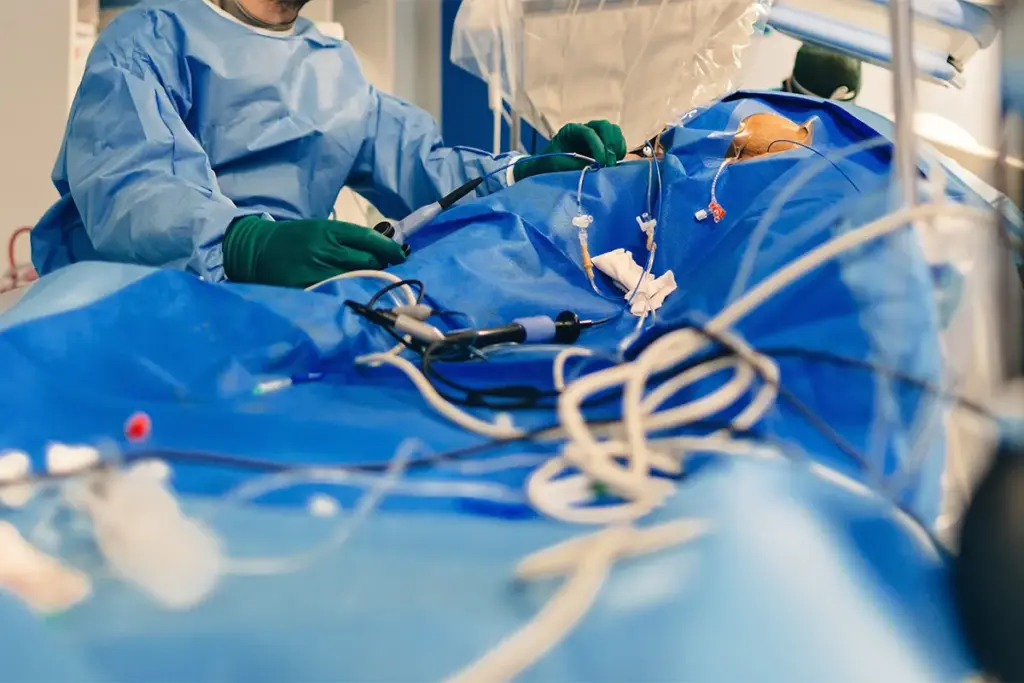
Cardiac ablation is a procedure that fixes heart rhythm problems. It destroys the bad electrical paths in the heart. It’s popular for treating atrial fibrillation and tachycardia.
Definition and Basic Principles
Cardiac ablation uses energy to kill off heart tissue causing rhythm issues. It’s done with thin tubes called catheters. These tubes go through a vein in the leg and reach the heart.
The tubes have electrodes that track the heart’s electrical signals. They also send energy to the problem area. This helps fix the heart rhythm.
History and Development of Ablation Techniques
The idea of cardiac ablation started in the 1980s. It was first a surgery but has changed a lot. Now, it’s less invasive and works better.
- Radiofrequency ablation was introduced, using high-frequency energy to destroy tissue.
- Cryoablation came along, using cold to freeze and remove tissue.
- 3D electroanatomic mapping systems were developed for better accuracy.
- Intracardiac echocardiography was used to see the heart during the procedure.
These changes have made cardiac ablation safer and more effective. As technology gets better, we’ll see even more improvements.
Common Heart Rhythm Disorders Treated with Ablation
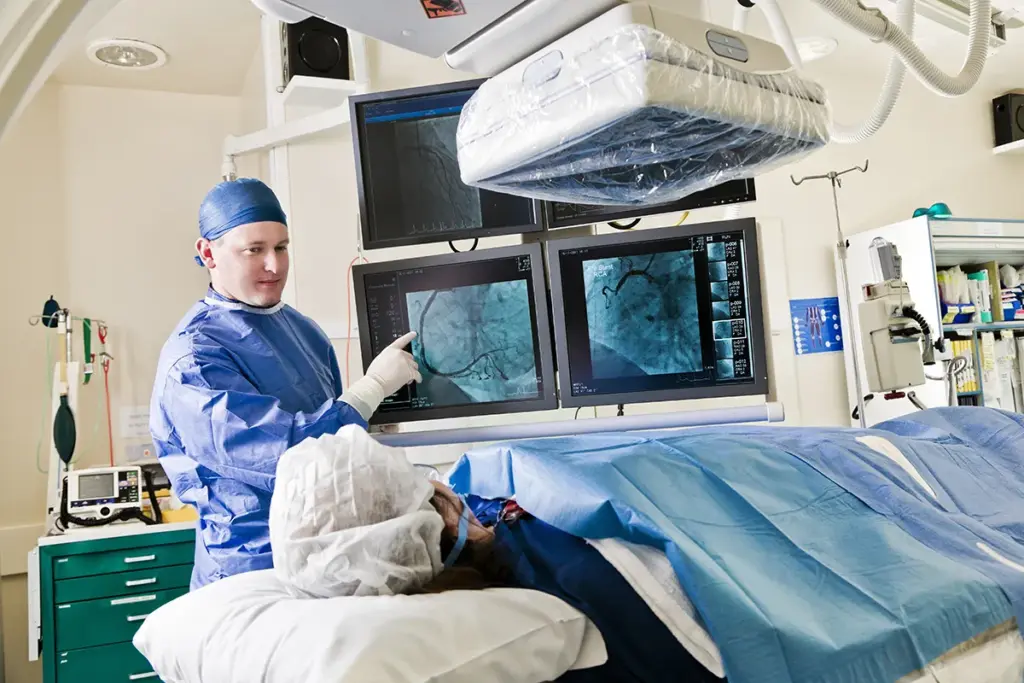
Many heart rhythm disorders can be treated with cardiac ablation. This is a minimally invasive procedure. These conditions, or arrhythmias, affect the heart’s electrical system. They can cause symptoms ranging from mild discomfort to life-threatening complications.
Atrial Fibrillation
Atrial fibrillation (AFib) is a common heart rhythm disorder. It’s when the upper chambers of the heart beat chaotically. Cardiac ablation targets the pulmonary veins to treat AFib.
Atrial Flutter
Atrial flutter is another arrhythmia affecting the upper chambers of the heart. It’s characterized by a rapid, regular heart rhythm. It can cause symptoms like palpitations, shortness of breath, and fatigue. Ablation for atrial flutter involves creating scar tissue in the right atrium.
Supraventricular Tachycardia
Supraventricular tachycardia (SVT) causes the heart to beat too quickly. It starts above the ventricles and can be triggered by stress, caffeine, and certain medications. Ablation is often highly effective in treating SVT by targeting the specific area of the heart causing the arrhythmia.
Ventricular Tachycardia
Ventricular tachycardia (VT) is a potentially life-threatening arrhythmia. It starts in the heart’s lower chambers and can cause the heart to beat too quickly. In some cases, VT can be treated with ablation, targeting specific areas of scar tissue or abnormal electrical pathways.
These heart rhythm disorders can greatly impact a patient’s quality of life. Cardiac ablation offers a promising treatment option. It can provide relief from symptoms and, in many cases, cure the arrhythmia.
Types of Heart Ablation Procedures
There are many heart ablation procedures, each with its own way to fix arrhythmias. These methods have grown to meet different heart rhythm disorders. They offer tailored treatments.
Radiofrequency Ablation
Radiofrequency ablation is a common heart ablation method. It uses high-frequency electrical energy to make scar tissue in the heart. This stops the abnormal electrical signals that cause arrhythmias.
This procedure works well for treating SVT and some atrial fibrillation. It’s precise, causing little damage to the heart.
Cryoablation
Cryoablation, or cryotherapy, treats heart rhythm disorders with extreme cold. It’s often chosen for areas near the heart’s valves or sensitive spots. It’s controlled and less likely to damage the heart.
It’s great for patients with certain arrhythmias who can’t have radiofrequency ablation.
Laser Ablation
Laser ablation uses a laser to make precise lesions in the heart. It’s not as common for heart rhythm disorders but is used in some cases. Its precision is good for complex cases, needing special equipment and skills.
Microwave and Ultrasound Ablation
Microwave and ultrasound ablation are less common. They use microwave energy and high-frequency sound waves to create scar tissue. They’re being studied for treating various arrhythmias, giving patients other options.
In conclusion, the right heart ablation procedure depends on the arrhythmia, patient health, and more. Knowing the different ablation procedures is key to finding the best treatment. Our team helps patients choose the best option based on their needs and medical history.
When is Cardiac Ablation Recommended?
Cardiac ablation is considered when other treatments don’t work for heart rhythm problems. Choosing this procedure is complex and depends on many factors.
Failed Medication Therapy Cases
Cardiac ablation is often suggested when meds don’t control arrhythmias well. Medication therapy is usually the first step for many heart rhythm issues. But, sometimes meds don’t work or cause bad side effects. In these cases, ablation is a good option.
We consider ablation for patients who have not improved with medications or have experienced unacceptable side effects. This choice is made carefully, considering the patient’s health, the type of arrhythmia, and other important factors.
Symptom Severity Considerations
The severity of symptoms is key in deciding on cardiac ablation. Those with severe or debilitating symptoms that really hurt their quality of life might benefit from it. We look at how often and long arrhythmia episodes last, symptoms like palpitations or shortness of breath, and how they affect daily life.
For example, people with atrial fibrillation who can’t shake off symptoms despite meds might get ablation. Those with SVT who keep getting episodes also might find relief with this treatment.
Risk Stratification for Candidates
We do a detailed risk assessment to find the right candidates for cardiac ablation. This involves looking at the patient’s health, medical history, and the specifics of their arrhythmia. Risk stratification helps us understand the benefits and risks for each person.
We consider the patient’s age, heart disease, other health issues, and past treatments. By carefully looking at these, we decide if ablation is right for them.
In summary, cardiac ablation is suggested for those with heart rhythm disorders who haven’t improved with meds, have severe symptoms, or are good candidates based on risk assessment. We tailor treatment plans to each patient’s unique situation.
Choosing a Cardiac Electrophysiologist and Facility
Finding the right cardiac electrophysiologist and facility is key to your treatment. The skill of your electrophysiologist and the quality of the facility greatly affect your results.
Specialist Qualifications to Look For
When looking for a cardiac electrophysiologist, focus on their qualifications and experience. Look for someone who:
- Is board-certified in cardiology and electrophysiology
- Has a lot of experience with cardiac ablation procedures
- Stays current with new techniques and technologies
Certification from bodies like the American Board of Internal Medicine (ABIM) shows they have the right skills.
Hospital Volume and Success Rates
The number of procedures a hospital does is a good sign of its quality. High-volume centers often have better results because of their team’s experience.
|
Hospital Characteristic |
High-Volume Center |
Lower-Volume Center |
|---|---|---|
|
Annual Ablation Procedures |
Over 200 |
Less than 100 |
|
Success Rate |
Higher success rate |
Variable success rate |
Also, ask about the hospital’s success rates and complication rates for cardiac ablation.
Questions to Ask Your Doctor
Before deciding, make a list of questions for your cardiac electrophysiologist:
- What experience do you have with cardiac ablation procedures?
- What are the risks and possible complications of the procedure?
- How will you manage my care during and after the procedure?
- What follow-up care can I expect?
These questions help you understand your doctor’s expertise and the care you’ll receive.
Choosing the right cardiac electrophysiologist and facility requires careful thought. Consider their qualifications, the hospital’s volume and success rates, and your comfort with the medical team. By researching and asking the right questions, you can make a choice that supports a good outcome.
Pre-Procedure Evaluation and Testing
Before starting cardiac ablation, patients go through many tests. These tests check if the procedure is safe and will work well. They help us know the patient’s heart condition and find any risks.
Electrocardiogram and Holter Monitoring
An electrocardiogram (ECG) records the heart’s electrical activity. It shows if the heart beats abnormally. Holter monitoring is a 24 to 48 hour ECG wear. It catches heart issues that don’t show up on a regular ECG.
ECG and Holter Monitoring Benefits
- Diagnose arrhythmias and other heart conditions
- Monitor heart activity over an extended period
- Guide the ablation procedure
Echocardiogram and Cardiac MRI
An echocardiogram uses sound waves to see the heart. It checks the heart’s structure and function. Cardiac MRI gives detailed heart images. It shows the heart’s anatomy and any scar tissue.
|
Test |
Purpose |
Benefits |
|---|---|---|
|
Echocardiogram |
Assess heart structure and function |
Identifies valve problems, reduced heart function |
|
Cardiac MRI |
Visualize heart anatomy and scar tissue |
Helps plan the ablation procedure |
Blood Tests and Other Assessments
Blood tests check the patient’s overall health. They look for underlying conditions and make sure there’s no risk of bleeding. Other tests might include a physical exam, medical history review, and more, based on the patient’s condition.
— , Cardiac Electrophysiologist
Preparing for Your Ablation Procedure
We’ll help you get ready for your ablation procedure. Knowing what to do beforehand is important. It helps make sure the procedure goes well and you recover quickly.
Medication Adjustments
Your doctor might ask you to change your medications before the procedure. This could mean stopping some drugs that might make bleeding more likely. Or, they might adjust the amount of medication you take for your heart.
It’s very important to listen to your doctor’s advice closely. This helps keep you safe during and after the procedure.
Some medicines, like blood thinners, might need to be stopped or changed. Your doctor will tell you exactly how to handle your medications before the ablation.
Dietary and Activity Restrictions
You might need to follow certain diet rules before your procedure. Usually, you’ll be asked to not eat for a while before the procedure. But, you might be allowed to take some medicines with a little water.
As for activity, you might not have to change your daily routine a lot. But, it’s best to avoid hard activities a day or two before. This helps you not get too tired or stressed.
What to Bring to the Hospital
When it’s time for your procedure, make sure you’re ready. Bring all the documents you need, like your insurance cards and ID. Also, have a list of your medicines and any important health history.
Wear comfy clothes and bring any personal items you might need while you’re in the hospital. Your doctor might have special suggestions, so ask them during your pre-procedure visit.
By following these tips and your doctor’s advice, you can make your cardiac ablation procedure a success.
The Step-by-Step Ablation Procedure
The cardiac ablation procedure is a detailed process. It needs careful planning and execution. Knowing these steps can help ease worries and prepare patients for their treatment.
Anesthesia Administration
The first step is giving anesthesia for comfort. Conscious sedation is often used. It keeps patients awake but relaxed. We watch the sedation level to make sure patients are comfortable and can follow instructions.
Vascular Access and Catheter Insertion
After anesthesia, we get vascular access. This means putting a small needle into a vein. We use catheters – thin, flexible tubes – to guide through blood vessels to the heart. These tubes help map the heart’s electrical activity and perform the ablation.
Mapping the Heart’s Electrical System
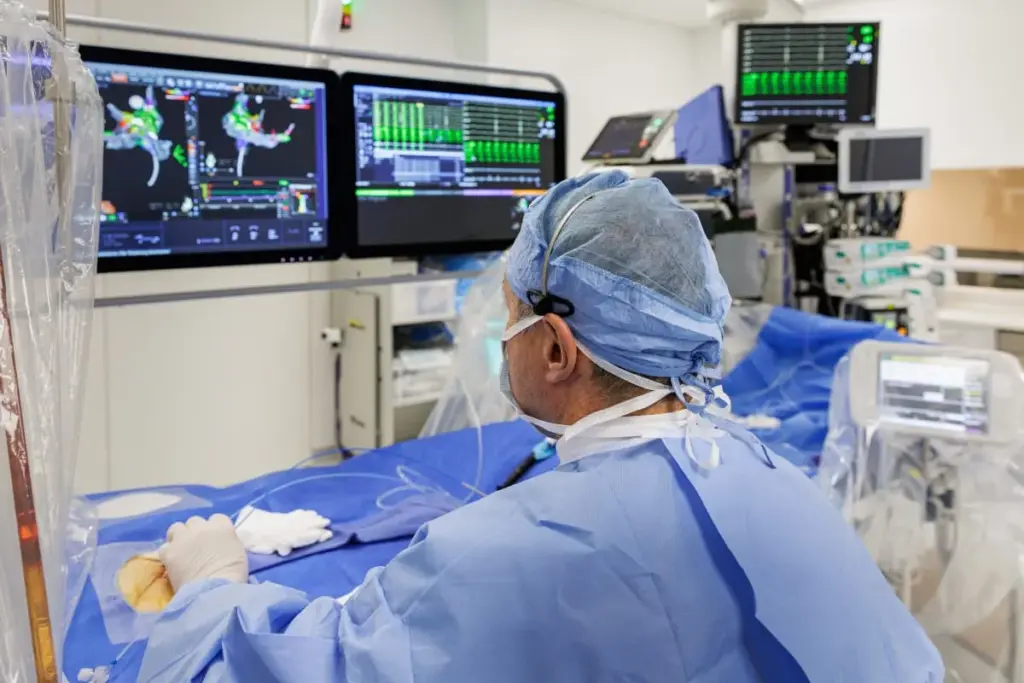
With catheters in place, we start mapping the heart’s electrical system. We record electrical signals to find the arrhythmia source. Advanced 3D mapping systems help us see the heart’s electrical activity. This lets us find the areas that need ablation.
The Actual Ablation Process
Once we know where to target, we start the ablation. We use the catheter to send energy (like radiofrequency or cryoablation) to the areas. This creates lesions that stop the abnormal electrical pathways. Our goal is to fix the heart rhythm by getting rid of the arrhythmia source.
We watch the heart’s activity closely and adjust as needed. This ensures the best results. From start to finish, we aim for safety and effectiveness. This gives patients the best chance at long-term relief from their arrhythmia.
Pulmonary Vein Isolation for Atrial Fibrillation
Pulmonary vein isolation is a key treatment for atrial fibrillation. This heart rhythm disorder causes irregular and fast heartbeats. The procedure aims to stop the arrhythmia by targeting its source.
Why the Pulmonary Veins Are Targeted
The pulmonary veins often start the electrical triggers that cause atrial fibrillation. Studies show isolating these veins can lower atrial fibrillation episodes. The reason for targeting the pulmonary veins is that they are often the start of the abnormal signals leading to atrial fibrillation.
Circumferential Ablation Techniques
Circumferential ablation isolates the pulmonary veins from the left atrium. Advanced catheter technologies are used for precise mapping and ablation. The aim is to make a continuous lesion around the pulmonary veins to block abnormal signals.
Confirming Electrical Isolation
After ablation, it’s vital to check if the pulmonary veins are isolated. This is done through electrophysiological testing. Confirming electrical isolation is essential for the procedure’s long-term success.
|
Technique |
Description |
Outcome |
|---|---|---|
|
Circumferential Ablation |
Ablation around the pulmonary veins to isolate them electrically. |
Prevents abnormal electrical signals from entering the heart. |
|
Electrophysiological Testing |
Testing to confirm the absence of electrical signals between the pulmonary veins and the left atrium. |
Ensures the success of the pulmonary vein isolation procedure. |
Pulmonary vein isolation is a major step forward in treating atrial fibrillation. It offers patients a chance for a cure. By knowing the methods and the need for electrical isolation confirmation, patients can choose their treatment wisely.
Technology and Equipment Used in Heart Ablation
Modern heart ablation uses new technologies and tools for better results. These advancements have made cardiac ablation treatments more effective.
3D Electroanatomic Mapping Systems
3D electroanatomic mapping systems are key in heart ablation. They make a detailed map of the heart’s electrical system. This helps doctors find and fix abnormal electrical pathways.
Benefits of 3D Mapping:
- It helps find arrhythmia sources more accurately
- It makes procedures shorter and safer
- It reduces damage to healthy tissues
A study in the 3D mapping improves ablation success rates. This is for complex arrhythmias.
, Cardiac Electrophysiologist
Specialized Ablation Catheters
Specialized ablation catheters are vital in heart ablation. They send energy to specific heart areas. This creates lesions that stop abnormal electrical pathways.
|
Type of Catheter |
Description |
Application |
|---|---|---|
|
Radiofrequency Catheter |
Uses heat energy to create lesions |
Treatment of various arrhythmias, including atrial fibrillation |
|
Cryoablation Catheter |
Employs extreme cold to freeze abnormal tissues |
Ideal for treating arrhythmias in sensitive areas |
Intracardiac Echocardiography
Intracardiac echocardiography (ICE) gives real-time ultrasound images from inside the heart. It helps doctors see the heart’s structures better during the procedure.
Advantages of ICE include:
- It helps place catheters more accurately
- It monitors complications better
- It reduces the need for other imaging
As we keep improving heart ablation technology, these tools will lead to better patient results. They will also help treat more conditions.
What Patients Experience During the Ablation
The cardiac ablation procedure is made as comfortable as it can be for patients. They are usually under conscious sedation. This means they are relaxed but can talk to the medical team if they need to.
Sensations Under Conscious Sedation
Patients under conscious sedation might feel a bit sleepy and relaxed. They can be aware of their surroundings but won’t feel pain. Some might feel pressure or mild discomfort when the catheter is inserted or during the ablation. But this is usually manageable.
Time Frame and Procedure Length
The length of the cardiac ablation procedure can vary a lot. It depends on the type of arrhythmia and how complex the case is. On average, it can take 2 to 4 hours. The medical team will keep patients updated on the progress and any important findings during the procedure.
|
Procedure Type |
Average Duration |
Typical Recovery Time |
|---|---|---|
|
Simple Ablation |
2 hours |
1-2 days |
|
Complex Ablation |
3-4 hours |
2-3 days |
Communication with the Medical Team
Even under conscious sedation, patients are encouraged to talk to the medical team. They should let the team know about any discomfort, pain, or concerns. The team is trained to make patients comfortable and address any issues quickly.
Understanding the patient experience during cardiac ablation can help reduce fears and anxieties. By knowing what to expect and how to communicate with their healthcare providers, patients can have a better experience.
Immediate Post-Procedure Care
After cardiac ablation, patients start a critical recovery phase. This phase needs careful monitoring and care. It’s important to make sure the heart rhythm is fixed and there are no immediate problems.
Recovery Room Monitoring
Patients go to the recovery room after the procedure. Here, they are watched closely. We check for any immediate issues, like bleeding or heart rhythm changes.
The medical team watches the patient’s vital signs. This includes heart rate, blood pressure, and oxygen levels. Monitoring can last from a few hours to overnight, depending on the patient’s health and the procedure.
Pain Management and Common Discomforts
Some discomfort is normal after cardiac ablation. We use medication to manage pain. Most patients only feel mild discomfort.
Common issues include soreness at the catheter site, fatigue, and mild chest pain. These symptoms usually go away within a few days.
Initial Movement Restrictions
To prevent bleeding, we tell patients to avoid heavy lifting and bending. The healthcare team will give specific instructions. These depend on the patient’s condition and the procedure.
First 24 Hours After Ablation
The first 24 hours are key for recovery. Patients should rest and avoid driving, heavy lifting, or strenuous activities. It’s also good to have someone with you during this time.
Watch for any signs of complications, like increased bleeding, severe chest pain, or trouble breathing. This is very important.
|
Care Aspect |
Recommendation |
|---|---|
|
Activity Level |
Avoid strenuous activities for 24-48 hours |
|
Pain Management |
Use prescribed pain medication as directed |
|
Monitoring |
Watch for signs of complications (bleeding, severe pain, difficulty breathing) |
Recovery and Rehabilitation After Heart Ablation
Recovering from heart ablation involves several steps. These include staying in the hospital, following activity limits, and managing medications. Knowing about these steps is key to a successful recovery.
Hospital Stay Duration
The time you spend in the hospital after ablation can differ. It depends on your health and the procedure’s complexity. Usually, you’ll stay for 24 to 48 hours to watch for any immediate issues.
Activity Restrictions Timeline
Once you go home, you’ll need to avoid strenuous activities for a while. The exact time varies, but you’ll likely be told to avoid heavy lifting and bending for 7 to 10 days. It’s best to slowly get back to normal activities.
|
Activity |
Recommended Restriction Period |
|---|---|
|
Heavy lifting |
7-10 days |
|
Bending or straining |
7-10 days |
|
Exercise or strenuous activity |
7-14 days |
Medication Management
Managing your medications is a big part of recovery. You’ll likely take anti-arrhythmic medications to keep your heart rhythm normal. You might also need anticoagulants to prevent blood clots. How long you’ll take these medications depends on your health and the type of arrhythmia you had.
When to Return to Work and Normal Activities
When you can go back to work and normal activities depends on your job and health. People with desk jobs might return in 3 to 7 days. Those with physically demanding jobs might need to wait 2 to 4 weeks. Always follow your doctor’s advice.
Potential Risks and Complications of Ablation
Cardiac ablation is a treatment for heart rhythm disorders. But, it’s important to know the risks. These can range from minor to serious complications.
Common Minor Complications
Most people have minor issues after cardiac ablation. These might include:
- Discomfort or pain at the catheter insertion site
- Bruising or swelling where the catheters were inserted
- A temporary irregular heartbeat
- A sore throat if a tube was used to help you breathe during the procedure
These minor issues usually go away in a few days.
Serious Complications
Though rare, serious problems can happen. These include:
- Cardiac tamponade: A rare but life-threatening condition where fluid accumulates in the sac around the heart.
- Stroke or transient ischemic attack (TIA): The risk of stroke is increased during and after the procedure.
- Pulmonary vein stenosis: Narrowing of the pulmonary veins, which can occur after ablation for atrial fibrillation.
- Heart damage: There’s a small risk of damage to the heart’s electrical system or the heart valves.
Talking to your healthcare provider about these risks is key. They can explain how they might affect you.
Long-term Risks
Long-term effects of cardiac ablation are being studied. Some possible long-term issues include:
- The possibility of recurrence of the arrhythmia
- Potential effects on the heart’s structure or function over time
- The need for additional procedures or ongoing medication management
Research is ongoing to understand these long-term effects better.
How Complications Are Managed
Complications can happen, but the medical team is ready to handle them. They use various strategies to manage complications, including:
|
Complication |
Management Strategy |
|---|---|
|
Cardiac tamponade |
Emergency drainage of the fluid (pericardiocentesis) |
|
Stroke or TIA |
Immediate anticoagulation therapy and supportive care |
|
Pulmonary vein stenosis |
Potential need for additional procedures like angioplasty or stenting |
Managing complications well needs close monitoring and follow-up care. Your healthcare team will guide you on what to expect and how to handle any complications.
Success Rates and Long-term Outcomes
Cardiac ablation is a top choice for treating heart rhythm disorders. Its success rates vary based on the type of arrhythmia. Knowing these rates is key for both patients and doctors.
Initial Success Rates by Arrhythmia Type
The success of cardiac ablation depends on the arrhythmia type. For example, treating atrial flutter and supraventricular tachycardia (SVT) often works well. But, treating atrial fibrillation is more challenging.
|
Arrhythmia Type |
Initial Success Rate |
|---|---|
|
Atrial Flutter |
85-95% |
|
Supraventricular Tachycardia (SVT) |
90-98% |
|
Atrial Fibrillation |
60-80% |
Recurrence Rates and Repeat Procedures
Cardiac ablation works well, but arrhythmias can come back. The chance of recurrence depends on the arrhythmia and the patient’s health. Some might need another procedure to fix the problem.
- Atrial fibrillation: 20-40% recurrence rate
- Atrial flutter: 5-15% recurrence rate
- SVT: Less than 5% recurrence rate
Quality of Life Improvements
Cardiac ablation greatly improves patients’ lives. It reduces symptoms like palpitations and shortness of breath. This makes patients feel better overall.
Studies show that successful ablation boosts exercise ability and reduces medication needs. It also improves daily activities.
Long-term Survival Benefits
Successful cardiac ablation can lead to better survival rates, mainly for certain arrhythmias. It lowers the risk of stroke and heart failure. This is a big plus for patients.
More research is needed to fully understand the long-term survival benefits of cardiac ablation.
Conclusion
We’ve looked into cardiac ablation, a treatment for irregular heartbeats. This summary covers the main points, helping you grasp this option.
Cardiac ablation treats heart rhythm problems like atrial fibrillation and ventricular tachycardia. It uses energy to destroy bad heart pathways.
There are several types of cardiac ablation, like radiofrequency and cryoablation. The right one depends on the heart issue and the patient’s health.
In short, cardiac ablation is a good treatment for heart rhythm issues. Knowing about it can help patients make better choices. This shows it’s a valuable option for many.
FAQ
What is cardiac ablation?
Cardiac ablation is a procedure that uses energy to destroy heart tissue causing irregular heartbeats.
What are the common heart rhythm disorders treated with cardiac ablation?
It treats disorders like atrial fibrillation, atrial flutter, and ventricular tachycardia.
How is cardiac ablation performed?
Doctors insert catheters through a leg vein to reach the heart. There, they use energy to destroy abnormal pathways.
What are the different types of cardiac ablation procedures?
Procedures include radiofrequency, cryoablation, laser, microwave, and ultrasound ablation.
National Center for Biotechnology Information. Evidence-Based Medical Insight. Retrieved from https://www.ncbi.nlm.nih.gov/pmc/articles/PMC5699289/