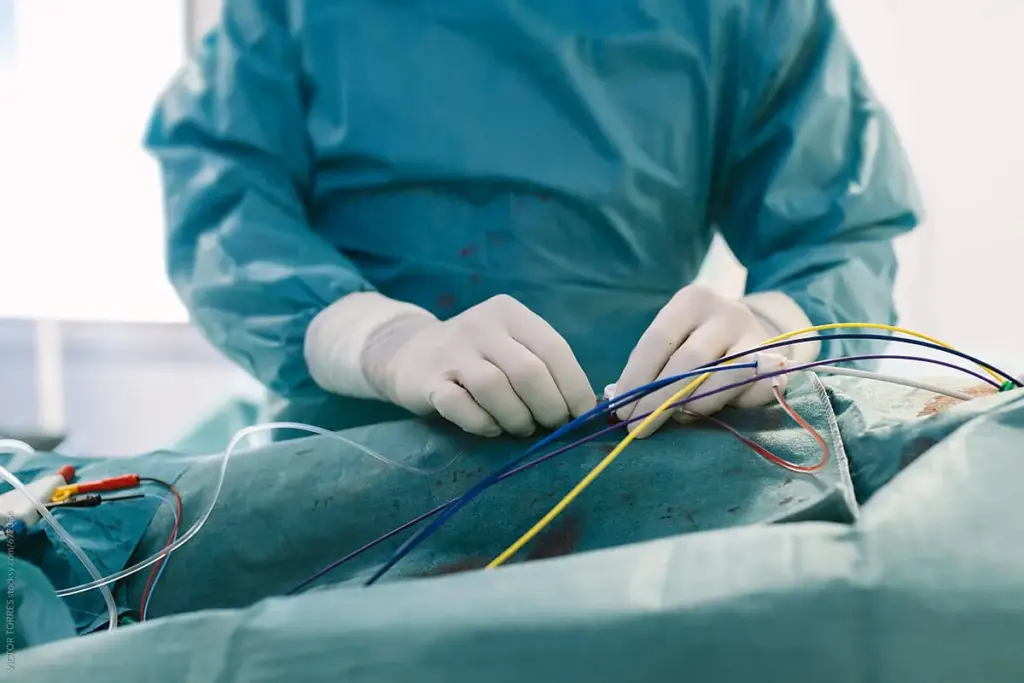
Many patients worry about the risks of ablation surgery. But, ablation is seen as a low-risk, minimally invasive procedure. It’s not like the old, risky surgeries.
Studies show that cardiac ablation is safe when done by experts. It has a low chance of complications. The success of ablation depends on the procedure type and the patient’s health.
Our institution stresses the need for skilled facilities and strict rules to avoid problems. A recent study found that new tech, like AI, makes heart ablation safer and more effective.
Key Takeaways
- Ablation is considered a minimally invasive procedure.
- Low complication rates are achieved when performed by experienced practitioners.
- The risk profile varies depending on the type of ablation and patient-specific factors.
- Advancements in technology have improved the safety and efficacy of ablation procedures.
- Strict protocols and experienced facilities minimize complications.
What Is Cardiac Ablation and How Does It Work?
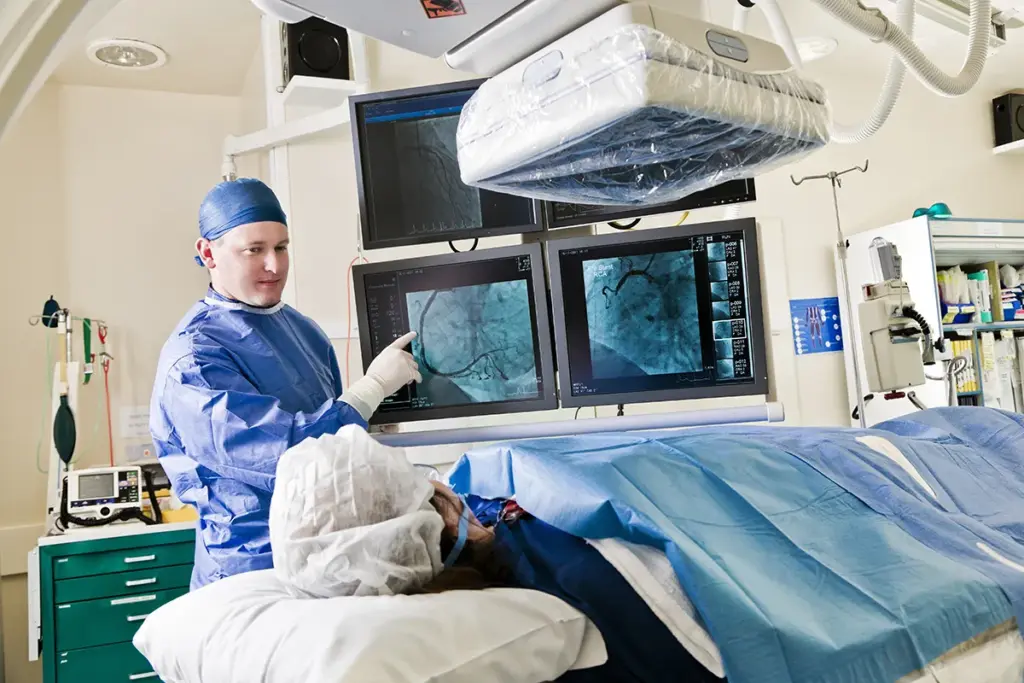
We use cardiac ablation to treat heart rhythm disorders. It uses advanced technology to fix the heart’s function. This procedure targets and destroys abnormal heart tissue that causes arrhythmias.
Definition and Basic Principles
Cardiac ablation is a complex treatment for heart rhythm disorders. It removes the source of arrhythmias. Knowing how it works helps patients understand its benefits and risks.
The Technology Behind Ablation
The technology in cardiac ablation includes energy sources like radiofrequency and cryoablation. These energies target abnormal heart tissue to bring back a normal rhythm.
Energy Sources Used
We use different energies to get the best results. Radiofrequency ablation uses heat, while cryoablation uses cold.
Targeting Abnormal Heart Tissue
Our team uses advanced mapping to find and target the heart’s problem areas. By precisely hitting abnormal heart tissue, we aim to fix the rhythm and enhance the patient’s life.
Types of Ablation Procedures for Heart Rhythm Disorders
Ablation therapy for heart rhythm disorders uses different techniques. Each has its own benefits. The right procedure depends on the condition, the patient’s health, and the doctor’s skills.
Radiofrequency Ablation
Radiofrequency ablation is a common method. It uses high-frequency energy to destroy bad electrical pathways in the heart. This helps treat arrhythmias.
Cryoablation
Cryoablation uses extreme cold to treat arrhythmias. It’s good because it doesn’t harm the heart tissue around the problem area.
Laser and Ultrasound Ablation
Laser and ultrasound ablation are less common but offer different ways to treat heart issues. Laser ablation uses a laser to destroy tissue. Ultrasound ablation uses sound waves.
Surgical vs. Catheter-Based Approaches
Ablation can be done surgically or with catheters. Catheter ablation is less invasive, using catheters in the heart. Surgical ablation is more traditional, done through open-heart or minimally invasive surgery.
|
Ablation Technique |
Method |
Key Benefit |
|---|---|---|
|
Radiofrequency Ablation |
High-frequency energy |
Effective for common arrhythmias |
|
Cryoablation |
Extreme cold |
Preserves surrounding tissue |
|
Laser Ablation |
Laser energy |
Precise tissue destruction |
|
Ultrasound Ablation |
High-frequency sound waves |
Non-invasive |
Common Heart Conditions Treated with Ablation
Cardiac ablation is a treatment for many heart rhythm disorders. It targets specific heart areas causing arrhythmias. This can greatly improve a patient’s quality of life.
Atrial Fibrillation (AF)
Atrial fibrillation is a common heart rhythm disorder treated with ablation. It causes an irregular and fast heart rate. Symptoms include palpitations, shortness of breath, and fatigue.
Ablation for AF aims to restore a normal heart rhythm. It does this by isolating the pulmonary veins and ablating abnormal electrical activity areas.
Atrial Flutter (AFL)
Atrial flutter is another condition treated with cardiac ablation. It is marked by a rapid, regular heart rate. This can cause symptoms similar to AF.
Ablation for AFL involves creating a line of scar tissue in the right atrium. This blocks the abnormal electrical circuit causing the arrhythmia.
Ventricular Tachycardia (VT)
Ventricular tachycardia is a serious arrhythmia originating in the heart’s ventricles. It can cause severe symptoms like dizziness, chest pain, and loss of consciousness. Ablation for VT targets the specific ventricular areas responsible for the abnormal rhythm.
Supraventricular Tachycardia (SVT)
Supraventricular tachycardia includes various arrhythmias originating above the ventricles. SVT can cause sudden episodes of rapid heart rate. Symptoms include palpitations and lightheadedness.
Ablation for SVT focuses on identifying and eliminating the source of the abnormal electrical pathway.
Is Ablation Considered Major Surgery?
Ablation surgery is big, but it’s seen differently than old-school open-heart surgeries. It’s less invasive and has a quicker recovery. Knowing this is key for those looking at treatment options.
Minimally Invasive Classification
Cardiac ablation is a minimally invasive procedure. It needs only small cuts, or sometimes none at all. This makes it gentler on the body than bigger surgeries.
Comparison to Traditional Open Heart Surgery
Cardiac ablation is less invasive than open-heart surgery. Open-heart surgery opens the chest, leading to a longer recovery. Ablation, on the other hand, means shorter hospital stays and quicker healing. It’s a good choice for those wanting to get back to life fast.
Typical Hospital Stay and Recovery Time
Most people after cardiac ablation stay in the hospital just one night or go home the same day. The recovery time is also short, with most back to normal in a week. We focus on making recovery easy and safe for our patients.
Overall Risk Profile of Cardiac Ablation
It’s important to know the risks of cardiac ablation before getting it. This treatment is usually safe but comes with some dangers.
General Complication Rates
Research shows cardiac ablation has a low rate of complications. These can be minor or major.
Minor Complications
Minor issues, like some pain or small bleeding, might happen. But they’re usually not serious and can be easily fixed.
Major Complications
Big problems, like cardiac tamponade or stroke, are rare but serious. But, the risk drops when experts do the procedure.
|
Type of Complication |
Rate of Occurrence |
|---|---|
|
Minor Complications |
2-5% |
|
Major Complications |
1-3% |
In-Hospital Mortality Statistics
The death rate in the hospital for cardiac ablation is very low. Studies show it’s under 1%.
“The safety profile of cardiac ablation has improved significantly over the years, making it a viable treatment option for many patients with heart rhythm disorders.”
A Cardiologist
We follow strict rules to lower risks and get the best results for our patients with cardiac ablation.
Complication Rates by Specific Ablation Type
It’s important to know the risks of different ablation procedures. Cardiac ablation treats heart rhythm disorders. While it’s safe, the risk varies with the condition being treated.
Risks in Atrial Fibrillation Ablation
Atrial fibrillation ablation has a low complication rate of about 1.1%. This method isolates the pulmonary veins to stop abnormal signals.
Risks in Atrial Flutter Ablation
Atrial flutter ablation has a complication rate of about 1.0%. It involves creating a line in the right atrium to block the arrhythmia.
Risks in Ventricular Tachycardia Ablation
Ventricular tachycardia ablation has a higher risk of complications, around 5.3%. This is because of the procedure’s complexity and the heart disease in these patients.
Risk Comparison Between Procedures
Comparing risks, ventricular tachycardia ablation has a much higher risk than atrial fibrillation or atrial flutter ablation. This is key for patients and doctors to consider the benefits and risks.
At our institution, we offer personalized care and risk assessment for ablation patients. Knowing these risks helps us improve outcomes and reduce complications.
Potential Serious Complications of Ablation Procedures
It’s important to know the serious complications of cardiac ablation. This knowledge helps you make informed choices. We do our best to keep you safe, but it’s good to know the risks.
Cardiac Tamponade
Cardiac tamponade is a serious issue, affecting about 0.7% of patients. It happens when fluid builds up around the heart, which can harm its function. Quick action and treatment are key.
Stroke and Neurological Complications
Stroke and neurological problems can affect about 0.2% of those who get cardiac ablation. These issues might come from blood clots or air in the blood.
Vascular Injuries
Vascular injuries, affecting about 0.4% of patients, include bleeding or damage to blood vessels. Monitoring closely after the procedure is vital to catch and treat these problems fast.
Other Possible Complications
There are other complications to watch out for, including:
Pulmonary Vein Stenosis
- : This is when the pulmonary veins narrow, causing breathing trouble.
Phrenic Nerve Injury
- : Damage to the phrenic nerve can lead to paralysis of the diaphragm.
Esophageal Injury
- : Rarely, the esophagus can get hurt, leading to serious issues like fistulas.
We do everything we can to avoid these risks. Our team is committed to giving you the best care possible.
Success Rates and Effectiveness of Ablation
Ablation therapy is key in treating some heart rhythm problems. It has shown high success rates. This has led to better results for patients.
Short-term Success Rates
Research shows ablation works well in the short term. It often fixes heart rhythm issues right away. Short-term success means no rhythm problems for a few months after treatment.
Long-term Freedom from Arrhythmia
Long-term, ablation also shows great results. Many patients stay free from rhythm problems for a long time. Up to 87% of patients stay rhythm-free after a while.
Factors Affecting Success
Several things can affect how well ablation works. These include:
- Patient-Specific Factors: The heart condition, overall health, and the arrhythmia’s details.
- Procedural Factors: The doctor’s skill, the technology used, and the procedure’s method.
Patient-Specific Factors
Each patient’s situation is unique. This affects how well ablation works. Some heart conditions may lead to different results.
Procedural Factors
The team’s skill and the equipment’s quality are key. These procedural factors greatly influence ablation’s success.
The Critical Importance of Facility Experience
The experience and volume of ablation procedures at a healthcare facility are key to good patient outcomes. Studies show a strong volume-outcome relationship in cardiac ablation.
Volume-Outcome Relationship
High-volume centers usually have better results and fewer complications. This is because they have more experienced staff. They also get better at choosing patients and caring for them after the procedure.
Risk Differences Between Low and High-Volume Centers
Patients at high-volume centers face less risk than those at low-volume ones. The difference in complication rates is big. It’s important for patients to ask about a facility’s experience.
Questions to Ask About Institutional Experience
When looking into cardiac ablation, ask about the facility’s yearly procedures and the team’s qualifications.
Pre-Procedure Preparation and Risk Assessment
Before starting cardiac ablation, it’s key to prepare well. This helps lower risks and get the best results. We have a detailed plan to check patients and get them ready for the procedure.
Medical Evaluation Process
We look closely at a patient’s medical history and current health. We also check their past treatments. This helps us spot risks and find ways to reduce them.
Individual Risk Stratification
Knowing each patient’s risk is very important. We use special tools and methods to figure out their risk level.
Medication Management Before Ablation
Managing medications before the procedure is very important. This includes:
- Anticoagulation Considerations: We adjust anticoagulation therapy to lower bleeding risks.
- Antiarrhythmic Medications: We check if antiarrhythmic meds are needed and adjust them to control heart rhythm.
|
Medication Type |
Pre-Ablation Management |
Purpose |
|---|---|---|
|
Anticoagulants |
Adjusted or stopped as necessary |
Minimize bleeding risk |
|
Antiarrhythmics |
Assessed and adjusted |
Optimize heart rhythm control |
Recovery and Post-Ablation Care
Recovering from cardiac ablation is a detailed process. It needs careful watching and care after the procedure. Knowing what to expect is key to a good recovery.
Immediate Recovery Period
Right after the procedure, our team keeps a close eye on you. Patients usually stay for 1-2 hours to check for any issues. We watch your heart rhythm and overall health to make sure you’re okay.
Key aspects of immediate recovery include:
- Monitoring of vital signs and heart rhythm
- Management of any post-procedure discomfort or pain
- Observation for any complications
Long-term Follow-up Protocol
Following up after the procedure is important. It helps us see if the treatment worked and if there are any long-term issues. We schedule regular check-ups to keep an eye on your heart and adjust treatments if needed.
|
Follow-up Timeline |
Assessment Criteria |
|---|---|
|
1-3 months post-ablation |
Evaluation of symptom recurrence, medication adjustment |
|
6-12 months post-ablation |
Long-term assessment of heart rhythm, overall health |
Lifestyle Modifications After Ablation
Changing your lifestyle can help your heart health after ablation. Eating well, exercising regularly, and managing stress are good habits. These can help keep your heart healthy and lower the chance of arrhythmia coming back.
When to Seek Medical Attention
Even though problems are rare, knowing when to get help is important. If you have severe chest pain, trouble breathing, or signs of infection, call your doctor right away.
Understanding the recovery process and following care guidelines can improve your heart health. Our team is here to support you every step of the way.
Conclusion: Weighing the Risks and Benefits of Ablation
Cardiac ablation is a top treatment for heart rhythm disorders. It offers big benefits when done by skilled doctors. But, it also has risks that can be lowered with careful planning and aftercare.
Patients can make smart choices about ablation by knowing the risks and benefits. Our team is dedicated to giving top-notch care and support to those getting ablation. We aim for the best results for our patients.
Choosing ablation should be a well-thought-out decision. It’s important to talk to your doctor about your situation. They can help decide if ablation is right for you. Our team is ready to help support your care journey.
FAQ
What is cardiac ablation?
Cardiac ablation is a medical procedure. It treats heart rhythm disorders by destroying abnormal electrical pathways in the heart tissue.
What are the different types of ablation procedures?
There are several types of ablation procedures. These include radiofrequency ablation, cryoablation, laser ablation, and ultrasound ablation. They can be performed using catheter-based or surgical approaches.
Is ablation considered major surgery?
No, ablation is considered a minimally invasive procedure. It requires only small incisions or no incisions at all, depending on the type of ablation.
What are the risks associated with ablation surgery?
While generally safe, ablation procedures carry risks. These include cardiac tamponade, stroke, neurological complications, vascular injuries, and other possible complications specific to certain ablation procedures.
How effective is ablation in treating heart rhythm disorders?
Ablation procedures are highly effective in treating heart rhythm disorders. They have high short-term success rates and long-term freedom from arrhythmia.
What is the importance of facility experience in ablation procedures?
The experience of the facility performing ablation procedures is critical. High-volume centers have better success rates and lower complication rates compared to low-volume centers.
What is the typical recovery time after ablation?
Most patients can return to their normal activities within a few days to a week after the procedure. They have a significantly shorter hospital stay compared to traditional open heart surgery.
How is the risk of complications minimized during ablation?
A thorough medical evaluation and individual risk stratification are key. Medication management before ablation and strict protocols during the procedure help minimize complications.
What kind of follow-up care is required after ablation?
Patients are monitored closely during the immediate recovery period. A long-term follow-up protocol is established to monitor for any recurrence of arrhythmia. Lifestyle modifications are recommended to support heart health.
Can ablation be used to treat all types of heart rhythm disorders?
Ablation is used to treat a range of heart rhythm disorders. These include atrial fibrillation, atrial flutter, ventricular tachycardia, and supraventricular tachycardia. The suitability of the procedure depends on individual patient factors.
What is the role of catheter ablation in treating arrhythmias?
Catheter ablation is a minimally invasive procedure. It uses catheters to deliver energy to the heart tissue, targeting the specific areas causing arrhythmias. It is a highly effective treatment option for many patients.
How does cryoablation differ from radiofrequency ablation?
Cryoablation uses extreme cold to destroy abnormal heart tissue. Radiofrequency ablation uses high-frequency energy to achieve the same effect. Both techniques are effective in treating heart rhythm disorders.
References
Efficacy and safety of different forms of ablation therapies and antiarrhythmic drugs in atrial fibrillation: a systematic review and network meta-analysis of randomized clinical trials