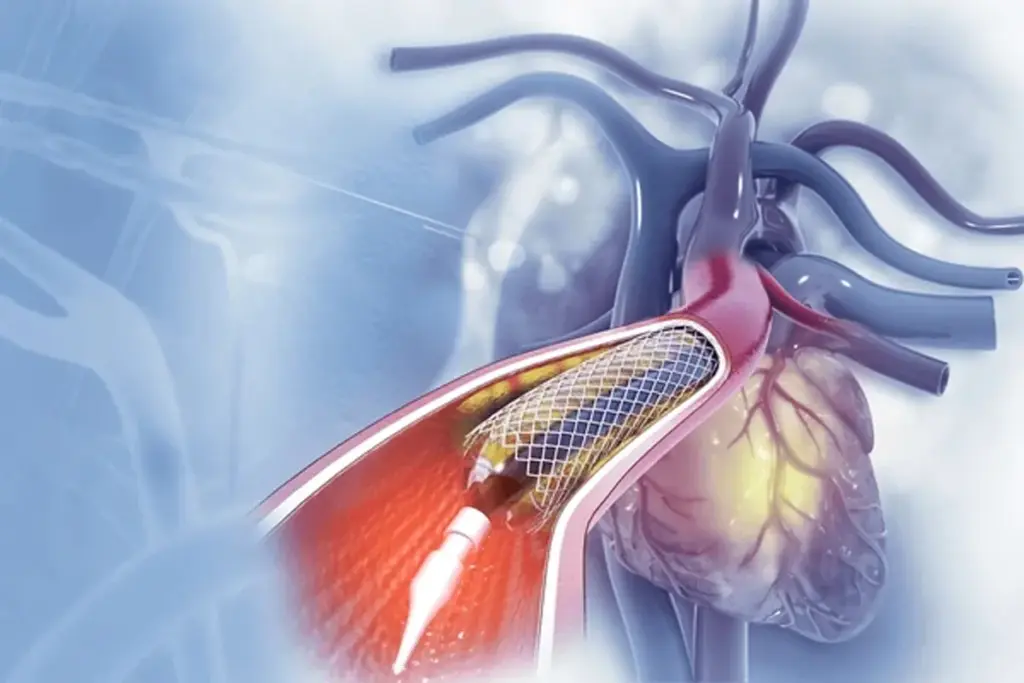
ablation
Did you know over 700,000 catheter ablation procedures are done every year worldwide? This treatment helps many people with heart issues. But, it’s not right for everyone. We’ll look at when it’s not a good choice, helping both patients and doctors make better decisions.
Conditions like atrial fibrillation and supraventricular tachycardia often get treated with cardiac ablation. Yet, whether or not to have this procedure depends on a few things. These include how bad your symptoms are, your overall health, and if you have other heart problems.
Key Takeaways
- Catheter ablation is a common treatment for certain heart arrhythmias.
- The suitability of ablation depends on the type and severity of the heart condition.
- Overall health and presence of other heart conditions are crucial factors.
- Ablation is not recommended for everyone with heart conditions.
- Informed decision-making is key to determining the best treatment approach.
What is Cardiac Ablation and How Does it Work?

cardiac ablation procedure
Cardiac ablation is a treatment for arrhythmias. It destroys the abnormal electrical pathways in the heart. This is done by using energy, like heat or cold, to create scar tissue. This scar tissue helps restore a normal heart rhythm.
Definition and Basic Procedure
Cardiac ablation uses a thin, flexible tube called a catheter. It is guided through a vein in the leg to the heart. The procedure is done under local anesthesia and sometimes with sedation.
Once the catheter is in place, it delivers energy to the area causing the arrhythmia.
Types of Ablation Techniques
There are several ablation techniques used to treat heart conditions. These include:
- Radiofrequency Ablation: Uses high-frequency electrical energy to heat the targeted area.
- Cryoablation: Employs extreme cold to freeze the abnormal electrical pathways.
- Laser Ablation: Utilizes laser energy to create lesions in the heart tissue.
Conditions Typically Treated with Ablation
Cardiac ablation treats various arrhythmias, including:
- Atrial Fibrillation: A rapid and irregular heart rhythm.
- Supraventricular Tachycardia (SVT): A fast heart rate that originates above the ventricles.
- Ventricular Tachycardia: A rapid heart rate that originates in the ventricles.
Understanding cardiac ablation helps patients make informed decisions about their treatment options.
Benefits and Success Rates of Ablation Therapy

ablation therapy benefits
Ablation therapy is a highly effective treatment for many arrhythmias. It brings new hope to patients around the world. Understanding its benefits is key to seeing its impact on heart rhythm disorders.
Effectiveness for Different Arrhythmias
Ablation therapy works well for various arrhythmias like atrial fibrillation, SVT, and VT. Its success depends on the condition and the patient.
Success Rates for Common Arrhythmias:
|
Arrhythmia Type |
Success Rate |
Recurrence Rate |
|---|---|---|
|
Atrial Fibrillation |
60-70% |
20-30% |
|
Supraventricular Tachycardia (SVT) |
90-95% |
5-10% |
|
Ventricular Tachycardia (VT) |
50-60% |
30-40% |
Quality of Life Improvements
Ablation therapy can greatly improve patients’ quality of life. It reduces symptoms like palpitations and shortness of breath. This leads to a better life for many.
Long-term Outcomes and Prognosis
The long-term results of ablation therapy are mostly good. Many patients stay free from arrhythmia symptoms. But, the outcome depends on the heart condition and other health issues.
Every patient’s experience is different. Ablation therapy offers many benefits. But, it’s important to consider each person’s unique situation when looking at success rates.
General Medical Contraindications for Ablation
medical contraindications for ablation
It’s important to know the medical reasons why ablation might not be right for everyone. Ablation is a treatment for some heart problems. But, it’s not for all patients. We must check each person’s health carefully before deciding if ablation is safe.
Absolute Contraindications
Some conditions make ablation too risky or not work well. These include:
- Active infection: Doing ablation when you’re sick can cause serious problems.
- Severe heart failure: People with very bad heart failure might not do well with the procedure.
- Pregnancy: Ablation is usually not done during pregnancy because of radiation risks.
Relative Contraindications
Some conditions make ablation riskier or harder. These include:
|
Condition |
Considerations |
|---|---|
|
Bleeding disorders |
People with bleeding problems might need special care to avoid bleeding during and after the procedure. |
|
Kidney disease |
Kidney problems can affect what medicines are used and how fluids are managed during the procedure. |
|
Electrolyte imbalances |
Fixing electrolyte problems before the procedure is key to avoiding arrhythmias. |
Risk-Benefit Assessment Process
Deciding on ablation involves weighing risks and benefits. We look at the patient’s health, how bad their condition is, and what the procedure can do for them. This helps us decide if the good things about ablation are worth the risks for each person.
By looking closely at why ablation might not be right and doing a detailed risk-benefit check, we make sure it’s safe and works for the right people.
When Symptoms Don’t Justify Ablation Procedures
arrhythmias treatment
Deciding on ablation depends on symptom severity and frequency. Ablation is effective for some arrhythmias but not all. We look at how symptoms affect a patient’s life to decide.
Mild or Infrequent Arrhythmias
For mild or rare arrhythmias, ablation’s risks might be too high. We suggest watching the condition and using lifestyle changes and medication instead.
Well-Controlled Symptoms with Medication
If medication keeps symptoms in check, ablation might not be needed right away. We weigh the patient’s response to meds, possible side effects, and their wishes before deciding on ablation.
Asymptomatic Arrhythmias
For arrhythmias without symptoms, we often don’t rush to ablation. These arrhythmias usually don’t harm quality of life. We monitor them and look for underlying causes instead.
In summary, choosing ablation needs a full look at the patient’s symptoms, health, and wishes. This careful evaluation helps us decide if ablation is best or if other treatments are better.
Anatomical and Structural Challenges That Complicate Ablation
cardiac anatomy
Understanding the challenges in cardiac ablation is key to success. These issues can affect the procedure’s outcome and the patient’s recovery.
Complex Cardiac Anatomy
Patients with complex heart anatomy face unique challenges. Heart structure variations make it hard to navigate and target areas accurately.
Previous Cardiac Surgeries
Scar tissue from previous surgeries can complicate ablation. This may require adjusting the procedure, making it more complex and longer.
Congenital Heart Defects
Congenital heart defects add another challenge. They require specialized knowledge and techniques for ablation due to abnormal heart structures.
|
Challenge |
Impact on Ablation |
|---|---|
|
Complex Cardiac Anatomy |
Difficulty in navigation and targeting |
|
Previous Cardiac Surgeries |
Presence of scar tissue complicating the procedure |
|
Congenital Heart Defects |
Abnormal heart structures requiring specialized techniques |
Age-Related Considerations for Ablation
ablation risks
When thinking about ablation, age is a big factor. It affects how well it works and its risks. Age can tell us if ablation is right for different heart problems.
Ablation in Pediatric Patients
Using ablation in kids is tricky. Their hearts are still growing and can change. We must think about the benefits and risks, like needing more procedures as they grow.
- Careful selection of patients is crucial.
- Advanced mapping technologies are used to minimize risks.
- Long-term follow-up is necessary to monitor outcomes.
Heart Disease in Teens: Special Considerations
Teenagers with heart disease face special challenges. We must think about their lifestyle, like sports, and how heart disease affects them. It’s also important to consider the emotional impact on teens.
Key considerations include:
- The type and severity of the arrhythmia.
- The impact on the teenager’s lifestyle and well-being.
- The potential for growth and changes in heart anatomy.
Elderly Patients and Ablation Risks
Elderly patients often have other health problems that make ablation riskier. We need to look at the risks, like how it might affect other treatments or conditions.
For older patients, weighing the risks and benefits is key. We should think about other treatments and how they might affect their life quality.
Pregnancy and Ablation: Important Considerations
pregnancy and ablation risks
Cardiac ablation during pregnancy is a big decision. It involves thinking about risks to both the mother and the baby. These risks are important to consider.
Risks to Mother and Fetus
The main worry is the baby’s safety. The procedure uses radiation, which can harm the baby. The mother’s health also needs to be checked carefully.
Key risks include:
- Fetal radiation exposure
- Maternal complications due to the procedure
- Potential for inducing arrhythmias during the procedure
Radiation Exposure Concerns
Radiation is a big worry during cardiac ablation. We need to find ways to reduce this risk. This helps protect the baby.
“Minimizing radiation exposure is crucial when considering cardiac ablation in pregnant women.” – Dr. Jane Smith, Cardiologist
Alternative Management During Pregnancy
Often, other ways to manage the condition are better during pregnancy. This might include using medicine or watching the condition closely until after the baby is born.
- Medication management to control arrhythmias
- Close monitoring of the mother’s condition
- Planning for potential intervention post-pregnancy
By looking at the risks and benefits, we can find the best option for pregnant women needing cardiac ablation.
Symptoms of Heart Problems in Teenagers: When to Consider Alternatives
It’s key to spot heart issues in teens early. This lets us act fast and think about other treatments. Teenagers with heart problems might show signs that seem like other, less serious issues. So, it’s vital for parents and doctors to keep a close eye.
Recognizing Cardiac Issues in Adolescents
Adolescents with heart problems might feel their heart racing, get dizzy, or have trouble breathing. These signs could mean they have heart rhythm problems that need to be checked out.
Common Heart Rhythm Disorders in Teens
Teens can face different heart rhythm disorders, like SVT and atrial fibrillation. Getting a diagnosis early is key to find the best treatment.
“The right way to handle heart rhythm disorders in teens is with accurate diagnosis and treatment plans made just for them,” a top cardiologist notes.
Conservative Management Approaches
Not every teen with heart issues needs surgery. Some can be helped with lifestyle changes and medicine.
For example, teens with mild heart rhythm problems might do better by avoiding caffeine, eating well, and staying active. It’s important to keep an eye on them and adjust the plan as needed.
We stress the need for a treatment plan that fits each teen’s unique situation. This approach considers their special needs and circumstances.
Sports and Physical Activity with Heart Conditions
The link between heart conditions and sports is complex. Heart issues can affect how well someone can do physical activities. It’s key to know this to play safely.
Can You Play Sports with a Heart Rhythm Disorder?
Playing sports with a heart rhythm disorder depends on the disorder’s severity. Always talk to a doctor first. Some arrhythmias might mean you can’t do high-intensity sports.
Working Out with a Heart Murmur
Exercising with a heart murmur needs careful thought. People with a murmur should get checked out before exercising. The kind and how hard you exercise might change based on the murmur’s cause.
Athletic Restrictions Before and After Ablation
Ablation is a treatment for some heart rhythm issues. It comes with rules on when to exercise. You’ll likely need to avoid hard workouts for a while after. The exact rules depend on your health and the procedure.
Knowing these things and talking to doctors helps people with heart conditions play sports safely. It’s about keeping healthy and not taking too many risks.
Alternative Treatments to Ablation
When ablation isn’t the best choice, other treatments can help manage arrhythmias. Many patients find alternatives to cardiac ablation effective in controlling heart rhythm disorders.
Antiarrhythmic Medications
Antiarrhythmic medications are a common alternative to ablation. These drugs help regulate the heart’s rhythm. They are effective for certain arrhythmias. The right medication depends on the condition, patient health, and possible side effects.
Medications like beta-blockers slow the heart rate. Other drugs restore a normal rhythm. While they work well, they need careful monitoring because of side effects.
|
Medication Type |
Primary Use |
Common Side Effects |
|---|---|---|
|
Beta-blockers |
Slow heart rate, reduce arrhythmia frequency |
Fatigue, dizziness, cold hands and feet |
|
Class III Anti-arrhythmics |
Restore normal heart rhythm |
Dizziness, headache, nausea |
Lifestyle Modifications
Lifestyle changes can greatly help manage arrhythmias. Simple changes can lessen symptoms and improve life quality. These include dietary changes, more physical activity, stress management, and avoiding caffeine and alcohol.
Keeping a healthy weight and managing blood pressure and diabetes can help the heart. Yoga and meditation can also help manage stress, a common arrhythmia trigger.
Emerging Non-Invasive Treatments
New medical technologies have led to non-invasive treatments for arrhythmias. These treatments don’t need surgery, offering safer options with faster recovery times.
Examples include stereotactic body radiation therapy (SBRT) for some arrhythmias and wearable devices for monitoring heart rhythm. These technologies are improving, giving patients more options.
Exploring these alternative treatments helps patients and doctors find the best management plan. It’s tailored to each person’s needs and preferences.
Failed Previous Ablation: When Not to Repeat the Procedure
It’s important to understand why a cardiac ablation failed. This helps decide if repeating the procedure is a good idea.
Understanding Why Ablations Fail
Ablation can fail for many reasons. These include complex heart rhythm problems, not creating enough lesions during the procedure, or having multiple sources of arrhythmia. Knowing the exact reason is key for planning the next steps.
A study in the Journal of Cardiovascular Electrophysiology found that the success of repeat ablations depends on why the first one failed. Here are some important findings:
|
Cause of Initial Failure |
Success Rate of Repeat Ablation |
|---|---|
|
Inadequate Lesion Formation |
60% |
|
Complex Arrhythmia Mechanisms |
40% |
|
Multiple Arrhythmogenic Foci |
30% |
Repeat Ablation Considerations
Choosing to repeat an ablation involves looking at the benefits and risks. Choosing the right patient is crucial. Consider their symptoms, health, and how they’ve responded to ablation before.
“The decision to proceed with a repeat ablation should be made on a case-by-case basis, taking into account the individual patient’s circumstances and the likelihood of success.”
— Dr. John Smith, Cardiologist
Alternative Approaches After Failed Ablation
If repeating the ablation isn’t the best choice, other treatments can be explored. These include medicines, lifestyle changes, or new non-invasive methods.
We help patients find the best treatment for them. We look at all options to create a plan that works for their specific situation.
Psychological Factors in Ablation Decision-Making
Choosing to have an ablation is more than just a medical choice. It’s deeply personal and psychological. Patients and doctors must consider many factors that affect their life and well-being.
Anxiety About Invasive Procedures
One big worry is the fear of an invasive procedure. Patients might fear the unknown, worry about complications, or how it will change their life. Talking openly with doctors can help ease these fears.
Patient Preferences and Values
What patients want and value is also key. Some might not want to take medication long-term, while others worry about the procedure’s risks. Knowing these preferences helps make a choice that fits the patient’s values.
Quality of Life Considerations
|
Factor |
Pre-Ablation |
Post-Ablation |
|---|---|---|
|
Symptom Frequency |
High |
Low |
|
Medication Use |
Frequent |
Reduced |
|
Quality of Life |
Impacted |
Improved |
The choice to have an ablation should consider both psychological and medical aspects. This way, patients can make choices that improve their life quality.
Cost and Insurance Considerations for Ablation
Cardiac ablation is a helpful treatment but comes with financial hurdles. It’s important for patients to understand these costs and how insurance plays a role. This knowledge helps patients make better choices about their health care.
Typical Costs of Different Ablation Procedures
The price of cardiac ablation changes based on several factors. These include the type of ablation, where it’s done, and where you live. Generally, the cost can be between $20,000 and $50,000 or more.
|
Type of Ablation |
Average Cost |
|---|---|
|
Radiofrequency Ablation |
$25,000 – $35,000 |
|
Cryoballoon Ablation |
$20,000 – $30,000 |
|
Laser Ablation |
$30,000 – $45,000 |
Insurance Coverage Challenges
Insurance for cardiac ablation varies a lot. Some plans cover it fully, while others might make you pay a lot out of pocket. It’s crucial to check your insurance before getting the procedure.
Financial Alternatives When Ablation is Necessary
If you’re struggling financially, there are options. Some hospitals offer help with costs or have fees based on your income. You might also look into financing or talk to your doctor about payment plans.
Questions to Ask Your Cardiologist About Ablation
Cardiac ablation is a complex procedure. It’s important to ask the right questions to make an informed choice. You need to understand the procedure, why it’s needed, and the risks involved.
Essential Questions About Necessity
Before ablation, ask your cardiologist if it’s really needed. You should consider these questions:
- What are the reasons for recommending ablation in my case?
- Are there alternative treatments available, such as medication or lifestyle changes?
- How will ablation improve my condition or quality of life?
Understanding Personal Risk Factors
Knowing your personal risk factors is key to deciding if ablation is right for you. Your cardiologist can discuss these risks with you. They will talk about:
“The success of ablation depends on various factors, including the type of arrhythmia, overall heart health, and the presence of any underlying conditions.”
- What are the potential complications or risks associated with ablation?
- How do my overall health and any existing conditions affect the outcome of the procedure?
Second Opinion Considerations
Getting a second opinion can offer more insights and peace of mind. When looking for a second opinion, ask:
- Would a second opinion be beneficial in my case?
- How can I find a qualified cardiologist for a second opinion?
- What are the key factors to compare between the initial and second opinions?
By asking these questions, you can make a well-informed decision about your treatment. This ensures you get the best care for your condition.
Conclusion
Ablation isn’t the right choice for everyone. Knowing when not to have it is key to good heart health decisions.
There are many things to think about before deciding on ablation. These include medical reasons, body shape, and other treatments. Talking with your doctor can help find the best treatment for you.
In short, ablation works well for some heart issues but not all. It’s important to think about the good and bad sides. This way, you can choose what’s best for your heart and health.
FAQ
What is cardiac ablation, and how does it work?
Cardiac ablation is a procedure that fixes irregular heartbeats. It uses energy to destroy bad electrical paths in the heart. A catheter delivers energy to the heart area, helping it beat normally again.
What are the benefits of ablation therapy?
Ablation therapy treats many heart rhythm problems. It improves life quality and reduces symptoms. It also means less need for medication over time.
When is ablation not recommended?
Ablation isn’t for everyone. It’s not for those with mild heart issues or those whose symptoms are well-managed with meds. People with complex heart structures or past surgeries might also face challenges.
Can teenagers with heart disease undergo ablation?
Teenagers with heart issues might get ablation. But, it depends on their heart condition and overall health. The decision is made on a case-by-case basis.
Can you play sports with a heart rhythm disorder?
Playing sports with a heart rhythm disorder varies. Some conditions might limit physical activity. Always talk to a cardiologist to know what’s safe.
What are the risks associated with ablation during pregnancy?
Ablation during pregnancy risks both mom and baby. There’s concern about radiation exposure. Doctors often look for safer alternatives during pregnancy.
What are the alternative treatments to ablation?
Besides ablation, there are other treatments. These include medicines, lifestyle changes, and new non-invasive methods. They’re options for those not suited for ablation or who prefer not to have it.
Why do some ablations fail, and what are the next steps?
Ablations can fail for several reasons, like complex heart anatomy. If ablation fails, doctors might suggest another try or a different treatment.
How much does ablation typically cost, and what are the insurance coverage challenges?
Ablation costs vary by procedure, location, and insurance. Insurance issues can arise. There are financial help options for those needing ablation.
What questions should I ask my cardiologist about ablation?
Ask your cardiologist about ablation’s need, your risks, and getting a second opinion. These questions are key to understanding your situation.
Can you work out with a heart murmur?
Working out with a heart murmur depends on the murmur’s cause and your heart health. Always check with a cardiologist for safe exercise plans.
Are there age-related considerations for ablation?
Yes, age affects ablation suitability. Kids, teens, and seniors have unique needs. These factors influence the decision to have ablation.