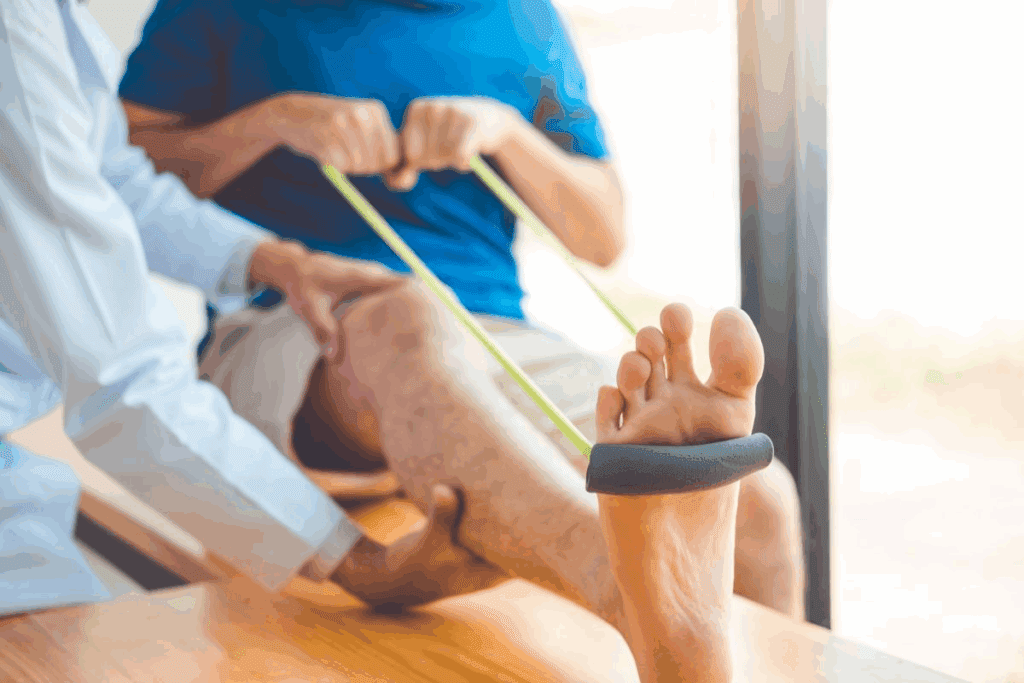
Athletes often face Achilles tendon injuries. For example, Washington Commanders’ Marcus Mariota has a sore Achilles tendon. This shows how it can affect performance. Spot the warning! The 4 Crucial Achilles tendon inflammation signs you Must look for to treat it fast.
Inflammation of the Achilles tendon, or tendonitis, can cause a lot of pain. It also makes it hard to move. Spotting the signs of inflammation early is key to treating it well and avoiding more harm.
Knowing the symptoms of Achilles tendonitis is the first step. Look out for pain along the tendon, swelling, and stiffness.
Key Takeaways
- Recognizing early signs of Achilles tendon inflammation is key for effective treatment.
- Achilles tendonitis can cause a lot of pain and make it hard to move.
- Common symptoms include pain along the tendon, swelling, and stiffness.
- Early diagnosis can prevent further damage and improve recovery chances.
- Understanding the symptoms is the first step towards addressing the issue.
Understanding the Achilles Tendon and Its Function
The Achilles tendon connects the calf muscles to the heel bone. It’s key for walking and running. It’s also important for sports and daily life.
Anatomy of the Achilles Tendon
The Achilles tendon is the biggest tendon in our body. It’s made by the gastrocnemius and soleus muscles. It goes down the leg to the calcaneus bone.
Key anatomical features are its thick, fibrous structure. This gives it strength and flexibility. But, it can get hurt easily.
| Anatomical Feature | Description | Function |
| Gastrocnemius Muscle | Outer muscle of the calf | Contributes to tendon formation |
| Soleus Muscle | Inner muscle of the calf | Contributes to tendon formation |
| Calcaneus Bone | Heel bone | Attachment point for the Achilles tendon |
Normal Function in Movement and Athletics
The Achilles tendon helps with many movements. It’s key for running, jumping, and climbing stairs. Its flexibility helps store and release energy well.
In sports, the Achilles tendon is very important. It helps athletes move fast, slow down, and change direction. Knowing how it works can prevent injuries and boost performance.
When we’re active, the Achilles tendon gets a lot of stress. Good training, conditioning, and gear can lower the chance of getting hurt or inflamed.
What Is Achilles Tendon Inflammation?
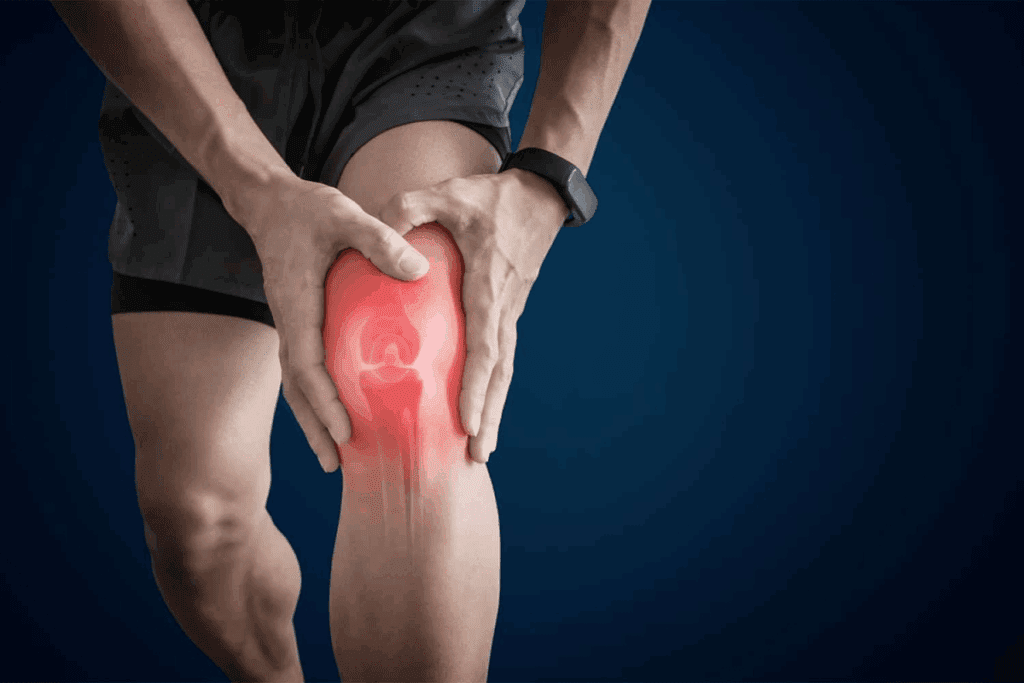
Achilles tendon inflammation, also known as Achilles tendonitis or tendinosis, is a painful condition. It affects how you move. It happens when the Achilles tendon, which connects the calf muscles to the heel bone, gets irritated or inflamed.
The Achilles tendon is key for walking, running, and jumping. When it’s inflamed, it causes a lot of pain and makes it hard to move.
Defining Tendonitis vs. Tendinosis
Tendonitis and tendinosis are often confused, but they’re different. Tendonitis is the inflammation of a tendon, usually from injury or too much use. Tendinosis, on the other hand, is a long-term condition where the tendon’s tissue breaks down without much inflammation.
Knowing the difference is key for the right treatment. Tendonitis might need rest, ice, and medicine. But tendinosis might need more, like physical therapy and rehab.
Acute vs. Chronic Inflammation
Achilles tendon inflammation can be either acute or chronic. Acute inflammation happens suddenly, often from a specific injury or intense activity. It shows as pain, swelling, and warmth.
Chronic inflammation develops slowly from long-term strain. It causes ongoing pain and makes it hard to function, affecting your life a lot.
Achilles Tendon Inflammation Signs: The Primary Indicators
The start of Achilles tendon inflammation shows clear signs that need attention. Spotting these signs early can greatly help in treatment and recovery.
Overview of Key Symptoms
The main signs of Achilles tendon inflammation are pain and tenderness in the tendon area, swelling, and limited mobility. These symptoms can change in severity and get worse with activity.
Pain in the Achilles tendon is usually felt at the back of the ankle. It can feel like a dull ache or a sharp pain. Tenderness is mainly felt around the tendon, and swelling might be seen or felt.
| Symptom | Description | Common Triggers |
| Pain | Aching or sharp pain in the Achilles tendon | Physical activity, like running or jumping |
| Swelling | Visible or palpable swelling around the tendon | Overuse, repetitive strain |
| Tenderness | Sensitivity to touch around the Achilles tendon | Direct pressure, tight footwear |
Symptom Progression Timeline
The symptoms of Achilles tendon inflammation can change a lot from person to person. They usually follow a timeline with different stages.
At first, people might feel mild pain or stiffness after being active. As it gets worse, pain can stay longer and may come with swelling and tenderness. In the later stages, pain can be very bad and always there, making it hard to move.
Knowing how symptoms progress is key to getting the right medical help and treatment.
Pain and Tenderness: Location and Characteristics
Pain and tenderness are key signs of Achilles tendon problems. They need a closer look at their spots and how they feel. The Achilles tendon is vital for movement and sports. When it gets inflamed, it can hurt a lot.
Pinpointing Where Pain Occurs
The pain from Achilles tendon inflammation usually happens at the back of the ankle, just above the heel. This spot is where the tendon is most likely to get strained or inflamed. Finding out exactly where the pain is is very important for figuring out how bad the problem is.
People often feel pain when they run, jump, or even just walk. The pain can feel sharp or dull, depending on how bad the inflammation is and the person’s health.
Types of Pain Sensations
The pain people feel can be different. Some say it feels like a burning sensation, others feel stiff, or they get sharp pain when they move their foot. Knowing these feelings can help doctors figure out how bad the inflammation is.
- Aching or burning pain
- Sharp pain during movement
- Stiffness, mostly after resting for a while
Pain During Different Activities
Pain from Achilles tendon inflammation can happen during different activities. For example, pain when walking or running is common because these activities stress the tendon more. Also, achilles pain after exercise can happen because of too much use or strain.
It’s also important to note that pain during foot movement is a big sign. Activities that suddenly change direction or speed can make the pain worse, leading to more tenderness.
By knowing the pain’s spots, how it feels, and how it relates to activities, doctors can make good plans to treat Achilles tendon inflammation.
Swelling and Thickening Around the Tendon
Swelling and thickening around the Achilles tendon are common signs of inflammation. This can greatly affect how well you can move. When the Achilles tendon gets inflamed, swelling shows up around it.
Visual Signs of Swelling
The swelling from Achilles tendon inflammation is easy to spot. It usually shows up on the back of the ankle, just above the heel. The tendon itself may also look thicker, making it stand out more than the other side.
Key visual indicators of swelling include:
- A noticeable bulge or swelling on the back of the ankle
- The affected area may appear larger or more pronounced compared to the other ankle
- Skin may appear tight or shiny over the swollen area
Measuring and Monitoring Swelling
To track swelling and see if treatments are working, measure the ankle or tendon thickness. Use a tape measure or calipers for this.
Steps to measure swelling:
- Identify the point of maximum swelling on the affected ankle
- Measure the circumference of the ankle at this point using a tape measure
- Compare this measurement to the same point on the unaffected ankle
- Record these measurements regularly to track changes
By watching these signs and measurements, you can keep an eye on your Achilles tendon inflammation. This helps you adjust your treatment plan as needed.
Heat and Redness: Inflammatory Responses
The body’s natural response to Achilles tendon inflammation is increased blood flow. This leads to sensations of heat and visible redness. It’s part of the body’s healing process, aimed at repairing the damaged tendon.
Why Inflammation Causes Heat

When the Achilles tendon becomes inflamed, the body’s response includes dilating blood vessels. This increases blood flow to the area. More white blood cells come to fight off infections and start the healing process, making the area feel warmer.
Key factors contributing to the sensation of heat include:
- Increased blood flow due to vasodilation
- Metabolic activity associated with the healing process
- Potential infection or irritation
Assessing Skin Color Changes
Redness or erythema around the Achilles tendon is another visible sign of inflammation. The skin may appear red, pink, or even slightly purplish. This is due to the increased blood flow and the body’s inflammatory response.
To assess skin color changes effectively:
- Compare the color of the affected area with the unaffected side to notice any differences.
- Observe the area under different lighting conditions to ensure accuracy.
- Note any other changes in skin texture or temperature.
Recognizing these signs early is key in seeking the right treatment. If you notice persistent heat or redness, it’s wise to consult a healthcare professional for a proper evaluation.
Morning Stiffness and Limited Range of Motion
People with Achilles tendon inflammation often wake up feeling stiff and have trouble moving. This makes everyday tasks and sports harder.
First Steps Pain Phenomenon
When you first start moving after resting, you might feel pain. This is because the Achilles tendon gets inflamed and irritated.
Characteristics of First Steps Pain:
- Pain or stiffness in the Achilles tendon area
- Discomfort that improves with movement
- Potential for pain to return after rest
Mobility Restrictions
Having a stiff ankle is common with Achilles tendon inflammation. The pain and stiffness make it hard to move normally.
Impact on Mobility:
| Activity | Normal Mobility | Mobility with Achilles Tendon Inflammation |
| Walking | Full range of motion | Restricted due to pain and stiffness |
| Running | Normal stride length and frequency | Reduced stride length and frequency due to discomfort |
| Climbing Stairs | Easy movement | Difficulty due to limited ankle mobility |
It’s important to understand how Achilles tendon inflammation affects morning stiffness and mobility. By treating these symptoms, people can move better and feel less pain.
Activity-Related Symptoms and Pain Patterns
Pain from Achilles tendon inflammation shows up in different ways. People with this issue often feel pain when they exercise or after they stop. This can really affect how well they do in sports and everyday tasks.
Pain During Exercise
Pain while exercising is a common sign of Achilles tendon issues. The pain can feel like a dull ache or a sharp stab, usually in the back of the ankle or lower leg. For example, athletes like Marcus Mariota have seen how bad Achilles tendon problems can be.
Post-Activity Soreness
Feeling sore after working out is another sign of Achilles tendon problems. After physical activity, the tendon might feel stiffer or more painful. This soreness can last for hours or even days, making it hard to start exercising again.
Studies, like those in scientific journals, show how important it is to understand this soreness. It helps manage Achilles tendon health.
Impact on Athletic Performance
Achilles tendon inflammation can really hurt an athlete’s performance. Pain and stiffness can slow them down, affecting their speed, endurance, and how well they do in competitions. It’s key to manage this inflammation well to get back to top performance quickly.
Crepitus and Abnormal Sensations
People with Achilles tendon inflammation might feel unusual sensations. One of these is crepitus, a grinding or crackling feeling when the tendon moves.
Crepitus happens when the tendon tissue gets inflamed and degenerates. It shows the tendon’s smooth motion is disrupted. This could be because of adhesions or scar tissue in the tendon.
Grinding or Crackling Sensations
The grinding or crackling feelings from Achilles tendon inflammation can be unsettling. These happen because of the tendon’s surface irregularities. These irregularities can cause a grating or crackling feeling when the tendon moves.
It’s important to know that crepitus is not only seen in Achilles tendon inflammation. Other things can also cause these sensations. So, getting a thorough medical check is key for a correct diagnosis.
Tendon Texture Changes
Achilles tendon inflammation can also change the tendon’s texture. As the condition gets worse, the tendon might get thicker or develop nodules. These changes can be felt when you touch the tendon and might show how severe the inflammation is.
These texture changes usually come from long-term inflammation. It leads to scar tissue buildup, changing the tendon’s structure and function. Watching these changes is important to see how the condition is progressing and if treatments are working.
Common Causes of Achilles Tendon Inflammation
Knowing why Achilles tendon inflammation happens is key to stopping it. The tendon faces many stresses. Finding out what causes it helps in treating it.
Overuse and Training Errors
Overuse is a big reason for tendon inflammation. Running or jumping too much can cause it. Training errors, like suddenly doing more or changing how often you exercise, also play a part.
- Increasing mileage too quickly
- Changing training surfaces
- Inadequate warm-up or cool-down routines
Biomechanical Issues
Biomechanical issues can also cause tendon inflammation. Problems with how you walk or your foot’s mechanics can stress the tendon too much.
- Overpronation or supination
- Leg length discrepancies
- Poor foot biomechanics
Footwear Problems
The shoes you wear can also lead to tendon inflammation. Footwear problems like bad arch support or very worn-out shoes can make it worse.
Age-Related Changes
Age-related changes can also affect the tendon. As we get older, the tendon gets less elastic and strong. This makes it more likely to get inflamed.
- Reduced tendon elasticity
- Decreased strength
- Increased risk of tendon degeneration
By knowing these common causes, we can prevent Achilles tendon inflammation. We can also manage its symptoms better.
Risk Factors That Increase Vulnerability
Certain risk factors can make you more likely to get Achilles tendon inflammation. It’s key to know and manage these risks. This helps in preventing problems before they start.
Age and Gender Considerations
Age plays a big role in Achilles tendon inflammation. As we get older, our tendons lose strength and elasticity. This makes them more prone to injury. Men, too, are more at risk, mainly if they play sports.
Key demographics at risk:
- Individuals over 30 years old
- Males, specially those in running or jumping sports
Medical Conditions
Some health issues can raise your risk of Achilles tendon inflammation. These include:
- Diabetes
- Rheumatoid arthritis
- Obesity
These conditions can harm your tendons directly or indirectly. They can cause inflammation or change your metabolism.
Medications That Affect Tendon Health
Some medicines can also up your risk of tendon problems. Notably:
- Fluoroquinolone antibiotics
- Corticosteroids
People taking these should know the risks. They should talk to their doctor about any worries.
Knowing and tackling these risk factors can lower your chance of Achilles tendon inflammation. It helps keep your tendons healthy overall.
How Doctors Diagnose Achilles Tendon Inflammation
Doctors use a mix of patient history, physical checks, and imaging tests to spot Achilles tendon inflammation. This detailed approach helps them figure out the exact cause of symptoms.
Physical Examination Techniques
Doctors use several methods during a physical check-up for Achilles tendon issues. They might press on the tendon to see if it hurts, check how well the ankle moves, and test for pain when moving it in certain ways. They might also do the Thompson test to see if the tendon is okay.
Key signs include swelling, warmth, and tenderness along the tendon. They also look at how the patient walks and moves their ankle to see how the inflammation affects them.
Imaging Tests
Imaging tests are key to confirming Achilles tendon inflammation. Ultrasound is often used because it can show the tendon’s condition in real-time. Magnetic Resonance Imaging (MRI) is used too, mainly for complex cases, to get detailed views of the tendon and surrounding areas.
Differential Diagnosis
It’s important to tell Achilles tendon inflammation apart from other issues like ankle sprains or plantar fasciitis. Doctors use a mix of physical checks and imaging to rule out these other conditions.
By correctly identifying Achilles tendon inflammation and ruling out other possibilities, doctors can create a treatment plan that fits the patient’s needs.
Treatment Options for Achilles Tendon Inflammation
Dealing with Achilles tendon inflammation needs a mix of treatments. We aim to lessen pain, swelling, and help it heal. These treatments include quick fixes, medicines, physical therapy, and newer methods.
Immediate RICE Protocol
The RICE method is a top choice for quick relief. RICE means Rest, Ice, Compression, and Elevation.
- Rest: Stay away from activities that make it worse.
- Ice: Use ice packs to cut down pain and swelling.
- Compression: Wear compression bandages to lessen swelling.
- Elevation: Keep the leg up to reduce swelling.
Doctors say, “The RICE principle is key in treating Achilles tendon inflammation. It sets the stage for more treatments.”
Medication Options
There are many medicines to help with pain and swelling.
- Nonsteroidal Anti-Inflammatory Drugs (NSAIDs): Like ibuprofen, to lessen pain and swelling.
- Corticosteroid Injections: For severe swelling, but they can weaken the tendon.
Physical Therapy Approaches
Physical therapy is vital for healing Achilles tendon inflammation.
- Eccentric Strengthening Exercises: To make the tendon stronger.
- Stretching Exercises: To improve flexibility and reduce stiffness.
Advanced Treatment Modalities
For serious or long-lasting cases, there are more advanced treatments.
- Platelet-Rich Plasma (PRP) Therapy: Involves injecting platelet-rich plasma to help heal.
- Shockwave Therapy: A non-invasive way to boost healing.
“PRP and shockwave therapy show great promise for chronic Achilles tendon inflammation,” studies say.
Prevention Strategies for Achilles Tendon Health
To avoid Achilles tendon inflammation, a good prevention plan is key. It should include the right shoes, adjusting your training, and specific exercises. A solid plan not only lowers injury risk but also boosts your athletic skills.
Proper Warm-Up and Stretching
Before any physical activity, a good warm-up is essential. It gets your muscles and tendons ready, lowering strain risk. Start with light cardio like jogging or cycling, then do dynamic stretches for your calf and Achilles tendon.
After working out, static stretches can improve flexibility. Focus on stretches for the gastrocnemius and soleus muscles. Hold each stretch for 15-30 seconds and repeat 2-3 times.
“A good stretching routine can significantly reduce the risk of Achilles tendonitis by improving flexibility and reducing muscle imbalances.” –
American Orthopaedic Society for Sports Medicine
Footwear Considerations
The right shoes are vital in preventing Achilles tendon inflammation. Shoes with good support and cushioning lessen tendon stress. Choose shoes that fit your activity and foot type well.
| Footwear Feature | Description | Benefit |
| Cushioning | Adequate cushioning in the heel and forefoot | Reduces impact on the Achilles tendon |
| Support | Proper arch support and stability | Reduces strain on the tendon |
| Fit | Comfortable fit without being too tight | Prevents irritation and pressure points |
Training Modifications
Changing your training can prevent overuse injuries like Achilles tendon inflammation. Slowly increase intensity and volume, include rest days, and mix up your activities. This lowers overuse risk.
- Gradually increase running distance or intensity
- Incorporate cross-training to vary stress on tendons
- Include rest days for recovery
Strengthening Exercises
Strengthening muscles around the Achilles tendon adds support and lowers injury risk. Calf raises, eccentric heel drops, and resistance band exercises are good for the gastrocnemius and soleus muscles.
By adding these prevention strategies to your routine, you can greatly reduce Achilles tendon inflammation risk. This keeps your tendons healthy.
When to Seek Medical Attention
Achilles tendon inflammation can be very painful. Knowing when to see a doctor is important.
Red Flag Symptoms
Some symptoms mean you need to see a doctor right away. These include:
- Severe pain that stops you from walking or doing daily tasks
- Sudden, sharp pain in the Achilles tendon area
- Visible deformity or swelling that doesn’t get better with rest
- Can’t stand on tiptoes
Persistent Pain Timelines
If your Achilles tendon pain lasts more than a few weeks or gets worse, you should see a doctor. How long you wait depends on how bad the symptoms are and how they affect your daily life.
| Symptom Duration | Recommended Action |
| Less than 2 weeks | Keep trying home care and watch your symptoms |
| 2-4 weeks | See a healthcare professional if symptoms don’t get better or get worse |
| More than 4 weeks | Get medical help |
Emergency Situations
If you have an acute Achilles tendon rupture, you need to see a doctor right away. Symptoms include a sudden, loud “pop” or snap, followed by severe pain and trouble walking.
Knowing these important signs helps you make good health choices. It ensures you get medical help when you need it.
Conclusion: Managing Achilles Tendon Health
Keeping your Achilles tendon healthy is key if you’re active or play sports. It’s important to notice signs like pain, swelling, and stiffness early. This helps in treating the issue before it gets worse.
Knowing what causes tendon inflammation helps prevent injuries. You can start by warming up right, stretching well, and wearing the right shoes. Also, adjust your workout plans if needed.
Good care for your Achilles tendon means doing things yourself and getting help when needed. With the right approach, you can avoid injuries and stay at your best.
FAQ
What are the common signs of Achilles tendon inflammation?
Signs include swelling, pain, and tenderness. You might also see heat and redness. Morning stiffness and limited movement are other signs.
How can I identify swelling around my Achilles tendon?
Look for swelling by comparing your ankles. You can also measure their circumference to track changes.
What causes pain in the Achilles tendon during exercise?
Overuse, training errors, and biomechanical issues can cause pain. So can the wrong shoes, leading to inflammation.
How does Achilles tendon inflammation affect athletic performance?
It can cause pain, stiffness, and limited mobility. This makes it hard to perform well.
What is the difference between tendonitis and tendinosis?
Tendonitis is inflammation. Tendinosis is a degenerative condition without inflammation. It often comes from overuse.
Can certain medical conditions increase the risk of Achilles tendon inflammation?
Yes, conditions like diabetes and rheumatoid arthritis can raise your risk.
How is Achilles tendon inflammation diagnosed?
Diagnosis involves a physical exam and medical history. Imaging tests like ultrasound or MRI are also used.
What are the treatment options for Achilles tendon inflammation?
Options include the RICE protocol, medication, and physical therapy. Advanced treatments like shockwave therapy or PRP injections may also be used.
How can I prevent Achilles tendon inflammation?
Prevent it with proper warm-up and stretching. Wear the right shoes and modify your training. Strengthening exercises also help.
When should I seek medical attention for Achilles tendon inflammation?
Seek help for severe pain, swelling, or limited mobility. Also, if symptoms don’t get better or worsen, it’s a sign of a serious issue.
Can age-related changes contribute to Achilles tendon inflammation?
Yes, tendons lose elasticity with age. This makes them more prone to injury.
Are there any specific exercises to strengthen the Achilles tendon?
Yes, calf raises, heel drops, and toe curls can strengthen it. This reduces inflammation risk.
Reference
- MedlinePlus – Achilles tendon rupture and related information
https://medlineplus.gov/ency/article/000449.htm