Facing ACL meniscus surgery can be scary. But knowing the recovery milestones helps you plan for a full comeback. At Liv Hospital, we use trusted expertise and the latest care to help you from injury to full lifestyle.
Recovery from acl and meniscus repair usually takes 6 to 12 months. Our team of experts will guide you through this time. We use the latest medical knowledge and real-life examples to help you understand your knee surgery recovery.
Key Takeaways
- Understand the typical recovery timeline after ACL meniscus surgery.
- Learn about the 10 key milestones in your recovery journey.
- Discover how Liv Hospital supports your recovery with expert care.
- Find out how to plan for a full return to activity.
- Gain insights into the complexities of acl and meniscus repair.
Understanding ACL and Meniscus Injuries
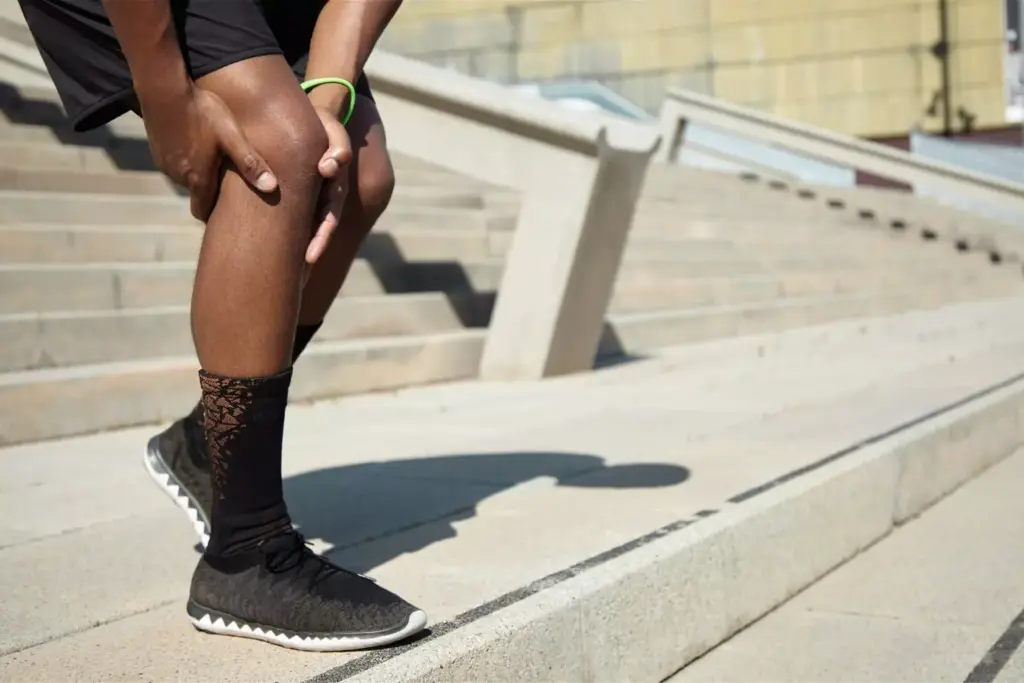
It’s important to know about ACL and meniscus injuries for the best treatment and recovery. These injuries are common in athletes and people who are active.
Causes of ACL and Meniscus Tears
ACL tears often happen during sports that require quick stops or changes in direction. Meniscus tears can also occur from these activities or from aging. About half of ACL tears happen with meniscus injuries, needing both surgeries.
These injuries can come from different things, like:
- Sports that involve pivoting, such as soccer and basketball
- Direct contact or collision
- Sudden stops or changes in direction
- Aging and wear and tear
| Cause | Description | Common Activities |
|---|---|---|
| Sports Injuries | Direct contact or sudden movements | Soccer, Basketball, Football |
| Aging | Wear and tear over time | Daily activities, repetitive strain |
Symptoms of a Torn ACL and Meniscus
Symptoms of a torn ACL and meniscus include knee pain, swelling, and feeling unstable. Some people might feel like their knee is catching or locking.
The symptoms can change based on how bad the injury is. Common signs are:
- Pain, especially when twisting or bending
- Swelling and inflammation
- Instability or feeling like the knee is going to give way
Seeing a doctor is key if you have these symptoms. Early treatment can help a lot with recovery.
The ACL Meniscus Surgery Procedure Explained
Our orthopedic surgeons use the latest methods for ACL reconstruction and meniscus repair. ACL meniscus surgery is a complex operation. It fixes a torn ACL and a meniscus tear, often done through arthroscopy.
ACL Reconstruction Techniques
ACL reconstruction is a key part of ACL meniscus surgery. We use advanced arthroscopic techniques to rebuild the ACL. We choose grafts based on the patient’s condition and how active they are.
The ACL reconstruction process includes several steps:
- Preparation of the graft
- Arthroscopic examination of the knee joint
- Creation of tunnels for graft placement
- Securing the graft
Meniscus Repair Methods
Meniscus repair is also vital in ACL meniscus surgery. We use different techniques to fix the meniscus, such as:
- Sutures for meniscus tears
- Meniscus root repair
- Partial meniscectomy when repair is not feasible
The choice of repair method depends on the tear’s location and severity.
What to Expect on Surgery Day
On surgery day, patients can expect a smooth process. Here’s what happens:
| Procedure | Description |
|---|---|
| Pre-operative preparation | Patients are prepared for surgery, including administering anesthesia. |
| Surgery | The orthopedic surgeon performs ACL reconstruction and meniscus repair. |
| Post-operative care | Patients are monitored in the recovery room, and initial post-surgery instructions are provided. |
Our team makes sure patients are well-informed and comfortable throughout.
Immediate Post-Surgery Phase: Days 1-7
The first seven days after surgery are key for managing pain, swelling, and wound care. Following a care plan is crucial for healing and avoiding complications. This is especially true for ACL and meniscus surgery.
Managing Pain and Swelling
Managing pain well is important in the first days after surgery. You should follow a pain plan that might include medicine and ice to reduce swelling. It’s important to take your pain medicine as your doctor tells you to, to avoid too much or too little. Raising your leg above your heart can also help with swelling.
Ice packs on the knee for 15-20 minutes, several times a day, can help with pain and swelling. But, make sure to wrap the ice in a towel to avoid ice burns.
Initial Movement Restrictions
In the first week, it’s important to rest but also move a little. There are movement limits to avoid putting too much strain on the knee. Your doctor will tell you how much to move and if you need crutches or a knee brace.
Start with gentle exercises as your physical therapist suggests. This helps keep the knee moving without too much effort. Finding the right balance between rest and movement is important.
Wound Care and Preventing Infection
Keeping the wound clean and dry is key to preventing infection and helping it heal. Follow the wound care instructions from your surgeon closely. Watch for signs of infection like redness, swelling, more pain, or discharge. If you see any, call your doctor right away.
When showering or bathing, do it as your surgeon advises to keep the wound dry. Usually, a waterproof dressing is used to allow for showering.
Milestone 1: Basic Mobility – Weeks 1-2
Starting your recovery journey is exciting. In the first two weeks, we focus on getting you to move around easily and safely. Physical therapy is key in this phase. It helps you build strength and move your knee better.
First Physical Therapy Sessions
Your first physical therapy sessions are very important. They start with gentle exercises to loosen up your knee and reduce stiffness. Our therapists will show you knee rehabilitation exercises made just for you. This ensures you move forward safely and effectively.
A study on ACL rehabilitation shows early physical therapy is crucial. It helps you recover better and reduces the chance of complications (Source: Spireknee). “Starting physical therapy early can greatly improve your recovery. It helps you avoid problems and get back to normal faster.”
Proper Use of Crutches and Braces
Learning to use crutches and braces right is vital in the early stages. We teach you how to use them to protect your knee. Learning the right way is important for balance and avoiding falls.
| Tips for Using Crutches | Benefits of Proper Brace Use |
|---|---|
| Adjust crutches to fit your height | Reduces strain on the knee |
| Keep crutches close to your body | Provides stability and support |
| Practice walking on different surfaces | Enhances confidence during mobility |
Mastering crutches and braces lets you move with more confidence and safety. Our team will support you every step of the way. We’re here to help you on your recovery journey.
Milestone 2: Improved Range of Motion – Weeks 3-4
Weeks 3-4 are key in ACL meniscus surgery recovery. The main goal is to improve your knee’s range of motion. We focus on progressive knee flexion exercises and weight-bearing activities to strengthen and flex your knee.
Progressive Knee Flexion Exercises
As you get better, knee rehabilitation exercises get tougher but are vital for full mobility. These exercises help increase your knee’s range of motion. You might do:
- Heel slides: Gently slide your heel towards your buttocks, bending your knee.
- Wall squats: Stand with your back against the wall and slide down into a squat, keeping your knees bent at a 90-degree angle.
- Knee bends: Stand on a flat surface and slowly bend your knees, keeping your back straight.
Do these exercises with a physical therapist to make sure you’re doing them right and safely.
Beginning Weight-Bearing Activities
Weight-bearing activities are key for strengthening your knee muscles and improving range of motion. You’ll start with partial weight-bearing exercises, adding more weight as your knee gets stronger.
Some examples include:
- Standing on both legs, then shifting to standing on the affected leg with support.
- Single-leg squats with assistance.
- Balance exercises on a balance board or a firm surface.
It’s important to progress slowly and with professional guidance to avoid injury.
By weeks 3-4, you should see big improvements in your knee’s flexibility and strength. Keep up with knee rehabilitation exercises and weight-bearing activities as your healthcare provider advises for a full recovery.
Milestone 3: Building Strength – Weeks 5-8
Weeks 5-8 are all about making your knee stronger. We focus on strengthening your quadriceps and hamstrings. We also work on improving your balance and how well you sense your body’s position.
Strengthening Exercises for Quadriceps and Hamstrings
It’s key to strengthen your quadriceps and hamstrings for knee stability. We tailor exercises to fit your progress and comfort.
Quadriceps Strengthening Exercises:
- Straight Leg Raises: Lift your leg straight out in front of you, keeping it straight.
- Leg Press: Use a leg press machine to strengthen your quadriceps.
Hamstrings Strengthening Exercises:
- Hamstring Curls: Curl your legs up towards your glutes.
- Deadlifts: Perform deadlifts to engage your hamstrings and other lower body muscles.
Balance and Proprioception Training
Balance and proprioception exercises are key for better knee function and injury prevention. Try single-leg squats and balance boards.
| Exercise Type | Example Exercises | Benefits |
|---|---|---|
| Quadriceps Exercises | Straight Leg Raises, Leg Press | Strengthens front thigh muscles |
| Hamstrings Exercises | Hamstring Curls, Deadlifts | Strengthens back thigh muscles |
| Balance Exercises | Single-Leg Squats, Balance Boards | Improves balance and proprioception |
Milestone 4: Functional Movement – Months 2-3
Months 2-3 are key in ACL meniscus surgery recovery. Patients start walking on their own and doing daily tasks. We focus on getting them to move functionally, which boosts independence and confidence.
Patients see big improvements in their mobility and daily tasks. We lead them through a safe and effective rehab program.
Walking Without Assistance
Walking alone is a big milestone in months 2-3. It comes from physical therapy, strengthening, and slowly getting back to weight-bearing activities. We help our patients feel comfortable and confident walking by themselves.
“Walking without crutches is a huge confidence boost for our patients,” says a physical therapist. “It shows they’re on the right path to full recovery.”
Stair Navigation
Learning to safely go up and down stairs is key. We teach our patients to climb and descend stairs without putting too much stress on their knee. This skill is crucial for getting back to daily life and is a big part of our program.
Stair navigation needs strength, balance, and coordination. Through specific exercises and practice, our patients get better at going up and down stairs. This makes them more independent.
Return to Daily Activities
As patients get better at moving, they can start doing their daily activities again. This includes shopping, cooking, and hobbies. We show them how to do these safely, so they can enjoy their routines without risking their recovery.
Being able to do daily activities again is a big win in recovery. It’s good for both physical and mental health. Patients feel more connected to their normal lives.
Milestone 5: Advanced Rehabilitation – Months 3-4
Advanced rehabilitation is a key part of recovery, happening between months 3-4 after surgery. We focus on boosting your heart health and strengthening muscles around the knee.
Progressive Resistance Training
Progressive resistance training is crucial in advanced rehab. This means we slowly increase the challenge of exercises to build muscle strength. We create a plan that targets the muscles around your knee. This helps improve strength, stability, and supports everyday movements.
Some examples of these exercises include:
- Weighted leg press
- Resistance band exercises
- Leg curls and leg extensions
| Exercise | Sets | Reps | Frequency |
|---|---|---|---|
| Weighted Leg Press | 3-4 | 8-12 | 3 times a week |
| Resistance Band Exercises | 3-4 | 12-15 | 3 times a week |
| Leg Curls and Leg Extensions | 3-4 | 10-12 | 3 times a week |
Introducing Low-Impact Cardio
We start low-impact cardio to boost heart health without harming your knee. Cycling, swimming, or using an elliptical are great choices. These activities help your heart, burn calories, and keep your weight healthy, easing knee stress.
As we move through months 3-4, we watch your progress and tweak the program if needed. Combining strength training with cardio sets you up for a full recovery. This will help you get back to your usual activities and sports.
Milestones 6-10: Return to Sports and Full Recovery – Months 5-12
The path to full recovery after ACL meniscus surgery has many key milestones. These milestones are especially important in months 5-12. You’ll start sport-specific training, boost your agility, and return to competitive play. You’ll also reach full recovery.
Milestone 6: Sport-Specific Training – Months 5-6
In months 5 and 6, you’ll start sport-specific training. This training is designed for your specific sport. It’s crucial for getting your knee ready for your sport’s demands. You’ll work on strength, flexibility, and technique.
For example, soccer or basketball players will do drills that match their game. They’ll do this under the watchful eye of their physical therapist or trainer.
Milestone 7: Agility and Cutting Movements – Months 6-7
Next, you’ll focus on agility and cutting movements. These are key for sports that need quick direction changes. This training boosts your knee’s stability and your athletic skills.
Milestone 8: Return to Practice – Months 7-9
By months 7-9, you’ll be ready to return to practice with your team. Or you can start practicing on your own. This phase puts your skills and conditioning to the test in a dynamic setting.
Milestone 9: Competitive Play – Months 9-10
By months 9-10, you’ll be ready for competitive play. You’ll have regained the strength, agility, and confidence needed for your sport.
Milestone 10: Full Recovery
Full recovery is when you’re back to your pre-injury level or better. This milestone is the result of your hard work and dedication to rehabilitation.
| Milestone | Month | Description |
|---|---|---|
| Milestone 6 | 5-6 | Sport-Specific Training |
| Milestone 7 | 6-7 | Agility and Cutting Movements |
| Milestone 8 | 7-9 | Return to Practice |
| Milestone 9 | 9-10 | Competitive Play |
| Milestone 10 | 12+ | Full Recovery |
Potential Complications and How to Avoid Them
ACL and meniscus surgery is usually safe. But, there are risks to know about. Being informed and careful can help avoid these issues and make recovery smoother.
Signs of Infection or Re-injury
After surgery, watch for signs of infection or re-injury. Infection shows as more redness, swelling, or warmth at the site. You might also feel fever or chills. Re-injury could mean more pain or knee instability.
Look out for these signs:
- Persistent or worsening pain
- Increased swelling or redness around the knee
- Fever or chills
- Instability or giving way of the knee
- Difficulty moving the knee
When to Contact Your Surgeon
If you notice any of these, call your surgeon right away:
| Symptom | Action |
|---|---|
| Increased pain not relieved by medication | Contact your surgeon within 24 hours |
| Fever over 101.5°F (38.6°C) | Contact your surgeon immediately |
| Significant swelling or redness | Contact your surgeon within 24 hours |
| Sudden instability or giving way of the knee | Contact your surgeon immediately |
Recovering from ACL and meniscus surgery is tough. But knowing the risks and when to ask for help is key. By watching your body and following your surgeon’s advice, you can avoid problems and recover well.
Conclusion: Life After ACL and Meniscus Surgery
Recovering from ACL meniscus surgery is a big step towards a new chapter in your life. The recovery time usually lasts from 6 to 12 months. During this time, you’ve worked hard on knee exercises to get stronger and move better.
This journey to full recovery has several important steps. By sticking to a rehabilitation plan and listening to your surgeon, you’ve made great progress. Keep up with your knee exercises to keep improving.
After ACL and meniscus surgery, you can go back to your usual activities and sports. We’re here to help you every step of the way, offering top-notch care and support for patients from around the world. Some athletes have even returned to their sports after a year of recovery, like returning athletes.
Keep working hard on your rehabilitation. This will help you get back to your normal activities with confidence.
What is the typical recovery time for ACL meniscus surgery?
ACL meniscus surgery recovery takes 6 to 12 months. During this time, patients move from basic mobility to high-level activities.
What are the common causes of ACL and meniscus tears?
ACL tears happen in sports with sudden stops or direct contact. Meniscus tears come from sports or wear and tear over time.
What are the symptoms of a torn ACL and meniscus?
Symptoms include knee pain, swelling, and instability. These can affect daily life and sports performance.
What is involved in the ACL meniscus surgery procedure?
The surgery fixes the ACL and meniscus. It uses arthroscopic methods. Our surgeons will explain the details.
How do I manage pain and swelling after ACL meniscus surgery?
We’ll guide you on pain and swelling management. We’ll also set movement restrictions for a smooth recovery.
What are the key milestones during the recovery process?
Key milestones include basic mobility, range of motion, strength, and returning to sports. Full recovery is the final goal.
How long does it take to regain basic mobility after ACL meniscus surgery?
Basic mobility returns in the first two weeks. Physical therapy and proper use of aids help.
What kind of exercises are involved in the rehabilitation program?
The program includes knee exercises, weight-bearing, and strengthening. It also covers balance and resistance training.
How do I know if I’m experiencing complications or re-injury?
Watch for increased pain, swelling, or instability. Contact your surgeon if you notice these signs.
Can I return to my sport or activity after ACL meniscus surgery?
Yes, with a good rehab program, you can return to your sport in 6 to 12 months.
What is the role of physical therapy in the recovery process?
Physical therapy is key. It helps regain mobility and strength. It guides you through recovery milestones.
How do I prevent infection after ACL meniscus surgery?
We’ll teach you about wound care and preventing infection. This includes dressing and hygiene tips.