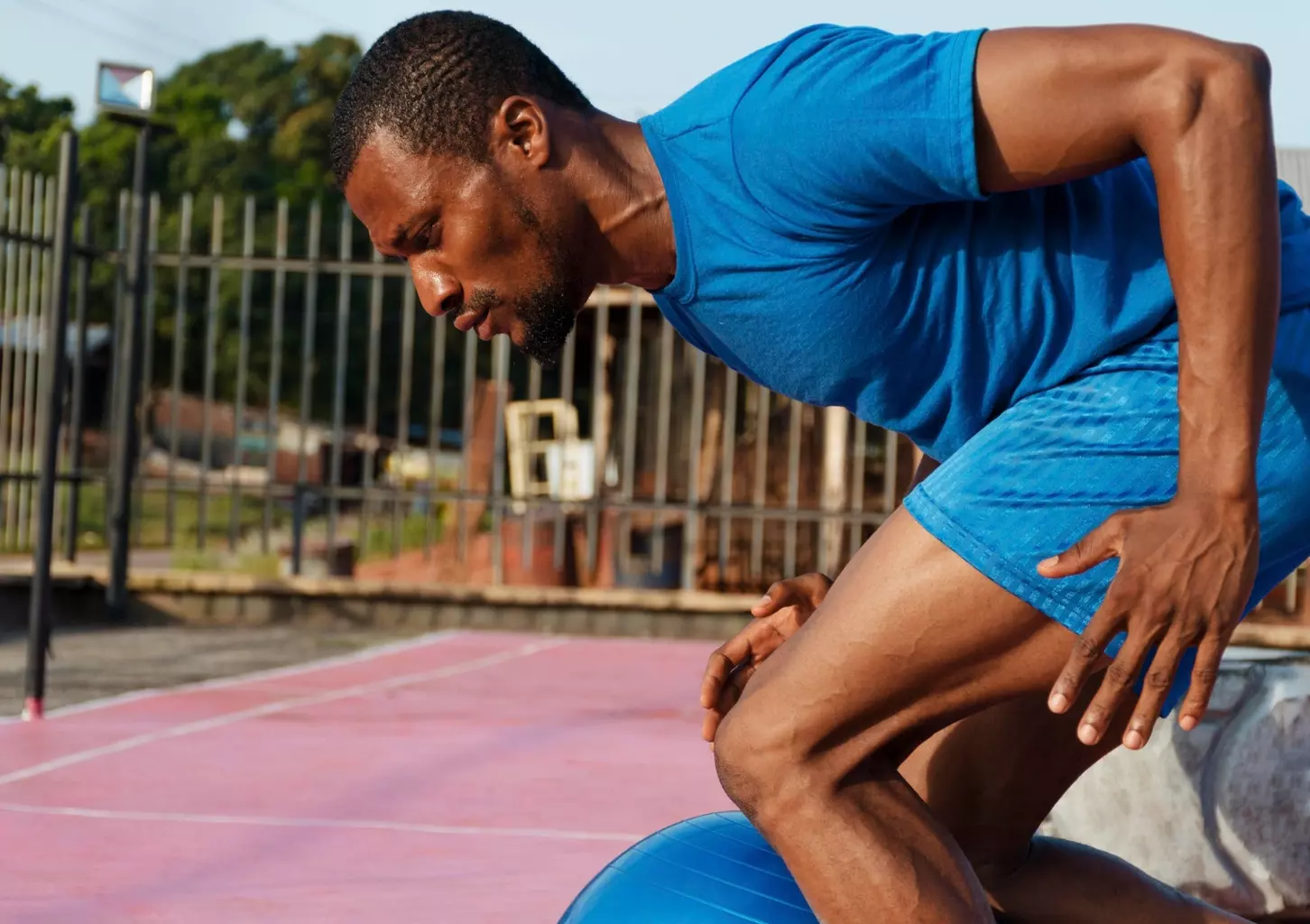
Getting back to full knee strength after ACL surgery is a long journey. It needs careful rehab and expert advice. We know that recovering from ACL surgery is a big deal. It takes patience, hard work, and a good rehab plan.
The rehabilitation timeline usually lasts 9 to 12 months. In this time, patients go through different stages. At Liv Hospital, we help with care, kindness, and the newest rehab methods. This ensures a good recovery process.
Key Takeaways
- ACL recovery typically takes 9 to 12 months.
- A well-structured rehabilitation plan is key.
- Expert medical advice is vital for a good recovery.
- Patients move through different rehab stages.
- Liv Hospital offers precision, care, and the latest rehab methods.
Understanding ACL Injuries and Surgical Interventions
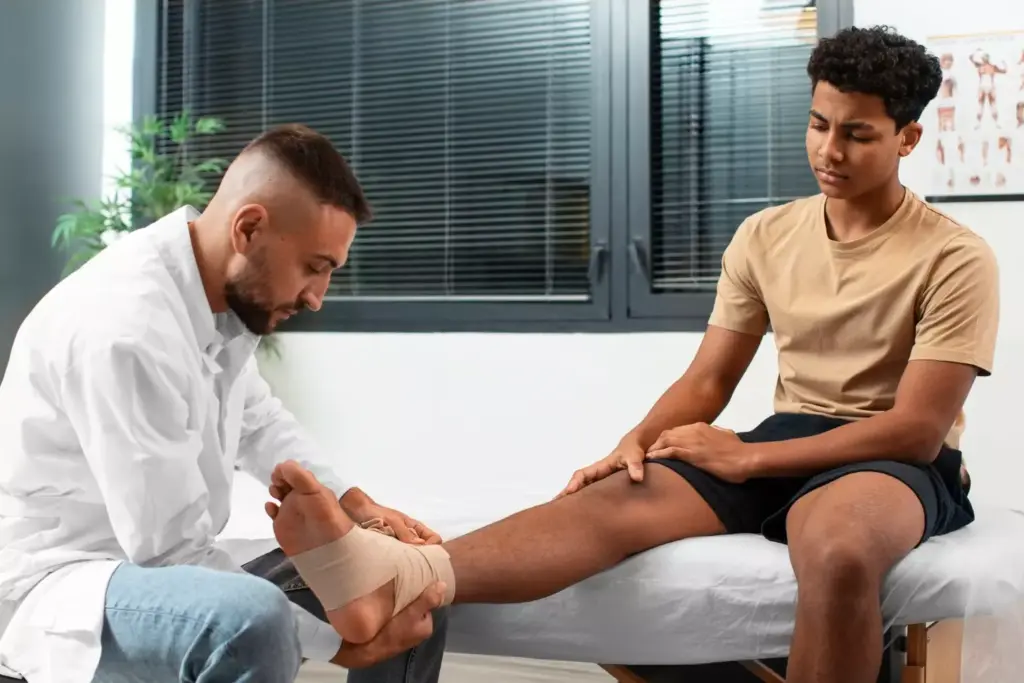
It’s important to know about ACL injuries and surgery to recover well. ACL injuries are a big worry for athletes and anyone who’s active. They often need a detailed treatment and rehab plan.
Common Causes of ACL Tears
ACL tears often happen from sudden stops, changing direction, or direct hits in sports. Non-contact injuries are also common, like awkward landings or pivoting. Knowing these causes helps in preventing and treating ACL injuries.
Sports medicine experts say most ACL injuries happen from non-contact, pivoting moves. The foot is fixed, and the knee twists. This shows why prevention and proper training are key.
Types of ACL Reconstruction Procedures
There are different ACL reconstruction methods, like autograft, allograft, and allograft with autograft. The choice depends on the patient’s age, activity level, and the surgeon’s choice.
- Autograft: Uses the patient’s own tissue, like the patellar tendon, hamstring, or quadriceps.
- Allograft: Uses donor tissue, which might speed up recovery but has a small risk of disease.
Each method has its benefits and downsides. We’ll look at these when talking about recovery times.
Factors That Influence Recovery Duration
Many things affect how long it takes to recover from an ACL injury. The surgery type, the patient’s health, and following the rehab plan are key. Rehabilitation is vital, helping to regain strength, motion, and function.
| Factor | Influence on Recovery |
|---|---|
| Type of Graft | Affects healing time and strength |
| Patient Compliance | Following the rehab plan affects recovery speed and success |
| Age and Health | Health and age can change healing rates and outcomes |
Understanding these factors helps patients manage their recovery better. It lets them know what to expect for getting back to full strength and activity.
The Complete ACL Recovery Timeline: What to Expect
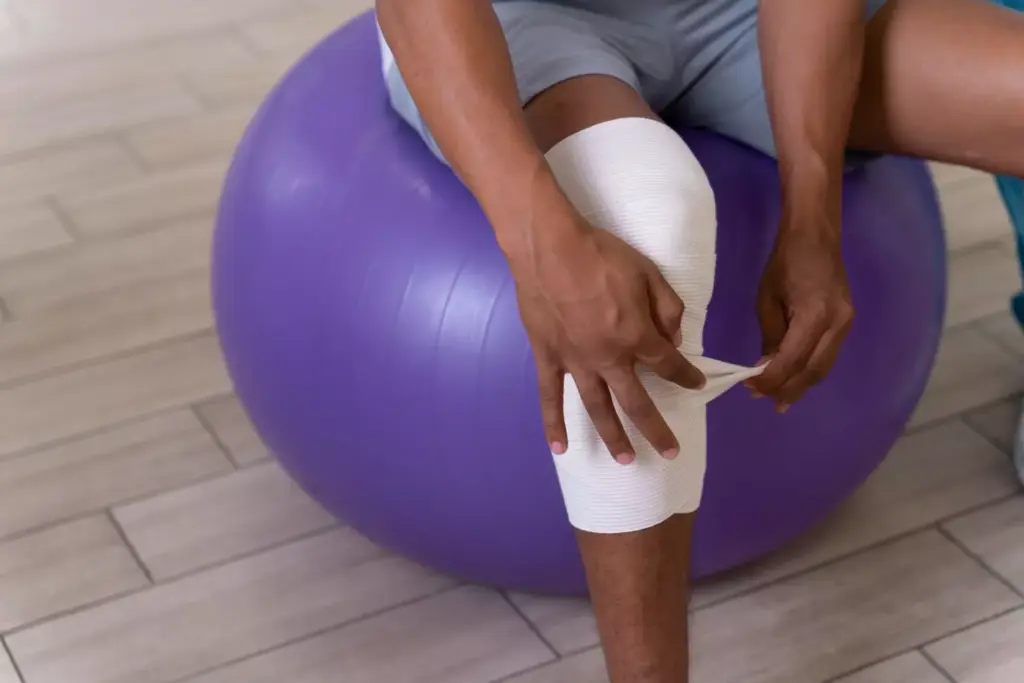
Recovering from ACL surgery is a long and challenging journey. It requires patience, dedication, and a clear understanding of what lies ahead. Remember, the ACL recovery timeline varies from person to person.
Many factors can affect how long it takes to heal. These include your overall health, how well you follow your rehab plan, and the complexity of your surgery. We’ll look at the typical 9-12 month recovery period. We’ll also talk about the importance of setting realistic goals and understanding what can influence your progress.
The 9-12 Month Recovery Journey
The ACL recovery journey usually lasts 9 to 12 months. During this time, you’ll go through different stages of rehab. This is key for regaining strength, improving knee function, and safely returning to sports or daily activities.
- Initial recovery phase (0-3 months): Focus on pain management, swelling control, and restoring range of motion.
- Strengthening phase (3-6 months): Emphasis on progressive resistance training and balance development.
- Advanced rehabilitation phase (6-9 months): Incorporating sport-specific training and agility drills.
- Return to activity phase (9-12 months): Final preparations for returning to full activity, including psychological readiness assessment.
Individual Factors Affecting Healing Time
Several factors can affect how long it takes to recover from ACL surgery. These include:
| Factor | Description | Impact on Recovery |
|---|---|---|
| Age | Older patients may require more time to recover | May extend recovery period |
| Overall Health | Presence of comorbidities or health conditions | Can slow down recovery |
| Adherence to Rehabilitation | Consistency in following rehabilitation protocols | Significantly influences recovery speed and effectiveness |
Setting Realistic Recovery Goals
Setting realistic recovery goals is key for a successful ACL recovery. Understanding what can influence healing time and working with healthcare professionals helps. This way, you can create a recovery plan that meets your unique needs and goals.
Our goal is to support and guide patients through the ACL recovery timeline. We aim to ensure a safe and successful return to full strength and activity.
Milestone 1: Managing the Immediate Post-Surgery Phase (Days 1-14)
After ACL surgery, the first 14 days are key. They focus on managing pain, swelling, and starting rehab. Getting through this period well is important for a good recovery.
Pain Management and Swelling Control
Managing pain is a top goal right after surgery. We suggest using medicine, rest, and cold therapy to help. It’s important to take your medicine as your doctor says to control pain.
Controlling swelling is also vital. It affects how well you can move and how comfortable you feel. Elevating your leg, wearing compression bandages, and using ice packs can help. Being consistent with these methods is important.
Initial Movement Restrictions
In the first two weeks, you’ll need to avoid certain movements. Following these rules is key to help your ACL heal. You’ll need to limit bending your knee and avoid activities that stress the graft.
Even though you can’t do much, starting with gentle exercises is important. These exercises help you stay mobile without harming your graft. A physical therapist will guide you with exercises that fit your needs and progress.
First Physical Therapy Sessions
Your first physical therapy sessions are very important. They help assess your condition, set goals, and start gentle exercises. Being active in physical therapy is essential for the best results.
In these sessions, you’ll learn how to do exercises right, use tools like crutches, and manage pain and swelling. Your physical therapist will watch your progress and change your plan if needed.
By managing the first 14 days well, you set yourself up for a successful ACL recovery. This time needs patience, following medical advice, and being active in your rehab.
Milestone 2: Early Rehabilitation Progress (Weeks 2-4)
Between weeks 2-4 after surgery, making progress in early rehab is key. We work on getting the knee to move better, making the quadriceps stronger, and using crutches less.
Restoring Range of Motion
Getting the knee to move well is very important early on. We use gentle exercises and therapy to help. It’s important to do it slowly to avoid hurting yourself.
Range of Motion Exercises:
- Gentle bending and straightening of the knee
- Wall slides to improve flexion
- Heel slides to enhance extension
Quadriceps Activation Techniques
Strengthening the quadriceps is key for knee stability. We use exercises like straight leg raises and quad sets. Electrical stimulation also helps.
“Quadriceps strengthening is a cornerstone of ACL rehabilitation, providing the necessary support for knee function and overall recovery.” –
How Long on Crutches After ACL Surgery
How long you use crutches after ACL surgery can vary. Most people use them for 2-4 weeks. It depends on how well you’re doing and how you feel. Always listen to your physical therapist on when to stop using crutches.
| Week | Crutch Use | Rehabilitation Focus |
|---|---|---|
| 2 | Partial weight-bearing | Range of motion, quadriceps activation |
| 3-4 | Gradual reduction | Strengthening, balance training |
Milestone 3: Walking After ACL Reconstruction (Weeks 4-6)
Walking after ACL reconstruction is a big step towards getting back to normal. In weeks 4-6, we focus on improving our walking and using less help from devices.
Transitioning Away From Assistive Devices
Learning to walk without crutches is a big goal in this time. We check our strength, balance, and how sure we feel in our knee.
Key steps in this transition include:
- Gradually reducing the amount of weight borne on the assistive device
- Improving balance through specific exercises
- Enhancing strength in the surrounding muscles
Brace Requirements and Adjustments
Using a brace after ACL surgery is common. We might need to change the brace settings or stop using it by week 6. This depends on our doctor’s advice and how fast we recover.
It’s important to listen to our healthcare team to make sure we use the brace right and know when to stop.
Gait Training and Normalization
Gait training is key to getting back to normal walking. It works on the knee, hip, ankle, and how we walk overall.
Through gait training exercises, we find and fix any walking issues. This helps us walk better and prevents injuries later.
By week 6, most people can walk much better. This is a big step towards fully recovering.
Milestone 4: Building Foundational Strength (Months 2-3)
Months 2-3 are all about building foundational strength in ACL recovery. This phase is key for setting up more advanced exercises and getting back to sports or daily life.
Progressive Resistance Training Protocol
We use a progressive resistance training (PRT) protocol to boost muscle strength around the knee. PRT means slowly increasing the weight in exercises to keep getting stronger. A good PRT program is vital for strengthening quadriceps, hamstrings, and hips, which help keep the knee stable and working well.
Some exercises in this PRT protocol include:
- Straight leg raises with weights
- Quad sets with resistance bands
- Hamstring curls with light dumbbells
- Leg press with incremental weights
| Exercise | Sets | Reps | Frequency |
|---|---|---|---|
| Straight Leg Raises | 3 | 10-12 | 3 times a week |
| Quad Sets | 3 | 15 | 3 times a week |
| Hamstring Curls | 3 | 12 | 2 times a week |
Balance and Proprioception Development
We also work on improving balance and proprioception. Proprioception is knowing where your body is and how it’s moving. Balance exercises help the knee regain its proprioceptive skills, which can be lost after an ACL injury or surgery.
Balance and proprioception exercises include:
- Single-leg stands
- Balance board training
- Heel-to-toe walking
Monitoring Swelling and Pain Responses
Watching for swelling and pain is important during rehab. More swelling or pain might mean you’re doing too much or reacting badly to certain exercises. Changing the rehab plan based on these signs is key to a good recovery.
“Pain is the body’s alarm system; it’s telling us that something is wrong. We need to listen to it and adjust our rehabilitation program.”
By managing swelling and pain well, we can make the rehab process smoother and more effective.
Milestone 5: Understanding the ACL Graft Healing Timeline (Months 3-6)
The ACL graft healing timeline is key in the recovery process, happening between months 3-6 after surgery. During this time, the graft goes through important changes. These changes are vital for the knee to work and feel strong again.
Graft Healing Process
The ACL graft healing is a detailed process with several stages. First, the graft relies on synovial fluid for nutrition due to avascular necrosis. As healing progresses, the graft starts to revascularize. This means new blood vessels grow, helping the graft blend with the surrounding tissue.
We keep a close eye on the healing through regular visits and imaging. This ensures the graft is healing correctly.
Ligamentization Stages
Ligamentization is when the ACL graft turns into a structure like a real ACL. It goes through three stages:
- Stage 1: The graft weakens due to degradation.
- Stage 2: It starts to get stronger as it revascularizes.
- Stage 3: The graft matures and remodels, becoming like a native ligament.
| Ligamentization Stage | Description | Timeline |
|---|---|---|
| Stage 1: Degradation | Graft degradation and weakening | 0-6 weeks |
| Stage 2: Revascularization | Graft revascularization and strengthening | 6-12 weeks |
| Stage 3: Remodeling | Graft maturation and remodeling | 3-6 months |
Safe Activity Advancement Guidelines
It’s important to safely increase activities during the healing timeline to avoid injury. Here are some guidelines:
- Slowly increase the intensity and duration of activities based on guidelines and feedback.
- Watch for signs of graft irritation or inflammation, like pain or swelling.
- Move from low-impact to high-impact activities as the graft gets stronger.
By understanding the healing timeline and following these guidelines, patients can improve their recovery. They can get back to full strength and function.
Milestones 6-10: Advanced Recovery and Return to Activity (Months 6-12+)
As patients move forward in their ACL recovery, they hit a key phase. Advanced rehab techniques become vital. This stage marks important milestones showing a patient’s readiness to get back to normal activities.
Milestone 6: Return to Running (Months 4-6)
Getting back to running is a big step in ACL recovery. It usually happens between 4 to 6 months after surgery. Before starting to run, patients need to show they have enough strength, stability, and can move well. A progressive running program is often suggested, starting with treadmill runs and then moving to outdoor ones.
Milestone 7: Sport-Specific Training (Months 6-9)
Sport-specific training is key for athletes wanting to get back to their sports. This phase includes drills and exercises made for the athlete’s sport. For instance, soccer players do cutting drills, while basketball players work on jumping and landing.
Milestone 8: Psychological Readiness Assessment (Months 6-9)
Being mentally ready is as important as being physically ready to return to sports. Patients go through assessments to check their confidence, fear, and anxiety about their knee. This step is vital for a successful comeback.
Milestone 9: Return to Sport Testing (Months 9-12)
Return to sport testing checks if a patient is ready to play their sport again without getting hurt. These tests look at strength, agility, and how well the patient performs.
The table below shows the main milestones and when they happen:
| Milestone | Timeline (Months) | Description |
|---|---|---|
| Return to Running | 4-6 | Progressive running program |
| Sport-Specific Training | 6-9 | Drills tailored to the athlete’s sport |
| Psychological Readiness Assessment | 6-9 | Evaluating confidence and anxiety |
| Return to Sport Testing | 9-12 | Assessing strength, agility, and performance |
By hitting these milestones, patients can safely and effectively get back to their activities.
Conclusion: Navigating Life After ACL Recovery
Finishing the ACL recovery journey is a big win. It opens a new chapter for keeping your knee healthy and feeling good overall. Understanding the long-term effects of ACL surgery and the need for ongoing care is key.
Life after ACL recovery means staying active and taking care of your knee. This includes doing exercises to strengthen and stretch your knee. It’s also important to see your healthcare team regularly to check on your progress and solve any problems.
Knowing how to keep your knee healthy after ACL surgery lets you live an active and healthy life. We aim to offer full support during and after recovery. Our goal is to help you reach your highest level of health and happiness.
How long does it take to recover from ACL surgery?
ACL recovery usually takes 9 to 12 months. During this time, patients go through different rehabilitation phases.
What factors influence the duration of ACL recovery?
Several factors can affect how long it takes to recover from ACL surgery. These include your overall health, how well you follow your rehab plan, and the surgery’s complexity.
How long do I need to use crutches after ACL surgery?
Crutch use varies, but usually lasts 2-4 weeks. It depends on your progress and how comfortable you feel.
When can I start walking after ACL reconstruction?
You can start walking between weeks 4-6. This is when you stop using crutches and start learning to walk again.
What is the ACL graft healing timeline?
The ACL graft heals and becomes stronger between months 3-6. It’s important to follow safe activity guidelines during this time.
When can I return to running after ACL surgery?
You can start running again between months 4-6. This is part of the advanced rehab and after you’ve built enough strength and stability.
How do I know if I’m ready to return to sports after ACL recovery?
To check if you’re ready for sports, you’ll need a thorough assessment. This includes checking your mental readiness and doing return to sport tests, usually between months 9-12.
What are the key components of ACL rehabilitation?
ACL rehab includes several key parts. These are managing pain, improving range of motion, strengthening the quadriceps, and more. It also involves balance training, sport-specific exercises, and progressive resistance training.
How can I ensure a successful ACL recovery?
For a successful recovery, stick to your rehab plan, set realistic goals, and live a healthy lifestyle. These steps are essential for a good outcome.
What are the long-term implications of ACL reconstruction?
Understanding the long-term effects of ACL reconstruction is important. Keeping your knee healthy through an active lifestyle can help ensure a successful recovery.
References
- Hospital for Special Surgery (HSS). (n.d.). ACL Surgery Recovery. Retrieved fromhttps://www.hss.edu/health-library/move-better/acl-surgery-recovery