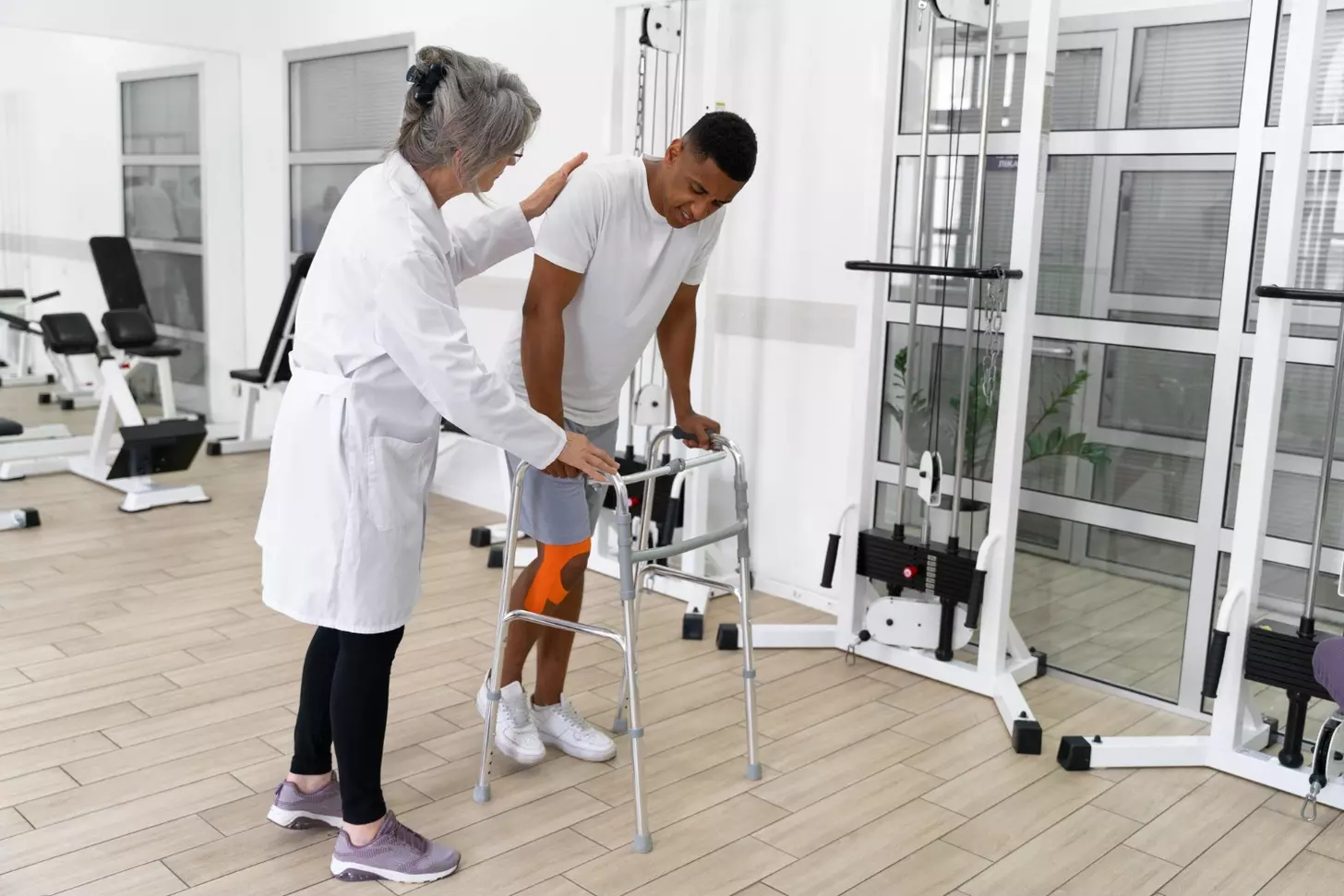
Getting back to full mobility after ACL surgery takes time, effort, and knowing the recovery process. At Liv Hospital, we’re dedicated to giving you the best care. We help you understand the recovery timeline, which usually lasts 6 to 12 months. During this time, you’ll go through different stages of rehab.
The journey to full mobility is marked by important milestones. Many people start walking again in 2 to 6 weeks. We’ll guide you through the ACL surgery rehab protocol. You’ll learn what to expect and how to make the most of your recovery.
Key Takeaways
- ACL surgery recovery typically takes 6 to 12 months.
- Basic walking ability is often regained within 2 to 6 weeks.
- A structured rehab protocol is key for the best recovery.
- Important milestones show your progress on the recovery path.
- Getting care that focuses on the patient is vital for full mobility.
Understanding ACL Injuries and Surgical Options
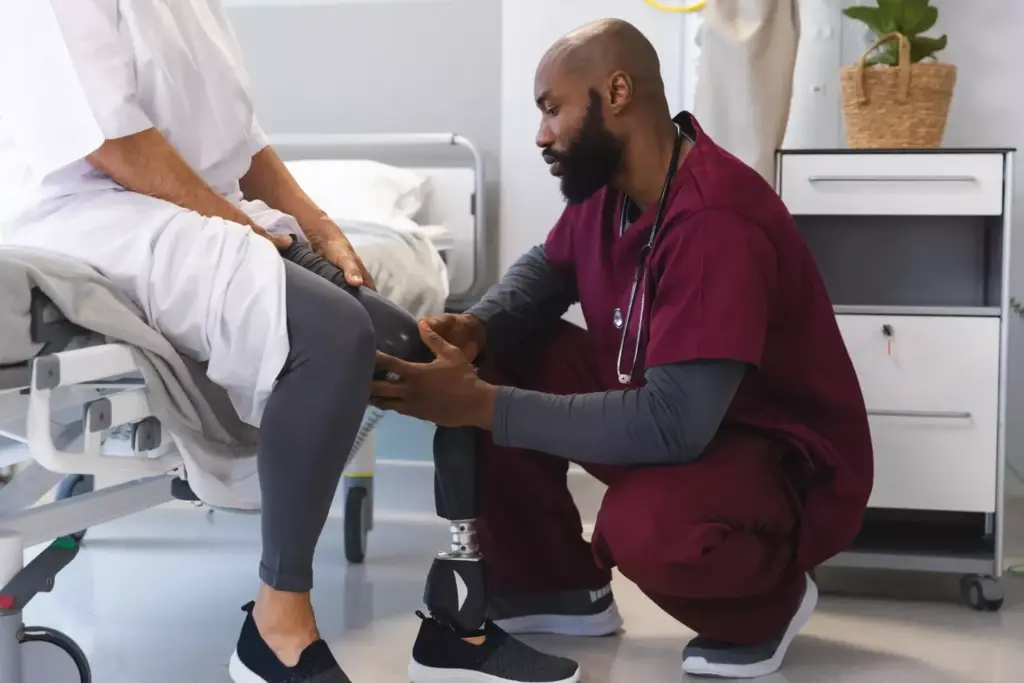
It’s important for patients to understand ACL injuries and the surgery options. The ACL is a key ligament that keeps the knee stable. It’s common among athletes and those who are active.
What is the ACL and How Does It Get Injured?
The ACL is a major ligament in the knee. It helps control the knee’s back-and-forth motion. Injuries often happen during sports that require quick stops or changes in direction.
The injury usually happens when you decelerate, pivot, or land awkwardly from a jump.
When the ACL is injured, you might hear a “pop” and feel pain and swelling. The injury can be mild or severe, with severe cases needing surgery.
Types of ACL Surgeries: Replacement vs. Repair
There are two main surgeries for ACL injuries: replacement and repair. Replacement uses a graft to replace the damaged ligament, while repair tries to fix the torn ligament. The choice depends on the injury’s severity, your age, and how active you are.
- Replacement is more common for those who are very active or have significant instability.
- Repair is less common but might be for those with partial tears or who are less active.
The surgery type affects the acl surgery and recovery time. Replacement usually takes longer to recover from than repair.
Graft Options and Their Impact on Recovery
In ACL replacement, the graft choice is key for recovery. Grafts can be autografts (from the patient), allografts (donor), or synthetic. Each has its benefits and drawbacks, affecting the surgery’s success and recovery.
| Graft Type | Advantages | Potential Drawbacks |
|---|---|---|
| Autograft | High success rate, lower risk of rejection | Donor site morbidity, increased surgical time |
| Allograft | Reduced surgical time, less donor site pain | Risk of disease transmission, slower integration |
| Synthetic Graft | Avoids donor site morbidity, readily available | Higher risk of failure, less commonly used |
The graft choice can affect the acl replacement surgery recovery time and acl repair surgery recovery time. Autografts are often better for recovery because they integrate biologically.
Preparing for ACL Surgery: Setting the Foundation for Success

Before ACL surgery, getting ready physically and mentally is key. A well-prepared patient recovers better and gets good results. We’ll help you get ready for surgery and recovery.
Pre-Surgery Conditioning Exercises
Doing exercises before surgery helps a lot. They keep your knee moving well, strengthen muscles, and improve your health. Choose low-impact activities like cycling or swimming. Also, work on exercises for your quadriceps, hamstrings, and calf muscles.
Home Modifications and Recovery Equipment
Make your home safe and easy to move around in. Remove dangers, put in handrails, and set up a comfy recovery spot. You might also need crutches, a knee brace, or a CPM machine for rehab.
Here are some things to have at home:
- Comfortable, easy-to-wear clothing
- Ice packs or cold therapy units
- Elevated toilet seat or shower chair
- Non-slip mats for the bathroom
Mental Preparation for the Recovery Journey
Getting your mind ready is as important as your body. Know what to expect and be realistic. Having a support network of family, friends, or groups helps with emotional challenges.
Focus on exercises, home changes, and mental prep for a good ACL surgery recovery. Our team is here to support you, giving you acl surgery recovery tips and help with your acl surgery recovery plan.
The Complete ACL Surgery Recovery Timeline
Recovering from ACL surgery takes 6 to 12 months. This time is key for getting back strength, mobility, and knee function. Knowing the recovery timeline helps patients set realistic goals and stick to their rehab plans.
General Timeline Overview: 6-12 Month Journey
The ACL surgery recovery has several phases. Each phase has its own goals and milestones. The journey includes:
- Immediate post-surgery recovery (0-2 weeks)
- Early mobility phase (2-6 weeks)
- Graft healing and integration phase (4-12 weeks)
- Strength building phase (3-6 months)
- Return to light activities (4-6 months)
- Advanced rehabilitation (6-9 months)
- Full return to sports and activities (9-12 months)
Each phase is important and builds on the last. This ensures a complete recovery.
Why Recovery Times Vary Among Patients
Recovery times differ for many reasons. These include:
- Age and overall health: Older patients or those with health issues may need more time.
- Type of graft used: The graft type affects recovery speed.
- Surgical technique: Different surgical methods can impact recovery.
- Rehabilitation adherence: Following rehab plans closely leads to better results.
Knowing these factors helps set personal recovery goals.
Differences Between ACL Replacement and Repair Recovery
ACL replacement and repair have different recovery times. ACL replacement uses a graft for reconstruction and has a more set recovery path. ACL repair directly fixes the torn ACL and has a variable recovery time based on the repair and patient’s health.
ACL replacement has a clear rehab protocol and timeline for full activity return. ACL repair recovery is more complex, needing careful monitoring and adjustments in rehab plans.
Milestone 1: Immediate Post-Surgery Phase (0-2 Weeks)
Understanding the immediate post-surgery phase is key for patients to navigate their ACL recovery journey. This period, from 0 to 2 weeks after surgery, is critical for setting the foundation for a successful recovery.
Managing Pain, Swelling, and Initial Mobility
Managing pain and swelling is a top priority in the immediate post-surgery phase. Effective pain management involves a combination of medication, rest, and ice therapy. Patients are advised to keep their leg elevated to reduce swelling and promote healing.
Initial mobility is also critical during this phase. Gentle exercises, such as straightening and bending the knee, help maintain range of motion and prevent stiffness. It’s essential to follow the specific instructions provided by your healthcare provider or physical therapist.
“Pain is the body’s way of signaling that something is wrong. Managing pain effectively is critical for a smooth recovery.”
How Long You’ll Need Crutches After ACL Surgery
Crutches are typically necessary after ACL surgery to reduce stress on the knee. The duration of crutch use varies among patients, but most people need them for 1 to 2 weeks after surgery. Factors influencing this duration include the type of graft used, the patient’s overall health, and their adherence to the rehabilitation protocol.
- Use crutches to avoid putting excessive weight on the operated leg.
- Gradually increase weight-bearing activities as advised by your healthcare provider.
- Practice proper crutch walking techniques to maintain balance and stability.
Early Physical Therapy Interventions
Early physical therapy interventions play a vital role in the ACL recovery process. A physical therapist will guide you through exercises to improve knee mobility, strengthen the surrounding muscles, and promote healing. These interventions are tailored to the individual’s progress and needs.
- Begin with gentle range of motion exercises to prevent stiffness.
- Progress to strengthening exercises for the quadriceps and hamstring muscles.
- Practice balance and proprioception exercises to enhance knee stability.
By the end of this phase, many patients start to regain basic walking ability, with significant progress expected by 2 to 6 weeks. Adhering to the prescribed rehabilitation protocol is critical for achieving optimal outcomes.
Milestone 2: Early Mobility Phase (2-6 Weeks)
The early mobility phase is from 2 to 6 weeks after ACL surgery. It’s key for getting back to basic walking and knee function. Patients start to see big improvements in their mobility and knee function during this time.
When Can You Walk After ACL Surgery?
Walking after ACL surgery starts soon after the surgery. At first, patients use crutches to avoid putting too much weight on the knee. Most can walk without crutches between 2 to 4 weeks post-surgery, depending on their progress and the surgeon’s advice.
A study in the Journal of Orthopaedic & Sports Physical Therapy found that patients could walk without crutches by an average of 3.2 weeks after surgery.
Transitioning Off Crutches Safely
Getting off crutches needs careful checks on knee stability, strength, and mobility. It’s vital to follow a physical therapist’s guidance for a safe transition. The signs for getting off crutches include:
- Minimal pain or discomfort
- Sufficient knee range of motion
- Adequate strength in the leg
- Stable gait pattern
| Indicator | Description | Target |
|---|---|---|
| Pain Level | Minimal pain or discomfort | < 3 on pain scale |
| Knee Range of Motion | Sufficient knee flexion and extension | 0° to 120° |
| Leg Strength | Adequate strength for weight-bearing | 4/5 on manual muscle test |
Initial Range of Motion and Weight-Bearing Exercises
In the early mobility phase, patients do exercises to improve knee range of motion and increase weight-bearing. Initial exercises include straight leg raises, heel slides, and wall squats. These exercises are key for:
“Restoring knee function and strength is fundamental to a successful ACL recovery. A well-structured rehabilitation program can significantly impact the patient’s return to pre-injury activity levels.” – Orthopedic Surgeon
Weight-bearing exercises are gradually increased based on the patient’s tolerance and the surgeon’s advice.
As patients get better, they do more challenging exercises to boost strength and stability. Sticking to the rehabilitation plan is essential for the best recovery.
Milestone 3: ACL Graft Healing Timeline (4-12 Weeks)
Between weeks 4 and 12 after ACL surgery, the graft gets stronger. This time is key for the graft to blend with the surrounding tissue. It’s what makes ACL reconstruction successful.
Biological Phases of Graft Healing and Integration
The ACL graft healing process has several stages. First, the body reacts to the surgery in the inflammatory phase. Then, the graft starts to heal and connect with the bone and tissue in the reparative phase. Lastly, the remodeling phase shapes and strengthens the graft to match the native ACL.
Knowing these stages helps patients understand their recovery. It shows why sticking to their rehab plan is so important.
Protecting Your Graft During This Critical Period
Keeping the graft safe during healing is vital. Patients should:
- Avoid putting too much stress or load on the knee
- Stick to a set rehab plan
- Go to physical therapy regularly
- Keep an eye on their progress and talk to their doctor if they notice anything off
By doing these things, patients can lower the risk of problems. This helps the ACL graft heal the best it can.
Appropriate Exercise Progression
It’s important to slowly add more to your workout as the graft heals. At first, focus on getting your range of motion back and strengthening the muscles around the knee. As the graft gets stronger, you can do more challenging exercises like:
- Exercises that make your knee stronger by bearing weight
- Training for balance and feeling to improve knee stability
- Increasing the resistance to build muscle strength
Always do these exercises with a physical therapist’s help. This makes sure the graft isn’t stressed too much.
By knowing the ACL graft healing timeline and following a good rehab plan, patients can have a better chance of a successful recovery. They can then get back to their usual activities.
Milestone 4: Strength Building Phase (3-6 Months)
The strength building phase is between 3 to 6 months after ACL surgery. It’s key for getting knee strength and stability back. Patients go through different stages, focusing on rebuilding muscles around the knee to support the ACL graft.
Progressive Resistance Training Protocols
Progressive resistance training is a big part of this phase. It means slowly adding more weight to exercises to build muscle strength. Start with weights you can handle and increase them slowly to avoid harming the graft. A good program should work many muscle groups, like the quadriceps, hamstrings, and calf muscles.
Rebuilding Quadriceps and Hamstring Strength
The quadriceps and hamstring muscles are key for knee stability and function. Strengthening them is essential for full knee mobility and supporting the ACL graft. Squats, lunges, and leg press are good for these muscles. It’s important to do these exercises right to avoid knee joint stress.
Balance and Proprioception Training
Balance and proprioception exercises are also important in this phase. They help the knee sense its position and movement, lowering injury risk. Single-leg squats, balance boards, and proprioceptive training devices are examples. Adding these to your program can improve knee function and stability.
As patients move through this phase, they’ll see big improvements in knee strength and function. It’s a critical time that sets the stage for the next steps in rehabilitation. It leads to a successful return to full mobility and activity.
Milestone 5: Return to Light Activities (4-6 Months)
The return to light activities phase is a big step in ACL surgery recovery. It happens between 4 to 6 months after surgery. At this time, patients have made a lot of progress and are ready to add more activities to their daily life.
Safe Activities During This Phase
Patients can start doing light physical activities now. Low-impact exercises like cycling, swimming, and using an elliptical machine are recommended. These activities improve heart health without harming the knee too much.
Patients can also start doing gentle strengthening exercises to make the knee stronger. It’s important to follow a structured program that includes progressive resistance training and balance exercises. This helps the knee stay stable and prepares for harder activities later.
Activities to Avoid
Even though patients are doing more, there are activities they should not do. High-impact activities like running, jumping, and pivoting should be avoided because they can harm the graft.
It’s also wise to stay away from contact sports or activities that require quick changes in direction. Being careful and avoiding risky activities helps protect the knee and ensures a good recovery.
Monitoring for Signs of Graft Stress
When patients start doing more, they need to watch for signs of graft stress. Pain, swelling, or feeling unstable in the knee mean the graft might be under too much stress. If patients notice these signs, they should tell their healthcare provider right away.
By knowing what activities are safe and which ones to avoid, patients can lower the risk of problems. This helps them recover smoothly.
Milestone 6: Advanced Rehabilitation (6-9 Months)
Patients in the advanced rehabilitation phase, from 6 to 9 months after surgery, see big changes. This stage brings a more detailed and focused training plan. It aims to fully restore function and get the patient ready for their usual activities or sports.
Sport-Specific Training Techniques
Sport-specific training is key in advanced rehab. It makes the training fit the patient’s sport or activity. For example, a soccer player might do drills for quick turns, sprints, and kicks. A skier might practice skiing movements and stresses.
Key Elements of Sport-Specific Training:
- Movement patterns specific to the sport
- Intensity and duration similar to actual game conditions
- Progressive overload to build strength and endurance
Agility, Pivoting, and Cutting Exercises
Agility, pivoting, and cutting exercises are vital. They help the knee move better and prepare for quick changes in direction. Drills like zig-zag running and shuttle runs are examples.
The Importance of Proper Technique: Doing these exercises right is key to avoid knee stress. A physical therapist can help ensure the patient does them correctly.
Psychological Readiness Assessment
Being mentally ready is as important as physical recovery. Patients need to overcome fear, build confidence, and have a positive mindset to return to sports or activities.
Factors in Psychological Readiness:
| Factor | Description |
|---|---|
| Confidence | Belief in one’s ability to perform without reinjury |
| Fear Control | Managing fear of reinjury or failure |
| Mental Toughness | Resilience and perseverance in the face of challenges |
By focusing on these, patients can recover fully. They become both physically and mentally ready to return to their usual activities.
Milestone 7: Full Return to Sports and Activities (9-12 Months)
The final stage of ACL recovery is between 9 to 12 months after surgery. At this time, patients can fully function and return to their usual activities. They have likely finished their rehab and have the strength, flexibility, and confidence to do what they did before the injury.
Criteria for Safe Return to Sports
Before going back to sports, several important criteria must be met. We suggest that patients should:
- Have enough strength and endurance in the affected leg, just like the healthy leg
- Have good range of motion and flexibility
- Be able to balance and sense body position well
- Pass sport-specific drills and training without pain or feeling unstable
Meeting these criteria greatly lowers the chance of getting hurt again and ensures a safe return to sports.
Ongoing Maintenance Exercises
It’s vital to keep doing exercises even after returning to full activity. This helps keep the knee healthy and prevents future injuries. We advise patients to:
- Keep up with a strengthening program for the quadriceps, hamstrings, and hip muscles
- Do flexibility and mobility exercises to keep range of motion
- Practice balance and proprioception training to improve knee stability
Consistency is key in keeping the benefits of rehab and preventing setbacks.
Long-Term ACL Injury Prevention Strategies
To lower the risk of future ACL injuries, we suggest using long-term prevention strategies. These include:
- Doing injury prevention programs regularly to strengthen, improve agility, and learn proper landing techniques
- Using the right equipment and shoes during sports
- Being careful with body mechanics and avoiding risky movements or positions that could harm the knee
By following these strategies, patients can greatly reduce their risk of ACL re-injury and keep their knees healthy for the long term.
Potential Complications and When to Contact Your Doctor
ACL reconstruction surgery can have complications. Knowing these can help your recovery go smoothly. It’s important to be aware of them.
Warning Signs During ACL Recovery
Watch your body closely during recovery. Look out for signs like:
- Increasing pain or swelling that doesn’t respond to medication
- Instability or feeling like your knee is going to give way
- Signs of infection, such as redness, warmth, or fever
- Failure to improve or meet rehabilitation milestones
Being alert to these signs can lower the risk of long-term problems.
Common Setbacks and How to Address Them
Recovery setbacks can be tough. But knowing how to handle them can help. Common issues include:
- Graft failure
- Stiffness or limited range of motion
- Pain or discomfort
Fixing these problems often means adjusting physical therapy, managing pain, or sometimes more medical help. “Early action is key to beating these setbacks,” say top orthopedic experts.
Follow-up Appointment Schedule
Regular check-ups with your surgeon are vital. They help track your progress and catch any issues early. Follow-up visits are usually at:
- 1-2 weeks post-surgery
- 6 weeks post-surgery
- 3 months post-surgery
- 6 months post-surgery
- 1 year post-surgery
These visits let your surgeon check your knee’s stability and healing. Keeping up with these appointments helps catch and fix any problems quickly.
“A successful ACL recovery is not just about the surgery itself, but also about the care and follow-up that comes after.”
Conclusion: Navigating Your ACL Recovery Journey Successfully
Recovering from ACL surgery needs a full plan. This includes knowing the acl surgery recovery timeline, getting ready for surgery, and going through rehab stages. By sticking to a detailed acl surgery rehab protocol, you can make it through your ACL recovery journey well. You’ll be back to your usual activities with confidence.
It’s key to have a recovery plan that fits you. This plan should have goals, exercises, and check-ups. It helps make sure your recovery goes smoothly.
With the right attitude, support, and rehab plan, you can beat ACL recovery challenges. Following the advice in this article helps you get back your strength and confidence.
What is the typical recovery time for ACL surgery?
ACL surgery recovery takes about 6 to 12 months. During this time, patients go through different stages of rehab.
How long does it take to walk after ACL surgery?
Walking after ACL surgery starts a few days to a week later. At first, you’ll need crutches.
How long will I need crutches after ACL surgery?
Crutches use after ACL surgery varies. Most people stop using them in 2 to 6 weeks.
What are the differences between ACL replacement and repair recovery?
ACL replacement recovery is longer than repair. This is because the graft needs time to integrate.
What are the key milestones in the ACL surgery recovery timeline?
Key milestones include the immediate post-surgery phase and early mobility. Then, there’s the ACL graft healing timeline and strength building phase. Next, you return to light activities, then advanced rehabilitation, and lastly, full return to sports and activities.
How can I prepare for ACL surgery?
Prepare by doing pre-surgery conditioning exercises and making home modifications. Also, mentally prepare for a smooth recovery.
What exercises are safe during the return to light activities phase?
Safe activities include low-impact exercises like cycling, swimming, and straight-line jogging. Avoid high-impact or pivoting movements.
How can I protect my ACL graft during the healing process?
Protect your graft by following a structured rehab program. Avoid excessive stress or impact on the knee. Progress exercises under a physical therapist’s guidance.
What are the warning signs of possible complications during ACL recovery?
Watch for increased pain, swelling, instability, or signs of infection like redness, warmth, or fever. Report these to your doctor right away.
When can I return to sports after ACL surgery?
Returning to sports usually takes 9 to 12 months after surgery. You need to have regained strength, stability, and get clearance from your healthcare provider.
What are the long-term ACL injury prevention strategies?
Long-term prevention includes keeping strength and flexibility up. Also, add injury prevention exercises to your training. Use proper techniques in sports activities.