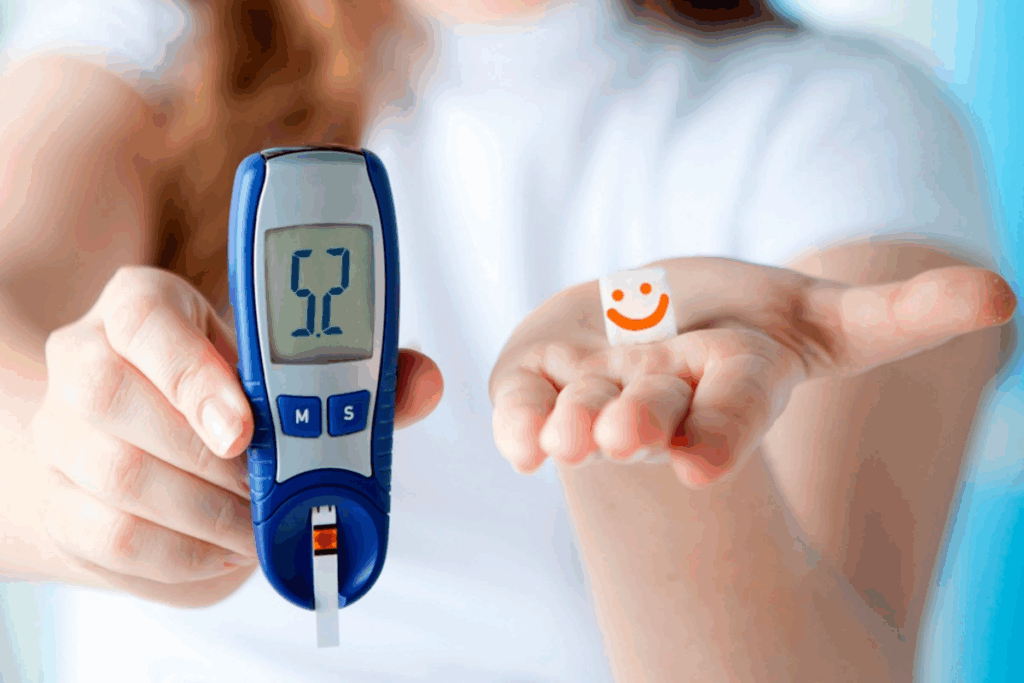
Diabetes mellitus is a big health issue in the United States. It affects about 38.4 million people. It’s key to know the serious acute complications linked to it. These problems can happen fast and be deadly if not treated right away acute complication of dm.
At Liv Hospital, we stress the need for quick medical help. The five main diabetes-related complications needing fast action are hypoglycemia, diabetic ketoacidosis, hyperglycemic hyperosmolar state, hyperglycaemic diabetic coma, and acute infections. Knowing about these is vital for giving the right care and support to patients.
Key Takeaways
- Diabetes mellitus affects approximately 38.4 million people in the United States.
- Recognizing acute complications is key for quick medical help.
- The five main diabetes-related complications are hypoglycemia, diabetic ketoacidosis, hyperglycemic hyperosmolar state, hyperglycaemic diabetic coma, and acute infections.
- Liv Hospital offers full care and support for diabetes-related issues.
- Understanding these complications is vital for proper patient care.
The Growing Impact of Diabetes in America

Diabetes is becoming a big health problem in the U.S. This is because of rising obesity rates and aging populations. The growing number of people with diabetes mellitus in America is a big worry. It affects not just the quality of life for those with the disease but also the healthcare system as a whole.
Current Prevalence Statistics
Diabetes is a big issue in America, affecting many people. Over 34 million people in the U.S. have diabetes, with about 1 in 4 not knowing they have it. Also, around 88 million adults have prediabetes, where blood sugar levels are higher than normal but not high enough to be diabetes.
- Prevalence Rate: The prevalence of diagnosed and undiagnosed diabetes among U.S. adults is around 10.5%.
- Age Factor: The risk of developing type 2 diabetes increases with age, specially after 45.
- Ethnic Disparities: Certain ethnic groups, such as African Americans, Hispanics/Latinos, and American Indians, have a higher risk of developing diabetes.
Understanding Glucose Regulation
Keeping the body’s energy balance is key, and glucose plays a big role. Glucose, a simple sugar, is the main energy source for cells. The body controls glucose through insulin and glucagon.
Insulin, made by the pancreas, helps cells take in glucose, lowering blood glucose levels. On the other hand, glucagon raises blood glucose levels by making the liver release stored glucose into the bloodstream.
Types of Diabetes and Their Differences
There are several types of diabetes, each with its own characteristics and effects on glucose regulation.
- Type 1 Diabetes: An autoimmune condition where the body’s immune system attacks the insulin-producing beta cells in the pancreas, resulting in a complete deficiency of insulin production.
- Type 2 Diabetes: Characterized by insulin resistance, where the body’s cells do not respond effectively to insulin, and over time, the pancreas may also fail to produce enough insulin.
- Gestational Diabetes: Develops during pregnancy, usually in the second or third trimester, due to hormonal changes and insulin resistance.
Knowing these differences is key for managing and treating diabetes effectively.
What Constitutes an Acute Complication of DM

It’s important to know about acute complications of DM to manage and prevent them. These complications happen quickly because of big changes in blood sugar and metabolism. They are different from chronic problems that take a long time to develop.
Metabolic Emergencies vs. Chronic Complications
Diabetes mellitus can lead to serious problems like diabetic ketoacidosis (DKA), hyperglycemic hyperosmolar state (HHS), and hypoglycemia. These issues start fast and can be very dangerous if not treated right away. On the other hand, long-term problems like kidney damage, eye issues, and nerve damage happen over years due to high blood sugar.
Pathophysiology of Glucose Dysregulation
The reasons behind acute complications are complex. They involve not enough insulin or insulin resistance, plus stress hormones. When diabetes makes it hard to control blood sugar, it can lead to serious problems. For example, DKA happens when there’s not enough insulin and too many stress hormones, causing acid in the blood.
- Insulin deficiency or resistance
- Elevated counter-regulatory hormones
- Metabolic stress
Risk Factors for Developing Acute Complications
There are several things that make it more likely to get acute complications. These include:
- Poor glycemic control: High HbA1c levels mean blood sugar is not well-controlled, raising the risk of serious problems.
- Infection or illness: Getting sick can mess with blood sugar levels, causing highs or lows.
- Medication non-adherence: Not taking diabetes meds as directed can lead to uncontrolled blood sugar.
- Previous history of acute complications: If you’ve had DKA, HHS, or severe low blood sugar before, you’re more likely to have it again.
Knowing these risk factors is key to preventing and managing acute complications. By understanding the causes and taking action, doctors can lower the chance of these serious issues.
Hypoglycemia: When Blood Sugar Plummets
The balance of glucose in diabetes care can sometimes tip towards hypoglycemia. This is a dangerous drop in blood sugar. It’s key to understand hypoglycemia for good diabetes management.
Defining Hypoglycemic Thresholds
Hypoglycemia is when blood sugar falls below 70 mg/dL. But, this number can change for each person. Knowing this is important because the risk of hypoglycemia grows when blood sugar drops below 70 mg/dL.
Common Triggers and High-Risk Scenarios
Several things can cause hypoglycemia, including:
- Too much insulin or oral hypoglycemic medication
- Missing or delayed meals
- More physical activity without adjusting food or medicine
Recognizing Symptoms: From Mild to Severe
Hypoglycemia symptoms can be mild, moderate, or severe. They include:
- Mild: Shakiness, sweating, hunger, dizziness
- Moderate: Confusion, irritability, headache
- Severe: Loss of consciousness, seizures
Treatment Protocols and Prevention Strategies
To treat hypoglycemia, you should:
- Eat 15-20 grams of fast-acting carbs
- Check blood sugar again after 15 minutes
- Do more treatment if needed
To prevent hypoglycemia, you can:
- Check blood sugar regularly
- Adjust medicine and meals as needed
- Teach patients to spot early symptoms
Symptom Severity | Symptoms | Treatment |
Mild | Shakiness, sweating, hunger | 15-20 grams of fast-acting carbs |
Moderate | Confusion, irritability, headache | Repeat treatment if necessary |
Severe | Loss of consciousness, seizures | Glucagon injection or emergency services |
Diabetic Ketoacidosis (DKA): Metabolic Crisis
DKA is a serious condition where blood sugar is too high, there’s acid in the blood, and ketones are present. It’s a big problem for people with diabetes, both type 1 and type 2. It often happens when they are under a lot of stress.
Biochemical Mechanisms and Development
DKA starts when there’s not enough insulin. This leads to high blood sugar and the making of ketones. Without enough insulin, the body starts breaking down fat for energy, making ketones in the process.
“The pathophysiology of DKA is characterized by a combination of hyperglycemia, ketosis, and metabolic acidosis,” as noted in medical literature. This condition can be triggered by various factors, including infection, inadequate insulin therapy, and severe stress.
Clinical Presentation and Warning Signs
DKA symptoms can vary, but common ones are polyuria, polydipsia, and weight loss. People might also feel nauseous, vomit, and have stomach pain. It’s important to catch these signs early to get treatment fast.
- Frequent urination
- Excessive thirst
- Weight loss
- Nausea and vomiting
- Abdominal pain
Diagnostic Criteria and Laboratory Findings
To diagnose DKA, doctors look at lab results. They check for hyperglycemia, ketonemia, and metabolic acidosis. Blood sugar is usually high, and blood gas analysis shows acidosis.
Diagnostic Criteria | Laboratory Findings |
Hyperglycemia | Blood glucose > 250 mg/dL |
Ketonemia | Ketones present in blood or urine |
Metabolic Acidosis | pH |
Evidence-Based Management Approaches
Managing DKA includes giving fluids, insulin, and replacing lost electrolytes. Fluids help with dehydration and improve blood flow. Insulin helps control blood sugar and ketosis.
As clinical guidelines say, “quick and effective treatment of DKA is key to avoid serious problems and improve patient results.” It’s vital to watch patients closely and adjust treatment as needed.
Hyperglycemic Hyperosmolar State: Extreme Hyperglycemia
The Hyperglycemic Hyperosmolar State is a serious condition linked to diabetes. It is marked by extreme high blood sugar and dehydration. This condition is very dangerous and needs quick medical help.
Pathophysiology and Distinguishing Features
HHS is known for severe high blood sugar, often over 600 mg/dL, and dehydration. It’s different from Diabetic Ketoacidosis (DKA) because it doesn’t have a lot of ketosis or acidosis.
Key Pathophysiological Features:
- Severe high blood sugar causing dehydration
- Dehydration and imbalances in electrolytes
- Blood becomes too thick due to dehydration
- No big ketosis or acidosis
Vulnerable Populations and Risk Factors
HHS mainly hits older adults, mostly those with type 2 diabetes. Other risks include infections, some medicines (like corticosteroids and diuretics), and poor diabetes care.
Vulnerable Population | Risk Factors |
Older adults (>65 years) | Infections (e.g., pneumonia, UTIs) |
Patients with type 2 diabetes | Certain medications (corticosteroids, diuretics) |
Individuals with cognitive impairment | Inadequate access to water or inability to drink |
Clinical Manifestations and Diagnostic Approach
People with HHS show severe dehydration, changes in mental state, and signs of high blood sugar. Doctors diagnose it by looking at lab results, like high blood sugar, serum osmolality, and no ketonuria.
Diagnostic Criteria:
- Plasma glucose >600 mg/dL
- Effective serum osmolality >320 mOsm/kg
- No big ketosis
- Dehydration and neurological symptoms
Treatment Strategies and Possible Complications
Treatment includes lots of fluids, managing electrolytes, and insulin. But, there are risks like brain swelling, blood clots, and heart problems.
Treatment Strategies:
- Aggressive fluid resuscitation
- Electrolyte replacement (potassium, phosphate)
- Insulin therapy (given carefully)
- Watching for complications
Hyperglycemic Diabetic Coma: Neurological Emergency
Hyperglycemic diabetic coma is a serious condition that needs quick medical help. It happens when blood sugar gets too high, causing a person to lose consciousness. Knowing how it works, how to check for it, and how to treat it is key to saving lives.
Mechanisms Leading to Altered Consciousness
This condition starts with very high blood sugar. This high sugar causes the body to lose water and get out of balance with salts. These changes hurt the brain, leading to a coma. The main causes are:
- Severe hyperglycemia
- Hyperosmolarity
- Dehydration
- Electrolyte disturbances
These issues work together to make the brain slow down and even stop working. It’s more common in older people with type 2 diabetes.
Assessment and Diagnostic Workup
Quick action is vital when someone has hyperglycemic diabetic coma. The first steps are:
- Looking at the person’s history and doing a physical check-up
- Doing blood tests for sugar, salts, and other important things
- Checking how well the brain is working
These steps help figure out what’s wrong and how to fix it. They guide the treatment plan.
Critical Care Interventions
There are several important steps to treat hyperglycemic diabetic coma:
- Drinking lots of water to fix dehydration and high salt levels
- Using insulin to lower blood sugar
- Putting back important salts, like potassium
- Watching the person’s vital signs and brain function
These steps help get the body’s chemistry back to normal. They aim to wake up the person and avoid more problems.
Monitoring Parameters and Recovery Indicators
It’s very important to keep a close eye on the person while they’re getting better. The main things to watch are:
Parameter | Target |
Blood glucose | Normalization |
Electrolytes | Normalization |
Neurological status | Return to baseline |
Signs of getting better include better thinking, stable vital signs, and normal lab results.
Timely and right care is key in treating hyperglycemic diabetic coma. By understanding it, quickly checking for it, and using the right treatments, doctors can greatly improve patient outcomes.
Diabetes-Related Acute Infections
Managing diabetes is more than just keeping blood sugar levels in check. It’s also about avoiding acute infections. People with diabetes often get infections because their immune systems are weak. We’ll look at how high blood sugar harms the immune system, common infections, and how to diagnose and treat them.
Immune Dysfunction in Hyperglycemic States
High blood sugar weakens the immune system. High glucose levels harm immune cells like neutrophils and macrophages. This makes it tough for the body to fight off infections. We’ll see how long-term high blood sugar causes chronic inflammation, making infections harder to handle.
Common Infectious Emergencies
People with diabetes face a higher risk of certain infections. These include urinary tract infections, skin infections, and tuberculosis. We’ll look at why they’re more common and how to spot and manage them.
- Urinary tract infections can lead to severe complications like pyelonephritis.
- Skin infections, such as diabetic foot infections, can result in serious morbidity.
- Tuberculosis is more prevalent in diabetic patients and requires careful management.
Diagnostic Approaches and Treatment Principles
Quick diagnosis and treatment are key for diabetic patients. We’ll cover how to diagnose infections and the best treatment options. This includes antibiotic therapy and supportive care.
Handling diabetes-related infections well needs a full plan. This includes controlling blood sugar, using antibiotics wisely, and educating patients. By knowing the risks and acting early, we can lower the chance and impact of these infections.
Preventing Acute Complications of Diabetes Mellitus
By focusing on glycemic control, monitoring, and patient education, individuals with diabetes can reduce their risk of acute complications. Effective prevention strategies are multifaceted and require a broad approach.
Optimizing Glycemic Control
Maintaining optimal blood glucose levels is key to preventing acute complications. Glycemic control involves balancing diet, exercise, and medication. It’s important to keep blood sugar within a target range. We recommend working closely with healthcare providers to determine personalized targets.
Regular monitoring of blood glucose levels helps identify patterns and areas for improvement. This information can be used to adjust treatment plans. It ensures that glycemic control is maintained.
Continuous Glucose Monitoring Benefits
Continuous glucose monitoring (CGM) systems provide real-time data on glucose levels. They offer insights into glucose trends and patterns. This information is invaluable in optimizing glycemic control and preventing acute complications.
CGM systems can alert users to high or low glucose levels. This allows for timely interventions. Studies have shown that CGM can improve glycemic control and reduce the risk of severe hypoglycemia.
Medication Management During Illness
During illness, managing diabetes medications is critical to prevent acute complications. We advise patients to have a sick-day plan in place. This includes guidelines for adjusting medication doses and monitoring blood glucose levels more frequently.
It’s essential to stay hydrated and follow a healthcare provider’s advice on managing medications during illness. Certain medications may need to be adjusted or temporarily stopped.
Patient Education and Self-Management Skills
Educating patients on diabetes self-management is a cornerstone of preventing acute complications. We emphasize the importance of understanding diabetes, its treatment, and how to manage it effectively.
Self-management skills include monitoring blood glucose, administering medications, and making healthy lifestyle choices. By empowering patients with knowledge and skills, we can help them take an active role in their care. This reduces the risk of acute complications.
Emergency Response and Hospital Management
Emergency response and hospital management are key in treating diabetes complications. Knowing what to do in an emergency can greatly improve patient care.
When to Call 911 vs. When to Self-Treat
It’s important to know when to seek emergency care. Severe symptoms like confusion or loss of consciousness mean call 911 right away. For milder symptoms, you might be able to treat yourself, but always check with a doctor first.
If you have mild hypoglycemia, eating 15-20 grams of fast-acting carbs can help. But if your symptoms don’t get better or get worse, call for help.
“The key to managing diabetes emergencies is prompt recognition and appropriate response. Delaying treatment can lead to severe consequences.”
What to Expect in the Emergency Department
When you get to the emergency department, doctors will quickly check you out. They’ll look at your blood sugar, check for ketoacidosis or hyperglycemic hyperosmolar state, and see how you’re doing overall.
Getting a quick and right diagnosis is key to good care. The team will work to make you stable and create a treatment plan.
Inpatient Management Protocols
If you need to stay in the hospital, there are special plans for managing your care. This might include using insulin through an IV, giving fluids, and watching your electrolyte levels.
Condition | Management Protocol | Monitoring Parameters |
Diabetic Ketoacidosis (DKA) | IV Insulin, Fluid Replacement | Blood Glucose, Ketones, Electrolytes |
Hyperglycemic Hyperosmolar State (HHS) | IV Fluids, Insulin Therapy | Serum Osmolality, Blood Glucose, Electrolytes |
Severe Hypoglycemia | Glucose Administration | Blood Glucose Levels |
Transition of Care After Acute Episodes
After a serious episode, moving care back to the outpatient setting needs careful planning. This includes teaching patients to spot early signs of problems, adjusting their meds, and setting up follow-up visits.
Good care transition is key to avoiding future problems and managing diabetes long-term.
Conclusion
It’s key to understand and manage diabetes complications quickly to help patients. We’ve talked about serious issues like low blood sugar, diabetic ketoacidosis, and high blood sugar. These problems can be life-threatening if not treated right away.
It’s important to act fast when these issues arise. Teaching patients how to manage their diabetes is critical. This includes self-care and working closely with healthcare teams.
Keeping blood sugar levels in check is essential. Using devices to monitor blood sugar and the right medicines can help. This approach can lower the risk of these serious problems.
We need a team effort to manage diabetes well. This includes healthcare providers, patients, and their families. Together, they can make sure patients get the best care possible.
FAQ
What are the acute complications of diabetes mellitus?
The main acute complications of diabetes mellitus are hypoglycemia, diabetic ketoacidosis, and hyperglycemic hyperosmolar state. There’s also hyperglycaemic diabetic coma and acute infections.
What is hypoglycemia and how is it treated?
Hypoglycemia is when blood sugar drops too low. To treat it, eat fast-acting carbs to raise blood sugar. In severe cases, you might need glucagon or go to the emergency room.
What is diabetic ketoacidosis and how is it managed?
Diabetic ketoacidosis is a serious condition with high blood sugar, ketones, and acidosis. Treatment includes fluids, insulin, and watching electrolytes and blood sugar closely.
What is the hyperglycemic hyperosmolar state?
This condition has very high blood sugar without ketosis, causing severe dehydration. Treatment is aggressive fluid replacement and insulin therapy.
How can acute complications of diabetes be prevented?
Preventing complications means managing blood sugar well. Use continuous glucose monitoring, follow medication, and learn to recognize and manage blood sugar changes.
When should emergency services be called for diabetes-related complications?
Call emergency services for severe hypoglycemia, diabetic ketoacidosis, or hyperglycemic hyperosmolar state. Also, for symptoms of acute infections or hyperglycaemic diabetic coma.
What can be expected in the emergency department for acute diabetes complications?
In the emergency department, you’ll get quick assessment and treatment. This may include fluids, insulin, or antibiotics for infections.
How are acute infections related to diabetes managed?
Managing diabetes-related infections means quick diagnosis and antibiotics. It’s also important to control blood sugar to prevent further problems.
What is the role of patient education in managing diabetes?
Education is key in managing diabetes. It helps people monitor their condition, spot complications, and take action to prevent or manage them.
What is hyperglycaemic diabetic coma?
Hyperglycaemic diabetic coma is a serious condition with severe high blood sugar and altered consciousness. It needs immediate medical care, including critical interventions.
How does hyperglycemia lead to immune dysfunction?
High blood sugar can weaken the immune system. It affects immune cells’ activity and production, making infections more likely.
References
National Center for Biotechnology Information. Diabetes Mellitus: Acute Complications Guide. Retrieved from http://www.ncbi.nlm.nih.gov/pmc/articles/PMC7182448/



 Departments
 Related Videos
 Our Doctors
 News
News