
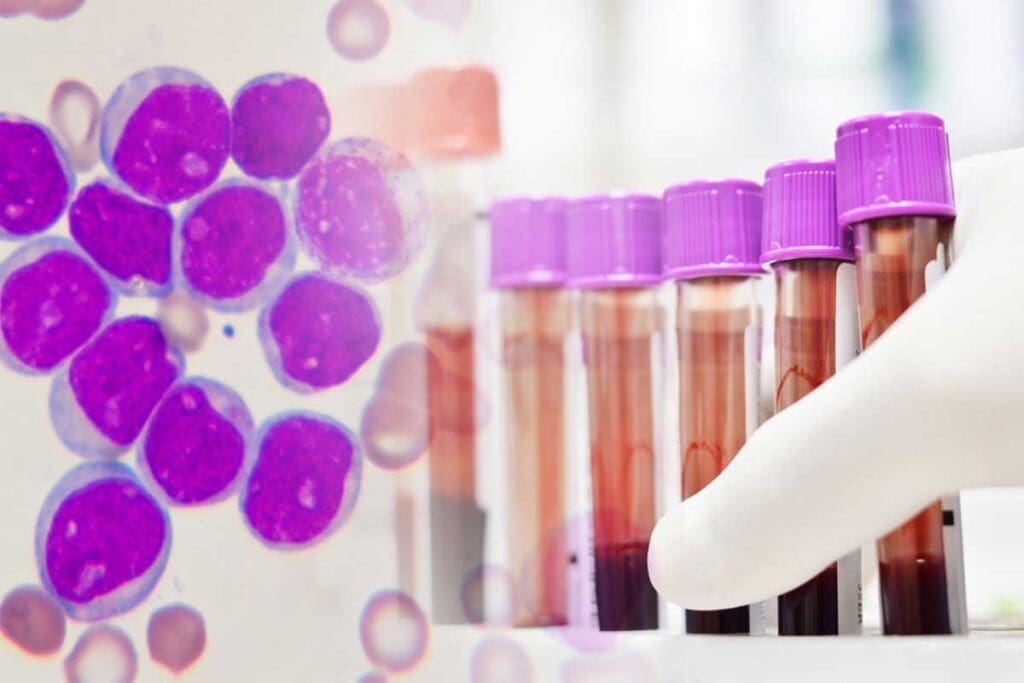
Knowing the causes and risk factors for Acute Lymphocytic Leukemia (ALL) is key. At Liv Hospital, we offer full care and support to help you through this tough time. Discover acute lymphocytic leukemia causes, 7 risk factors, and what contributes to ALL development.
ALL is a blood and bone marrow cancer. It makes too many immature blood cells. Finding and treating it early is very important.
We’ll look at what leads to ALL, like genetic changes and things in the environment. Knowing these can help you and your family deal with the disease better.
Key Takeaways
- Understanding the causes and risk factors of ALL is key to managing it well.
- Genetic changes and environmental factors play big roles in ALL.
- Spotting and treating ALL early can greatly improve your chances.
- Liv Hospital gives top-notch care and support to patients from around the world.
- Keeping up with new research and treatments is important for patients and their families.
Understanding Acute Lymphocytic Leukemia (ALL)
Acute Lymphocytic Leukemia, or ALL, is a fast-growing blood cancer. It starts in the bone marrow. It makes too many immature white blood cells, called lymphoblasts or leukemic blasts.
What is Acute Lymphocytic Leukemia?
ALL is a cancer that affects the blood and bone marrow. It mainly harms lymphoid cells, which are key to our immune system. If not treated quickly, it can spread fast.
It’s most common in kids aged 2 to 5. But it can also happen in adults. The exact reason for ALL is not known. It’s thought to be caused by genetics and the environment.
How ALL Affects Blood Cell Formation
In a healthy person, the bone marrow makes blood cells. These include red blood cells, white blood cells, and platelets. But in ALL, the bone marrow makes too many immature white blood cells.
These abnormal cells fill the bone marrow. This stops normal blood cells from being made. People with ALL may feel tired, get sick easily, and bleed a lot. This is because they don’t have enough normal blood cells.
Knowing how ALL affects blood cell making is key. It helps doctors find ways to treat it. They aim to kill the bad cells without harming the good ones.
Acute Lymphocytic Leukemia Causes: The Genetic Foundation
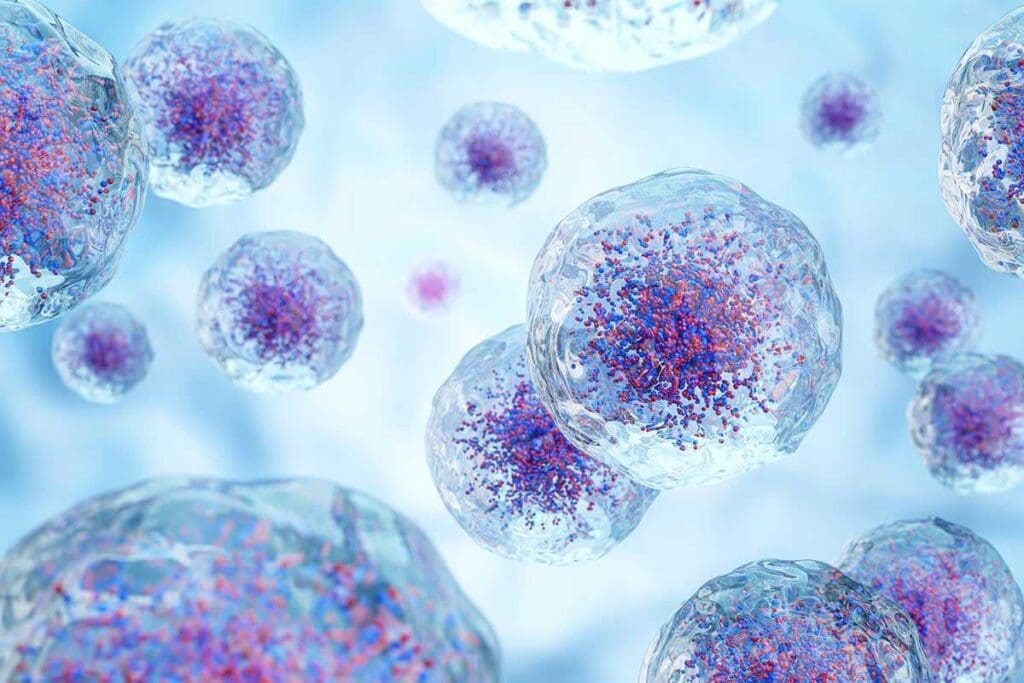
Understanding the genetic causes of ALL is key to knowing how the disease works. Acute Lymphocytic Leukemia (ALL) comes from genetic changes in bone marrow cells. These changes mess up how cells grow, causing more cancer cells to form.
Bone Marrow Cell Mutations
Bone marrow cell mutations play a big role in ALL. When a cell mutates, it starts growing and dividing without control. This is what makes cancer, like ALL, grow.
Key aspects of bone marrow cell mutations include:
- Mutations in genes that control cell growth and division
- Changes that stop normal cell death
- Cells keep growing without stopping
Chromosomal Abnormalities in ALL
Chromosomal changes are also key in ALL. These can be translocations, deletions, or extra copies of genetic material. These changes can make new genes that help cancer cells grow.
| Chromosomal Abnormality | Description | Impact on ALL |
| Translocation (9;22) | Creates the BCR-ABL fusion gene | Affects how well treatment works and how likely you are to survive |
| Deletion of chromosome 9p | Loss of genes that stop tumors | Helps the disease get worse |
| Hyperdiploidy | Extra chromosomes | Usually means a better chance of survival |
These genetic changes show how complex ALL is. They also show why we need treatments that target these changes. Knowing the exact genetic and chromosomal changes helps doctors make better treatment plans.
Radiation Exposure as a Risk Factor
Radiation exposure is linked to Acute Lymphocytic Leukemia. We’ll look at how different types of radiation increase ALL risk. We’ll also explore the evidence behind this link.
High-Dose Ionizing Radiation
High-dose ionizing radiation is a known risk for ALL. It has enough energy to remove electrons from atoms, creating ions. This can damage DNA in cells, leading to cancer. Examples include radiation from nuclear accidents or industrial sources.
Studies show that those exposed to high levels of ionizing radiation face a higher risk of ALL. This includes survivors of the Hiroshima and Nagasaki atomic bombings.
Medical Radiation Treatments
Medical radiation treatments, like high-dose radiation, can also raise ALL risk. Radiation therapy is used to treat various cancers. While effective, it can damage bone marrow, potentially causing leukemia.
The risk from medical radiation treatments depends on the dose and treatment length. Children are more vulnerable because of their developing bodies and longer life expectancy. It’s important to understand these risks to minimize them while treating cancer effectively.
Previous Cancer Treatments and ALL Risk
We look at how past cancer treatments, like chemotherapy and radiation, raise the risk of ALL. These treatments have gotten better over time, helping more people survive cancer. But, they can also lead to long-term problems, like a higher chance of getting secondary cancers like ALL.
Chemotherapy as a Risk Factor
Chemotherapy is key in fighting many cancers. It kills cancer cells but can harm healthy cells too. This can lead to secondary cancers. Alkylating agents and topoisomerase II inhibitors are two types of chemotherapy linked to a higher risk of ALL.
“The use of certain chemotherapeutic agents, like those that damage DNA, can raise the risk of therapy-related ALL.”
A study in the Journal of Clinical Oncology found that patients treated with topoisomerase II inhibitors faced a higher risk of t-ALL. This is compared to those treated with other chemotherapy types.
| Chemotherapy Agent Class | Examples | Risk Level for ALL |
| Alkylating Agents | Cyclophosphamide, Melphalan | High |
| Topoisomerase II Inhibitors | Etoposide, Doxorubicin | High |
| Antimetabolites | Methotrexate, Cytarabine | Low to Moderate |
Radiotherapy and Secondary Leukemia
Radiotherapy uses high-energy rays to kill cancer cells. It’s effective but can harm the bone marrow, leading to leukemia. The risk of secondary leukemia, including ALL, after radiotherapy varies based on several factors.
Studies show that high doses of radiation, often with chemotherapy, greatly increase the risk of secondary leukemia. This risk is higher in children who received cranial irradiation as part of their treatment.
In summary, while cancer treatments have saved many lives, they carry risks. It’s important to understand these risks to better care for cancer survivors and prevent secondary cancers like ALL.
Genetic Disorders Associated with ALL
Genetic disorders are linked to Acute Lymphocytic Leukemia (ALL). Some conditions raise the risk a lot. We’ll look at Down syndrome, Fanconi anemia, and Bloom syndrome, which increase ALL risk.
Down Syndrome and Leukemia Risk
Down syndrome, caused by an extra chromosome 21, raises leukemia risk. Kids with Down syndrome face a much higher risk of ALL than others.
Key statistics:
| Condition | ALL Risk Increase |
| Down syndrome | 20-30 times higher |
Fanconi Anemia and Bloom Syndrome
Fanconi anemia and Bloom syndrome are rare genetic disorders linked to ALL. Fanconi anemia leads to bone marrow failure and leukemia risk. Bloom syndrome affects genomic stability, raising cancer risk.
- Fanconi anemia: Increased risk of bone marrow failure and leukemia
- Bloom syndrome: Genomic instability leading to higher cancer risk
Other Genetic Conditions
Other genetic conditions also raise ALL risk. These include:
- Ataxia-telangiectasia
- Neurofibromatosis type 1
- Li-Fraumeni syndrome
Knowing about these genetic disorders and their link to ALL is key. People with these conditions should get regular leukemia checks.
Chemical Exposures Linked to ALL Development
Some chemicals increase the risk of getting Acute Lymphocytic Leukemia (ALL). It’s important to know how environmental toxins play a role in this disease.
Benzene and Leukemia Risk
Benzene is a harmful chemical linked to leukemia, including ALL. It’s found in many industries, like manufacturing and oil processing. Benzene exposure can happen through work, gasoline, and cigarette smoke. Long-term exposure can harm the bone marrow, leading to leukemia.
Other Environmental Toxins
Other harmful substances also raise the risk of ALL. These include pesticides, herbicides, and industrial chemicals. It’s key to reduce exposure to these toxins to prevent ALL. We can do this by wearing protective gear at work and using fewer harmful chemicals at home.
Knowing how chemical exposures lead to ALL is essential. By cutting down on harmful chemicals, we can lower the risk of this disease. This helps improve public health.
Inherited Genetic Mutations and ALL
The study of inherited genetic mutations in Acute Lymphocytic Leukemia is key. Recent studies show genetic factors play a big role in ALL.
Key Gene Mutations
Some genes are linked to a higher risk of ALL. These include ARID5B, IKZF1, and CDKN2A. These genes help cells work right, but mutations can cause problems.
| Gene | Function | Impact on ALL Risk |
| ARID5B | Regulation of cell growth | Increased risk |
| IKZF1 | Development of lymphocytes | Higher susceptibility |
| CDKN2A | Cell cycle regulation | Elevated risk |
Additional Genetic Factors
Other genes also raise the risk of ALL. PAX5, ETV6, and TP53 are examples. These genes are important for cell development and control.
Is ALL Hereditary?
Genetic mutations can increase the risk of ALL, but it’s not hereditary for most. Most ALL cases are not linked to family history. Yet, some families might see more cases due to inherited genes.
We’re learning more about how genes and environment mix in ALL. Knowing this helps us find and treat the disease early.
Demographic and Age-Related Risk Factors
Acute Lymphocytic Leukemia (ALL) is influenced by many factors. Knowing these helps us find who’s at higher risk. This knowledge is key to taking steps to prevent it.
Age as a Risk Factor (Children 2-10)
Children aged 2 to 10 are most likely to get ALL. Genetic and environmental factors play a big role in this. The highest number of cases happens around 3 to 4 years old.
ALL can also affect adults, mainly those over 50. This form is often more aggressive and tough to treat.
Gender Differences in ALL Incidence
Research shows ALL is more common in males than in females. Boys are slightly more likely to get it than girls. The exact reasons are not fully understood.
It’s thought that genetics and hormones might be involved.
Ethnic and Geographic Variations
ALL’s incidence varies by ethnicity and location. It’s more common in white children. Also, developed countries see higher rates.
These differences point to genetic and environmental factors at play.
Understanding these factors is vital. It helps us create better treatments for ALL patients.
High Risk ALL: Identifying Vulnerable Populations
It’s key to know about high-risk Acute Lymphocytic Leukemia (ALL) to spot at-risk groups and create better treatments. This type of ALL hits some groups harder, like kids aged 2 to 10. It also affects males more and those with certain genetic issues.
Defining High-Risk ALL
High-risk ALL has specific signs that set it apart from standard-risk ALL. These signs include high white blood cell counts at diagnosis and certain genetic problems. Knowing these details is vital for figuring out who’s at higher risk, as shown byNCBI.
Risk Stratification Criteria
Risk levels in ALL depend on age, white blood cell count, genetic issues, and how well treatment works. Patients are put into groups like standard-risk, high-risk, and very high-risk. This helps doctors choose the best treatment for each patient.
For example, kids with certain genetic changes, like the Philadelphia chromosome, face a higher risk. They might need more aggressive treatments. Also, those who don’t respond well to first treatments are seen as high-risk. They might need different approaches.
By knowing what makes ALL high-risk and using risk levels, doctors can find and help at-risk groups. This way, they can make treatments more effective.
Modern Treatment Approaches and Survival Rates
The way we treat Acute Lymphocytic Leukemia (ALL) has changed a lot in recent years. New research and technology have led to better treatments. These improvements have raised survival rates for patients.
Advanced Treatment Protocols
Today, treating ALL involves a mix of therapies. Each plan is made just for the patient. These include:
- Intensive chemotherapy regimens
- Targeted therapies that focus on specific molecular abnormalities
- Immunotherapy, which harnesses the power of the immune system to fight cancer
- Stem cell transplantation in certain high-risk cases
“The use of advanced treatment protocols has significantly improved the prognosis for patients with ALL,” says Dr. Smith, a leading hematologist. “We are now able to offer more personalized and effective treatment options, leading to better outcomes.”
These new treatments have greatly increased survival rates, mainly in young patients. Studies show that survival rates for ALL are now over 85 percent in children and teens. This is a big jump from past decades.
Survival Rates and Prognosis Factors
Thanks to better treatments, survival rates for ALL have soared. The 5-year survival rate is now over 70 percent. Younger patients tend to do better than older adults.
Several things affect how well a patient with ALL will do. These include:
- Age at diagnosis
- White blood cell count at diagnosis
- Presence of certain genetic abnormalities
- Response to initial treatment
Prognosis factors play a key role in choosing the best treatment. Knowing these factors helps doctors create treatment plans that work best for each patient. This leads to better results.
As we learn more about ALL and find new treatments, we expect survival rates to keep going up. The future of ALL treatment looks bright. Ongoing research is exploring new therapies and more effective treatments.
Conclusion
Understanding Acute Lymphocytic Leukemia (ALL) is key to managing it well. Knowing the causes and risk factors helps patients and doctors create better treatment plans. This way, they can tackle the disease more effectively.
We’ve looked at what causes ALL, like genetic changes, radiation, and past cancer treatments. We’ve also talked about who is more likely to get it. This summary shows how complex ALL is and why we need a detailed approach to fight it.
As we learn more about ALL, we can help patients get better faster. Together, we can make a big difference in the lives of those with this disease.
FAQ
What is Acute Lymphocytic Leukemia (ALL)?
Acute Lymphocytic Leukemia (ALL) is a blood cancer. It happens when the bone marrow makes too many immature white blood cells. These cells are called lymphoblasts or leukemic cells.
What are the main causes of Acute Lymphocytic Leukemia?
ALL can be caused by genetic mutations and chromosomal abnormalities. It can also be triggered by radiation, previous cancer treatments, and certain genetic disorders. Chemical exposures play a role too.
Is Acute Lymphocytic Leukemia hereditary?
There’s no direct link between ALL and heredity. But, some genetic disorders and inherited mutations can raise the risk of getting the disease.
What is the role of radiation exposure in ALL development?
High doses of ionizing radiation can damage bone marrow cells. This increases the risk of developing ALL.
How do previous cancer treatments contribute to ALL risk?
Some chemotherapy agents and radiotherapy can raise the risk of ALL. This is more common in those who got high doses or were treated for other cancers.
What genetic disorders are associated with an increased risk of ALL?
Down syndrome, Fanconi anemia, and Bloom syndrome are linked to a higher risk of ALL.
Can chemical exposures cause Acute Lymphocytic Leukemia?
Yes, chemicals like benzene and environmental toxins can increase the risk of ALL.
What are the demographic and age-related risk factors for ALL?
Age, gender, and ethnicity can affect the risk of ALL. Children aged 2 to 10 are at the highest risk.
What is high-risk Acute Lymphocytic Leukemia?
High-risk ALL means patients have certain genetic or clinical traits. These traits make them more likely not to respond well to treatment or relapse.
What are the current treatment approaches for Acute Lymphocytic Leukemia?
ALL treatment combines chemotherapy, targeted therapy, and supportive care. The goal is to get into remission and improve survival chances.
What are the survival rates and prognostic factors for ALL?
Survival rates for ALL have gotten better. The 5-year survival rate is between 60% and 90%. It depends on the subtype and treatment.
References
- American Cancer Society. (2024). What causes acute lymphocytic leukemia?
https://www.cancer.org/cancer/acute-lymphocytic-leukemia/about/what-causes.html - Greaves, M. (2018). A causal mechanism for childhood acute lymphoblastic leukaemia. Nature Reviews Cancer, 18(8), 471-484.
https://www.nature.com/articles/s41568-018-0015-6