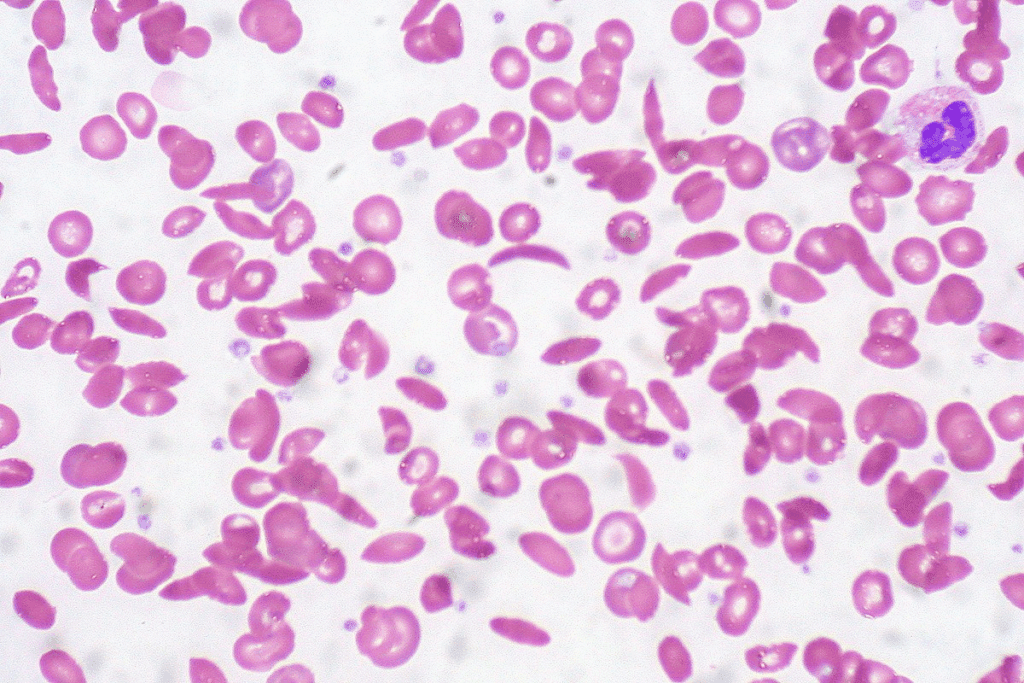
Did you know that anemia is a common complication among patients with certain types of leukemia? Leukemia, a cancer of the blood cells, can disrupt the production of healthy red blood cells. This leads to anemia. This condition can significantly impact a patient’s quality of life, causing fatigue, weakness, and shortness of breath.
Explaining how the rapid growth of abnormal cells in Acute myeloid leukemia prevents the production of healthy red blood cells (anemia).
Key Takeaways
- Anemia is a common complication in patients with certain types of leukemia.
- Leukemia disrupts the production of healthy red blood cells, leading to anemia.
- Acute myeloid leukemia (AML) is a type of leukemia that can cause anemia.
- Understanding the connection between leukemia and anemia is key for effective diagnosis and treatment.
- Anemia can significantly impact a patient’s quality of life, causing fatigue and weakness.
Understanding Acute Myeloid Leukemia: An Overview
What is Acute Myeloid Leukemia?
Symptoms of Acute Myeloid Leukemia
AML symptoms can vary but often include feeling very tired, fever, and shortness of breath. These happen because the bad cells mess up blood cell making. Patients might also lose weight, not want to eat, and have night sweats.
- Fatigue and weakness due to anemia
- Fever and infections due to low white blood cell count
- Shortness of breath and pale skin due to low red blood cell count
Risk Factors for Acute Myeloid Leukemia
Many things can raise the risk of getting AML. Being exposed to certain chemicals, radiation, or past chemotherapy are some. Being older is also a big risk factor, as AML is more common in older adults. Other risks include genetic disorders and certain blood problems.
The Connection Between Leukemia and Anemia
How Leukemia Affects Blood Cell Production
The Role of Red Blood Cells in Anemia
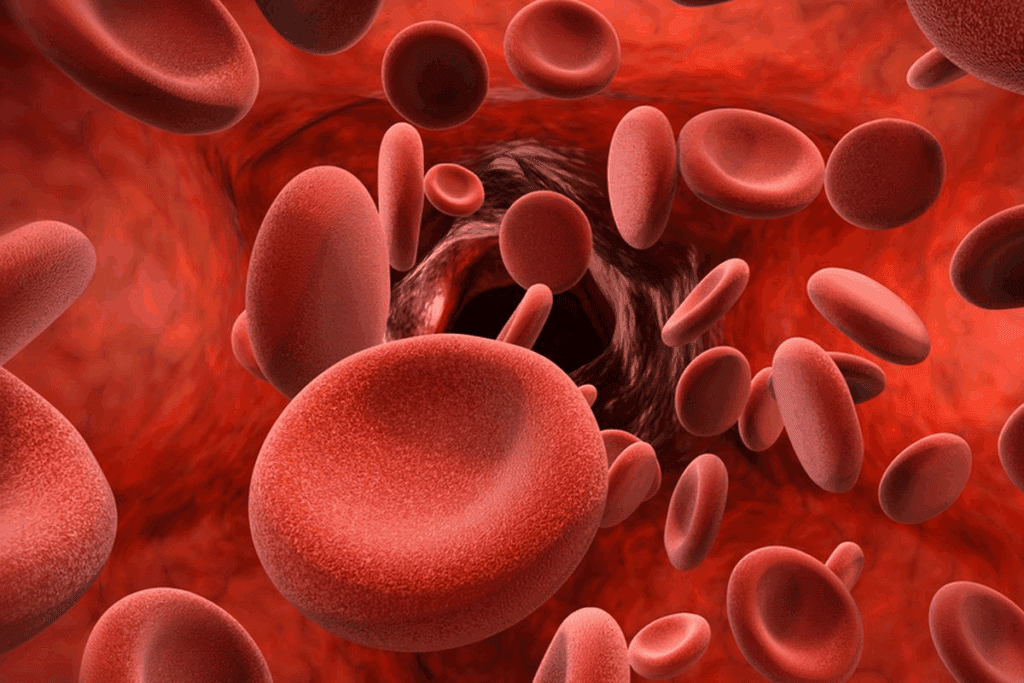
Red blood cells carry oxygen to all parts of the body. Without enough of them, or if they don’t work right, oxygen can’t get where it needs to. This causes tiredness, weakness, and shortness of breath. For leukemia patients, anemia makes it hard to live well and get treatment.
Managing anemia is crucial for leukemia patients. By tackling the root causes of anemia, like leukemia’s effect on red blood cells, doctors can create better treatment plans. This helps ease symptoms and improves how patients do.
Types of Leukemia: A Brief Comparison
It’s important for patients to know about the different types of leukemia. This cancer affects the blood and bone marrow. It’s divided into types based on the cells involved and how fast it grows.
Leukemia is mainly split into two groups: acute and chronic. This split is based on how fast the disease grows.
Acute vs. Chronic Leukemia
Acute leukemia grows quickly, making it urgent to treat. It leads to a fast decline in health if not treated. Chronic leukemia grows slower, giving more time before treatment is needed.
- Acute Leukemia: Needs quick treatment because it’s aggressive.
- Chronic Leukemia: May not need immediate treatment, as it grows slower.
Lymphoblastic Leukemia vs. Myeloid Leukemia
Another key difference is between lymphoblastic and myeloid leukemia. This difference is based on the type of blood cells affected.
- Lymphoblastic Leukemia: Affects lymphoid cells, key for the immune system.
- Myeloid Leukemia: Affects myeloid cells, which make different blood cells.
Knowing these differences helps choose the right treatment. Acute Myeloid Leukemia (AML) is a fast-growing type that affects myeloid cells.
Acute Myeloid Leukemia: A Closer Look
Classification of Acute Myeloid Leukemia
Knowing how to classify AML is key to understanding its prognosis and treatment. The French-American-British (FAB) system is a traditional way to sort AML into subtypes. It looks at how mature the cells are.
The FAB system breaks AML into subtypes from M0 to M7. For example, M3, or acute promyelocytic leukemia, is when abnormal promyelocytes build up.
| FAB Subtype | Description |
| M0 | Undifferentiated acute myeloid leukemia |
| M1 | Acute myeloblastic leukemia without maturation |
| M2 | Acute myeloblastic leukemia with maturation |
| M3 | Acute promyelocytic leukemia |
| M4 | Acute myelomonocytic leukemia |
| M5 | Acute monocytic leukemia |
| M6 | Acute erythroid leukemia |
| M7 | Acute megakaryoblastic leukemia |
Prognosis and Survival Rates
The outlook for AML patients depends on several factors. These include age, genetics, and how well they respond to treatment. Younger patients with good genetics tend to do better.
Thanks to new treatments, survival rates for AML have gone up. But, the 5-year survival rate is about 40% for those under 65. It’s much lower for older patients.
Key factors influencing AML prognosis include:
- Cytogenetic abnormalities
- Age at diagnosis
- Response to initial induction therapy
- Presence of comorbidities
Knowing these factors helps doctors tailor treatments. This can lead to better outcomes for patients.
Common Symptoms of Anemia in Leukemia Patients
Anemia often goes hand in hand with leukemia, affecting patients’ lives greatly. The symptoms of anemia in leukemia patients can be very tough to deal with.
Fatigue and Weakness
Fatigue is a big problem for leukemia patients with anemia. It’s not just feeling tired; it’s a deep exhaustion that makes daily tasks hard. Weakness often goes along with fatigue, making simple tasks even harder.
Fatigue and weakness are tough because anemia lowers the number of red blood cells. Red blood cells carry oxygen to the body. Without enough, patients feel very tired and lack energy.
Shortness of Breath
Shortness of breath is another big symptom for leukemia patients with anemia. It makes it hard to breathe, even when doing simple things.
Without enough red blood cells, the body can’t get enough oxygen. This makes breathing hard. It’s a clear sign that medical help is needed.
| Symptom | Description | Impact on Patients |
| Fatigue | Profound exhaustion | Interferes with daily activities |
| Weakness | Muscle weakness | Makes everyday tasks challenging |
| Shortness of Breath | Difficulty breathing | Affects normal breathing, even at rest |
It’s important to know these symptoms to manage anemia in leukemia patients. By recognizing the signs and getting medical help, patients can feel better.
Diagnosis of Acute Myeloid Leukemia
Diagnosing Acute Myeloid Leukemia (AML) requires several tests. These tests check for leukemia cells in the body. At our institution, we focus on accurate and timely diagnosis for the best care.
Blood Tests for Leukemia Diagnosis
Blood tests are key in diagnosing AML. They show if there are abnormal blood cells or counts. A Complete Blood Count (CBC) is often used to check blood cell counts.
A CBC can spot abnormal cells or counts that need more checks. Blood tests also find specific genetic changes in AML. This helps decide on treatment.
A bone marrow biopsy is the top test for AML. It takes a bone marrow sample, usually from the hipbone, for a microscope check. The biopsy finds leukemia cells, their type, and how much there are.
During the biopsy, the doctor might also take a marrow fluid sample. This sample is analyzed for genetic changes and AML subtype. Knowing this is key for the right treatment plan.
We know diagnostic tests can be tough for patients. Our team offers caring support and information. We make sure our patients are well-informed and comfortable.
Treatment Options for Acute Myeloid Leukemia
AML treatment includes chemotherapy, targeted therapy, and more. Finding the right treatment can be tough. We’re here to help you understand your options and their benefits and risks.
Chemotherapy for AML
Chemotherapy is key in treating AML. It uses drugs to kill cancer cells. We give chemotherapy in cycles to let the body recover.
The treatment plan depends on the patient’s health and the leukemia’s genetics.
Key aspects of chemotherapy for AML include:
- Induction therapy to get into remission
- Consolidation therapy to kill any leftover cancer cells
- Intensive chemotherapy for some patients
Targeted Therapy Approaches
Targeted therapy is a big step forward in AML treatment. It targets specific molecules in cancer cells. This can lead to more precise treatment with fewer side effects than traditional chemotherapy.
Examples of targeted therapies used in AML include:
- FLT3 inhibitors for patients with FLT3 mutations
- IDH1 and IDH2 inhibitors for patients with these specific mutations
- Other emerging targeted therapies under investigation in clinical trials
We’re always looking for new ways to treat AML. This includes combining chemotherapy, targeted therapy, and stem cell transplantation. Our aim is to give the best care for each patient’s needs.
Managing anemia is crucial for leukemia patients.
Managing anemia in leukemia patients requires a mix of medical treatments and dietary changes. Anemia means not enough healthy red blood cells to carry oxygen. This can cause fatigue, weakness, and shortness of breath, affecting the patient’s life quality.
Managing anemia is crucial for leukemia patients.
There are several ways to treat anemia in leukemia patients. These include:
- Iron Supplements: Iron deficiency is a common cause of anemia. We may prescribe iron supplements to help increase red blood cell production.
- Blood Transfusions: In cases where anemia is severe, blood transfusions can help increase the number of red blood cells.
| Treatment Option | Description | Benefits |
| Iron Supplements | Oral or intravenous iron to correct deficiency | Increases red blood cell production, relatively inexpensive |
| Blood Transfusions | Transfusion of red blood cells | Quickly increases red blood cell count, effective for severe anemia |
| Erythropoiesis-Stimulating Agents (ESAs) | Medications to stimulate red blood cell production | Can reduce need for blood transfusions, improves quality of life |
Dietary Changes to Combat Anemia
Dietary adjustments are key in managing anemia. We suggest:
- Increasing Iron Intake: Eating iron-rich foods like red meat, poultry, fish, beans, and fortified cereals.
- Vitamin C: Vitamin C helps iron absorption. Foods high in vitamin C include citrus fruits, strawberries, bell peppers, and tomatoes.
- Folate-Rich Foods: Folate is vital for red blood cell production. Include folate-rich foods like leafy greens, beans, and fortified cereals in your diet.
By combining these treatments and dietary changes, we can manage anemia in leukemia patients. This improves their health and quality of life.
The Role of Research in Acute Myeloid Leukemia
Studies and clinical trials are key in the fight against Acute Myeloid Leukemia. They offer hope to patients. Research into AML covers many areas, from disease genetics to new treatments.
Ongoing Clinical Trials
Clinical trials are vital for AML research. They test new treatments’ safety and effectiveness. These trials are essential for advancing patient care and are often the only way patients get new therapies.
Trials cover many AML types and patient groups. This wide range is important for research to help many patients. By joining trials, patients get new treatments and help researchers understand AML better.
Innovations in Treatment
New treatments for AML are coming fast, thanks to genomic research and disease understanding. Targeted therapies are showing great promise. They aim at specific disease causes, reducing side effects compared to old treatments.
- Immunotherapies, like CAR-T cell therapy, are being tested to use the immune system against AML.
- New treatment combinations are being explored to beat resistance and boost success rates.
We’re hopeful that these advances will lead to better patient outcomes and more effective treatments for AML.
Living with Acute Myeloid Leukemia
Living with Acute Myeloid Leukemia (AML) is a journey that needs medical treatment and support. It’s important to know the resources for patients and their families.
Support Resources for Patients
Patients with AML need various support resources to manage their condition. These include:
- Medical Teams: A dedicated team of healthcare professionals who provide treatment and care.
- Support Groups: Connecting with others who are going through similar experiences can be incredibly beneficial.
- Counseling Services: Professional counseling can help patients cope with the emotional aspects of their diagnosis.
- Educational Resources: Understanding AML and its treatment options empowers patients to make informed decisions.
“The importance of support cannot be overstated,” “Patients who feel supported tend to have better outcomes and improved quality of life.”
Coping Strategies for Families
Families are key in caring for AML patients. It’s important to develop effective coping strategies to manage stress and emotional impact.
- Stay Informed: Understanding the diagnosis, treatment options, and possible side effects helps families provide better support.
- Seek Support: Families should also consider joining support groups or seeking counseling to cope with the emotional challenges.
- Maintain Open Communication: Encouraging open and honest communication within the family can help in addressing fears and anxieties.
By using these support resources and coping strategies, patients with AML and their families can better navigate this challenging journey.
Preventive Measures for Acute Myeloid Leukemia
There’s no surefire way to stop Acute Myeloid Leukemia (AML) from happening. But, making lifestyle changes can help find it early. Knowing the risks and symptoms is key to catching AML early.
Lifestyle Adjustments
Healthy living choices can boost your health and might lower AML risk. Here are some tips:
- Avoid harmful chemicals and pesticides
- Don’t smoke and stay away from second-hand smoke
- Eat well with lots of fruits, veggies, and whole grains
- Keep radiation exposure low
These habits can lower AML risk and improve your health overall.
Monitoring Symptoms Early
Watching for AML symptoms can lead to early detection. Look out for:
- Fatigue and weakness
- Shortness of breath
- Pale skin
- Frequent infections
Seeing these signs early and talking to a doctor is vital for AML care.
| Preventive Measure | Description | Benefit |
| Avoiding harmful chemicals | Reducing exposure to pesticides and industrial chemicals | Lowers risk of AML |
| Not smoking | Avoiding tobacco smoke | Reduces overall cancer risk, including AML |
| Healthy diet and weight | Maintaining a balanced diet and healthy weight | Contributes to overall health and well-being |
| Limiting radiation exposure | Avoiding unnecessary radiation, such as excessive X-rays | Reduces risk of radiation-induced AML |
By taking these steps and knowing the symptoms, you can help your health. These actions don’t promise prevention but can help find AML early. This can lead to better treatment outcomes.
Future Perspectives on Acute Myeloid Leukemia
Looking ahead, Acute Myeloid Leukemia (AML) treatment and care are seeing big changes. Genomic research and patient advocacy are leading the way. These efforts are making a big difference in how we see the future of AML.
Advances in Understanding AML Genetics
Genomic research is key in figuring out AML’s genetic mutations. This helps create targeted therapies that work better and have fewer side effects. This is great news for those fighting this tough disease.
Empowering Patients through Advocacy
Patient advocacy is also very important in the fight against AML. Groups that support AML patients and families are working hard. They help raise awareness, offer resources, and push for new treatments. This helps patients and their families get better care.
We’re excited about the future of AML thanks to ongoing research and advocacy. By combining the latest in genomic research with strong support for patients, we’re working towards a brighter future for AML patients.
FAQ
What is Acute Myeloid Leukemia (AML)?
Acute Myeloid Leukemia (AML) is a cancer that starts in the bone marrow. It quickly spreads to the blood. It can also go to other parts like the lymph nodes, liver, spleen, and even the brain and testicles in men.
What are the symptoms of Acute Myeloid Leukemia?
Symptoms include feeling very tired, weak, and short of breath. You might also have pale skin, get sick easily, and bruise or bleed a lot.
What are the risk factors for developing Acute Myeloid Leukemia?
Risk factors include being exposed to radiation or certain chemicals. Past chemotherapy or radiation therapy also increases risk. Most cases happen in people over 60.
What are the treatment options for Acute Myeloid Leukemia?
Treatments include chemotherapy, targeted therapy, and sometimes a bone marrow transplant. The best option depends on your health, age, and leukemia type.
How can anemia be managed in leukemia patients?
Anemia can be managed with blood transfusions, special medicines, and eating foods high in iron.
What is the prognosis for patients with Acute Myeloid Leukemia?
The outlook varies based on age, health, and leukemia type. The five-year survival rate is about 40%. But, it can be different for each person.
Are there any preventive measures for Acute Myeloid Leukemia?
While you can’t prevent AML, avoiding harmful chemicals and radiation helps. A healthy lifestyle also reduces risk.
What role does research play in the treatment of Acute Myeloid Leukemia?
Research is key in finding new treatments for AML. Clinical trials are improving options and outcomes for patients.
What support resources are available for patients with Acute Myeloid Leukemia?
Patients can find support through advocacy groups, counseling, and online forums. These resources help cope with the disease and its treatment.
How can families cope with a diagnosis of Acute Myeloid Leukemia?
Families can get support from healthcare, advocacy groups, and counseling. Learning about AML and its treatment helps navigate the challenges.
New England Journal of Medicine. Evidence-Based Medical Insight. Retrieved from https://www.nejm.org/doi/full/10.1056/NEJMra2201688
National Institutes of Health. Evidence-Based Medical Insight. Retrieved from https://www.nhlbi.nih.gov/health/anemia
National Center for Biotechnology Information. Evidence-Based Medical Insight. Retrieved from https://www.ncbi.nlm.nih.gov/pmc/articles/PMC6186252/