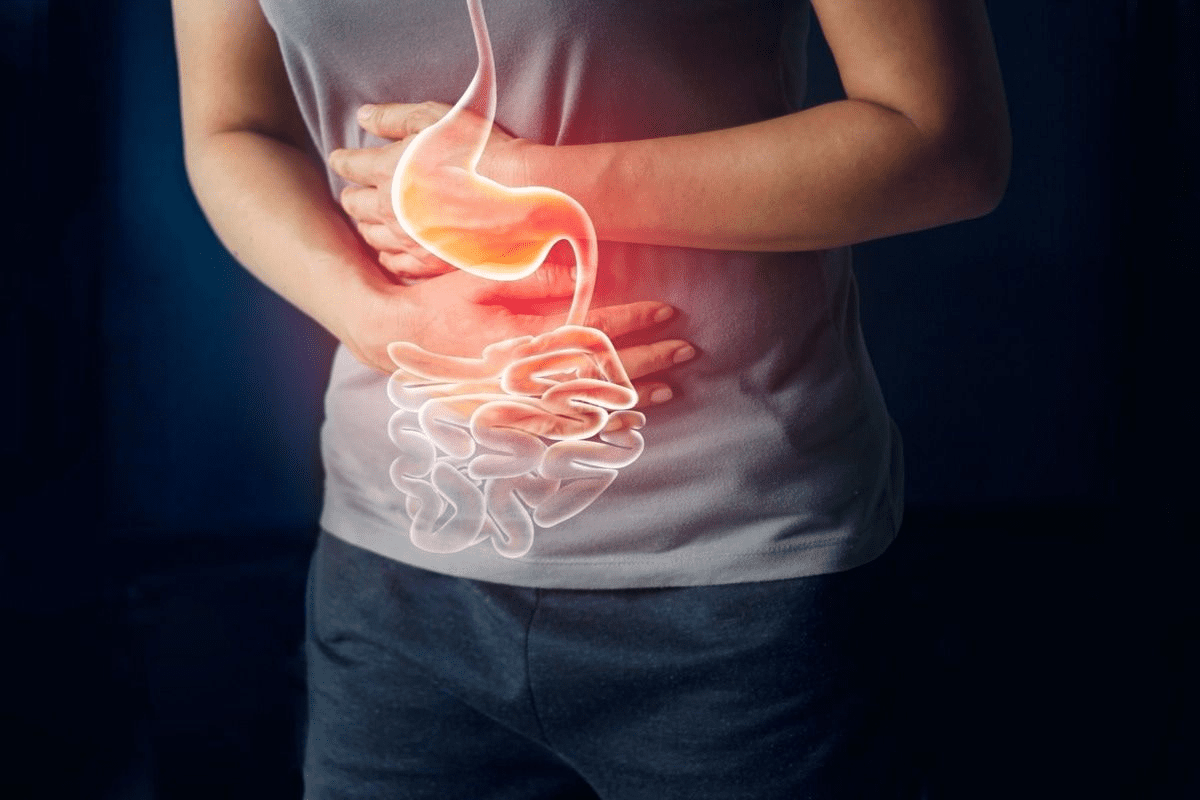
Millions of people worldwide suffer from heartburn and GERD. Many turn to natural remedies for relief. Apple cider vinegar is a popular choice, thanks to online discussions and community recommendations. But does it really work, or is it based on stories? Can you use ACV for GERD? This guide gives 5 surprising facts about apple cider vinegar, how to use it safely, and when to avoid it.
At Liv Hospital, we combine evidence-based evaluation with a patient-centered approach to healthcare. We look into apple cider vinegar’s benefits for GERD symptoms. We also discuss safe ways to use it and important considerations. Knowing about GERD and its symptoms helps us understand apple cider vinegar’s effectiveness.
Key Takeaways
- Apple cider vinegar is a popular home remedy for heartburn and GERD symptoms.
- Limited scientific evidence supports its effectiveness in alleviating GERD symptoms.
- Understanding GERD and its symptoms is key to knowing if apple cider vinegar works.
- It’s important to use apple cider vinegar safely for relief.
- A patient-centered approach to healthcare is vital in evaluating apple cider vinegar’s benefits.
Understanding GERD and Its Symptoms
GERD is a common condition that affects many people. It happens when stomach acid flows back into the esophagus. This can cause a range of symptoms.
What Causes Gastroesophageal Reflux Disease
GERD happens when the lower esophageal sphincter (LES) doesn’t work right. This lets stomach acid move back up into the esophagus. Many things can make GERD worse, like what you eat and drink, your lifestyle, and some health conditions.
- Dietary Triggers: Foods like citrus fruits, tomatoes, chocolate, spicy foods, and caffeinated drinks can trigger GERD symptoms.
- Lifestyle Factors: Being overweight, smoking, and being pregnant can also increase your risk of getting GERD.
- Medical Conditions: Having a hiatal hernia or diabetes can also contribute to GERD.
Common Symptoms of GERD
The symptoms of GERD can vary from person to person. But common ones include:
- Heartburn: A burning feeling in the chest that often happens after eating and gets worse at night.
- Regurgitation: Feeling like food or acid is coming back up into your throat or mouth.
- Dysphagia: Trouble swallowing.
- Chest Pain: Pain or discomfort in the chest that can sometimes be very severe.
Conventional Treatment Options
There are several ways to treat GERD. These include making lifestyle changes and taking medications. The goal is to lessen symptoms, heal the esophagus, and prevent future problems.
Treatment Approach | Description |
Lifestyle Modifications | Changes include losing weight, changing your diet, avoiding trigger foods, raising the head of your bed, and not eating too close to bedtime. |
Antacids | Provide quick relief by neutralizing stomach acid. |
H2 Receptor Blockers | Reduce acid production in the stomach. |
Proton Pump Inhibitors (PPIs) | More potent than H2 blockers, PPIs significantly reduce stomach acid production. |
Understanding GERD is key to seeing how things like apple cider vinegar might help. By managing GERD well, people can feel better and live a better life.
The Science Behind ACV for GERD
Apple cider vinegar (ACV) is often used to help with GERD symptoms. But, there’s not much scientific proof to back it up. Yet, many people say it helps with heartburn and indigestion.
Proposed Mechanisms of Action
Some think ACV can help with GERD by balancing stomach acid. This might make digestion better and reduce heartburn. Apple cider vinegar contains acetic acid, which could affect how much acid the stomach makes and improve gut health.
Another idea is that ACV can make digestion better. This could stop GERD symptoms from happening. But, these ideas need more research to be sure.
Current Research and Evidence
There’s a lot of stories about ACV helping with GERD, but not much scientific proof. Most studies on vinegar have looked at its effects on blood sugar and weight, not GERD.
Study | Sample Size | Key Findings |
Study on Vinegar and Digestion (2020) | 100 participants | Improved digestion reported in 70% of participants consuming ACV |
ACV and Heartburn Relief (2018) | 50 participants | 40% reduction in heartburn symptoms among ACV users |
Limitations of Scientific Validation
There’s a big problem with using ACV for GERD without solid science backing it. Most of what we know comes from personal stories, not big studies. This means we can’t be sure if ACV is safe or works for everyone.
To really know if ACV helps with GERD, we need more studies. These should look at how well ACV works and if it’s safe to use over time. They should also check how it might interact with other treatments.
Types of Apple Cider Vinegar for Acid Reflux
Choosing the right apple cider vinegar is key to managing GERD symptoms. Different types of ACV vary in production, ingredients, and health benefits.
Raw vs. Filtered ACV
Raw, unfiltered apple cider vinegar is better for health than filtered ACV. It has beneficial bacteria and enzymes that filtered ACV lacks. These elements can help with acid reflux symptoms.
Filtered ACV, while clearer and more stable, may not be as effective. This is because it loses the beneficial parts during processing.
Organic vs. Non-Organic Options
Organic ACV comes from apples grown without harmful chemicals. This appeals to those wanting a natural product.
Non-organic ACV might be cheaper but could have chemical residues. Yet, vinegar’s acidity makes it less likely to hold onto these residues.
The Importance of “The Mother”
“The Mother” in apple cider vinegar is a cloudy substance. It shows the vinegar is high-quality and unfiltered. This cloudy part has beneficial bacteria and proteins that boost health benefits.
Having “The Mother” means the vinegar might help with GERD symptoms. So, choose an ACV with it for better relief.
Type of ACV | Characteristics | Potential Benefits for GERD |
Raw, Unfiltered | Contains beneficial bacteria and enzymes, cloudy appearance | May provide more health benefits, including relief from acid reflux |
Filtered | Clear appearance, processed to remove beneficial elements | Potentially less effective for GERD relief |
Organic | Produced without synthetic pesticides, herbicides, or fertilizers | May appeal to those seeking a more natural product |
Non-Organic | May contain chemical residues, generally less expensive | Potential for reduced efficacy due to processing and chemicals |
Proper Dosage and Timing for ACV Treatment
To use ACV for GERD symptoms, knowing the right amount and when to take it is key. Start with a small amount and watch how your body reacts.
Recommended Starting Dosages
Begin with 1 teaspoon of ACV in a glass of water. This small start helps your body get used to ACV. Always dilute ACV with water to avoid harming your stomach or teeth.
When to Take ACV for Maximum Effectiveness
When to take ACV can vary. Some take it before meals to ease digestion. Others prefer it after meals to neutralize acid and ease discomfort.
Gradual Increase Approach
If you can handle the first dose, you might increase it. Some need 2 teaspoons or more for better relief. But, pay attention to your body. If you feel bad, cut back or stop using it.
Adjusting ACV dosage and timing can help manage GERD symptoms. This way, you might find relief.
Methods to Consume ACV for GERD Relief
There are many ways to make apple cider vinegar (ACV) taste better. This makes it easier for people with GERD to use it every day. The goal is to find a method that you enjoy and that helps manage your GERD.
Dilution with Water Method
Diluting ACV with water is a top choice. Always dilute ACV with water to avoid its acidity. This helps prevent irritation to your esophagus and teeth. Start with 1 tablespoon of ACV in 8 ounces of water.
“Drinking ACV diluted with water can help reduce its harshness on the stomach while providing benefits for GERD relief.”
ACV with Honey Mixture
Adding honey to ACV can make it taste better. Honey’s soothing qualities may protect your esophagus and reduce irritation. Try mixing 1 tablespoon of ACV with 1 teaspoon of honey in warm water.
ACV in Teas and Warm Beverages
Adding ACV to teas or warm drinks is another good option. Mixing it with herbal teas like ginger or chamomile can boost its benefits. It also makes it easier to drink.
Beverage | ACV Amount | Benefits |
Ginger Tea | 1 tablespoon | Aids digestion, reduces nausea |
Chamomile Tea | 1 tablespoon | Soothes the stomach, promotes relaxation |
ACV Tablets and Supplements
If you can’t stand the taste of ACV, tablets or supplements are a good option. They offer ACV’s benefits without the acidity. But, always talk to a healthcare provider before starting any new supplement.
Trying out these methods can help you find a way to use ACV that you like. This can make it more effective in easing GERD symptoms.
The Effectiveness of ACV for GERD: What to Expect
Some people find quick relief from GERD symptoms with ACV. But, others might take longer to see benefits. The impact of ACV on GERD symptoms can differ greatly. This depends on the severity of symptoms, overall health, and the type of ACV used.
Timeframe for Possible Relief
Relief from GERD symptoms with ACV can take anywhere from a few days to weeks. Some people see improvements quickly, while others might need to use ACV for a longer time.
Several factors can affect how soon you feel relief:
- The severity of GERD symptoms
- The quality and type of ACV used
- How well your body reacts to ACV
- How regularly you use ACV
Signs ACV Is Working
When ACV helps with GERD, you might notice several good changes. These include:
- Less frequent and severe heartburn
- Less discomfort after eating
- Better digestion
- Improved stomach health
Keep an eye on these changes and adjust your ACV use as needed.
When to Try Other Methods
If ACV doesn’t help with GERD symptoms in 2-4 weeks, it’s time to try other options. You might:
- See a doctor for advice
- Change your diet to manage GERD
- Try other natural remedies
- Look into traditional treatments
Working with a healthcare provider is key to finding the right treatment for GERD.
Potential Side Effects and Precautions
Apple Cider Vinegar (ACV) is known for its health benefits, like helping with Gastroesophageal Reflux Disease (GERD). But, it’s important to know its possible side effects. Knowing the precautions and possible bad effects is key for safe use.
Tooth Enamel Concerns
Drinking ACV can harm tooth enamel because of its acidity. The acetic acid in ACV can make teeth weak and more likely to decay. To avoid this, mix ACV with water and rinse with plain water after drinking it.
Digestive System Irritation
ACV can sometimes upset the stomach, even though it’s meant to help digestion. This can happen if you drink too much or don’t dilute it enough. Symptoms like heartburn, nausea, or stomach upset might occur. If you feel these, try drinking less or talk to a doctor.
Medication Interactions
ACV can affect how some medicines work, like diuretics, laxatives, and insulin. Its acidity can change potassium levels in the body. This is a concern for people taking certain medicines. Always talk to a doctor before starting ACV, if you’re on medication.
When to Avoid ACV Completely
There are times when you should not use ACV. People with digestive ulcers or severe acid reflux should talk to their doctor first. Pregnant or breastfeeding women should also get medical advice to make sure ACV is safe for them.
Knowing about these side effects and taking precautions can help you use ACV safely for GERD relief. Always check with a healthcare professional before adding ACV to your treatment plan.
Complementary Approaches to Enhance ACV for GERD
Using ACV for GERD is more effective when you make dietary and lifestyle changes. These changes help ACV work better. They can also help you feel better from GERD symptoms.
Dietary Modifications
Changing what you eat is key to managing GERD. Some foods can make acid reflux worse, while others can help. Try to avoid foods like citrus fruits, tomatoes, chocolate, and spicy or fatty foods.
Eating foods that are less likely to cause reflux is also good. Lean proteins, whole grains, and non-citrus vegetables are great choices.
Food Category | Recommended Foods | Foods to Avoid |
Fruits | Apples, bananas, pears | Citrus fruits (oranges, lemons, limes) |
Vegetables | Leafy greens, broccoli, cauliflower | Tomatoes, onions, garlic |
Proteins | Lean meats (chicken, turkey), fish | Fatty meats, processed meats |
Grains | Whole grains (brown rice, quinoa) | Refined grains, bread |
Sleep Position Adjustments
How you sleep can affect GERD symptoms. Elevating your bed by 6-8 inches can help. This stops stomach acid from flowing back into your esophagus while you sleep.
Using bed risers or blocks under your bed legs can do this. Also, sleeping on your left side can help. It keeps your stomach below your esophagus.
Stress Management Techniques
Stress can make GERD symptoms worse. It can increase stomach acid and tighten esophagus muscles. Stress-reducing activities like meditation, deep breathing, or yoga can help.
Regular exercise, enough sleep, and a healthy weight are also important. They help your digestive health.
- Meditation and mindfulness practices
- Deep breathing exercises
- Yoga and tai chi
- Regular physical activity
Adding these lifestyle changes to using ACV for GERD can make it more effective. You might find better relief from GERD symptoms.
Conclusion
Apple cider vinegar (ACV) might help some people with GERD. Its benefits could come from how it works in the body. But, it’s important to use it carefully and as part of a bigger plan to manage GERD.
Before adding ACV to your routine, know the possible side effects and safety tips. Always talk to a doctor to find the right treatment for you. A mix of diet changes, better sleep, and stress control can help ACV work better and improve your life.
Knowing the good and bad of apple cider vinegar can help you decide if it’s right for you. Always watch how your body reacts and change your plan if needed. Using ACV wisely can be a big help in managing GERD.
FAQ
What is GERD and how does it affect the body?
GERD is a long-term condition where stomach acid flows back into the esophagus. This causes heartburn, chest pain, and trouble swallowing. It can really affect your daily life and health.
How does apple cider vinegar help with GERD symptoms?
Apple cider vinegar may ease GERD symptoms by improving digestion and reducing inflammation. It helps balance stomach acid. This can make digestion better and lessen indigestion symptoms.
What type of apple cider vinegar is best for GERD relief?
The best apple cider vinegar for GERD is raw, unfiltered, and organic. It should have “the mother” at the bottom. This cloudy substance is full of good bacteria and acids.
How much apple cider vinegar should I take for GERD?
Start with 1-2 teaspoons (5-10 mL) in a glass of water. You can increase it as needed, but always check with a healthcare professional first.
When is the best time to take apple cider vinegar for GERD?
Taking it before meals might help with digestion and GERD symptoms. But, find the timing that works best for you.
Can apple cider vinegar interact with my medications?
Yes, it can interact with some medications like diabetes drugs, blood thinners, and diuretics. Always talk to your doctor before using ACV, if you’re on prescription meds.
What are the possible side effects of consuming apple cider vinegar?
Side effects include tooth erosion, digestive issues, and drug interactions. To avoid these, always dilute ACV with water and consult a healthcare professional.
Can I use apple cider vinegar as a replacement for conventional GERD treatments?
No, use it as a complement to traditional treatments and lifestyle changes. Don’t replace them with ACV.
Are there any dietary changes that can enhance the effectiveness of apple cider vinegar for GERD?
Yes, avoiding trigger foods, eating smaller meals, and adding alkaline foods can help. These changes can work well with ACV for GERD relief.
How long does it take to experience relief from GERD symptoms using apple cider vinegar?
Relief times vary. Some see improvements in days, while others may take weeks. Everyone is different.
References:
National Center for Biotechnology Information. Evidence-Based Medical Guidance. Retrieved from https://www.ncbi.nlm.nih.gov/pmc/articles/PMC3729434/