

An adenoidectomy is a surgery to remove the adenoids. These are gland-like tissues at the back of the throat. A step-by-step guide to the adenoidectomy procedure steps, detailing anesthesia, removal, and post-operative care.
Our team of experienced healthcare professionals is dedicated to providing top-notch care to patients undergoing adenoidectomy.
Understanding Adenoid Anatomy and Function
Adenoids are a mass of lymphoid tissue in the back of the throat. They are key to the immune system, mainly in children.
Location and Function
The adenoids sit in the nasopharynx, the upper throat behind the nose. They catch pathogens like bacteria and viruses. This helps start the immune response.
Adenoid Development
Adenoids are biggest in kids aged 3 to 7. As kids grow, the adenoids shrink. They may become less noticeable over time.
Clinical Significance
Knowing how adenoids work is vital for diagnosing and treating related issues.
Indications for Adenoidectomy
Adenoidectomy is a surgery for people with breathing problems during sleep, frequent ear infections, or big adenoids. Doctors decide on surgery based on how bad the symptoms are and how they affect daily life.
Obstructive Sleep-Disordered Breathing
One main reason for adenoidectomy is breathing problems while sleeping. This includes pauses in breathing or breathing too shallowly. It can make sleep poor and lower blood oxygen levels.
Recurrent Otitis Media
Another reason is frequent ear infections. Adenoids can cause these infections. Removing them can lower the number of ear infections.
Adenoid Hypertrophy
Big adenoids can also be a problem. They can block breathing, cause ear infections, and lead to other issues. Adenoidectomy is often used to treat this.
Preoperative Assessment and Patient Selection
Before an adenoidectomy, a detailed check-up is key. It makes sure the patient is safe and ready for the surgery.
Physical Examination Techniques
A full physical exam is done to check the patient’s health. It looks at the airway, nasal passages, and mouth. This helps spot any risks or problems.
Diagnostic Imaging
X-rays and CT scans are used to see the adenoids’ size and any odd shapes. These images help the surgeon plan and prepare for the surgery.
Laboratory Tests
Tests like blood counts and coagulation profiles are done. They check for any health issues that might affect the surgery. These tests make sure the patient is healthy enough and reduce risks.
With a detailed preoperative check-up, healthcare providers can give the best care. They also lower the chance of problems during and after the adenoidectomy.
Informed Consent and Preoperative Counseling
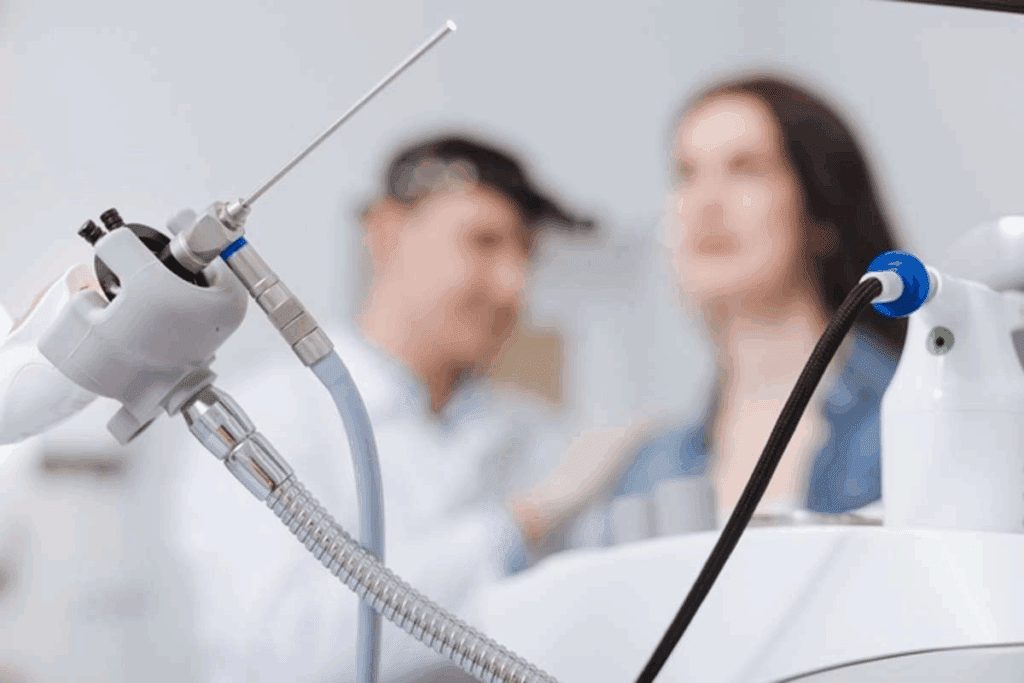
Before an adenoidectomy, patients need to know all about it. They should understand the risks and benefits. They also need to know other treatment options.
Patients have the right to learn about their care. Informed consent is key in this process. It helps healthcare providers give patients the information they need to make good choices.
Anesthesia Considerations for Adenoidectomy
General anesthesia is key for adenoidectomy surgeries. It makes sure patients are comfortable and safe. The anesthesiologist checks the patient’s health and past medical history to pick the right anesthesia.
The anesthesiologist looks at many things, like the patient’s age and health. They also check for any allergies. This helps them create a special anesthesia plan for each patient. The plan aims to reduce risks and improve results.
Managing the airway is very important during adenoidectomy. The anesthesiologist uses special tools and methods to keep the airway safe. This helps prevent any problems during the surgery.
With careful planning and management of anesthesia, doctors can make adenoidectomy a success for patients.
Surgical Setup and Equipment Preparation

To make sure an adenoidectomy goes well, the operating room needs to be ready. The team must know the procedure and have all the right tools.
Preparation Steps
Here are key steps for a smooth surgery:
- Make sure you have all the needed tools, like the adenotome and suction devices.
- Put the patient in the right position on the table.
- Check the patient’s medical history for any risks or allergies.
By following these steps, the team can avoid problems and make sure the patient does well.
Adenoidectomy Procedure Steps: Detailed Surgical Technique
An adenoidectomy is a surgery to remove adenoid tissue. It’s done when adenoids are too big and cause breathing issues, infections, or sleep problems.
## Indications for Adenoidectomy
Doctors decide on adenoidectomy based on symptoms’ severity and how they affect daily life. Common reasons include ear infections, blocked noses, and sleep issues.
## Surgical Technique
The surgery to remove adenoids is done under general anesthesia. Special tools are used to carefully take out the adenoid tissue.
## Post-Surgical Care
After surgery, patients are watched for any immediate problems. Managing pain is key to make sure patients are comfortable while they heal.
## Benefits and Risks
Adenoidectomy can help with breathing, reduce infection risks, and improve sleep. But, like any surgery, there are risks and possible complications to think about.
Knowing about the adenoidectomy procedure helps both patients and doctors make better choices about it.
Alternative Surgical Approaches
Adenoidectomy can be done in different ways. The choice depends on the patient’s health and the surgeon’s style.
Coblation Adenoidectomy
Coblation adenoidectomy uses a special method to remove adenoid tissue. It doesn’t use heat, which lowers the risk of bleeding and speeds up healing.
Laser Adenoidectomy
Laser adenoidectomy uses laser technology for precise removal of adenoid tissue. It aims to reduce complications and help the body heal faster.
Research shows that coblation and laser adenoidectomy are good alternatives to traditional methods.
Intraoperative Complications and Management
Adenoidectomy, like any surgery, has risks and complications. It’s important to manage these well for a good outcome.
Bleeding Complications
Bleeding is a big risk during adenoidectomy. Surgeons use hemostatic agents like oxidized cellulose to stop it.
Airway Management
Managing the airway is key during adenoidectomy. The anesthesiologist and team must be ready to handle intubation and ventilation. This keeps the patient safe.
To lower complication risks, surgeons follow strict protocols. This includes choosing the right patients, doing thorough checks before surgery, and being very careful during the procedure.
Immediate Postoperative Care
After an adenoidectomy, patients need close monitoring for a smooth recovery. The postoperative period is key to catch and manage any complications early.
Monitoring and Pain Management
Managing pain is vital for a comfortable recovery. Patients get pain meds to help with discomfort. It’s also important to watch for signs of bleeding and other issues.
Discharge Criteria
Patients are sent home when they meet certain criteria. This includes stable vital signs and being able to handle their pain. Follow-up visits are set to check on the patient’s recovery.
Knowing the importance of postoperative care helps patients navigate their recovery better. It also reduces the risk of complications.
Home Care Instructions and Follow-up

After an adenoidectomy, you need to follow some important home care steps. These steps help you recover smoothly and avoid any complications.
Diet and Activity Restrictions
For a few days, eat soft foods to avoid discomfort and bleeding. Soups, yogurt, and mashed potatoes are good choices. Also, avoid heavy lifting and bending for at least a week.
Activity restrictions are key in the early recovery phase. Avoid hard exercise and sports for a time your doctor tells you.
Pain Control at Home
Managing pain is vital for a comfortable recovery. You’ll get pain meds from your doctor. Always follow the dosage and tell your doctor about any severe pain.
Warning Signs and When to Seek Medical Attention
Know the warning signs of complications. Look out for severe bleeding, trouble breathing, or a high fever. If you see these signs, get medical help right away.
- Severe or persistent bleeding
- Difficulty breathing or swallowing
- High fever or severe pain
- Signs of infection, such as foul-smelling discharge
Follow-up Appointment Schedule
Follow-up visits are important to check on your recovery. They help catch any issues early.
Stick to the follow-up care schedule your doctor gives you. It’s key for a good recovery.
Conclusion
Adenoidectomy is a key surgery that needs a deep understanding of the body’s structure, when it’s needed, and how it’s done. Keeping up with new research helps doctors give their patients the best care. As we learn more, we can make treatments better and improve people’s lives.
FAQ
What is adenoidectomy?
Adenoidectomy is a surgery to remove the adenoid glands. These glands are at the back of the throat.
Why is adenoidectomy performed?
Kids often get this surgery to treat breathing problems, ear infections, and big adenoids.
What are the indications for adenoidectomy?
Doctors might suggest surgery if a child has breathing issues, ear infections, or big adenoids.
How is adenoidectomy performed?
The surgery is done under general anesthesia. Special tools are used to remove the adenoid tissue.
What are the alternative surgical approaches for adenoidectomy?
Other methods include using radiofrequency, lasers, or endoscopy. Each has its own benefits and things to consider.
What are the possible complications of adenoidectomy?
Risks include bleeding, breathing problems, and airway issues. But, these can be managed with the right care.
What is the postoperative care for adenoidectomy?
After surgery, patients are watched closely. Care includes managing pain, fluids, and diet.
What are the signs of complications after adenoidectomy?
Look out for bleeding, breathing trouble, and severe pain. If you see these, get medical help right away.
What is the recovery time for adenoidectomy?
Recovery takes a few days to a week. Follow-up visits are important to check on healing.
What is adenoid hypertrophy?
It’s when the adenoids get too big. This can block breathing, cause nasal problems, and more.
What is the role of adenoids in the immune system?
Adenoids help fight off infections in kids. They trap germs and help build immunity.
How is the size of the adenoids assessed?
Doctors check adenoid size through exams, imaging, and other tests. This helps decide if surgery is needed.
Reference
National Center for Biotechnology Information. (2025). How to Perform an Adenoidectomy StepbyStep Guide An. Retrieved from https://www.ncbi.nlm.nih.gov/books/NBK535352/