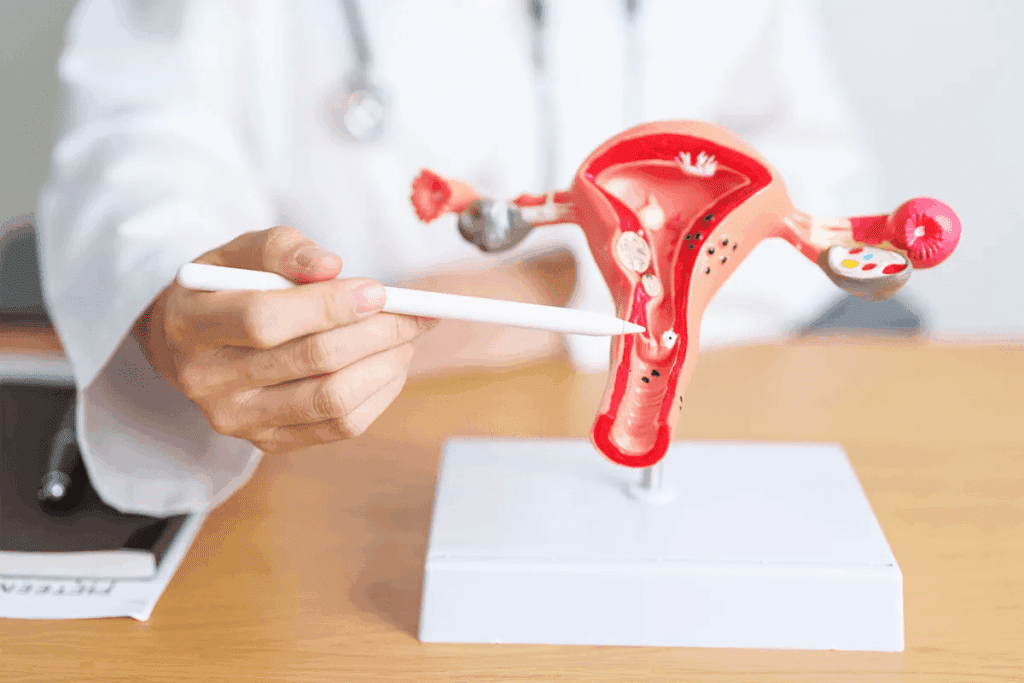
Adenomyosis is a condition where endometrial tissue grows into the muscular wall of the uterus. This affects millions of women worldwide. During a menstrual cycle, this tissue thickens, breaks down, and bleeds, causing symptoms.adenomyosis stagesBody Shape Change Hysterectomy: What to Expect
Knowing the four distinct stages of adenomyosis is key for women with symptoms. Symptoms can range from mild discomfort to severe pelvic pain and heavy bleeding. At Liv Hospital, we use advanced diagnostic imaging and a patient-focused approach to treat effectively.
Key Takeaways
- Recognizing the symptoms of adenomyosis is vital for early diagnosis.
- The condition progresses through four distinct stages.
- Effective treatment depends on accurate stage classification.
- Liv Hospital offers a patient-centered approach to adenomyosis care.
- Advanced diagnostic imaging is key to understanding adenomyosis extent.
Understanding Adenomyosis: What You Need to Know

Learning about adenomyosis is key for women with bad menstrual symptoms and pelvic pain. We’ll cover the basics, how common it is, and how it’s different from other conditions.
What is Adenomyosis?
Adenomyosis is a long-term condition where endometrial tissue grows into the uterus’s muscular wall. This misplaced tissue makes the uterine wall thicker, causing symptoms.
The symptoms can be very hard to deal with. They include heavy bleeding, pelvic pain, painful sex, and trouble getting pregnant. These issues can really affect a woman’s life.
How Common is Adenomyosis?
Adenomyosis is more common than people think. It usually hits women in their 40s. Research shows it affects up to 20% of women, but it might be more common because it’s often missed.
Knowing how common adenomyosis is is important. It helps women get help if they’re feeling symptoms.
Adenomyosis vs. Endometriosis
Adenomyosis and endometriosis both involve endometrial tissue in the wrong places. But they’re not the same.
In endometriosis, tissue grows outside the uterus. In adenomyosis, it grows inside the uterine wall. This difference is key for figuring out what’s wrong and how to treat it.
Condition | Location of Endometrial Tissue | Common Symptoms |
Adenomyosis | Within the uterine wall | Heavy menstrual bleeding, pelvic pain |
Endometriosis | Outside the uterus | Pelvic pain, painful intercourse, infertility |
It’s important to know the differences between adenomyosis and endometriosis. This helps doctors diagnose and plan treatment correctly.
The Pathophysiology of Adenomyosis

Adenomyosis is a condition where endometrial tissue grows inside the myometrium. This can cause symptoms that affect a woman’s life quality. Researchers are working to understand how it develops and what increases the risk.
How Adenomyosis Develops
It’s thought that endometrial cells invade the uterus’s muscular wall. There are a few theories on how this happens. One is that endometrial tissue grows into the myometrium. Another is that cells in the uterine wall change into endometrial cells.
Hormones and inflammation might also play a part in adenomyosis. Studies show that estrogen and progesterone help adenomyotic lesions grow and stay.
Risk Factors for Adenomyosis
Some things can make a woman more likely to get adenomyosis. These include:
- Previous uterine surgery, like a cesarean or myomectomy
- Having had children
- Endometriosis
- Hormonal factors, like estrogen exposure
Knowing these risk factors and causes is key to finding better ways to diagnose and treat adenomyosis.
Adenomyosis Stages: From Mild to Severe
Adenomyosis has four stages, from mild to severe. Knowing these stages helps doctors choose the right treatment. It also helps manage symptoms better.
How Adenomyosis Progresses
Adenomyosis starts when endometrial tissue grows into the uterine wall. This can cause various symptoms. If not treated, it can get worse over time.
There are four stages of adenomyosis. Each stage has its own level of invasion and symptoms. Doctors use these stages to create treatment plans that fit each patient’s needs.
Classification Criteria for Staging
Doctors classify adenomyosis based on how deep and widespread the endometrial tissue is. They look at:
- The depth of invasion
- The extent of uterine wall involvement
- The presence of adenomyotic cysts or other associated features
Getting the right stage is key to choosing the best treatment.
Why Staging Matters for Treatment
Staging adenomyosis is important for treatment choices. Early stages might need less treatment, while advanced stages might need more.
Doctors use staging to pick the best treatment for each patient. This ensures patients get the care they need.
Stage | Characteristics | Common Symptoms | Typical Treatment Approaches |
Stage 1 | Minimal invasion | Mild pelvic pain, heavy menstrual bleeding | Conservative management, hormonal therapies |
Stage 2 | Mild to moderate involvement | Increasing pelvic pain, menorrhagia | Hormonal treatments, pain management |
Stage 3 | Moderate to severe involvement | Significant pelvic pain, heavy bleeding | Advanced hormonal therapies, surgical options |
Stage 4 | Severe disease | Debilitating pain, severe menstrual abnormalities | Surgical interventions, such as hysterectomy |
Knowing the stage of adenomyosis helps doctors give personalized care. This improves patients’ quality of life.
Stage 1 Adenomyosis: Minimal Invasion
Stage 1 adenomyosis is the earliest stage of this condition. It happens when endometrial tissue slightly invades the uterine wall. Knowing about this stage is key for early treatment.
Characteristics of Stage 1
In Stage 1, the endometrial tissue only slightly invades the uterine wall. This small invasion often leads to mild symptoms. These symptoms can be hard to spot early.
- Limited depth of invasion
- Mild symptoms that may not significantly impact daily life
- Potential for early intervention to prevent progression
Studies show that early adenomyosis can be treated with hormonal therapy. This highlights the need for quick diagnosis.
Common Symptoms in Early Adenomyosis
Even though symptoms in Stage 1 are mild, they are important for catching the disease early. Common symptoms include:
Symptom | Description |
Menstrual irregularities | Changes in menstrual flow or duration |
Mild pelvic pain | Discomfort or cramping during menstruation |
Heavy menstrual bleeding | Excessive bleeding during periods |
These symptoms can be subtle. Women might not seek medical help right away. This shows the need for more awareness about adenomyosis.
“Early diagnosis of adenomyosis is key to managing its symptoms and preventing its progression. Awareness of the early signs and symptoms can significantly impact treatment outcomes.”— Medical Expert, Gynecologist
Diagnostic Challenges in Stage 1
Diagnosing Stage 1 adenomyosis is tricky because symptoms are mild and the disease is not far along. Doctors use ultrasound and MRI to see the invasion of endometrial tissue.
These challenges highlight the need for careful medical checks and advanced tools for diagnosis.
In conclusion, catching Stage 1 adenomyosis early is vital. Understanding its signs, symptoms, and challenges in diagnosis is key for managing the disease effectively.
Stage 2 Adenomyosis: Mild to Moderate Involvement
In Stage 2 adenomyosis, the condition’s impact grows, needing a detailed treatment plan. At this point, the adenomyosis has spread beyond the initial stage. This leads to more symptoms and can affect daily life.
Characteristics of Stage 2
Stage 2 adenomyosis shows a mild to moderate invasion of the uterine tissue by endometrial cells. This stage is marked by a noticeable increase in the depth and extent of adenomyotic lesions within the myometrium, the muscular wall of the uterus. The involvement can be diffuse or focal, affecting various areas of the uterus to varying degrees.
The adenomyotic lesions in Stage 2 can lead to an enlargement of the uterus, which may cause discomfort and other symptoms. The characteristics of this stage are key for choosing the right treatment.
Symptom Progression in Stage 2
As adenomyosis moves to Stage 2, symptoms worsen. Common symptoms include:
- Heavy or prolonged menstrual bleeding, which can lead to anemia and fatigue.
- Increased pelvic pain, which can range from mild to severe and may be constant or cyclical.
- Severe menstrual cramps (dysmenorrhea), making it hard to do daily activities.
- Pain during intercourse (dyspareunia), affecting intimate relationships.
These symptoms can greatly impact a woman’s life, making it vital to seek medical help for proper management.
Diagnostic Indicators
Diagnosing Stage 2 adenomyosis requires a mix of clinical evaluation, imaging studies, and sometimes, histopathological examination. Key diagnostic indicators include:
- Transvaginal ultrasound: This imaging modality can help identify the extent of adenomyosis, such as uterine enlargement and the presence of adenomyotic lesions.
- Magnetic Resonance Imaging (MRI): MRI can provide detailed images of the uterus, helping to assess the depth and extent of adenomyotic invasion.
- Clinical symptoms and history: A thorough clinical evaluation is critical for understanding the patient’s symptoms and medical history, which aids in diagnosis.
Accurate diagnosis at this stage is vital for creating an effective treatment plan. It addresses the condition’s progression and alleviates symptoms.
Stage 3 Adenomyosis: Moderate to Severe Involvement
Stage 3 adenomyosis is a serious point in the disease’s growth. Symptoms get worse, and treatment plans change. This stage is more challenging for both patients and doctors.
Characteristics of Stage 3
In Stage 3, adenomyotic lesions spread more and go deeper into the uterine wall. This makes the uterine wall thicker and menstrual bleeding heavier. Key features of Stage 3 include:
- Increased depth of adenomyotic invasion
- More pronounced uterine enlargement
- Potential involvement of the junctional zone
Managing Stage 3 adenomyosis is harder because symptoms are more severe. This affects patients’ quality of life a lot.
Intensifying Symptoms
When adenomyosis reaches Stage 3, symptoms get much worse. Common symptoms include:
- Heavy or prolonged menstrual bleeding
- Severe pelvic pain or cramping
- Increased pressure on surrounding organs
- Potential impact on fertility
Because symptoms worsen, treatment needs to be stronger. This might include both medical and surgical methods.
Diagnostic Findings
Diagnosing Stage 3 adenomyosis involves several steps. These include clinical checks, imaging studies, and sometimes looking at tissue samples. Important findings include:
- Significant uterine enlargement on ultrasound or MRI
- Deep adenomyotic lesions identified on imaging
- Histological evidence of adenomyosis in biopsy samples
These findings help confirm the adenomyosis stage. They guide treatment choices. For Stage 3, treatments like uterine artery embolization or endometrial ablation might be considered if other treatments don’t work.
Knowing about Stage 3 adenomyosis is key for creating a good treatment plan. It helps improve patients’ lives and meets their specific needs.
Stage 4 Adenomyosis: Severe Disease
Stage 4 adenomyosis is the most severe form of this uterine condition. The adenomyotic lesions are widespread and deeply infiltrating. Symptoms can be debilitating, significantly impacting a woman’s quality of life.
Characteristics of Advanced Adenomyosis
In Stage 4 adenomyosis, the endometrial tissue has extensively invaded the uterine wall. It involves more than 75% of the myometrium. This can lead to a significantly enlarged uterus, sometimes as big as a large grapefruit or even bigger.
The characteristics of advanced adenomyosis include:
- Extensive adenomyotic lesions
- Deep invasion into the uterine wall
- Significant uterine enlargement
- Potential involvement of surrounding organs
Debilitating Symptoms in Stage 4
Women with Stage 4 adenomyosis often experience severe symptoms. These include:
- Heavy or prolonged menstrual bleeding
- Severe pelvic pain or cramping
- Severe dysmenorrhea (painful menstruation)
- Dyspareunia (painful intercourse)
- Chronic pelvic pressure or discomfort
These symptoms can significantly impact daily life. They make routine activities challenging and affect overall well-being.
Definitive Diagnostic Features
Diagnosing Stage 4 adenomyosis involves clinical evaluation, imaging studies, and sometimes histopathological examination. Key diagnostic features include:
Diagnostic Method | Findings in Stage 4 Adenomyosis |
Transvaginal Ultrasound | Uterine enlargement, heterogeneous myometrium, adenomyotic cysts |
MRI | Extensive adenomyotic lesions, deep invasion, uterine enlargement |
Histopathology | Confirmation of adenomyosis with extensive endometrial tissue in the myometrium |
In advanced cases, a hysterectomy may be recommended. This is if other treatments have not been successful and if the patient is not planning to have more children. This surgical option can provide definitive relief from symptoms.
Common Symptoms Across All Adenomyosis Stages
Knowing the common symptoms of adenomyosis is key for diagnosis and treatment, no matter the stage. This condition, where endometrial tissue grows into the uterine wall, causes various symptoms. These symptoms can greatly affect a woman’s life quality.
Menstrual Abnormalities
Menstrual irregularities are a major symptom of adenomyosis, often seen as heavy menstrual bleeding. This is usually accompanied by longer menstrual periods. Both can be physically and emotionally challenging.
Other menstrual issues in adenomyosis include:
- Dysmenorrhea (painful menstruation)
- Menorrhagia (heavy menstrual bleeding)
- Metrorrhagia (irregular uterine bleeding)
Pain Manifestations
Pain is a common symptom in all adenomyosis stages. It can be felt as:
- Pelvic pain or cramping
- Painful intercourse (dyspareunia)
- Lower back pain
Even in early stages, some women experience significant pain. The pain’s severity often matches the extent of adenomyosis.
Impact on Quality of Life
The symptoms of adenomyosis can deeply affect a woman’s life. Heavy bleeding and pain can cause:
- Anemia due to excessive blood loss
- Fatigue and decreased productivity
- Emotional distress, including anxiety and depression
The table below summarizes the common symptoms and their impact on quality of life:
Symptom | Impact |
Heavy Menstrual Bleeding | Anemia, fatigue |
Pelvic Pain | Discomfort, decreased mobility |
Painful Intercourse | Emotional distress, relationship strain |
In conclusion, while adenomyosis symptoms can differ, there are common issues across all stages. These issues significantly affect a woman’s life quality. Recognizing these symptoms is vital for timely diagnosis and effective management.
Diagnostic Methods for Adenomyosis
Healthcare providers use several methods to find out if someone has adenomyosis. It’s important to know for sure to treat it right.
Transvaginal Ultrasound
Transvaginal ultrasound is a key tool for finding adenomyosis. A special probe is put into the vagina to see the uterus up close. It helps doctors check the uterine walls and find adenomyotic spots. It’s very good at spotting adenomyosis.
Magnetic Resonance Imaging (MRI)
MRI is also a big help in diagnosing adenomyosis. It gives clear pictures of the uterus. Doctors use it when they’re not sure after an ultrasound or need more details. It helps tell adenomyosis apart from other uterine issues.
Other Diagnostic Approaches
There are more ways to check for adenomyosis too. Doctors might look at your medical history and do a physical check. They might also do hysteroscopy or endometrial biopsy to get more info. These tests help confirm if you have adenomyosis.
By using all these methods, doctors can figure out if you have adenomyosis. Then, they can make a treatment plan to help you feel better.
When to Seek Medical Help for Adenomyosis Symptoms
If you’re dealing with adenomyosis symptoms, knowing when to see a doctor is key. This condition can cause heavy bleeding and severe pain. These symptoms can really affect your life.
Red Flag Symptoms
Some symptoms mean you need to see a doctor right away. Look out for:
- Heavy or long menstrual bleeding that stops you from doing things
- Severe pelvic pain or cramps during your periods
- Significant anemia or fatigue from heavy bleeding
- Infertility or repeated miscarriages
These signs might mean you have a serious case of adenomyosis. You’ll need quick medical help.
Preparing for Your Doctor’s Appointment
Before you go, get ready by:
- Keeping a journal of your symptoms
- Telling your doctor about any medicines you take
- Mentioning any past surgeries or health issues
- Writing down any questions or worries you have
Being ready will help you get the most out of your visit. You’ll get the care you need.
Questions to Ask Your Healthcare Provider
At your appointment, ask your doctor about your symptoms and diagnosis. Some good questions are:
- What’s causing my symptoms?
- What stage of adenomyosis do I have?
- What treatments are available for me?
- Are there any lifestyle changes that can help my symptoms?
Asking these questions will help you understand your condition. You’ll be able to make better choices about your care.
Treatment Options Based on Adenomyosis Stage
Adenomyosis treatment changes with each stage of the disease. It’s important to know the right treatment for each stage to manage it well.
Conservative Management for Early Stages
In the early stages, like stage 1, we often use conservative methods. These include hormonal therapies to lessen symptoms and slow the disease. We also suggest making lifestyle changes, like eating differently and managing stress, to help symptoms.
A study found that eating foods rich in omega-3 and antioxidants helped women with mild adenomyosis. It reduced their inflammation and pain.
Medical Interventions
When adenomyosis gets worse, to stages 2 and 3, we use more medical treatments. Gonadotropin-releasing hormone (GnRH) agonists can help by reducing bleeding and shrinking the growths. Other treatments include progestin-only therapies and combined hormonal contraceptives to control symptoms.
“The use of GnRH agonists has been shown to significantly reduce symptoms in women with moderate to severe adenomyosis, making it a good option for those who don’t want surgery.” – Medical Expert, Gynecologist
Surgical Options for Advanced Stages
For stage 4 adenomyosis, surgery might be needed if other treatments don’t work. Adenomyosis surgery can be less invasive or more serious, like a hysterectomy in severe cases.
Choosing surgery should be a careful decision. It’s best to talk it over with a healthcare provider. They’ll consider your health, if you want to have kids in the future, and how bad your symptoms are.
Conclusion: Navigating Your Adenomyosis Journey
Dealing with adenomyosis can be tough, but knowing about its stages and treatments can help. This condition, also called “adeno uterus,” affects many women globally.
Spotting the adenomyosis symptoms early is key to managing it well. Adenomyosis goes through four stages, each with its own signs. Knowing about these stages and symptoms helps in creating a treatment plan that fits you.
Understanding adenomyosis stages and symptoms helps patients make better choices about their health. We suggest getting medical advice if symptoms don’t go away or get worse. Working with your doctor is important to find the right treatment for you.
FAQ
What is adenomyosis?
Adenomyosis is a condition where tissue inside the uterus grows outside. It invades the muscular walls, causing symptoms.
What are the stages of adenomyosis?
Adenomyosis has four stages. Stage 1 has minimal invasion, while Stage 4 is severe. Each stage affects the uterine walls differently.
Is adenomyosis painful?
Yes, it can be painful. Symptoms include heavy or painful periods, pelvic pain, and discomfort during sex. The pain varies by stage.
How is adenomyosis diagnosed?
Doctors use ultrasound, MRI, and other tests to diagnose it. These help see how much the condition has spread.
What are the common symptoms of adenomyosis?
Symptoms include heavy or long periods, pelvic pain, and discomfort during sex. These can affect your quality of life.
Can adenomyosis be treated?
Yes, treatment depends on the stage and severity. Early stages may be managed conservatively. Advanced stages might need surgery like hysterectomy.
What is Stage 1 adenomyosis?
Stage 1 has minimal tissue invasion. It often has mild symptoms and can be hard to diagnose.
How does adenomyosis affect quality of life?
It can greatly affect your life. Symptoms like pain and discomfort can cause emotional distress. The impact varies by stage.
What are the risk factors for adenomyosis?
Risk factors include previous uterine surgery, childbirth, and hormonal influences. These may increase your chance of getting it.
Can adenomyosis be confused with other conditions?
Yes, it can be mistaken for endometriosis or uterine fibroids. Symptoms overlap, making accurate diagnosis key.
What is the difference between adenomyosis and endometriosis?
Adenomyosis has tissue invading the uterine walls. Endometriosis grows outside the uterus, affecting other areas. They have different symptoms and effects.
When should I seek medical help for adenomyosis symptoms?
See a doctor if you have severe symptoms like heavy or painful periods, persistent pelvic pain, or discomfort that interferes with your life.
References
National Center for Biotechnology Information. Evidence-Based Medical Guidance. Retrieved from https://www.ncbi.nlm.nih.gov/books/NBK539868/