
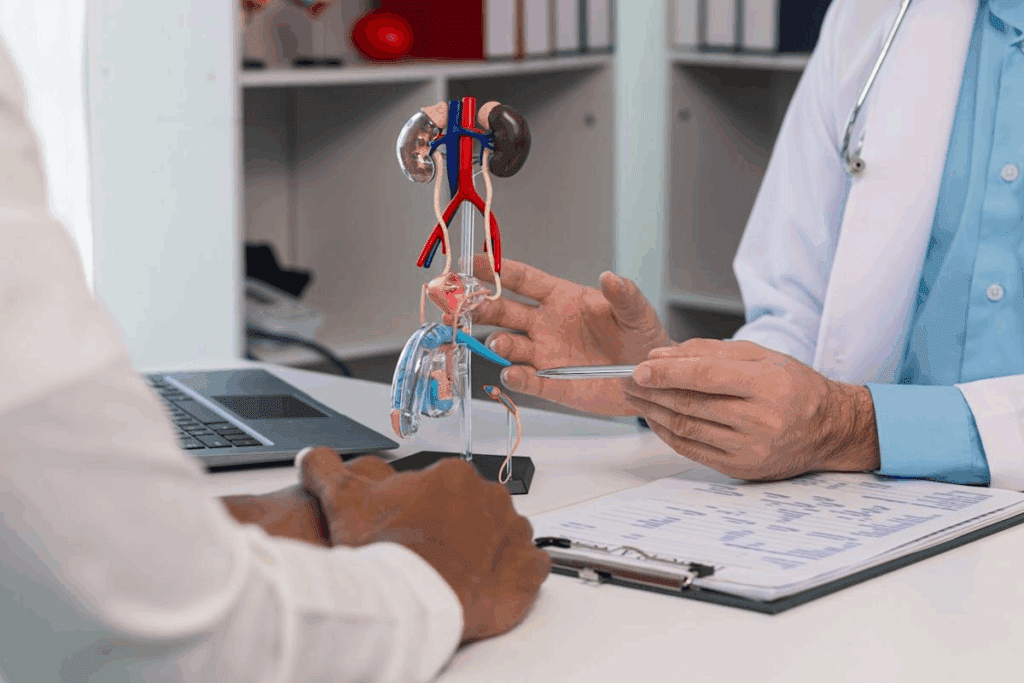
Understand advanced symptoms of bladder cancer, including back pain and other warning signs.
At Liv Hospital, we know that back pain can signal a serious issue like bladder cancer. Many people ignore back pain, but it’s a key warning sign. Bladder cancer is a common cancer worldwide, with many cases each year.
Early detection of bladder cancer is key to successful treatment. But, advanced stages can cause severe health problems. We look at the important signs, like back pain, that show the disease has spread.
Key Takeaways
- Back pain can be a sign of advanced bladder cancer.
- Early detection is key for effective treatment.
- Advanced bladder cancer can lead to severe health issues.
- Understanding the key signs is vital for patient care.
- Liv Hospital provides full support for international patients.
Understanding Bladder Cancer and Its Progression

Bladder cancer starts in the bladder lining and can grow deeper or spread to other parts of the body. It’s important to know the different stages and how they affect the body.
How Bladder Cancer Develops
Bladder cancer usually starts with abnormal cell growth in the bladder lining, called the urothelium. These cells can turn cancerous and grow out of control. As it grows, it can reach the muscle layer of the bladder.
The development of bladder cancer goes through several stages:
- Non-invasive stage: Cancer cells stay in the bladder lining and don’t reach the muscle layer.
- Invasive stage: Cancer grows into the bladder muscle or deeper into the bladder wall.
- Metastatic stage: Cancer spreads to lymph nodes or distant organs outside the bladder.
Transition from Early to Advanced Stages
Bladder cancer can move from early to advanced stages if not caught or treated early. Early stage bladder cancer often has mild symptoms that can be confused with other conditions. This makes it hard to diagnose on time.
As bladder cancer gets worse, symptoms get more severe. They can include:
- Blood in the urine
- Painful urination
- Frequent urination
- Back pain
Knowing these symptoms and how bladder cancer progresses is key to getting the right medical care. We’ll explore more about advanced symptoms next.
Back Pain: A Primary Advanced Symptom of Bladder Cancer

Back pain is a common symptom as bladder cancer gets worse. This pain is not just from the cancer itself. It also comes from how it affects the tissues and structures around it. Knowing how back pain relates to bladder cancer is key for catching it early and treating it.
Causes of Back Pain in Bladder Cancer
Bladder cancer can cause back pain in a few ways. As the tumor grows, it can press on nerves, leading to pain in the back. In later stages, the cancer can spread to tissues and bones, causing long-lasting and severe back pain.
Key factors contributing to back pain in bladder cancer include:
- Tumor growth and invasion into surrounding tissues
- Pressure on nearby nerves
- Metastasis to bones in the spine
Typical Locations of Back Pain
The location of back pain from bladder cancer can vary. Most people feel pain in the lower back or pelvis. This pain often comes from the tumor pressing on nearby structures or spreading to the lower spine bones.
Distinguishing Cancer-Related Back Pain
Telling if back pain is from bladder cancer or not can be hard. But it’s very important. Cancer-related back pain usually gets worse over time and doesn’t get better with usual treatments. If you have back pain that:
- Keeps getting worse or doesn’t go away
- Comes with other symptoms like blood in the urine or losing weight without trying
- Doesn’t get better with rest or usual treatments
Getting a diagnosis and treatment early can really help manage bladder cancer and its symptoms, like back pain.
What Does Bladder Cancer Back Pain Feel Like?
It’s important to know about back pain linked to bladder cancer for early treatment. This pain comes from tumors growing and spreading. We’ll look at what this pain feels like to spot its cause.
Intensity and Character of the Pain
The pain from bladder cancer back pain can feel different for everyone. Some might feel a dull ache, while others might have sharp, stabbing pain. The pain can stay the same or get worse over time if not treated.
Patterns and Timing of Discomfort
The way bladder cancer back pain shows up can tell us a lot. This pain usually doesn’t get better with rest or usual treatments. It might also come with other signs like weight loss or fatigue, which could mean the disease is getting worse.
Pain That Doesn’t Respond to Standard Treatments
One key thing about bladder cancer back pain is it doesn’t get better with usual treatments. Unlike regular back pain, which often does, this pain keeps coming back. This is a big sign that you need to see a doctor.
| Characteristics | Common Back Pain | Bladder Cancer Back Pain |
| Intensity | Variable, often improves with rest | Can be severe, persistent |
| Response to Treatment | Typically responds to standard treatments | Often resistant to conventional treatments |
| Associated Symptoms | Usually localized to back | May be accompanied by weight loss, fatigue |
Knowing the differences can help you figure out if your back pain is serious. If your pain doesn’t get better with usual treatments, see a doctor right away.
Persistent Urinary Symptoms as Advanced Indicators
Persistent urinary symptoms can mean advanced bladder cancer and need quick medical help. As bladder cancer grows, it can change how we urinate and our overall health.
Worsening Urination Problems
Advanced bladder cancer can make urination problems worse. You might urinate more often, feel a strong need to go, or have trouble starting. Some people can’t fully empty their bladder, a condition called urinary retention.
These issues can really affect your life. It’s key to see a doctor if these problems get worse or don’t go away.
Blood in Urine at Later Stages
Blood in urine (hematuria) is a common sign of bladder cancer, mainly in later stages. It can also mean other health issues, but seeing blood in your urine with other symptoms is a big red flag.
Blood might be visible or found through tests. Either way, it’s a sign that shouldn’t be ignored.
Recurrent Infections That Don’t Resolve With Treatment
Advanced bladder cancer can cause UTIs that don’t get better with usual treatments. These infections can also lead to dysuria (painful urination) and fever.
UTIs that keep coming back, even with antibiotics, might mean something serious like bladder cancer. This is why you need to see a doctor for a closer look.
| Symptom | Description | Impact on Patient |
| Worsening Urination Problems | Increased frequency, urgency, or difficulty starting urination | Significant impact on quality of life |
| Blood in Urine | Visible or detectable blood in urine | Can be alarming and requires immediate medical attention |
| Recurrent Infections | UTIs that don’t resolve with standard treatment | Additional symptoms like dysuria and fever; indicates possible underlying serious condition |
Pelvic and Abdominal Discomfort in Advanced Disease
As bladder cancer gets worse, patients often feel more pain in their pelvis and abdomen. This pain comes from the tumor growing and spreading. We’ll look at the different types of pain and how they affect daily life.
Types of Pelvic Pain in Advanced Bladder Cancer
Pelvic pain from advanced bladder cancer can feel like a dull ache or a sharp stab. It might be constant or come and go, getting worse over time. Pelvic pain is a big worry because it affects both physical comfort and mood.
The pain’s location can change. Some feel it in their lower abdomen, while others in the pelvic area or lower back. Knowing where the pain is helps in managing it better.
Abdominal Symptoms and Pressure Sensations
Advanced bladder cancer also brings abdominal symptoms. Patients might feel a pressure or fullness in their belly. This could be because of the tumor’s size or cancer spreading in the abdomen.
Some people might feel bloated or uncomfortable after eating. These symptoms can make it hard to get enough nutrients. It’s key to talk to a doctor about these issues to find ways to manage them.
Impact on Daily Activities
Pelvic and abdominal pain can really affect daily life. Even simple tasks like walking or sitting can be hard. The emotional impact of chronic pain is also huge, leading to frustration, anxiety, and depression.
Managing these symptoms needs a full plan, including pain relief, lifestyle changes, and sometimes more medical help. By tackling these issues, we can make life better for those with advanced bladder cancer.
Bone Pain and Skeletal Metastasis
Advanced bladder cancer can spread to the bones, causing severe pain. This can lead to discomfort and a higher risk of fractures. Knowing how bladder cancer spreads can help manage these symptoms.
How Bladder Cancer Spreads to Bones
Bladder cancer can reach the bones through the bloodstream or lymphatic system. It often targets bones with a lot of blood flow, like the spine, pelvis, and ribs. This process involves cancer cells interacting with the bone, causing pain and destruction.
The bones most affected are those with high bone turnover rates. This is because cancer cells can more easily grow in areas with active bone remodeling.
Common Locations for Bone Metastasis
Bone metastasis from bladder cancer often happens in the:
- Spine
- Pelvis
- Ribs
- Long bones of the arms and legs
These areas are more likely to be affected because of their rich blood supply and high bone turnover rates.
Characteristics of Cancer-Related Bone Pain
Bone pain from bladder cancer metastasis can be different for everyone. It might feel like a dull ache or sharp stabbing pain that gets worse over time. The pain can be constant or come and go, and it might get worse with movement or pressure.
We can treat bone pain with various methods. This includes pain medicines, radiation therapy, and bisphosphonates to make bones stronger.
| Characteristics | Description |
| Intensity | Varies from mild to severe |
| Character | Dull ache or sharp stabbing pain |
| Triggers | Movement, pressure on affected bone |
The 8 Advanced Symptoms of Bladder Cancer in Detail
Advanced bladder cancer shows through severe symptoms that really hurt a patient’s life quality. It’s key to know these symptoms well to give the best care.
Back Pain and Bone Discomfort
Back pain is common in advanced bladder cancer. It happens when the cancer spreads to nearby tissues or bones. Bone discomfort also occurs when cancer reaches the bones, causing a lot of pain.
A study found that about 40% of patients with advanced bladder cancer have back pain. The pain can be different in how it feels and how bad it is. Often, it needs special pain treatment.
Persistent Urinary Issues
Urinary problems get worse in advanced bladder cancer. Symptoms include hematuria (blood in urine), painful urination, and needing to urinate more often. These issues can really mess up a patient’s life and how they feel.
| Symptom | Description | Impact on Patient |
| Hematuria | Blood in urine | Affects daily activities, causes anxiety |
| Dysuria | Painful urination | Reduces quality of life, causes discomfort |
| Frequency/Urgency | Increased need to urinate | Disrupts daily routines, affects sleep |
Pelvic and Abdominal Pain
Pelvic and abdominal pain are big symptoms of advanced bladder cancer. The pain comes from the tumor growing into nearby tissues and organs. This causes discomfort and pressure.
Patients say this pain feels like a dull ache or sharp stabbing. It can be constant or come and go. It’s very important to manage this pain well to keep the patient’s life quality good.
Unexplained Weight Loss
Unexplained weight loss is a symptom of advanced bladder cancer. As the cancer gets worse, it can mess with metabolism and appetite. This leads to losing a lot of weight.
This symptom is linked to a worse outlook and needs careful management. This includes helping with nutrition and finding the cause of the weight loss.
Lymphatic Involvement and Swelling
Lymphatic involvement is a big worry in advanced bladder cancer. It leads to many problems. As cancer grows, it can reach the lymphatic system. This makes it hard for the system to work right.
Edema in the Legs and Feet
Edema, or swelling, in the legs and feet is a common sign. It happens when the lymphatic system can’t drain fluid well. This causes fluid to build up in the lower parts of the body.
Edema can cause discomfort and pain. It makes it hard for patients to do everyday things. It’s important to manage edema to help patients live better.
Lymph Node Enlargement
Lymph node enlargement is another sign of lymphatic involvement. When cancer cells get to the lymph nodes, they make these nodes swell. Sometimes, you can see or feel these swollen nodes.
Circulation Issues in Advanced Disease
Circulation problems can happen because of lymphatic involvement. This affects blood flow and overall circulation. It can lead to more complications, like a higher risk of infections and more discomfort.
| Symptom | Description | Impact on Patient |
| Edema | Swelling in legs and feet due to lymphatic dysfunction | Discomfort, pain, and difficulty in daily activities |
| Lymph Node Enlargement | Swollen lymph nodes due to cancer spread | Visible or palpable swelling, possible pain |
| Circulation Issues | Poor blood flow and circulation problems | Increased risk of infections, further discomfort |
It’s key to know the symptoms of lymphatic involvement in advanced bladder cancer. This helps healthcare providers give better care. By spotting these signs, they can make plans to ease patient discomfort and improve results.
Advanced Bladder Cancer Symptoms in Women
Advanced bladder cancer in women can be hard to spot, but its signs are clear. It’s important to know these symptoms. They can be mistaken for other health issues, leading to late diagnosis.
Female-Specific Presentation Patterns
Women with advanced bladder cancer may show unique symptoms. These include:
- Pelvic pain that may be mistaken for menstrual cramps or other gynecological issues
- Urinary symptoms such as frequency, urgency, or incontinence
- Blood in the urine, which may be attributed to other causes
- Abdominal discomfort or swelling
These signs can mean advanced bladder cancer. They need a detailed medical check-up.
Symptoms Often Confused with Gynecological Conditions
Diagnosing bladder cancer in women is tricky. Its symptoms can look like common gynecological problems. For example:
| Symptom | Possible Misdiagnosis |
| Pelvic pain | Endometriosis, menstrual cramps |
| Urinary frequency | Urinary tract infection, overactive bladder |
| Blood in urine | Urinary tract infection, kidney stones |
Getting a correct diagnosis needs a full check-up. This includes imaging and a biopsy.
Diagnostic Challenges and Delays in Women
Women often face delays in getting diagnosed. This is because bladder cancer symptoms can look like other health issues. A timely and accurate diagnosis is critical for the right treatment.
“The delay in diagnosis can have significant implications for treatment outcomes. Healthcare providers must be vigilant in considering bladder cancer in the differential diagnosis for women presenting with suggestive symptoms.”
Understanding bladder cancer better is important. Awareness and education can help improve treatment for women with this disease.
Advanced Bladder Cancer Symptoms in Men
It’s important to know the symptoms of advanced bladder cancer in men. These symptoms can be complex and vary. They often look like other urological issues.
Male-Specific Manifestations
Men with advanced bladder cancer may notice changes in their urine habits. They might feel pain or have other symptoms. Identifying these symptoms early is key to the best care.
Some symptoms men might see include:
- Difficulty urinating or painful urination
- Increased frequency or urgency of urination
- Blood in the urine or semen
Prostate Involvement Symptoms
Advanced bladder cancer can also affect the prostate gland. This can lead to more symptoms. These symptoms can be similar to those of benign prostate conditions. We must carefully check these symptoms to find the cause.
Symptoms related to prostate involvement include:
- Pain or discomfort in the pelvic area
- Difficulty starting or stopping urination
- Weak or interrupted urine flow
Distinguishing from Benign Prostate Conditions
It’s important to tell the difference between symptoms of advanced bladder cancer and benign prostate conditions. Some symptoms can look the same, but there are key differences. Healthcare providers look for these differences.
Diagnostic tests and a thorough medical history are essential for an accurate diagnosis. We work with patients to understand their symptoms. Then, we create a treatment plan that fits their needs.
Do Advanced Bladder Cancer Symptoms Fluctuate or Persist?
It’s important to know if advanced bladder cancer symptoms change or stay the same. This knowledge helps in managing the disease better. The way symptoms change or stay the same affects a patient’s life quality a lot.
Symptom Patterns in Advanced Disease
Advanced bladder cancer symptoms can show up in different ways. This depends on how far the disease has spread and the person’s health. Symptoms like back pain, urinary problems, and pelvic discomfort often follow patterns.
These symptoms usually don’t go away on their own. They can get worse over time if not treated properly. As the disease gets worse, symptoms often get more severe. This makes managing symptoms and improving quality of life very important.
Persistence vs. Fluctuation
Early-stage bladder cancer symptoms might change sometimes. But symptoms in advanced stages usually stay the same. This is because the tumor grows and affects nearby tissues and organs.
For example, back pain from cancer spreading to the spine or nearby areas is usually constant. Urinary symptoms like blood in urine or painful urination also tend to stay the same as the cancer gets worse. These symptoms can really impact a person’s daily life.
Progressive Nature of Advanced Symptoms
Advanced bladder cancer symptoms not only stay but also get worse over time. This can lead to more pain, worse urinary symptoms, and other problems like bone pain if the cancer spreads.
Managing these symptoms well needs a detailed plan. This includes pain relief, palliative care, and sometimes changing treatment plans. It’s key to keep a close eye on symptoms and talk often with doctors to manage them well.
In summary, symptoms of advanced bladder cancer usually don’t change and get worse. Knowing this helps patients and their families prepare and seek the right medical help to improve their life quality.
Conclusion: Recognizing the Signs and Seeking Help
It’s vital to spot the signs of advanced bladder cancer early. If you notice symptoms like back pain, constant urinary issues, or pelvic discomfort, act fast. This can greatly improve your treatment options and outcomes.
Early detection and treatment of bladder cancer can lead to better results. Knowing the signs helps you take action sooner. This proactive approach is key to managing the disease effectively.
Don’t overlook the symptoms of advanced bladder cancer. If you or someone you know is showing signs, see a doctor right away. Early medical intervention can greatly enhance treatment success and improve life quality.
By recognizing the signs of advanced bladder cancer, we can all help improve patient care. Together, we can strive for the best possible treatment and outcomes.
FAQ
Can bladder cancer cause back pain?
Yes, bladder cancer can cause back pain. This happens when the tumor presses on nearby tissues and nerves. The pain usually feels in the lower back or pelvis.
What does bladder cancer back pain feel like?
Back pain from bladder cancer can feel different for everyone. It might be constant and not get better with usual treatments.
Do bladder cancer symptoms come and go?
Early bladder cancer symptoms might change. But symptoms in later stages usually get worse and stay that way.
What are the advanced symptoms of bladder cancer in women?
Women with bladder cancer might have symptoms that seem like other gynecological issues. This can lead to delays in getting a diagnosis and treatment.
What are the signs of advanced bladder cancer?
Signs of advanced bladder cancer include worsening urinary issues, pelvic and abdominal pain, and back pain. Unexplained weight loss is also a sign.
Can bladder cancer cause pelvic pain?
Yes, bladder cancer can cause a lot of pelvic and abdominal pain. This can make everyday activities hard and lower your quality of life.
How does bladder cancer spread to bones?
Bladder cancer spreading to bones can cause a lot of pain and increase the risk of fractures. Knowing how it spreads can help manage these symptoms.
What are the symptoms of advanced bladder cancer in men?
Men with advanced bladder cancer might have symptoms that seem like benign prostate issues. It’s important to get a correct diagnosis.
Does bladder cancer cause swelling in the legs and feet?
Yes, bladder cancer can cause swelling in the legs and feet. It can also make lymph nodes bigger and affect blood flow.
What are the symptoms of stage 1 bladder cancer?
Stage 1 bladder cancer might not have symptoms at all. But as it gets worse, symptoms like urinary issues and back pain can appear.
References
Government Health Resource. (2025). 8 Advanced Symptoms of Bladder Cancer Back Pain. Retrieved from https://www.auanet.org/guidelines/guidelines/bladder-cancer-non-muscle-invasive-guideline



 Departments
 Related Videos
 Our Doctors
 News
News