The human heart is a complex, relentless engine that sustains life by continuously circulating oxygenated blood. Cardiology, the medical specialty dedicated to the study, diagnosis, and treatment of heart and vascular disorders, has witnessed remarkable transformations over recent decades. Cardiovascular diseases remain a leading cause of mortality globally, making the ongoing evolution of cardiac care vital for public health. Modern cardiology seamlessly blends deep clinical expertise with cutting-edge medical technology to deliver interventions that not only save lives but also significantly improve patients’ long-term quality of life.
Common Cardiovascular Conditions
The spectrum of cardiovascular disorders encompasses a wide array of conditions affecting the heart muscle, blood vessels, electrical system, and valves. Understanding these fundamental categories is crucial for early detection and effective intervention.
Coronary Artery Disease and Ischemic Conditions
Coronary artery disease is one of the most prevalent cardiac conditions, characterized by the accumulation of atherosclerotic plaque within the arterial walls. This buildup gradually narrows the arteries, restricting the vital flow of oxygen-rich blood to the heart muscle. When left untreated, this ischemia can lead to angina (chest pain) or culminate in a myocardial infarction, commonly known as a heart attack. Managing this condition requires a multifaceted approach to stabilize plaque, improve blood flow, and prevent acute coronary events.
Arrhythmias and Electrical Disturbances
The heart’s rhythmic contractions are orchestrated by a highly synchronized electrical system. Arrhythmias occur when electrical pathways malfunction, causing the heart to beat too quickly (tachycardia), too slowly (bradycardia), or irregularly. Atrial fibrillation is among the most frequently diagnosed arrhythmias, significantly increasing the risk of stroke and heart failure if not properly managed. Treatment strategies aim to restore normal sinus rhythm and mitigate the risk of thromboembolic events through medication or localized ablation therapies.
Structural Heart Diseases and Valve Disorders
Structural heart diseases involve abnormalities in the heart’s anatomy, including congenital defects present at birth or acquired conditions affecting the cardiac valves. Valvular stenosis (narrowing) or regurgitation (leakage) forces the heart to pump harder to maintain adequate circulation, eventually leading to cardiac hypertrophy and heart failure. Addressing these structural issues often requires precise mechanical or tissue repairs to restore optimal hemodynamic function.
Modern Diagnostic and Treatment Approaches
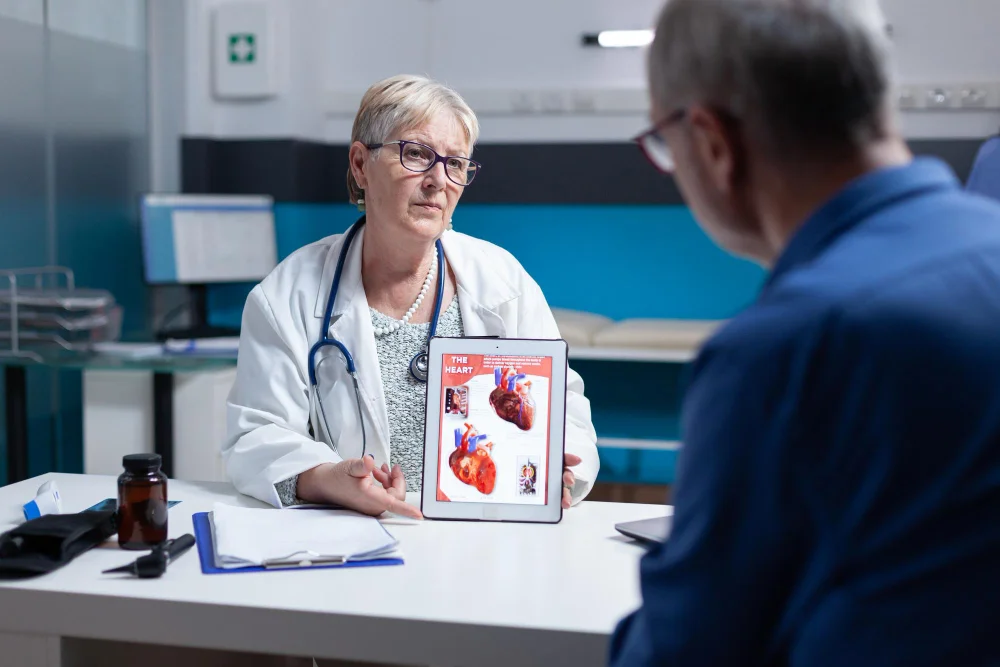
Accurate diagnosis forms the cornerstone of effective cardiac care. The contemporary cardiovascular toolkit relies heavily on advanced imaging and physiological testing to evaluate heart function with unprecedented clarity.
Non-Invasive Cardiac Imaging
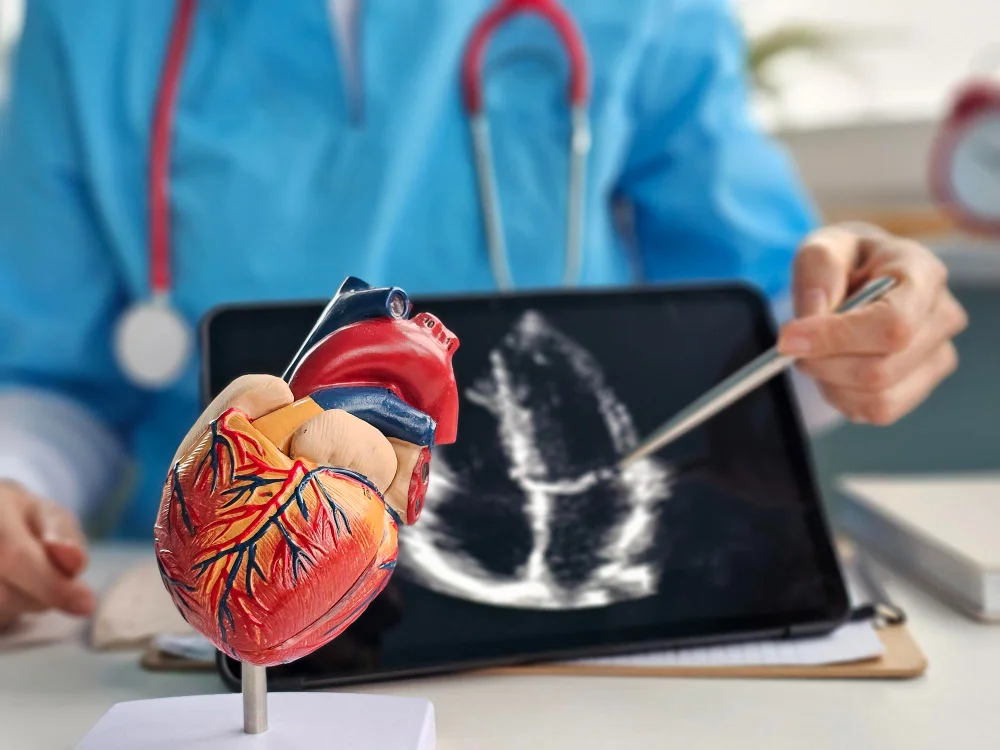
The diagnostic process typically begins with non-invasive modalities. Echocardiography utilizes high-frequency sound waves to generate real-time images of the heart chambers and valves, allowing cardiologists to assess pumping capacity and detect structural anomalies safely. Cardiac magnetic resonance imaging (MRI) and computed tomography (CT) angiography provide highly detailed, three-dimensional cross-sections of the cardiovascular system. These advanced imaging techniques facilitate the identification of arterial blockages and myocardial scarring without the need for surgical incisions.
Interventional Cardiology and Minimally Invasive Techniques
When interventions are necessary, modern cardiology prioritizes minimally invasive approaches. Cardiac catheterization and percutaneous coronary intervention (PCI) involve threading a thin catheter through a blood vessel in the wrist or groin directly to the heart. This technique allows for the placement of stents to keep obstructed arteries open, eliminating the need for traditional open-heart bypass surgery in many cases. Similarly, transcatheter aortic valve replacement (TAVR) enables the implantation of new heart valves through a catheter, offering a life-saving alternative for patients deemed high-risk for conventional open-heart surgery.
Technological Innovations in Cardiac Care
The intersection of bioengineering and clinical medicine continues to yield groundbreaking innovations in cardiovascular therapy. Implantable electronic devices, such as modern pacemakers and implantable cardioverter-defibrillators (ICDs), have become incredibly sophisticated. Contemporary devices are now smaller, longer-lasting, and capable of wireless remote monitoring. They can detect lethal arrhythmias within seconds and deliver corrective electrical shocks to restore normal rhythms automatically, transmitting this data directly to the patient’s healthcare team.
Leading tertiary healthcare institutions, such as Liv Hospital, are at the forefront of integrating these advanced technologies into daily clinical practice. By equipping specialized electrophysiology laboratories and hybrid operating rooms with state-of-the-art imaging and navigation systems, Liv Hospital ensures the delivery of highly precise, patient-centric care. The adoption of advanced cardiovascular mapping systems further enhances the precision of complex procedures, minimizing radiation exposure for both the patient and the medical team while optimizing procedural outcomes.
Preventive Care for Lifelong Cardiovascular Wellness
While technological interventions are life-saving, preventive cardiology remains the most effective strategy for combating heart disease. A proactive approach focuses on identifying and mitigating risk factors before pathological changes occur within the vascular system.
Maintaining a balanced, nutrient-dense diet low in saturated fats and refined sugars is fundamental for regulating cholesterol levels and preventing arterial plaque formation. Regular cardiovascular exercise strengthens the myocardium, lowers resting blood pressure, and improves overall vascular elasticity. Routine screenings are equally critical. Monitoring blood pressure, lipid profiles, and fasting blood glucose levels enables healthcare providers to detect early warning signs of metabolic syndrome and cardiovascular decline. Smoking cessation and stress management techniques, including mindfulness and structured relaxation, further reduce the physiological strain on the cardiovascular system, promoting long-term heart health.
Latest Research and Developments in Cardiology
The future of cardiovascular medicine is heavily focused on targeted therapies and regenerative medicine. Researchers are making significant strides in the field of pharmacogenomics, tailoring cardiovascular medications to a patient’s specific genetic profile to maximize efficacy and minimize adverse side effects.
Innovations in stem cell therapy and tissue engineering hold the promise of regenerating damaged myocardial tissue following a heart attack, potentially reversing the damage that leads to heart failure. Furthermore, the integration of artificial intelligence into the analysis of electrocardiograms and echocardiograms is improving the speed and accuracy of diagnostics, enabling the prediction of cardiac events before they manifest clinically.
As research progresses, the emphasis continues to shift from managing chronic heart disease to achieving true cardiovascular disease reversal. Through the relentless pursuit of medical excellence, advanced therapies, and robust preventive strategies, modern cardiology aims to secure a future where optimal heart health is attainable for all individuals, ensuring longer, more vibrant lives.
Frequently Asked Questions About Cardiology
1. What are the primary risk factors for developing cardiovascular disease?
Primary risk factors include hypertension (high blood pressure), hyperlipidemia (elevated cholesterol), diabetes mellitus, smoking, obesity, and a sedentary lifestyle. A family history of premature heart disease also plays a significant genetic role in determining an individual’s baseline risk.
2. How does an echocardiogram differ from an electrocardiogram (ECG)?
An electrocardiogram (ECG) records the electrical activity of the heart to detect arrhythmias and signs of ischemia. In contrast, an echocardiogram is an ultrasound test that provides moving visual images of the heart’s physical structure, allowing physicians to evaluate the pumping function, chamber sizes, and valve mechanics.
3. What is the role of a cardiac stent in treating heart disease?
A cardiac stent is a tiny, expandable mesh tube inserted into a narrowed or blocked coronary artery during an angioplasty procedure. It acts as a permanent scaffold to hold the artery open, restoring proper blood flow to the heart muscle and reducing the risk of a myocardial infarction.
4. Can lifestyle changes reverse coronary artery disease?
While lifestyle changes cannot completely erase existing, hardened atherosclerotic plaque, rigorous adherence to a heart-healthy diet, regular exercise, smoking cessation, and strict management of blood pressure and cholesterol can significantly halt the progression of coronary artery disease and reduce the likelihood of future cardiac events.
5. When is transcatheter aortic valve replacement (TAVR) recommended over traditional surgery?
TAVR is typically recommended for patients with severe aortic stenosis who are considered at intermediate or high risk for complications from traditional open-heart surgery. It offers a minimally invasive alternative that requires a shorter recovery period while providing comparable improvements in valve function and quality of life.