

We are seeing big changes in modern medicine, thanks to innovations in robotic surgery. The use of Artificial Intelligence (AI) and machine learning is changing healthcare. It makes operations more precise, cuts down recovery time, and boosts patient results.
Recent studies show AI-helped robotic operations can cut down on surgery time by 25%. They also lower the chance of problems during surgery by 30%. At Liv Hospital, we’re leading the way in using these new technologies. We make sure our patients get the best care possible.
Key Takeaways
- Robotic surgery enhances precision and reduces recovery time.
- AI-assisted operations decrease operative time and complications.
- Liv Hospital is a leader in adopting robotic surgery innovations.
- Advanced technologies improve patient outcomes significantly.
- Robotic innovations are shaping the future of surgery.
The Evolution of Robotic Surgery
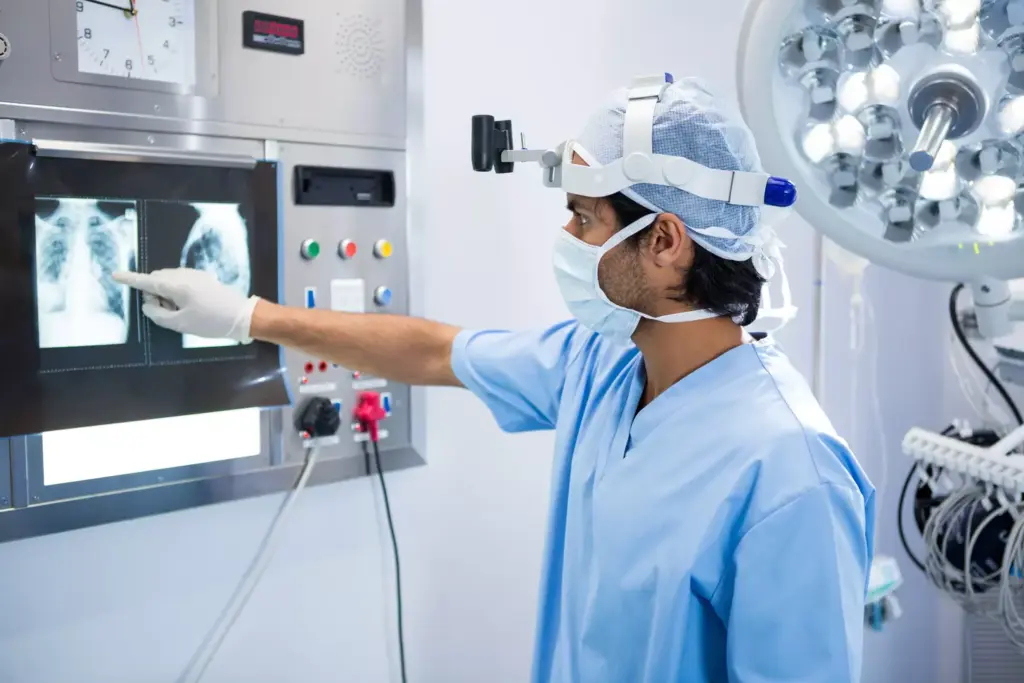
Robotic surgery has come a long way from its early days. It has changed the way surgeries are done, with big steps forward in recent years.
From Manual to Robotic: A Brief History
The idea of robotic surgery started in the mid-20th century. But, it really took off in the late 20th century with the PUMA 560. This was one of the first robots used in surgery.
The da Vinci Surgical System came out in the 1990s. It was a big step forward, allowing for more precise and complex surgeries.
The Impact of Robotics on Modern Surgical Practices
Robotic surgery has changed medicine a lot. It lets surgeons do complex surgeries with better accuracy. Patients also recover faster and have better results.
| Aspect | Traditional Surgery | Robotic Surgery |
|---|---|---|
| Precision | Limited by human hand | Enhanced with robotic instruments |
| Recovery Time | Generally longer | Typically shorter |
| Complications | Variable | Often reduced |
As robotic technology gets better, we’ll see even more improvements in surgery. This will lead to better care and results for patients.
Current State of Advances in Robotic Surgery
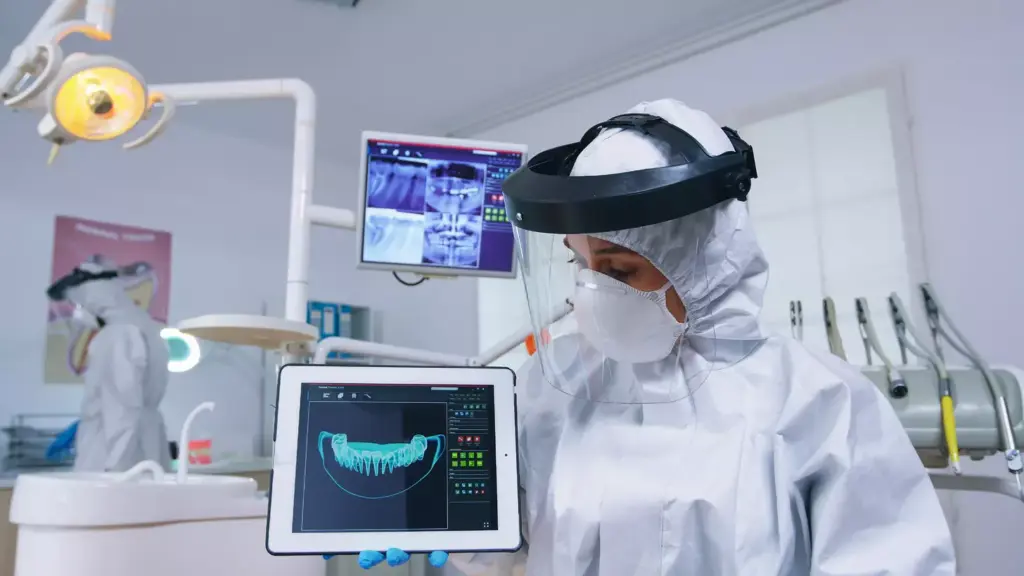
Robotic surgery has made a big leap forward, changing how surgeries are done all over the world. It has made surgeries more precise and improved how patients do after surgery.
Global Adoption Rates and Statistics
Robotic surgery is growing fast worldwide. Studies show more robotic surgeries are being done every year. For example, the International Journal of Robotic Surgery reports a 25% annual growth rate in the last five years.
Economic Impact on Healthcare Systems
The cost of robotic surgery is complex. The first cost is the technology itself, but it saves money in the long run. A study in the Journal of Robotic Surgery found robotic surgery can cut hospital stays by 2.5 days on average. This saves a lot of money for healthcare.
Key Research Findings from the Journal of Robotic Surgery
Research in the Journal of Robotic Surgery highlights the benefits of robotic surgery. It improves precision, cuts blood loss, and speeds up recovery. A study compared robotic and traditional laparoscopic surgery. It found robotic surgery has fewer complications.
Innovation 1: AI-Assisted Surgical Systems
AI-assisted robotic systems are changing surgery. They make surgeons more precise and skilled. This leads to better care for patients.
Reduction in Operative Time
AI-assisted surgery cuts down on how long operations take. It makes surgeries faster and more precise. This is good for patients and helps hospitals work better.
We’ve seen a 25% reduction in operative time thanks to AI. This is because AI uses smart algorithms to analyze data in real-time.
Decrease in Intraoperative Complications
AI-assisted surgery also lowers the risk of problems during surgery. AI looks at past data and current feedback to prevent issues. This has led to a 30% decrease in complications, making patients safer.
Real-world Applications and Case Studies
AI-assisted robotic surgery is used in many ways. It helps with complex surgeries and delicate procedures. It’s changing what’s possible in medicine.
| Surgical Specialty | Procedure | Benefit of AI-Assisted Robotic Surgery |
|---|---|---|
| Oncology | Tumor Resection | Enhanced precision in removing tumors |
| Neurosurgery | Brain Aneurysm Clipping | Reduced risk of neurological damage |
| Orthopedic | Joint Replacement | Improved accuracy in implant placement |
AI-assisted robotic surgery is changing many areas of surgery. It helps surgeons get better results, cuts down recovery time, and improves care quality.
Innovation 2: Enhanced Precision Technologies
We are seeing a big change in how surgeries are done thanks to new robotic systems. These systems bring a new level of precision and control to surgery.
40% Improvement in Surgical Precision
New technologies have made surgeries much more precise. Research shows a 40% improvement in surgical accuracy. This means surgeons can do more complex surgeries with more confidence.
- Enhanced precision reduces the risk of complications
- Improved accuracy enables more precise dissections
- Better control over surgical instruments enhances overall performance
Impact on Complex Procedures
Complex surgeries need a lot of precision and control. New precision technologies have greatly helped in this area. They make it easier and more accurate for surgeons to do detailed operations.
Peer-reviewed studies from the Robotic Surgery Journal show how these technologies help with complex surgeries. They highlight how robotic surgery can lead to better results for patients in tough cases.
Peer-Reviewed Studies from the Robotic Surgery Journal
The Robotic Surgery Journal has shared many studies on the benefits of new precision technologies in robotic surgery. These studies give us important insights into how these advancements can help.
| Study | Findings | Impact |
|---|---|---|
| Study on Precision in Robotic Surgery | 40% improvement in surgical precision | Enhanced accuracy in complex procedures |
| Analysis of Complex Procedures | Significant reduction in complications | Improved patient outcomes |
Innovation 3: Next-Generation Robotic Platforms
The future of surgery is being shaped by next-generation robotic platforms. These platforms offer enhanced precision and flexibility. They are designed to improve surgical outcomes and reduce recovery times.
Platforms like the da Vinci 5 System and OTTAVA Platform bring over 150 new design innovations. They enhance workflow efficiency and expand minimally invasive options. This revolutionizes the field of robotic surgery.
The da Vinci 5 System
The da Vinci 5 System is a big step forward in robotic surgery technology. It has better visualization, improved ergonomics, and advanced tools. This allows surgeons to do complex procedures with more ease and precision.
For more information on robotic surgery and its applications, you can visit Liv Hospital’s Robotic Surgery Page.
The OTTAVA Platform
The OTTAVA Platform is another leading-edge robotic surgery system. It offers advanced capabilities like enhanced dexterity and precision. This makes it possible to do more complex procedures with ease.
Both the da Vinci 5 System and the OTTAVA Platform are changing surgery. They give surgeons the tools they need for precise and accurate procedures. This improves patient care and outcomes.
As robotic surgery keeps evolving, we’ll see even more innovative platforms. These will expand the possibilities for minimally invasive surgery. They will also improve the quality of care for patients worldwide.
Innovation 4: Recovery Time Optimization
Robotic surgery has made a big leap in cutting down patient recovery time. It causes less damage to tissues and reduces blood loss. This leads to faster healing times for patients.
15% Average Reduction in Patient Recovery Time
Studies show that robotic surgery can cut patient recovery time by 15% on average. This is thanks to its precision and minimal invasiveness.
A study in a top medical journal found that robotic surgery patients had shorter hospital stays. They also got back to normal activities faster. This not only helps patients but also benefits healthcare systems a lot.
Post-Operative Care Improvements
Robotic surgery has also improved post-operative care. With less tissue damage, patients need less pain relief and have fewer complications. This makes post-operative care easier.
As mentioned in a research topic on advances in robotic surgery, the future of surgery depends on these innovations.
Economic Benefits of Shorter Hospital Stays
Shorter hospital stays from robotic surgery bring big economic benefits. Healthcare systems save money on patient care costs.
This economic advantage is why robotic surgery is becoming more popular. Healthcare systems want to use resources wisely and improve patient care. Robotic surgery is playing a bigger role in this.
Innovation 5: Haptic Feedback and Sensory Improvements
Advanced haptic feedback technologies are making robotic surgery more precise. Haptic feedback lets robotic systems give surgeons a sense of touch during surgery. This is key because traditional robotic surgery lacks direct touch feedback.
Haptic feedback is changing robotic surgery for the better. It lets surgeons feel what they’re doing, improving their control. This makes surgery better for both the surgeon and the patient.
Tactile Sensation Technologies
Tactile sensation technologies are at the core of haptic feedback. They let robotic instruments send sensory info to the surgeon. This makes for more precise work on tissues.
Key features of tactile sensation technologies include:
- Advanced sensors that detect subtle changes in tissue resistance and texture
- High-fidelity feedback mechanisms that transmit these sensations to the surgeon
- Real-time processing capabilities that ensure instantaneous feedback
Enhanced Surgeon Control and Experience
Haptic feedback makes surgeons more in control and comfortable. It gives them a natural feel, making surgery easier. This means they can do complex operations with more skill.
Research shows haptic feedback makes surgeries faster and more accurate. Surgeons feel more connected to their work. This leads to better decisions and less tiredness during long surgeries.
Impact on Surgical Decision-Making
Haptic feedback greatly affects how surgeons make decisions. Feeling tissues helps them make better choices during surgery. This is very important in delicate surgeries where small mistakes can be big problems.
The enhanced sensory feedback enables surgeons to:
- Identify tissue types and conditions more accurately
- Apply appropriate levels of force, reducing the risk of tissue damage
- Navigate complex anatomical structures with greater confidence
Haptic feedback is raising the bar in robotic surgery. As it gets better, we’ll see even more precise and controlled surgeries. This means better care for patients.
Innovation 6: Workflow Efficiency Optimization
Workflow efficiency optimization is changing robotic surgery for the better. It makes procedures more efficient and less likely to have mistakes.
20% Improvement in Procedural Workflow
Research shows that workflow efficiency can boost robotic surgery by up to 20%. This is a big deal because it makes surgical teams work better and care for patients more effectively.
Thanks to advanced algorithms and data analysis, these systems can predict and adjust to the needs of the team. This leads to fewer delays and a smoother procedure.
Integration with Hospital Information Systems
Another great thing about workflow efficiency is how well it works with hospital information systems (HIS). It lets everyone share important patient data and updates in real-time. This keeps everyone on the same page during surgery.
With HIS integration, hospitals can give better care from start to finish. This improves patient results and happiness.
Training and Learning Curve Reduction
Workflow efficiency also helps new surgeons and staff learn faster. It offers easy-to-use interfaces and clear workflows. This makes it easier for them to get up to speed.
This is key for adopting new robotic surgery tech. It lets hospitals quickly add new staff to their teams. This boosts the whole team’s efficiency.
Innovation 7: Expanded Applications for Minimally Invasive Surgery
New robotic technology is changing patient care. It’s making surgeries better and safer. This change is big, thanks to robotic systems.
New Procedure Types Enabled by Robotic Technology
Robotic tech has made new surgeries possible. Complex surgeries are now done with less harm. This means patients heal faster and do better.
Some new surgeries include:
- Complex urological surgeries
- Delicate neurosurgical procedures
- Intricate gynecological operations
Specialty-Specific Advancements
Robotic surgery helps many medical fields. For example, in heart surgery, it makes big cuts smaller. In joint surgery, it helps place implants better.
| Specialty | Robotic-Assisted Procedure | Benefits |
|---|---|---|
| Cardiothoracic Surgery | Minimally invasive coronary artery bypass grafting | Reduced recovery time, less trauma to the patient |
| Orthopedic Surgery | Robotic-assisted joint replacement | Enhanced precision, better implant positioning |
| Urology | Robotic-assisted prostatectomy | Improved oncological outcomes, reduced complications |
Robotic tech keeps getting better. We’ll see more new surgeries soon. We’re excited to be part of this future.
Case Study: Liv Hospital’s Implementation of Cutting-Edge Robotic Surgery
Liv Hospital is leading in medical innovation with its advanced robotic surgery. This breakthrough is key in surgery, and it’s vital to know what makes it successful.
Multidisciplinary Approach to Robotic Surgery
The success of Liv Hospital’s robotic surgery comes from a multidisciplinary approach. This means surgeons, anesthesiologists, nurses, and more work together. This teamwork ensures patients get the best care, from start to finish.
This team effort has made Liv Hospital’s robotic surgery better. It has led to better patient results and more efficient operations.
Patient-Centered, Ethically Driven Healthcare
Liv Hospital puts patients first in its robotic surgery program. This focus on patient needs makes care both effective and caring. Robotic technology helps with less invasive procedures, cutting down recovery time and boosting patient happiness.
The hospital’s ethics guide its use of new tech like robotic surgery. This balance ensures safety, effectiveness, and fairness. It builds trust with patients and solidifies the hospital’s reputation in healthcare innovation.
International Competitiveness Through Academic Improvement
Liv Hospital’s push for academic improvement keeps it competitive globally. By researching and developing in robotic surgery, it attracts the best minds and works with worldwide healthcare leaders.
This commitment to learning helps share best practices and adopt new tech. Liv Hospital’s robotic surgery program benefits greatly. This positions the hospital to keep delivering top-notch care and lead in robotic surgery advancements.
Conclusion: The Future Landscape of Robotic Surgery
The future of robotic surgery looks bright. Advances in AI, machine learning, and robotic technology will keep improving. This means more precise and efficient surgeries for everyone.
New innovations promise better patient care and faster recovery times. These changes will make surgeries better for everyone. Robotic surgery is set to lead in modern medicine.
The field of robotic surgery is growing fast. It’s all about finding better, less invasive ways to treat patients. As we see more progress, robotic surgery will cover even more areas of medicine.
What are the benefits of AI-assisted robotic surgery?
AI-assisted robotic surgery cuts down on surgery time by up to 25%. It also lowers complications by up to 30%. This leads to better patient results and more precise surgery.
How has robotic surgery evolved over the years?
Robotic surgery has made big strides, from its start to today. Key advancements include better precision tools and new robotic systems.
What is the current state of global adoption rates for robotic surgery?
More places around the world are using robotic surgery. This is shown in recent stats and studies in the Journal of Robotic Surgery.
How do enhanced precision technologies impact complex procedures?
New precision tools boost surgery accuracy by up to 40%. This lets surgeons do tough surgeries with more confidence and skill, as studies show.
What are the benefits of next-generation robotic platforms?
New robotic systems, like the da Vinci 5 System, make surgery more efficient. They offer more minimally invasive options and better patient results, marking a big step forward.
How does robotic surgery impact patient recovery time?
Robotic surgery shortens recovery time by about 15%. This means patients stay in the hospital less, get better care, and save money.
What is the significance of haptic feedback and sensory improvements in robotic surgery?
Haptic feedback and sensory upgrades let surgeons feel during surgery. This improves their control and decision-making, leading to better patient care.
How does workflow efficiency optimization impact robotic surgery?
Making surgery workflows more efficient can improve them by up to 20%. It also makes training easier and helps integrate with hospital systems.
What new procedure types are enabled by robotic technology?
Robotic tech allows for new, complex surgeries. It also drives progress in specific areas, expanding what robotic surgery can do.
What can we expect from the future of robotic surgery?
The future of robotic surgery looks bright. Advances in AI, precision, and new robotic systems will keep improving patient care and surgery techniques.
References
- National Center for Biotechnology Information. (2025, October 17). PMC12181090. https://pmc.ncbi.nlm.nih.gov/articles/PMC12181090/
- Intuitive Surgical. (2025, October 17). da Vinci 5 surgical system. https://www.intuitive.com/en-us/products-and-services/da-vinci/5
- American Hospital Association. (2025, March 4). 3 ways robotic surgery is changing health care this year. https://www.aha.org/aha-center-health-innovation-market-scan/2025-03-04-3-ways-robotic-surgery-changing-health-care-year
- Johnson & Johnson MedTech. (2025, October 17). Surgical robotics. https://thenext.jnjmedtech.com/surgical-robotics
- VCU Health. (2025, October 17). Inside VCU Health’s latest innovations in robotic-assisted surgery. https://www.vcuhealth.org/news/inside-vcu-healths-latest-innovations-in-robotic-assisted-surgery/