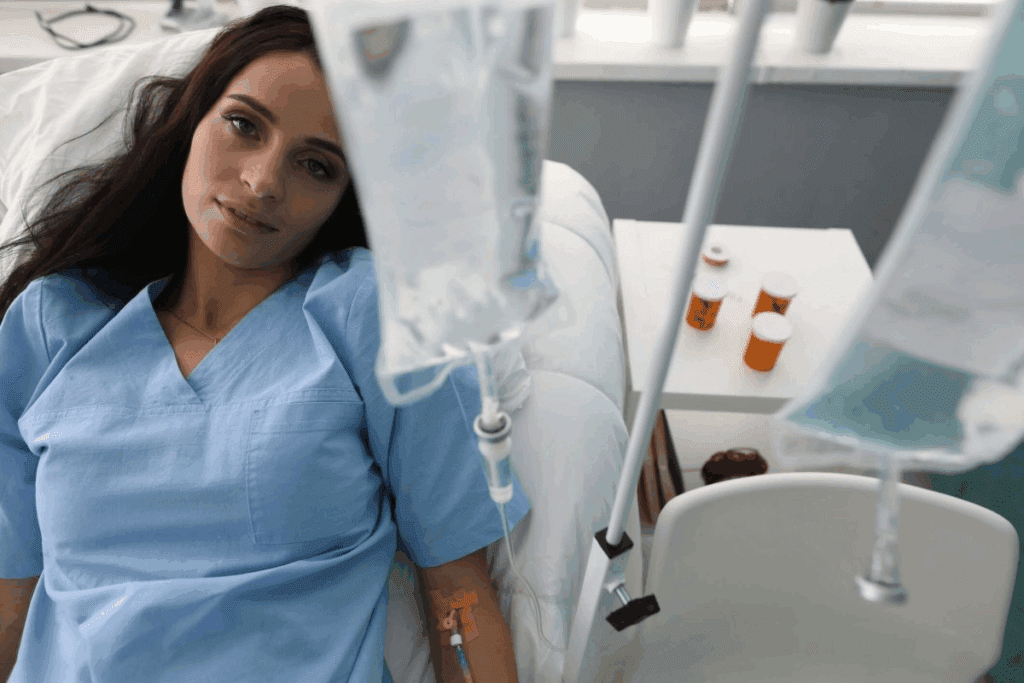
Egg retrieval is a key step in IVF and egg freezing. The procedure is usually simple, but recovery can differ for everyone. At Liv Hospital, we focus on detailed after-care advice to help you feel better and heal well. Complete guide to recovery, medication, and after egg retrieval care tips.
Knowing what to expect during recovery helps you prepare. The number of mature follicles at retrieval time affects your recovery. We’ll show you how to recover smoothly and comfortably. We’ll cover common symptoms, recovery times, and tips on eating, drinking, and staying active.
Key Takeaways
- Understand the recovery process after egg retrieval
- Learn how to manage post-procedure symptoms
- Discover the importance of nutrition and hydration during recovery
- Find out how to adjust your physical activity during the recovery period
- Get insights into the typical recovery timeline
Common Physical Symptoms Following Egg Retrieval
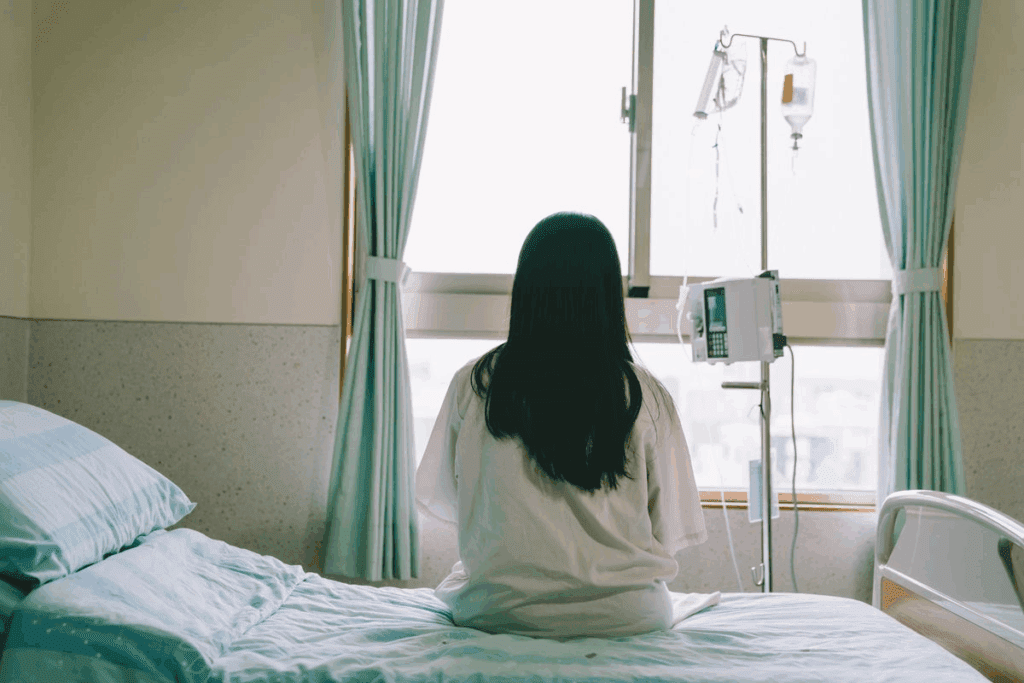
Knowing what physical symptoms you might feel after egg retrieval can help you get ready for your recovery. After the procedure, you might feel a few things because of the body’s reaction to the medications and the egg retrieval itself.
Abdominal Cramping and Bloating
Many people feel mild cramping and bloating after egg retrieval. These feelings come from the ovaries swelling a bit because of the stimulation and retrieval. Using a warm compress or taking a warm bath can help make these symptoms better.
Nausea and Dizziness
Some folks might feel queasy or dizzy after the procedure. This is often because of the anesthesia or how the body reacts to the medications. Resting and avoiding hard activities can help with these symptoms.
Spotting and Vaginal Discharge
Light spotting or bleeding in the vagina is also common after egg retrieval. This usually happens because the vaginal or cervical area gets a bit irritated during the procedure. It’s important to watch how much and for how long you bleed, and to tell your healthcare provider if you have any worries.
When Symptoms Typically Subside
Most people get better quickly, with symptoms going away in 3 to 5 days. But, how long it takes can differ for everyone. If your symptoms don’t get better or get worse, you should see a doctor.
Understanding these common physical symptoms and how to handle them can make your recovery after egg retrieval easier. If you have any questions or concerns, always talk to your healthcare provider for advice that’s just for you.
The First 24 Hours: Day After Egg Retrieval
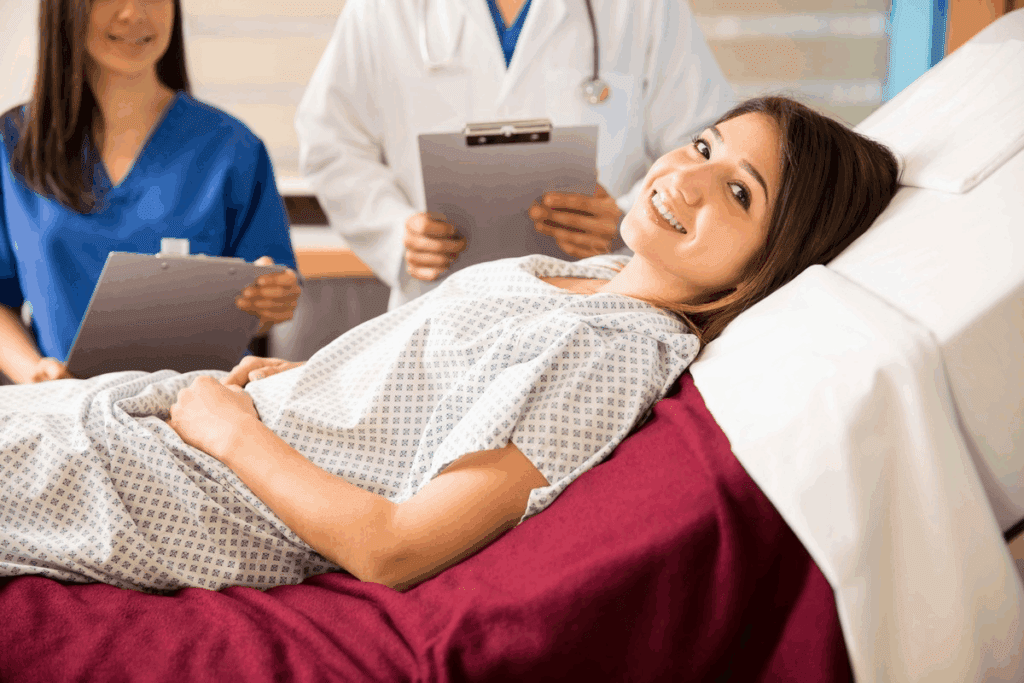
The first 24 hours after egg retrieval are very important. Knowing how to take care of yourself can help a lot. Rest, drink plenty of water, and manage your pain well.
Rest and Recovery Position
Resting is key in the first 24 hours. Try to avoid hard activities. Your body will tell you when it needs more rest.
Find a comfortable position, like lying on your back with your legs up. This can help with any discomfort.
Hydration Strategies
Drinking water is very important after egg retrieval. Water and drinks with electrolytes help replace lost fluids. Aim for 8-10 glasses of fluid a day.
If you feel dizzy or have a dry mouth, drink more. This can help prevent dehydration.
- Drink water regularly throughout the day
- Include electrolyte-rich beverages like coconut water or sports drinks
- Monitor your urine output to ensure it’s pale yellow or clear
Pain Management Options
Managing pain is important for a good recovery. You can use over-the-counter pain meds like acetaminophen. Always follow the dosage on the label.
If your pain doesn’t get better or gets worse, talk to your doctor. They can help you find a better solution.
- Follow the recommended dosage on the medication label
- Consult your healthcare provider if you have concerns about your pain
- Keep a pain diary to track your symptoms and medication use
Heat Therapy for Cramping Relief
Heat therapy can help with cramps. A warm heating pad on your lower abdomen can relax your muscles. Make sure the heat isn’t too hot and only use it for a little while.
By focusing on rest, staying hydrated, managing pain, and using heat therapy, you can make the first 24 hours easier. If you have any worries or questions, always talk to your healthcare provider.
Recovery Timeline: How Long Does It Take To Recover From Egg Retrieval
Knowing how to recover after egg retrieval is key. It helps you plan your days better. Most people feel back to normal in one to two weeks.
First 48 Hours
The first 48 hours are very important for recovery. It’s essential to rest and not do too much. You might feel some pain, bloating, and spotting, which are normal.
Drink lots of water and electrolyte-rich drinks to stay hydrated. You can also use over-the-counter pain relievers for cramps and pain.
Days 3-5 After Procedure
By days 3-5, you’ll likely feel much better. The acute symptoms like severe cramps and heavy bleeding will lessen. But, you might feel some mild pain.
You can start doing light activities, like short walks or gentle stretching. Just listen to your body and don’t overdo it.
Complete Recovery Expectations
Full recovery from egg retrieval usually takes one to two weeks. By then, you can go back to your usual activities, like work and exercise.
Make sure to follow your doctor’s advice and go to all follow-up appointments. This helps ensure your recovery is on track.
Nutrition and Hydration for Optimal Recovery
Getting the right mix of nutrients and fluids is key after an egg retrieval. A nourished body can handle recovery better, making it less painful and quicker.
Anti-Inflammatory Foods
Eating foods that fight inflammation can ease egg retrieval discomfort. These foods are full of antioxidants and nutrients that help your body heal.
- Leafy Greens: Spinach, kale, and other leafy greens are packed with antioxidants and vitamins.
- Berries: Berries like blueberries and raspberries are high in antioxidants and fiber.
- Fatty Fish: Salmon and sardines are rich in omega-3 fatty acids, known for their anti-inflammatory properties.
- Nuts and Seeds: Almonds, chia seeds, and flaxseeds are good sources of healthy fats and antioxidants.
Hydration Requirements
Drinking enough water is vital after egg retrieval. It helps your body replace lost fluids, aids in healing, and lowers the risk of problems.
Drink at least 8-10 glasses of water daily. You can also have electrolyte-rich drinks like coconut water or sports drinks to keep electrolytes balanced.
Supplements to Consider
While a balanced diet is best, some supplements might help with recovery. But, always talk to your healthcare provider before taking any supplements.
| Supplement | Potential Benefits |
|---|---|
| Omega-3 Fatty Acids | Reduces inflammation |
| Probiotics | Supports gut health |
| Vitamin C | Boosts immune system |
Foods and Beverages to Avoid
Knowing what not to eat is just as important. Some foods and drinks can make recovery harder or more uncomfortable.
- Processed Foods: High in salt and unhealthy fats, which can cause bloating and discomfort.
- Caffeine: Can act as a diuretic, potentially leading to dehydration.
- Alcohol: May interfere with the healing process and interact with medications.
- High-Sugar Foods: Can cause energy crashes and worsen inflammation.
Eating a balanced diet with anti-inflammatory foods, staying hydrated, and avoiding certain foods can help your body recover after egg retrieval. Always follow your healthcare provider’s dietary advice, as everyone’s needs are different.
Physical Activity: What’s Safe After Egg Retrieval Surgery Recovery
Knowing how much physical activity is safe after egg retrieval helps you recover better and feel less pain. Avoiding hard exercise for a week or two is best. But, gentle movements can help your body heal by improving blood flow.
Benefits of Gentle Movement
Light walks or gentle yoga can boost blood flow, which is key for healing. Improved circulation also lowers the chance of problems and keeps you feeling good while you recover.
Some benefits of gentle movement include:
- Enhanced circulation
- Reduced stiffness
- Improved mood
When to Resume Normal Exercise
Let your body fully heal before going back to regular exercise. Avoiding strenuous exercise and heavy lifting for at least a week helps prevent too much strain. This can make you feel worse and slow healing.
Typically, you can start with light exercises in:
- 7-10 days
- 2 weeks or more for hard activities
Activities to Postpone
Some activities should wait until you’re fully recovered. These include:
- Strenuous exercise
- Heavy lifting
- High-impact activities
Waiting on these activities can lower the risk of problems and help your body heal better.
How Many Days Rest After Egg Retrieval
The rest needed after egg retrieval varies, but usually, 1-2 days of rest are needed right after. Then, you can start with gentle activities.
It’s important to listen to your body and adjust how much you do based on how you feel and have the energy for.
Managing Emotional Wellbeing During Post Egg Retrieval Recovery
The emotional journey after egg retrieval is as important as the physical recovery. It needs careful attention and support. The days between egg retrieval and embryo transfer can be tough emotionally. It’s key to have supportive people around and to do things that reduce stress.
Hormonal Fluctuations and Mood
Hormonal changes after egg retrieval can really affect your mood. The medications used in IVF can cause emotional highs and lows. It’s important to be ready for these mood swings.
Knowing that these mood swings are normal can help you deal with them better.
Coping Strategies
There are ways to manage your emotional wellbeing during this time. Practicing mindfulness and doing relaxing activities like meditation or yoga can help. Also, talking to loved ones, joining support groups, or seeing a counselor can offer emotional support and guidance.
- Maintain a healthy lifestyle through balanced nutrition and hydration.
- Engage in gentle physical activities like walking.
- Practice stress-reducing techniques such as deep breathing exercises.
When to Seek Support
Knowing when you need extra support is important. If you feel overwhelming anxiety or sadness that lasts, getting help from a mental health professional is a good step. They can offer specific strategies and support to help you through this tough time.
By focusing on your emotional wellbeing and using support systems, you can handle the emotional side of recovering after egg retrieval better.
Menstruation: When Do You Get Your Period After Egg Retrieval
Knowing when your period will come after egg retrieval is important. It helps you plan and feel better during recovery. Most women get their period within a certain time frame.
Typical Timeline for Period Return
After egg retrieval, your period usually starts 7 to 10 days later. This time can vary a bit. But most women can expect their period to start around this time.
Changes in Flow and Duration
After egg retrieval, your period might feel different. It could be heavier or last longer than usual. These changes are usually short-term and go away by themselves.
Here are some common changes women may experience:
- Heavier or lighter menstrual flow
- Prolonged or shorter duration of menstruation
- Increased or decreased menstrual cramps
Managing Discomfort
To feel better during your period after egg retrieval, try a few things. Over-the-counter pain relievers can help with cramps. Warm baths and drinking plenty of water can also help.
What’s Normal vs. Concerning
Some changes in your cycle after egg retrieval are normal. But, if you have severe pain, heavy bleeding, or menstruation that lasts too long, see a doctor. These are signs you need medical help.
To summarize:
- Typically, your period returns within 7-10 days after egg retrieval.
- Changes in flow and duration are common but usually temporary.
- Manage discomfort with self-care and, if needed, medical help.
- Be aware of what’s considered normal and when to seek medical attention.
Recognizing Complications: When to Call Your Doctor
It’s important to know the signs of trouble after egg retrieval. This procedure is usually safe, but knowing about possible issues helps you act fast.
Warning Signs of OHSS
Ovarian Hyperstimulation Syndrome (OHSS) can happen after egg retrieval. Severe abdominal pain, rapid weight gain, and trouble breathing mean you need to see a doctor right away. Keep an eye on your symptoms and tell your doctor if you’re worried.
Infection Symptoms
Infection is another risk after egg retrieval. Fever, chills, and severe abdominal pain are signs of infection. If you have these, call your healthcare provider quickly.
Severe Pain or Bleeding
Having severe pain or heavy bleeding after egg retrieval is not normal. It’s important to tell your doctor right away. Some pain is okay, but if it gets worse, it could be a problem.
Emergency Situations
Complications can sometimes turn into emergencies. If you have severe trouble breathing, chest pain, or severe dizziness, get help fast. We know it’s scary, but quick action is key.
Watching your health after egg retrieval and knowing when to get help is important. If you’re not sure about your symptoms, it’s better to be safe and talk to your doctor.
Conclusion: Moving Forward After Your Egg Retrieval
Recovering from egg retrieval takes patience and self-care. Knowing what to expect helps you feel more confident. We’ve shared tips to help you deal with physical and emotional challenges.
Focus on your health as you recover. Drink plenty of water, eat foods that fight inflammation, and rest when needed. These steps will help you feel better faster.
We’re here to support you on your fertility journey. Our goal is to provide the care and guidance you need. By taking care of yourself, you can move forward with hope and positivity.
FAQ
What to expect after egg retrieval?
After egg retrieval, you might feel some discomfort. This includes cramping, bloating, nausea, and dizziness. These symptoms come from the medications and the procedure itself. Knowing how to handle them is key to a smooth recovery.
How do you feel after egg retrieval?
You could feel cramping, bloating, and nausea. Hormonal changes might also affect your mood. Rest, drink plenty of water, and manage your pain to feel better.
How long after egg retrieval do you get your period?
Getting your period after egg retrieval can take a week or two. It depends on many factors, like hormonal changes and the procedure’s success.
What is the recovery timeline after egg retrieval?
You’ll need a few days to rest after egg retrieval. Most women can go back to normal activities in 3-5 days. Full recovery usually takes a week or two, depending on you.
What should I eat after egg retrieval?
Eat foods that help reduce inflammation, like fruits, veggies, and whole grains. Drink lots of water. Consider adding omega-3s and probiotics to your diet.
What activities should I avoid after egg retrieval?
Avoid hard work, heavy lifting, and bending for a few days. Wait to start intense exercise and high-impact activities until your doctor says it’s okay.
How many days rest after egg retrieval?
Take at least a day or two to rest after the procedure. Listen to your body and take breaks as needed.
What are the warning signs of OHSS after egg retrieval?
Watch for severe pain, nausea, vomiting, and trouble breathing. If you see these signs, get medical help right away.
When should I seek medical attention after egg retrieval?
Get medical help for severe pain, heavy bleeding, or signs of infection like fever or chills. Also, watch for OHSS and contact your doctor if you’re worried.
How can I manage emotional wellbeing during post egg retrieval recovery?
Be aware of how hormones can affect your mood. Use techniques like meditation or talking to someone to cope. Don’t hesitate to seek help if you’re struggling.
References
National Center for Biotechnology Information. Evidence-Based Medical Guidance. Retrieved from https://www.ncbi.nlm.nih.gov/pmc/articles/PMC6903452/[4