Discover which alarming urinalysis findings, such as high protein, blood, or glucose levels, typically prompt doctors to order further testing.
Getting your urinalysis results can make you feel worried. Findings like proteinuria can point to serious health problems. It’s normal to feel concerned about unusual results.

Urine tests check for things like electrolytes, proteins, and bacteria. They tell us a lot about our health. For example, proteinuria detected as 3+ or greater on dipstick occurs in about 2% of routine screenings. This can mean you might have chronic kidney disease or nephropathy.
We’ll look into these important findings and what they mean for your health. We’ll help you understand when to get medical help.
Key Takeaways
- Certain urinalysis findings can indicate serious health issues.
- Proteinuria is detected in about 2% of routine screenings.
- Abnormal results can signal conditions like chronic kidney disease or nephropathy.
- Understanding urinalysis results is key to early detection and action.
- It’s important to see a doctor if you get abnormal results.
The Basics of Urinalysis Interpretation
Understanding urinalysis results is key to good patient care. This test is a basic tool that shows a lot about a patient’s health. It checks for different things in the urine.

What a Standard Urinalysis Measures
A standard urinalysis looks at many things, like proteins, blood cells, and glucose. It uses a dipstick test, a microscope, and sometimes more tests.
The dipstick test quickly checks for pH, specific gravity, and more. It can show if there’s an infection or other issues.
Normal Range Values vs. Abnormal Results
Knowing what’s normal in urinalysis is important. A high leukocyte count means an infection. Abnormal pH levels might point to metabolic or respiratory problems.
Abnormal results can mean many things, like UTIs, kidney disease, or diabetes. It’s vital to look at these findings with the patient’s health and history in mind.
How Physicians Evaluate Urinalysis Findings
Doctors look at urinalysis results with the patient’s symptoms and history in mind. They check if the results match the patient’s condition. Then, they decide what to do next.
For example, finding protein in the urine might mean kidney damage. Blood in the urine needs careful checking. It could be from many things, including serious diseases.
Proteinuria: When Protein Levels Signal Kidney Problems
The presence of protein in the urine, known as proteinuria, is a critical indicator of kidney damage. Healthy kidneys remove extra fluid and waste from the blood. But when they are damaged, they may let protein leak into the urine.
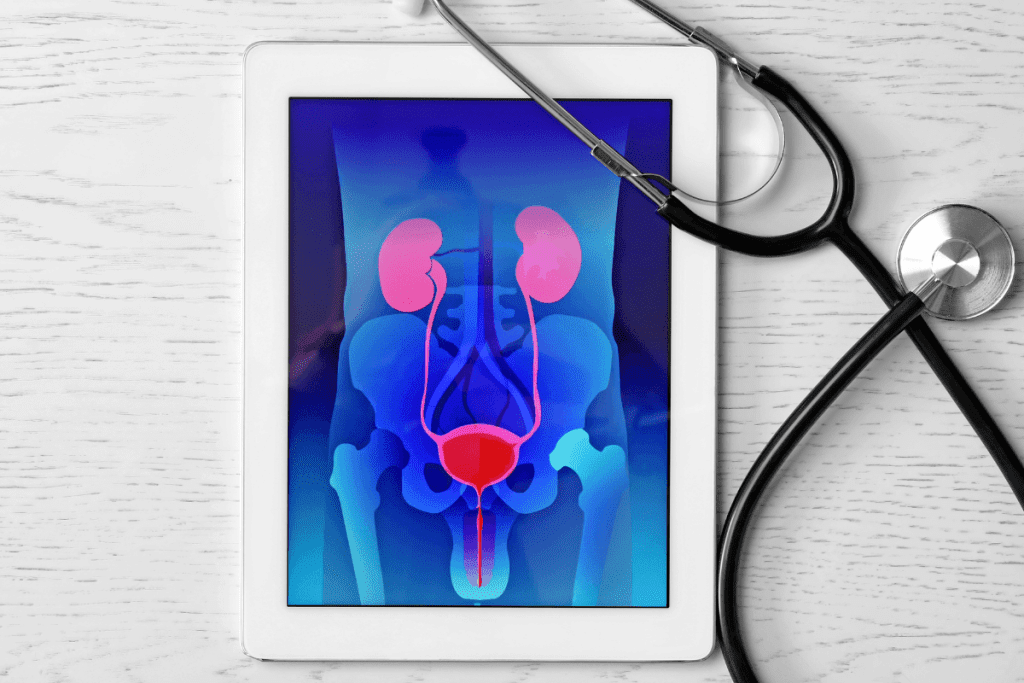
What 3+ or Greater Protein on a Dipstick Means
A dipstick reading of 3+ or greater is significant and may indicate kidney problems. This level of proteinuria suggests that the kidneys are not functioning properly. For more information on what it means to have protein in your urine.
Chronic Kidney Disease and Nephropathy Connections
Proteinuria is often associated with chronic kidney disease (CKD) and nephropathy. CKD is a condition characterized by gradual kidney damage or decreased kidney function over time. Nephropathy refers to kidney damage or disease, which can be caused by various factors, including diabetes and hypertension. The presence of proteinuria can be an early warning sign of these conditions, stressing the need for timely medical evaluation.
Distinguishing Between Transient and Persistent Proteinuria
It’s important to differentiate between transient proteinuria, which is temporary and often caused by factors like exercise or fever, and persistent proteinuria, which indicates ongoing kidney damage. Healthcare providers will conduct further tests to determine the cause and duration of proteinuria. This guides appropriate management and treatment strategies.
Microscopic Hematuria: Blood Cells That Shouldn’t Be There
Microscopic hematuria means there are red blood cells in your urine. It’s a sign that needs careful checking. It can show many health problems, from simple to serious.
Defining Significant Microscopic Hematuria
Significant microscopic hematuria means finding three or more red blood cells per high-power field (HPF) in urine. This is seen as a sign of possible health issues.
This finding often comes from routine urinalysis tests. These tests check your urine’s health. Knowing what it means is key to deciding what to do next for your health.
Cancer Risk Assessment
Microscopic hematuria might mean you could have cancer. In people without symptoms, the chance of cancer is 2% to 5%. This is why it’s so important to check it out.
Even though the chance is small, it’s vital to look at each case closely. Things like age, smoking, and chemical exposure matter. For example, older people or smokers might need more tests.
Non-Malignant Causes of Blood in Urine
Not all blood in urine is from cancer. Other reasons include infections, kidney stones, and an enlarged prostate. Each one needs a different approach.
For example, infections might need antibiotics. Kidney stones might need water and pain relief, or sometimes surgery. Knowing why you have blood in your urine helps doctors choose the right treatment.
In short, finding blood in your urine means you need a detailed check-up. By knowing the possible reasons, doctors can make plans that fit your needs.
Most Alarming Urinalysis Findings Related to Infection
Some urinalysis results are very concerning and might show a urinary tract infection. UTIs are common and can cause serious problems if not treated quickly. Urinalysis helps find these infections by looking for specific signs in the urine.
Leukocyte Esterase: What Elevated White Blood Cells Indicate
Leukocyte esterase is an enzyme made by white blood cells. It shows up in urine when there’s an infection. This means the body is fighting off an infection, usually in the urinary tract.
Nitrites: Bacterial Conversion and Infection Probability
Nitrites in urine mean there’s likely a bacterial infection. Bacteria that cause UTIs change nitrate to nitrite. Finding nitrites in urine is a big clue for diagnosing UTIs.
Cloudy Urine: Visual Indicators of UTI
Cloudy urine might mean you have a UTI. It’s caused by bacteria, white blood cells, or other infection signs. While not sure on its own, cloudy urine with other signs can point to a UTI.
If you see these signs, you should see a doctor right away. UTIs left untreated can harm your kidneys. Knowing these signs helps doctors find and treat UTIs better.
- Leukocyte esterase shows white blood cells, meaning an infection.
- Nitrites are made by bacteria, showing a likely infection.
- Cloudy urine can be a sign of UTI, among other things.
Urinary Casts: Microscopic Clues to Kidney Damage
Urinary casts are tiny clues about kidney health. They form in the kidneys and can be made of red blood cells, white blood cells, and other debris. Knowing what kind of cast is present can tell a lot about kidney function.
Looking at urinary casts is key in kidney disease diagnosis. Doctors use them to understand kidney problems better. This helps them figure out what’s wrong and how to treat it.
Red Blood Cell Casts and Glomerulonephritis Specificity
Red blood cell casts point to glomerulonephritis, a kidney inflammation. They show that the bleeding is coming from inside the kidneys, not from lower down. This is important for diagnosis.
White Blood Cell Casts and Pyelonephritis
White blood cell casts mean kidney infection, or pyelonephritis. They show the infection is deep in the kidney tissue. This is a sign of a serious infection that needs quick treatment.
Hyaline and Granular Casts: When to Worry
Hyaline casts are normal and often seen in healthy people, like after exercise. But, granular casts suggest kidney damage or disease. Seeing a lot of these casts or with other abnormal findings means you should get checked out.
Knowing about urinary casts and their meanings is vital for kidney health. It helps doctors diagnose and treat kidney problems well.
Additional Concerning Parameters in Urinalysis
Urinalysis is more than just checking for sugar or protein in urine. It’s a detailed test that shows how well our kidneys and metabolism are working. It’s a key tool for spotting health issues early.
Glucose in Urine: Diabetes Warning Signs
Glucose in urine is a sign of diabetes. Normally, urine doesn’t have glucose or has very little. If it does, it means the body might not be making enough insulin or isn’t using it properly.
Diabetes warning signs include feeling very thirsty and needing to pee a lot, feeling tired, and seeing things blurry. If glucose is found in urine, more tests are needed to see if you have diabetes.
Abnormal pH: Metabolic and Infection Implications
The pH of urine tells us about metabolic and infection issues. It shows if the urine is more acidic or alkaline. Abnormal pH levels can mean different health problems, like metabolic disorders or infections.
For example, a high pH might mean a urinary tract infection. A low pH could point to diabetic ketoacidosis.
Elevated Specific Gravity: Dehydration vs. Disease
Specific gravity shows how concentrated the urine is. If it’s higher than normal, it could mean dehydration or a disease. Dehydration makes urine more concentrated to save water.
But some diseases, like diabetes insipidus or kidney disease, can also raise specific gravity. It’s important to check why it’s high.
Elevated Creatinine Levels and Kidney Function
Creatinine is a waste product that the kidneys filter out. High levels in urine or blood mean the kidneys might not be working properly. This could be a sign of kidney disease.
Kidneys are vital for health. They filter waste, balance electrolytes, and keep acid levels stable. High creatinine levels need to be checked to find the cause and how to manage it.
Conclusion: When to Seek Medical Attention for Abnormal Urinalysis Results
Knowing when to get medical help for abnormal urinalysis results is key. These results can show many health problems, like infections or kidney disease. It’s important to act fast to avoid bigger issues and get the right treatment.
We’ve looked at some serious signs in urinalysis, like protein in the urine, blood, infection signs, and more. Spotting these signs early helps people stay healthy.
If your urinalysis shows something off, see a doctor right away. They can give you specific advice and help you know what to do next.
FAQ
What does proteinuria indicate, and when should I be concerned?
Proteinuria means there’s too much protein in your urine. It can mean your kidneys are not working properly. If your dipstick test shows 3+ or more, you should see a doctor.
What is microscopic hematuria, and what are its implications?
Microscopic hematuria means you have a few red blood cells in your urine. It might mean you have cancer, but it can also mean other things. It’s not always bad news.
What does the presence of leukocyte esterase and nitrites in urine indicate?
Leukocyte esterase and nitrites in your urine mean you might have a urinary tract infection. These signs show your body is fighting off bacteria.
What are urinary casts, and what do they signify?
Urinary casts are tiny structures in your urine. They can tell a lot about your kidneys. Different casts mean different things, like kidney problems.
What does glucose in urine signify, and is it related to diabetes?
Glucose in your urine is a sign you might have diabetes. If you find glucose in your urine, talk to a doctor. They can help you figure out what it means.
What does an abnormal urine pH indicate?
An abnormal urine pH can mean you have a metabolic disorder or an infection. It’s important to talk to a doctor to find out why your pH is off.
What does elevated specific gravity in urine signify?
High specific gravity in your urine might mean you’re dehydrated or have a disease. A doctor can help figure out why and what to do next.
What does elevated creatinine in urinalysis indicate?
High creatinine levels mean your kidneys might not be working properly. If your creatinine is up, you should talk to a doctor. They can help you understand what it means.
When should I seek medical attention for abnormal urinalysis results?
If your urinalysis shows something off, you should see a doctor. They can help find out why and what to do next. They’ll look at your whole health and give you advice just for you.
References
- National Library of Medicine. (2023). Microscopic hematuria. Retrieved fromhttps://www.ncbi.nlm.nih.gov/books/NBK538466/