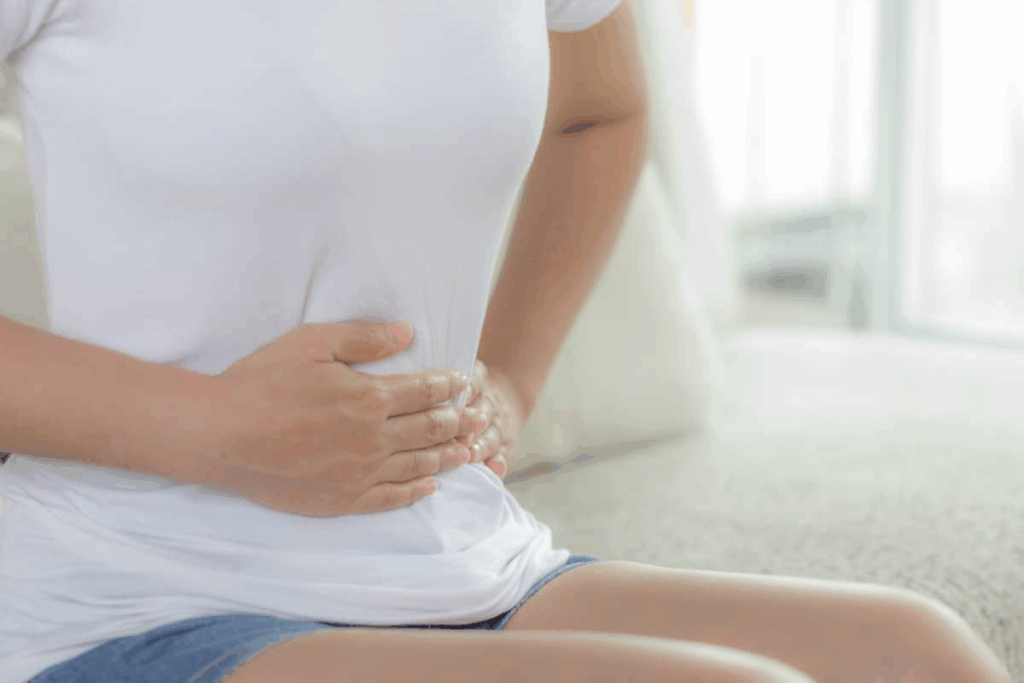
Endometriosis is a chronic and often painful condition that affects about 10-15% of women of childbearing age. The tissue that lines the uterus grows outside of it. This causes pelvic pain, heavy periods, and infertility. Traditional treatments often have big side effects or need invasive procedures.
At Liv Hospital, we believe in exploring holistic and natural healing approaches alongside traditional medicine. Our focus is on giving you the best care possible. We aim to support international patients who are looking for top-notch medical treatments. This ultimate guide to alternative healing endometriosis reveals surprising, vital strategies. Get essential, proven relief naturally.
We will give you a detailed guide on holistic healing approaches. This includes changing your diet, using mind-body therapies, and other natural treatments. These methods offer hope for relief.
Key Takeaways
- Endometriosis affects 10-15% of reproductive-aged women worldwide.
- Conventional treatments often have substantial side effects or require invasive procedures.
- Holistic and natural healing approaches can complement traditional medical care.
- Liv Hospital’s patient-centered philosophy focuses on giving you the best support.
- A detailed guide on holistic healing approaches will be provided.
Understanding Endometriosis: A Holistic Perspective

Looking at endometriosis from a holistic view means seeing how physical symptoms, emotions, and lifestyle are connected. It shows that endometriosis is more than just a gynecological problem. It affects a woman’s life in many ways.
What Happens in Endometriosis
Endometriosis happens when tissue like the uterus lining grows outside the uterus. This causes pain and discomfort. This tissue, called endometrial implants, can grow on the ovaries, fallopian tubes, and bowel.
The implants react to hormonal changes, leading to inflammation and scarring. This creates adhesions. The exact cause of endometriosis is not known. But genetics, hormones, and environment play a role in its development.
Prevalence and Impact on Women’s Lives
Endometriosis affects about 1 in 10 women of childbearing age worldwide. That’s around 176 million women. It can cause chronic pelvic pain, heavy or irregular periods, and infertility.
Women with endometriosis often feel anxious, depressed, and isolated. The condition’s chronic nature and daily impact take a toll on their mental health. A holistic view recognizes the connection between physical and emotional health.
Limitations of Conventional Treatments
Traditional treatments include hormonal therapies, pain meds, and surgery for severe cases. While they help some, they have their downsides. Hormonal treatments can have serious side effects, and surgery may not always work.
These treatments mainly focus on symptom management. A holistic approach aims to treat the root causes. This can lead to better overall health and less need for medication and surgery.
The Science Behind Alternative Healing for Endometriosis

Recent studies have shown that complementary therapies can help with endometriosis symptoms. This offers hope for those looking for alternative healing methods.
Exploring the science behind these methods shows that a mix of approaches is key. Research on holistic treatments has found them to be effective in easing symptoms.
Research on Holistic Approaches
Systematic reviews have found that holistic methods can help manage endometriosis. These include physical therapy, acupuncture, diet, and more. They show the need for a treatment plan that covers physical and emotional health.
Studies have found that holistic remedies for endometriosis can lessen symptoms and improve life quality. For example, acupuncture has been shown to reduce pain and boost well-being in women with endometriosis.
Benefits of Complementary Therapies
Complementary therapies have many benefits for managing endometriosis. They can boost the effects of traditional treatments and lower side effects. Key benefits include:
- Reduced pain and inflammation
- Improved hormonal balance
- Enhanced overall well-being
- Decreased reliance on pharmaceuticals
By adding alternative therapies for endometriosis to their treatment, women can see big improvements in symptoms and life quality.
Reduced Side Effects Compared to Conventional Treatments
Alternative healing methods have the advantage of lowering side effects from traditional treatments. Many women with endometriosis find complementary therapies to be more tolerable and effective in the long run.
By taking a holistic approach to managing endometriosis, women can use fewer drugs and surgeries. This reduces the risk of bad side effects. It also helps with emotional and mental health.
Anti-Inflammatory Diet Strategies for Endometriosis Relief
An anti-inflammatory diet can help ease endometriosis symptoms and boost quality of life. It focuses on foods rich in nutrients to reduce inflammation and support well-being.
The Mediterranean Diet Approach
The Mediterranean diet is known for its anti-inflammatory benefits and helps those with endometriosis. It includes:
- High consumption of fruits and vegetables, rich in antioxidants and fiber.
- Whole grains, such as brown rice, quinoa, and whole-wheat bread.
- Legumes, including lentils, chickpeas, and beans.
- Nuts and seeds, like almonds and chia seeds.
- Healthy fats, like olive oil.
- Fatty fish, such as salmon, rich in omega-3 fatty acids.
Adding these foods can help reduce inflammation and ease endometriosis symptoms.
Low FODMAP Diet Benefits
The low FODMAP diet is known for reducing endometriosis symptoms like bloating and pain. FODMAPs are hard for some to digest.
Benefits of a low FODMAP diet for endometriosis include:
- Reduced bloating and gas.
- Less abdominal pain and cramping.
- Improved bowel habits.
It’s important to follow this diet with a healthcare professional’s guidance to ensure nutritional balance.
Foods to Embrace and Avoid
Knowing which foods to focus on and avoid is key in managing endometriosis through diet. Here are some guidelines:
Foods to Embrace:
- Leafy greens like spinach and kale.
- Berries, rich in antioxidants.
- Fatty fish, a good source of omega-3s.
- Whole grains for fiber.
- Nuts and seeds for healthy fats and protein.
Foods to Avoid or Limit:
- Processed foods, often high in unhealthy fats and sugars.
- Caffeine and alcohol, which can worsen symptoms.
- High-FODMAP foods, such as certain dairy products, wheat, and beans, depending on individual tolerance.
- Red meat, which may increase inflammation.
By choosing the right foods, individuals with endometriosis can actively manage their symptoms and enhance their health.
Herbal Medicine for Endometriosis Management
Herbal treatments are becoming more popular for managing endometriosis. It’s important to know about the different options and their benefits.
Turmeric and Curcumin Benefits
Turmeric contains curcumin, known for its anti-inflammatory effects. Curcumin can reduce inflammation and pain in endometriosis. Adding turmeric to your diet, through food or supplements, may help with symptoms.
Traditional Chinese Herbs
Traditional Chinese Medicine (TCM) uses herbs to treat endometriosis. Curcuma longa (turmeric) and Glycyrrhiza glabra (licorice root) are common due to their anti-inflammatory and hormone-regulating properties. These herbs are mixed in formulas based on the individual’s needs.
Western Herbal Remedies
In Western herbalism, Vitex agnus-castus (chaste tree) and Leonurus cardiaca (motherwort) are used for hormonal balance and symptom relief. Vitex agnus-castus is known for affecting the pituitary gland, helping with hormonal balance.
While herbal medicine shows promise, always talk to a healthcare provider before starting. This ensures the chosen remedies are safe and right for you.
Nutritional Supplements for Hormone Balance
Nutritional supplements are key for hormone balance, which is vital for managing endometriosis. They can help women reduce symptoms and enhance their life quality.
Omega-3 Fatty Acids
Omega-3 fatty acids have anti-inflammatory effects, which can lessen endometriosis symptoms. These essential fats, EPA and DHA, are in fish oil supplements. They support overall health.
Benefits of Omega-3 Fatty Acids:
- Reduces inflammation associated with endometriosis
- Supports hormonal balance
- May improve pain management
Magnesium for Pain Relief
Magnesium is vital for muscle relaxation and pain relief. Women with endometriosis often have pelvic pain and cramping. Magnesium can help with these symptoms.
“Magnesium has been shown to be effective in reducing menstrual pain and improving overall well-being in women with endometriosis.”
Vitamin D and Endometriosis
Vitamin D is important for health, and it may help with endometriosis. Keeping vitamin D levels up through supplements or sun can lessen symptoms.
Supplement | Potential Benefits |
Omega-3 Fatty Acids | Reduces inflammation, supports hormonal balance |
Magnesium | Pain relief, muscle relaxation |
Vitamin D | Regulates immune function, potentially reduces symptom severity |
B Vitamins for Hormone Regulation
B vitamins are essential for hormone regulation and energy. Some B vitamins, like B6, can help with endometriosis symptoms by balancing hormones.
Knowing the benefits of these supplements helps women with endometriosis make better treatment choices. This can lead to better symptom control and health.
Acupuncture and Traditional Chinese Medicine Approaches
Acupuncture is a key part of Traditional Chinese Medicine. It helps manage endometriosis symptoms. This ancient method uses thin needles in specific body points to start healing.
How Acupuncture Works for Endometriosis
Acupuncture improves blood flow to the pelvic area. It also reduces inflammation and balances hormone levels. By using certain acupoints, it can lessen pain and boost well-being.
Key benefits of acupuncture for endometriosis include:
- Reduced pain and discomfort
- Improved blood flow to the pelvic area
- Balanced hormone levels
- Enhanced overall well-being
Research on Effectiveness
Many studies have looked into acupuncture’s effects on endometriosis. They show it can greatly reduce pain and improve life quality for women.
A review of clinical trials found that acupuncture resulted in significant pain relief for women with endometriosis.
Finding a Qualified Practitioner
Finding a good acupuncture practitioner is key. Look for licensed ones with endometriosis experience. Check their credentials and read reviews to make a smart choice.
Understanding acupuncture and finding the right practitioner can help women use it as part of their treatment.
Physical Therapy and Movement-Based Healing
Women with endometriosis can find relief through physical therapy and movement-based healing. These methods strengthen the pelvic floor muscles and improve circulation. They also help in promoting overall well-being.
Specialized Pelvic Floor Therapy
Pelvic floor therapy is key in physical therapy for endometriosis. It targets muscles, ligaments, and connective tissue around the pelvic organs. Strengthening these muscles can reduce pelvic pain and improve bladder and bowel function.
Benefits of Pelvic Floor Therapy:
- Reduced pelvic pain
- Improved bladder control
- Enhanced bowel function
- Better overall pelvic health
Yoga Poses for Endometriosis Relief
Yoga is a great way to manage endometriosis symptoms. Certain poses can help reduce pain, stress, and improve flexibility. Some good poses include:
- Child’s Pose (Balasana)
- Cat-Cow Pose (Marjaryasana-Bitilasana)
- Seated Forward Fold (Paschimottanasana)
- Reclined Pigeon Pose (Supta Eka Pada Rajakapotasana)
Gentle yoga practices can be very helpful during menstrual cycles, easing cramps and discomfort.
Gentle Exercise Recommendations
Other gentle exercises can also help with endometriosis symptoms. These include:
Exercise | Benefits |
Swimming | Low-impact, improves circulation |
Cycling | Gentle on joints, enhances cardiovascular health |
Brisk Walking | Improves mood, boosts circulation |
Always talk to a healthcare provider before starting any new exercise, even if it’s gentle.
Mind-Body Techniques for Pain Management
Mind-body techniques are key in managing endometriosis pain. They focus on the link between our thoughts, feelings, and body sensations. This makes them a powerful tool for dealing with chronic pain.
Reducing Stress
Stress makes endometriosis symptoms worse, creating a cycle of pain and emotional distress. It’s important to find ways to reduce stress to break this cycle.
- Deep Breathing Exercises: Simple yet powerful, deep breathing can help calm the nervous system and reduce pain perception.
- Progressive Muscle Relaxation: This technique involves systematically tensing and relaxing muscle groups, promoting physical relaxation and mental calm.
- Mindful Movement: Activities like yoga and tai chi combine gentle movement with mindfulness techniques, improving both physical and emotional well-being.
Meditation and Mindfulness Practices
Meditation and mindfulness are getting more attention for managing chronic pain. These practices help people become more aware of their experiences without judgment. This reduces emotional reactions to pain.
Key Benefits:
- Reduced pain intensity
- Improved emotional regulation
- Enhanced coping strategies
Cognitive Behavioral Therapy
Cognitive Behavioral Therapy (CBT) is a psychotherapeutic approach that helps manage endometriosis-related pain. It works by changing negative thought patterns and behaviors. This helps people develop better ways to cope.
“CBT can be very effective in helping people with endometriosis deal with the psychological effects of chronic pain. It improves their overall quality of life.”
By adding these mind-body techniques to their treatment, people with endometriosis can see a big drop in pain. They also notice an improvement in their overall well-being.
Creating Your Personalized Alternative Healing Endometriosis Plan
Creating a plan for endometriosis needs a mix of different approaches. It should fit your unique needs, using various therapies and lifestyle changes.
Tracking Symptoms and Responses
Start by tracking your symptoms and how you react to treatments. A symptom journal can show patterns and triggers. This helps make better care choices.
You might find that some foods or stress make your symptoms worse. Knowing this lets you adjust your diet and stress handling.
Combining Complementary Approaches
Managing endometriosis often means using many therapies together. This could include changing your diet, using herbal supplements, trying acupuncture, and practicing mind-body techniques.
Therapy | Benefits | Considerations |
Dietary Changes | Reduces inflammation, improves hormone balance | Requires significant lifestyle adjustment |
Herbal Supplements | Can reduce pain and inflammation | Quality and efficacy vary between brands |
Acupuncture | Reduces pain, improves overall well-being | Requires regular sessions with a licensed practitioner |
Working with Holistic Practitioners
Working with holistic practitioners can offer great insights and guidance. They can customize your treatment to fit your needs, ensuring a full approach to managing endometriosis.
When picking a practitioner, look at their experience with endometriosis and holistic care. Consider naturopaths, acupuncturists, or nutritionists who focus on women’s health.
Integrating with Conventional Medicine
It’s key to mix alternative healing with conventional medicine. This way, you get the best of both worlds, ensuring you’re getting all-around care.
Talk to your healthcare provider about your alternative plan. They can adjust your conventional treatment to work better with your alternative therapies.
By being proactive and informed, you can make a healing plan that greatly improves your life with endometriosis.
Conclusion: Embracing a Holistic Approach to Endometriosis Management
A holistic approach to managing endometriosis offers a wide path to relief and better life quality. By using natural treatments like diet changes, herbal remedies, and mind-body techniques, people can see big improvements.
Other options like acupuncture and physical therapy also help. We suggest trying these holistic methods with the help of healthcare experts to make a plan that fits you.
Choosing a holistic way to manage endometriosis lets people be part of their healing. Mixing these methods with traditional treatments can lead to better symptom control and overall health.
As studies grow, the chance for holistic methods to help with endometriosis care looks good. We support working together with doctors and patients to use the best of both worlds in treating endometriosis.
FAQ
What is endometriosis and how does it affect women’s lives?
Endometriosis is a chronic condition where tissue like the uterus lining grows outside the uterus. It causes pain, inflammation, and heavy bleeding. This can greatly affect a woman’s life, impacting her physical and emotional health.
What are the limitations of conventional treatments for endometriosis?
Conventional treatments, like hormonal therapies and surgery, can have big side effects. They might not fully help all women. These treatments often just manage symptoms, not the root cause.
How can alternative healing approaches help manage endometriosis symptoms?
Approaches like anti-inflammatory diets, herbal medicine, and mind-body therapies can help. They reduce inflammation, balance hormones, and improve overall health. This can manage endometriosis symptoms.
What is the Mediterranean diet and how can it help with endometriosis relief?
The Mediterranean diet focuses on whole grains, fruits, veggies, and healthy fats. It reduces inflammation and boosts health. Studies show it can help lessen endometriosis symptoms.
Can nutritional supplements help alleviate endometriosis symptoms?
Yes, supplements like omega-3 fatty acids, magnesium, and vitamin D can help. They reduce inflammation, balance hormones, and improve health. This can ease endometriosis symptoms.
How does acupuncture work for endometriosis management?
Acupuncture uses fine needles in specific body points to stimulate healing and balance. It can lessen pain, improve hormone balance, and enhance well-being in women with endometriosis.
What are the benefits of physical therapy and movement-based healing for endometriosis?
Physical therapy and movement, like pelvic floor therapy and yoga, can help. They reduce pain, improve flexibility, and enhance physical and emotional well-being in women with endometriosis.
How can mind-body techniques help with pain management in endometriosis?
Techniques like meditation, mindfulness, and cognitive behavioral therapy can help. They reduce stress, promote relaxation, and improve pain management in women with endometriosis.
How can I create a personalized alternative healing plan for endometriosis?
To create a personalized plan, track your symptoms and combine different approaches. Work with holistic practitioners and integrate with conventional medicine. This way, you can tailor a treatment plan to your needs.
Are there any natural treatments for adenomyosis, a condition related to endometriosis?
Yes, natural treatments like anti-inflammatory diets and herbal medicine may help adenomyosis too. But, always consult a healthcare professional to find the best treatment for you.
Can holistic remedies help alleviate endometriosis symptoms?
Yes, holistic remedies like herbal supplements and homeopathic remedies can help. But, it’s important to talk to a qualified healthcare professional before trying any new therapies.
References
World Health Organization. Evidence-Based Medical Guidance. Retrieved from https://www.who.int/news-room/fact-sheets/detail/endometriosis