
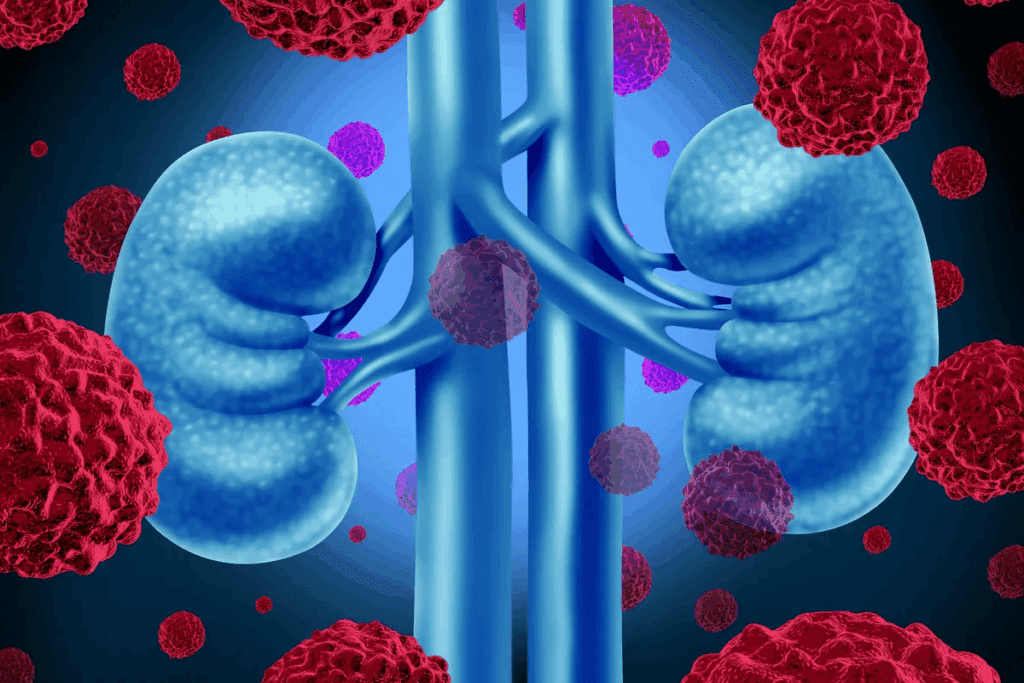
At Liv Hospital, we know how vital it is to look at all treatment options for kidney cancer. While traditional treatments are proven, research into complementary therapies is growing. These might help improve treatment results. Looking for alternative medicine for kidney cancer? Discover 7 proven and powerful natural treatments to support your health.
Studies are looking into plant compounds like honokiol, englerin A, and kahweol acetate. They might slow down tumor growth and help kill cancer cells. These natural approaches could be used alongside current treatments, giving patients new hope.
We know every patient’s story is different. We’re here to offer world-class healthcare and support. As we explore natural treatments for kidney cancer, we focus on what’s backed by evidence. Our goal is to put the patient first in every decision.
Key Takeaways
- Growing interest in complementary therapies for kidney cancer treatment
- Plant-derived compounds show promise in impacting tumor growth and cell death
- Natural approaches may complement existing treatments, giving patients new hope
- Evidence-based approaches prioritize patient-centered care
- Liv Hospital is committed to world-class healthcare delivery and international patient support
Understanding Kidney Cancer and Its Conventional Treatments
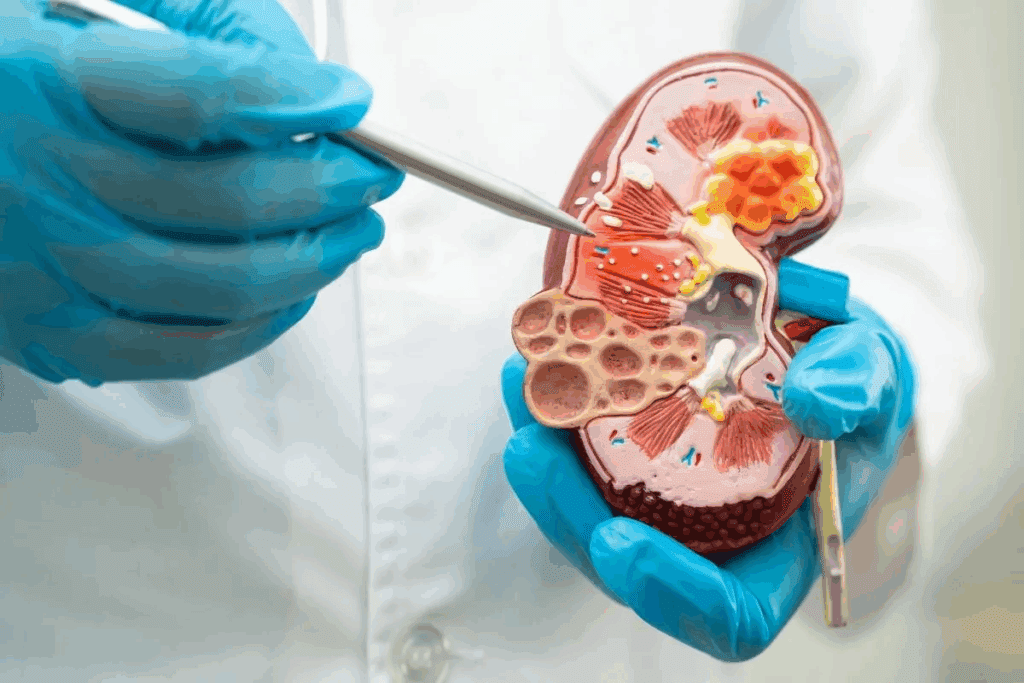
It’s important to know about kidney cancer to find good treatments. Kidney cancer starts in the kidneys. These organs filter waste and help the body work right.
Types and Stages of Kidney Cancer
Kidney cancer has different types, with renal cell carcinoma (RCC) being the most common. RCC starts in the kidney’s lining. It’s found in about 90% of cases.
The stages of kidney cancer help decide treatment and outlook. Here’s how they’re classified:
| Stage | Description |
| I | The tumor is limited to the kidney and is 7 cm or less in size. |
| II | The tumor is limited to the kidney but is larger than 7 cm. |
| III | The tumor has grown into major veins or has spread to nearby lymph nodes. |
| IV | The tumor has spread to distant lymph nodes or other organs. |
Standard Medical Treatments for Kidney Cancer
Doctors use surgery, targeted therapy, and immunotherapy to treat kidney cancer. Surgery is often the first choice, aiming to remove the tumor and sometimes the whole kidney.
- Radical Nephrectomy: Removal of the entire kidney, along with the tumor, adrenal gland, and surrounding tissues.
- Partial Nephrectomy: Removal of the tumor and a small margin of tissue around it, preserving as much of the kidney as possible.
Targeted therapy and immunotherapy are also key. Targeted therapy attacks cancer cells directly. Immunotherapy helps the immune system fight cancer better.
Limitations of Conventional Treatments
Even with progress, conventional treatments have their downsides. Surgery can be risky and may harm kidney function. Targeted therapy and immunotherapy can cause side effects and may not work for everyone.
In summary, knowing about kidney cancer and its treatments is vital. This knowledge helps patients make better choices. We’ll look at how natural therapies can help in the next sections.
The Science Behind Alternative Medicine for Kidney Cancer

Looking into alternative medicine for kidney cancer shows a mix of natural compounds and cancer cells. Researchers are finding new ways to treat this disease. They see alternative methods as a way to help traditional treatments.
Current Research on Natural Compounds
Studies are looking at compounds like honokiol and englerin A. They might help fight cancer. Honokiol comes from the Magnolia tree and could slow down cancer growth. Englerin A, from the Phyllanthus engleri plant, targets kidney cancer cells.
Key Findings in Natural Compound Research:
| Compound | Source | Potential Effects on Kidney Cancer |
| Honokiol | Magnolia tree bark | Inhibits cancer cell growth, induces apoptosis |
| Englerin A | Phyllanthus engleri | Selective toxicity towards renal cancer cells |
| Kahweol acetate | Coffee beans | May inhibit tumor growth and metastasis |
How Natural Therapies May Affect Cancer Cells
Natural therapies can stop cancer cells from growing and dying. They might also boost the immune system. Some compounds can block signals that help cancer cells grow.
The Importance of Evidence-Based Approaches
Even though natural compounds seem promising, we need solid evidence. We must test them in clinical trials. This ensures they are safe and work well.
As we learn more about alternative medicine for kidney cancer, we must make informed choices. Combining traditional and alternative treatments can lead to better care for patients.
Plant-Derived Compounds with Anti-Cancer Properties
Plant-derived compounds are being looked at as alternatives for treating kidney cancer. Research has found several natural substances that might fight cancer. We’ll look at some of these compounds and how they work.
Honokiol: Mechanism and Research
Honokiol comes from the Magnolia tree bark and might help fight cancer. It stops cancer cells from growing, including kidney cancer cells. It works by making cancer cells die and stopping new blood vessels from forming.
Studies on honokiol show it could be useful. For example, one study found it greatly reduced tumors in mice with kidney cancer. More research is needed, but honokiol is a promising area to explore.
Englerin A: A Natural Killer of Renal Cancer Cells
Englerin A is a compound from the plant Phyllanthus engleri. It’s known for killing renal cancer cells. It does this by messing with the balance of calcium inside cancer cells, causing them to die.
Early studies show englerin A is very effective against certain kidney cancer cells. Its development as a treatment is just starting, but it’s a promising lead for research.
Kahweol Acetate: A Coffee Compound with Anti-Cancer Effects
Kahweol acetate is in coffee beans. Studies are looking into its anti-cancer effects on kidney tumors. It stops kidney cancer cells from growing and makes them die.
Kahweol acetate works by blocking pathways that help tumors grow. More research is needed, but it’s an interesting compound to study further.
Other Promising Plant Compounds
Other plants also have compounds that might fight kidney cancer. Turmeric has curcumin, grapes have resveratrol, and many fruits and veggies have flavonoids. Each has its own way of working and benefits.
| Compound | Source | Mechanism of Action | Potential Benefits |
| Honokiol | Magnolia tree bark | Induces apoptosis, inhibits angiogenesis | Reduces tumor growth |
| Englerin A | Phyllanthus engleri | Disrupts calcium homeostasis in cancer cells | Selective cytotoxicity against renal cancer cells |
| Kahweol acetate | Coffee beans | Inhibits signaling pathways promoting tumor growth | Inhibits kidney cancer cell growth, induces apoptosis |
| Curcumin | Turmeric | Anti-inflammatory, antioxidant properties | Potential anti-cancer effects |
These plant compounds offer new paths for kidney cancer research. They’re promising, but more scientific studies are needed to fully understand their benefits.
Dietary Approaches for Supporting Kidney Cancer Treatment
Diet can greatly help in treating kidney cancer and improve health. Eating lots of fruits, vegetables, and whole grains is good. These foods can help fight cancer and make treatment more effective.
We will look at how diet can help with kidney cancer treatment. We will talk about good foods and those to avoid.
Anti-Inflammatory Foods and Their Benefits
Chronic inflammation can lead to cancer. Eating anti-inflammatory foods can help fight this. Turmeric and green tea are great examples because they have anti-inflammatory properties.
Fatty fish like salmon and berries are also good. They are full of omega-3 fatty acids and antioxidants.
“Adding anti-inflammatory foods to your diet is a smart move,” says Dr. [Last Name], an oncology nutrition expert. “These foods reduce inflammation and boost overall health.”
Antioxidant-Rich Foods for Cancer Support
Antioxidants protect cells from damage. Eating foods high in antioxidants helps the body fight off cancer. Leafy greens, tomatoes, and bell peppers are full of antioxidants.
Nuts and seeds, like almonds and sunflower seeds, are also good. They help keep cells healthy.
- Berries (blueberries, raspberries, strawberries)
- Leafy greens (spinach, kale)
- Nuts and seeds (almonds, sunflower seeds)
- Other vegetables (tomatoes, bell peppers)
Foods That May Help Starve Cancer Cells
Some foods can affect how cancer cells grow. Foods low in sugar and high in fiber help control blood sugar. This can starve cancer cells of energy.
Low-glycemic index foods like whole grains and most vegetables are good. They help regulate blood sugar.
Foods to Avoid During Cancer Treatment
Some foods can make treatment less effective or worsen side effects. It’s best to avoid processed foods, high-sugar foods, and unhealthy fats. These can cause inflammation and harm health.
Making smart food choices can improve treatment results and quality of life. Always talk to healthcare professionals about your diet to get the best plan for kidney cancer treatment.
Nutritional Supplements That May Support Kidney Health
Certain nutritional supplements may help keep kidneys healthy. While main treatments are key for kidney cancer, supplements can help too. We’ll look at vitamins, minerals, and herbs that might aid kidney health, and how to use them safely.
Essential Vitamins and Minerals for Kidney Function
Vitamins and minerals are vital for health, including kidney function. Key nutrients for kidney health include:
- Vitamin D: Good for bones and might help kidneys too.
- Magnesium: Keeps blood pressure and kidney function in check.
- Omega-3 fatty acids: May lower inflammation and boost health.
- Antioxidants (e.g., Vitamin C, Vitamin E): Fight oxidative stress.
Always talk to a doctor before starting any supplements. They can affect medications or cause problems in some cases.
Herbal Supplements with Potencial Benefits
Some herbal supplements might help kidney health. These include:
- Turmeric/Curcumin: Has anti-inflammatory effects.
- Ginger: May reduce inflammation and improve health.
- Green Tea: Full of antioxidants, good for overall health.
Though promising, their safety and effectiveness vary. Always check with a healthcare professional before using them.
Proper Dosing and Safety Considerations
When using supplements, dosing and safety are critical. Here are important points:
- Get advice from a healthcare provider on dosage and possible interactions.
- Opt for high-quality supplements from trusted brands.
- Watch how your body reacts to new supplements and tell your doctor if you notice any bad effects.
Being informed and careful can help you use supplements wisely to support kidney health.
Lifestyle Modifications to Support Natural Kidney Cancer Treatment
Lifestyle changes are key in fighting kidney cancer naturally. Healthy habits can boost your body’s fight against cancer. They can also make natural treatments work better.
Regular Exercise and Its Benefits
Exercise is vital for a healthy life, more so when fighting kidney cancer. It boosts physical health, cuts down on tiredness, and improves life quality. Aim for 30 minutes of moderate exercise daily, like walking, cycling, or swimming.
Benefits of Regular Exercise:
- Improved cardiovascular health
- Enhanced immune function
- Reduced stress and anxiety
- Improved sleep quality
- Increased energy levels
Effective Stress Management Techniques
Managing stress is critical when fighting kidney cancer naturally. Too much stress can harm your immune system and health. Try meditation, deep breathing, and yoga to reduce stress and relax.
| Stress Management Technique | Benefits |
| Meditation | Reduces stress, improves mental clarity |
| Deep Breathing | Promotes relaxation, lowers blood pressure |
| Yoga | Enhances flexibility, reduces anxiety |
Sleep Quality and Cancer Recovery
Good sleep is essential for health and cancer recovery. Sleep helps the body fix damaged cells, build muscle, and boost the immune system. Aim for 7-9 hours of sleep each night.
Tips for Improving Sleep Quality:
- Establish a consistent sleep schedule
- Create a relaxing bedtime routine
- Avoid caffeine and electronics before bedtime
- Create a dark, quiet sleep environment
By making these lifestyle changes, you can help your body fight kidney cancer naturally. These changes can also improve your overall health and well-being.
Mind-Body Approaches for Cancer Support
Cancer treatment is more than just physical care. Mind-body approaches are key for mental and emotional health. These methods help patients feel better and improve their overall well-being.
Meditation and Mindfulness Practices
Meditation and mindfulness are powerful tools for cancer support. They help manage stress and anxiety, improving life quality. Mindfulness-based stress reduction (MBSR) programs combine meditation, yoga, and stress reduction education. They reduce depression and anxiety in cancer patients.
These practices help patients stay present and deal with treatment challenges. Regular mindfulness can change the brain, leading to better emotional control and less stress. This is very helpful for cancer patients who often feel emotionally overwhelmed.
Yoga and Gentle Movement Therapies
Yoga is becoming a popular therapy in cancer care. It combines physical postures, breathing, and meditation. Studies show yoga improves physical function, reduces fatigue, and boosts well-being in cancer patients.
Gentle yoga practices are great for those with limited physical abilities. They help during and after treatment. Other gentle movements like tai chi and qigong also offer benefits. They help with balance, stress reduction, and relaxation.
Psychological Support and Cancer Outcomes
The emotional impact of cancer is significant. Psychological support, like counseling and support groups, is essential. It helps patients deal with emotional challenges. Research shows it can improve cancer outcomes by helping manage stress and treatment adherence.
Addressing psychological needs also improves communication with doctors and symptom management. It enhances quality of life. By adding mind-body approaches to cancer care, we offer more support to patients.
Traditional Medicine Systems and Kidney Cancer
Traditional medicine is getting more attention for treating kidney cancer. It’s important to look at how different systems handle kidney health and cancer treatment.
Traditional Chinese Medicine Approaches
Traditional Chinese Medicine (TCM) treats kidney cancer in a holistic way. It uses herbal remedies, acupuncture, and dietary therapy. Herbal remedies like Astragalus and Licorice root boost the immune system and lessen treatment side effects.
Acupuncture is a big part of TCM. It helps with pain and improves overall health. Research shows it might help with cancer symptoms too.
Ayurvedic Treatments for Kidney Health
Ayurveda, an ancient Indian medicine, supports kidney health in many ways. It suggests dietary changes, herbal supplements, and lifestyle tweaks. Turmeric is used for its anti-inflammatory effects.
Ayurvedic treatments aim to balance the body’s energies and boost natural healing. While more research is needed, Ayurveda can be a good addition to traditional treatments.
Other Traditional Healing Systems
Other traditional healing systems worldwide offer unique kidney cancer treatments. For example, Kampo medicine in Japan and Unani medicine in the Middle East and South Asia use their own herbal remedies and practices.
These systems show the global diversity in cancer care. As we explore these options, it’s key to mix them with proven practices for better care for kidney cancer patients.
Integrating Natural Therapies with Conventional Treatment
Combining natural therapies with standard medical care needs careful planning. It’s important to work with healthcare professionals to ensure safe and effective use. This way, we can explore the benefits of complementary approaches together.
Creating a Complementary Treatment Plan
Creating a treatment plan that includes both conventional and natural therapies is key. We recommend consulting with your healthcare team to find the best complementary approaches for you.
This involves looking at your overall health, the type and stage of your kidney cancer, and any treatments you’ve had before. By taking a holistic view, we can make a plan that supports your treatment and improves your well-being.
Communicating with Your Healthcare Team
It’s important to talk openly with your healthcare providers about natural therapies. We encourage patients to discuss their interests in complementary approaches with their doctors. This ensures everyone is on the same page.
Your healthcare team can offer insights on possible interactions between natural therapies and conventional treatments. By working together, you can make informed decisions that support your treatment plan.
Avoiding Harmful Interactions
One major concern is the risk of harmful interactions when combining natural therapies with conventional treatment. Some supplements or herbal remedies can affect how well medications work or increase side effects.
- Always inform your healthcare team about any supplements or alternative therapies you’re considering.
- Be cautious with substances that may affect blood clotting, blood pressure, or blood sugar levels.
- Monitor your body’s response to new therapies and report any unusual symptoms to your healthcare providers.
Monitoring Progress and Adjusting Approaches
Regular monitoring is key when using natural therapies with conventional treatment. We recommend keeping a detailed log of your treatments, including any complementary approaches, to track your progress and identify any issues.
By working closely with your healthcare team and staying vigilant, you can adjust your treatment plan as needed. This collaborative approach allows for flexibility and responsiveness to changes in your condition.
Potential Risks and Limitations of Natural Kidney Cancer Treatments
Natural treatments can be helpful, but they have their limits when it comes to kidney cancer. We need to look at both the good and the bad sides of natural therapies.
Understanding the Lack of Definitive Natural Cures
Natural treatments for kidney cancer often fall short of being a cure. Some natural compounds show promise, but there’s no solid proof they can cure kidney cancer on their own. This is something patients need to think about carefully.
As Dr.
Experts say natural treatments should be used along with conventional ones, not instead of them.
Risks of Delaying Conventional Treatment
Choosing natural treatments over conventional ones can be risky. Kidney cancer gets worse over time, and waiting too long to treat it can make it harder to cure. This can lead to more serious problems and the cancer spreading.
- Progression of the disease
- Reduced treatment options
- Increased risk of metastasis
Potential Side Effects and Interactions
Natural treatments might seem safe, but they can have side effects and interact with other drugs. For instance, some herbal supplements can interact with blood thinners or affect liver function. It’s important for patients to know about these risks and talk to their doctor.
| Natural Treatment | Potential Side Effect | Potential Interaction |
| Herbal Supplements | Liver damage | Blood thinners |
| High-dose Vitamins | Gastrointestinal issues | Chemotherapy |
Red Flags and Warning Signs
Be careful of treatments that seem too good to be true or make big promises. Red flags include guaranteed cures, lack of scientific evidence, and aggressive marketing tactics. Knowing these warning signs can help patients make better choices.
Understanding the risks and limits of natural treatments for kidney cancer helps patients make informed choices. It’s important to view natural therapies with a balanced perspective, seeing both their benefits and drawbacks.
Case Studies and Patient Experiences
Studies show that mixing natural and traditional treatments for kidney cancer works well. These examples help us see how natural methods can help with traditional treatments.
Successful Integration of Natural and Conventional Approaches
Many case studies show the good results of using natural and traditional treatments together. For example, a patient who had surgery for kidney cancer ate foods full of antioxidants and anti-inflammatory properties. This helped them recover better and lower their chance of the cancer coming back.
Another case is a patient who got targeted therapy and also used mindfulness and stress management. This holistic approach helped them deal with side effects and feel better overall.
Key elements of successful integration include:
- Personalized treatment plans that combine conventional and natural therapies
- Close monitoring by healthcare professionals to adjust approaches as needed
- Patient education on making informed decisions about their care
Lessons Learned from Patient Journeys
What patients go through teaches us a lot about using natural therapies with traditional ones. One big lesson is the need for a supportive healthcare team that can use natural methods.
Patients who use both natural and traditional treatments often feel better and have more control over their care. Their stories show we need more research on the good and bad of mixing these treatments.
What Medical Professionals Observe in Practice
Doctors who work with patients using natural and traditional treatments see good results. They notice better side effect management and stronger patient resilience.
Doctors say it’s important to make decisions based on evidence when using natural therapies. They also stress the need for clear communication between patients and their healthcare teams for safe and effective care.
- Collaboration between healthcare providers and patients is key for success.
- We need more research to understand the benefits and risks of combined treatments.
- Helping patients understand and support their treatment plans is vital.
Conclusion: A Balanced Approach to Kidney Cancer Treatment
When dealing with kidney cancer, a mix of traditional and natural treatments is often the best choice. This blend can lead to better results for patients. It’s important to know the good and bad of each type to make smart decisions about treatment.
Combining proven traditional treatments with natural therapies can be very effective. This might include changing your diet, taking supplements, or practicing mind-body techniques. Always talk to your doctor before adding these to your treatment plan.
Choosing a balanced treatment approach can greatly improve your life and treatment success. It’s key to work with your healthcare team. They can help create a plan that fits your needs, using both traditional and natural methods.
FAQ
What is kidney cancer and how is it typically treated?
Kidney cancer starts in the kidneys. Treatments include surgery, targeted therapy, and chemotherapy. We look at how natural therapies can help.
Can natural compounds really help treat kidney cancer?
Some natural compounds might fight kidney cancer cells. But, always check with doctors before trying new treatments.
How can dietary choices support kidney cancer treatment?
Eating foods that fight inflammation and boost antioxidants helps. Omega-3s, vitamins, and minerals are good. Avoid processed and sugary foods.
Are there any nutritional supplements that can support kidney health during cancer treatment?
Vitamins D and B6, and herbs like turmeric and ginger might help. But, talk to your doctor about the right amounts and safety.
Can lifestyle modifications really make a difference in kidney cancer treatment?
Yes, exercise, managing stress, and good sleep help. They support natural treatment and overall health.
How can mind-body approaches support cancer patients?
Meditation, mindfulness, and yoga reduce stress and improve mental health. They might also help with cancer outcomes.
Can traditional medicine systems be used to treat kidney cancer?
Traditional Chinese Medicine and Ayurveda offer treatments for kidney cancer. But, use them with conventional treatments under doctor’s guidance.
How can I integrate natural therapies with conventional kidney cancer treatment?
Make a treatment plan with your doctor. Talk about natural therapies and avoid harmful interactions.
What are the possible risks of relying only on natural treatments for kidney cancer?
Relying only on natural treatments can delay needed treatments. It can also cause side effects or interactions. Always consult with doctors.
Are there any natural ways to starve kidney cancer cells?
Some studies suggest natural compounds and diets might starve cancer cells. But, more research is needed. Always talk to your doctor before making changes.
How can I ensure I’m getting the most out of my kidney cancer treatment?
Work with your healthcare team and use natural therapies wisely. A healthy lifestyle also helps improve treatment outcomes.



 Departments
 Related Videos
 Our Doctors
 News
News