Efficient movement and athletic performance rely heavily on strong hip flexors. The iliopsoas, made up of the psoas major and iliacus, is key for stability in the lower back and hips. Weak hip flexors can make daily tasks harder and raise the risk of injury.
At Liv Hospital, we know how important strong hip flexors are for staying mobile and healthy. Our approach focuses on you, using the latest in exercise science and personalized care. This helps you reach your best musculoskeletal health.
Six targeted exercises detailing how to strengthen hip flexors for improved core and lower body function.
Key Takeaways
- Strong hip flexors are essential for efficient movement and athletic performance.
- The iliopsoas muscle plays a critical role in stability of the lower back and hips.
- Weak hip flexors can increase the risk of injury and compromise functional capacity.
- Strengthening hip flexors is vital for maintaining mobility and long-term functional health.
- Liv Hospital’s patient-centered approach combines evidence-based exercise science with personalized care.
Understanding Hip Flexors: Anatomy and Function
Hip flexors are muscles that let us bend our legs at the hip. This is key for our daily life. They are located at the front of the hip and pelvis.
What Are Hip Flexors?
The main muscles of the hip flexors are the psoas major and the iliacus. Together, they form the iliopsoas complex. This complex is key for moving our legs towards our chest.
The Iliopsoas Complex
The iliopsoas complex is the main muscle group for hip flexion. It starts at the lumbar spine and pelvis and ends at the femur. The iliopsoas is vital for keeping our posture right and for movements like walking and running.
Role in Movement and Stability
Hip flexors are essential for many physical activities. They help us bend our legs at the hip. This is needed for climbing stairs, standing up, and staying balanced.
Their role in movement and stability is clear when we look at how they function in different activities:
Activity | Role of Hip Flexors | Importance |
Walking | Assists in lifting the leg | Essential for gait cycle |
Running | Helps in quick leg flexion | Critical for speed and agility |
Climbing Stairs | Facilitates lifting the leg | Vital for ascending |
Knowing about hip flexors helps us see their role in our daily movements. It also helps us keep them healthy with the right exercises.
Why Strong Hip Flexors Matter
Strong hip flexors are key for both sports and daily life. They help with lower body strength, stability, and flexibility. This is why they’re so important.
Impact on Athletic Performance
Athletes with strong hip flexors do better in sports. They run faster, jump higher, and change direction quicker. Hip flexor strength is linked to power and speed, making it vital for training.
Studies show hip flexor exercises improve performance. For example, soccer players with stronger hip flexors sprint faster and are more agile. This shows how important hip flexor exercises are for athletes.
Connection to Lower Back Health
Weak hip flexors can cause lower back pain and injuries. Tight or weak hip flexors lead to pelvic imbalance and strain on the lower back. Strengthening the hip flexors can improve posture and reduce lower back strain.
Strong hip flexors also help keep the pelvis aligned. This is key for avoiding lower back pain. By keeping hip flexors strong and flexible, we can lower our risk of back problems.
Mobility and Functional Movement Benefits
Strong hip flexors are vital for mobility and functional movements. They make daily activities like walking and climbing stairs easier. Improved hip flexor strength enhances mobility and reduces mobility issues.
Strong hip flexors also improve balance and coordination. This is important for preventing falls and injuries, mainly in older adults. Strengthening hip flexors helps keep people independent and mobile as they age.
Signs of Weak Hip Flexors
Knowing the signs of weak hip flexors is key to staying mobile and avoiding injuries. Weak hip flexors make everyday tasks harder and can hurt our sports performance.
Common Symptoms and Movement Limitations
Weak hip flexors show up in many ways. You might find it hard to walk or climb stairs. You might also feel tightness or strain in your hip or lower back. Or, your hip joint might not move as well as it should.
Performance Indicators
For athletes or those who exercise a lot, weak hip flexors can really slow you down. You might run slower, tire faster, or struggle with certain moves. Spotting these signs early can help fix the problem.
Postural Issues Related to Hip Flexor Weakness
Hip flexor weakness can mess with how you stand and move. It can cause your hips and knees to line up wrong. This can lead to bad posture, lower back pain, or even knee injuries.
Signs | Description | Impact |
Reduced Range of Motion | Difficulty in moving the hip through its full range | Limits daily activities and athletic performance |
Postural Changes | Alterations in gait or posture due to hip flexor weakness | Can lead to lower back pain or knee injuries |
Performance Decline | Noticeable decrease in athletic performance or endurance | Affects overall physical capability and efficiency |
Understanding these signs and acting fast can keep your hip flexors strong. By spotting the symptoms and performance drops of weak hip flexors, you can start strengthening them. This helps prevent future problems.
Research-Backed Benefits of Hip Flexor Strengthening
Strengthening hip flexors offers many benefits, backed by science. It’s good for athletes and anyone wanting better mobility and less injury risk.
Performance Improvements in Studies
Studies show hip flexor strengthening boosts athletic performance. It can make you faster and more agile. Let’s look at some of these studies.
A study in the Journal of Strength and Conditioning Research found hip flexor strengthening improves sprint times. It showed a 3.8% decrease in 40-yard sprint times and a 9% improvement in shuttle run times.
The 6-Week Training Program Results
A six-week trial showed hip flexor strengthening’s effectiveness. Participants in the trial saw a big increase in hip flexion strength. This was compared to those who didn’t do the strengthening program.
Performance Metric | Pre-Training | Post-Training | Percentage Change |
40-Yard Sprint Time | 5.2 seconds | 5.0 seconds | -3.8% |
Shuttle Run Time | 10.5 seconds | 9.6 seconds | -9% |
Hip Flexion Strength | 120 Nm | 150 Nm | +25% |
Injury Prevention Findings
Hip flexor strengthening also lowers injury risk. It makes muscles around the hip stronger. This helps prevent strains and overuse injuries.
Adding hip flexor strengthening to your routine can boost performance and lower injury risk. It keeps your hips healthy while improving your athletic skills.
Preparation Before Starting Hip Flexor Exercises
Before starting hip flexor exercises, it’s important to get your body ready. The right preparation makes exercises more effective and lowers injury risk. We’ll show you how to get ready for your workout.
Proper Warm-Up Techniques
A good warm-up is key before any workout, including hip flexor exercises. Dynamic stretching is great because it gets your muscles ready by increasing blood flow and warming them up. Leg swings, lunges, and high knees are good examples. They help loosen muscles and improve flexibility.
Adding cardiovascular exercises like jogging or cycling for a few minutes also helps. It raises your heart rate and warms your muscles further.
Warm-Up Exercise | Description | Duration |
Leg Swings | Stand with your feet hip-width apart and swing one leg forward and backward. | 3 sets of 10 reps per leg |
Lunges | Perform walking lunges, stepping out with one foot and lowering your body until your back knee almost touches the ground. | 3 sets of 10 reps per leg |
High Knees | Run in place, bringing one knee up towards your chest while keeping the other foot on the ground. | 3 sets of 20 reps |
Equipment Needed
Many hip flexor exercises use your body weight, but the right gear can improve your workout. Resistance bands add resistance to your exercises. A stability ball is useful for exercises that target the hip flexors.
Adjustable dumbbells are great for adding weight to your exercises at home or in the gym. This makes your workout more challenging.
Safety Considerations
Knowing your body’s limits and any health issues is important. If you have chronic injuries or conditions, talk to a doctor before starting a new exercise plan.
Always listen to your body and stop if you feel pain or discomfort. Using the right form and technique is key to avoid injuries and make exercises effective.
How to Strengthen Hip Flexors: 6 Proven Exercises
Strengthening your hip flexors is key for better lower body strength and mobility. Weak hip flexors can cause poor posture, lower back pain, and lower athletic performance. Here, we’ll show you six effective exercises to strengthen your hip flexors. This will improve your fitness and lower injury risks.
Exercise 1: Active Straight Leg Raises
Active straight leg raises are great for strengthening the hip flexors. Lie on your back with one leg straight and the other bent. Lift the straight leg 6-8 inches off the ground, hold for a few seconds, then lower it back down. This exercise is very effective, producing over 60 percent maximum voluntary isometric contraction activity. Do the same on the other leg.
Exercise 2: Supine Hip Flexion
Supine hip flexion is a powerful exercise for the hip flexors. Lie on your back with knees bent and feet flat. Slowly lift one knee towards your chest, hold for a few seconds, then lower it back down. This exercise boosts flexibility and strength in the hip flexor muscles. Switch legs with each repetition.
Exercise 3: Standing Hip Flexor Strengthening
Standing hip flexor strengthening exercises involve standing with feet shoulder-width apart. Take a large step forward with one foot and lift the knee of the other leg, keeping your back straight. Hold for a few seconds, then lower back down. This exercise strengthens the hip flexors and improves balance and coordination. Switch legs with each repetition.
Exercise 4: Captain’s Chair Leg Raises
Captain’s chair leg raises use a captain’s chair apparatus. Hold onto the armrests with your forearms and lift your legs, keeping them straight. Lift your legs until they are parallel to the ground, then lower them back down slowly. This exercise targets the hip flexors and also engages the core muscles, providing a full lower body workout.
Adding these exercises to your fitness routine will greatly improve your hip flexor strength. This will enhance your mobility and reduce the risk of lower back pain and other issues.
Common Mistakes to Avoid When Training Hip Flexors
Strengthening hip flexors requires avoiding common mistakes. Weak hip flexors can cause muscle imbalances and poor form. Knowing what to avoid is key for effective training.
Form Errors and Corrections
Using the wrong form when training hip flexors is a big mistake. It can make exercises less effective or even cause injuries. For example, arching your back during leg raises strains your lower back, not your hip flexors. To fix this, keep your core tight and your spine straight.
Another mistake is using momentum to lift your legs instead of muscle power. This makes exercises less effective and raises injury risks. Lift your legs slowly and with control to focus on hip flexor muscles.
Overtraining Risks
Training hip flexors too much can cause fatigue and strain. It’s important to give them time to recover between workouts. Overtraining can lower performance and may cause chronic injuries needing long rest periods.
To avoid overtraining, mix up the intensity and volume of your workouts. Alternate between high-intensity days and low-intensity recovery days. This lets your hip flexors recover and rebuild.
Muscle Imbalance Concerns
Muscle imbalance happens when hip flexors are much stronger than hip extensors. This can harm posture, athletic performance, and increase injury risk. It’s vital to strengthen hip extensors and other muscles to avoid this.
A good training program balances exercises for both hip flexors and hip extensors. This balance keeps muscles in check, boosting lower body strength and stability.
Balancing Hip Flexor Strength with Hip Extensors
We know that balancing hip flexor and hip extensor strength is vital for top athletic performance and injury prevention. This balance is key to keeping the hips working right and the lower body healthy.
The Importance of Muscle Balance
Muscle balance between hip flexors and extensors is essential for avoiding injuries and top performance. If one group is much stronger, it can cause muscle imbalances. This can lead to lower back pain and lower athletic performance.
Benefits of Muscle Balance:
- Improved athletic performance
- Reduced risk of injury
- Better posture and reduced lower back pain
- Enhanced overall hip function
Complementary Exercises for Hip Extensors
To find balance, it’s important to do exercises that strengthen the hip extensors. Some good exercises include:
- Deadlifts
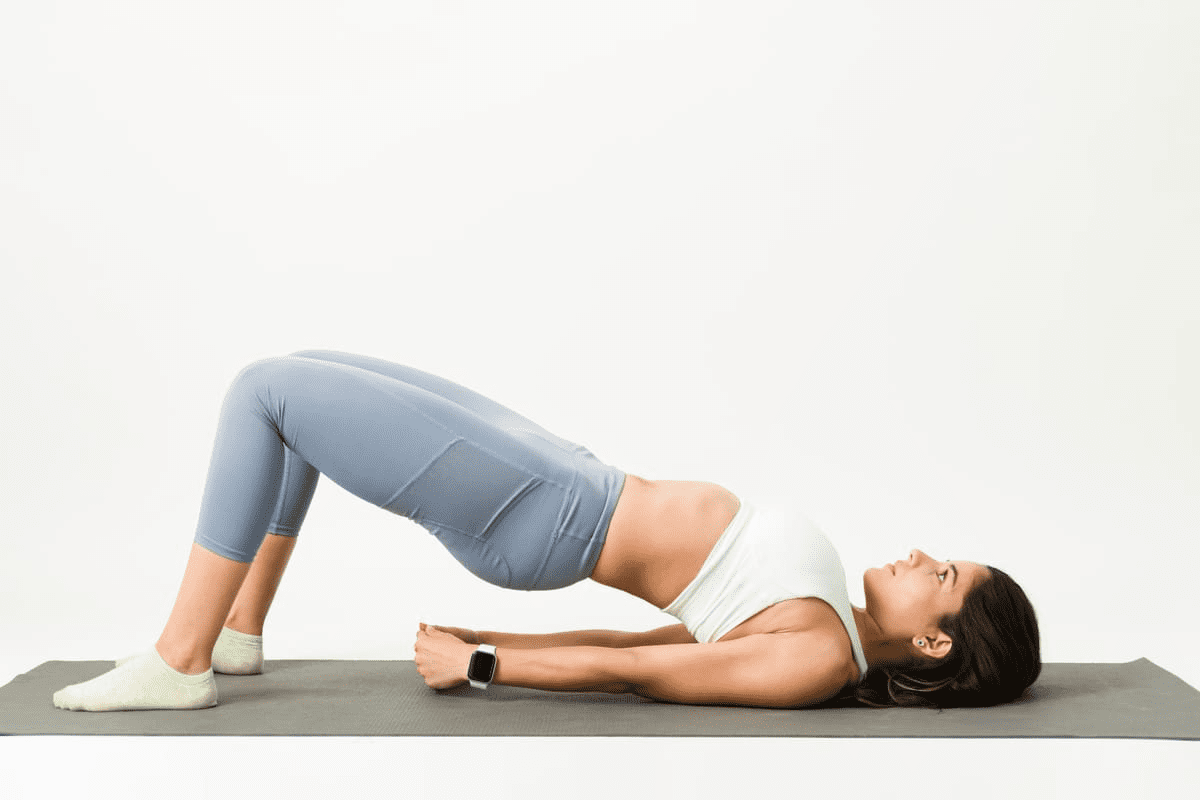
- Glute bridges
- Hamstring curls
- Superman exercises
These exercises focus on the gluteus maximus and hamstrings, which are key hip extensor muscles.
Creating a Complete Hip Strengthening Program
A good hip strengthening program should mix both hip flexor and extensor exercises. Here’s a sample program structure:
Exercise Type | Example Exercises | Frequency |
Hip Flexor Exercises | Active Straight Leg Raises, Supine Hip Flexion | 2-3 times a week |
Hip Extensor Exercises | Deadlifts, Glute Bridges, Hamstring Curls | 2-3 times a week |
By adding both hip flexor and extensor exercises to your routine, you can get a balanced hip strengthening program. This will improve hip health and function overall.
Tracking Progress and Advancing Your Hip Flexor Training
To get the most out of hip flexor training, it’s key to check and tweak our methods often. As we move forward, understanding how to see strength gains and when to step up our exercises is essential.
Measuring Strength Improvements
Tracking strength gains is a big part of hip flexor training success. We can do this by checking our performance in the exercises we’re doing. For example, we can track how many reps we can do with a certain weight.
An increase in reps or sets means we’re getting stronger. We can also measure how fast we finish exercises. As we get stronger, we’ll do them quicker. Using tools like dynamometers can also help us see how much we’ve improved.
Method | Description | Indicator of Progress |
Tracking Repetitions | Count the number of repetitions performed with a certain weight or resistance. | Increase in the number of repetitions. |
Measuring Time | Record the time taken to complete a specific exercise or set. | Decrease in time taken. |
Dynamometer Tests | Use a dynamometer to measure the force exerted by the hip flexors. | Increase in force measured. |
When to Increase Difficulty
Knowing when to make our exercises harder is key for growth. We should up the intensity when we can easily do the recommended number of reps and sets. This shows our hip flexors are ready for more.
We can make exercises harder by adding weight, reps, or changing the exercise. For example, moving from bodyweight exercises to weighted ones or using resistance bands can add a challenge.
Advanced Variations for Continued Growth
When we’ve mastered the basics, it’s time to try more challenging exercises. These can include complex movements or exercises that work the hip flexors from different angles.
Try plyometric exercises for quick, powerful movements. Or, add balance and stability challenges to work the hip flexors in new ways. Single-leg squats or exercises on unstable surfaces are good examples.
Common Questions About Hip Flexor Strengthening
Exploring hip flexor strengthening raises many questions. How do you start and get the best results? Strengthening these muscles boosts your mobility and athletic performance. Let’s tackle some common questions about training your hip flexors.
How Often Should I Train My Hip Flexors?
How often you train your hip flexors is key. We suggest training 2-3 times per week. This allows for enough rest time between workouts. It helps build strength without overdoing it.
- Beginners should start with 2 times per week and gradually increase frequency as their strength and endurance improve.
- Advanced trainees can train their hip flexors up to 3 times per week, focusing on different exercises to target various muscle fibers.
Can I Strengthen My Hip Flexors Without Equipment?
Yes, you can strengthen your hip flexors without equipment. Bodyweight exercises are great for building strength. They can be adjusted for different fitness levels. Here are a few examples:
- Bodyweight leg raises: Lie on your back and raise one leg towards the ceiling, then lower it back down without touching the floor, and repeat with the other leg.
- Standing hip flexor march: Stand with your feet hip-width apart and march in place, lifting your knees high towards your chest.
These exercises can be done anywhere. They’re perfect for those without equipment.
How Long Does it Take to See Results?
The time to see results varies. It depends on your fitness level, how often you train, and your workout routine. Generally, you’ll notice improvements in 4-6 weeks with regular training.
Be patient and keep training. A balanced fitness routine with hip flexor exercises will give the best results.
Conclusion
Strong hip flexors are key for staying mobile, boosting athletic skills, and keeping us healthy for the long term. By learning about hip flexors, spotting weakness signs, and doing the right exercises, you can greatly improve your health.
Our article shows that focusing on hip flexors can really help. It makes a big difference in how well you move and perform in sports. Strong hip flexors are essential for many activities.
We urge you to begin strengthening your hip flexors today. Use the exercises and tips we shared to boost your strength and health. This will help you move better and lower your injury risk.
FAQ
How often should I train my hip flexors?
Train your hip flexors at least twice a week. Make sure to have enough rest in between to avoid overtraining. This helps your muscles grow stronger.
Can I strengthen my hip flexors without equipment?
Yes, you can do it without any equipment. Try bodyweight exercises like active straight leg raises and supine hip flexion.
How long does it take to see results from hip flexor strengthening exercises?
Seeing results can take different times for everyone. It depends on how often and how hard you train, and where you start. But, you can notice improvements in about 6 weeks.
What are the best hip flexor strengthening exercises?
Some top exercises include active straight leg raises, supine hip flexion, standing hip flexor strengthening, and captain’s chair leg raises.
How do I know if I have weak hip flexors?
Weak hip flexors might cause lower back pain, hip pain, or trouble with daily activities. This includes climbing stairs or getting up from sitting.
Can strengthening hip flexors help with injury prevention?
Yes, it can. Strengthening them improves muscle balance and athletic performance. It also lowers the risk of strains and injuries.
How do I balance hip flexor strength with hip extensors?
To balance, add exercises that work the hip extensors to your routine. Deadlifts and glute bridges are good examples.
What are the benefits of strong hip flexors?
Strong hip flexors boost athletic performance and improve movement. They also help prevent lower back pain and injuries.
References
https://pubmed.ncbi.nlm.nih.gov/32669487