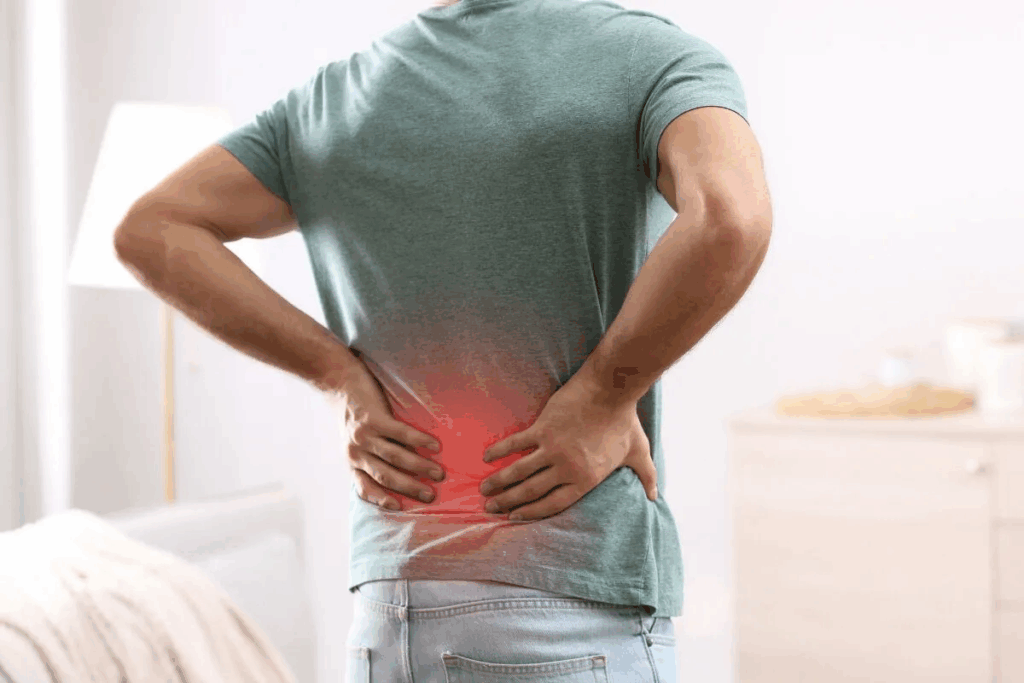
Lower back pain is a big problem, affecting almost four in ten adults globally. It can range from occasional stiffness to chronic pain that hinders your daily life. Knowing how to find relief is key. Seven effective stretching and relaxation techniques for releasing tight back muscles and lower back tension.
At Liv Hospital, we combine the latest medical knowledge with care focused on you. We aim to help you feel better and move freely again. Our approach tackles the main reasons for lower back tightness, giving you tailored ways to handle your condition.
Find out about seven effective ways to ease your lower back muscles and boost your health.
Key Takeaways
- Understand the causes and impact of lower back pain
- Learn effective relief methods to manage lower back tightness
- Discover personalized solutions for regaining comfort and mobility
- Explore seven proven methods to loosen lower back muscles
- Improve your overall well-being with our complete care
Understanding Why Your Lower Back Gets Tight
Tightness in the lower back often means we need to make some changes. When we feel tightness lower back, it’s a sign our muscles are stressed. This stress can come from many things.
Common Causes of Lower Back Tightness
There are many reasons why our lower back gets tight. Some common ones include:
- Prolonged sitting or standing
- Poor posture
- Occupational ergonomic factors
- Obesity
- Inadequate physical activity
These factors put strain on our lower back muscles. This strain can make our back feel back tight. Knowing what causes it helps us fix the problem.
How to Recognize When Your Lower Back Muscles Need Relief
It’s important to know when our lower back muscles need help. If you feel lower back very tight often, it’s time to make some changes. This could mean adjusting your daily habits or getting professional help.
Some signs you need relief include:
- Persistent pain or stiffness in the lower back
- Difficulty standing up straight or walking
- Reduced flexibility or range of motion
By noticing these signs and understanding the causes, we can start to find relief. We can learn how to release my lower back from tightness.
Method 1: Targeted Stretching Exercises for Immediate Relief
Tightness in the lower back can really hurt. But, certain stretches can ease this pain. Regular stretching can also improve your posture and reduce muscle tension. It helps blood flow better, making your lower back feel less stiff and sore.
Knee-to-Chest and Pelvic Tilt Stretches
The knee-to-chest stretch is easy but very effective. Lie on your back, bring one knee towards your chest, and hold it with your hand. Pull your knee towards your chest until you feel a stretch in your lower back. Hold for 30 seconds and then switch legs.
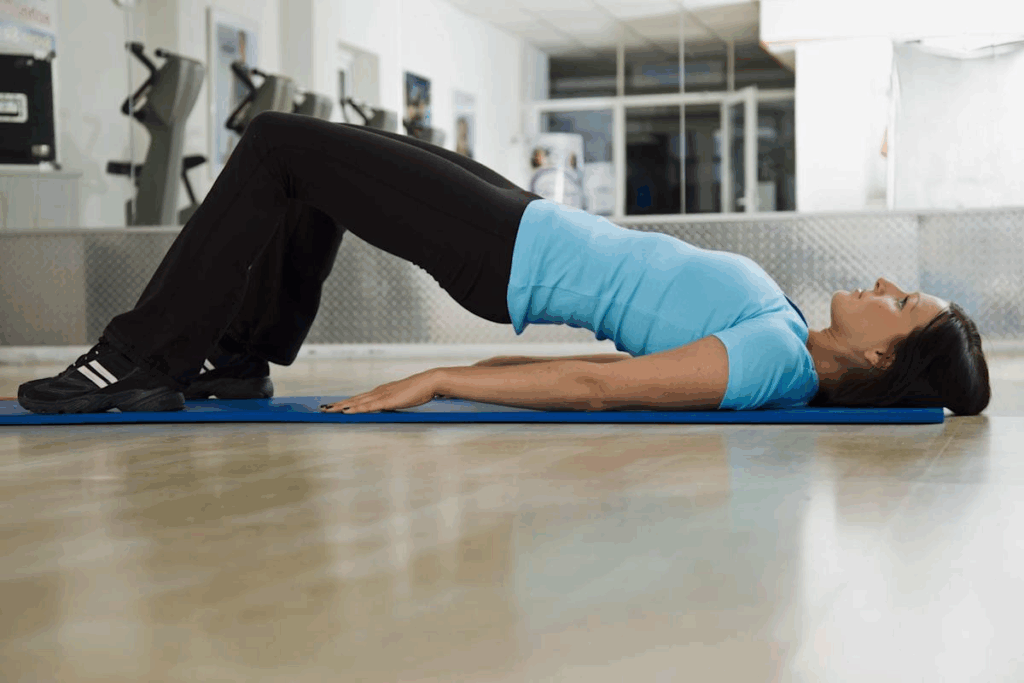
The pelvic tilt stretch is great for relaxing your lower back muscles. Lie on your back with your knees bent and feet flat on the floor. Tilt your pelvis upwards and then back down, repeating for 10-15 repetitions.
Cat-Cow and Child’s Pose Variations
The cat-cow stretch is great for loosening your lower back. Start on your hands and knees. Arch your back, lifting your tailbone and head towards the ceiling (cat pose). Then, round your back, tucking your chin to your chest and your tailbone towards the floor (cow pose). Repeat for 10-15 repetitions.
Child’s Pose is a resting stretch that can help elongate your back and relieve tension. Kneel on the floor, then sit back onto your heels and stretch your arms out in front. Lower your forehead to the ground. Hold for 30 seconds to a minute, breathing deeply.
Piriformis and Hamstring Stretches for Related Tension
Tightness in the piriformis and hamstring muscles can also cause lower back discomfort. The piriformis stretch involves sitting on the floor with the affected leg crossed over your other leg. Place your hand on the knee of the crossed leg and pull it toward your opposite shoulder. You should feel a stretch in the back of your leg.
For the hamstring stretch, sit on the floor with your legs straight out in front of you. Lean forward, reaching for your toes, until you feel a stretch in the back of your legs. Hold each stretch for 30 seconds.
Stretching Exercise | Primary Benefit | Duration |
Knee-to-Chest | Relieves lower back tension | 30 seconds per leg |
Pelvic Tilt | Relaxes lower back muscles | 10-15 repetitions |
Cat-Cow | Loosens lower back and improves flexibility | 10-15 repetitions |
Child’s Pose | Elongates the back and relieves tension | 30 seconds to 1 minute |
Piriformis Stretch | Relieves tension in piriformis muscle | 30 seconds per leg |
Hamstring Stretch | Relieves tension in hamstring muscles | 30 seconds |
Method 2: Self-Massage Techniques for Tight Back Muscles
Self-massage can help ease lower back tension. It lets you manage muscle tightness on your own. This way, you get quick relief without needing help from others.
Using Foam Rollers for Deep Tissue Release
Foam rollers are great for deep tissue massage. They help lessen muscle soreness and boost blood flow. To use one, place it under your lower back, just above the hips.
Slowly move the roller up towards your middle back, applying gentle pressure. Pay attention to any tight or sore spots.
Remember to breathe deeply and relax as you apply pressure. If you hit a sore spot, stop and hold the roller there for a few seconds. This will help the tension ease.
Tennis Ball and Lacrosse Ball Pressure Point Therapy
Tennis and lacrosse balls can target specific back spots. Place the ball between your back and a wall or floor, depending on the area you’re focusing on. Lean into the ball and roll it to massage the muscles.
Lacrosse balls are great because they’re hard and small. They can deeply penetrate muscle tissue. They’re perfect for areas like the piriformis and quadratus lumborum, which often cause lower back pain.
Tool | Benefits | Best for |
Foam Roller | Deep tissue release, improves circulation | Large muscle groups, upper and lower back |
Tennis Ball | Targets specific pressure points | Smaller areas, trigger points |
Lacrosse Ball | Deep penetration, effective for stubborn knots | Piriformis, quadratus lumborum, deep tissue |
Massage Tools and Devices for Hard-to-Reach Areas
Specialized tools are great for hard-to-reach spots like the upper back or between the shoulder blades. These tools come in different shapes and sizes, designed for specific areas.
Some tools have ergonomic handles for easy self-massage without straining your back or shoulders. Others have multiple nodes or rollers for a more thorough massage.
“Massage therapy can reduce stress, alleviate pain, and improve overall well-being.” — National Center for Complementary and Integrative Health
Adding self-massage to your daily routine can greatly reduce muscle tension and improve back health. Use foam rollers, tennis balls, or specialized tools. The key is to practice regularly and be patient.
Method 3: Heat and Cold Therapy Applications
Heat and cold therapy are two ways to ease back muscles tightness. They work in different ways to help with pain. Heat is good for long-term tightness, while cold is best for sudden injuries.
When to Use Heat for Chronic Muscle Tightness
Heat therapy is great for chronic muscle tightness. It increases blood flow, relaxes muscles, and cuts down pain. “Heat therapy is a simple and effective way to manage chronic pain,” say doctors.
Apply heat for 15-20 minutes, several times a day. This helps loosen your back and boosts flexibility.
The benefits of heat therapy include:
- Relaxation of muscles
- Increased flexibility
- Improved circulation
When Cold Therapy Works Best for Acute Discomfort
Cold therapy is best for acute injuries or inflammation. It reduces swelling and numbs pain. Use cold packs for 15-20 minutes, wrapped in a cloth to avoid skin contact.
Cold therapy is great for the first stages of injury. It helps reduce swelling and eases back muscles tightness.
The benefits of cold therapy include:
- Reduced inflammation
- Numbing of pain
- Constriction of blood vessels to prevent fluid buildup
In conclusion, knowing when to use heat or cold therapy can greatly help with lower back tightness. By picking the right therapy, you can loosen your back and lessen muscle tension. This improves your life quality.
Method 4: Ergonomic Adjustments to Prevent Lower Back Tightness
Making ergonomic adjustments is key to avoiding lower back tightness. It helps keep our spine healthy. “Ergonomics is about fitting the workspace to the worker, not the other way around,” experts say.
Optimizing Your Workspace to Support Back Health
A well-set workspace is vital for a healthy back. Make sure your chair is adjustable and has good lumbar support. Your monitor should be at eye level, and your keyboard should let your elbows stay at 90 degrees. This setup lowers the chance of extremely tight lower back muscles.
- Use an ergonomic chair with lumbar support.
- Position your monitor directly in front of you at eye level.
- Keep your keyboard close to your body to avoid reaching forward.
Proper Sleeping Positions and Mattress Considerations
Right sleeping position and mattress are key to a pain-free back. Side sleepers should use a pillow between their knees for spinal alignment. Back sleepers can use a pillow under their knees to ease lower back strain.
“A good mattress is one that supports the spine in its natural alignment, regardless of sleeping position.” – Spine Health Expert
Choose a medium-firm mattress that fits your body’s curves. Rotating your mattress regularly keeps it supportive.
Movement Breaks and Posture Corrections Throughout the Day
Regular movement breaks and good posture are essential for a healthy back. Short breaks to stand, stretch, and move can greatly reduce muscle tiredness.
- Stand up and stretch every 30-60 minutes.
- Perform simple stretches like shoulder rolls and neck tilts.
- Adjust your posture to keep your back straight and shoulders relaxed.
By making these ergonomic changes, we can create a supportive environment. This environment promotes back health and lowers the chance of lower back feels stiff feelings.
Method 5: Gentle Movement and Low-Impact Exercise Routines
Doing gentle movements and low-impact exercises is a great way to loosen your lower back. Regular activity helps reduce pain and boosts mobility. Gentle exercises are safe and help your back heal and relax.
Walking, Swimming, and Cycling Benefits for Back Tension
Walking, swimming, and cycling are great for easing lower back tension. They are easy on your joints and muscles but help your heart and back muscles. These activities are low-impact and effective.
- Walking: Improves circulation and strengthens back muscles.
- Swimming: Provides a full-body workout with minimal impact on the spine.
- Cycling: Strengthens leg muscles and improves posture.
Specific Yoga Sequences for Lower Back Release
Yoga is also effective for loosening tight lower back muscles. Certain poses stretch and strengthen the back. This improves flexibility and reduces tension.
Yoga Pose | Benefits |
Cat-Cow Pose | Stretches the spine, improves flexibility |
Child’s Pose | Relaxes the back muscles, promotes stretching |
Cobra Pose | Strengthens back muscles, improves posture |
Core Strengthening to Support Lower Back Health
Strengthening your core is key for lower back health. A strong core helps stabilize your back and prevents pain. This reduces the risk of future tightness and discomfort.
Effective core exercises include planks, bridges, and pelvic tilts. Adding these to your routine can greatly improve your lower back health.
Method 6: Mindfulness and Relaxation Techniques for Muscle Release
Mindfulness and relaxation techniques are great for easing tight spine and lower back tightness. Adding these to your daily routine can help reduce muscle tension. It also boosts your overall well-being.
Mindfulness practices like progressive muscle relaxation and meditation work well for lower back tightness. They calm the mind and relax the muscles. This brings relief from discomfort.
Progressive Muscle Relaxation for Back Tension
Progressive muscle relaxation involves tensing and relaxing muscles in a systematic way. It helps release physical tension and eases lower back tightness.
To try it, sit or lie down comfortably. Start with your toes, tense them for a few seconds, then relax. Move up your body, tensing and relaxing each group in turn.
- Start with your toes and feet
- Move up through the legs and hips
- Include the lower back and abdomen
- Continue through the chest, shoulders, and arms
- Finish with the neck and head
Breathing Exercises and Meditation for Chronic Tightness
Breathing exercises and meditation are also helpful for chronic lower back tightness. They calm the nervous system and relax muscles.
To do breathing exercises, sit comfortably and close your eyes. Take slow, deep breaths, feeling them move in and out. Guided meditation recordings can also help you relax and release tension.
Tips for effective breathing exercises:
- Practice regularly to achieve the best results
- Start with short sessions and gradually increase duration
- Use guided recordings to help you stay focused
By combining progressive muscle relaxation, breathing exercises, and meditation, you can manage lower back tightness well. This approach promotes overall relaxation.
Method 7: Over-the-Counter Solutions and Alternative Treatments
To ease lower back pain, we need to look at both medicines and non-medical ways. Over-the-counter (OTC) drugs and other treatments can help a lot. They are good for people with tight lower back muscles.
Anti-Inflammatory Medications and Topical Treatments
OTC anti-inflammatory drugs like ibuprofen and naproxen help with pain and swelling. Creams, gels, and patches with capsaicin or menthol work well too. They give relief right where it hurts.
Here’s a table to help you know the different OTC medicines and what they’re for:
Medication Type | Active Ingredient | Primary Use |
Oral Analgesics | Ibuprofen, Acetaminophen | Pain relief, inflammation reduction |
Topical Creams/Gels | Capsaicin, Menthol | Localized pain relief, counterirritation |
Topical Patches | Lidocaine, Diclofenac | Localized pain relief, numbing |
Acupressure, Acupuncture, and Other Complementary Approaches
Acupressure and acupuncture are becoming more popular for back pain. They work by pressing or needling certain spots on the body. This helps with healing and feeling relaxed.
Acupressure uses hand pressure, while acupuncture uses needles. Both methods aim to balance the body and ease pain.
Other options include massage, chiropractic care, and herbal remedies. Always talk to a doctor before trying something new.
When to Seek Professional Help for Persistent Back Tightness
Persistent back tightness can really affect your daily life. It’s important to know when you need professional help. Many cases can be handled with self-care, but some need medical attention to avoid more problems.
Warning Signs That Require Medical Attention
Knowing the warning signs for medical help is key. Look out for:
- Severe pain that doesn’t get better with rest
- Pain spreading down to the legs or feet
- Numbness, tingling, or weakness in the legs
- Loss of bladder or bowel control
- Recent back injury
- Unexplained weight loss
If you notice any of these, see a doctor. Medical Expert, a back pain expert, said,
“The most common cause of chronic back pain is not a structural problem, but a psychological one.”
This shows how complex back pain can be. A full evaluation is needed.
Types of Specialists and Advanced Treatment Options
Depending on your back tightness, you might see different specialists. These include:
Specialist | Focus |
Orthopedic Specialist | Musculoskeletal disorders and injuries |
Physical Medicine and Rehabilitation (PM&R) Specialist | Helping patients with chronic pain and musculoskeletal issues |
Neurologist | Nerve-related issues and pain management |
Advanced treatments can be physical therapy, medication, or even surgery. It’s vital to work with your doctor to find the right treatment for you.
Knowing when to get professional help for back tightness is key. Recognizing warning signs and understanding specialists and treatments can help you manage your back health better.
Conclusion: Building a Daily Routine for Long-Term Back Health
Keeping your back healthy needs regular effort and the right habits. We’ve looked at 7 ways to ease tight back muscles and lower back pain. These include stretching, self-massage, heat and cold therapy, ergonomic changes, gentle exercises, mindfulness, and over-the-counter aids.
To keep your back loose and avoid pain, add these methods to your daily routine. Spend a few minutes each day stretching, practicing good posture, and using relaxation techniques. This can greatly lessen lower back tightness.
Start with small, easy changes and grow your routine over time. Begin with simple stretches in the morning, take breaks to move during the day, and relax before bed.
Stick to a daily routine that includes these methods for long-term back health. Begin your journey to a healthier, happier back today.
FAQ
What are the most common causes of lower back tightness?
Poor posture and sitting for too long can cause tightness in the lower back. Heavy lifting and bending at work also play a role. Muscle imbalances, stress, and medical conditions can add to the problem.
How can I recognize when my lower back muscles need relief?
You might need relief if your lower back feels tight, stiff, or painful. Look out for numbness, tingling, or trouble standing up straight. Walking difficulties are also a sign.
What are some effective stretching exercises for relieving lower back tightness?
Try knee-to-chest and pelvic tilt stretches to loosen up your back. Cat-cow and child’s pose variations are also helpful. Don’t forget to stretch your piriformis and hamstrings too.
How can self-massage techniques help with tight back muscles?
Using foam rollers, tennis balls, or lacrosse balls can ease back muscle tension. It improves blood flow and reduces soreness.
When should I use heat or cold therapy for lower back pain?
Use heat for chronic muscle tightness. Cold therapy is better for acute pain and inflammation. Always follow the right usage to avoid irritation.
How can ergonomic adjustments help prevent lower back tightness?
Make your workspace ergonomic and sleep right to avoid back tightness. Regular breaks for movement are also key for back health.
What types of exercises are beneficial for lower back health?
Gentle exercises like walking, swimming, and cycling help with back tension. Yoga and core strengthening are also important for back support.
Can mindfulness and relaxation techniques help with lower back pain?
Yes, they can. Techniques like progressive muscle relaxation, breathing exercises, and meditation reduce muscle tension and stress.
What over-the-counter solutions are available for lower back pain relief?
Anti-inflammatory meds and topical treatments offer temporary relief. Acupressure and acupuncture might also help.
When should I seek professional help for persistent back tightness?
If your back pain doesn’t go away, or if you have numbness, tingling, or weakness, see a doctor. Also, if you have trouble with bowel or bladder control, get medical help.
What types of specialists can help with lower back pain?
You might see an orthopedic doctor, PM&R physician, or chiropractor for your back pain. They can help figure out and treat the cause.
How can I maintain long-term back health?
Create a daily routine with stretching, self-massage, ergonomic adjustments, and stress-reducing activities. This helps keep your back healthy and prevents tightness.
References
National Center for Biotechnology Information. Evidence-Based Medical Guidance. Retrieved from https://www.ncbi.nlm.nih.gov/pmc/articles/PMC5091002/