
We know how vital accurate testing is for diagnosing autoimmune diseases. TheANA by IFA RFX Titer Pattern test, with Labcorp test code 164947, is a detailed lab test. It finds antibodies to nuclear antigens, key for diagnosing autoimmune diseases. Guide to interpreting the ana by ifa rfx titer pattern test results from Labcorp, focusing on autoimmune indicators.
This test uses indirect immunofluorescent assay on HEp-2 cells. It’s the top method for ANA testing because it’s very sensitive and specific. Doctors can learn a lot about a patient’s health by looking at the test results.
Key Takeaways
- The ANA by IFA RFX Titer Pattern test is a detailed tool for finding autoimmune antibodies.
- Labcorp’s test code 164947 is used to identify this specific test.
- The test methodology involves indirect immunofluorescent assay on HEp-2 cells.
- It provides important info on fluorescence status, antibody titer level, and staining pattern.
- Accurate diagnosis of autoimmune diseases relies heavily on the results of this test.
What Is ANA by IFA RFX Titer Pattern Testing?
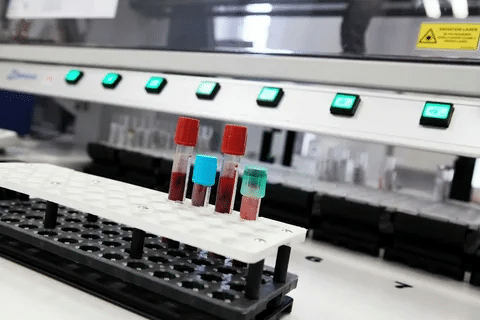
Labcorp’s ANA by IFA RFX Titer Pattern test, with test code 164947, is a detailed test for finding antinuclear antibodies (ANA) in samples. It’s key for diagnosing and managing autoimmune diseases.
Definition and Clinical Purpose
This test uses indirect immunofluorescence to find and measure ANA. Antinuclear antibodies target the cell nucleus. Finding them is important for diagnosing diseases like Systemic Lupus Erythematosus (SLE).
The test helps doctors diagnose and track autoimmune diseases. It shows the levels and patterns of ANA. This helps doctors understand the disease affecting a patient.
Overview of Labcorp Test Code 164947
Labcorp test code 164947 is for the ANA by IFA RFX Titer Pattern test. This code ensures the test is done the same way every time. It makes ordering and reporting test results easier for doctors.
Using Labcorp’s test, doctors can make better decisions for patient care. The test helps guide treatment plans.
The Science Behind Antinuclear Antibody Detection
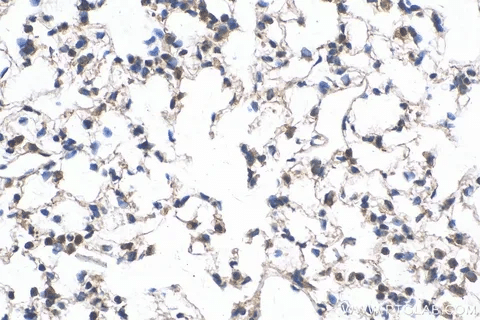
Antinuclear antibodies (ANA) are key in diagnosing autoimmune diseases. They show how the immune system goes wrong. These antibodies attack the body’s own cells, causing a mix of immune reactions.
Understanding Antinuclear Antibodies
ANA are autoantibodies that target different parts of cells. They are a big sign of several autoimmune diseases, like Systemic Lupus Erythematosus (SLE). We’ll look at how they are found and why they matter in medicine.
Autoimmune Disease Associations
ANA are linked to many autoimmune diseases, like SLE, Sjögren’s syndrome, and scleroderma. The way ANA light up under a microscope can hint at the disease. For example, a uniform pattern often points to SLE, while a speckled pattern suggests Sjögren’s syndrome.
|
Disease |
Common ANA Pattern |
|---|---|
|
Systemic Lupus Erythematosus |
Homogeneous |
|
Sjögren’s Syndrome |
Speckled |
|
Scleroderma |
Nucleolar |
Immune System Dysfunction Markers
ANA mark immune system problems, showing an immune imbalance. Finding and studying ANA helps in diagnosing and tracking autoimmune diseases. This shows how important ANA are in understanding immune issues.
As we learn more about antinuclear antibodies, their role in diagnosing and treating autoimmune diseases grows. Recognizing the links between ANA patterns and diseases helps doctors make better choices.
Indirect Immunofluorescent Assay Methodology
The indirect immunofluorescent assay (IFA) is key in finding antinuclear antibodies (ANA). It’s chosen for its high sensitivity and detailed insights into ANAs.
HEp-2 Cell Substrate Benefits
At the core of IFA is the HEp-2 cell substrate. HEp-2 cells are rich in nuclear and cytoplasmic antigens. This makes them perfect for spotting a variety of autoantibodies.
The human epithelial cell line (HEp-2) shows all kinds of cellular antigens. This boosts the test’s sensitivity.
Gold Standard Status in Autoimmune Testing
The IFA with HEp-2 cells is the gold standard for ANA testing. It can spot many autoantibodies with great specificity. This shows its reliability and wide use in clinics.
Sensitivity and Specificity Considerations
IFA is very sensitive but its specificity can change. It’s important to interpret results carefully. This means looking at the patient’s symptoms and other tests too.
The test’s sensitivity comes from HEp-2 cells’ wide range of antigens. This lets it find many autoantibodies.
In summary, the indirect immunofluorescent assay, with HEp-2 cells, is a vital tool in autoimmune disease diagnosis. Its high sensitivity and detailed insights make it essential in clinical immunology.
ANA by IFA RFX Titer Pattern: Test Components and Process
The ANA by IFA RFX Titer Pattern test is a detailed lab process. It uses special methods to find antinuclear antibodies. This is key for diagnosing and tracking autoimmune diseases.
Fluorescence Detection Mechanisms
Fluorescence detection is a key part of the test. It uses fluorescent dyes on antibodies that stick to antinuclear antibodies (ANA) in the sample. The brightness of the fluorescence shows how much ANA is there.
Titer Determination and Dilution Series
Titer determination uses a dilution series. The sample is mixed at different strengths. The highest strength where ANA is seen is the titer. This shows how much ANA is in the serum.
Pattern Recognition Techniques
Pattern recognition is also important in the test. A microscope looks for different patterns like homogeneous, speckled, nucleolar, and centromere. Each pattern is linked to certain autoimmune diseases, helping in diagnosis.
The test combines fluorescence detection, titer determination, and pattern recognition. This makes the ANA by IFA RFX Titer Pattern test very useful for diagnosing autoimmune diseases. Knowing these parts helps doctors make better choices.
Specimen Collection and Handling for Labcorp Test Code 164947
Getting accurate results from ANA testing starts with the right specimen collection. We explain what samples are needed, how to collect them, and how to store and transport them.
Required Sample Types and Volumes
For Labcorp Test Code 164947, you need a serum sample. It’s best to collect at least 1 mL of serum. This ensures there’s enough for the test. The sample must be clear of blood and fat to avoid messing up the test results.
Proper Collection Techniques
To get a serum sample, use the usual venipuncture method. Make sure to use serum separator tubes for better clotting and separation. Don’t forget to label the tube with the patient’s info and the date it was collected.
Storage and Transport Guidelines
Keep the serum sample at 2-8°C if you’ll test it within 48 hours. For longer storage, freeze it at -20°C or colder. When moving it, use insulated containers with cold packs to keep it at the right temperature.
By sticking to these steps, we can keep the sample quality high. This ensures accurate ANA test results with Labcorp Test Code 164947.
Interpreting ANA Test Results from Labcorp
Understanding ANA test results from Labcorp is complex. It involves knowing about titer levels and their meaning. When we get these results, we must look at several things to get them right.
Positive vs. Negative Result Criteria
A positive ANA test means you have antinuclear antibodies. These can be linked to autoimmune diseases. But, a positive result doesn’t always mean you have an autoimmune disease. Also, a negative result doesn’t mean you can’t have one.
Clinical Significance of Titer Levels
The titer level shows how much antinuclear antibodies are in your blood. Titer levels are shown as a ratio, like 1:80 or 1:160. This ratio tells us the highest dilution the antibodies can be detected at. Higher levels might mean a higher chance of an autoimmune disease.
The Importance of the 1:160 Threshold
A titer of 1:160 or higher is seen as important for autoimmune diseases. This is because it’s less likely to be a false positive. But, we must also look at other tests and symptoms to understand the results fully.
Result Reporting Format
Labcorp gives ANA test results, including the titer level and fluorescence pattern. The pattern can give clues about the autoimmune disease type. Knowing both the titer level and pattern is key to understanding the test results.
Healthcare providers use these details to decide on more tests, diagnosis, and treatment for patients with suspected autoimmune diseases.
Common ANA Fluorescence Patterns and Their Clinical Correlations
ANA testing shows different patterns through indirect immunofluorescence assay (IFA). These patterns help doctors diagnose and treat autoimmune diseases. Knowing these patterns is key for effective care.
Homogeneous Pattern and Associated Conditions
The homogeneous pattern shows uniform fluorescence in the nucleus. It’s often linked to Systemic Lupus Erythematosus (SLE). It can also appear in drug-induced lupus.
Speckled Pattern Significance
The speckled pattern has speckled fluorescence in the nucleus. It’s common and linked to diseases like Sjögren’s syndrome and Mixed Connective Tissue Disease (MCTD).
Nucleolar Pattern Interpretations
The nucleolar pattern highlights the nucleoli with fluorescence. It’s seen in scleroderma and related conditions. This pattern points to specific autoimmune diseases.
Centromere Pattern Disease Associations
The centromere pattern shows fluorescence at the chromosome’s centromere. It’s a strong sign of limited systemic scleroderma (CREST syndrome). Finding centromere antibodies is key to diagnosing this condition.
The table below shows the different ANA fluorescence patterns and their links to diseases:
|
Fluorescence Pattern |
Associated Conditions |
|---|---|
|
Homogeneous |
SLE, drug-induced lupus |
|
Speckled |
Sjögren’s syndrome, MCTD |
|
Nucleolar |
Scleroderma, related disorders |
|
Centromere |
Limited systemic scleroderma (CREST syndrome) |
It’s vital to understand these patterns and their disease links for accurate diagnosis. By using ANA test results with the patient’s symptoms, doctors can better care for their patients.
The Speckled Pattern: Extractable Nuclear Antigens and Disease Associations
The speckled pattern in ANA testing is linked to specific autoantibodies. It’s one of the most common patterns seen in clinics. It’s key for diagnosing and managing autoimmune diseases.
Fine vs. Coarse Speckled Patterns
The speckled pattern can be fine or coarse. Fine speckled patterns are linked to autoantibodies like anti-SS-A/Ro and anti-SS-B/La. On the other hand, coarse speckled patterns are associated with antibodies against other ENAs, like anti-Sm and anti-RNP.
Correlation with Specific Autoantibodies
Seeing a speckled pattern in ANA testing means more tests are needed. For example, a fine speckled pattern might lead to tests for anti-SS-A/Ro and anti-SS-B/La. These are common in Sjögren’s syndrome. A coarse speckled pattern might suggest tests for anti-Sm and anti-RNP, seen in SLE and MCTD.
Associated Autoimmune Conditions
The speckled pattern is linked to several autoimmune diseases. These include SLE, MCTD, and Sjögren’s syndrome. Knowing which autoantibodies are present helps doctors diagnose and treat these conditions better. For instance, anti-SS-A/Ro and anti-SS-B/La are often found in Sjögren’s syndrome. Anti-Sm antibodies are very specific for SLE.
Clinical Applications and Indications for Ordering
The ANA by IFA RFX Titer Pattern test is key in diagnosing autoimmune diseases. It helps doctors understand what’s happening in a patient’s body. This test is vital for diagnosing patients with symptoms of autoimmune diseases.
Systemic Lupus Erythematosus Evaluation
This test is very helpful in diagnosing systemic lupus erythematosus (SLE). SLE is a chronic disease that can harm many parts of the body. A positive test is a key sign of SLE, making it a great first test.
Mixed Connective Tissue Disease Assessment
The ANA by IFA RFX Titer Pattern test is also important for mixed connective tissue disease (MCTD). MCTD combines symptoms of SLE, scleroderma, and rheumatoid arthritis. A positive test is common in MCTD patients.
Scleroderma and Related Disorders
This test is useful for scleroderma (systemic sclerosis) and related conditions. Not all scleroderma patients test positive for ANA. But, those who do often show specific patterns that help in diagnosis and predicting the disease’s course.
Monitoring Disease Activity and Treatment Response
The ANA by IFA RFX Titer Pattern test is also used to track disease activity and how well treatments work. Changes in the test results can show if the disease is getting worse or better. This helps doctors manage the treatment plan.
In summary, the ANA by IFA RFX Titer Pattern test is a valuable tool in medicine. It’s used for screening, diagnosing, and monitoring diseases like SLE, MCTD, and scleroderma. It’s a key part of diagnosing and managing autoimmune diseases.
Limitations and Considerations When Ordering ANA Testing
When you order ANA testing, it’s key to know its limits and possible issues. ANA testing is useful for diagnosing and managing autoimmune diseases. But, its results need careful thought.
False Positive and False Negative Scenarios
ANA testing can sometimes show false positives or negatives. False positives might happen in healthy people, like the elderly, or those with certain infections or medicines. On the other hand, false negatives can show up in SLE patients on strong steroids or immunosuppressants.
Non-Disease Related ANA Positivity
ANA positivity isn’t just for autoimmune diseases. It can also be found in healthy people, mainly at low levels. It’s important to look at symptoms and other tests to understand its meaning.
Age and Gender Considerations
Age and gender can affect ANA test results. ANA positivity is more common with age, and more in women. Knowing this helps in understanding the results better.
Complementary Testing Recommendations
To get a clearer picture, other tests might be suggested. This includes panels like extractable nuclear antigens (ENA) or specific antibody tests (e.g., anti-dsDNA, anti-Sm).
|
Complementary Test |
Clinical Utility |
|---|---|
|
ENA Panel |
Helps identify specific autoantibodies associated with various autoimmune diseases |
|
Anti-dsDNA |
Specific for SLE, often used to monitor disease activity |
|
Anti-Sm |
Highly specific for SLE, though less sensitive |
Knowing the limits and considerations of ANA testing helps healthcare providers make better choices. This leads to better care for patients.
Reflex Testing Options and Follow-Up Testing
When the first ANA test shows a possible autoimmune disorder, reflex testing is used to learn more. This testing is key in figuring out what’s going on with a patient’s body.
When Reflex Testing Is Triggered
Reflex testing starts when the ANA test is positive, at a level of 1:80 or higher. At this point, more tests are needed to find specific autoantibodies linked to different diseases.
Additional Autoantibody Panels
When reflex testing begins, more autoantibody panels are ordered. These panels check for different autoantibodies, like anti-SSA/Ro, anti-SSB/La, and anti-Sm antibodies.
Interpreting Results
Understanding reflex testing results takes a deep dive into autoantibodies and their meanings. Doctors look at the patient’s symptoms, medical history, and lab results to make a diagnosis.
Cost and Insurance
The price of reflex testing and autoantibody panels can change based on the tests and insurance. It’s important for patients to know what their insurance covers and any costs they might face.
|
Test |
Description |
Cost |
|---|---|---|
|
ANA by IFA |
Initial ANA test |
$100-$200 |
|
Autoantibody Panel |
Additional testing for specific autoantibodies |
$200-$500 |
|
Comprehensive Autoimmune Panel |
Extensive testing for multiple autoantibodies |
$500-$1000 |
Conclusion: Optimizing the Clinical Utility of ANA Testing
We’ve looked into the ANA by IFA RFX Titer Pattern test, a key tool for diagnosing autoimmune diseases. It’s vital to understand and interpret ANA test results well. This helps make the most of this test.
ANA testing is important for diagnosing and tracking diseases like systemic lupus erythematosus and mixed connective tissue disease. Knowing the different patterns and what they mean helps doctors make better choices for their patients.
It’s important to know the limits and challenges of ANA testing, like false results. Using follow-up tests can give more information. This makes the diagnosis process better.
By using ANA testing as part of a full diagnostic plan, we can help patients more and make managing autoimmune diseases easier. As we learn more about ANA testing, it will become even more valuable in healthcare.
FAQ
What is ANA by IFA RFX Titer Pattern testing, and what is its clinical purpose?
ANA by IFA RFX Titer Pattern testing helps find antinuclear antibodies in patient blood. It aids in diagnosing and managing autoimmune diseases like systemic lupus erythematosus and rheumatoid arthritis.
What is the significance of Labcorp test code 164947?
Labcorp test code 164947 standardizes ANA by IFA RFX Titer Pattern testing. It ensures accurate and reliable results for patients with suspected autoimmune diseases.
How does the indirect immunofluorescent assay methodology work?
The indirect immunofluorescent assay uses HEp-2 cells to detect antinuclear antibodies. It is considered the gold standard in autoimmune testing due to its high sensitivity and specificity.
What are the components and process of the ANA by IFA RFX Titer Pattern test?
The test uses fluorescence detection and titer determination through dilution series. It also uses pattern recognition techniques to identify antinuclear antibodies.
What are the requirements for specimen collection for Labcorp test code 164947?
The right sample type and volume are needed. Proper collection techniques and storage and transport guidelines are also important for accurate results.
How are ANA test results interpreted?
Results are based on positive or negative criteria, titer levels, and pattern significance. A titer of 1:160 or higher is considered significant.
What are the common ANA fluorescence patterns, and what are their clinical correlations?
Common patterns include homogeneous, speckled, nucleolar, and centromere. Each pattern is associated with different autoimmune diseases and conditions.
What is the significance of the speckled pattern in ANA testing?
The speckled pattern can be fine or coarse. It correlates with specific autoantibodies and autoimmune conditions.
When is ANA by IFA RFX Titer Pattern testing indicated?
Testing is indicated for systemic lupus erythematosus, mixed connective tissue disease, scleroderma, and related disorders. It’s also used to monitor disease activity and treatment response.
What are the limitations of ANA testing?
ANA testing can have false positives and negatives. It can also show non-disease related positivity. Age and gender can also affect results, making complementary testing necessary.
What reflex testing options are available for ANA testing?
Reflex testing is triggered by initial results. Additional autoantibody panels are available for more detailed results. Cost and insurance considerations are important.
How can the clinical utility of ANA testing be optimized?
Optimizing ANA testing involves understanding its purpose, accurately interpreting results, and using reflex testing judiciously. This guides diagnosis and management of autoimmune diseases.
Reference
National Center for Biotechnology Information. Rheumatoid Arthritis: Early Treatment to Prevent Complications. Retrieved from https://www.ncbi.nlm.nih.gov/pmc/articles/PMC9273041/