Have you seen squiggly red or blue veins in or around your eyes? Many people notice eye veins at some point. Most times, they are not a problem, but knowing why they appear is key to keeping your eyes and health safe squiggly eye veins.
We at trusted healthcare places dive into squiggly eye veins. We talk about what causes them and what they mean. This article aims to keep you informed and supported, all while being professional and friendly.
Key Takeaways
- Understanding why eye veins appear is vital for good eye health.
- Most squiggly eye veins are not serious, but some might point to health issues.
- It’s important to know when to get medical help.
- We’ll look into eye health and how to keep eye veins healthy.
- Our advice comes from medical experts and follows global care standards.
Understanding Squiggly Eye Veins
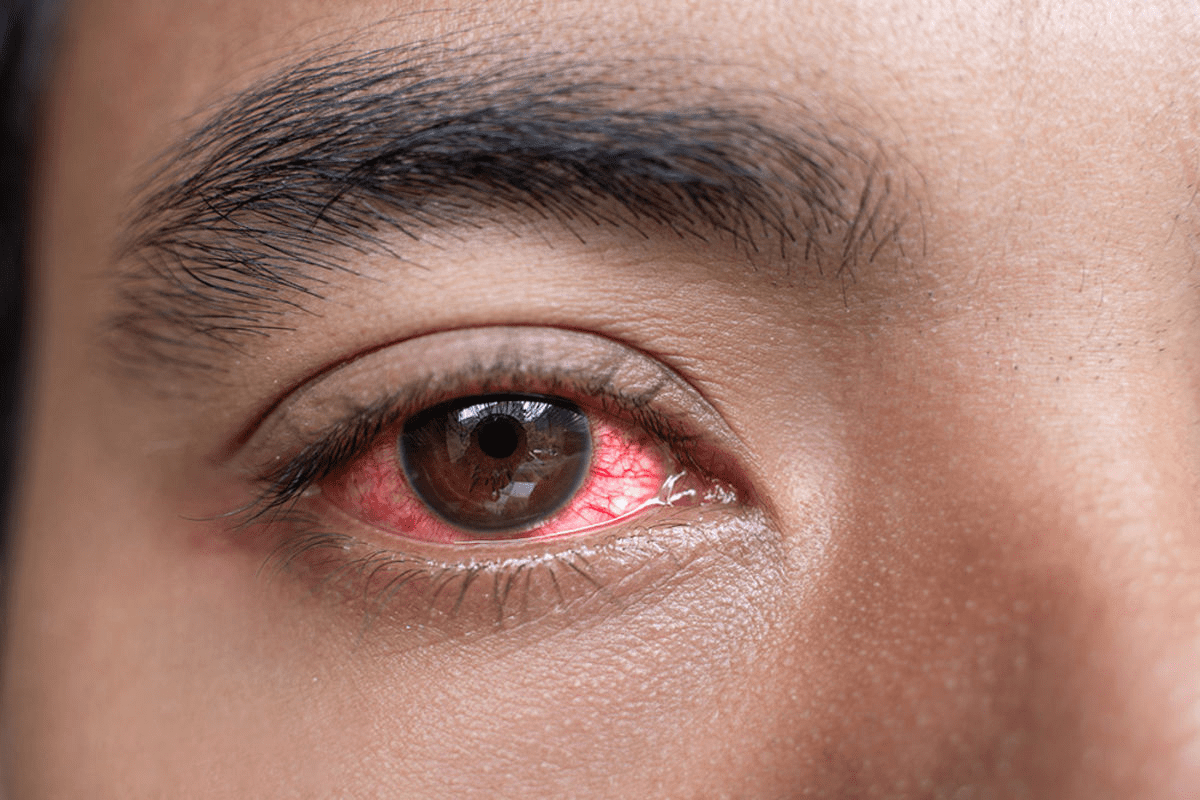
Our eyes are complex organs. The visibility of blood vessels in them can change due to many factors. To know if squiggly eye veins are a health issue, we need to understand eye blood vessels and their normal structure.
What Are Eye Blood Vessels?
Eye blood vessels are vital for supplying the eyes with oxygen and nutrients. They are usually transparent and not visible to the naked eye. But, some conditions can make them more noticeable.
The eye’s blood vessels include arteries, veins, and capillaries. Arteries bring oxygenated blood to the eye. Veins carry deoxygenated blood back. The smallest, capillaries, help exchange oxygen, nutrients, and waste.
Normal Anatomy of Eye Vasculature
The eye’s blood vessels are complex. The eyes have two blood supplies: retinal and choroidal. Knowing this helps us spot any problems.
- The retinal arteries and veins spread across the retina’s surface.
- The choroid, between the sclera and retina, is full of blood vessels.
- The conjunctiva, covering the white part of the eyes, also has visible blood vessels.
When Blood Vessels Become Visible
Blood vessels can become visible under certain conditions. For example, as we age, the vitreous humor changes. This can cause shadows on the retina, seen as floaters or visible vessels.
Other factors can also make eye blood vessels visible. These include environmental exposures, lifestyle choices, and age-related changes. We’ll look into these factors to understand when squiggly eye veins might be a concern.
Common Types of Squiggly Eye Veins
Eye veins that look squiggly or stand out can be grouped by where they are and their color. Knowing these differences helps us check our eye health.
Red Squiggly Veins on the White of the Eye
Red squiggly veins on the sclera, the white part of the eye, happen often. They are usually from small blood vessels getting bigger near the surface.
Possible causes: things in the environment, allergies, or dry eyes.
Blue Veins Under the Eyes
Blue veins under the eyes show up because the skin there is thin. This lets us see the blood vessels underneath more clearly.
Contributing factors: your genes, getting older, or not getting enough sleep.
Visible Veins in the Eyelids
Veins in the eyelids can be more noticeable for a few reasons. This includes getting older or having certain health issues.
Type of Vein | Common Location | Possible Causes |
Red Squiggly Veins | Sclera (white of the eye) | Environmental irritants, allergies |
Blue Veins | Under the eyes | Genetics, aging, lack of sleep |
Visible Veins | Eyelids | Age-related changes, medical conditions |
What Causes Squiggly Eye Veins to Appear?
We look into why squiggly eye veins show up. Many things can make them more visible. This includes things we’re exposed to and how our bodies change with age.
Environmental Factors
Things around us can make squiggly eye veins more noticeable. UV radiation from the sun can make blood vessels stand out. Also, pollution and smoke can cause irritation, making veins more visible.
Lifestyle Contributors
Our choices in life can also affect our veins. Smoking and alcohol can harm blood vessels. A diet without key nutrients can also make veins more visible.
Age-Related Changes
As we get older, our skin around the eyes gets thinner. This makes veins more visible. The loss of collagen and elastin also plays a role in showing squiggly veins.
Common Triggers for Eye Vessel Dilation
It’s important to know what makes eye vessels dilate. This helps keep our eyes healthy. We’ll look at what causes this to happen and how to prevent it.
Digital Eye Strain
Using digital devices for too long can strain our eyes. This is because we blink less, leading to dry eyes. This strain makes our eye veins more noticeable.
To avoid this, try the 20-20-20 rule. Look away from screens every 20 minutes for 20 seconds. Also, adjust your device settings to reduce eye strain.
Allergic Reactions
Allergies can also make eye veins more visible. Pollen, dust, or pet dander can make your eyes itch and swell. This is because of histamine, which widens blood vessels.
To fight allergies, avoid allergens, use eye drops, or take antihistamines. This can help reduce squiggly veins in your eyes.
Chronic Dry Eye
Chronic dry eye means your eyes don’t make enough tears. This can irritate and inflame your eyes, making veins more visible.
To treat this, use artificial tears, stay away from dry places, and take breaks from focusing activities.
Sun Exposure and UV Damage
Sun exposure can harm your eyes and make veins more visible. UV rays can cause cataracts, macular degeneration, and eye cancers.
Wear sunglasses that block all UV rays and hats for extra shade. Also, limit time outside during peak sun hours.
By knowing and dealing with these triggers, we can keep our eyes healthy and reduce squiggly veins.
When Are Squiggly Eye Veins Considered Normal?
Squiggly eye veins can be a bit scary, but knowing why they happen can ease your mind. Often, these veins are just a normal part of our eyes and don’t mean anything serious.
Temporary Redness After Environmental Exposure
Being around dust or smoke can make your eye veins show more. This is because your eyes get a bit red and irritated. But, this usually goes away once you’re in a cleaner place.
Extreme weather or strong winds can also make your veins look different. But, they usually go back to normal when you’re in a more comfortable spot.
Minor Irritation Patterns
Small irritations, like rubbing your eyes or wearing contacts too long, can make veins more visible. These are usually not big deals and can be fixed with good eye care.
Some makeup or skincare products can also irritate your eyes, making veins stand out. Stopping or changing these products usually fixes the problem.
Natural Variations in Vessel Visibility
Everyone’s eyes are different, and some people naturally have more visible veins. This can be because of their skin, eye shape, or genes.
Knowing this can help you feel better about your veins. If they’re just visible and not causing pain or other issues, they’re probably fine.
In short, squiggly eye veins can be normal in many situations. This includes when you’re exposed to the environment, have minor irritations, or just have naturally more visible veins. Understanding these reasons can help you feel more at ease about your eye health.
Warning Signs: When Eye Veins Indicate Health Concerns
Eye veins that squiggle are usually okay, but some changes can mean trouble. Knowing these signs can help you decide if you need to see a doctor.
Sudden Changes in Appearance
Notice if your eye veins get more visible or change color quickly. If they look more red or blue than usual, it might be a sign of a problem.
Seeing floaters suddenly is a red flag. These are tiny spots that seem to float in your vision. They could mean something serious with your retina.
Accompanying Symptoms to Watch For
Look out for eye pain, redness, or vision problems. These signs, along with changes in your veins, could mean you need to see a doctor.
- Eye pain or discomfort
- Redness or inflammation
- Blurred vision or double vision
- Sensitivity to light
Patterns That Suggest Serious Conditions
Some vein patterns can point to serious issues. For example, a bright red patch on your eye’s white part could be from high blood pressure.
When to Seek Immediate Medical Attention
If you have sudden vision loss, severe eye pain, or lots of new floaters, get help right away. These could be signs of serious problems like retinal detachment.
Watching your eye veins closely and knowing when to worry can help keep your eyes healthy.
Medical Conditions Associated with Abnormal Eye Veins
Abnormal eye veins can signal serious health issues. If you notice changes in your eye veins, it’s important to know why. These changes might point to more serious problems.
Conjunctivitis and Eye Infections
Conjunctivitis, or pink eye, is an inflammation of the eye’s membrane. It makes eye veins more visible and red. This condition can be caused by infections, allergies, or irritants.
Subconjunctival Hemorrhage
A subconjunctival hemorrhage happens when a blood vessel breaks under the conjunctiva. This leads to blood leaking into the space between the conjunctiva and the sclera. It causes sudden redness and makes eye veins stand out. While often harmless, it can signal hypertension or trauma.
Hypertension and Cardiovascular Issues
Hypertension and cardiovascular issues can affect eye veins. High blood pressure can make blood vessel walls more visible. It’s important to recognize these signs.
Thyroid Eye Disease
Thyroid eye disease is linked to Graves’ disease. It causes inflammation and swelling around the eye. This swelling makes eye veins more visible.
Knowing about these conditions is key for early treatment. If you notice changes in your eye veins, see a healthcare professional.
Diagnosing Problems Related to Squiggly Eye Veins
Understanding squiggly eye veins starts with a detailed diagnosis. This involves a thorough eye check-up and sometimes extra tests.
What to Expect During an Eye Examination
An eye exam for squiggly veins begins with a visual check. We look at both the outside and inside of the eyes for any problems. Special tools like slit-lamp biomicroscopy help us see the eye’s blood vessels clearly.
We also check the eyes’ overall health. This includes tests for how well you see and checks of the retina and other parts inside. This helps us figure out if the squiggly veins are just a problem or a sign of something bigger.
Diagnostic Tests and Procedures
More tests might be needed based on what we find first. These could be:
- Ocular Imaging: Using optical coherence tomography (OCT) to see the retina and blood vessels up close.
- Blood Tests: To find out if conditions like diabetes or high blood pressure are causing the vein issues.
- Allergy Testing: If we think an allergy might be making the veins swell.
Diagnostic Test | Purpose |
OCT Imaging | Detailed view of retinal layers and blood vessels |
Blood Tests | Looking for conditions like diabetes or high blood pressure |
Allergy Testing | Finding out if an allergy is causing the vein problems |
Questions Your Doctor May Ask
Your doctor will ask several questions to figure out what’s causing the squiggly veins. They might ask:
- When did you first notice the squiggly veins?
- Have you had any other symptoms like eye pain, redness, or changes in vision?
- Do you have allergies or are you exposed to things that could be causing the problem?
- Have you recently changed your lifestyle or environment in a way that might be related to the veins?
Answering these questions helps your doctor understand what’s going on and how to help you.
Treatment Options for Problematic Eye Veins
Squiggly eye veins can be treated in many ways, depending on why they appear. Some cases might not need treatment, but others might need help to feel better or to fix health issues.
Over-the-Counter Solutions
For mild eye vein visibility, you can try over-the-counter (OTC) products. These include:
- Artificial tears to keep eyes moist
- Antihistamine eye drops for allergies
- Decongestant eye drops to lessen redness
It’s important to use these products carefully and as directed. This helps avoid bad side effects.
Prescription Medications
If OTC solutions don’t work, you might need prescription drugs. These can be:
- Topical corticosteroids for swelling
- Antibiotic or antiviral meds for infections
- Immunosuppressive drugs for eye-related autoimmune diseases
Always get these drugs from an eye doctor. They can help and keep side effects down.
Medical Procedures for Severe Cases
For serious or lasting eye vein problems, you might need medical help. This could include:
- Sclerotherapy for eye area varicose veins
- Laser treatments to make veins less visible
- Surgery for conditions like thyroid eye disease
These treatments should only be done by skilled doctors in a clinic.
Addressing Underlying Conditions
Fixing the root cause is key to solving eye vein problems. This might mean:
- Controlling high blood pressure or heart health
- Treating thyroid issues
- Handling allergies or autoimmune diseases
Fixing the problem often needs a team effort. This includes doctors, specialists, and eye care experts.
Here’s a quick look at treatment options in a table:
Treatment Option | Indications | Benefits |
Over-the-Counter Solutions | Mild dryness, allergic reactions | Ease of access, quick relief |
Prescription Medications | Inflammation, infections, autoimmune conditions | Targeted treatment, effective for specific conditions |
Medical Procedures | Severe or persistent vein visibility, underlying conditions | Permanent resolution, cosmetic improvement |
Prevention Strategies for Healthy Eye Vessels
Keeping our eye vessels healthy is key for good eye health. There are many ways to do this. By following these steps, we can lower the chance of eye vessel problems.
Proper Eye Hygiene Practices
Good eye hygiene is the first step. This means washing our hands before touching our eyes and not sharing makeup. It’s also important to take care of contact lenses properly.
We should avoid rubbing our eyes to prevent irritation and damage. Using a clean, damp cloth to clean our eyelids helps remove dirt and lowers infection risk.
Lifestyle Adjustments for Eye Health
Changing our lifestyle can also help our eyes. Quitting smoking is a big step, as smoking harms many eye conditions. Regular exercise and a healthy weight also support eye health.
Managing stress with meditation or deep breathing can reduce eye strain. Getting enough sleep is also key, as it lets our eyes rest and recover.
Nutritional Support for Vascular Health
Eating a balanced diet is essential for healthy eye vessels. Foods rich in antioxidants, like leafy greens and berries, protect our eyes. Omega-3 fatty acids in fish and nuts also support eye health.
Drinking plenty of water is important too. It keeps our eyes and blood vessels healthy. Vitamins and minerals like vitamin C and E are also vital for vascular health.
Protective Measures Against Environmental Factors
Protecting our eyes from the environment is also key. Wearing sunglasses with UV protection outdoors shields our eyes from harmful rays. Wearing protective eyewear during risky activities is also important.
Limiting screen time and following the 20-20-20 rule can reduce eye strain. Adjusting digital device settings to comfortable levels also helps.
Conclusion: Maintaining Optimal Eye Vascular Health
Keeping our eyes healthy is key to our overall well-being. Knowing what causes squiggly eye veins helps us protect our vision. By watching our eye health, we can catch problems early and treat them quickly.
Many things can make our eye veins look squiggly, like our environment, lifestyle, and age. Knowing these can help us stay on top of our eye health.
Good eye care, healthy habits, and the right food are all important. Adding these to our daily life can help keep our eyes in top shape. This way, we can lower the chance of eye issues and keep our eyes healthy.
By focusing on eye health, we can keep our eyes working well for a long time. We urge everyone to take care of their eyes. This means knowing how to keep your eyes healthy and getting help when you need it.
FAQ
Are squiggly eye veins a normal occurrence?
Squiggly eye veins can be normal or a sign of a problem. We look at what makes them appear and when they might be a worry.
What are the causes of visible blood vessels in the eyes?
Visible blood vessels in the eyes come from many sources. These include the environment, lifestyle, and aging. We dive into how these factors affect eye health.
Can digital eye strain cause squiggly eye veins?
Yes, digital eye strain can make eye veins appear squiggly. We talk about how it affects the eyes and how to reduce its impact.
Are red squiggly veins on the white of the eye a sign of a serious condition?
Red squiggly veins can be minor or serious. We cover when they might be a concern and when to see a doctor.
How can I prevent squiggly eye veins from appearing?
Keeping eye vessels healthy involves good eye care and lifestyle choices. We share tips for maintaining healthy eyes.
Can allergies cause eye veins to become visible?
Yes, allergies can make eye veins visible. We discuss how allergies affect the eyes and how to manage them.
Is it normal to see veins in your eyes when blinking?
Seeing veins in your eyes when blinking can be normal or a sign of a problem. We explore the reasons behind this.
What medical conditions are associated with abnormal eye veins?
Certain conditions like conjunctivitis and hypertension can affect eye veins. We discuss these conditions and their impact on eye health.
How are problems related to squiggly eye veins diagnosed?
Diagnosing squiggly eye veins involves a thorough eye exam and tests. We explain what happens during diagnosis.
What treatment options are available for problematic eye veins?
Treatments for eye veins range from simple remedies to medical procedures. We discuss the options and when to use them.
References
National Health Service (NHS). Evidence-Based Medical Guidance. Retrieved from https://www.nhs.uk/conditions/eye-health/