
Air pollution can make allergic reactions worse, raising the risk of health problems like rhinitis. Many of us don’t realize how much rhinitis can affect our health. It’s key to know how this condition impacts us. Answering can you feel unwell with rhinitis (yes, due to fatigue and headache) and discussing rhinitis general illness symptoms.
Rhinitis is more than just a problem with our noses. It can really change our life quality. When we have rhinitis, we might feel sick because of constant nasal blockage, sneezing, and itchiness. These symptoms can be really tough to deal with.
It’s important to understand how general illness and rhinitis are connected. By knowing the signs and taking the right steps, we can lessen its impact. This way, we can also boost our overall health.
Key Takeaways
- Rhinitis can significantly impact overall health and well-being.
- Air pollution can exacerbate allergic responses, including rhinitis.
- Understanding rhinitis is key for effective health management.
- Recognizing the signs of rhinitis can help lessen its effects.
- Managing rhinitis can improve our overall quality of life.
Understanding Rhinitis: An Overview
Rhinitis is when the nasal mucosa gets inflamed. This can really affect a person’s health and happiness. We’ll look into what it is, its symptoms, and the different kinds.
What is Rhinitis?
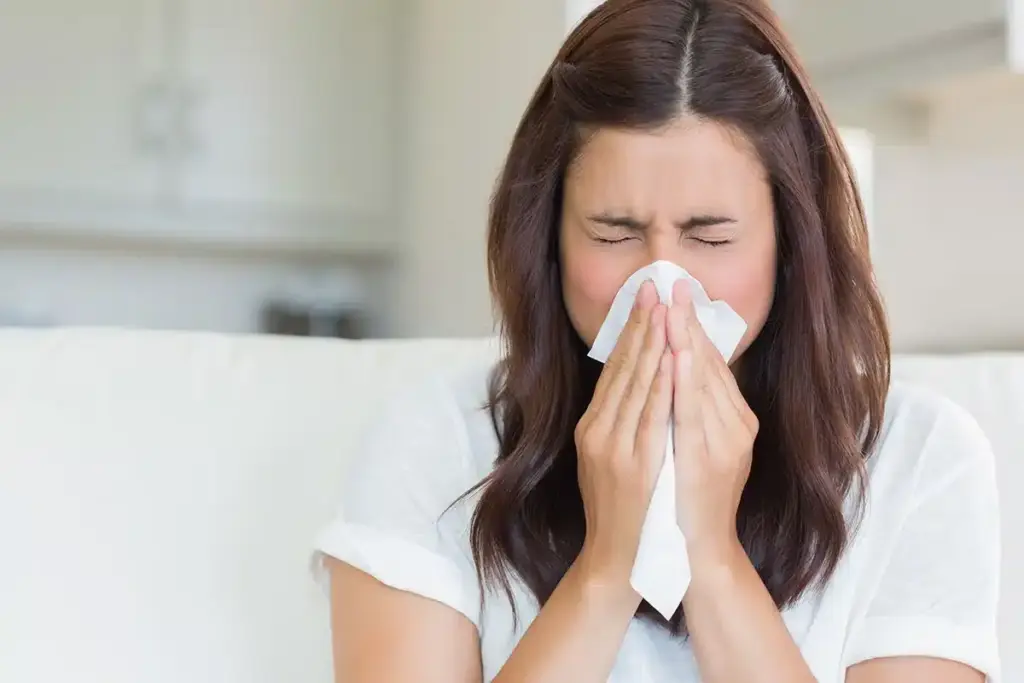
Rhinitis means having chronic or recurring nasal issues. These include stuffy nose, runny nose, and sneezing. It’s not just a cold, but a complex issue affecting the nasal and sinus areas. It can be caused by many things, like allergens, irritants, and infections.
“Rhinitis is a multifactorial disorder that requires a complete approach to diagnosis and treatment.”
Common Symptoms of Rhinitis
The symptoms of rhinitis can differ but often include a stuffy nose, sneezing, and a runny nose. Some people might also have itchy eyes, a reduced sense of smell, and postnasal drip. These symptoms can really mess with daily life, affecting sleep, work, and happiness.
- Nasal congestion
- Sneezing
- Runny nose
- Itchy eyes
- Reduced sense of smell
Types of Rhinitis
Rhinitis can be divided into allergic and non-allergic types. Allergic rhinitis is caused by allergens like pollen, dust mites, and pet dander. Non-allergic rhinitis, on the other hand, can be triggered by environmental irritants, hormonal changes, and certain medicines.
Knowing the exact type of rhinitis is key to managing and treating it. We’ll explore these types and their effects in more detail later.
The Connection Between Rhinitis and General Illness

It’s important to understand how rhinitis affects overall health. Rhinitis is not just a problem in the nose. It can impact your health in many ways.
How Rhinitis Affects Overall Health
Rhinitis can lead to chronic inflammation and discomfort. It’s not just about having a stuffy nose. It can lead to sleep disturbances, reduced productivity, and lower quality of life.
Ignoring rhinitis can make other health problems worse. This can affect many areas of your health.
The need to breathe through the mouth can cause dry mouth and oral health issues. The pain and discomfort from rhinitis can also increase stress levels. This makes managing overall health even harder.
Immune System Response to Allergens
The immune system’s reaction to allergens plays a big role in rhinitis. When someone with allergic rhinitis meets an allergen, their immune system releases histamine and other chemical mediators. This leads to rhinitis symptoms.
Knowing how the immune system reacts is key to managing rhinitis. By identifying and avoiding allergens, symptoms can be reduced. This approach helps manage rhinitis and improves overall health.
Studies also show that air pollution can make allergic rhinitis worse. This shows the need to look at both internal immune responses and external factors when dealing with rhinitis and its effects on health.
The Different Types of Rhinitis
It’s important to know the different types of rhinitis to manage and treat it well. Rhinitis is when the nose gets inflamed. It can be caused by various things and show different symptoms.
Allergic Rhinitis
Allergic rhinitis happens when the body reacts to things like pollen, dust mites, or pet dander. This reaction makes histamine release, causing sneezing, stuffy nose, and itchy eyes.
Common Allergens:
- Pollen from trees, grasses, and weeds
- Dust mites
- Pet dander
- Mold spores
To manage allergic rhinitis, it’s best to avoid these allergens. You can also use medicines like antihistamines or nasal corticosteroids.
Non-Allergic Rhinitis
Non-allergic rhinitis doesn’t come from an allergy. It can be caused by things like environmental irritants, infections, or hormonal changes.
Common Triggers:
- Smoke and strong odors
- Changes in weather
- Infections like the common cold
- Hormonal changes during pregnancy or thyroid disorders
For non-allergic rhinitis, treatments aim to ease symptoms. This might include nasal decongestants, saline nasal sprays, or avoiding certain things.
Occupational Rhinitis
Occupational rhinitis happens when you’re exposed to irritants or allergens at work. This can include chemicals, dust, or other substances that make your nose inflamed.
Common Workplace Triggers:
- Chemical fumes
- Dust from woodworking or construction
- Biological agents like animal dander in laboratories
To manage occupational rhinitis, try to reduce your exposure to these triggers. Use protective gear and, if needed, get medical help to ease your symptoms.
Recognizing the Symptoms of Rhinitis
Knowing the common symptoms of rhinitis is the first step to relief. This condition affects millions and can change daily life. We’ll look at these symptoms to help you understand and manage your condition.
Nasal Congestion
Nasal congestion, or a stuffy nose, is a key symptom of rhinitis. It happens when the nasal passages get inflamed and swollen. This makes breathing through the nose hard.
Nasal congestion can lead to mouth breathing. This can dry out the mouth and throat, causing discomfort.
The level of nasal congestion varies. Sometimes, it comes with a runny nose. This can be annoying, needing frequent nose blowing and causing irritation.
Sneezing and Itchy Eyes
Sneezing is a common symptom of rhinitis, often caused by allergens. When an allergen enters the nasal passage, it can trigger sneezing fits. Sneezing can be sudden and forceful, causing discomfort or embarrassment.
Itchy eyes often go with sneezing, as the same allergens affect both the nose and eyes. This itchiness can be uncomfortable and may lead to eye rubbing, causing more irritation.
|
Symptom |
Description |
Impact |
|---|---|---|
|
Nasal Congestion |
Nasal passages become inflamed and swollen |
Difficulty breathing through the nose |
|
Sneezing |
Triggered by allergens entering the nasal passage |
Discomfort or embarrassment due to sneezing fits |
|
Itchy Eyes |
Allergens irritate the eyes |
Discomfort and possible irritation from rubbing |
Reduced Sense of Smell
A reduced sense of smell can greatly impact life. When the nasal passages are congested, smelling odors is harder. This can affect enjoying food, detecting hazardous odors, and overall sensory experience.
The symptoms of rhinitis, including nasal congestion, sneezing, itchy eyes, and a reduced sense of smell, can make daily life tough. Recognizing these symptoms is key to finding the right treatment and managing the condition.
Causes of Rhinitis: What You Should Know
To fully understand rhinitis, we must look at its causes. These range from environmental irritants to genetic factors. Rhinitis is not caused by one thing alone. It’s a mix of many factors.
Allergens and Irritants
Allergens and irritants are big causes of rhinitis. Common allergens include pollen, dust mites, mold, and pet dander. When we breathe them in, they can cause an allergic reaction. This leads to rhinitis symptoms.
Irritants like tobacco smoke, pollution, and strong odors can also make rhinitis worse or start it in some people.
- Pollen from trees, grasses, and weeds
- Dust mites found in bedding, carpets, and upholstered furniture
- Mold spores that thrive in damp environments
- Pet dander from cats, dogs, and other animals
Environmental Factors
Environmental factors are also key in rhinitis. Weather changes, humidity, and pollutants can all make symptoms worse. For example, cold air can dry out our nasal passages. This makes them more prone to irritation.
Some important environmental factors include:
- Weather changes, like cold or dry conditions
- High levels of air pollution
- Exposure to strong odors or chemicals
Genetics and Rhinitis
Genetics also play a big role in rhinitis, mainly allergic rhinitis. If your family has allergies, you’re more likely to get rhinitis. Studies show that genetics can affect how our immune system reacts to allergens. This makes some people more likely to get rhinitis.
Knowing about the genetic link can help in managing rhinitis. If you have a family history of allergies, being aware can lead to early diagnosis and treatment.
Diagnosing Rhinitis: What to Expect
When you see a healthcare provider for rhinitis symptoms, expect a detailed check-up. This includes looking at your medical history, a physical exam, and allergy tests. This thorough process helps us find the right treatment for you.
Medical History Review
We start by reviewing your medical history. We’ll ask about your symptoms, when they started, and what makes them better or worse. This helps us figure out what might be causing your rhinitis and what steps to take next.
Physical Examination Techniques
A physical exam is key in diagnosing rhinitis. We’ll check your nasal passages, sinuses, and other areas for signs of trouble. We might use a nasal speculum or an endoscope to see inside your nose.
Allergy Testing Methods
If we think your rhinitis might be caused by allergies, we might suggest allergy tests. There are different types, like skin prick tests and blood tests. These can show us which allergens are making you sick.
|
Testing Method |
Description |
Benefits |
|---|---|---|
|
Skin Prick Testing |
Involves pricking the skin with a small amount of an allergen to observe the reaction. |
Quick results, can test multiple allergens at once. |
|
Blood Tests |
Measures the level of allergy-related antibodies in the blood. |
Can be used when skin testing is not suitable, provides quantitative results. |
Diagnosing rhinitis involves looking at your medical history, doing a physical exam, and possibly allergy tests. By finding out what’s causing your rhinitis, we can create a treatment plan that works for you. This helps improve your life and makes you feel better.
Treatment Options for Rhinitis
Managing rhinitis well needs a mix of treatments. Finding the right plan can feel hard. But, the right mix of meds and lifestyle changes can help a lot.
Over-the-Counter Medications
OTC meds are often the first choice for rhinitis. They include antihistamines, decongestants, and nasal sprays. Antihistamines stop histamine, which causes allergies. Decongestants help when your nose is stuffy.
It’s key to read OTC labels well and follow the directions. Using decongestant sprays too long can cause more congestion.
Prescription Treatments
For serious rhinitis, you might need prescription meds. These include corticosteroid nasal sprays, immunotherapy, and biologics. Corticosteroid nasal sprays are great for allergic rhinitis because they reduce swelling.
Immunotherapy, or allergy shots, can help you get used to allergens over time. Biologics target specific proteins in allergies.
Lifestyle Modifications
Changing your lifestyle can also help with rhinitis. Avoiding allergens and using HEPA filters can help. Keeping your home clean is also important.
- Keep windows closed during peak pollen seasons.
- Use air conditioning to keep indoor air cool and dry.
- Regularly clean and dust surfaces, where allergens tend to gather.
By trying these changes, you can manage your rhinitis better. This can make your life more comfortable.
The Role of Home Remedies in Managing Rhinitis
Home remedies are a big help in managing rhinitis. They offer relief from symptoms and improve life quality. Plus, they’re easy to find.
Natural Decongestants
Natural decongestants can ease nasal congestion, a common rhinitis symptom. Here are some good options:
- Peppermint oil: It’s a natural decongestant. You can inhale it or apply it on your skin.
- Eucalyptus oil: It’s known for its decongestant and anti-inflammatory effects. It’s great for relieving nasal congestion.
- Ginger: Ginger has anti-inflammatory properties. It can help reduce nasal congestion.
Saline Nasal Rinses
Saline nasal rinses are simple yet effective for managing rhinitis. They do several things:
- They clear out allergens and irritants from your nasal passages.
- They reduce nasal congestion and sinus pressure.
- They moisturize your nasal passages to prevent dryness.
To make a saline nasal rinse, mix 1/4 teaspoon of salt with 8 ounces of warm water. Use a neti pot or a squeeze bottle to rinse your nasal passages.
Humidifiers and Their Benefits
Humidifiers are key in managing rhinitis. They keep the air in your home at the right humidity level. This brings several benefits:
- Relieving nasal congestion: Humidifiers add moisture to the air. This makes it easier to breathe by loosening mucus.
- Preventing dryness: Dry air can make rhinitis symptoms worse. Humidifiers keep the air moist, preventing dryness in your nasal passages.
It’s important to clean your humidifier regularly. This prevents mold and bacteria from growing.
Living with Rhinitis: Tips and Tricks
Managing chronic rhinitis needs a mix of avoiding triggers, keeping a clean environment, and managing stress. These steps can help lessen symptoms and improve life quality.
Avoiding Triggers
The first step in fighting allergic rhinitis is to find and stay away from triggers. Common ones are pollen, dust mites, pet dander, and mold. Keeping a diary to track symptoms can help find what triggers them.
Once you know what triggers you, you can take steps to avoid them. For example, use allergen-proof bedding and consider removing pets from your home.
- Watch pollen counts and stay inside when they’re high.
- Use air purifiers to cut down indoor allergens.
- Avoid strong smells and fragrances that can bother your nose.
Maintaining a Healthy Environment
Keeping your space clean and healthy is key to managing rhinitis. Regular cleaning, focusing on areas where allergens gather, can help. Use a HEPA-filter vacuum and a damp cloth to catch dust, not spread it.
Also, controlling humidity stops mold and dust mites from growing. A dehumidifier in damp places like basements is helpful.
Stress Management Techniques
Stress can make rhinitis symptoms worse, so managing stress is vital. Try meditation, yoga, or deep breathing to lower stress. Regular exercise also boosts health and helps fight allergens.
By adding these tips to your daily routine, you can manage rhinitis better. This leads to a more comfortable and healthier life.
When to See a Doctor for Rhinitis Symptoms
Rhinitis is often manageable, but some symptoms need a doctor’s help. It can be tough to know when to seek medical advice. Recognizing when your symptoms need more than self-care is key.
Signs of Complications
Rhinitis can sometimes lead to complications like sinus infections or nasal polyps. Severe facial pain, thick nasal discharge, or a reduced sense of smell that lasts is a sign to see a doctor. These symptoms may indicate a more serious condition that requires medical attention.
Also, if you have a fever or notice signs of infection, like increased redness or swelling around the nasal area, seek medical help. Being vigilant about these signs can help prevent further complications.
|
Symptom |
Possible Complication |
|---|---|
|
Severe facial pain |
Sinus infection |
|
Persistent thick nasal discharge |
Chronic sinusitis |
|
Reduced sense of smell |
Nasal polyps |
Persistent Symptoms Beyond Norm
If your rhinitis symptoms last despite trying over-the-counter medications or home remedies, see a doctor. Persistent symptoms can greatly affect your quality of life. A healthcare professional can help find a more effective treatment plan.
“Uncontrolled rhinitis can lead to more severe health issues, including sleep disturbances and decreased productivity. Seeking medical attention can significantly improve your overall well-being.”
Keep a symptom diary to track your symptoms. This information is valuable when talking to a doctor.
Referral to a Specialist
Your primary care physician might refer you to an allergist or an ear, nose, and throat (ENT) specialist. This referral is helpful if you have complex or severe rhinitis that requires specialized care.
A specialist can do more detailed evaluations, like allergy testing, to find the cause of your rhinitis. They can also offer advanced treatments, including immunotherapy or surgery if needed.
Knowing when to seek medical help for rhinitis symptoms is important for effective management and preventing complications. We encourage you to be proactive about your health and consult a healthcare professional if unsure about your symptoms.
The Impact of Rhinitis on Daily Life
Living with rhinitis can make everyday tasks hard. It’s not just about the nose; it affects health and daily life. We’ll see how chronic rhinitis impacts sleep, work, and school.
Effects on Sleep Quality
Rhinitis can mess up sleep. Congestion and discomfort make it hard to sleep well. This leads to feeling tired, making rhinitis symptoms harder to handle.
People with rhinitis often sleep poorly. Getting better sleep is key to managing rhinitis symptoms.
Impact on Work or School Performance
Rhinitis symptoms can hurt work or school performance. Sneezing, congestion, and itchy eyes distract you. This makes it hard to focus.
Also, tiredness from bad sleep hurts your brain. Managing rhinitis well is important to stay productive.
Here are some areas of life that rhinitis can affect:
|
Aspect of Daily Life |
Impact of Rhinitis |
|---|---|
|
Sleep Quality |
Disrupted sleep patterns due to nasal congestion and discomfort |
|
Work/School Performance |
Distractions due to symptoms, impaired cognitive function from fatigue |
|
Overall Well-being |
Fatigue, decreased productivity, and reduced quality of life |
In summary, rhinitis is more than a minor issue. It affects sleep, work, and overall well-being. Knowing this helps find better ways to manage it.
Prevention Strategies for Rhinitis
To prevent rhinitis or reduce its effects, various steps are needed. We can start by making simple changes in our daily lives. These changes help us avoid allergens and irritants.
Creating an Allergy-Friendly Environment
Making our homes allergy-proof is key. We should use allergen-proof bedding and get rid of carpeting. Also, keeping humidity low helps stop mold from growing.
Seasonal Awareness
Being aware of the seasons can also help. When pollen is high, stay inside with windows closed. Use air purifiers and wear masks outside.
Tracking Symptoms and Triggers
Keeping a diary of symptoms and what causes them is helpful. It helps us find patterns and possible causes of rhinitis. This info is great for making a plan to prevent it.
By adding these prevention steps to our daily lives, we can lower the chances and severity of rhinitis. This improves our quality of life.
FAQ
What is the difference between allergic and non-allergic rhinitis?
Allergic rhinitis is caused by allergens like pollen, dust, or pet dander. Non-allergic rhinitis is caused by other factors, such as irritants or environmental changes.
How does rhinitis affect overall health?
Rhinitis can weaken the immune system’s response to allergens. This can lead to chronic inflammation and may cause sinus infections or asthma.
What are the common symptoms of rhinitis?
Symptoms include nasal congestion, sneezing, itchy eyes, runny nose, and a reduced sense of smell. These can greatly affect daily life.
How is rhinitis diagnosed?
Doctors review your medical history and perform physical exams. They also use allergy tests to find the cause of your symptoms.
What are the treatment options for rhinitis?
Treatments include over-the-counter and prescription meds. Lifestyle changes like avoiding triggers and managing stress are also important.
Can home remedies help alleviate rhinitis symptoms?
Yes, home remedies like natural decongestants and humidifiers can help. Saline nasal rinses also improve symptoms and quality of life.
How can I prevent rhinitis?
To prevent rhinitis, allergy-proof your home and take seasonal precautions. Keeping a symptom diary helps manage the condition.
When should I see a doctor for rhinitis symptoms?
See a doctor if you have signs of complications or persistent symptoms. If symptoms worsen, you may need a specialist.
How does rhinitis impact daily life?
Rhinitis can affect sleep, work, and overall well-being. Effective management is key to improving daily life.
Can chronic rhinitis be managed?
Yes, chronic rhinitis can be managed with the right treatment and lifestyle changes. Avoiding triggers helps reduce symptoms and improve life quality.
What is occupational rhinitis?
Occupational rhinitis is caused by workplace allergens or irritants. It requires specific prevention and treatment strategies.
References
National Center for Biotechnology Information. Evidence-Based Medical Insight. Retrieved from https://pubmed.ncbi.nlm.nih.gov/27522041/