
Managing diabetes well means having a good nutrition plan. At Liv Hospital, we know how key a diabetes meal plan is. It helps control blood sugar and boosts health. Get an amazing free 28 day diabetes meal plan pdf. Learn what to eat for breakfast, lunch, and dinner to manage your blood sugar effectively.
About 1 in 10 Americans have diabetes. So, making a detailed meal plan is very important. Studies show that meal plans made just for you can lower blood sugar levels. They can even cut HbA1c by up to 2.0 percent in 3 to 6 months.
We’ll show you how to make a personalized diabetes diet plan. It will use the best ways to manage diabetes. With our help, you can control your blood sugar and reach your health goals.
Key Takeaways
- A well-structured meal plan is essential for effective diabetes management.
- Tailored meal plans can significantly improve blood glucose levels.
- A 28-day meal plan gives you a plan for lasting energy and better life quality.
- Evidence-based strategies can help you achieve better glucose control.
- Liv Hospital is committed to providing patient-centered nutritional guidance.
Understanding Diabetes and the Importance of Meal Planning
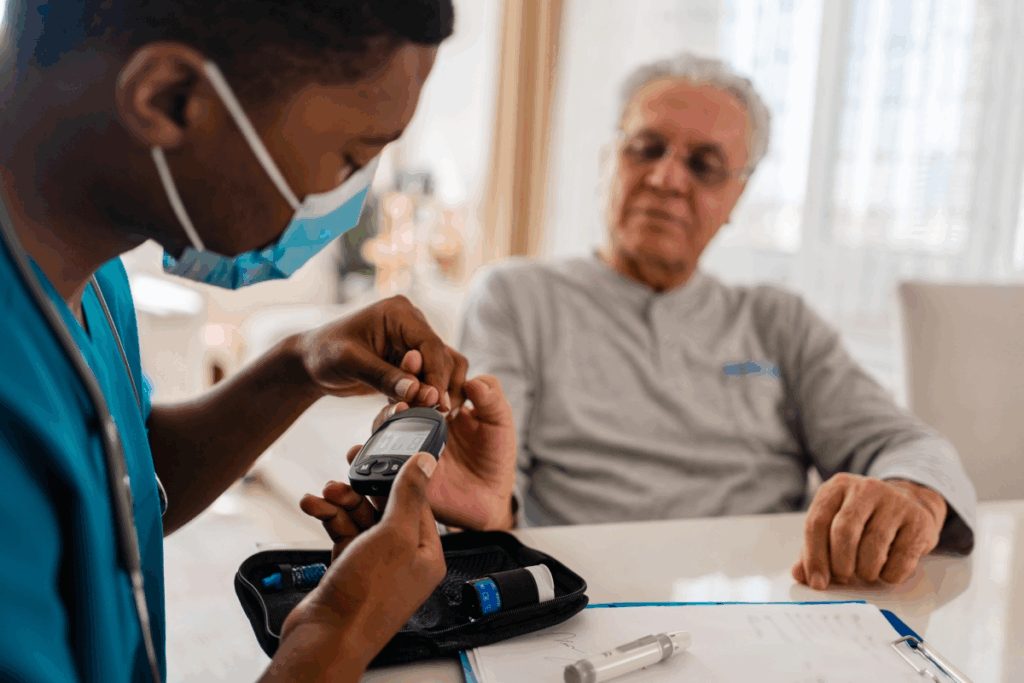
The American Diabetes Association says meal planning is key for managing diabetes. It helps people with diabetes choose the right foods. This leads to better blood sugar control and health.
The Prevalence of Diabetes in America
Diabetes is a big health issue in the U.S., affecting millions. The CDC says over 34 million people have diabetes, with many not knowing. This shows why managing diabetes well, like through meal planning, is so important.
How Diet Affects Blood Glucose Levels
Diet is very important for managing blood sugar in diabetes. Eating a balanced diet with lots of nutrients and fiber helps keep blood sugar stable. The Dietary Guidelines for Americans 2020-2025 suggest eating a variety of vegetables, fruits, whole grains, lean proteins, and healthy fats.
It’s also key to watch how much carbohydrate you eat. Carbs directly affect blood sugar. Carbohydrate counting is a common way for people with diabetes to manage their condition.
Benefits of Structured Meal Planning for Diabetes Management
Structured meal planning has many benefits for diabetes management. It helps control blood sugar, maintain a healthy weight, and lower the risk of diabetes complications.
- A structured meal plan helps individuals make healthy food choices.
- It allows for better blood glucose control.
- It can improve overall nutritional intake.
- It reduces the risk of diabetes-related complications.
By sticking to a structured meal plan, people with diabetes can actively manage their condition. This improves their quality of life.
Key Nutritional Guidelines for Diabetes Management
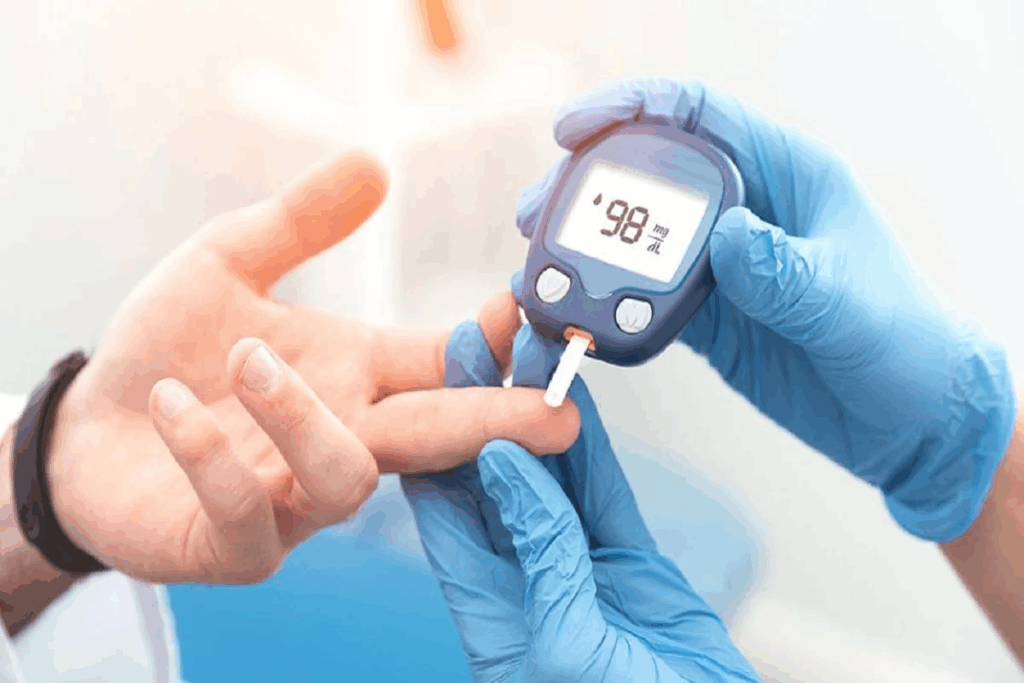
Managing diabetes well depends on good nutrition. A good meal plan for diabetics should avoid high-fat foods and dairy. We’ll look at important nutrition tips for managing diabetes.
Recommended Macronutrient Distribution
A balanced diet is key for diabetes care. A low carb diabetic diet meal plan focuses on fewer carbs to control blood sugar.
Here’s a suggested macronutrient breakdown:
Macronutrient | Recommended Percentage of Daily Calories |
Carbohydrates | 45-65% |
Protein | 15-20% |
Fats | 20-35% |
Fiber Intake Requirements
Fiber is important for blood sugar control. Aim for 14g of fiber per 1000 calories. Foods like veggies, whole grains, and legumes are good for diabetics.
Glycemic Index and Glycemic Load Considerations
Knowing the glycemic index (GI) and glycemic load (GL) of foods is helpful. The GI shows how fast a food raises blood sugar. The GL considers serving size. Choose foods with low GI and GL to control blood sugar.
Portion Control Strategies
Controlling portions is critical for diabetes management. The Diabetes Plate method suggests half the plate for veggies, a quarter for protein, and a quarter for carbs. This helps keep meals balanced and portion sizes in check.
For those with type 1 diabetes eating plan or diabetic type 2 meal plans, portion control is essential. A my diabetes meal plan following these guidelines can improve blood sugar control.
Evidence-Based Meal Planning Strategies
Evidence-based meal planning is key for managing diabetes. It offers several strategies for different needs and preferences. By using these methods in a free type 1 diabetes meal plan or a diet plan for diabetic people, they can manage their diabetes better.
The Diabetes Plate Method
The Diabetes Plate Method is easy and effective for balanced meals. It divides your plate into sections: half for veggies, a quarter for protein, and a quarter for carbs. This way, people can eat healthy and keep their blood sugar in check.
The American Diabetes Association (ADA) says, “The Diabetes Plate Method helps control blood sugar and maintain a healthy weight.” It’s great for those who like a simple meal planning method.
Carbohydrate Counting Technique
The Carbohydrate Counting Technique is another good strategy for diabetes management. It tracks carbs at each meal to keep blood sugar stable. This method is good for those who take insulin or have special dietary needs.
For example, a diet plan for diabetic people might include:
Meal | Carbohydrate Count |
Breakfast | 45-60 grams |
Lunch | 45-60 grams |
Dinner | 45-60 grams |
The Exchange System
The Exchange System is a detailed meal planning method. It groups foods by nutritional content. This system lets people swap foods within groups, making meal planning flexible while keeping nutrition balanced.
“The Exchange System offers a structured yet flexible approach to meal planning, making it easier to manage diabetes.”
— American Diabetes Association
A diabetes type 2 meal plan sample using the Exchange System includes foods from different lists. This ensures a balanced intake of nutrients.
By using these evidence-based meal planning strategies, people with diabetes can manage their condition better. This improves their overall health.
Setting Up Your Free 28 Day Diabetes Meal Plan PDF
Creating a 28-day diabetes meal plan can seem hard, but it’s doable with the right tools. A good meal plan is key for managing diabetes. Having it in PDF format makes it easy to access.
Tools and Resources Needed
To begin, you’ll need some basic tools. First, find free diabetes meal plans online to get started. Websites like EatingWell offer meal plans with breakfast, lunch, dinner, and snacks.
You’ll also need software to customize your meal plan. Microsoft Excel or Google Sheets are great for tables and nutrition info. Or, use a meal planning app for easier input.
Organizing Your Meal Planning Template
With your tools ready, organize your template. Decide on a simple table or a detailed document. Use an 1800 calorie diabetic meal plan as a guide if needed.
Make a template for breakfast, lunch, dinner, and snacks for each day. Add columns for blood glucose tracking. This helps you adjust your plan as needed.
Incorporating Personal Preferences and Dietary Restrictions
Your meal plan should reflect your tastes and dietary needs. List your favorite foods and any dietary restrictions. Then, add these to your plan to enjoy your meals while managing diabetes.
Use sample diabetic menus to mix and match meals. For diabetes type 2 diet menu plans, focus on foods with low glycemic index. This keeps your blood sugar stable.
By following these steps, you can make a detailed 28-day diabetes meal plan PDF. It will meet your needs and help manage your diabetes.
Building a Balanced Breakfast Menu for 28 Days
Starting your day with a balanced breakfast is key for managing blood sugar. A nutritious breakfast keeps glucose levels stable, giving you energy and supporting your health.
Quick and Easy Diabetic-Friendly Breakfast Ideas
For a diabetic-friendly breakfast, choose whole, unprocessed foods. These include vegetables, fruits, whole grains, lean proteins, and healthy fats. Here are some quick and easy ideas:
- Oatmeal with Fresh Fruits: Steel-cut or rolled oats cooked with milk or water and topped with fresh fruits.
- Avocado Toast: Whole-grain toast topped with mashed avocado, a fried egg, and a sprinkle of salt and pepper.
- Greek Yogurt Parfait: Layer Greek yogurt with berries and granola for a protein-rich breakfast.
Protein-Rich Morning Options
Incorporating protein into your breakfast can help keep you full until your next meal. Some protein-rich options include:
- Eggs: Scrambled, boiled, or made into an omelet with vegetables.
- Greek Yogurt: High in protein and can be paired with nuts or seeds.
- Cottage Cheese: A great source of protein that can be mixed with fruit or nuts.
Low-Carb Breakfast Alternatives
For those following a low-carb diet, here are some breakfast alternatives:
- Vegetable Omelet: Made with eggs and filled with spinach, mushrooms, and bell peppers.
- Smoked Salmon: Paired with cream cheese on a low-carb cracker or wrapped in lettuce leaves.
- Low-Carb Smoothie: Blend Greek yogurt, spinach, and berries for a quick and nutritious breakfast.
Make-Ahead Breakfast Recipes
Preparing breakfast in advance can save time during busy mornings. Consider these make-ahead recipes:
Recipe | Ingredients | Instructions |
Breakfast Burritos | Scrambled eggs, black beans, cheese, salsa, whole-grain tortillas | Assemble burritos, wrap individually, and refrigerate or freeze. Reheat as needed. |
Muffin Tin Frittatas | Eggs, vegetables, cheese, salt, and pepper | Pour egg mixture into muffin tins, bake until set. Store in the refrigerator for up to 5 days. |
Overnight Oats | Oats, milk, chia seeds, vanilla extract, and your choice of fruits or nuts | Mix ingredients in a jar, refrigerate overnight. Serve chilled in the morning. |
By incorporating these ideas into your meal plan, you can enjoy a varied and nutritious breakfast menu. This supports your diabetes management goals.
Creating Lunch and Dinner Options for Your 28-Day Plan
A good 28-day meal plan needs healthy and varied lunch and dinner options. These should meet individual needs. It’s key to think about nutritional balance, personal taste, and lifestyle.
Batch Cooking Strategies for Busy Weeks
Batch cooking is great for busy times. It lets you make healthy meals ahead of time. This saves time and ensures you have good food ready.
Make big batches of grains, roasted veggies, and proteins like chicken or beans. These can be used in many meals during the week.
- Plan meals around what’s in season for freshness and variety.
- Use a slow cooker for meals that simmer all day, ready when you need them.
- Put cooked meals in individual containers for easy lunches and dinners.
Balanced Lunch Ideas for Work or Home
Balanced lunches keep energy up and control blood sugar. For work or home, pack lunches with protein, healthy fats, and complex carbs. Some ideas are:
- Grilled chicken salad with mixed greens, veggies, and light vinaigrette.
- Whole grain wraps with lean turkey, avocado, and veggies.
- Quinoa bowls with roasted veggies, lean protein, and olive oil.
Dinner Recipes That the Whole Family Will Enjoy
Dinner is a chance to share healthy, tasty meals with the family. Try baked salmon with roasted veggies, chicken stir-fry with brown rice, or veggie pasta sauces. They’re tasty and good for diabetics. Get your family involved in meal planning for everyone’s enjoyment.
- Plan a weekly dinner menu with different proteins and veggies.
- Use herbs and spices for flavor instead of salt and sugar.
- Make extra for leftovers, great for future meals.
Restaurant and Takeout Guidelines
While home cooking is best, sometimes eating out is easier. Choose restaurants with healthy options and ask for special diets. Go for grilled or baked dishes and watch portion sizes.
- Look up menus online to find healthy choices.
- Ask for dressings and sauces on the side to control what you eat.
- Pick restaurants with diabetic-friendly options, like those on my diabetes meal plan.
Smart Snacking and Treating Strategies
Snacking right is key for keeping blood sugar in check and staying healthy on a diabetic diet. Smart snacking stops low blood sugar, boosts nutrition, and helps with weight control. These are big pluses for people with diabetes.
Blood Sugar-Friendly Snack Options
Picking the right snacks is essential for keeping blood sugar stable. Healthy snacks include fruits, veggies with hummus, and nuts. They’re not just good for you; they also keep hunger at bay between meals.
- Fruits like apples, berries, and citrus fruits are rich in fiber and antioxidants.
- Vegetables such as carrots, cucumbers, and bell peppers paired with hummus make for a satisfying snack.
- Nuts and seeds like almonds, walnuts, and chia seeds are good sources of healthy fats and protein.
Managing Sweet Cravings
It’s tough to resist sweet cravings, but there are ways to manage them. Going for naturally sweet foods like fruits or sugar-free options can curb cravings without raising blood sugar.
Here are some tips for handling sweet cravings:
- Choosing dark chocolate with at least 70% cocoa content as a treat.
- Preparing homemade snacks using natural sweeteners like stevia or monk fruit.
- Drinking water or unsweetened tea to curb unnecessary snacking.
Emergency Snacks for Hypoglycemia
Hypoglycemia, or low blood sugar, happens when food, meds, and activity don’t balance. Having emergency snacks ready is vital for quickly boosting blood sugar.
Recommended emergency snacks include:
- Glucose tablets or gels.
- Hard candies like glucose candies.
- 1/2 cup of fruit juice or regular soda.
Portion-Controlled Treats
Enjoying treats in moderation is part of a balanced diet. Portion-controlled treats let people with diabetes indulge without overdoing it.
Treat | Portion Size | Carbohydrate Content |
Dark Chocolate Square | 1 ounce | 15-20 grams |
Small Cookie | 1 cookie | 10-15 grams |
Fruit Smoothie | 1/2 cup | 20-25 grams |
By watching portion sizes and carb content, people can enjoy treats while keeping their blood sugar in check.
Implementing Your Free 28 Day Diabetes Meal Plan
To make the most of your free 28-day diabetes meal plan, it’s key to know how to use it well. A structured meal plan helps manage diabetes. It involves several important steps to reach your health goals.
Weekly Grocery Shopping Lists
Creating a weekly grocery list is vital to stay on track. It makes sure you have what you need for healthy meals. This helps avoid unhealthy choices at the last minute.
When making your list, remember to:
- Plan your meals for the week ahead
- Check what ingredients you already have at home
- Include a variety of foods to keep your diet interesting
- Shop the perimeter of the store first, where fresh produce, meats, and dairy are typically located
Food Category | Examples | Tips |
Fruits | Apples, Berries, Citrus fruits | Choose seasonal fruits for better flavor and price |
Vegetables | Leafy greens, Broccoli, Bell Peppers | Include a variety of colors to ensure a range of nutrients |
Proteins | Chicken, Fish, Tofu | Opt for lean proteins and vary your sources |
Meal Prep Techniques to Save Time
Meal prep is great for saving time during the week. It helps you stick to your diabetes meal plan. By preparing meals or parts of meals ahead, you can reduce cooking time.
Effective meal prep strategies include:
- Cooking proteins like chicken or beans in bulk
- Roasting a large batch of vegetables at once
- Preparing overnight oats or other breakfast options
- Portioning out snacks and meals into individual containers
Tracking Blood Glucose Responses to Meals
It’s important to monitor how your body reacts to different meals. Tracking your blood glucose levels before and after meals helps you see which foods affect your blood sugar the most.
Tips for effective tracking:
- Use a glucose meter or continuous glucose monitoring system
- Record your meals and corresponding glucose readings
- Look for patterns over time to understand how different foods affect you
Adjusting Your Plan Based on Results
As you track your progress and blood glucose responses, you might need to adjust your meal plan. This could mean changing portion sizes, swapping out certain foods, or adjusting the balance of macronutrients.
Key considerations for adjustments:
- Consult with a healthcare provider or dietitian for personalized advice
- Make one change at a time to accurately assess its impact
- Keep a food and glucose diary to track the effects of changes
Conclusion: Sustaining Healthy Eating Beyond 28 Days
Keeping up with healthy eating after the first 28 days is key for managing diabetes long-term. Studies show that sticking to a healthy diet can keep blood sugar levels in check. It’s vital to keep planning meals, watching how they affect blood sugar, and making changes as needed.
A good diabetic food chart is a must for managing diabetes well. It helps by balancing nutrients and watching the glycemic index. A chart should fit the person’s lifestyle, diet needs, and likes.
Following the advice in this article and staying committed to healthy eating can greatly improve health. Managing diabetes through diet takes work, but it’s worth it for better health.
FAQ:
What is a good meal plan for diabetes?
A good meal plan for diabetes is balanced. It focuses on the right mix of nutrients, enough fiber, and the food’s glycemic index. It should fit your personal needs and likes.
How do I create a 28-day meal plan for diabetes?
To make a 28-day meal plan for diabetes, start with a meal planning template. Add your favorite foods and any dietary limits. Use methods like the Diabetes Plate Method, counting carbs, and the exchange system.
What are some diabetic-friendly breakfast ideas?
Good breakfast ideas for diabetes include protein-rich foods like eggs and Greek yogurt. Try low-carb options like spinach and avocado omelets. Also, make-ahead recipes like overnight oats and breakfast burritos are great.
How can I manage my blood glucose levels through diet?
To manage blood glucose through diet, eat a balanced diet. Control your portion sizes and watch the glycemic index and load of foods. Tracking your blood glucose after meals can help you see what works best.
What are some healthy snack options for diabetes?
Healthy snack options for diabetes include foods like raw veggies, nuts, and seeds. To manage sweet cravings, choose portion-controlled treats and be careful with carbs.
How do I adjust my meal plan based on blood glucose results?
To adjust your meal plan based on blood glucose results, track how different meals affect you. Make changes as needed. This might mean changing portion sizes, food choices, or when you eat.
Can I use a free diabetes meal plan PDF?
Yes, a free diabetes meal plan PDF can help manage diabetes. It offers a structured meal plan and healthy eating tips. But, make sure to customize it to fit your needs and preferences.
How can I sustain healthy eating habits beyond 28 days?
To keep healthy eating habits beyond 28 days, keep planning and monitoring your meals. Regularly review and update your meal plan. This ensures long-term success in managing diabetes.
What is the Diabetes Plate Method?
The Diabetes Plate Method is a meal planning strategy. It divides your plate into sections for a balanced meal. Fill half with non-starchy veggies, one-quarter with protein, and one-quarter with carbs.
How can I incorporate batch cooking into my meal plan?
To add batch cooking to your meal plan, prepare large amounts of food. This can be reheated or used in many meals. It saves time and ensures healthy eating.
REFERENCES:
National Center for Biotechnology Information. 28-Day Diabetes Meal Plan: Blood Sugar Control and Nutrition. Retrieved from https://www.ncbi.nlm.nih.gov/books/NBK279012/



 Departments
 Related Videos
 Our Doctors
 News
News