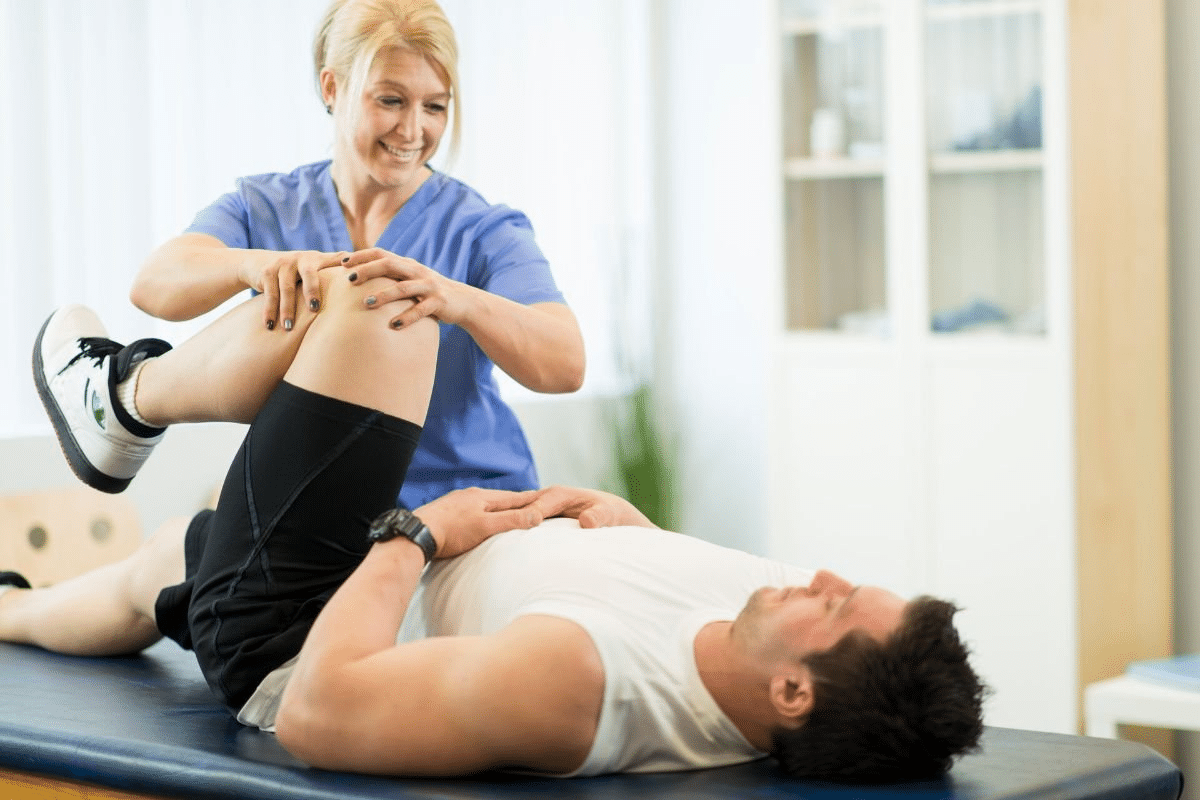
Physiotherapy exercises are backed by science and help many people. They are key in getting back to normal after illness or injury. These exercises help restore function and mobility physiotherapy exercises.
Adding physical therapy exercises to your recovery plan can help a lot. Our guide offers clear, step-by-step instructions. It’s based on the latest research, helping you meet your personal goals.
Key Takeaways
- Physiotherapy exercises are tailored to individual needs and goals.
- Evidence-based practices support effective recovery and rehabilitation.
- Proper technique is essential for achieving lasting health benefits.
- Our guide provides step-by-step instructions for various conditions.
- Physical therapy exercises can enhance overall well-being.
The Science and Benefits of Physiotherapy Exercises

Physiotherapy exercises are backed by a lot of scientific evidence. Studies have shown they can greatly reduce disability and handicap in chronic conditions. This makes them a key part of treatment.
These exercises work well for many health issues. They help people with chronic low back pain, knee osteoarthritis, and after a stroke. For example, they improve muscle strength and aerobic capacity a lot.
Evidence-Based Effectiveness Across Conditions
Physiotherapy exercises help with many health problems, not just one. They improve function and reduce symptoms in patients with heart disease, neurological issues, and musculoskeletal disorders. Exercise physiotherapy is a game-changer for these conditions.
Improvements in Strength and Mobility
One big plus of physiotherapy exercises is they boost strength and mobility. Patients can get back to doing things they love. Studies prove these exercises increase muscle strength and aerobic capacity, which are key for daily life.
Long-Term Health Benefits
Physiotherapy exercises also offer long-term health benefits. They lead to lasting health improvements and lower the risk of future problems. By making physical therapy exercises a part of their life, people can stay healthy and active for years.
In summary, the science behind physiotherapy exercises shows they are vital for health and recovery. Understanding their benefits helps people see how important they are for staying physically fit.
Essential Preparation Before Starting Your Exercise Program

Before starting any exercise program, it’s key to prepare well. We know that good preparation can greatly help you reach your goals. It makes your journey safer and more effective.
Professional Assessment and Personalized Plans
Getting a thorough assessment is the first step. Our physiotherapists do detailed checks to know what you need. They then create personalized exercise programs just for you.
Studies show that customized plans lead to faster recovery and better results. We use physical therapy exercises pictures and diagrams to help you learn the exercises right.
Setting Up a Safe Exercise Space
Having a safe space for your exercises is important. Make sure the area is clear and well-ventilated. If you’re doing free physical therapy exercises online, a stable internet and a clear device screen are musts.
This setup helps you stay focused and avoids accidents during your physio workout sessions.
Gathering Necessary Equipment
You might need specific gear based on your plan. This could include resistance bands, exercise balls, and comfy clothes. Get these items ready before you start.
If you’re doing physical therapy exercises online, having some basic items can help. Always check with your therapist to see what you really need.
By taking these steps, you can start a safe, effective, and personalized physiotherapy exercise program. It will meet your unique needs and help you recover well.
Mastering Proper Physiotherapy Exercise Techniques
Learning and using the right physiotherapy exercise techniques is key to getting the most out of them. It’s important to do the exercises correctly to stay safe and get the best results.
Correct Breathing Patterns
How you breathe affects how well therapy exercises work. Good breathing helps you relax, get more oxygen, and do the exercises better. Here are some tips for breathing right:
- Try deep, diaphragmatic breathing to relax and lower stress.
- Match your breathing with the movement to make the exercise more effective.
- Don’t hold your breath during exercises, as it can cause strain.
Body Alignment and Posture Fundamentals
Keeping your body aligned and your posture right is key during physical therapy exercises. Good posture makes sure the exercises work the right muscles and keeps you safe from injury. Focus on these points:
- Keep your spine straight and avoid too much curve or flatness.
- Use your core muscles to support your lower back.
- Make sure your joints are aligned right to avoid putting too much stress on them.
Looking at images of physical therapy exercises can also help you see the right posture and alignment.
Understanding Exercise Dosage and Progression
Knowing how much and how fast to do physiopedia exercises is important for getting the results you want. This means:
- Start with lower intensity and slowly increase as you get stronger.
- Watch how your body reacts to the exercises and adjust the intensity if needed.
- Gradually move on to harder exercises to keep challenging your muscles and improving.
By getting these points right, you can make sure your physiotherapy exercises are both safe and effective.
Step-by-Step Guide to Core Physiotherapy Exercises
Core physiotherapy exercises are key to better function and mobility. They boost strength, flexibility, and balance. These are important for healing and staying healthy.
Range of Motion and Flexibility Exercises
Range of motion exercises keep joints moving and reduce stiffness. Start with gentle moves and slowly increase them as you get more comfortable and flexible.
- Shoulder Rolls: Roll your shoulders forward and backward in a circular motion.
- Neck Stretch: Gently tilt your head to the side, bringing your ear towards your shoulder.
- Ankle Circles: Rotate your ankle in both clockwise and counterclockwise directions.
Progressive Strengthening Exercises
Progressive strengthening exercises build muscle strength and endurance. They should match your current strength level and get harder as you get stronger.
- Leg Press: Press your legs against resistance, strengthening your quadriceps and hamstrings.
- Arm Curls: Use light weights to curl your arms, improving bicep strength.
- Core Bridges: Lie on your back with knees bent and lift your hips, working your core muscles.
|
Exercise |
Repetitions |
Sets |
|---|---|---|
|
Leg Press |
10-15 |
3 |
|
Arm Curls |
12-15 |
3 |
|
Core Bridges |
10-12 |
3 |
Balance and Proprioception Training
Balance and proprioception exercises boost stability and coordination. They help prevent falls and improve physical function.
- Single-Leg Stand: Stand on one leg, holding onto a support if necessary.
- Heel-To-Toe Walk: Walk along a straight line, placing the heel of one foot directly in front of the toes of the other foot.
- Balance Boards: Use a balance board or wobble board to challenge your balance.
Adding these core physiotherapy exercises to your routine can greatly improve your function and mobility. It helps a lot in your rehabilitation journey.
Physiotherapy Exercises for Different Body Regions
Physiotherapy exercises target specific body areas like the upper body, lower extremities, core, and neck. Each area needs its own set of exercises.
Upper Body and Shoulder Rehabilitation
The upper body, including the shoulders, needs exercises to boost flexibility and strength. Shoulder rolls, arm circles, and wall push-ups are good examples. These help after injuries or surgeries.
Lower Extremity Strengthening
Strengthening the lower extremities is key for mobility and balance. Squats, lunges, and calf raises are great for the legs.
|
Exercise |
Target Area |
Benefits |
|---|---|---|
|
Squats |
Legs, Glutes |
Strengthens lower body |
|
Lunges |
Legs, Glutes |
Improves balance and strength |
|
Calf Raises |
Calves |
Enhances ankle mobility |
Core Stability and Back Care
Core stability is key for overall strength and posture. Planks, bridges, and pelvic tilts are good for the core.
Neck and Posture Correction
Exercises for the neck and posture are important for desk workers or those with neck injuries. Neck stretches, chin tucks, and shoulder blade squeezes are helpful.
For more details and pictures, check out physioex.com and other sites with physical therapy exercises with pictures.
Targeted Physiotherapy Exercises for Common Conditions
We know that different health issues need special physiotherapy exercises for the best recovery. Tailoring exercises to meet specific needs helps manage symptoms and boosts health.
Chronic Low Back Pain Management
Chronic low back pain can really affect daily life. Physiotherapy exercises for this issue aim to strengthen the core, improve flexibility, and better posture.
- Pelvic tilts: Helps in reducing pain and improving flexibility.
- Knee to chest stretch: Stretches the lower back and gluteal muscles.
- Bridging: Strengthens the core and gluteal muscles.
Knee Osteoarthritis Rehabilitation
Knee osteoarthritis causes pain and stiffness, making daily tasks hard. Exercise physio for this condition strengthens knee muscles, improves flexibility, and lessens pain.
|
Exercise |
Purpose |
Repetitions |
|---|---|---|
|
Straight leg raise |
Strengthens quadriceps |
10-15 |
|
Quad sets |
Strengthens quadriceps |
10-15 |
|
Knee bends |
Improves flexibility |
5-10 |
Post-Stroke Recovery Protocols
After a stroke, physical therapy exercises online or in-person are key for recovery. These exercises help regain strength, improve balance, and enhance mobility.
- Range of motion exercises to maintain flexibility.
- Strengthening exercises for the affected limbs.
- Balance training to reduce the risk of falls.
Respiratory Condition Exercises
For those with respiratory issues, physiotherapy exercises can improve lung function and respiratory health. Diaphragmatic breathing and pulmonary rehabilitation are often suggested.
Adding these targeted therapy exercises to a routine can lead to big improvements in health and life quality. Always talk to a healthcare professional to create a personalized exercise plan.
Creating an Effective Exercise Schedule and Monitoring Progress
To get the best results in physical rehab, making a good exercise plan is key. A well-thought-out plan boosts the effectiveness of physiotherapy. It also helps patients stay on track with their recovery.
Determining Optimal Frequency and Duration
Finding the right amount of time and how often to do exercises is vital. This depends on the person’s needs, the injury or condition, and where they are in rehab.
Usually, doing exercises 2-3 times a day for 15-30 minutes each time works well. But, this can change based on how the patient is doing and how they feel.
|
Condition |
Frequency |
Duration |
|---|---|---|
|
Post-surgery rehabilitation |
3 times a day |
20 minutes |
|
Chronic pain management |
2 times a day |
15 minutes |
|
Sports injury recovery |
3 times a day |
30 minutes |
Tracking Improvements and Making Adjustments
It’s important to keep an eye on how you’re doing to make sure the exercises are working. Keeping a workout log helps track what you’re doing and how you’re feeling.
Change your exercise plan if you’re getting better, if your condition changes, or if you start feeling new symptoms. You might need to make the exercises harder, switch them up, or add new ones.
Signs Your Exercises Are Working
There are signs that your physiotherapy is helping. Look for:
- Less pain or discomfort
- Better movement range
- More strength or endurance
- Improved balance and coordination
Seeing these improvements is a good sign. It means your exercise plan is working well.
When to Consult Your Therapist Again
Knowing when to go back to your therapist is important. If you notice:
- More pain or discomfort
- New or getting worse symptoms
- Stuck in progress
- Concerns about your exercises
It’s time to talk to your therapist again. Regular check-ins help fix any problems quickly and keep your rehab moving forward.
Safety Considerations and Avoiding Common Mistakes
When doing physiotherapy exercises, safety is key. These exercises help patients recover or manage health issues. But, they must be done right to avoid injury.
Recognizing Warning Signs During Exercise
It’s important to listen to our body during exercise physiotherapy. Sharp pain, dizziness, or trouble breathing mean we should stop right away. These signs show something’s wrong, and going on could cause serious harm.
We should know our limits. Some discomfort is okay, but it shouldn’t hurt too much. Paying attention to how our body feels helps us adjust our exercises safely.
Preventing Overexertion and Injury
To avoid injury, start slow with physiotherapy exercises. Gradually increase how hard and long you exercise. This lets your body get used to it without getting too tired.
Always warm up before exercising and cool down afterwards. This helps prevent muscle injuries and makes your exercises more effective.
Correcting Improper Form and Technique
Getting the right form and technique is critical for pt exercises. Wrong form can hurt you or make the exercise less effective. A good physiotherapist can teach you the right way to do it.
Getting feedback from a physiotherapist helps fix any wrong form. This makes sure your physio exercise routine is safe and helpful.
Adapting Exercises for Special Populations
Some groups, like the elderly or those with certain health issues, need special physiotherapy exercises. A skilled physiotherapist can make exercises that fit their needs. This makes sure everyone gets the benefits of exercise physiotherapy, no matter their age or health.
Conclusion: Building Lifelong Habits for Rehabilitation Success
Rehabilitation is a long-term journey. By adding physiotherapy exercises to your daily routine, you can keep improving your health. This leads to long-term success in your rehabilitation.
We’ve looked at many aspects of physiotherapy exercises. This includes the right techniques, exercises for different parts of the body, and safety tips. It’s important to make these exercises a regular part of your life. Being consistent is the key to getting the most out of physical therapy exercises.
Regular physio exercises can greatly improve your well-being. They help prevent injuries, manage chronic conditions, and boost physical function. Remember, every small step you take is important. Making physiotherapy exercises a daily habit is a big step towards reaching your health goals.
FAQ
What are the benefits of physiotherapy exercises?
Physiotherapy exercises boost strength, mobility, and health. They’re made just for you, helping with recovery and well-being.
How do I prepare for a physiotherapy exercise program?
First, get a professional assessment. Then, set up a safe space for exercise. Lastly, get the right equipment for a safe and effective workout.
What are the key elements of proper physiotherapy exercise techniques?
Learning proper techniques is key. This includes breathing right, keeping your body aligned, and knowing how to progress your exercises for the best results.
What types of exercises are included in a core physiotherapy program?
A core program includes exercises for moving, strengthening, and balancing. These help improve function and mobility.
Can physiotherapy exercises be tailored to specific body regions?
Yes, exercises can be tailored for different areas like the upper body, lower extremities, core, and neck. This addresses unique challenges and needs.
Are there specific physiotherapy exercises for common conditions like chronic low back pain or knee osteoarthritis?
Yes, there are exercises for common issues like chronic low back pain and knee osteoarthritis. They help manage symptoms and improve health.
How do I create an effective exercise schedule and monitor progress?
Plan your exercise schedule carefully. Decide on the right frequency and duration. Track your progress and celebrate your achievements to stay motivated.
What safety considerations should I be aware of when doing physiotherapy exercises?
Always be aware of warning signs and avoid overexertion. Adapt exercises for special populations to ensure safety and effectiveness.
How can I make physiotherapy exercises a lifelong habit?
Make exercises a part of your daily routine. This keeps you healthy and improves function for long-term success.
What is the role of a physiotherapist in creating a personalized exercise plan?
A physiotherapist assesses your needs and creates a plan just for you. They guide you on technique and progression for a safe and effective workout.
Can I do physiotherapy exercises at home or do I need to visit a clinic?
Some exercises can be done at home. But, working with a physiotherapist in a clinic is often better. They help create a personalized plan and guide you on technique.
How often should I perform physiotherapy exercises?
The frequency depends on your needs and goals. Typically, you should exercise several times a week for the best results.
Reference
Amazing How To Do Physiotherapy Exercises: Step-by-Step https://www.ncbi.nlm.nih.gov/books/NBK555914/