After vitrectomy surgery, an intraocular gas bubble is often used. It holds retinal layers in place while healing happens. This bubble can cause vision problems, but knowing its purpose and how long it lasts can help. Understanding the natural resolution process for how to get rid of gas bubble in eye and tips for managing vision. Wait for how to get rid of gas bubble in eye.
The type of bubble used depends on the repair needed and how long it should last. It could be a medical gas or just air. At Liv Hospital, we focus on quality care and the latest medical standards. We aim for a smooth recovery for our patients.
Key Takeaways
- The intraocular gas bubble is a temporary measure to facilitate healing after vitrectomy surgery.
- The type and duration of the bubble depend on the specific repair needs.
- Understanding the role of the gas bubble can help alleviate concerns and promote proper post-operative care.
- Liv Hospital provides comprehensive support for international patients undergoing advanced medical treatments.
- Proper posturing instructions are key for healing and reducing complications.
Understanding Gas Bubbles in Eye Surgery

It’s key for patients to know about gas bubbles in eye surgery, like retinal detachment repair. These bubbles help the healing by acting as a temporary support. They help the retina stick back together or fix tears.
What Is a Gas Bubble and Its Purpose
A gas bubble is a mix of gas and fluid put in the eye during surgery. It’s main job is to help the retina heal by acting like a bandage. This bandage keeps the retina in place until it’s fully healed.
The time a gas bubble stays in the eye changes based on the gas type. Short-acting gases like SF6 last 10 to 20 days. Long-acting gases like C3F8 can last 6 to 8 weeks. Knowing this is important for recovery and care after surgery.
Types of Surgeries That Require Gas Bubbles
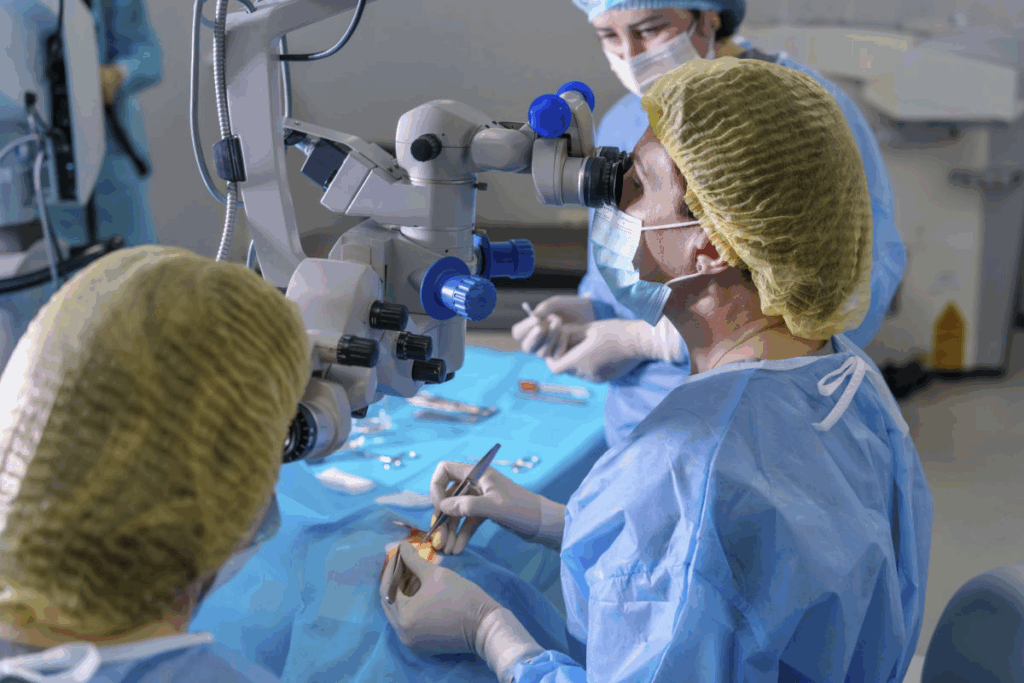
Gas bubbles are used in many eye surgeries. This includes vitrectomy for retinal detachment, macular hole repair, and macular pucker surgery. These surgeries remove the vitreous gel and add a gas bubble to help healing.
Many retina repairs need to reach the damaged retina. A retina specialist does a vitrectomy to remove the gel. Then, they repair the retina and add a gas bubble to help it heal.
Types of Gas Bubbles Used in Eye Surgery

Eye surgery uses different gas bubbles, each with unique features. The right gas bubble choice depends on the surgery’s needs and the patient’s health. We pick the best gas bubble for our patients’ success.
Short-Acting Gases (SF6)
SF6 (sulfur hexafluoride) is a common gas in eye surgery. It’s absorbed by the body in 10 to 14 days. SF6 is good for simpler surgeries, helping the eye heal.
Long-Acting Gases (C3F8)
C3F8 (perfluoropropane) is used for serious retinal detachments. It stays in the eye for 55 to 65 days, aiding in longer healing. C3F8 is best for complex surgeries needing longer support.
Air Bubbles
Air bubbles are used too. They are absorbed fast, usually in 5 to 7 days. They’re good for simpler surgeries or when quick support is needed.
The gas used in retina surgery doesn’t need removal. It absorbs naturally, avoiding extra surgery.
We look at many factors for gas bubble choice in eye surgery. These include surgery complexity, patient health, and specific needs. The right gas bubble boosts the surgery’s success.
- Short-acting gases (SF6) are absorbed in 10 to 14 days.
- Long-acting gases (C3F8) remain in the eye for 55 to 65 days.
- Air bubbles are absorbed within 5 to 7 days.
The Natural Dissolution Process
Knowing how gas bubbles dissolve is key to understanding recovery. The process of gas bubble absorption is slow and depends on the gas type.
How Gas Bubbles Are Absorbed
Gas bubbles from eye surgery are absorbed by the body. At first, they can block a lot of light and make vision blurry. As they shrink, a horizontal line may appear in your vision, showing they are being absorbed.
The body replaces the gas bubble with its own fluid. The speed of this process depends on the gas type. We’ll look at this in more detail later.
Timeline for Different Gas Types
Different gases dissolve at different rates. For example:
- Short-acting gases (SF6) are absorbed in 1-2 weeks.
- Long-acting gases (C3F8) take 2-3 months to dissolve.
- Air bubbles are absorbed quickly, in a few days to a week.
Knowing how long your gas will take to dissolve helps you plan your recovery.
Factors Affecting Absorption Rate
Several things can affect how fast a gas bubble is absorbed. These include:
- The type of gas used, as mentioned earlier.
- The size of the gas bubble.
- The patient’s overall health and eye condition.
- Post-surgical positioning and activity level.
By understanding these factors and following your doctor’s advice, you can have a smoother recovery.
What to Expect During Recovery
Recovering from eye surgery can be smoother if you know what to expect. A gas bubble in your eye might affect your vision and daily life. But knowing how it works and how it will disappear can help you feel better.
Initial Vision Impairment
Right after surgery, you might see things blurry or have a dark shadow. This is normal and part of getting better.
The “Spirit Level” Effect
As the gas bubble starts to go away, you might see a line that looks like a spirit level. This line shows where the gas bubble meets your eye’s fluid. It will move down as the bubble gets smaller.
Gradual Vision Improvement
As the gas bubble gets smaller, your vision will get better. You’ll see more clearly as the bubble goes away. Your vision will improve from top to bottom.
Recovery Stage | Vision Characteristics | Typical Timeline |
Immediate Post-Surgery | Blurry vision, dark shadow | 0-3 days |
Spirit Level Effect | Horizontal line, gradual descent | 3-14 days |
Gradual Improvement | Clearer vision from top to bottom | 2-6 weeks |
Knowing about these stages can help you prepare and follow your doctor’s advice. This can make your recovery smoother and more successful.
How to Get Rid of Gas Bubble in Eye Safely
Removing a gas bubble from the eye after surgery needs patience and expert advice. It’s important to know that a gas bubble is a temporary thing. It helps the eye heal after certain surgeries.
Why You Shouldn’t Rush the Process
Trying to get rid of a gas bubble too fast can cause problems. This includes retinal detachment or infection. It’s key to follow your doctor’s advice for the best healing.
Don’t try to speed up the process without your doctor’s say-so. This could mess up the surgery’s success.
Medical Monitoring of Bubble Dissolution
Regular eye checks are vital after surgery. We suggest seeing your doctor every two to three weeks. This ensures the retina stays attached and the bubble dissolves right.
“Regular follow-up appointments with your ophthalmologist are vital to monitor the gas bubble’s dissolution and to adjust your post-operative care plan as necessary.”
Monitoring also means changing your care plan as needed. This is based on what your doctor sees during check-ups.
Patience and Realistic Expectations
Knowing how long a gas bubble will last is key. Short-acting gases like SF6 dissolve faster than long-acting ones like C3F8. Be ready for a recovery time that can vary a lot.
Gas Type | Typical Dissolution Time |
SF6 (Short-acting) | 1-2 weeks |
C3F8 (Long-acting) | 6-8 weeks |
Air | 3-5 days |
Having the right expectations and being patient are key for a good recovery. We’re here to support you every step of the way.
Proper Head Positioning Techniques
Proper head positioning is key after eye surgery. It helps keep the gas bubble in the right spot. This is important for healing.
Face-Down Positioning Requirements
After some eye surgeries, like retinal detachment repair, you need to lie face-down. This helps the gas bubble heal the retina. You’ll need to do this for a lot of the day, sometimes for weeks.
Key Considerations for Face-Down Positioning:
- Maintain the face-down position for the recommended duration
- Avoid lying on your back or sides unless specified by your surgeon
- Use pillows or specialized equipment to support your head
Side Positioning Guidelines
Not all surgeries require face-down positioning. Your surgeon will tell you what’s best for you. They consider your surgery and needs.
Tips for Side Positioning:
- Only adopt side positions if your surgeon has given you permission
- Use supportive pillows to maintain a comfortable and stable position
- Avoid putting direct pressure on the operated eye
Equipment to Help Maintain Proper Positioning
There are tools to help you stay in the right position. These include face-down chairs, pillows, and cushions for recovery.
Equipment Type | Description | Benefits |
Face-Down Recovery Chairs | Reclining chairs designed for face-down positioning | Provides comfort and support during extended face-down periods |
Specialized Pillows | Pillows designed to support the head and neck | Helps maintain correct positioning while sleeping or resting |
Post-Op Cushions | Cushions designed for comfort during recovery | Reduces strain on the body while maintaining the required position |
One patient said, “A face-down recovery chair was a game-changer. It let me rest comfortably while keeping me in the right position.”
“The key to a smooth recovery is patience and adherence to your doctor’s instructions. Proper head positioning is not just a suggestion, it’s a vital part of the healing process.”
By following the right head positioning and using the right tools, recovery can be smoother. Always talk to your doctor about any questions or concerns.
Medications and Post-Surgical Care
Proper care after eye surgery is key for healing. We know it can be tough, but with the right help, you can get through it.
Eye Drops and Their Proper Application
Eye drops are a big part of your care. They fight off infection, reduce swelling, and help your eye heal. Here’s how to use them right:
- Wash your hands before touching your eye or the bottle.
- Tilt your head back and pull down your lower eyelid to make a pocket.
- Squeeze one drop into the pocket, then close your eye for a few seconds.
- Wipe away any extra with a clean tissue.
Pain Management Strategies
It’s important to manage pain after surgery. Your doctor might give you medicine or suggest something you can buy. Always follow their advice and don’t take too much. Also, a cold compress can help with swelling and pain.
Protecting Your Eye During Recovery
Keeping your eye safe during recovery is vital. Here are some tips:
- Avoid heavy lifting, bending, or hard work.
- Keep your eye clean and don’t rub it.
- Use protective eyewear if your doctor says so.
- Keep your area clean to avoid infection.
By following these steps and talking to your doctor, you can have a smooth recovery.
Daily Living with a Gas Bubble
Having a gas bubble in your eye after surgery means you need to be careful. You’ll have to change your daily habits to recover safely. We’ll show you how to move safely, sleep right, and take care of yourself.
Safe Movement and Navigation
Being careful is key when you have a gas bubble in your eye. Try not to move suddenly or do anything that might make the bubble move. Always be aware of your surroundings to avoid accidents.
Here are some tips for safe movement:
- Moving slowly and deliberately
- Avoiding bending or heavy lifting
- Using handrails when climbing stairs
- Having someone assist you when walking, specially in places you don’t know well
Sleeping Arrangements
When you sleep with a gas bubble, you need to position yourself just right. Your doctor will tell you the best way to sleep, like face-down or on your side.
Sleeping Position | Benefits | Precautions |
Face-Down | Helps keep the gas bubble in place | May be uncomfortable; requires special equipment |
Side Positioning | Can be more comfortable than face-down | Must be done carefully to avoid putting pressure on the eye |
Bathing and Personal Care
When you bathe or take care of yourself, be gentle to avoid getting water in your eye. Use a clean, damp cloth to wipe your face instead.
Here are some tips for bathing:
- Avoiding submerging your head in water
- Using a shower instead of a bath
- Keeping the operated eye closed when washing your face
By following these tips, you can reduce the risk of problems and make your recovery smoother.
Altitude and Travel Restrictions
Altitude changes and air travel can be risky for those with a gas bubble in their eye after surgery. The gas bubble can grow when atmospheric pressure changes. This can put more pressure on the eye, causing pain and possible harm.
Dangers of Altitude Changes
Traveling to higher altitudes means lower atmospheric pressure. This can make the gas bubble in your eye grow. This can lead to eye pressure issues, discomfort, or even eye damage. Always talk to your ophthalmologist before going to high-altitude places.
- Know the altitude of your destination.
- Understand the risks of gas bubble expansion.
- Follow your doctor’s advice on safe altitudes.
Air Travel Limitations
Flying can also affect the gas bubble in your eye due to pressure changes. Airplanes are pressurized, but the pressure is lower than sea level. This can make the gas bubble grow, causing discomfort or complications. It’s best to avoid flying until the gas bubble has fully gone away.
- Check with your airline for medical clearance needs.
- Tell your ophthalmologist about your flight plans.
- Postpone your flight if you can.
Mountain and Elevation Considerations
Visiting mountains or high places can also be risky due to lower atmospheric pressure. If you’re planning to go to such areas, it’s key to talk to your doctor about the risks and how to avoid them.
“Patients should be cautious when traveling to high-altitude destinations and should always consult their ophthalmologist for personalized advice on managing their condition during travel.”
Knowing the risks of altitude changes and taking the right steps can help avoid complications. This ensures a smoother recovery.
Managing Vision Challenges
Managing vision challenges is key after eye surgery. Patients might see things differently because of a gas bubble in their eye. The right strategies can really help improve life quality.
Temporary Visual Aids
Temporary aids can help with daily tasks. Magnifying glasses make reading easier. Large print materials and audiobooks are good for those who can’t read small text.
Adapting Your Environment
Making your space safer and brighter is important. Avoid tripping hazards and make sure everything is well-lit. Using contrasting colors can also help see things better.
Reading and Screen Time Strategies
Reading and screen time can be hard with vision issues. Using text-to-speech software helps. Adjusting display settings to make text bigger and clearer is also helpful. Remember to take breaks to rest your eyes.
These strategies can help patients manage their vision problems better. They make the recovery period easier.
Potential Complications to Watch For
Knowing about possible issues after eye surgery is key for a good recovery. While serious problems are rare, knowing the warning signs can help a lot.
Warning Signs of Retinal Detachment
Retinal detachment is a serious issue that can happen after eye surgery. Look out for sudden flashes of light, more eye floaters, or a shadow over your vision. These signs mean the retina is pulling away from the eye’s back, and you need to see a doctor fast.
If you see these symptoms, call your eye doctor right away. Catching it early can greatly improve your chances of a good outcome.
Infection Indicators
Infection is another possible problem after eye surgery. Watch for signs like more redness, swelling, pain, or discharge from the eye. Also, if your vision gets worse or you’re more sensitive to light, it might be an infection.
If you notice these signs, get medical help quickly. Not treating infections can cause serious problems, like losing your vision.
When to Seek Immediate Medical Attention
If you have severe eye pain, sudden vision loss, or increased light sensitivity, get help fast. It’s always safer to be cautious with your vision and eye health.
Your eye doctor is the best person to talk to about any worries. Don’t hesitate to call if you’re concerned about your recovery.
Conclusion
Understanding the role of a gas bubble in the eye is key after eye surgery. Following the right care instructions is also important. We’ve shown how patience and being aware of possible issues can help you recover well.
Patients can manage a gas bubble in their eye by following certain steps. It’s important to keep your head in the right position and take your medicine as directed. Making daily adjustments is also a big part of the recovery.
As you get better, your vision will start to improve. But, it’s important to watch out for serious problems like retinal detachment or infection. If you notice any signs, get help right away.
Managing a gas bubble in the eye after surgery needs a full approach. With the right care, you can get through the recovery smoothly. This way, you can avoid complications and have a good outcome.
FAQ
What is a gas bubble in the eye used for?
A gas bubble helps hold the eye’s layers in place while they heal. This is after surgeries like vitrectomy for retinal detachment or macular hole repair.
How long does a gas bubble last in the eye?
The time a gas bubble stays in the eye varies. Short-acting gases like SF6 last weeks. Long-acting gases like C3F8 can last months.
What are the different types of gas bubbles used in eye surgery?
Eye surgery uses different gases. Short-acting gases (SF6) and long-acting gases (C3F8) are common. Air bubbles are also used, depending on the surgery and patient needs.
How is a gas bubble absorbed by the eye?
The eye absorbs a gas bubble over time. The speed of absorption depends on the gas type and individual factors.
What is the “spirit level” effect during recovery?
As the gas bubble fades, patients might see their vision improve. This is called the “spirit level” effect.
Why is proper head positioning important after eye surgery?
Keeping your head in the right position is key. It helps the gas bubble stay in place and aids healing.
Can I travel by air with a gas bubble in my eye?
It’s not safe to fly with a gas bubble in your eye. Changes in altitude can make the bubble expand, causing problems.
How can I manage vision challenges during the recovery period?
Use temporary visual aids and adapt your space. Strategies for reading and screen time can also help.
What are the warning signs of potentially complications after eye surgery?
Watch for signs of retinal detachment, infection, or other issues. Seek medical help right away if you notice anything unusual.
How can I protect my eye during recovery?
Use eye drops as directed and manage pain well. Avoid things that could irritate or harm your eye.
How long does it take for a gas bubble to dissolve after vitrectomy?
The time for a gas bubble to dissolve after vitrectomy varies. Short-acting gases dissolve in weeks, while long-acting gases take months.
What are the risks associated with altitude changes and gas bubbles in the eye?
Altitude changes can make the gas bubble expand. This can increase eye pressure and lead to complications.