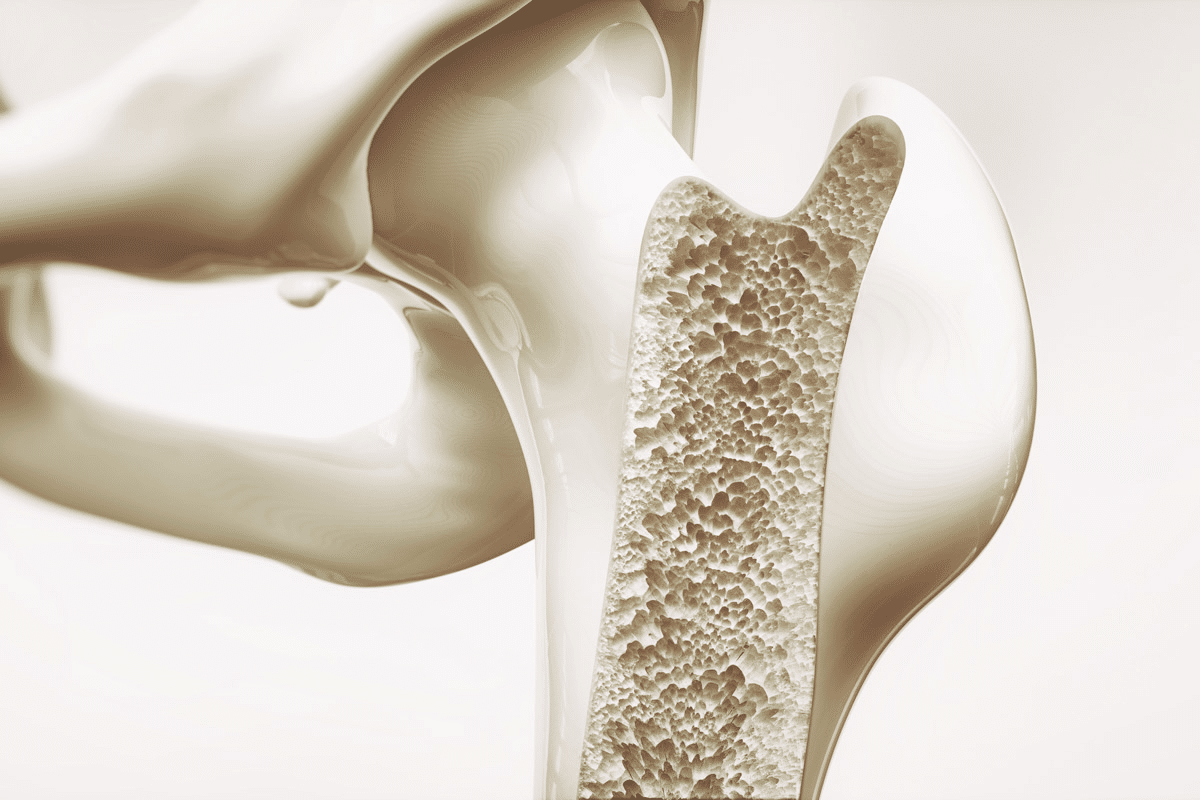
Osteoporosis is a big health problem worldwide. It makes people more likely to break bones and lowers their quality of life. IV zoledronic acid is a new treatment. It’s a simple once-a-year infusion that works when pills don’t.Guide on using iv medication for osteoporosis (Zoledronic Acid) and the key safety precautions needed for infusion.
Zoledronic acid is given through an IV. It’s easier than taking pills every day or week. This article will look at how IV zoledronic acid helps with osteoporosis. We’ll see how it makes bones stronger and denser.
Key Takeaways
- IV zoledronic acid is a yearly infusion treatment for osteoporosis.
- It offers a convenient alternative to oral bisphosphonates.
- Zoledronic acid strengthens bone structure and density.
- Administered intravenously, it enhances patient compliance.
- Understanding its benefits and possible side effects is key for good management.
Understanding Osteoporosis and Bone Health

It’s important to understand how osteoporosis progresses to manage bone health and prevent fractures. Osteoporosis causes bone density to decrease, raising the risk of fractures. Often, bone loss happens quietly, with significant loss before symptoms show.
The Progressive Nature of Bone Loss
Bone loss in osteoporosis happens slowly and can be affected by genetics, lifestyle, and hormonal changes. When bone resorption happens faster than bone formation, bones weaken, increasing fracture risk. Early detection and intervention are critical for managing this condition well.
Factors like aging, menopause in women, and some medical conditions or treatments can speed up bone loss. Understanding these risk factors helps identify who needs early intervention.
When Medical Intervention Becomes Necessary
Medical help for osteoporosis is needed when fracture risk is high. This decision is based on bone density tests and other risk factors. Zoledronic acid, a bisphosphonate, is used to slow bone loss and reduce fracture risk.
Choosing to start treatment involves looking at overall health, other medical conditions, and treatment benefits and risks. Healthcare providers play a key role in helping patients make this decision. They ensure the treatment fits the patient’s needs.
What is Zoledronic Acid and How Does It Work?

Zoledronic acid is a strong medicine for osteoporosis. It’s part of a group called nitrogen-containing bisphosphonates. Given through an IV, it helps lower the chance of bone breaks in people with osteoporosis.
The Science Behind Nitrogen-Containing Bisphosphonates
Nitrogen-containing bisphosphonates, like zoledronic acid, stop bone breakdown. They stick well to bone, which is good for bones that are changing a lot.
The nitrogen in these medicines makes them work better than others. This is because they block a key step in making proteins needed for bone cells.
Mechanism of Osteoclast Inhibition
Osteoclasts are the cells that break down bone. Zoledronic acid stops these cells from working, which helps keep bones strong.
It does this by blocking an enzyme in the mevalonate pathway. This stops the cells from getting the proteins they need to survive and work.
|
Mechanism |
Effect on Osteoclasts |
Clinical Outcome |
|---|---|---|
|
Inhibition of FPPS |
Disruption of osteoclast function and survival |
Reduced bone resorption |
|
Reduced prenylation of small GTPases |
Inhibition of osteoclast activity |
Increased bone density |
Knowing how zoledronic acid works helps doctors treat osteoporosis better. This reduces the risk of bone fractures and improves patients’ lives.
Benefits of IV Medication for Osteoporosis
Getting zoledronic acid through an IV once a year boosts patient compliance and treatment success for osteoporosis. This method guarantees a steady dose, making the treatment more effective.
Comparing Intravenous vs. Oral Bisphosphonate Adherence
Research shows IV bisphosphonates lead to better adherence than oral ones. This is because they are given less often and don’t require patients to follow strict oral intake rules.
- Improved adherence: IV treatment makes sure patients get their meds on time.
- Reduced gastrointestinal side effects: IV zoledronic acid cuts down on stomach problems compared to oral forms.
Advantages of the Annual Dosing Schedule
The yearly IV zoledronic acid dosing has many pluses, including:
- Convenience: Patients only have to see their doctor once a year for the treatment.
- Consistency: It keeps patients on track with their treatment, leading to better results.
- Reduced treatment burden: It eases the need for daily or monthly doses.
In summary, IV zoledronic acid is a user-friendly, effective, and convenient treatment for osteoporosis.
Clinical Evidence Supporting Zoledronic Acid Efficacy
Zoledronic acid is proven to lower fracture risk and boost bone density. This section looks at the strong evidence backing its use in osteoporosis treatment.
Fracture Risk Reduction Statistics
Studies show zoledronic acid infusions cut fracture risk in osteoporosis patients. It reduces vertebral fracture risk by 70 percent and hip fracture risk by 41 percent over three years. These numbers highlight its power in preventing fractures, which can be life-changing for those with osteoporosis.
Reducing fracture risk is key in managing osteoporosis. Fractures can cause serious health issues, death, and lower quality of life. Zoledronic acid helps by lowering this risk, making it a valuable treatment for those at high fracture risk.
Long-Term Improvements in Bone Mineral Density
Zoledronic acid also boosts bone mineral density (BMD) over time. Research shows annual infusions increase BMD at the spine and hip. These BMD gains lower fracture risk and strengthen the skeleton.
The long-term BMD benefits of zoledronic acid make it a key part of osteoporosis management. It’s most helpful for those with fracture history or high fracture risk. By keeping or increasing BMD, zoledronic acid reduces fracture risk and its complications.
In summary, zoledronic acid’s clinical evidence is strong. It significantly lowers fracture risk and boosts bone density. This evidence supports its use in osteoporosis treatment, mainly for those at high fracture risk.
Preparing for Your Zoledronic Acid Infusion
Before your zoledronic acid infusion, you need to prepare. This ensures the treatment is safe and works well. Your healthcare provider will help you with these steps.
Required Pre-Treatment Laboratory Testing
Your healthcare provider will order lab tests before the infusion. These tests check your health and kidney function. They are important to make sure you can safely get the treatment.
- Serum creatinine to check kidney health
- Electrolyte levels, like calcium, to watch for imbalances
Calcium and Vitamin D Supplementation Requirements
Your healthcare provider might suggest calcium and vitamin D supplements before and after. This is to prevent low calcium levels. Keeping these nutrients at the right level is key for bone health.
Medication Adjustments Before Treatment
Some medicines might not work well with zoledronic acid. Your healthcare provider might change your meds before the infusion. Telling them about all your medicines and supplements is very important for your safety.
By taking these steps, you can make sure your infusion goes well. Your healthcare provider is there to help you prepare.
The Zoledronic Acid Administration Protocol
Knowing how to administer zoledronic acid is key for both patients and doctors. This protocol makes sure the drug is given safely and works well.
The Standard 5mg Infusion Process
Zoledronic acid for osteoporosis is given in a 5mg dose, once a year. The whole process takes about 15 to 30 minutes. It’s important for a healthcare professional to give it in a clinic to watch for side effects.
Some people might feel flu-like symptoms like chills, fever, or muscle aches. These usually happen within 3 days. They are usually mild and can be helped with over-the-counter pain meds.
Infusion Duration and Medical Monitoring
The infusion of zoledronic acid lasts from 15 to 30 minutes. Medical staff will keep an eye on the patient’s vital signs and look for any bad reactions. After, they watch for a bit to make sure everything is okay.
- Monitoring of vital signs during infusion
- Observation for signs of adverse reactions
- Post-infusion monitoring for immediate complications
Differences Between First and Subsequent Treatments
The first time you get zoledronic acid, you might feel worse. You could get more flu-like symptoms. But, these symptoms get less with each treatment.
Talking to your doctor about these differences is important. Regular check-ups help manage side effects and check if the treatment is working.
Managing Side Effects and Risks
Managing side effects is key when using zoledronic acid for osteoporosis. This medicine helps lower the risk of fractures but comes with side effects and risks.
Acute Phase Reactions and Their Management
Acute phase reactions are common side effects. They include fever, muscle pain, and headache. These symptoms usually happen in the first few days after treatment.
To lessen these reactions, patients should drink plenty of water. They might also want to take over-the-counter pain relievers like acetaminophen before the infusion.
Rare but Serious Complications to Be Aware Of
Zoledronic acid can lead to serious issues, like osteonecrosis of the jaw (ONJ). ONJ makes the jawbone die because it doesn’t get enough blood. People with dental problems or who are getting dental work are at higher risk.
To lower this risk, patients should get a dental check-up before starting treatment. Keeping good oral hygiene is also important.
Strategies to Minimize Adverse Effects
There are ways to reduce the bad effects of zoledronic acid. Making sure to get enough calcium and vitamin D is vital for bone health.
Also, patients need to watch out for hypocalcemia (low calcium levels). They should have their calcium levels checked often.
By knowing the possible side effects and taking steps to prevent them, patients can enjoy the benefits of zoledronic acid treatment for osteoporosis.
Post-Infusion Care and Follow-Up
Proper care after your infusion is key to getting the most from zoledronic acid treatment. Your healthcare team will guide you on what to do next. They want to make sure the treatment works well and is safe for you.
Immediate Post-Treatment Recommendations
Right after your infusion, make sure to:
- Drink lots of water to stay hydrated
- Watch how your body reacts to the treatment and note any side effects
- Follow your doctor’s advice on rest and activity
Remember to keep taking calcium and vitamin D supplements as prescribed. They help keep your bones strong.
Long-Term Monitoring Schedule
Regular check-ups are vital to see how well the treatment is working. Your doctor will set up follow-up visits. These may include:
- Bone density tests to track bone health
- Blood tests to check kidney function and other health markers
- Checking for any new or ongoing side effects
These visits help your doctor adjust your care plan as needed. This ensures you get the best treatment for your needs.
By sticking to these care and follow-up steps, you can maximize the benefits of your treatment. This also helps avoid any risks.
Insurance Coverage and Cost Considerations
Understanding insurance and costs for zoledronic acid is key in managing osteoporosis. Patients must know their financial responsibilities and available options.
Medicare and Private Insurance Coverage
Most insurance, including Medicare, covers zoledronic acid for osteoporosis treatment. Coverage depends on the patient’s medical history and diagnosis. Medicare Part B covers it when given in a doctor’s office or hospital outpatient setting.
Private insurance plans vary in coverage. Some may need prior authorization or meet specific criteria. It’s vital for patients to check their insurance policy or contact their provider to understand their coverage.
Patient Assistance Programs
Patient assistance programs (PAPs) offer financial help for those struggling. These programs, sponsored by pharmaceutical companies, can lower or eliminate costs for zoledronic acid.
Eligibility for PAPs depends on income, insurance, and the medication prescribed. Patients can talk to their healthcare provider or contact the zoledronic acid manufacturer to find out about assistance.
By knowing about insurance options and using patient assistance programs, patients can handle the financial side of osteoporosis treatment better.
Conclusion: Integrating Zoledronic Acid Into Your Osteoporosis Management Plan
Zoledronic acid is a game-changer in treating osteoporosis. It’s a strong and effective treatment for those at risk of fractures. Knowing how IV zoledronic acid works in osteoporosis care helps patients make better choices.
Using IV zoledronic acid in osteoporosis care means more than just taking medicine. It’s about making lifestyle changes, keeping an eye on your health, and sticking to your treatment plan. This approach can greatly improve your bone health and lower fracture risks.
Adding zoledronic acid to your treatment plan gives healthcare providers a reliable option. It’s part of a bigger plan to help patients with osteoporosis. With IV zoledronic acid, patients can see better bone density and lower fracture risks.
FAQ
What is zoledronic acid and how is it used to treat osteoporosis?
Zoledronic acid is a type of medicine used for osteoporosis. It works by stopping bone loss and making bones stronger. It’s given through an IV once a year.
How does IV zoledronic acid compare to oral bisphosphonates in terms of adherence?
IV zoledronic acid is easier to stick to than oral bisphosphonates. This is because it’s given once a year. This makes it simpler for patients to keep up with their treatment.
What are the benefits of using IV medication for osteoporosis?
Using IV medication for osteoporosis has many benefits. It makes it easier for patients to follow their treatment plan. It also helps avoid stomach problems that can come with oral medicines.
What laboratory tests are required before receiving a zoledronic acid infusion?
Before getting a zoledronic acid infusion, you’ll need some blood tests. These check your kidney function, calcium levels, and vitamin D levels. This makes sure you’re ready for the treatment.
How long does a zoledronic acid infusion take?
A standard 5mg infusion of zoledronic acid takes about 15 minutes. You’ll be watched closely during and after the infusion for any bad reactions.
What are the possible side effects of zoledronic acid?
Zoledronic acid can cause flu-like symptoms as a side effect. It can also lead to rare but serious problems like jaw bone damage.
How can I minimize the risk of side effects from zoledronic acid?
To avoid side effects, make sure to take enough calcium and vitamin D. Keep your teeth clean and tell your doctor if you have any symptoms or worries.
Will my insurance cover the cost of zoledronic acid treatment?
Many insurance plans, including Medicare, cover zoledronic acid for osteoporosis. But, the details can vary. There are also programs to help with costs.
How often will I need to receive zoledronic acid infusions?
You’ll usually get zoledronic acid once a year. This makes it easy to keep up with your treatment.
What is the role of calcium and vitamin D supplementation with zoledronic acid treatment?
Taking enough calcium and vitamin D is key with zoledronic acid. It helps keep your bones strong and prevents low calcium levels.
Are there any specific medications that I should avoid taking before receiving a zoledronic acid infusion?
You might need to stop or change some medicines before your infusion. This includes calcium supplements and some kidney medicines. Always check with your doctor first.
References
National Center for Biotechnology Information. Evidence-Based Medical Guidance. Retrieved from https://pmc.ncbi.nlm.nih.gov/articles/PMC2899787/