


Osteoporosis makes bones thin and fragile, raising the chance of fractures. It’s vital to keep bones healthy, more so as we age.Guide on using iv treatment for osteoporosis (infusions) and its benefits over daily or weekly oral medications.
Zoledronic acid infusion therapy is a new way to tackle osteoporosis. This intravenous therapy aims to boost bone density and lower fracture risk.
Bisphosphonates, like zoledronic acid, are key in osteoporosis treatment. Given through IV, they help patients stick to treatment better and work more effectively.

Osteoporosis is a condition that weakens bones, making them more likely to break. It’s often called a “silent disease” because it can go unnoticed until a bone breaks.
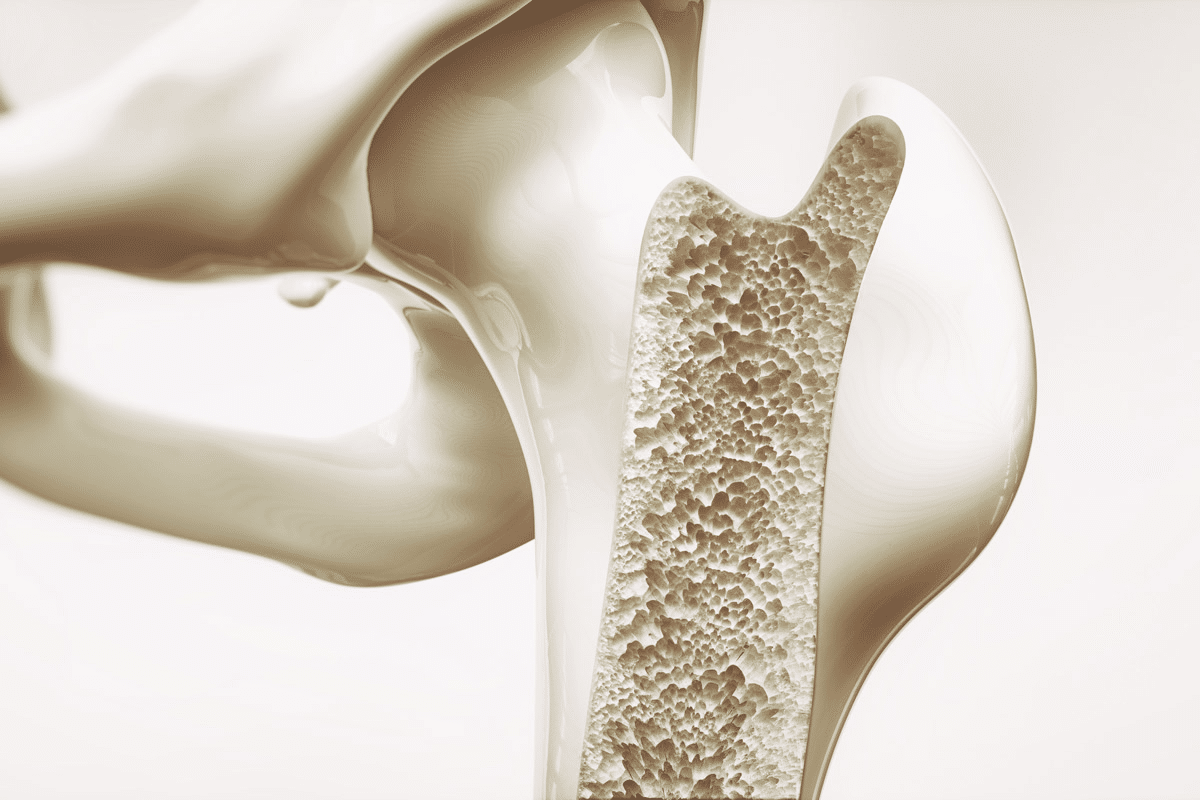
Osteoporosis happens when bones lose density and strength. This makes bones more likely to break. It can occur when the body doesn’t make enough new bone or when too much old bone is broken down.
Key factors that contribute to osteoporosis include:
About 10 million Americans have osteoporosis, and 44 million have low bone density. This puts them at higher risk for fractures. Postmenopausal women are more at risk because of lower estrogen levels, which help keep bones strong.
The risk factors for osteoporosis can be categorized into:
Osteoporosis can greatly affect one’s quality of life. It can cause pain, disability, and loss of independence due to fractures. Vertebral fractures can lead to height loss and a curved spine. Hip fractures often require surgery and can lead to long-term disability.
The effects of osteoporosis on quality of life include:
Traditional treatments for osteoporosis include oral medications and lifestyle changes. These methods are common but face challenges and limitations.
Oral bisphosphonates are a top choice for osteoporosis treatment. But, they need strict dosing rules. Patients must fast and stay upright for a while after taking them. This can be hard and may cause stomach problems for some.
Common Oral Medications:
Making lifestyle changes is key in managing osteoporosis. This includes eating right and exercising regularly. But, these steps alone might not stop fractures.
Ensuring patients stick to their treatment is a big challenge. The dosing rules and side effects can make it hard for them to keep up. This can lessen the treatment’s success.
|
Treatment Aspect |
Oral Medications |
Lifestyle Modifications |
|---|---|---|
|
Adherence Challenges |
Complex dosing, gastrointestinal side effects |
Long-term commitment, lifestyle changes |
|
Benefits |
Effective in reducing bone turnover |
Improves overall bone health, reduces fall risk |
Healthcare providers need to find ways to boost patient adherence. This is key to better treatment results.
Osteoporosis treatment has seen a big leap with IV therapies. These treatments aim directly at improving bone health. They help manage bone density and lower the chance of fractures.
Intravenous therapy for bone health sends medications straight into the blood. This boosts bone density and cuts down fracture risk. It’s great for those who can’t take pills or need a more direct treatment.
There are many IV medications for osteoporosis, with zoledronic acid being a top choice. This acid is given yearly in a 15-minute infusion. It’s very effective in lowering fracture risk.
|
IV Medication |
Administration Frequency |
Key Benefits |
|---|---|---|
|
Zoledronic Acid |
Annual Infusion |
Reduces fracture risk, improves bone density |
|
Ibandronate |
Quarterly Infusion |
Effective in reducing vertebral fractures |
|
Pamidronate |
Monthly or Quarterly Infusion |
Used for patients with severe osteoporosis |
IV treatments for osteoporosis stop bone breakdown. This helps keep bone mass up and bone density strong. It’s great for areas like the spine and hip that are prone to fractures.
By focusing on bone remodeling, IV therapies offer a better way to manage osteoporosis. They’re very helpful for those at high risk of fractures.
Zoledronic acid infusion is a top choice for treating osteoporosis. It’s known for its effectiveness. This treatment offers a simple and effective way to manage osteoporosis with just one dose a year.
Zoledronic acid stops bone loss by slowing down bone resorption. This action is key in lowering fracture risk in osteoporosis. It helps keep bone density stable, which is essential for bone health.
Zoledronic acid infusion is easy and quick. It’s given once a year in just 15 minutes. This makes it a convenient option for patients, as they only need to visit their doctor once a year.
Even though zoledronic acid infusion is usually safe, it needs proper medical care. Patients should watch for side effects and have their kidney function checked before each treatment. Doctors are key in making sure the treatment is given safely and right.
Knowing the benefits and needs of zoledronic acid infusion helps both patients and doctors. It’s a reliable and effective way to lower fracture risk in osteoporosis.
The bone infusion treatment for osteoporosis has strong evidence backing it. It has been studied a lot, and the results are good.
This treatment greatly lowers the chance of vertebral fractures. Studies show a 70% reduction in vertebral fractures. This is a big win for patients with osteoporosis.
Bone infusion treatment also cuts down hip fractures. Research found a 41% reduction in hip fractures for those who got the treatment. This shows it’s effective in fighting osteoporosis.
Postmenopausal women are often hit hard by osteoporosis. Long-term studies show bone infusion treatment helps them a lot. It boosts bone density and lowers fracture risk over time. This makes it a great choice for them.
In summary, the evidence is clear. Bone infusion treatment is a top choice for reducing fracture risk and improving bone health in osteoporosis patients.
The yearly infusion for osteoporosis is a big help for bone health. It makes bones stronger and protects them from breaking. This treatment is a big step forward in fighting osteoporosis.
Yearly infusion therapy boosts bone mineral density (BMD) in important spots. Research shows a 6.7% increase in lumbar spine BMD and a 5.1% improvement in femoral neck density. These gains help lower the chance of fractures and improve bone health.
The infusion therapy works by focusing on high bone turnover areas. It helps balance bone remodeling, leading to better BMD.
The benefits of yearly infusion therapy last a long time. Studies show its effects can last for years after treatment. This means long-term protection against osteoporotic fractures.
|
Benefit |
Measurement |
Duration |
|---|---|---|
|
Lumbar Spine BMD Increase |
6.7% |
Long-term |
|
Femoral Neck Density Improvement |
5.1% |
Long-term |
|
Protective Effects Against Fractures |
N/A |
Several Years |
In summary, the yearly infusion for osteoporosis is a game-changer. It boosts bone mineral density and offers long-term protection against fractures. It’s a great choice for those fighting osteoporosis.
IV infusion therapy for osteoporosis is a big step in managing bone health. Knowing what to expect can make the process easier. Being informed about the treatment journey can help ease concerns and ensure a smooth experience.
Before IV infusion therapy, patients go through pre-infusion preparation and testing. This includes lab tests and medical checks to see if they’re a good fit for the treatment. These tests help doctors check overall health and spot any risks or complications. They make sure the treatment fits the patient’s needs.
Pre-infusion preparation is key to minimizing side effects and making sure the treatment works well. It’s a time for patients to ask questions and clear up any concerns with their healthcare provider.
On infusion day, patients should be ready for a simple process. The infusion, which takes about 15 minutes for medicines like zoledronic acid, is closely watched for any immediate reactions. The quick and easy nature of the procedure makes it a good choice for many.
Patients should plan their day, but most can go back to normal activities right after. Knowing what happens during the infusion can help reduce anxiety and make the experience more comfortable.
After the infusion, doctors keep an eye on the patient’s health. This post-treatment care is key for managing side effects and checking if the treatment is working. Follow-up appointments are set to check on progress and adjust the treatment plan if needed.
Patients are also advised to live a healthy lifestyle. This includes eating a balanced diet with calcium and vitamin D, and staying active. By combining IV infusion therapy with these healthy habits, patients can get the most out of their treatment.
Osteoporosis treatment has changed with IV therapy. It’s now a better and easier choice than oral bisphosphonates. This is because IV therapy has many benefits over traditional pills.
IV therapy for osteoporosis gets rid of stomach problems linked to oral bisphosphonates. These pills can upset the stomach and cause other issues. This is a big problem for people with stomach problems.
IV therapy avoids these problems, letting patients get the treatment they need safely. This is great for those who have had bad reactions to oral bisphosphonates.
“The intravenous route avoids the gastrointestinal tract, reducing the risk of esophageal irritation and other GI side effects associated with oral bisphosphonates.” – Medical Expert, Osteoporosis Specialist
IV therapy for osteoporosis doesn’t need fasting or complicated dosing. Patients don’t have to fast before or after treatment. This makes it easier for them.
|
Treatment Aspect |
IV Therapy |
Oral Bisphosphonates |
|---|---|---|
|
Fasting Requirements |
No |
Yes |
|
Dosing Complexity |
Simple, annual infusion |
Complex, weekly or monthly dosing |
|
Gastrointestinal Side Effects |
Minimal |
Common |
IV therapy is simple, which makes patients more likely to stick to it. With only one infusion a year, it’s easier than taking pills every week or month.
Improved compliance is key to managing osteoporosis well. IV therapy makes treatment simpler and less frequent. This helps patients do better and live better lives.
As shown in the table, IV therapy has many benefits over oral bisphosphonates. It has fewer stomach side effects and easier dosing. These advantages make IV therapy a better choice for treating osteoporosis.
Finding the right patients for infusion therapy is key in treating osteoporosis well. This treatment is great for those at high risk of fractures but isn’t for everyone.
Infusion therapy is best for those who can’t take oral bisphosphonates or haven’t seen results from them. People with a history of fractures, like vertebral ones, are good candidates. Also, those at high risk of fractures, based on bone density or other tests, can benefit from it.
Key characteristics of ideal candidates include:
Some patients might not be right for IV infusion therapy. For example, those with kidney issues or low calcium levels should avoid it until their health improves. It’s important to check for any conditions that might make infusion therapy risky.
Healthcare providers must carefully evaluate the following before administering infusion therapy:
Infusion therapy might be more suitable for some age groups than others. For older adults, weighing the benefits against the risks is important. Younger patients need to consider how it might affect their bone health in the long run.
Age-specific considerations include:
In conclusion, infusion therapy for bone strength is very helpful for some patients. But, choosing the right patients is critical to ensure it works well and is safe.
IV infusion therapy is a big step forward in treating osteoporosis. But, it’s important to manage its side effects to keep patients safe. The treatment uses medicines like zoledronic acid, which can cause different side effects.
Side effects of IV treatment for bone loss can include flu-like symptoms like fever and muscle pain. These usually go away on their own. But, you can take over-the-counter medicines like acetaminophen or ibuprofen to help.
Even though they’re rare, serious problems can happen with IV treatment for bone loss. One big worry is osteonecrosis of the jaw (ONJ), where jawbone tissue dies.
To lower the chance of ONJ, keep your teeth clean, avoid big dental work, and tell your dentist about your treatment.
It’s key to take steps to avoid side effects of IV treatment for bone loss. Regular checks by doctors can spot problems early.
Some important steps include:
Knowing about the side effects of IV treatment for bone loss and how to manage them can help you stay safe. This way, you can get the most out of your treatment.
Advanced osteoporosis treatments, like IV infusion therapy, bring new hope to those with the condition. They offer effective and easy ways to manage bone health.
By trying these new treatments, patients can boost their bone density. This helps lower the chance of fractures. It also improves their overall quality of life.
Studies have shown that IV treatment for osteoporosis works well. It has led to fewer vertebral and hip fractures.
As medicine keeps getting better, using new treatments like IV infusion therapy is key. It helps patients get the best care for their osteoporosis. This leads to better health and a higher quality of life.
IV treatment for osteoporosis involves giving medications directly into the vein. This helps improve bone density and lower the risk of fractures.
Zoledronic acid infusion stops bone breakdown. This increases bone density and lowers fracture risk in osteoporosis patients.
Yearly infusion with zoledronic acid boosts bone density and reduces fractures. It’s also easy to administer, making it more likely patients will stick to treatment.
Expect preparation before the infusion, a 15-minute treatment, and monitoring after. This ensures your safety and treatment success.
IV therapy is better than oral meds because it avoids stomach issues. It’s simpler to administer and patients are more likely to follow through.
Those at high risk of fractures, unable to take oral meds, or with certain health issues are good candidates. IV therapy is more suitable for them.
Side effects include flu-like symptoms. Rare but serious issues like jaw osteonecrosis or femoral fractures can also occur.
IV infusion, like with zoledronic acid, is given once a year. It’s a convenient and effective treatment option.
Yes, IV therapy significantly boosts bone mineral density at the spine and femoral neck. This reduces fracture risk.
Yes, medical supervision is essential. It helps monitor side effects, ensures proper administration, and adjusts treatment as needed.
Government Health Resource. Evidence-Based Medical Guidance. Retrieved from https://www.nejm.org/doi/full/10.1056/NEJMcp1513724
