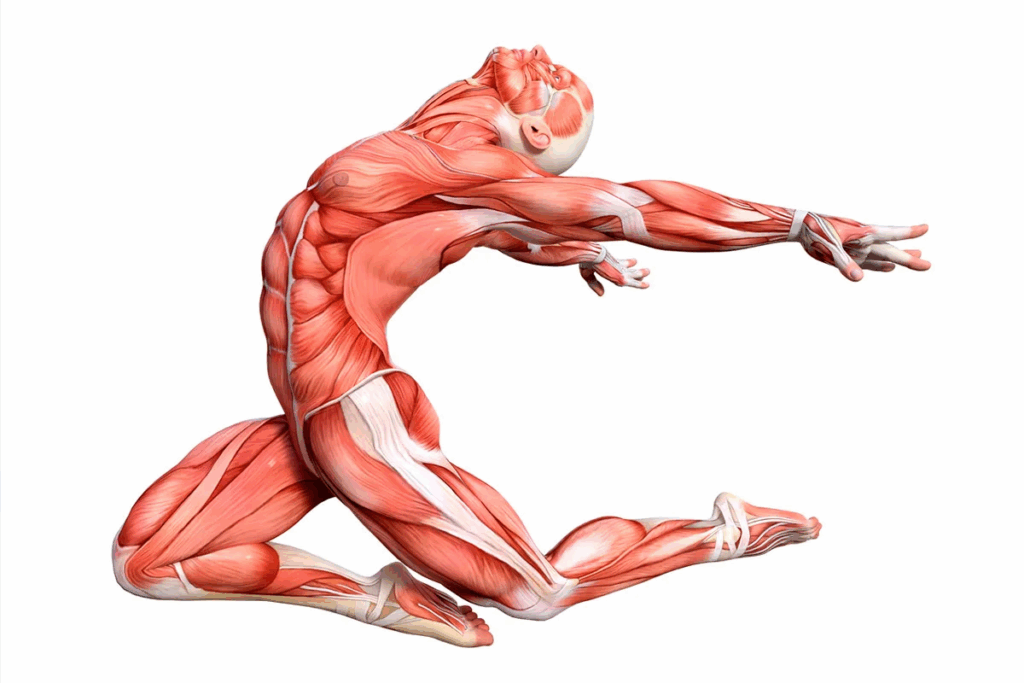
Exercises that target the pelvic floor muscles can greatly help men. They can improve bladder control, sexual function, and overall life quality. Studies show that Kegel exercises can help with stress urinary incontinence, erectile dysfunction, and premature ejaculation. Guide to performing targeted male pelvic exercises for strengthening the PC (pubococcygeus) muscle.
At Liv Hospital, we focus on keeping male genitourinary health in top shape. Our approach is all about the patient, and we use the latest healthcare solutions. We help men recover from prostate surgery and boost their erectile function. By doing PC muscle training, men can see big improvements in their health.
Key Takeaways
- Kegel exercises can help men with urinary incontinence, erectile dysfunction, and premature ejaculation.
- Strengthening the pelvic floor muscles supports the bladder, prostate, and rectum.
- PC muscle training is a non-invasive, scientifically-supported solution for improving male genitourinary health.
- Liv Hospital offers a patient-centered approach to healthcare, guiding men through their recovery and treatment.
- Innovative healthcare solutions can significantly improve overall quality of life.
Understanding the Male Pelvic Floor Anatomy

It’s key to know about the male pelvic floor for good health. The pelvic floor muscles help with many things like holding urine and sex.
What Are PC Muscles?
PC muscles, or pubococcygeus muscles, are important in the male pelvic floor. They are part of the levator ani group. They help support the pelvic organs.
The term “PC muscle” is often used with “pubococcygeus muscle.” It refers to the muscle from the pubic bone to the coccyx (tailbone). This muscle helps control urine flow and is involved in sex.
Location and Function of Pelvic Floor Muscles
The pelvic floor muscles in men form a complex network. They support the bladder, bowel, and sexual organs. These muscles go from the pubic bone to the coccyx, forming a sling-like structure. This structure is key for continence and sex.
The main jobs of the pelvic floor muscles include:
- Supporting pelvic organs
- Regulating urine flow
- Aiding in bowel movements
- Enhancing sexual performance
To show the anatomy and function of the male pelvic floor muscles, here’s a table:
Muscle Group | Location | Primary Functions |
Pubococcygeus (PC Muscle) | From pubic bone to coccyx | Urine control, sexual function |
Levator Ani | Supports pelvic floor | Supports pelvic organs, aids in continence |
Knowing about the male pelvic floor helps us see why strong PC muscles are important. This knowledge is key for doing effective pelvic floor exercises.
The Science Behind Male Pelvic Exercises
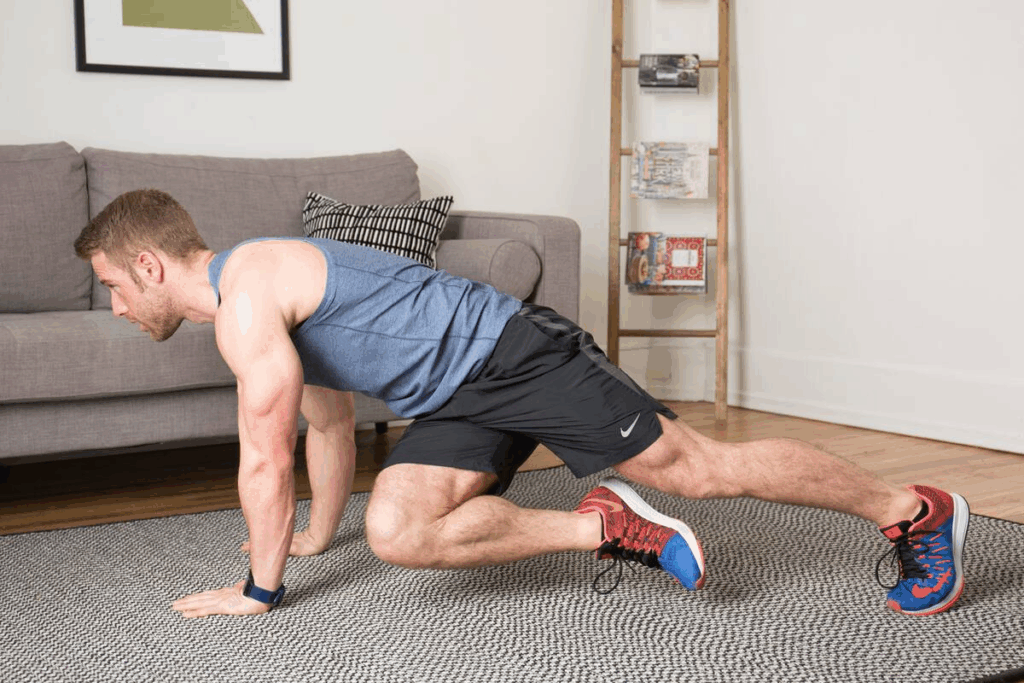
The science of male pelvic exercises is complex. It involves muscles and functions that can be strengthened. Pelvic floor muscles are key to men’s health, affecting sexual function, urinary control, and stability.
Research Evidence Supporting PC Muscle Training
Many studies show pelvic floor exercises, or Kegel exercises, help men’s health. Research on PC muscle training shows benefits in erectile function and managing premature ejaculation. Regular Kegel exercises can improve erectile dysfunction in men.
Kegel exercises also help with urinary control and reduce dribbling after urination. Strengthening these muscles improves bladder control and lowers incontinence risk.
How Pelvic Floor Muscles Weaken Over Time
Pelvic floor muscles weaken due to aging, lack of exercise, and medical conditions. As men age, these muscles lose strength and elasticity. This can cause erectile dysfunction and urinary incontinence.
Lifestyle factors like a sedentary lifestyle, obesity, and smoking worsen muscle weakness. Knowing the causes helps prevent and treat weakness. By doing pelvic floor muscle exercises daily, men can fight aging effects.
It’s vital to talk to healthcare providers about pelvic floor health. They can give advice on benefits of Kegel exercises based on individual needs.
Health Benefits of PC Muscle Training
PC muscle training does more than boost sex life. It also helps with urinary issues and aids in recovery after prostate surgery. Strengthening these muscles can greatly improve a man’s health and life quality.
Improving Erectile Function
PC muscle training has a big plus for erectile function. Research shows that regular Kegel exercises can make erections stronger and last longer. This is because these muscles control blood flow to the penis.
Managing Premature Ejaculation
Training these muscles can also help with premature ejaculation. It helps men control their orgasm, leading to longer sex sessions. This is great for those who often ejaculate too soon, boosting their sexual happiness and confidence.
Reducing Post-Void Dribbling
Another advantage is less post-void dribbling. This issue, where men leak after urinating, can be embarrassing. Strengthening these muscles improves bladder control, reducing dribbling and boosting urinary health.
Post-Prostate Surgery Recovery
For men after prostate surgery, PC muscle training is key. Kegel exercises help regain urinary control and improve sex life, which can be affected by surgery. Adding these exercises to recovery routines can lower long-term risks and enhance life quality.
Research backs up the many health benefits of PC muscle training. Here’s a quick look at some of the main advantages:
Health Benefit | Description |
Improved Erectile Function | Stronger and more sustained erections due to better blood flow control |
Premature Ejaculation Management | Better control over ejaculation, leading to longer-lasting sexual experiences |
Reduced Post-Void Dribbling | Improved bladder control, reducing leakage after urination |
Post-Prostate Surgery Recovery | Restoration of urinary continence and improved sexual function |
By making PC muscle training a daily habit, men can enjoy these benefits. This leads to better health and overall well-being.
Signs of Weak Pelvic Floor Muscles
It’s important for men to know the signs of weak pelvic floor muscles. This can help address health issues early. Weak muscles can cause uncomfortable symptoms that affect daily life.
Common Symptoms to Watch For
Men with weak pelvic floor muscles may notice several symptoms. These include:
- Urinary leakage: Leaking urine when coughing, sneezing, or lifting heavy objects.
- Reduced bladder control: Feeling like you can’t fully empty your bladder or experiencing frequent urination.
- Erectile dysfunction: Difficulty achieving or maintaining an erection.
- Premature ejaculation: Ejaculating sooner than desired during sexual activity.
- Post-void dribbling: Experiencing urine leakage after finishing urination.
These symptoms can greatly affect a man’s quality of life. It’s key to recognize them early.
Risk Factors for Pelvic Floor Weakness
Some factors can increase the risk of weak pelvic floor muscles. These include:
- Age: Pelvic floor muscles can weaken with age.
- Diabetes: Men with diabetes are at higher risk for pelvic floor weakness.
- Prostate surgery: Surgery on the prostate can affect pelvic floor muscle strength.
- Neurological conditions: Conditions like Parkinson’s disease or multiple sclerosis can impact pelvic floor muscles.
- Lifestyle factors: Obesity, smoking, and chronic constipation can also contribute to weakened pelvic floor muscles.
Knowing these risk factors can help men take steps to keep their pelvic floor muscles healthy.
When to Consult a Healthcare Provider
If you’re experiencing symptoms of weak pelvic floor muscles or are at risk, see a healthcare provider. They can diagnose and suggest treatments. Treatments may include exercises, lifestyle changes, or other interventions.
Seeking help early can greatly improve your quality of life. Don’t hesitate to get professional advice if you’re worried about your pelvic floor health.
How to Identify Your Pelvic Floor Muscles
Finding your pelvic floor muscles is key to good PC muscle training. About 40 percent of people struggle to do pelvic floor exercises right. This is often because they don’t know which muscles to use.
There are several ways to find your pelvic floor muscles. These methods help you make sure you’re using the right muscles for Kegel exercises.
The Stop-Flow Technique
The stop-flow technique is a common way to find your pelvic floor muscles. Here’s how to do it:
- Start by urinating while standing.
- Try to stop the urine flow mid-stream.
- The muscles you use to stop the flow are your pelvic floor muscles.
Important: While this method is useful for finding the right muscles, it’s not good to do it often. It can mess up your normal urination.
The Mirror Test Method
Using a mirror is another way to find your pelvic floor muscles. Here’s how:
- Stand in front of a mirror and look at your pelvic area.
- Contract the muscles you think are your pelvic floor muscles.
- See if your anus and the base of your penis move slightly when you contract these muscles.
Feeling the Contraction Internally
You can also find your pelvic floor muscles by feeling the contraction inside. To do this:
- Put a clean finger into your rectum.
- Tighten your pelvic floor muscles.
- You should feel a slight squeeze around your finger.
This method gives you direct feedback on which muscles you’re using. It helps you know which muscles are your pelvic floor muscles.
By trying out these techniques, you can make sure you’re using the right muscles for Kegel exercises. This sets you up for success in your pelvic floor training.
Basic Male Pelvic Exercises for Beginners
For men wanting to boost their pelvic health, starting with basic Kegel exercises is a great idea. These exercises focus on the pelvic floor muscles. They are key for bladder control and sexual performance.
It’s important to know the right way to do these exercises. This means using proper breathing, keeping correct posture, and doing the basic Kegel contraction right.
Proper Breathing During Exercises
When doing Kegel exercises, breathing naturally is key. We advise against holding your breath. This can cause unnecessary tension and strain. Instead, breathe normally and smoothly, letting your pelvic floor muscles contract and relax freely.
- Breathe in deeply through your nose before starting the contraction.
- Exhale slowly as you contract your pelvic floor muscles.
- Inhale as you release the contraction.
Correct Posture and Body Position
Keeping the right posture is essential for effective Kegel exercises. You can do these exercises in a comfy position, like lying down, sitting, or standing, as long as you’re relaxed.
To make sure you’re doing it right:
- Keep your back straight and your core muscles relaxed.
- Avoid tightening your abdominal, thigh, or buttock muscles.
- Focus solely on contracting your pelvic floor muscles.
The Basic Kegel Contraction
The basic Kegel contraction is about tightening and then releasing your pelvic floor muscles. Here’s how to do it:
- Find your pelvic floor muscles using techniques like the stop-flow method.
- Contract these muscles as if you’re stopping the flow of urine.
- Hold the contraction for a few seconds.
- Release slowly.
By following these steps and practicing often, men can strengthen their pelvic floor muscles. This can lead to better bladder control, enhanced sexual function, and overall health.
Step-by-Step Guide to Performing Kegel Exercises
Learning how to do Kegel exercises right is key to strengthening your pelvic floor muscles. We’ll walk you through each step. This way, you’ll know how to get the most out of them.
Finding the Right Position
First, find a comfy spot where you can focus on your pelvic floor muscles. You can do Kegel exercises in many ways, like:
- Lying down on your back with your knees bent and feet flat on the floor
- Sitting comfortably on a chair with your back straight
- Standing with your feet shoulder-width apart
Pick a spot that feels right for you and helps you concentrate on the muscle action.
Contraction and Release Technique
Now, get comfy and start engaging your pelvic floor muscles. Here’s how:
- Contract your pelvic floor muscles by squeezing them as if you’re stopping the flow of urine. Hold this for 5-10 seconds.
- Release the muscles slowly over 5-10 seconds. This part is just as vital as the squeeze.
Keep doing this, feeling your muscles contract and release. Proper breathing is important; don’t hold your breath.
Recommended Repetitions and Sets
A good routine includes:
- Squeezing your pelvic floor muscles for 5-10 seconds
- Relaxing for 5-10 seconds
- Repeating for 10-15 repetitions
- Doing three sets a day
Start with easy reps and slowly up the number as you get stronger. Sticking to it will help your pelvic floor health.
Advanced PC Muscle Training Methods
Men can try advanced exercises to challenge their pelvic floor muscles. These exercises can improve pelvic floor strength. This leads to better bladder control, enhanced sexual function, and overall health.
Long-Hold Contractions
Long-hold contractions involve holding the PC muscle contraction for 10 seconds or more. This improves pelvic floor muscle endurance. Start by identifying your PC muscles and contracting them. Hold the contraction for the desired duration, then release slowly.
Proper breathing is key during long-hold contractions. Take a deep breath in as you contract the muscles. Exhale slowly as you hold the contraction.
Quick-Flick Exercises
Quick-flick exercises involve rapid contractions of the PC muscles. They improve pelvic floor strength and responsiveness. To perform quick-flick exercises, contract the PC muscles quickly and release immediately. Repeat this process in sets, aiming for 10-20 repetitions per set.
Quick-flick exercises can be done in various positions. Try standing, sitting, or lying down to find what works best for you.
Resistance Training Options
Resistance training for the pelvic floor uses devices or biofeedback. These tools provide resistance or feedback. They help engage the correct muscles and improve pelvic floor strength.
Resistance Training Method | Description | Benefits |
Kegel Balls | Weighted balls inserted vaginally or rectally to provide resistance. | Improved pelvic floor strength, enhanced bladder control. |
Biofeedback Devices | Electronic devices that provide real-time feedback on muscle contractions. | Improved muscle awareness, more effective contractions. |
Pelvic Floor Exercisers | Devices designed to target and strengthen pelvic floor muscles. | Enhanced muscle strength, improved sexual function. |
Start with lower resistance levels when using resistance training. Gradually increase as your pelvic floor muscles become stronger.
By adding these advanced PC muscle training methods to your routine, you can see better results. This will improve your pelvic floor strength and overall health.
Creating an Effective Pelvic Floor Exercise Routine
Creating a good pelvic floor exercise routine means knowing the right techniques and how often to do them. It’s important to do Kegels every day to get the most benefits.
Daily Practice Schedule
Men should do Kegels every day to see better results. Pick a time each day to do your Kegels so it becomes a habit.
To create an effective daily practice schedule:
- Start with a manageable number of repetitions and sets.
- Gradually increase the difficulty as your pelvic floor muscles strengthen.
- Be consistent and patient, as noticeable improvements may take time.
Progression Timeline
Having a plan for getting better is key. As you get better at Kegels, try harder ones.
Consider the following progression timeline:
- Begin with basic Kegel contractions for the first 2-4 weeks.
- Introduce long-hold contractions or quick-flick exercises after 4-6 weeks.
- After 8-12 weeks, incorporate resistance training options or advanced Kegel variations.
Tracking Your Progress
It’s important to track how you’re doing. This helps you see if your routine is working.
Methods for tracking progress include:
- Maintaining a workout log to record your daily Kegel practice.
- Using a mobile app designed for tracking pelvic floor exercises.
- Regularly assessing your symptoms and overall pelvic floor strength.
By following these tips and sticking to your routine, you can see big improvements in your pelvic floor strength and health.
Common Mistakes and Troubleshooting
To get the most out of Kegel exercises, it’s key to know the common mistakes men make. By avoiding these, men can do the exercises right and safely.
Incorrect Muscle Engagement
Many men engage the wrong muscles during Kegel exercises. They might tense their abs, buttocks, or thighs instead of the pelvic floor. It’s important to focus on the right muscles.
Tip: Try stopping your urine flow midstream to find the right muscles. But, don’t do this often as it can cause urinary issues.
Holding Your Breath
Holding your breath during Kegels is a common error. It can cause strain and harm. Men should breathe deeply and relax while doing Kegels.
Proper Breathing Technique: Breathe in before starting, and breathe out slowly as you release. This keeps you relaxed and ensures the exercise is done right.
Overtraining Issues
Overtraining is a big risk with Kegel exercises. Men might do too many reps or hold contractions too long. This can lead to muscle fatigue or strain. It’s important to find a balance and gradually increase the exercises.
- Start with a manageable number of repetitions and sets.
- Gradually increase the intensity as your pelvic floor muscles strengthen.
- Listen to your body and rest when needed to avoid overtraining.
By being aware of these mistakes and avoiding them, men can get the most out of Kegel exercises. This improves their pelvic floor health.
Combining PC Muscle Training with Other Exercises
Working out in a holistic way can really boost your health. Adding PC muscle training to your routine can make a big difference. It not only strengthens your pelvic floor but also improves your overall fitness.
Core Strengthening Exercises
Strengthening your core is key for a healthy back. This, in turn, supports your pelvic floor muscles. Planks, bridges, and pelvic tilts are great for a strong core. They help improve your posture and lower back pain risks.
Planks work your entire core, including abs and lower back. They give your pelvic floor a solid base. To do a plank, start in a push-up position with hands shoulder-width apart. Hold straight for as long as you can.
Yoga Poses for Pelvic Floor Health
Yoga is also great for pelvic floor health. It strengthens your muscles and boosts flexibility. Cobra, Cat-Cow, and Child’s Pose are good choices.
“Yoga helps in creating awareness about your body and its functions, which is key for engaging your pelvic floor muscles.”
Start with simple yoga poses and move to harder ones as you get better. Focus on your breathing and body alignment for the best results.
Overall Fitness Considerations
While focusing on PC muscle training and core, don’t forget about overall fitness. Cardiovascular exercises like walking or cycling boost heart health. They also increase blood flow to your pelvic area, helping your pelvic floor muscles.
A balanced workout routine is best. Include strength training, cardio, and flexibility exercises. Remember, staying consistent and listening to your body is important.
Conclusion
Following this guide on male pelvic floor exercises can greatly improve your health. Kegel exercises help strengthen your pelvic floor. This leads to better control over urination, improved erections, and a better life quality.
Kegel exercises are key to keeping your pelvic floor muscles strong. They help with many issues, like early ejaculation and dribbling after urination. They also aid in recovery after prostate surgery.
Adding these exercises to your daily routine is a smart health move. It’s a way for men to improve their health and wellbeing. We urge men to prioritize pelvic floor exercises for a healthier, happier life.
FAQ
What are PC muscles, and where are they located?
PC muscles, or pubococcygeus muscles, are a group of muscles in the pelvic floor. They sit between the pubic bone and the coccyx (tailbone). They support the pelvic organs.
How do I identify my pelvic floor muscles?
To find your pelvic floor muscles, try the stop-flow method during urination. You can also use the mirror test or feel the contraction internally during a digital rectal examination.
What are the benefits of PC muscle training?
PC muscle training, or Kegel exercises, can improve erectile function. It can also manage premature ejaculation and reduce post-void dribbling. It aids in recovery after prostate surgery.
How often should I perform Kegel exercises?
For best results, do Kegel exercises daily. Aim for 3-4 times a day. Include multiple sets of contractions and releases in your routine.
What are the signs of weak pelvic floor muscles?
Weak pelvic floor muscles show as urinary incontinence and erectile dysfunction. Premature ejaculation and post-void dribbling are also signs. Aging, prostate surgery, and certain medical conditions increase the risk.
Can I do Kegel exercises with other health conditions?
Kegel exercises are usually safe. But, talk to a healthcare provider first if you have certain medical conditions. This ensures safe practice.
How do I progress with PC muscle training?
To advance in PC muscle training, increase repetitions, sets, or contraction duration. Try long-hold contractions and quick-flick exercises for more challenge.
Can combining PC muscle training with other exercises enhance its benefits?
Yes, combining PC muscle training with core strengthening, yoga, and fitness routines boosts benefits. It improves pelvic floor health and function.
What are common mistakes to avoid when performing Kegel exercises?
Avoid incorrect muscle engagement, holding your breath, and overtraining. Proper technique and listening to your body are key to avoiding these mistakes.
How long does it take to see results from PC muscle training?
Results from PC muscle training vary. They depend on practice frequency, consistency, and individual health conditions.
Are there any resistance training options for PC muscle training?
Yes, options like pelvic floor exercisers or Kegel balls are available. They can strengthen the muscles more effectively.
Can PC muscle training help after prostate surgery?
Yes, PC muscle training can help after prostate surgery. It improves urinary continence and may enhance erectile function.
References
National Center for Biotechnology Information. Evidence-Based Medical Guidance. Retrieved from https://www.ncbi.nlm.nih.gov/pmc/articles/PMC1324914/