
Comprehensive, practical guide for living withrheumatoid arthritis, covering pain management, emotional health, and lifestyle.
Rheumatoid arthritis (RA) is a chronic disease that affects millions. It causes a lot of pain and affects daily life. Effective management is key to a good quality of life. Living with RA can be tough, but the right steps can help control the disease. This way, people can live active and fulfilling lives.
This guide offers practical tips on understanding RA, managing symptoms, and making lifestyle changes. We look at the latest treatments and self-management methods. These can improve overall well-being.
Key Takeaways
- Understand the condition and its impact on daily life
- Learn effective treatment options and self-management techniques
- Discover strategies for maintaining quality of life with RA
- Explore the importance of a patient-centered healthcare network
- Find out how to achieve disease control and lead an active life
Understanding Rheumatoid Arthritis: More Than Just Joint Pain
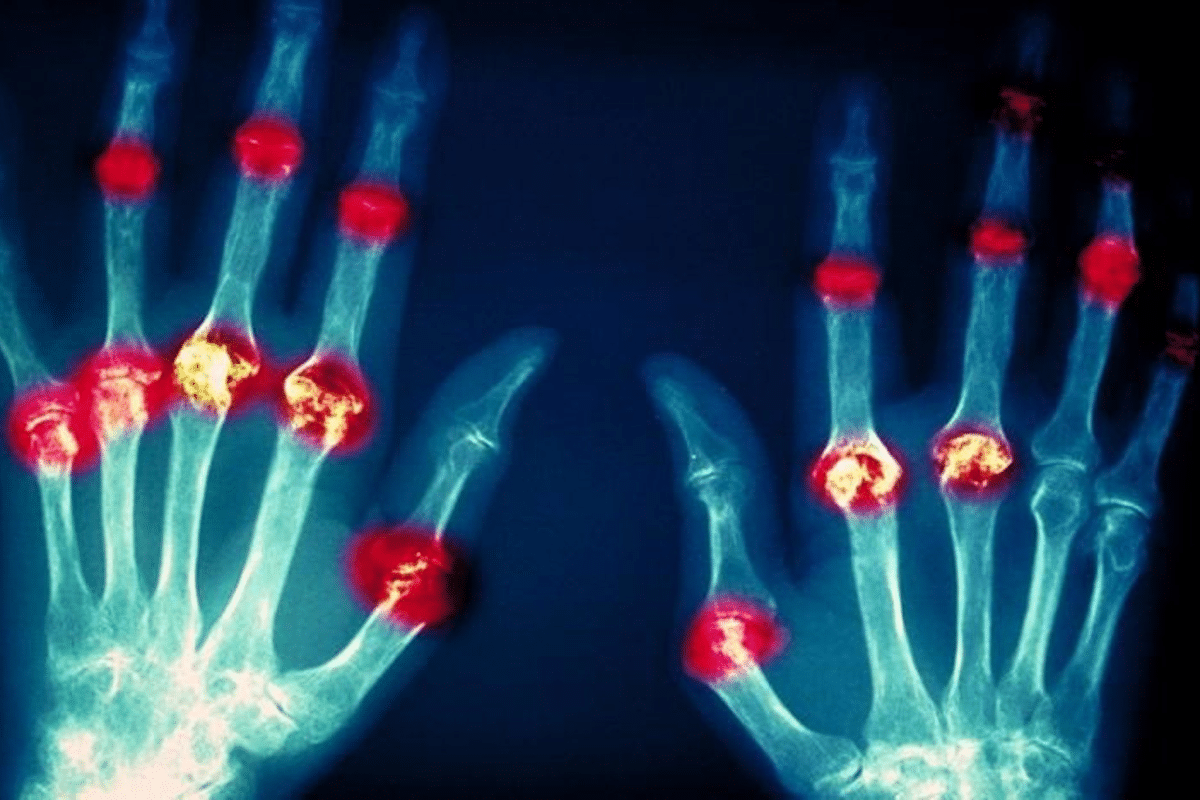
Rheumatoid arthritis (RA) is more than just pain in the joints. It’s an autoimmune disease that affects many parts of the body. This makes it different from other types of arthritis.
The Autoimmune Nature of RA
RA happens when the body’s immune system attacks its own tissues. This leads to inflammation and damage, mainly in the joints. This is what makes RA different from other arthritis types, like osteoarthritis, which is caused by wear and tear.
The immune system’s attack on the synovium, the lining of the joints, results in inflammation and pain. Over time, this can cause severe joint damage and deformity if not managed well. RA can also be linked to other autoimmune conditions and affect other parts of the body.
Common Symptoms and Warning Signs
The symptoms of RA vary but often include swelling, pain, and stiffness in the joints, mainly in the hands and feet. Morning stiffness that lasts for hours is a key symptom, differentiating RA from other arthritis types.
Other warning signs include:
- Symmetrical joint pain (affecting both sides of the body)
- Fatigue and feeling generally unwell
- Loss of function and mobility in the affected joints
- In some cases, RA can also cause symptoms outside of the joints, such as dry eyes or skin rashes.
A leading rheumatologist notes, “Early recognition of these symptoms is key for timely intervention and better outcomes in managing RA.”
“Early diagnosis and treatment of rheumatoid arthritis can significantly improve long-term outcomes, reducing the risk of joint damage and improving quality of life.”
How RA Differs from Other Types of Arthritis
RA is unique because of its autoimmune cause and systemic symptoms. Unlike osteoarthritis, which only affects the joints, RA can impact multiple body systems.
|
Characteristics |
Rheumatoid Arthritis |
Osteoarthritis |
|---|---|---|
|
Cause |
Autoimmune |
Wear and tear |
|
Joint Involvement |
Symmetrical, often hands and feet |
Localized, weight-bearing joints |
|
Systemic Symptoms |
Common (fatigue, fever) |
Rare |
Understanding these differences is essential for diagnosing and managing RA effectively.
The Importance of Early Diagnosis and Treatment

Getting rheumatoid arthritis treated early is key to a better life. Studies show starting treatment within three months of symptoms can greatly improve results. This time is called the “window of opportunity.”
The 3-Month Window of Opportunity
Early action in this 3-month window can lead to better disease control and even remission. Early diagnosis and a treat-to-target approach are effective in achieving low disease activity or remission. This highlights the importance of quick diagnosis and treatment planning.
Finding the Right Rheumatologist
Choosing a rheumatologist is vital for managing rheumatoid arthritis. A rheumatologist specializes in rheumatic diseases, including RA. Look for one with experience in RA, a modern treatment approach, and good follow-up care.
|
Characteristics |
Ideal Rheumatologist |
|---|---|
|
Experience |
Extensive experience in treating RA patients |
|
Treatment Approach |
Up-to-date knowledge of latest treatments and therapies |
|
Communication |
Clear and empathetic communication style |
What to Expect During Diagnosis
Diagnosis involves a thorough check-up, including a physical exam, blood tests, and imaging like X-rays or MRI. These tools help doctors see the damage and plan a treatment that fits the patient’s needs.
A timely and accurate diagnosis lets doctors create a treatment plan that meets the patient’s specific needs. This improves disease management chances.
Modern Treatment Options for Rheumatoid Arthritis
Modern medicine has brought many effective treatments for rheumatoid arthritis. These treatments have greatly improved patient outcomes. The treatment options for RA have grown, helping manage the disease well.
Disease-Modifying Antirheumatic Drugs (DMARDs)
DMARDs, like methotrexate, are often the first choice for RA treatment. They slow down the disease and may prevent long-term damage. Starting DMARDs early is key for the best results.
There are various DMARDs, including conventional and targeted synthetic ones. The right DMARD depends on the disease’s severity, the patient’s health, and possible side effects.
Biological Therapies and JAK Inhibitors
For those not helped by DMARDs alone, biological therapies are an option. These therapies, like TNF inhibitors, target specific inflammatory molecules. They offer significant relief to many.
JAK inhibitors block the Janus kinase pathway, involved in inflammation. Biological therapies and JAK inhibitors have changed RA treatment, giving hope to those not helped by traditional DMARDs.
The Role of Anti-Inflammatory Medications
Anti-inflammatory medications, like NSAIDs, are key in managing RA symptoms. They reduce pain, stiffness, and inflammation, improving life quality. Though they don’t change the disease, they’re essential for symptom relief.
In some cases, a mix of DMARDs, biological therapies, JAK inhibitors, and anti-inflammatory drugs is used. A rheumatologist will create a personalized treatment plan with the patient. They adjust treatments as needed for the best results.
Medication Adherence: The Key to Successful Management
For those with Rheumatoid Arthritis (RA), sticking to their medication is key. Medication adherence helps manage symptoms, prevent joint damage, and enhance life quality.
Creating Medication Routines That Work
Creating a daily routine boosts medication adherence. Here are some tips for an effective routine:
- Take medications at the same time every day to build a habit.
- Use a pill box or a mobile app to track and remind you of medication times.
- Associate medication intake with daily activities, such as brushing teeth or having meals.
Tracking Your Treatment Progress
It’s important to monitor treatment progress. A journal or health app can track symptoms, side effects, and any changes.
Tracking your progress helps you and your doctor make better decisions about your treatment.
Communicating Concerns With Your Doctor
Open communication with your doctor is vital for managing RA. Discuss any side effects, concerns, or symptom changes with your healthcare provider.
Some important topics to discuss include:
- Any side effects or concerns related to your medications.
- Changes in your symptoms or condition.
- Questions about your treatment plan or alternative options.
Regular follow-ups and open communication help optimize your treatment plan. This improves your quality of life.
The Treat-to-Target Approach: Working With Your Healthcare Team
The treat-to-target approach has changed how we manage rheumatoid arthritis. It focuses on reaching specific goals. These goals are like aiming for remission or low disease activity.
It involves setting clear targets and checking progress often. This helps adjust the treatment plan as needed.
Setting Treatment Goals
Setting goals is key in the treat-to-target approach. Your healthcare provider helps set these goals. They consider your RA’s severity, your health, and what you prefer.
Goals might include reaching remission, reducing symptoms, or improving your life quality. A study in Arthritis & Rheumatology shows this approach can greatly improve RA outcomes.
“The treat-to-target strategy has become a cornerstone in the management of rheumatoid arthritis, stressing the importance of a personalized and proactive treatment approach.”
– Medical Expert, Arthritis & Rheumatology
Regular Monitoring and Adjustments
Regular checks are vital in the treat-to-target approach. They help see if the treatment is working. If not, changes can be made.
|
Monitoring Parameter |
Description |
Frequency |
|---|---|---|
|
Blood Tests |
Measuring inflammatory markers such as CRP and ESR |
Every 3-6 months |
|
Joint Assessments |
Evaluating joint swelling, tenderness, and mobility |
Every 3-6 months |
|
Patient-Reported Outcomes |
Assessing pain, fatigue, and overall well-being |
At each visit |
Building Your Multidisciplinary Support Network
Having a diverse support network is essential for RA care. This team might include rheumatologists, orthopedic specialists, and physical therapists. They all work together to meet RA patients’ needs.
By using the treat-to-target approach and teaming up with your healthcare team, you can get better results. This can greatly improve your life with rheumatoid arthritis.
Nutrition and Diet Strategies for RA Management
Eating well is key for those with Rheumatoid Arthritis. It can cut down on inflammation and boost health. The right foods can make medical treatments work better, helping control RA symptoms.
Anti-Inflammatory Foods to Incorporate
Adding anti-inflammatory foods to your diet can fight RA’s inflammation. Some top foods include:
- Leafy Greens: Spinach, kale, and collard greens are full of antioxidants and nutrients that fight inflammation.
- Berries: Blueberries, raspberries, and strawberries are packed with antioxidants and have anti-inflammatory effects.
- Fatty Fish: Salmon, mackerel, and sardines are rich in omega-3 fatty acids, which reduce inflammation.
- Nuts and Seeds: Almonds, walnuts, and chia seeds are full of healthy fats and antioxidants.
Foods That May Trigger Flares
Some foods can cause RA flares, but they vary by person. Common culprits include:
- Processed Foods: Foods high in sugar, salt, and unhealthy fats can make inflammation worse.
- Red and Processed Meats: Beef, pork, and processed meats can trigger inflammation in some.
- Dairy Products: Dairy can trigger or worsen RA symptoms for some.
Keeping a food diary can help find out which foods cause flares. This makes for a more tailored diet plan.
Maintaining a Healthy Weight With RA
Keeping a healthy weight is vital for RA management. Extra weight can strain joints, like hips, knees, and feet. A balanced diet and exercise can help keep a healthy weight.
|
Dietary Approach |
Benefits for RA |
|---|---|
|
Mediterranean Diet |
Rich in anti-inflammatory foods, can help reduce inflammation and improve overall health. |
|
Balanced Calorie Intake |
Helps maintain a healthy weight, reducing strain on joints. |
|
Hydration |
Adequate hydration is essential for joint health and overall well-being. |
By choosing a balanced diet and making smart food choices, people with RA can manage their symptoms better. This improves their quality of life.
Exercise and Physical Activity With Rheumatoid Arthritis
Exercise is key for managing rheumatoid arthritis (RA). It helps keep joints healthy and improves overall well-being. Regular activity reduces stiffness, boosts joint function, and strengthens muscles. These benefits are vital for staying independent and enjoying life.
Low-Impact Exercises for Joint Protection
Low-impact exercises are best for RA patients as they don’t stress the joints too much. Swimming, cycling, and walking are great choices. They keep joints moving and improve heart health without making joint pain worse.
Strength Training for Muscle Support
Strength training is also important for RA management. It helps build muscle around joints, supporting them and lowering injury risk. Start with light weights and slowly increase the load as your body gets stronger.
|
Exercise Type |
Benefits for RA |
Examples |
|---|---|---|
|
Low-Impact Aerobics |
Improves cardiovascular health, reduces stiffness |
Swimming, cycling, walking |
|
Strength Training |
Supports joints, improves muscle strength |
Light weightlifting, resistance band exercises |
|
Flexibility Exercises |
Enhances joint mobility, reduces pain |
Yoga, stretching exercises |
Finding the Balance: Activity Without Overexertion
While exercise is good, it’s also important not to overdo it. Pay attention to your body and pace your activities. This helps avoid flares. Rest days are important too, and listening to your body helps adjust your activity level.
Combining low-impact exercises, strength training, and flexibility exercises can greatly improve joint health and overall well-being for RA patients. Always talk to a healthcare provider before starting any new exercise routine.
Living With Rheumatoid Arthritis: Adapting Your Home and Workplace
Rheumatoid arthritis doesn’t have to limit your daily activities. Making the right adjustments to your living and working spaces can help. These changes can reduce strain on your joints and improve your quality of life.
Ergonomic Modifications for Comfort
Ergonomic modifications are key to a comfortable living and working space. Simple changes, like adjusting chair heights and using supportive devices, can make a big difference. For example, an ergonomic chair with proper lumbar support can reduce back strain. A keyboard tray helps keep your typing position comfortable.
Here are some practical ergonomic modifications:
- Using a standing desk or a sit-stand workstation to alternate between sitting and standing throughout the day.
- Placing your computer monitor directly in front of you, at a distance of about 20-25 inches, and at a height that allows you to gaze slightly downward.
- Positioning your keyboard and mouse close to your body to avoid reaching forward.
Assistive Devices That Make a Difference
Assistive devices can simplify daily tasks and reduce joint strain. They range from simple tools like jar openers and reachers to more complex equipment like automatic door openers.
|
Device |
Purpose |
Benefit |
|---|---|---|
|
Jar Opener |
Assists in opening jars |
Reduces strain on hands and wrists |
|
Reacher |
Helps pick up items from the floor or high shelves |
Minimizes bending and stretching |
|
Automatic Door Opener |
Opens doors without manual effort |
Eases mobility and reduces hand strain |
As one RA patient noted, “Using assistive devices has been a game-changer for me. I can now perform tasks without feeling overwhelmed or experiencing severe pain.”
“Using assistive devices has been a game-changer for me. I can now perform tasks without feeling overwhelmed or experiencing severe pain.”
Workplace Accommodations and Rights
Workplace accommodations are vital for individuals with RA to maintain productivity and job satisfaction. The Americans with Disabilities Act (ADA) requires employers to provide reasonable accommodations for employees with disabilities, including those with RA.
Some common workplace accommodations include:
- Flexible work schedules to manage fatigue and flare-ups.
- Ergonomic workstations tailored to individual needs.
- Modified job duties to reduce strain on affected joints.
Talking to your employer about your RA is essential. Discuss your needs with your HR department or supervisor to explore available accommodation options.
Managing Pain, Fatigue, and Weather-Related Flares
For those with RA, managing pain, fatigue, and weather changes is key to a good life. Rheumatoid Arthritis affects more than just joints; it impacts overall health. To manage it well, a mix of medical care, lifestyle changes, and self-care is needed.
Non-Medication Pain Management Techniques
Medicine is important for RA, but non-medication methods can also help. Heat and cold therapy are simple yet effective. Heat relaxes muscles and boosts blood flow, while cold packs reduce inflammation and numb pain.
Mind-body practices like meditation, deep breathing, and yoga can also help. They reduce stress, improve mood, and enhance well-being. Physical therapy is also good, as it keeps joints moving and strengthens muscles.
Energy Conservation Strategies
Fatigue is common in RA, and managing energy is key for daily life. Pacing activities is a good strategy, balancing rest and activity to avoid burnout. Breaking tasks into smaller parts also helps save energy.
Using assistive devices and making ergonomic changes at home and work can also help. For example, using a jar opener or an ergonomic keyboard can make a big difference.
|
Energy Conservation Tip |
Description |
Benefit |
|---|---|---|
|
Pacing Activities |
Balance rest and activity |
Reduces exhaustion |
|
Assistive Devices |
Use tools like jar openers |
Reduces joint strain |
|
Ergonomic Adjustments |
Modify workspace |
Improves comfort and efficiency |
Seasonal Adjustments for RA Symptoms
Weather changes can greatly affect RA symptoms. Cold weather can stiffen joints, while high humidity can worsen inflammation. Dressing warmly and staying indoors during extreme weather can help.
Making seasonal adjustments to daily routines can also help. For example, doing more strenuous activities during warmer parts of the day in winter is beneficial. Staying informed about weather forecasts helps plan and make necessary adjustments.
Emotional Well-being and Mental Health With RA
Managing RA needs a whole-body approach. This includes both physical and emotional care. Living with RA can deeply affect one’s mental health and emotional well-being.
Coping With Chronic Illness
Coping with RA is more than just managing symptoms. It’s about emotional support and stress management. Finding ways to cope can help keep emotional well-being strong.
- Practice stress-reducing techniques like meditation or deep breathing.
- Stay connected with friends and family for emotional support.
- Engage in activities that bring joy and fulfillment.
Depression and Anxiety in RA
RA can increase the risk of depression and anxiety. It’s important to recognize these signs early for the right support.
Common signs of depression and anxiety include:
- Persistent feelings of sadness or hopelessness.
- Excessive worry or fear.
- Loss of interest in activities once enjoyed.
Support Groups and Counseling Options
Support groups and counseling offer emotional support. They help individuals cope with RA’s challenges. These resources provide a sense of community and understanding.
Benefits of support groups include:
- Sharing experiences and advice with others who understand what you’re going through.
- Finding emotional support and reducing feelings of isolation.
- Gaining access to resources and information about managing RA.
Family Planning and Navigating Relationships With RA
RA affects not just the body but also family and social life. It’s important to plan for family and keep relationships strong, even with RA’s challenges.
Pregnancy and RA: What You Need to Know
Thinking about pregnancy is key for those with RA. Talk to your doctor about your treatment to keep it safe during pregnancy. Some RA meds aren’t safe for pregnant women, so you might need different treatments.
Some women with RA might feel better during pregnancy. But this isn’t true for everyone. It’s important to work with your healthcare team to get the best care for you and your baby.
Effective Communication: Sharing Your Needs with Loved Ones
Telling family and friends about your RA is vital. Being open about your condition and how it affects you can make your relationships stronger. It also helps them understand and support you better.
Teaching your loved ones about RA can help them be more empathetic. This way, they can offer the support you need more effectively.
Staying Connected During Flares
Keeping in touch with friends and family during RA flares is tough but important. Even when you can’t be active, phone calls, video chats, or messages can keep you connected.
Having a plan for when you’re in a flare can help a lot. This might include getting help with daily tasks or having someone to talk to.
By planning ahead, communicating well, and staying connected, people with RA can face the challenges of the condition. They can also build strong, supportive relationships.
Conclusion: Thriving, Not Just Surviving, With Rheumatoid Arthritis
Living well with rheumatoid arthritis (RA) is possible with the right approach. Knowing how to manage the condition helps people take control of their health. This way, they can enjoy active and meaningful lives.
Managing RA means looking at the whole picture. It’s not just about medicine. It’s also about making lifestyle changes and getting emotional support. A good plan includes the right meds, healthy eating, exercise, and ways to handle stress.
By combining movement, a positive attitude, and medical care, people can reduce symptoms. This guide shows how to go beyond just getting by. It’s about thriving with RA.
Helping people manage their RA is key. Working with doctors and making smart lifestyle choices is important. This way, they can live better and stay hopeful.
FAQ
What is rheumatoid arthritis, and how does it differ from other types of arthritis?
Rheumatoid arthritis is an autoimmune disease. It makes the immune system attack the lining of the joints. This leads to inflammation, pain, and serious joint damage. It often affects both hands or both feet at the same time, unlike osteoarthritis.
How is rheumatoid arthritis diagnosed, and what can I expect during the diagnosis process?
Doctors use a physical exam, blood tests, and imaging like X-rays or MRI to diagnose it. A rheumatologist will then create a treatment plan based on your diagnosis.
What are the modern treatment options for rheumatoid arthritis, and how do they work?
Treatments include DMARDs, biological therapies, and JAK inhibitors. DMARDs, like methotrexate, are often the first choice. Biological therapies and JAK inhibitors are options for those who don’t respond to DMARDs alone.
How can I manage my rheumatoid arthritis symptoms through lifestyle changes?
Eating anti-inflammatory foods and staying at a healthy weight can help. Regular exercise, like low-impact activities and strength training, also reduces inflammation and improves health.
What are some strategies for managing pain, fatigue, and weather-related flares?
Techniques like heat or cold therapy can help manage pain. Energy-saving strategies and dressing warmly in cold weather can also reduce symptoms.
How can I adapt my home and workplace to accommodate rheumatoid arthritis?
Making ergonomic changes and using assistive devices can help. Workplaces can also offer flexible schedules and ergonomic workstations to reduce joint strain.
What are the emotional and psychological implications of living with rheumatoid arthritis?
RA can have big emotional and psychological effects. It requires emotional support, stress management, and sometimes counseling to cope.
How can I maintain social connections and relationships while living with rheumatoid arthritis?
Talking to loved ones about your needs is key. Staying connected, even online, and joining support groups can make you feel supported and connected.
Can I stil have a normal life with rheumatoid arthritis?
Yes, with the right approach. Understanding your condition, managing symptoms, and making lifestyle changes can help you live an active and fulfilling life.
What are some self-care strategies for managing rheumatoid arthritis?
Self-care includes creating a medication routine and tracking your progress. Eating well and exercising regularly are also important for managing RA.
How can I balance activity and rest to avoid overexertion and prevent flares?
Finding the right balance between activity and rest is important. Pacing yourself and taking breaks can help manage fatigue and prevent flares.
What are the considerations for family planning with rheumatoid arthritis?
Women with RA should talk to their doctor about their treatment during pregnancy. It’s also important to communicate with loved ones to maintain supportive relationships.
References
National Center for Biotechnology Information. Evidence-Based Medical Guidance. Retrieved from https://www.ncbi.nlm.nih.gov/pmc/articles/PMC4112428/