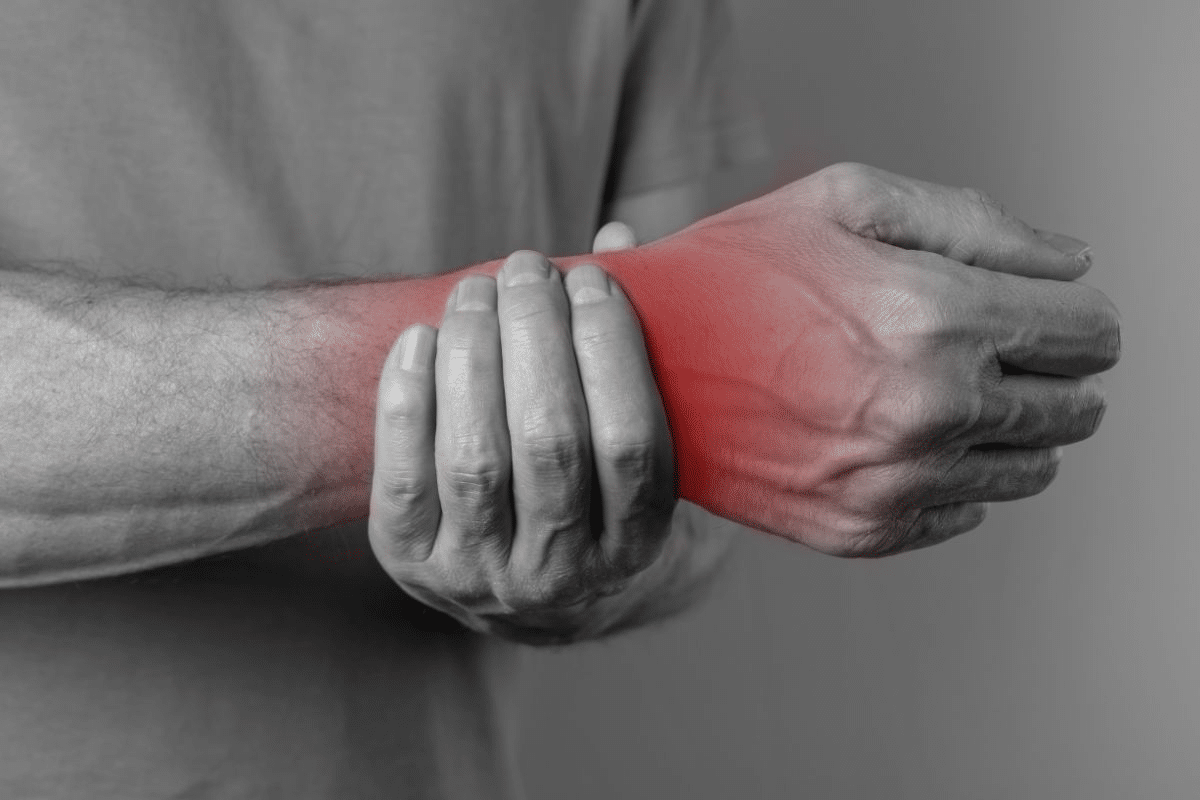
Millions of people worldwide face hand and wrist pain that hinders daily life and work. It’s key to know the causes and effective treatments for quick healing.
About 10% of people have sore joints in hands. Carpal tunnel pain is common and can get better with simple steps like elevating wrists and using over-the-counter drugs.
Liv Hospital offers top-notch medical care for left hand and wrist pain. They use the latest research and tailor treatments to each patient’s needs.
Key Takeaways
- Hand and wrist pain is a big health issue affecting millions worldwide.
- Simple lifestyle changes can help with milder pain.
- Knowing the cause is vital for effective relief.
- Proven treatments can help you recover fast.
- Personalized care is key to treating hand and wrist pain well.
Understanding the Causes of Hand and Wrist Pain

Knowing why hands and wrists hurt is key to feeling better. The bones, muscles, tendons, and ligaments in this area can get irritated easily. This makes it a common spot for pain.
Common Conditions Leading to Discomfort
Many conditions can cause pain in the hands and wrists. These include:
- Carpal Tunnel Syndrome: This happens when the median nerve gets squished, often from doing the same thing over and over or because of bad work setup.
- Tendinitis: It’s when the tendons get inflamed, usually from too much use or strain.
- Sprains: These are ligament injuries, often from sudden twists or bends.
- Occupational Strain: Long or repeated tasks can strain the hands and wrists.
Anatomy of the Hand and Wrist
The hand and wrist have 27 small bones, over 30 muscles, and lots of tendons and ligaments. This detailed setup lets us move our hands in many ways. But it also makes them more likely to get hurt or develop problems.
The wrist is extra vulnerable to injury because of its complex design and the stress it faces every day. Knowing how the hand and wrist are put together helps us understand why they might hurt.
Risk Factors for Developing Pain
There are several things that can make hand and wrist pain more likely. These include:
- Doing the same thing over and over again.
- Working in a place that’s not set up right.
- Having had injuries or trauma to the area before.
- Having conditions like arthritis or diabetes.
Spotting these risk factors is important for stopping pain before it starts. By knowing what causes hand and wrist pain, we can take steps to avoid it and make it better if it happens.
If you have hands painful at night, check how you sleep and think about making your bed more ergonomic. If you’re dealing with palm and wrist pain, look at what you do every day and how your workspace is set up.
Quick Relief Techniques for Sudden Hand and Wrist Pain

Sudden hand and wrist pain can be really tough. But, there are quick ways to feel better. Things like doing the same thing over and over can hurt your hands and wrists. Taking breaks, stretching, and using the right tools can really help.
The RICE Method for Immediate Relief
The RICE method is a well-known way to ease pain and swelling right away. It stands for Rest, Ice, Compression, and Elevation. Here’s how to use it:
- Rest: Stop doing anything that might be causing pain and avoid using your hand or wrist.
- Ice: Use an ice pack wrapped in a cloth on the painful area for 15-20 minutes, a few times a day.
- Compression: Use a bandage to help with swelling, but make sure it’s not too tight.
- Elevation: Hold your hand or wrist higher than your heart to lessen swelling and improve blood flow.
5-Minute Pain Relief Exercises
Doing simple exercises can help with hand and wrist pain. Here are a few quick ones:
- Wrist Extension Stretch: Hold your arm straight out and gently pull your hand back with your other hand, stretching your wrist.
- Finger Bend: Place your hand flat on a table, then bend your fingers down toward your palm and straighten them again.
- Circular Motion: Move your wrist in circles, first one way and then the other.
Pressure Point Techniques for Fast Relief
Pressing on certain spots can help with pain. Some good spots include:
- The area between your thumb and index finger.
- The center of your palm.
- The top of your wrist, about an inch from the joint.
By gently pressing on these spots, you can ease tension and pain. Remember to be gentle to avoid making things worse.
Over-the-Counter Solutions for Rapid Pain Management
There are many over-the-counter solutions for quick pain relief. Hand and wrist pain, often from carpal tunnel, tendinitis, sprains, or work strain, can be eased with these treatments.
Topical Pain Relievers and Their Effectiveness
Topical pain relievers are creams, gels, or patches applied to the skin. They cool or heat the area to lessen pain. Arnica creams and capsaicin ointments are favorites. They work well for pain in one spot.
Oral Medications for Different Types of Pain
Oral meds like ibuprofen and acetaminophen help with hand and wrist pain. Ibuprofen, an NSAID, cuts down inflammation, great for tendinitis. Acetaminophen relieves pain but doesn’t lower inflammation.
Natural Anti-Inflammatory Supplements
For a natural choice, try turmeric and omega-3 fatty acids. They have anti-inflammatory effects that ease pain. Always talk to a doctor before starting supplements.
|
Treatment Type |
Examples |
Effectiveness |
|---|---|---|
|
Topical Pain Relievers |
Arnica creams, capsaicin ointments |
Effective for localized pain |
|
Oral Medications |
Ibuprofen, acetaminophen |
Reduces inflammation and pain |
|
Natural Supplements |
Turmeric, omega-3 fatty acids |
Anti-inflammatory properties |
Effective Home Remedies for Hand and Wrist Pain
Simple home remedies can help with sore wrist pain and aching hands. Hand and wrist pain can make daily tasks hard. But, there are treatments that can ease the discomfort.
Heat and Cold Therapy Applications
Heat and cold therapy are great for hand and wrist pain. Heat or cold on the area can lessen pain and swelling. Heat therapy relaxes muscles and boosts blood flow. Cold therapy cuts down swelling and dulls pain.
- For acute injuries, use cold packs for 15-20 minutes, several times a day.
- For chronic pain, warm compresses or a warm bath can relax muscles.
Herbal Remedies and Essential Oils
Herbal remedies and essential oils have been used for centuries to fight pain. Some top herbal remedies include:
- Turmeric: It has curcumin, which fights inflammation well.
- Ginger: It has compounds that reduce pain.
- Arnica: It’s known for reducing swelling and pain.
Essential oils like lavender, eucalyptus, and peppermint can also help. Mix them with a carrier oil for topical use.
Simple Massage Techniques You Can Do Yourself
Massage is another good way to ease hand and wrist pain. Simple self-massage can be done daily to ease discomfort.
- Gently massage your wrists and hands in a circular motion.
- Use your thumb to apply pressure to the palmar surface of your hand.
- Stretch your fingers and wrists to improve flexibility.
Adding these home remedies to your daily routine can help manage hand and wrist pain. If you have persistent pain in both wrists, see a healthcare professional for a proper diagnosis and treatment plan.
Managing Hand and Wrist Pain at Night
Managing hand and wrist pain at night is key for good health and sleep. Pain can mess up your sleep, making you tired and less productive. Luckily, there are ways to ease the discomfort at night.
Optimal Sleep Positions to Reduce Pain
Your sleep position affects hand and wrist pain. Sleeping with your hands in a neutral position can lessen wrist strain. Try to avoid bending your wrists up or down while you sleep.
Use a supportive pillow or a contoured wrist rest to keep your wrists straight. Sleeping on your back with your arms by your sides can also help reduce pain.
Nighttime Bracing Options
Wearing a brace or splint at night can support your wrists and hands. This is great for people with carpal tunnel syndrome. The brace keeps your wrist straight, preventing bending or twisting that can make pain worse.
There are many braces to choose from, from rigid to flexible. Talking to a healthcare professional can help find the right one for you.
Pre-Sleep Routines to Minimize Discomfort
Having a pre-sleep routine can help your body relax, which may reduce pain. Try gentle stretching, using heat or cold packs, or deep breathing before bed.
Stay away from stimulating activities before bed. Make sure your bedroom is cool, dark, and quiet. A good mattress and pillows can also improve your sleep.
By using these tips, you can manage hand and wrist pain at night. This can lead to better sleep and overall health.
Ergonomic Adjustments to Prevent and Relieve Hand and Wrist Pain
Making ergonomic changes is key to avoiding hand and wrist pain. By tweaking our workspace and daily routines, we can lessen strain on our hands and wrists. This helps ease discomfort and boosts our overall health.
Workspace Modifications
Improving your workspace is a big step towards reducing hand and wrist pain. It’s important to set up your desk for good posture and less strain. Place your computer monitor about 20-25 inches away and your keyboard right in front of you. Keep your wrists straight and elbows at 90 degrees.
Key workspace modifications include:
- Adjust your chair so your feet are flat or on a footrest, and your knees are at or below hip level.
- Use a document holder to keep papers at eye level, avoiding constant looking down.
- Keep your keyboard and mouse close to your body to avoid reaching.
Proper Typing and Smartphone Usage Techniques
Good typing and smartphone habits are vital for avoiding hand and wrist pain. Keep your wrists straight while typing and use a light touch. Avoid bending your wrists up or down. When using your smartphone, hold it in a way that doesn’t strain your thumb and forefinger.
Tips for proper typing and smartphone usage:
- Take breaks to stretch your hands and wrists.
- Use a keyboard with a wrist rest and a vertical mouse.
- Keep your smartphone at a comfortable distance and avoid tilting your head down, which can strain your neck and contribute to hand and wrist discomfort.
Ergonomic Tools and Equipment Worth Investing In
Investing in ergonomic tools can help reduce hand and wrist pain. Ergonomic keyboards, mice, and other devices are made to reduce strain and support comfortable working positions.
Examples of ergonomic tools and equipment include:
- Ergonomic keyboards designed to reduce strain on your wrists and hands.
- Vertical mice that allow you to keep your hand in a neutral position.
- Standing desks or adjustable desks that allow you to switch between sitting and standing throughout the day.
By making these ergonomic changes, you can ease thumb and forefinger pain, as well as middle finger and palm pain. This improves your comfort and productivity.
Therapeutic Exercises for Long-Term Relief
Therapeutic exercises are key for those with hand and wrist pain. They offer a way to find lasting relief. A regular exercise plan can ease pain, boost function, and better your hand and wrist health.
Strengthening Exercises for Wrist Stability
Building muscle around the wrist is vital for stability and less pain. Try wrist curls and extensions with light weights to strengthen your wrist. Start with low weights and gradually increase the load as your wrist gets stronger.
Flexibility Routines for Improved Range of Motion
Flexibility exercises keep your hands and wrists moving well. Simple stretches, like wrist flexion and extension, can be done every day. Hold each stretch for 15-30 seconds and repeat 3-5 times for the best results.
Hand Exercises for Specific Pain Locations
Exercises can target pain in specific hand and wrist areas. Finger bends and spreads help finger pain, while rotations ease wrist pain. Identify the source of your pain and choose exercises that target that area for the best relief.
Adding these exercises to your daily routine can lead to long-term relief from hand and wrist pain. It can also improve your life quality.
Wrist Supports and Braces: Selection and Usage Guide
It’s important to know about wrist supports and braces for managing wrist pain. Wrist pain can come from many sources, like carpal tunnel syndrome, tendonitis, and injuries. The right support or brace can help you do daily tasks with less pain.
Types of Wrist Supports for Different Conditions
There are many types of wrist supports and braces, each for different needs. For carpal tunnel syndrome, a wrist brace that keeps the wrist straight is helpful. It reduces pressure on the median nerve. For tendonitis or sprains, a brace that limits movement and adds stability is better.
Some common types include:
- Wrist splints for immobilization
- Supportive braces for stability
- Compression wraps for swelling
A leading orthopedic specialist says, “Choosing the right wrist support depends on the condition and need of the person.”
“The right wrist support can make a big difference in recovering from and managing wrist injuries and conditions.”
Proper Fitting and Wearing Guidelines
Fitting a wrist support or brace correctly is key. A brace that’s too tight can be uncomfortable and cut off blood flow. One that’s too loose won’t offer enough support. Always follow the manufacturer’s size guide and adjust as needed.
Also, think about how long you’ll wear the brace. Some conditions need it all the time, while others might need it removed at night or during certain activities.
When to Use Braces vs. When to Allow Movement
Whether to use a wrist brace or not depends on your condition and how severe it is. For recent injuries or after surgery, a brace is often needed. But for long-term conditions like carpal tunnel syndrome, finding a balance between support and movement is important. This helps keep the wrist flexible.
It’s best to talk to a healthcare professional to figure out the best use of wrist supports and braces for your condition.
Alternative Therapies for Hand and Wrist Pain Relief
Many people are looking for ways to ease hand and wrist pain. They’ve found that alternative therapies can help a lot. These methods can reduce pain, inflammation, and even improve how well you can move your hands and wrists.
Acupuncture and Acupressure Benefits
Acupuncture and acupressure come from traditional Chinese medicine. They work by pressing or needling certain points on the body. This helps with healing and pain relief.
- Reduces pain and inflammation
- Improves hand and wrist function
- Enhances overall well-being
Research shows these methods can help with hand and wrist pain. They’re often used for carpal tunnel syndrome.
“Acupuncture has been shown to be effective in reducing pain and improving function in patients with chronic pain conditions.” – American Journal of Chinese Medicine
Professional Massage Therapy Approaches
Massage therapy is another way to ease hand and wrist pain. Deep tissue massage, trigger point therapy, and myofascial release can help. They work by easing muscle tension and helping the body heal.
|
Massage Technique |
Benefits |
|---|---|
|
Deep Tissue Massage |
Relieves tension in deeper muscle layers |
|
Trigger Point Therapy |
Reduces pain in specific areas |
|
Myofascial Release |
Improves range of motion and reduces stiffness |
Physical Therapy Interventions
Physical therapy is key for treating hand and wrist pain. A physical therapist creates a plan just for you. This plan includes exercises to build strength, flexibility, and improve how well you can move.
Physical therapy might include:
- Strengthening exercises for wrist stability
- Flexibility routines for improved range of motion
- Manual therapy techniques to reduce pain and stiffness
Adding these alternative therapies to your treatment plan can really help. You’ll likely see a big improvement in your hand and wrist pain. This can make your life a lot better.
Managing Specific Conditions Causing Hand and Wrist Pain
Understanding and addressing the causes of hand and wrist pain is key. Conditions like carpal tunnel syndrome, tendinitis, and arthritis need specific management. This helps ease symptoms and improves life quality.
Carpal Tunnel Syndrome Relief Strategies
Carpal tunnel syndrome causes hand and wrist pain, numbness, and tingling. To find relief, consider these strategies:
- Wearing a wrist splint to keep the wrist straight
- Modifying activities to avoid exacerbating the condition
- Performing stretching exercises to improve flexibility
Table: Carpal Tunnel Syndrome Relief Strategies
|
Strategy |
Description |
Benefits |
|---|---|---|
|
Wrist Splinting |
Wearing a splint to keep the wrist straight |
Reduces pressure on the median nerve |
|
Activity Modification |
Avoiding activities that exacerbate the condition |
Prevents further irritation |
|
Stretching Exercises |
Performing exercises to improve flexibility |
Enhances wrist mobility |
Tendinitis Treatment Approaches
Tendinitis in the hand and wrist can cause a lot of pain. Here are some treatment options:
- Resting the affected area
- Applying ice to reduce inflammation
- Using anti-inflammatory medications
Arthritis Pain Management Techniques
Arthritis can lead to chronic pain and stiffness in the hands and wrists. Effective pain management includes:
- Using topical creams and ointments for pain relief
- Engaging in regular exercise to maintain joint mobility
- Maintaining a healthy weight to reduce joint stress
Table: Arthritis Pain Management Techniques
|
Technique |
Description |
Benefits |
|---|---|---|
|
Topical Treatments |
Using creams and ointments for pain relief |
Provides localized pain relief |
|
Regular Exercise |
Engaging in exercises to maintain joint mobility |
Improves joint flexibility |
|
Weight Management |
Maintaining a healthy weight |
Reduces stress on the joints |
Conclusion
Relieving hand and wrist pain requires understanding its causes and using the right strategies. This article has covered many ways to ease discomfort in these areas.
Understanding the root cause of pain is key. It could be from repetitive strain, injury, or a medical condition. Knowing the cause helps pick the best relief methods.
There are quick fixes like the RICE method and pressure point therapy. Long-term solutions include ergonomic changes and exercises. You can also try over-the-counter meds, home remedies, and alternative therapies.
Managing hand and wrist pain effectively involves a mix of quick fixes and long-term plans. This approach helps prevent pain from coming back and keeps your hands and wrists healthy.
Alternative Therapies for Hand and Wrist Pain Relief
Alternative therapies can help with hand and wrist pain. They work well with traditional treatments to offer full relief.
Acupuncture and Acupressure Benefits
Acupuncture and acupressure come from traditional Chinese medicine. They use specific body points to heal and ease pain. Acupuncture uses fine needles, while acupressure uses manual pressure.
Research shows these methods can reduce hand and wrist pain. They do this by:
- Releasing muscle and tendon tension
- Boosting blood flow to the area
- Stimulating natural pain relief chemicals
Professional Massage Therapy Approaches
Massage therapy is another effective method for hand and wrist pain. Skilled massage therapists focus on tense areas to relax and ease pain.
Some massage techniques for hand and wrist pain include:
- Deep tissue massage for deeper muscle layers
- Myofascial release for fascia tension
- Trigger point therapy for muscle knots
Physical Therapy Interventions
Physical therapy is key for managing hand and wrist pain, mainly from repetitive strain or injury. Physical therapists create custom exercise plans to:
- Strengthen hand and wrist muscles
- Improve flexibility and range of motion
- Reduce pain and enhance function
A comparison of these alternative therapies is provided in the table below:
|
Therapy |
Primary Benefits |
Key Techniques |
|---|---|---|
|
Acupuncture/Acupressure |
Pain relief, improved circulation |
Needling or manual pressure on specific points |
|
Massage Therapy |
Relaxation, tension release |
Deep tissue, myofascial release, trigger point therapy |
|
Physical Therapy |
Strengthening, improved flexibility |
Personalized exercise programs, manual therapy |
Managing Specific Conditions Causing Hand and Wrist Pain
Managing hand and wrist pain needs a detailed plan based on the cause. Conditions like carpal tunnel syndrome, tendinitis, and arthritis can really affect how we use our hands and wrists. Each condition needs its own treatment plan for the best relief.
Carpal Tunnel Syndrome Relief Strategies
Carpal tunnel syndrome happens when the median nerve gets compressed in the wrist. To find relief, consider these strategies:
- Wearing wrist splints to keep your wrist straight, mainly at night.
- Changing how you do activities to not make it worse.
- Doing exercises to make your wrist and hand more flexible.
The Medical organization says, “Wrist splinting can help by keeping your wrist straight.”
“Wearing a wrist splint at night can help by keeping your wrist in a neutral position.”
Tendinitis Treatment Approaches
Tendinitis in the hand and wrist often comes from too much strain or injury. Here are some ways to treat it:
|
Treatment |
Description |
|---|---|
|
Rest and Ice |
Helps reduce inflammation and pain by resting and using ice. |
|
Physical Therapy |
Exercises to boost flexibility and strength. |
|
Anti-inflammatory Medications |
NSAIDs to lessen pain and swelling. |
Arthritis Pain Management Techniques
Arthritis can cause a lot of pain and stiffness in the hands and wrists. Here are some ways to manage it:
- Using heat or cold to lessen pain and stiffness.
- Doing regular exercises to keep flexibility and strength up.
- Using tools to help with daily tasks and reduce joint strain.
Understanding your condition and using the right relief strategies is key. By doing this, you can see big improvements in how you feel and function.
Ergonomic Adjustments to Prevent and Relieve Hand and Wrist Pain
Adding ergonomic principles to your daily life can help prevent and ease hand and wrist pain. Ergonomic adjustments are more than just comfort. They help create a workspace that supports your body’s natural alignment and movement.
Workspace Modifications
To make your workspace ergonomic, start with a few key changes. First, make sure your chair height lets your feet rest flat on the floor or on a footrest. Your knees should be at or below hip level. Place your monitor directly in front of you, about an arm’s length away, and slightly below eye level.
Your keyboard should be right in front of you, with your wrists straight and elbows at 90 degrees. This setup helps avoid strain on your hands and wrists.
Key Workspace Adjustments:
- Chair height adjustment
- Monitor positioning
- Keyboard and mouse placement
Proper Typing and Smartphone Usage Techniques
Good typing technique is key to avoiding hand and wrist pain. Keep your wrists straight and avoid bending them up or down. Use a keyboard with a built-in wrist rest or add a separate one. Type lightly and avoid pressing keys too hard.
For smartphone users, the “3-3-3 rule” is helpful. Hold your phone with three fingers, type with three fingers, and stretch every three minutes. This can help prevent thumb and forefinger pain.
|
Technique |
Description |
Benefit |
|---|---|---|
|
Straight Wrist Alignment |
Keep wrists straight while typing or using smartphone |
Reduces strain on wrists |
|
Light Touch Typing |
Type with a light touch |
Lessens impact on fingers and wrists |
|
3-3-3 Rule for Smartphone Use |
Hold phone with 3 fingers, type with 3 fingers, take breaks every 3 minutes |
Reduces thumb and forefinger pain |
Ergonomic Tools and Equipment Worth Investing In
Investing in ergonomic tools can greatly reduce hand and wrist pain risks. Consider an ergonomic keyboard, a vertical mouse, or a trackball. For smartphone users, a phone stand or holder can help reduce grip strain.
Ergonomic Accessories to Consider:
- Ergonomic keyboards
- Vertical mice or trackballs
- Phone stands or holders
- Wrist rests for keyboards and mice
By making these ergonomic changes, you can lower your risk of thumb and forefinger pain or middle finger and palm pain. This creates a healthier and more comfortable work environment.
Therapeutic Exercises for Long-Term Relief
Long-term relief from hand and wrist pain is possible with targeted exercises. These exercises strengthen muscles, improve flexibility, and reduce pain.
Strengthening Exercises for Wrist Stability
Strengthening the wrist is key for stability and pain reduction. Wrist curls and extensions target the forearm muscles. These muscles are vital for wrist movement.
- Hold a light weight (less than 1 pound) in your hand with your palm facing down.
- Slowly curl your wrist up, keeping your forearm steady.
- Lower your wrist back down to the starting position.
Flexibility Routines for Improved Range of Motion
Improving hand and wrist flexibility can reduce pain and improve function. Wrist rotations and flexion stretches help maintain a good range of motion.
- Hold your arm straight out in front of you with your palm facing down.
- Use your other hand to gently pull your hand down and back, stretching your wrist.
- Hold the stretch for 15-30 seconds and release.
Perform this stretch 3-5 times on each wrist.
Hand Exercises for Specific Pain Locations
Different exercises target pain in various hand locations. For example, finger bends can ease finger pain. Thumb stretches can help with thumb pain.
- For finger bends, place your hand flat on a table with fingers extended.
- Slowly bend your fingers down toward your palm.
- Straighten your fingers again.
Repeat this motion 10 times for each hand.
Wrist Supports and Braces: Selection and Usage Guide
Wrist supports and braces are now common for easing wrist pain. They help with carpal tunnel syndrome, tendinitis, and more. The right support can greatly improve your comfort and movement.
Types of Wrist Supports for Different Conditions
There are many wrist support designs, each for a specific need. For example:
- Carpal Tunnel Syndrome: Braces that keep the wrist straight help the median nerve.
- Tendinitis: Supports with compression can lessen inflammation and offer relief.
- General Wrist Pain: Simple wrist sleeves provide warmth and support.
Proper Fitting and Wearing Guidelines
Getting the right fit from your wrist support is key. Here are some tips:
- Measure your wrist to pick the right size.
- Follow the maker’s guide for wearing and adjusting the brace.
- Make sure the brace isn’t too tight to avoid more pain or numbness.
When to Use Braces vs. When to Allow Movement
Braces offer support, but letting your wrist move is also important. Here’s why:
- During Activity: Wear a brace during activities that make your wrist hurt.
- At Night: Use a brace at night if you flex your wrist while sleeping.
- During Rest: Take off the brace to stretch and move your wrist.
Knowing about wrist supports and how to use them can help you manage wrist pain better.
Conclusion
Knowing why you have hand and wrist pain is key to feeling better. By figuring out the cause, you can find ways to ease your pain.
Using the RICE method, making ergonomic changes, and doing exercises can help a lot. These steps, along with over-the-counter meds and other treatments, offer a full plan to fight hand pain.
Getting rid of hand and wrist pain is possible with the right knowledge and actions. By making ergonomic changes and using therapy, you can live better and do more every day.
To keep pain away for good, stay active and set up your workspace right. Also, use wrist supports when needed. These steps help keep your hands and wrists healthy and pain-free.
FAQ
What causes sore joints in hands?
Sore joints in hands can come from arthritis, tendinitis, or repetitive strain injuries. Knowing the cause is key to finding relief.
Why do I experience left hand and wrist pain?
Left hand and wrist pain might come from doing the same thing over and over, bad ergonomics, or health issues. Finding the cause is important for the right treatment.
Why are my hands painful at night?
Hands can hurt at night for many reasons, like bad sleep positions, health problems, or repetitive strain injuries. Changing how you sleep and using bracing at night can help.
What causes palm and wrist pain?
Palm and wrist pain can stem from carpal tunnel syndrome, tendinitis, or repetitive strain injuries. Knowing the cause is essential for relief.
What helps sore hands?
Sore hands can be helped by the RICE method, exercises, and over-the-counter pain meds. Finding the cause and using these methods together can help a lot.
Why do I experience pain on the top of my hand near my wrist?
Pain on the top of the hand near the wrist might be from tendinitis or repetitive strain injuries. Knowing the cause and using the right relief can help.
Why do my wrists randomly hurt?
Wrists can hurt randomly from bad ergonomics, repetitive strain injuries, or health issues. Finding the cause and making ergonomic changes can help prevent pain.
What causes right arm wrist pain?
Right arm wrist pain can come from repetitive activities, bad ergonomics, or health issues. Knowing the cause and using the right relief can help.
How can I relieve an inflamed hand?
To relieve an inflamed hand, use the RICE method, take anti-inflammatory meds, and avoid activities that make it worse. Knowing the cause is key to relief.
What causes sore palm of hand near thumb?
Sore palm of hand near thumb can be from tendinitis or repetitive strain injuries. Knowing the cause and using the right relief can help.
What is the fastest way to relieve hand pain?
The fastest way to relieve hand pain is by using the RICE method, exercises, and over-the-counter pain meds. Finding the cause and using these methods together works best.
How can I manage pain in fingers at night?
To manage pain in fingers at night, change your sleep position, use bracing, and avoid activities that make it worse. Knowing the cause is important for relief.
What are some effective remedies for aching hands?
Effective remedies for aching hands include the RICE method, exercises, and over-the-counter pain meds. Finding the cause and using these methods together can help a lot.
Why do both my wrists hurt?
Both wrists can hurt from repetitive strain injuries, bad ergonomics, or health issues. Finding the cause and making ergonomic changes can help prevent pain.
How can I relieve thumb and forefinger pain?
To relieve thumb and forefinger pain, understand the cause and use targeted relief like the RICE method and exercises.
What causes middle finger and palm pain?
Middle finger and palm pain can be from tendinitis or repetitive strain injuries. Knowing the cause and using the right relief can help.
References
National Center for Biotechnology Information. Evidence-Based Medical Guidance. Retrieved from https://pubmed.ncbi.nlm.nih.gov/18096293/



 Departments
 Related Videos
 Our Doctors
 News
News