ANCA-associated vasculitis (AAV) is a serious group of autoimmune diseases. The body’s antibodies attack and inflame small blood vessels. This can harm organs like the kidneys, lungs, and nervous system.what is anca
This condition is marked by the presence of Anti-Neutrophil Cytoplasmic Antibodies (ANCA). It can damage various organs and tissues. The inflammation from AAV can make blood vessel walls thick, narrowing them and blocking blood flow. Without treatment, it can lead to organ damage and serious health risks.
At Liv Hospital, we use a multidisciplinary approach to tackle complex autoimmune diseases like AAV. This ensures our patients get the best care possible.
Key Takeaways
- ANCA-associated vasculitis is a group of autoimmune diseases that cause inflammation and damage to small blood vessels.
- The condition can affect multiple organ systems, including the kidneys, lungs, and nervous system.
- Early recognition and diagnosis of AAV are key to preventing organ damage.
- A multidisciplinary approach is vital for treating AAV effectively.
- Liv Hospital provides thorough care for patients with complex autoimmune conditions.
Understanding What Is ANCA and ANCA-Associated Vasculitis
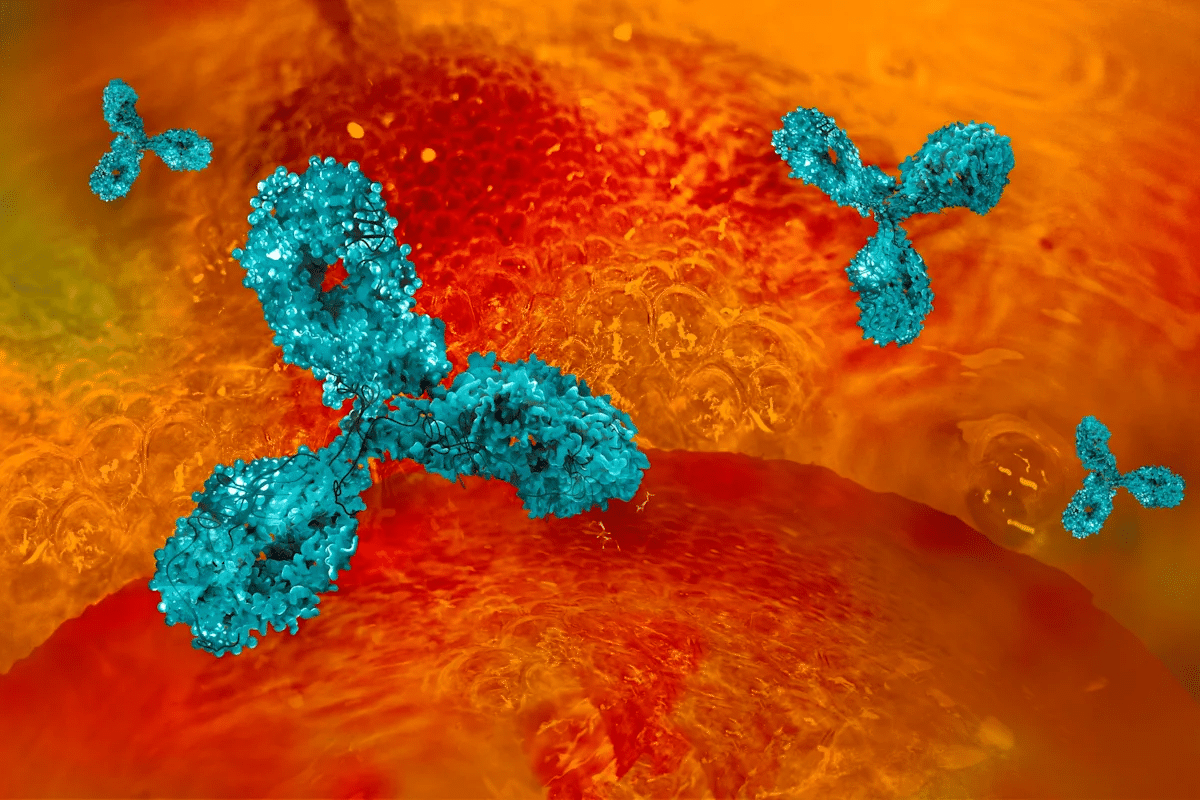
ANCA-associated vasculitis is a condition caused by ANCA antibodies. These antibodies attack neutrophils, a type of white blood cell. This attack makes neutrophils too active, causing inflammation in blood vessels.
Definition and Basic Mechanism
ANCA-associated vasculitis (AAV) is a rare disorder. It happens when ANCA antibodies attack neutrophils. This leads to damage in small to medium-sized blood vessels.
The exact reason for ANCA production is not known. It’s thought to be a mix of genetics and environmental factors. This can cause damage to organs, depending on where the vasculitis occurs.
How ANCA Antibodies Affect Blood Vessels
ANCA antibodies are key in AAV. They make neutrophils stick to blood vessel walls. This causes inflammation and damage, leading to necrotizing vasculitis.
The inflammation can block blood flow to organs. This leads to various symptoms. ANCA antibodies also disrupt normal repair of blood vessels.
This disruption can cause serious problems. It can lead to organ failure if not treated properly. Understanding how ANCA antibodies affect blood vessels is important. It helps us see why we need specific treatments for AAV.
The Immune System’s Role in ANCA-Associated Vasculitis
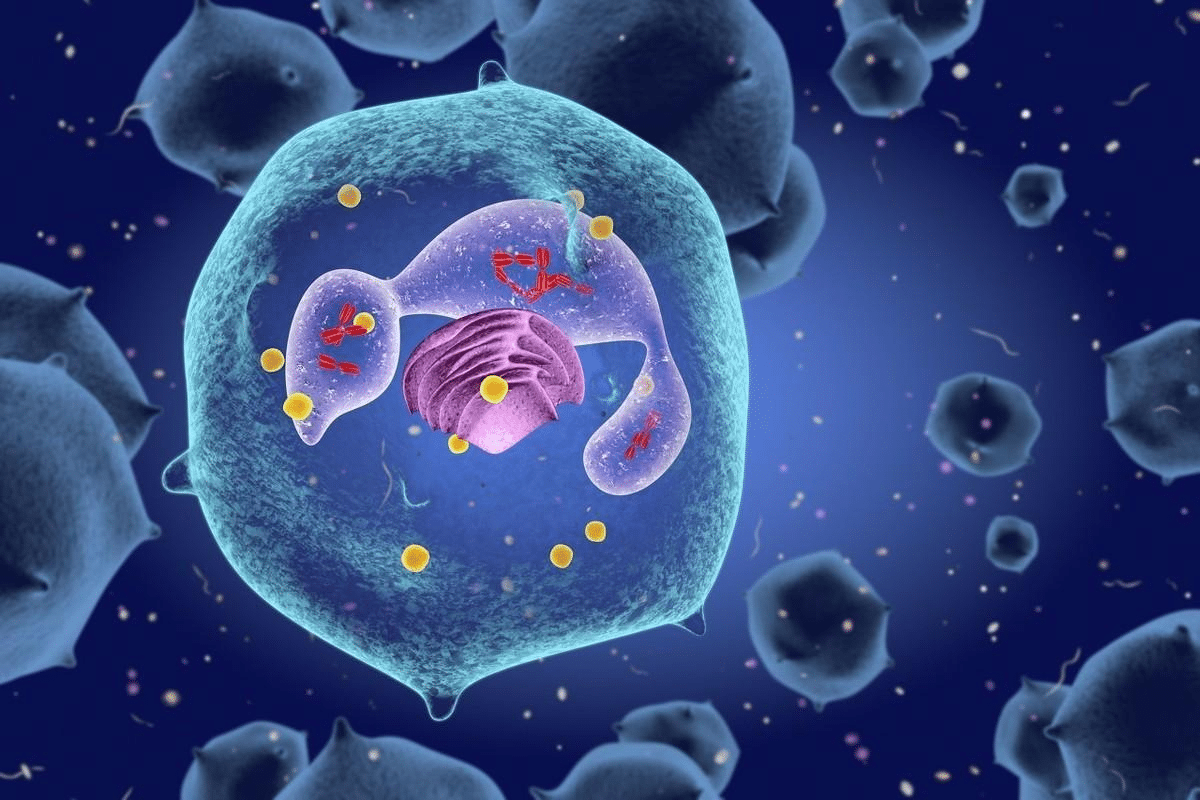
The immune system is key in ANCA-associated vasculitis. It’s important to understand how it works to get the condition. ANCA-associated vasculitis (AAV) is marked by anti-neutrophil cytoplasmic antibodies (ANCA). These autoantibodies target proteins in neutrophils, a type of white blood cell.
Normal Immune Function vs. Autoimmunity
In a healthy person, the immune system fights off infections. But in autoimmune diseases like AAV, it attacks the body’s own cells. This leads to inflammation and damage to blood vessels, causing vasculitis.
The immune system has a balance between pro-inflammatory and anti-inflammatory actions. In AAV, this balance is lost, causing an overactive immune response. The presence of ANCA is a hallmark of this condition, and finding them is key for diagnosis.
Neutrophil Activation and Vessel Damage
ANCA activates neutrophils, which then release enzymes and antimicrobial peptides. These can damage blood vessel walls, causing inflammation and vasculitis. The activation of neutrophils by ANCA is a major part of AAV’s development.
- Neutrophil activation leads to the release of reactive oxygen species (ROS) and granules.
- ROS and granules damage the endothelial cells lining blood vessels.
- This damage causes inflammation and the symptoms of vasculitis.
Types of ANCA: PR3-ANCA and MPO-ANCA
There are two main ANCA types in AAV: PR3-ANCA and MPO-ANCA. PR3-ANCA is linked to granulomatosis with polyangiitis (GPA). MPO-ANCA is more common in microscopic polyangiitis (MPA) and eosinophilic granulomatosis with polyangiitis (EGPA).
Knowing the differences between these ANCA types is vital for diagnosis and treatment. PR3-ANCA and MPO-ANCA have different clinical associations and may need different treatments.
|
ANCA Type |
Associated Condition |
Clinical Features |
|---|---|---|
|
PR3-ANCA |
GPA |
Upper and lower respiratory tract involvement, kidney damage |
|
MPO-ANCA |
MPA, EGPA |
Kidney involvement, skin and nerve damage, asthma (in EGPA) |
Types of ANCA-Associated Vasculitis
It’s important to know the different types of ANCA-associated vasculitis for the right diagnosis and treatment. ANCA-associated vasculitis (AAV) includes several conditions, each with its own symptoms and organ effects.
Granulomatosis with Polyangiitis (GPA)
Granulomatosis with Polyangiitis, also known as Wegener’s granulomatosis, affects the upper and lower respiratory tract, kidneys, and other organs. It’s often linked to PR3-ANCAs. This condition is marked by granulomas, which are inflamed areas that can harm organs.
GPA symptoms vary but may include nasal congestion, sinusitis, cough, and coughing up blood. Kidney problems are common and can be serious if not treated quickly.
Microscopic Polyangiitis (MPA)
Microscopic Polyangiitis is a type of AAV linked to MPO-ANCAs. It’s known for inflammation in small blood vessels without granulomas. MPA often causes kidney inflammation, skin issues, and nerve damage.
MPA symptoms include blood in the urine, protein in the urine, skin spots, and nerve problems. The disease can quickly get worse, mainly if the kidneys are severely affected.
Eosinophilic Granulomatosis with Polyangiitis (EGPA)
Eosinophilic Granulomatosis with Polyangiitis, also known as Churg-Strauss syndrome, is a rare AAV type. It’s characterized by eosinophil-rich granulomas and asthma. EGPA mainly affects the lungs and gastrointestinal tract.
People with EGPA often have asthma and allergies before developing eosinophilia and vasculitis. The disease can harm many organs, including the heart, nerves, and skin.
|
Type of AAV |
Commonly Associated ANCA |
Typical Organ Involvement |
Distinctive Features |
|---|---|---|---|
|
GPA |
PR3-ANCA |
Upper and lower respiratory tract, kidneys |
Presence of granulomas |
|
MPA |
MPO-ANCA |
Kidneys, skin, nerves |
Absence of granulomas, necrotizing vasculitis |
|
EGPA |
MPO-ANCA (less common) |
Lungs, gastrointestinal tract, heart |
Eosinophilia, asthma, eosinophil-rich granulomas |
Knowing these differences is key to diagnosing and treating AAV well. Each type needs a specific treatment plan, considering the organs affected and the disease’s severity.
Signs and Symptoms of ANCA-Associated Vasculitis
It’s important to know the signs of ANCA-associated vasculitis to get treatment early. This condition can affect many parts of the body.
General Systemic Symptoms
ANCA-associated vasculitis often shows symptoms that are not specific. These can be like symptoms of other diseases. Common symptoms include:
- Fatigue: Feeling very tired all the time.
- Fever: Having a high body temperature.
- Weight Loss: Losing weight without trying, due to inflammation.
- Muscle Pain: Pain in the muscles that can be all over or in one place.
Respiratory Manifestations
The lungs are often hit hard by ANCA-associated vasculitis, like in Granulomatosis with Polyangiitis (GPA). Symptoms include:
- Cough: A cough that lasts and might be dry or wet.
- Hemoptysis: Coughing up blood, showing lung problems.
- Dyspnea: Feeling short of breath, often due to lung issues.
Kidney Involvement
Kidney problems are a big deal with ANCA-associated vasculitis, like in Microscopic Polyangiitis (MPA) and Granulomatosis with Polyangiitis (GPA). Symptoms include:
- Hematuria: Blood in the urine, which can be tiny or big.
- Proteinuria: Too much protein in the urine, showing kidney damage.
- Renal Failure: In bad cases, it can quickly make kidneys not work.
Skin, Nerve, and Other Organ Manifestations
ANCA-associated vasculitis can also hit other organs and tissues. This leads to many symptoms. These can be:
- Skin Lesions: Skin problems like purpura, ulcers, or other signs of vasculitis.
- Neuropathy: Damage to nerves, causing numbness, tingling, or pain.
- Eye Inflammation: Problems like scleritis, episcleritis, or uveitis that can hurt vision.
- Gastrointestinal Symptoms: Stomach pain, nausea, or bleeding in the gut.
It’s key for doctors to know about these symptoms to treat ANCA-associated vasculitis well. Spotting symptoms early can help patients get better faster.
Causes and Risk Factors
The exact cause of ANCA-associated vasculitis is not fully understood. Yet, research has found several risk factors and triggers. Knowing these factors helps identify who might get AAV and how to prevent it.
Genetic Predisposition
Genetics play a big role in ANCA-associated vasculitis. Some genetic variations increase the risk of autoimmune diseases, including AAV. Studies have found certain genetic loci linked to a higher risk of AAV, often in people with other autoimmune diseases.
A study in the Journal of Autoimmune Diseases showed specific HLA alleles raise the risk of PR3-ANCA positive GPA, a type of AAV. This genetic factor might affect how the immune system reacts to environmental triggers.
Environmental Triggers
Environmental factors can start ANCA-associated vasculitis in people with a genetic risk. Some possible triggers include:
- Infections: Certain infections can cause an abnormal immune response, leading to AAV.
- Exposure to silica or other occupational hazards
- Other environmental exposures that may trigger an autoimmune response
A table summarizing possible environmental triggers is below:
|
Environmental Trigger |
Possible Mechanism |
|---|---|
|
Infections |
Triggering abnormal immune response |
|
Silica exposure |
Inducing ANCA production |
|
Other occupational hazards |
Causing chronic inflammation |
Drug-Induced ANCA Vasculitis
Some medications can cause ANCA-associated vasculitis, known as drug-induced ANCA vasculitis. The most common culprits are:
- Propylthiouracil (used to treat hyperthyroidism)
- Hydralazine (used to treat hypertension)
- Minocycline (an antibiotic)
- Cocaine (when contaminated with levamisole)
Drug-induced AAV can look like primary AAV, making diagnosis hard. It’s key to review a patient’s medication history to spot drug-induced cases.
Understanding ANCA-associated vasculitis causes and risk factors is vital for early diagnosis and treatment. More research is needed to understand how genetics, environment, and drugs interact in AAV development.
Diagnosis of ANCA-Associated Vasculitis
Diagnosing AAV involves several steps. We use lab tests, imaging, and histopathology. Accurate diagnosis is key to effective treatment and better patient outcomes.
Blood Tests and ANCA Testing
Blood tests are vital in diagnosing AAV. A key test is for ANCA antibodies. ANCA testing is essential because these antibodies are a disease marker. There are two main types: PR3-ANCA and MPO-ANCA, each linked to different symptoms.
We employ indirect immunofluorescence and enzyme-linked immunosorbent assay (ELISA) to find ANCA antibodies. These tests help identify the type of AAV and guide treatment.
Imaging Studies
Imaging studies are critical for seeing how much of the body is affected by AAV. Computed tomography (CT) scans and magnetic resonance imaging (MRI) show where the disease is. This is important for organs like the lungs and kidneys.
These images help us understand how severe the disease is. They also show how well treatment is working. For example, CT scans can spot lung problems, while MRI can show inflammation in different organs.
Biopsy and Histopathology
A biopsy is often needed to confirm AAV diagnosis. Histopathology of the biopsy sample can show signs like vasculitis and granulomas. This helps confirm the diagnosis.
The biopsy site depends on the affected organs. For instance, a kidney biopsy is key for kidney issues, while a lung biopsy is important for diagnosing GPA.
By combining blood tests, imaging, and biopsy results, we can accurately diagnose AAV. This allows us to create a treatment plan that meets each patient’s needs.
Treatment Approaches for ANCA-Associated Vasculitis
Managing ANCA-associated vasculitis (AAV) requires a mix of treatments. These aim to control the disease and stop it from coming back. The treatment plan depends on the type of AAV, how severe it is, and the patient’s health.
Induction Therapy
Induction therapy quickly controls the disease. It reduces inflammation and stops organ damage. This phase uses corticosteroids and immunosuppressive agents like cyclophosphamide or rituximab.
A study showed rituximab and cyclophosphamide work equally well for induction therapy. Rituximab might be safer for some patients.
|
Therapy |
Agent |
Primary Use |
|---|---|---|
|
Induction |
Cyclophosphamide |
Severe AAV |
|
Induction |
Rituximab |
AAV, potentially less toxic |
|
Maintenance |
Azathioprine |
Preventing relapse |
Maintenance Treatment
Maintenance treatment keeps the disease from coming back after remission. Azathioprine and methotrexate are common choices. The right one depends on the patient and the disease.
This treatment lasts at least 12-18 months after remission. Some patients need it longer.
Treatment of Specific Types of AAV
The treatment varies by AAV type. For example, Granulomatosis with Polyangiitis (GPA) might need stronger induction therapy because of its severe organ risks.
Eosinophilic Granulomatosis with Polyangiitis (EGPA) often starts with corticosteroids. More severe cases add immunosuppressants.
Newer Biological Therapies and Clinical Trials
New biological therapies are changing AAV treatment. Mepolizumab shows promise in EGPA by reducing disease activity.
Clinical trials are exploring new treatments. These include biologics and targeted therapies. They offer hope for better outcomes for AAV patients.
Complications and Prognosis
It’s important to know about the complications of ANCA-associated vasculitis. This disease can cause problems in the short and long term. It affects different parts of the body.
Short-term Complications
Short-term issues include severe infections, organ damage, and side effects from treatment. Infections are a big worry for those on immunosuppressive therapy. We need to watch for signs of infection and treat them quickly.
Organ damage, like to the kidneys and lungs, is another short-term problem. Rapid inflammation can cause serious damage. Sometimes, patients need to be in the hospital to get better.
Long-term Organ Damage
Long-term damage is common in ANCA-associated vasculitis. Chronic inflammation and scarring can harm organs. For example, kidney damage can lead to chronic kidney disease or even the need for dialysis or a transplant.
Lung damage can also happen, causing long-term breathing problems. Patients may have a persistent cough, shortness of breath, and less lung function. We aim to manage these symptoms well to keep patients’ quality of life high.
Survival Rates and Quality of Life
Thanks to better treatments, the outlook for ANCA-associated vasculitis patients has improved. But, survival rates and quality of life can differ. This depends on how severe the disease is, which organs are affected, and how well the patient responds to treatment.
Research shows that with the right treatment, many patients can go into remission and live well. Regular check-ups and adjusting treatment plans are key. This helps manage the disease and reduce long-term problems.
Conclusion
Understanding ANCA-associated vasculitis is key to managing it well. We’ve looked into its types, symptoms, diagnosis, and treatments.
Early diagnosis and treatment can greatly help patients. Recognizing symptoms early lets doctors start treatment quickly. This can prevent serious damage to organs.
Treatment for vasculitis has grown, with many options available. A treatment plan that fits each patient’s needs is vital. It helps achieve remission and improves life quality.
As we learn more about ANCA and its role in vasculitis, we can create better treatments. Our aim is to offer top-notch care to patients worldwide. We want to support those seeking treatment for this complex condition.
FAQ
What is ANCA-associated vasculitis?
ANCA-associated vasculitis is a group of autoimmune diseases. They cause inflammation and damage to small blood vessels. This is because of Anti-Neutrophil Cytoplasmic Antibodies (ANCA).
What are the main types of ANCA-associated vasculitis?
There are three main types. These are Granulomatosis with Polyangiitis (GPA), Microscopic Polyangiitis (MPA), and Eosinophilic Granulomatosis with Polyangiitis (EGPA). Each type has its own symptoms and affects different organs.
What are the symptoms of ANCA-associated vasculitis?
Symptoms vary. They can include general symptoms, problems with breathing, kidney issues, and skin, nerve, and other organ problems. The symptoms depend on the type and how severe the disease is.
How is ANCA-associated vasculitis diagnosed?
Doctors use blood tests and ANCA testing to diagnose it. They also use imaging studies and biopsies to confirm the disease and see how far it has spread.
What is the role of ANCA in the pathogenesis of AAV?
ANCA antibodies make neutrophils active. This leads to damage and inflammation in blood vessels. It plays a big role in the disease’s development and worsening.
What are the treatment options for ANCA-associated vasculitis?
Treatment includes induction therapy to control the disease and maintenance treatment to prevent it from coming back. Newer biological therapies are also used. The goal is to manage symptoms and prevent damage to organs.
What are the treatment options for ANCA-associated vasculitis?
Treatment includes induction therapy to control the disease and maintenance treatment to prevent it from coming back. Newer biological therapies are also used. The goal is to manage symptoms and prevent damage to organs.
What are the treatment options for ANCA-associated vasculitis?
Treatment includes induction therapy to control the disease and maintenance treatment to prevent it from coming back. Newer biological therapies are also used. The goal is to manage symptoms and prevent damage to organs.
What are the complications of ANCA-associated vasculitis?
Complications include short-term issues and long-term damage to organs. It can also affect survival rates and quality of life. This shows why early and effective treatment is so important.
Can ANCA-associated vasculitis be cured?
There is no cure, but treatment can manage the disease. It can help induce remission and improve life quality for many patients.
What is the difference between PR3-ANCA and MPO-ANCA?
PR3-ANCA and MPO-ANCA are two types of ANCA antibodies. They are linked to different symptoms and disease characteristics in ANCA-associated vasculitis.
Are there any genetic or environmental risk factors for developing ANCA-associated vasculitis?
Yes, there are genetic and environmental risk factors. These include genetic predisposition, environmental triggers, and drug-induced cases. They can increase the risk of developing ANCA-associated vasculitis.
References
National Center for Biotechnology Information. ANCA-Associated Vasculitis: Autoimmunity, Inflammation, and Organ Damage. Retrieved from
https://www.ncbi.nlm.nih.gov/books/NBK554372/