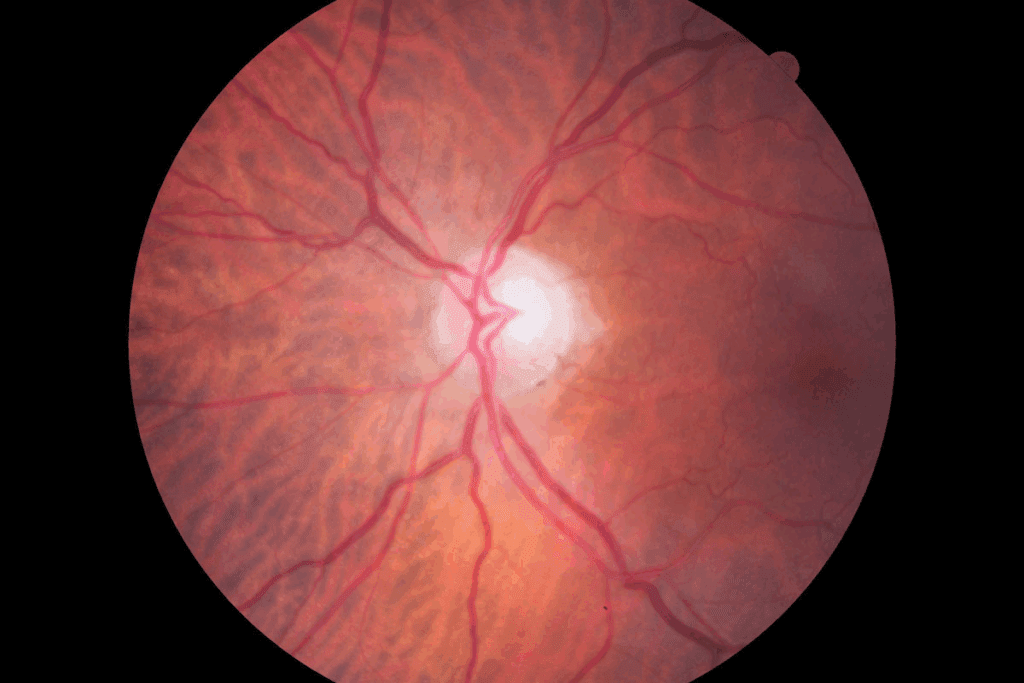
Worried about AMD injections side effects? Get the shocking truth. This essential guide explains common vs. rare risks and powerful patient tips. Age-related macular degeneration (AMD) eye injections have changed treatment outcomes. They help about 90 percent of patients keep their vision. Anti-VEGF injections, like Eylea (aflibercept), are put directly into the eye’s vitreous. This slows or stops vision loss in wet AMD patients.
These AMD injections greatly reduce vision loss. But, they can also cause mild and serious side effects. Clinical trials show serious problems are rare. Yet, it’s key for patients to know the risks of this treatment.
Knowing the side effects is vital for making informed choices. We’ll look at the various complications from AMD eye injections. This includes both mild and serious ones.
Key Takeaways
- AMD eye injections can cause both mild and serious side effects.
- Eylea (aflibercept) injections are a common treatment for wet AMD.
- Serious complications from AMD injections are rare.
- Understanding the side effects is key for patients.
- Anti-VEGF injections are put directly into the eye’s vitreous.
Understanding Age-Related Macular Degeneration (AMD)

It’s key to understand AMD to see why eye injections are used. We’ll look at the types of AMD, how it affects vision, and why injections are needed.
Wet vs. Dry AMD
AMD is split into two types: dry and wet. Dry AMD is more common, making up 85-90% of cases. It happens when the macula wears down with age, causing vision loss. Drusen, waste material, builds up under the macula.
Wet AMD is less common but more serious. It’s when blood vessels grow under the macula and leak, causing fast vision loss.
How AMD Affects Vision
AMD hits central vision hard, needed for daily tasks like reading and driving. Dry AMD’s vision loss comes slowly, giving time to adjust. But wet AMD can cause sudden vision loss, leading to blind spots or distorted vision.
Why Injections Are Necessary for Wet AMD
For wet AMD, anti-VEGF injections are key. VEGF helps new blood vessels grow, including bad ones in wet AMD. These injections stop VEGF, reducing blood vessel leakage and swelling. They help prevent vision loss and can even improve vision.
Medicines like ranibizumab (Lucentis) and aflibercept (Eylea) are used. They’re injected into the eye and work well to manage wet AMD.
- Reducing Leakage: Anti-VEGF injections cut down on fluid leakage from bad blood vessels.
- Preventing Vision Loss: These injections stop wet AMD from getting worse, saving vision.
- Improving Vision: Sometimes, they can even make vision better.
Anti-VEGF Medications Used in AMD Treatment

Anti-VEGF medications are key in treating wet Age-related Macular Degeneration (AMD). They are injected into the eye to stop abnormal blood vessel growth and leakage. This is common in wet AMD.
“The introduction of Anti-VEGF therapies has revolutionized the management of wet AMD, giving patients a significant chance of preserving their vision,” says a leading ophthalmologist. This highlights the importance of these medications in modern ophthalmology.
Ranibizumab (Lucentis)
Ranibizumab, known as Lucentis, is a top choice for Anti-VEGF treatment. It blocks the vascular endothelial growth factor (VEGF), reducing new blood vessel formation and leakage in the retina.
Key Benefits: Ranibizumab has been shown to effectively treat wet AMD, improving vision for many patients. Regular use helps keep the retina healthy.
Aflibercept (Eylea)
Aflibercept, or Eylea, is another popular Anti-VEGF medication. It’s used for wet AMD and macular edema caused by retinal vascular occlusion, diabetic retinopathy, and diabetic macular edema.
Aflibercept works by binding to VEGF, preventing it from interacting with its receptors on endothelial cells. This stops new blood vessel growth.
Brolucizumab (Beovu)
Brolucizumab, known as Beovu, is a newer Anti-VEGF medication. It’s designed to treat wet AMD with a potentially reduced treatment burden due to its longer action.
Notable Feature: Brolucizumab’s smaller molecular size allows for a higher molar concentration. This could lead to more effective VEGF inhibition.
Faricimab-svoa (Vabysmo)
Faricimab-svoa, marketed as Vabysmo, is the latest Anti-VEGF medication approved for wet AMD and diabetic macular edema. It targets both VEGF-A and Ang-2, involved in angiogenesis and vascular permeability.
Innovative Approach: By targeting two pathways, Faricimab-svoa offers a new way to treat retinal diseases. This could improve outcomes for patients.
The Macular Degeneration Eye Injection Procedure
Learning about macular degeneration eye injections can ease worries. The process is simple and aims to reduce pain and risks.
Pre-Injection Preparation
We start by giving numbing eye drops to make the procedure less painful. Then, we clean the eye with iodine to prevent infection. A speculum keeps the eyelids open, stopping blinking during the injection.
Pre-Injection Steps:
- Administering numbing eye drops
- Cleaning the eye with iodine solution
- Using a speculum to keep the eyelids open
What Happens During the Injection
The injection uses a tiny needle and is quick, taking less than a second. You might feel some discomfort or pressure, but the drops help lessen this. We inject anti-VEGF medications into the vitreous gel in your eye.
Aspect | Description |
Needle Size | Very small and thin |
Duration | Less than a second |
Medication | Anti-VEGF |
Immediate Post-Injection Care
After the injection, we watch for any immediate reactions. We tell you how to care for your eye at home, including using antibiotic drops. Most people can go back to their usual activities soon after, but it’s best to avoid hard activities for a bit.
Post-Injection Care Tips:
- Use antibiotic drops as directed
- Avoid rubbing the eye
- Monitor for any unusual symptoms
Common AMD Injections Side Effects
People getting AMD injections might see some common side effects. These are usually short-lived. Knowing about these side effects can help you get ready for your treatment.
Eye Redness and Irritation
Eye redness and irritation are common after AMD injections. This happens because of the injection itself. It usually goes away in a few days. Using a cold compress can make it feel better.
Floaters and Blurry Vision
Floaters and blurry vision are also common. Floaters look like small spots in your eyes. Blurry vision makes it hard to see clearly. These usually get better as your eyes adjust.
Temporary Discomfort and Pressure Sensation
Some people might feel a bit of discomfort or pressure in their eye after the injection. This is usually mild and goes away in a few hours.
Subconjunctival Hemorrhage (Eye Bleeding)
Eye bleeding, or subconjunctival hemorrhage, is another side effect. It looks like a bright red patch on the eye’s white part. It’s usually harmless and goes away in a couple of weeks.
To understand how often these side effects happen, look at the table below:
Side Effect | Frequency | Typical Duration |
Eye Redness and Irritation | Common | A few days |
Floaters and Blurry Vision | Common | Variable, often improves over time |
Temporary Discomfort and Pressure | Common | A few hours to a day |
Subconjunctival Hemorrhage | Less Common | 1-2 weeks |
Even though these side effects can be worrying, they are usually short-term and can be managed. If you have any severe or lasting symptoms, it’s important to talk to your doctor.
How Painful Are Eye Injections for Macular Degeneration?
It’s important for patients to know about the pain of eye injections for macular degeneration. These injections are a common treatment for wet AMD. They deliver medicine directly into the eye to stop abnormal blood vessel growth and leakage.
Most patients feel little to no pain during the procedure. This is because numbing eye drops or local anesthetics are used. But, how much pain someone feels can really vary.
Pain Levels During the Procedure
The pain from eye injections for macular degeneration is usually very low. This is because anesthetic eye drops numb the eye. This makes any pain almost non-existent.
Patient Experiences with Discomfort
Even though the procedure is not very painful, some people might feel a bit of discomfort. This can be a feeling of pressure during or after the injection. How much discomfort someone feels can depend on their pain threshold and the doctor’s technique.
Factors That Affect Pain Perception
Several things can change how much pain someone feels during an eye injection. These include:
- The effectiveness of the anesthetic used
- The patient’s overall anxiety level
- The skill and experience of the healthcare provider administering the injection
Anesthetic Options
Healthcare providers use numbing eye drops or local anesthetics to reduce pain. The type of anesthetic used can impact the patient’s experience. Here are some common ones:
Anesthetic Option | Description |
Numbing Eye Drops | Topical anesthetics that numb the surface of the eye |
Local Anesthetic Injection | A small injection around the eye to numb the area more effectively |
By knowing these factors and options, patients can better prepare for the procedure. They can also talk to their healthcare provider about any worries they have.
Rare but Serious Side Effects of Macular Degeneration Injections
While rare, serious side effects from macular degeneration injections can be severe. Most patients get through AMD injections without major issues. But, it’s key to know about these possible risks.
It’s important to note that serious side effects from AMD injections are rare but can happen. Patients should watch out for signs like severe eye pain, vision changes, or light sensitivity. If these symptoms show up, get medical help right away.
Endophthalmitis (Eye Infection)
Endophthalmitis is a serious eye inflammation caused by infection. It can lead to severe vision loss if not treated quickly. Look out for symptoms like severe eye pain, redness, light sensitivity, and vision decrease.
Retinal Detachment
Retinal detachment happens when the retina separates from the eye’s back. It can cause sudden vision loss and needs quick medical care. Watch for symptoms like flashes, floaters, and a shadow or curtain over your vision.
Increased Intraocular Pressure
AMD injections can sometimes raise intraocular pressure (IOP). High IOP can cause glaucoma, damaging the optic nerve and leading to vision loss if not managed.
Cataract Formation
Cataracts cloud the eye’s lens, impairing vision. While age-related, AMD injections might speed up cataract formation in some.
The following table summarizes the rare but serious side effects of macular degeneration injections:
Side Effect | Symptoms | Potential Consequences |
Endophthalmitis | Severe eye pain, redness, sensitivity to light, decreased vision | Severe vision loss |
Retinal Detachment | Flashes of light, floaters, shadow or curtain over vision | Sudden vision loss |
Increased Intraocular Pressure | Variable, may not be noticeable until significant damage occurs | Glaucoma, optic nerve damage |
Cataract Formation | Blurred vision, glare, difficulty seeing colors | Vision impairment |
It’s vital for patients to know about these possible complications. Follow your doctor’s advice after AMD injections. If unusual symptoms appear, seek medical help without delay.
When to Contact Your Doctor After Eye Injections
Knowing what to watch for after eye injections can help prevent complications. After getting macular degeneration injections, it’s key to keep an eye on your condition. Knowing when to seek medical help is also important.
Emergency Warning Signs
Certain symptoms need immediate attention. If you notice any of these, call your doctor right away:
- Eye pain or discomfort that gets worse over time
- Sensitivity to light or vision changes, like blurred vision or double vision
- Increased floaters or flashes of light
- Eye redness or swelling
- Vision loss, even if it’s temporary
Non-Emergency Concerns
Some symptoms are not emergencies but need attention. If you see any of these, tell your doctor at your next visit:
- Mild eye irritation or dryness
- Minor changes in vision
- Floaters that are not getting worse
Follow-up Appointment Guidelines
Follow-up appointments are key for checking how well the treatment is working. They help address any concerns. Stick to your scheduled appointments for the best results.
At your follow-up, your doctor will check your condition and look for side effects. They will also decide if you need more injections. It’s vital to share any changes or concerns you’ve had.
By knowing when to seek immediate help and keeping up with your follow-ups, you can make sure your treatment for macular degeneration is safe and effective.
Recovery Timeline After Macular Degeneration Injections in the Eye
The time it takes to recover from macular degeneration injections varies. Knowing what to expect can help ease worries. Some discomfort or vision changes might happen right after, but these usually go away in a few days.
First 24 Hours Post-Injection
Right after the injection, you might see some effects. These can include mild eye redness, irritation, or discomfort. Your vision might be blurry, and you might see floaters. These symptoms are usually short-lived and fade within a day.
It’s best to rest your eyes and avoid hard work like heavy lifting or bending in the first 24 hours. Also, don’t rub your eyes to prevent infection.
First Week Recovery
In the first week, symptoms often start to get better. Eye redness and irritation should lessen, and your vision should start to clear up. But, it’s key to follow your doctor’s post-injection care instructions to heal right.
Some might see eye bleeding, which can look scary but usually goes away in a couple of weeks.
When to Resume Normal Activities
When you can go back to normal activities depends on how you recover and your doctor’s advice. Usually, most people can get back to their usual life in a few days to a week after the injection.
Avoid driving or using heavy machinery until your vision is steady. Also, steer clear of swimming pools or hot tubs for a few days to avoid infection.
Activity | Recommended Waiting Period |
Driving | Until vision stabilizes (typically 1-3 days) |
Heavy Lifting/Bending | At least 24 hours |
Swimming/Hot Tubs | 3-5 days |
By understanding the recovery process and following your doctor’s advice, you can avoid complications. This ensures the best results from your macular degeneration injections.
Long-Term Effects of Repeated AMD Eye Injections
Exploring the long-term effects of AMD treatment is key. Anti-VEGF injections have changed how we treat wet age-related macular degeneration. But, using them for a long time can affect patients in different ways.
Cumulative Impact on Eye Health
Repeated eye injections for AMD can harm eye health over time. One worry is cataracts. Research suggests that long-term use of anti-VEGF injections might lead to cataracts. Also, there’s a chance of higher eye pressure, which is bad for those with glaucoma.
There’s also a risk of retinal damage or changes from the injections. While rare, retinal detachment is a serious issue. Patients getting long-term AMD treatment need to be watched for any retinal problems.
Treatment Fatigue
Treatment fatigue is a big issue for patients getting repeated injections. The need for regular injections can be hard. It can cause physical, emotional, and mental strain. The frequency of visits, the procedure itself, and the ongoing need for treatment all play a part.
“The burden of treatment can be overwhelming for some patients, affecting their quality of life and adherence to the treatment plan.”
Medical Expert, Ophthalmologist
Potential Resistance to Medication
There’s also a worry about becoming resistant to anti-VEGF medications. Some patients might not respond as well to treatment over time. This could mean changing medications or trying new treatments.
Psychological Impact of Ongoing Treatment
The mental impact of long-term AMD treatment is important. The need for ongoing injections can cause anxiety and stress. Healthcare providers must address these concerns and offer support. This can include counseling, education, and resources for managing emotional challenges.
In summary, while AMD eye injections are vital, their long-term effects need careful thought. Understanding these impacts helps us improve patient care and treatment results.
Risk Factors for Developing Complications from Shots in the Eye for Macular Degeneration
Several factors can affect the risk of complications from eye injections for macular degeneration. Knowing these factors is key to managing patient care and reducing risks.
Pre-existing Eye Conditions
Eye conditions like glaucoma, cataracts, or previous retinal surgeries can raise the risk of side effects. It’s important for patients with such conditions to tell their healthcare provider. This helps in creating a treatment plan that suits them.
Age and Health Considerations
Age and health are also important in determining the risk of complications. Older patients or those with chronic conditions like diabetes or high blood pressure may face higher risks. Healthcare providers need to evaluate a patient’s health before giving injections.
Medication Interactions
Medications can also affect the risk of complications from AMD injections. Patients on anticoagulants or other drugs that affect bleeding may be at higher risk. It’s vital for patients to share all their medications with their healthcare provider.
Infection Risk Factors
Factors like a weakened immune system or previous eye infections can increase the risk of serious eye infections. Healthcare providers must take precautions to prevent infections during the procedure.
Understanding these risk factors helps healthcare providers create effective treatment plans. This ensures the best outcomes for patients getting macular degeneration injections.
Alternative and Complementary Treatments for Wet AMD
Wet AMD treatment goes beyond just anti-VEGF injections. Other treatments and new therapies are being explored. These options aim to give patients more choices for managing their condition.
Photodynamic Therapy
Photodynamic therapy (PDT) uses a special light and a laser to help wet AMD. PDT is great for some types of wet AMD lesions. It helps by stopping blood vessels from leaking fluid.
Laser Photocoagulation
Laser photocoagulation uses a strong laser to destroy bad blood vessels. This method is more invasive and can cause blind spots. But, it’s effective for some patients who can’t use anti-VEGF injections.
Emerging Treatment Options
New treatments for wet AMD are being researched. Some of these include:
- Gene therapy: targets the genetic causes of AMD.
- Stem cell therapy: aims to grow new retinal cells.
- New drug formulations: like implants and new ways to deliver drugs.
Nutritional Supplements
Nutritional supplements are important for eye health. Vitamins and minerals, like those in the AREDS formula, can slow AMD. Key nutrients include vitamins C and E, zinc, and omega-3 fatty acids. While not a cure, they can help.
In summary, while anti-VEGF injections are key, other treatments offer more choices. Patients should talk to their doctor to find the best treatment for them.
Conclusion
AMD injections are a key treatment for wet Age-related Macular Degeneration (AMD). They can help slow or stop vision loss. It’s important for patients to know about possible side effects.
Common side effects include eye redness, floaters, and increased eye pressure. Knowing these can help patients work better with their doctors. This way, they can handle the treatment well.
Learning about the side effects of AMD injections is key. It helps ensure safe treatment. The benefits of these injections can be big for those with wet AMD.
Patients should understand their treatment options and side effects. This helps them make good choices about their care. We suggest talking to your doctor about your needs and worries. This will help find the best treatment for you.
FAQ
References
National Center for Biotechnology Information. Anti-VEGF Injections: Side Effects in Age-Related Macular Degeneration. Retrieved from https://www.ncbi.nlm.nih.gov/pmc/articles/PMC3709385/