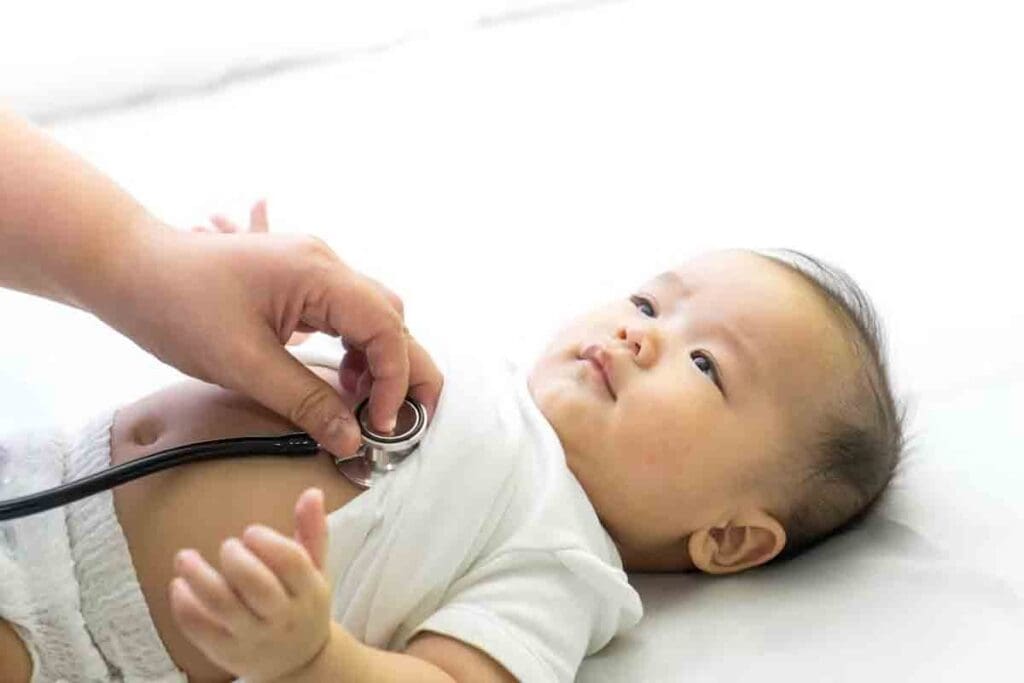
Acute Myeloid Leukemia (AML) is a fast-growing cancer that harms the bone marrow. It causes serious health problems in kids.
About 20% of childhood leukemias are myeloid in origin. This is a group of blood cancers. Getting a diagnosis of AML can be scary. But knowing about its symptoms, treatments, and survival chances helps families face this tough time.
At Liv Hospital, we offer top-notch care for kids with aml leukemia child. It’s important to know how serious AML is and how it affects kids. This knowledge helps in early diagnosis and effective treatment.
Key Takeaways
- AML is a rapidly progressing cancer that affects the bone marrow in children.
- Understanding symptoms, treatments, and survival rates is key for families.
- Liv Hospital provides internationally benchmarked pediatric leukemia care.
- Early diagnosis and treatment are vital for better survival chances.
- Families can face this tough journey with the right support and care.
What is Acute Myeloid Leukemia in Children?

It’s important to know about AML in kids to catch it early and treat it well. Acute Myeloid Leukemia (AML) is a cancer that affects the blood and bone marrow. It happens when abnormal white blood cells grow too fast and take over the bone marrow.
The Biology of AML and How it Affects Bone Marrow
AML starts when a bone marrow cell turns cancerous. This leads to a buildup of immature cells. These cells take up space in the bone marrow, causing problems like anemia and infections.
Differences Between Childhood and Adult AML
While AML is more common in adults, kids have their own version. AML is about 20 percent of all leukemia in kids. It’s more common in older kids, but infants face a tougher battle. The way AML works in kids is different from adults, affecting treatment and results.
Types of Pediatric AML
Pediatric AML is split into subtypes. These are based on the French-American-British (FAB) system. Each subtype shows how far the cells have developed and what type they are.
| FAB Subtype | Description |
| M0 | Undifferentiated AML |
| M1 | AML with minimal differentiation |
| M2 | AML with maturation |
| M3 | Acute promyelocytic leukemia (APL) |
| M4 | Acute myelomonocytic leukemia |
| M5 | Acute monocytic leukemia |
| M6 | Acute erythroid leukemia |
| M7 | Acute megakaryoblastic leukemia |
Knowing these subtypes helps doctors find the best treatment for kids with AML.
Key Fact #1: Prevalence and Demographics of Childhood AML
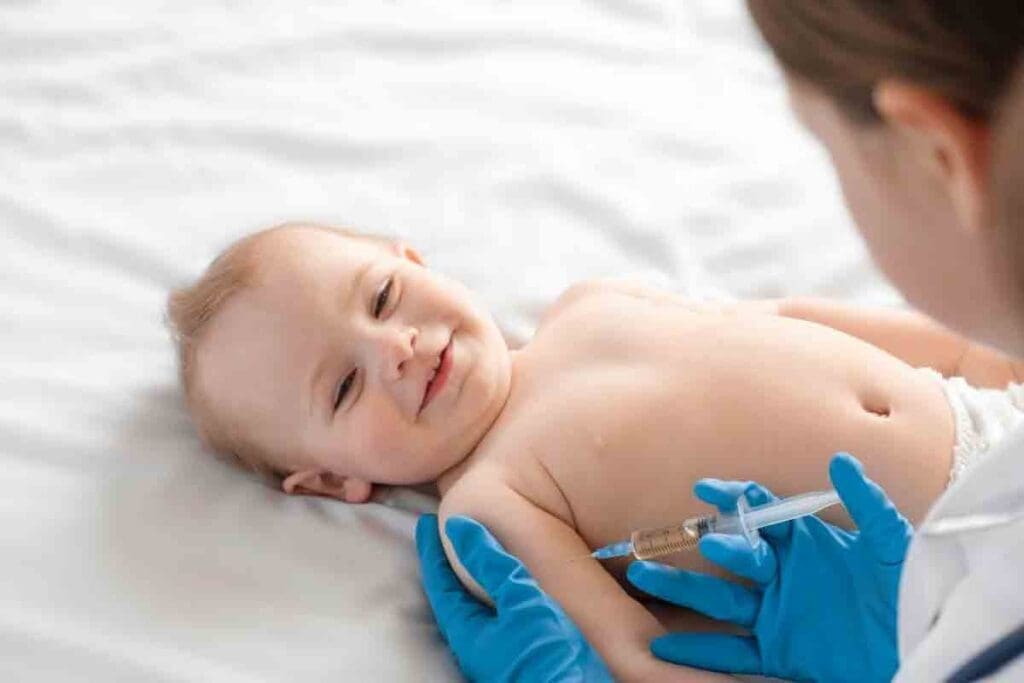
It’s important to know about childhood Acute Myeloid Leukemia (AML) to find new treatments. AML is rare in kids but has its own patterns and traits.
Incidence Rates Among Pediatric Cancers
AML is a small part of pediatric cancers, with most being Acute Lymphoblastic Leukemia (ALL). Studies show AML makes up 15-20% of childhood leukemia. It happens in about 5-7 kids per million each year.
Incidence rates change with age and population. Infants have a higher rate than older kids. This shows the need for treatments that fit each age group.
Age Distribution and Risk Factors
AML in kids isn’t spread evenly, with peaks in infancy and late teens. Risk factors include genetics, chemical exposure, and past treatments.
Genetic conditions like Down syndrome raise AML risk. Ionizing radiation and some chemicals also increase risk in kids.
Special Considerations for Infant AML
Infant AML is different and harder to treat. It has unique genetic issues and a worse outlook than AML in older kids.
“Infant AML needs special treatments because of its unique biology and the young age of the patients.”
Research aims to improve infant AML treatment and reduce side effects. Knowing about childhood AML, including infant cases, helps move research forward and improve care.
Key Fact #2: Warning Signs and Symptoms of AML in Children
It’s important to know the warning signs of Acute Myeloid Leukemia (AML) in kids. AML can show different symptoms, some of which are like common childhood illnesses. This makes it hard to spot at first.
Early Physical Symptoms to Watch For
Children with AML might have fever, fatigue, and bruising or small spots on the skin. These happen because AML stops the bone marrow from making normal blood cells. This leads to anemia, infections, and bleeding problems.
Other early signs include:
- Pale skin from anemia
- Loss of appetite
- Weight loss
- Bone or joint pain
- Swollen lymph nodes
Advanced Symptoms and Complications
As AML gets worse, symptoms can get more serious. They might include:
- Frequent and severe infections because of a weak immune system
- Easy bruising or bleeding, like nosebleeds or gum bleeding
- Shortness of breath or trouble breathing
- Dizziness or fainting spells
Advanced AML can also cause serious problems like:
- Disseminated intravascular coagulation (DIC), where blood can’t clot right
- Leukostasis, where leukemia cells block blood vessels, risking stroke or other serious issues
When to Seek Immediate Medical Attention
Parents and caregivers should get medical help right away if their child has:
- Severe bleeding or bruising
- High fever that doesn’t go away with antibiotics
- Severe bone pain
- Signs of infection, like fever, chills, or cough
| Symptom | Description | Action |
| Persistent Fever | Fever that lasts or comes back often | Consult a doctor if the fever persists |
| Unexplained Bruising | Bruising without a clear reason | Seek medical evaluation |
| Bone Pain | Pain in bones or joints | Consult a healthcare provider |
Spotting these symptoms early and getting medical help fast is key to treating AML in kids.
Key Fact #3: The Diagnosis Journey for Pediatric AML
Diagnosing pediatric AML involves many steps. It uses advanced medical tests and expert analysis. Accurate diagnosis is key for a good treatment plan.
Initial Blood Tests and Physical Examinations
The first steps are blood tests and physical exams. These help find signs of AML, like anemia or bleeding.
Blood tests check for abnormal cells. They can’t confirm AML but guide further tests.
Bone Marrow Analysis and Classification
A bone marrow test is needed for a sure AML diagnosis. It takes a sample from the hip bone for detailed checks.
The sample is analyzed to:
- Confirm leukemia cells
- Find the AML type
- See how far the disease has spread
This info helps classify the AML subtype. It affects treatment choices.
Advanced Genetic and Molecular Testing
Genetic and molecular tests are also key. They find specific genetic changes in AML.
Tests like FISH, PCR, and NGS are used. They give insights into leukemia’s genetics. This info helps choose treatments.
Combining blood tests, bone marrow analysis, and genetic tests gives a full picture. This helps doctors create a treatment plan that fits the child’s needs.
Key Fact #4: AML Leukemia Child Treatment Approaches
AML leukemia child treatment has become more advanced, giving hope to young patients. The treatment for Acute Myeloid Leukemia (AML) in kids is complex. It aims to get rid of the disease and stop it from coming back.
Standard Chemotherapy Protocols
Chemotherapy is key in treating AML in children. Intensive chemotherapy protocols work to kill leukemia cells in the bone marrow. These treatments use several drugs given in cycles, allowing the bone marrow to recover between treatments.
- Induction chemotherapy aims to get rid of leukemia cells.
- Consolidation chemotherapy is used to further reduce leukemia cells.
- Maintenance chemotherapy helps prevent relapse.
Hematopoietic Stem Cell Transplantation
For kids with high-risk AML or those who have relapsed, hematopoietic stem cell transplantation (HSCT) is often suggested. HSCT replaces the patient’s bone marrow with healthy stem cells from a donor, aiming to cure the disease.
- Pre-transplant conditioning regimen to kill remaining leukemia cells.
- Infusion of donor stem cells.
- Post-transplant care to watch for complications and graft-versus-host disease.
Emerging Targeted Therapies and Clinical Trials
The field of AML treatment is changing with new targeted therapies. These therapies target leukemia cells without harming normal cells. Clinical trials are testing these new treatments for safety and effectiveness.
“The development of targeted therapies represents a significant advancement in the treatment of AML, opening new options for patients who may not respond to traditional chemotherapy.”
Expert in Pediatric Hematology/Oncology
As research goes on, we can look forward to even better treatments for AML in kids. This could lead to better outcomes and a better quality of life for young patients.
Key Fact #5: Understanding Survival Rates and Prognosis
It’s important for families to know the survival rates and prognosis for kids with Acute Myeloid Leukemia (AML). Thanks to better treatments, the pediatric leukemia survival rate has gone up. Now, about 65-70 percent of kids with AML can survive.
Current Childhood Leukemia Survival Statistics
Studies show that survival rates for kids with AML depend on several things. These include the child’s age, the type of AML, and how well they respond to treatment. Thanks to new treatments, more kids are living longer.
AML Prognosis by Age and Subtype
The outlook for kids with AML changes based on their age and the type of AML they have. Infants often face a tougher road than older kids. Also, some AML types are more serious than others.
Factors That Influence Treatment Success
Many things affect how well AML treatment works for kids. These include the child’s age, genetic markers, how well they respond to treatment, and if the disease comes back. Knowing these helps doctors create the best treatment plan.
Historical Improvements in Outcomes
In recent years, there’s been a big leap in how well kids with AML do. New treatments and better chemotherapy have made a big difference. Researchers keep working to make treatments even better, giving families hope for the future.
Key Fact #6: Genetic Factors That Impact Treatment and Outcomes
The genetic makeup of AML in kids greatly affects treatment choices and how well they do. As we learn more about AML’s genetics, we can tailor treatments to fit each child’s needs.
Critical Genetic Markers in Pediatric AML
Some genetic markers are key in figuring out a child’s AML prognosis and treatment. For example, certain chromosomal changes can make the disease more aggressive or harder to treat. Genetic profiling helps us spot these markers and understand their impact on patient outcomes.
How Genetic Profiling Guides Treatment Decisions
Genetic profiling is essential in deciding how to treat pediatric AML. It lets us analyze a child’s AML genetics to find the best treatment. This might include standard chemo, hematopoietic stem cell transplantation, or new therapies being tested.
For instance, kids with AML due to specific genetic mutations might do better with targeted therapies. This personalized treatment could lead to better results and fewer side effects.
The Role of Minimal Residual Disease Testing
Minimal Residual Disease (MRD) testing is vital for checking how well a patient is doing after treatment. It finds tiny leukemia cells in the bone marrow, showing if the treatment is working. MRD status helps decide if more treatment is needed or if it can be less intense.
With MRD testing, we can see how a patient is responding and adjust treatments as needed. This helps improve outcomes and lower the chance of relapse.
Key Fact #7: Long-term Considerations and Follow-up Care
The journey doesn’t end with treatment. Long-term care and follow-up are key for AML survivors. As we improve treatment, focusing on long-term health and quality of life is more important.
Managing Treatment Side Effects
Children with AML face many side effects. These can be physical or long-term health issues. Managing these side effects is key to improving survivors’ quality of life.
Common long-term side effects include:
- Cardiac issues due to certain chemotherapy drugs
- Secondary cancers
- Endocrine problems, such as thyroid dysfunction
- Cognitive and developmental delays
We must work closely with healthcare providers to monitor and address these issues promptly. A study in the Journal of Clinical Oncology shows the importance of long-term follow-up care. It helps manage side effects and improve survival rates.
“Long-term follow-up care is essential for identifying and managing late effects of cancer treatment, improving survivors’ quality of life.”
Journal of Clinical Oncology
Long-term Health Monitoring
Regular health monitoring is vital for AML survivors. This includes:
| Monitoring Aspect | Frequency | Purpose |
| Cardiac Function | Annual | To detect any heart issues early |
| Blood Tests | Periodic | To monitor for signs of relapse or secondary cancers |
| Developmental Assessments | Ongoing | To support educational and developmental needs |
Educational and Developmental Support
Survivors of childhood AML may face unique challenges. It’s essential to provide support tailored to their needs.
Educational Support includes individualized education plans (IEPs) and accommodations. This helps children succeed academically.
Developmental Support involves addressing emotional and psychological needs. This is done through counseling and social support networks.
Transitioning to Adult Care
As survivors transition to adult care, ensuring continuity of care is vital. This involves:
- Coordinating with adult healthcare providers
- Educating survivors about their medical history and treatment
- Supporting survivors in managing their own care
By focusing on these aspects, we can ensure that survivors of childhood AML receive the care they need to thrive.
Support Resources for Families Facing Childhood AML
Support resources are vital for families dealing with childhood AML. They help families cope with the treatment’s challenges. A strong support system is key for this tough journey.
Emotional and Psychological Support Systems
Emotional and psychological support are essential for families with childhood AML. Counseling services and support groups offer a safe space. Here, families can share their stories and get advice.
Many groups offer psychological counseling for kids with AML and their families. These services help manage the emotional effects of diagnosis and treatment. They promote resilience and well-being.
Financial Assistance Programs
The cost of AML treatment can be high. Luckily, many financial assistance programs are available. These programs help reduce the financial burden.
- Government programs
- Non-profit organization grants
- Fundraising campaigns
These programs cover medical expenses, travel, and treatment-related costs.
Educational Resources and Support Groups
Understanding childhood AML is important. Educational resources offer valuable information. They help families understand the condition and treatment options.
Support groups, online and in-person, connect families with others facing similar challenges. They provide emotional support, practical advice, and a sense of community.
Conclusion: The Future of Childhood AML Treatment and Care
Advances in treatment and care have greatly improved survival rates for kids with AML. New research and therapies are on the horizon. They promise to make life better for these children.
Looking ahead, we need to keep supporting research and new treatments. Targeted therapies and clinical trials offer new hope. Genetic testing and monitoring disease levels are key to better care.
We’re dedicated to top-notch healthcare and support for patients worldwide. By understanding AML better and finding new treatments, we aim for a future. A future where every child with AML can live a long, healthy life.
FAQ
What are the common symptoms of Acute Myeloid Leukemia in children?
Symptoms include feeling very tired, looking pale, and getting sick often. Your child might also bruise easily or have pain in their bones. If you notice these signs, see a doctor right away.
How is pediatric AML diagnosed?
Doctors use blood tests, bone marrow samples, and genetic tests to find AML. These tests help identify the specific mutations in leukemia.
What are the treatment options for childhood AML?
Treatment often includes strong chemotherapy. Sometimes, a stem cell transplant is needed. New treatments are being tested in clinical trials.
How does the prognosis for AML vary by age in children?
The outlook depends on the child’s age, the leukemia’s genetics, and how well they respond to treatment. Babies under one usually face a different outlook than older kids.
What is the significance of genetic profiling in treating pediatric AML?
Genetic tests help find specific mutations. This information guides treatment and predicts how well a child might do. It leads to more tailored and effective therapies.
What are the long-term effects of AML treatment in children?
Survivors might face heart problems, other cancers, and developmental delays. It’s important to have ongoing care to manage these issues.
What support resources are available for families dealing with childhood AML?
Families can find emotional support, financial help, and educational resources. Support groups and counseling are key in helping families cope.
How has the survival rate for pediatric AML changed over time?
Better treatments and care have greatly improved survival rates. Ongoing research and trials aim to keep improving outcomes.
What is the role of minimal residual disease testing in pediatric AML?
This testing checks for remaining leukemia cells during and after treatment. It helps decide if more treatment is needed and if there’s a risk of relapse.
Are there any ongoing clinical trials for new treatments for childhood AML?
Yes, trials are looking at new therapies, including targeted and immunotherapies. These aim to better treat children with AML.
How can families transition to adult care for AML survivors?
The transition needs a team effort between pediatric and adult healthcare. Planning carefully ensures your child’s care continues smoothly.
What are the unique challenges associated with infant AML?
Infant AML is different due to its biology and the risks of treatments. Specialized care and treatment plans are essential for these young patients.
Reference
- National Cancer Institute: Childhood Acute Myeloid Leukemia Treatment (PDQ)
https://www.cancer.gov/types/leukemia/patient/child-aml-treatment-pdq