Early diagnosis of Alzheimer’s is key for better care. New medical imaging tools help spot the disease early. Amyloid PET scans are one such tool. They find amyloid plaques in the brain, a sign of Alzheimer’s.
The Alzheimer’s Association says amyloid PET is top-notch for finding these plaques. When used with FDG-PET, doctors can better predict if someone will get Alzheimer’s. This is from mild cognitive impairment.
Key Takeaways
- PET scans, like amyloid PET, are vital for finding Alzheimer’s.
- Amyloid PET scans can accurately spot amyloid plaques in the brain.
- Using amyloid PET with FDG-PET boosts Alzheimer’s prediction.
- Early diagnosis with amyloid PET scans leads to better care.
- New imaging methods are changing how we diagnose and treat Alzheimer’s.
The Role of PET Scans in Alzheimer’s Diagnosis

PET scans are key in understanding Alzheimer’s disease. They help us see how the brain works and find signs of Alzheimer’s. These scans are vital in neurology, showing how the brain uses energy and where amyloid plaques are.
What PET Scans Reveal About Brain Function
PET scans show brain activity by measuring how much energy it uses. For Alzheimer’s, they spot areas where the brain is less active. They use special tracers to find amyloid plaques and tau tangles, signs of Alzheimer’s.
Evolution of Neuroimaging in Alzheimer’s Detection
Neuroimaging has grown a lot, helping us find Alzheimer’s better. We’ve moved from CT scans to PET scans, getting closer to diagnosing Alzheimer’s. New amyloid-specific PET tracers have been a big help, letting doctors spot Alzheimer’s early.
| Technique | Primary Use | Advantages |
|---|---|---|
| CT Scan | Structural Imaging | Quick, widely available |
| MRI | Structural Imaging, Soft Tissue Detail | High resolution, no radiation |
| PET Scan (FDG) | Metabolic Activity | Sensitive to early changes in brain metabolism |
| Amyloid PET | Amyloid Plaque Detection | Specific to Alzheimer’s pathology |
Understanding Alzheimer’s Disease Biomarkers
Biomarkers like amyloid plaques and tau tangles are key in finding Alzheimer’s early. Alzheimer’s is a brain disease that causes memory loss and thinking problems. These biomarkers show the disease is present in the brain.
Amyloid Plaques and Tau Tangles
Amyloid plaques are made of beta-amyloid protein and build up outside brain cells. Tau tangles are abnormal tau protein inside brain cells. Both are important signs of Alzheimer’s disease. PET scans help find these biomarkers, helping us understand how the disease progresses.
Research shows amyloid plaques start forming years before symptoms show. This makes them a key target for early detection and treatment.
The Importance of Early Detection
Finding Alzheimer’s early is vital for managing the disease. Spotting people at risk or in the early stages means starting treatments sooner. This can slow the disease’s progress. Early detection also helps improve patient care and quality of life.
Thanks to better neuroimaging, like PET scans, we can find Alzheimer’s biomarkers more accurately. This helps in diagnosing and opens up new research areas for treatments.
Amyloid PET Scan: The Gold Standard for Alzheimer’s Detection
Amyloid PET scans are key in understanding Alzheimer’s disease. They help doctors see amyloid deposits in the brain. These scans are very good at finding amyloid plaques, a key sign of Alzheimer’s.
The Science Behind Amyloid Imaging
Amyloid imaging uses radioactive tracers that stick to amyloid plaques in the brain. These tracers are made to find and attach to amyloid deposits. This makes them visible during a PET scan.
Studies show amyloid PET scans greatly improve Alzheimer’s diagnosis. For example, a study on the National Center for Biotechnology Information website shows how effective amyloid PET imaging is.
Radioactive Tracers and Their Function
The tracers in amyloid PET scans are safe and give clear images of amyloid deposits. They emit positrons, which the PET scanner detects to create detailed brain images. The most used tracers are Florbetapir, Flutemetamol, and Florbetaben, each with unique binding properties.
| Tracer Name | Binding Characteristics | Clinical Use |
|---|---|---|
| Florbetapir | High affinity for amyloid fibrils | Widely used for amyloid PET imaging |
| Flutemetamol | Selective binding to amyloid plaques | Approved for clinical use in several countries |
| Florbetaben | High specificity for amyloid deposits | Used for diagnosing Alzheimer’s disease |
Visualizing Amyloid Deposits in the Brain
Seeing amyloid deposits in the brain is key for diagnosing Alzheimer’s. Amyloid PET scans measure amyloid plaque burden directly. This helps doctors assess disease progression and make treatment decisions.
Understanding amyloid PET scans and their tracers shows their importance in Alzheimer’s diagnosis and research. As we learn more about Alzheimer’s, amyloid PET scans will likely remain essential.
Tau PET Scans: A Newer Diagnostic Tool
Tau PET scans are a big step forward in finding Alzheimer’s disease. They help spot tau protein tangles, a key sign of the disease. Finding these tangles is key to understanding how Alzheimer’s grows.
Thanks to tau PET scans, we can see tau tangles in the brain better. This new tech opens doors for early diagnosis and treatment.
Detecting Tau Protein Tangles
Tau protein tangles are a big deal in Alzheimer’s disease. Tau PET scans use special tracers to find these tangles in the brain.
Being able to find tau tangles is a big deal. It helps us see how the disease grows and if treatments work.
FDA-Approved Tau Tracers ince 2020
Starting in 2020, the FDA approved several tau tracers. This is a big win for tau PET imaging. These tracers have been tested a lot to make sure they’re safe and work well.
- Tau tracers are very good at finding tau protein tangles.
- These tracers give doctors more tools to diagnose Alzheimer’s disease accurately.
Comparing Tau and Amyloid PET Imaging
Tau and amyloid PET scans are both used to find Alzheimer’s disease. Amyloid PET scans look for amyloid plaques. Tau PET scans find tau protein tangles.
Looking at both scans together gives a fuller picture of Alzheimer’s disease. We can see how amyloid and tau work together in the disease.
“The combination of tau and amyloid PET imaging may provide a more complete picture of Alzheimer’s disease pathology, enabling clinicians to make more accurate diagnoses and develop effective treatment plans.”
FDG-PET: Measuring Brain Metabolism in Alzheimer’s
FDG-PET gives us a peek into the brain changes in Alzheimer’s disease. It’s different from other tests because it looks at glucose metabolism in the brain. This helps us see how Alzheimer’s affects brain function.
Differences from Amyloid Imaging
FDG-PET is different from amyloid PET imaging. Amyloid PET scans look for amyloid plaques, a sign of Alzheimer’s. But FDG-PET checks how active brain cells are. This is important because it shows how Alzheimer’s affects brain function.
Key differences between FDG-PET and amyloid PET include:
- FDG-PET measures glucose metabolism, while amyloid PET detects amyloid plaques.
- FDG-PET provides information on brain function, whereas amyloid PET is more about pathology.
- The metabolic patterns observed with FDG-PET can indicate the progression of Alzheimer’s, complementing the amyloid burden assessed by amyloid PET.
Metabolic Patterns in Alzheimer’s Disease
Alzheimer’s disease shows specific metabolic patterns on FDG-PET scans. People with Alzheimer’s often have lower glucose metabolism in parts of the brain. This can happen before they show big cognitive problems. It’s useful for early diagnosis.
The characteristic metabolic pattern in Alzheimer’s includes:
- Hypometabolism in the posterior cingulate cortex.
- Reduced glucose metabolism in the temporal and parietal regions.
- A relative preservation of metabolism in the sensorimotor cortex and basal ganglia.
Complementary Value to Amyloid Detection
FDG-PET adds to what amyloid PET scans tell us. Amyloid PET is key for spotting Alzheimer’s, but FDG-PET shows how it affects brain function. This info is key for a full diagnosis and tracking the disease.
By using both FDG-PET and amyloid PET, doctors can understand Alzheimer’s better. This helps in making treatment plans that fit each patient’s needs. It leads to better care for patients.
Combining PET Scan Types for Enhanced Diagnosis
Using different PET scan types is changing how we diagnose Alzheimer’s disease. By mixing various imaging methods, doctors can make more accurate diagnoses. They also get a clearer picture of how the disease progresses.
A study on AuntMinnie shows combining amyloid PET and FDG-PET scans is beneficial. It helps predict when mild cognitive impairment will turn into Alzheimer’s disease.
Amyloid PET + FDG-PET: Improved Predictive Value
Using amyloid PET and FDG-PET scans together gives a deeper look into Alzheimer’s. Amyloid PET scans spot amyloid plaques, key signs of Alzheimer’s. FDG-PET scans check brain cell activity, showing where cells are not working right.
- Amyloid PET scans show how much amyloid is in the brain.
- FDG-PET scans look at brain cell activity.
- Together, they help predict how the disease will progress.
Research on Progression from MCI to Alzheimer’s
Studies show combining amyloid PET and FDG-PET scans helps predict Alzheimer’s better. They found that people with amyloid buildup and low brain cell activity are more likely to get Alzheimer’s.
“The combined use of amyloid PET and FDG-PET provides a more accurate prognosis for patients with mild cognitive impairment, enabling earlier intervention and potentially improving patient outcomes.”
— Recent Study Findings
Timeframes for Disease Progression Based on Scan Results
The time it takes for Alzheimer’s to progress varies with PET scan results. Those with amyloid buildup and low brain activity on scans tend to get Alzheimer’s faster.
Knowing these timeframes helps doctors manage patient hopes and plan care. By mixing PET scan types, doctors can tailor treatments better.
Diagnostic Accuracy of PET Scans for Alzheimer’s
Understanding PET scans’ role in diagnosing Alzheimer’s is key. These scans offer deep insights into brain function and structure. We’ll look at their sensitivity, specificity, and what they can’t do.
Sensitivity Rates Up to 100% in Early Studies
Early research shows amyloid PET scans can detect Alzheimer’s with sensitivity rates of up to 100%. This high sensitivity is vital for catching the disease early.
Specificity in Distinguishing Alzheimer’s from Other Dementias
PET scans are very sensitive but not always specific. They can’t always tell Alzheimer’s apart from other dementias. But, using different PET scans together can help.
Limitations in Diagnosis
PET scans have their downsides. They’re expensive, not always available, and need special equipment and experts. They’re also not the only tool used for diagnosis.
| PET Scan Type | Sensitivity | Specificity |
|---|---|---|
| Amyloid PET | Up to 100% | Variable |
| Tau PET | High | Improving with new tracers |
| FDG-PET | High for metabolic patterns | High when combined with amyloid PET |
Knowing the good and bad of PET scans helps doctors make better choices. This is for diagnosing Alzheimer’s disease.
The PET Scan Procedure for Alzheimer’s Detection
Getting a PET scan for Alzheimer’s is easy if you’re ready. We’ll walk you through each step. This will help you feel less anxious and make the experience smoother.
Before the Scan: Preparation Guidelines
To get ready for your PET scan, follow these tips:
- Clothing: Wear comfy, metal-free clothes. Don’t wear jewelry, like necklaces or earrings.
- Medications: Tell your doctor about all your meds. Some might need to be changed or stopped.
- Fasting: You might need to not eat for a few hours before the scan. This depends on the type of PET scan.
- Hydration: Drink lots of water before the scan.
Also, arrive at least 15 minutes early. This lets you fill out any paperwork and get comfortable.
During the Scan: What to Expect
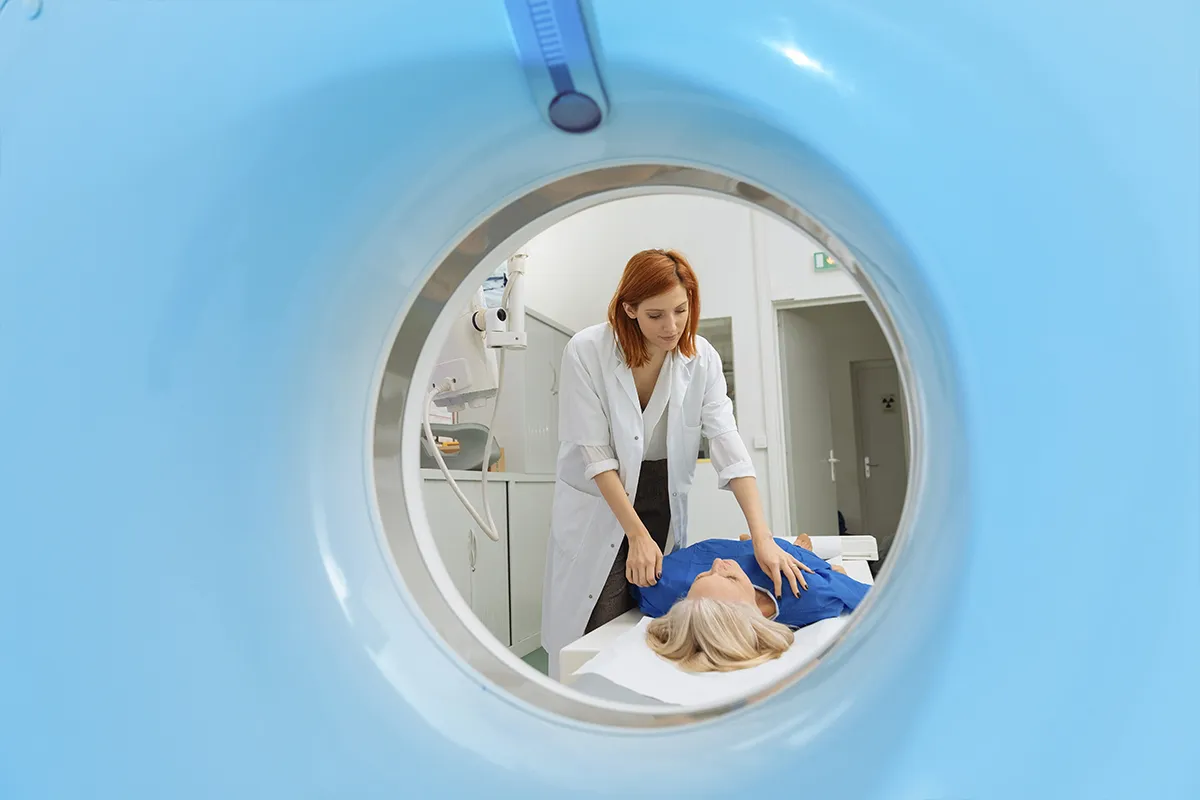
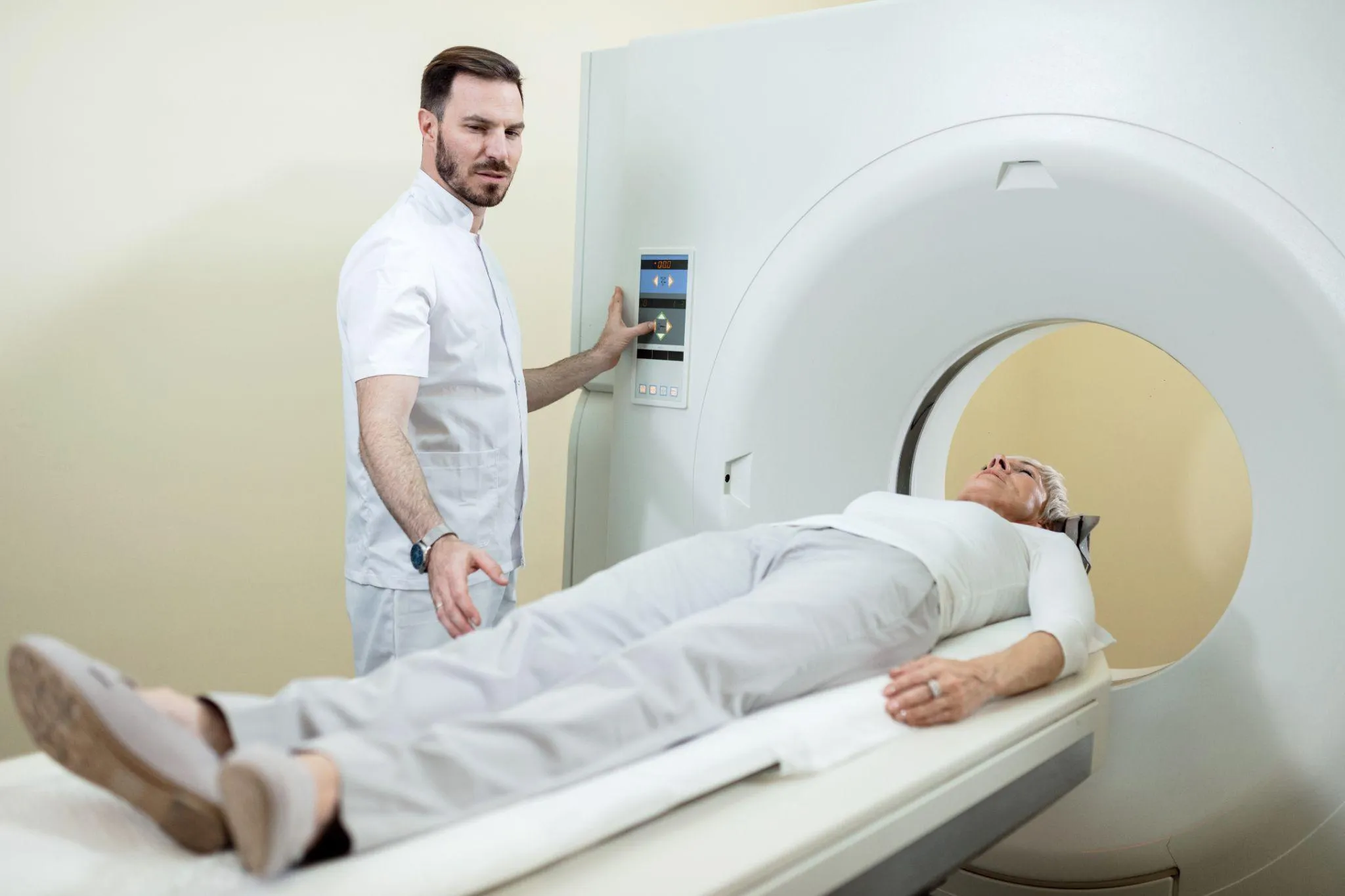
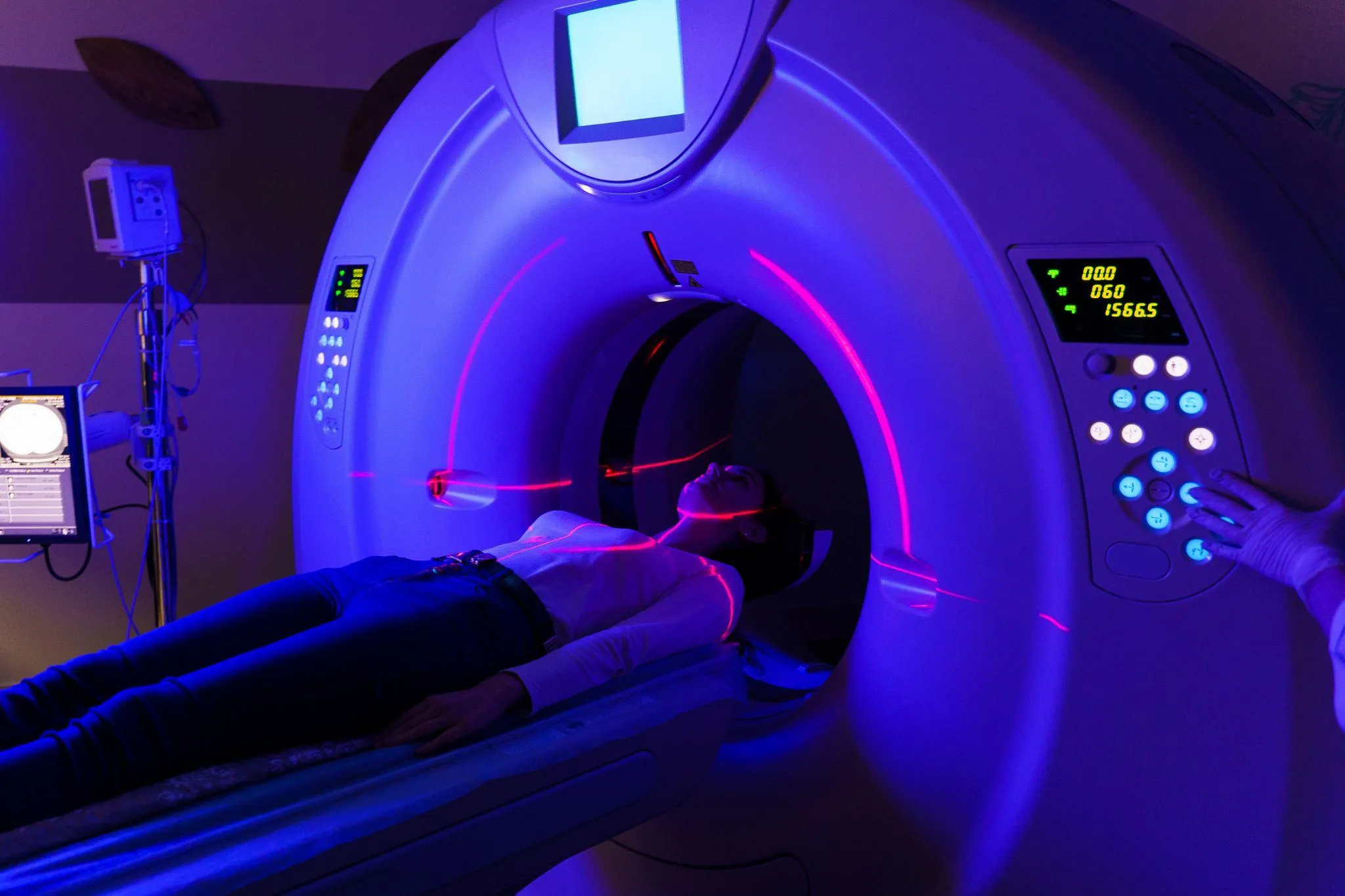
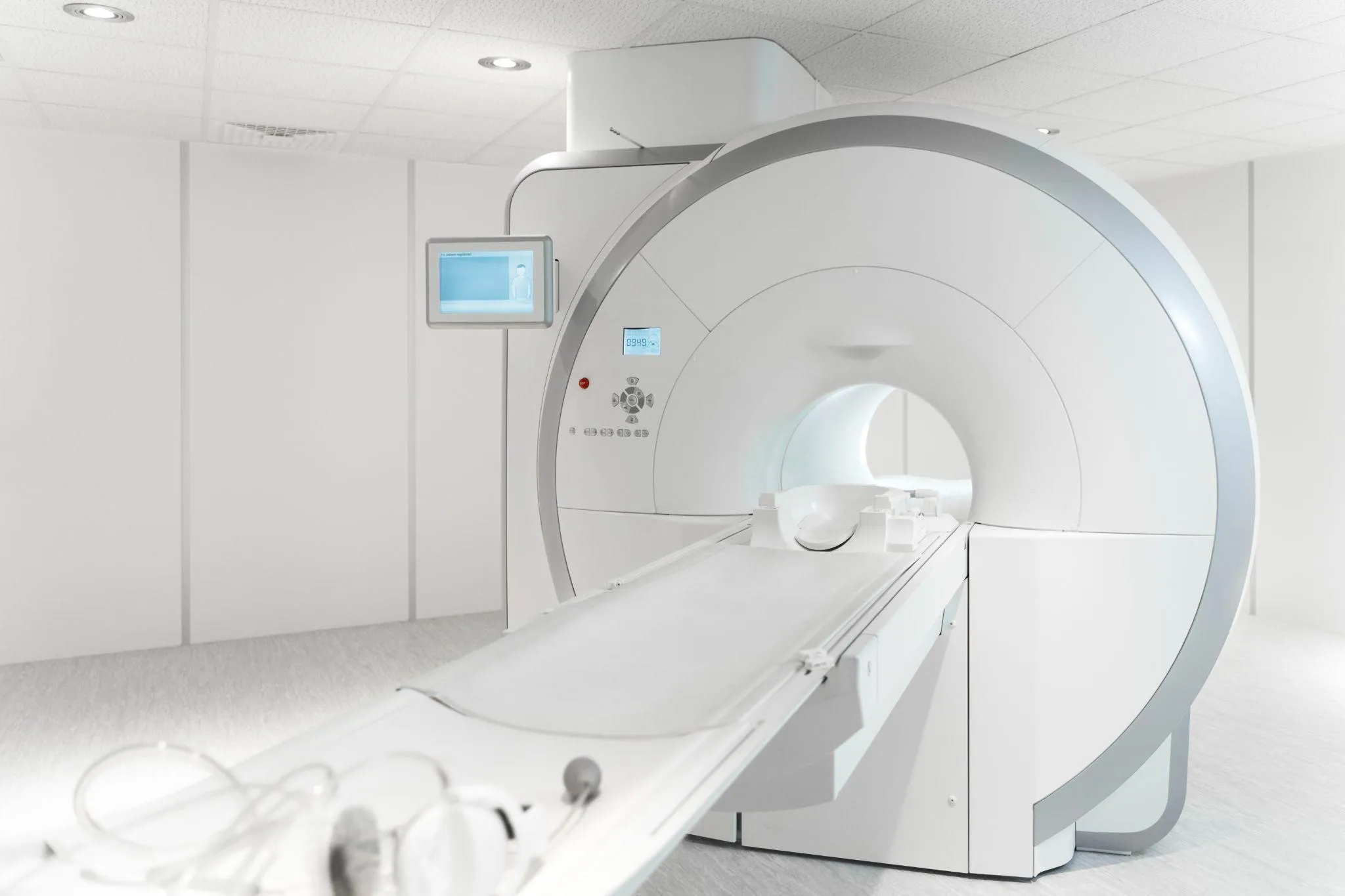
During the PET scan, you’ll lie on a table that slides into a big, doughnut-shaped machine. The scan is painless and lasts about 30-60 minutes.
Staying very quiet is important. This helps get clear images. You might get a special injection before the scan. It helps show the brain areas being checked.
Our team will be with you the whole time. They’ll make sure you’re comfortable and the scan is going well.
After the Scan: Recovery and Results Interpretation
After the scan, you can usually go back to your normal activities. Unless your doctor says not to. The special tracer is safe and will leave your body in a few hours.
The results will be looked at by a specialist. They’ll talk to you about them during a follow-up visit. These results will help your doctor understand your Alzheimer’s. They’ll use this info to plan your treatment.
We know waiting for results can be hard. Our team is here to help. We want to make sure you get the care you need in a caring way.
Differentiating Alzheimer’s from Other Causes of Cognitive Decline
Healthcare providers can now better diagnose Alzheimer’s disease with PET scans. They can also tell it apart from other cognitive decline causes. This is key for creating treatment plans that meet each patient’s needs.
PET Scan Patterns in Various Dementias
PET scans show brain activity, helping doctors spot different dementia types. Alzheimer’s is marked by amyloid deposits seen on amyloid PET scans.
Other dementias, like vascular dementia, frontotemporal dementia, and Lewy body dementia, show unique patterns. This helps doctors make more accurate diagnoses. We’ll look at these differences to see how PET scans help in diagnosis.
Vascular Dementia vs. Alzheimer’s on PET
Vascular dementia, caused by brain blood flow issues, has different PET scan signs than Alzheimer’s. Alzheimer’s shows widespread amyloid, while vascular dementia has localized brain activity drops. These changes help doctors tell them apart.
- Alzheimer’s Disease: Widespread amyloid deposition, typically symmetrical.
- Vascular Dementia: Localized areas of reduced activity, often asymmetrical.
Frontotemporal Dementia and Lewy Body Dementia Distinctions
Frontotemporal dementia and Lewy body dementia have their own PET scan signs. Frontotemporal dementia shows atrophy and low metabolism in the frontal and temporal lobes. Lewy body dementia has a unique hypometabolism pattern in certain brain areas, setting it apart from Alzheimer’s.
- Frontotemporal dementia: Focal atrophy, reduced frontal and temporal lobe metabolism.
- Lewy body dementia: Hypometabolism in specific brain regions, visual hallucinations.
Understanding these PET scan patterns helps doctors accurately diagnose and differentiate dementias. This leads to more focused and effective treatments.
The Cost and Accessibility of PET Scans for Alzheimer’s
When thinking about Alzheimer’s diagnosis, the cost and availability of PET scans matter a lot. It’s important to understand the financial and logistical sides of PET scans.
Average Costs in the United States
PET scan costs for Alzheimer’s vary in the U.S. They can range from $1,000 to $5,000, based on the scan type, facility, and location. Amyloid PET scans are often pricier because of the special tracer used.
Patients should talk to their healthcare providers and insurance companies to get a clear cost estimate. It’s wise to ask about the specific costs at the PET scan facility they choose.
Insurance Coverage Considerations
Insurance for PET scans in Alzheimer’s diagnosis differs by provider. Medicare covers amyloid PET scans under certain conditions, like in clinical trials or when deemed medically necessary.
Private insurance policies on PET scans vary. We suggest patients check their coverage before getting a PET scan to avoid surprise bills.
Availability and Access Challenges
Getting to PET scan facilities can be hard, mainly in rural or underserved areas. PET scan technology and trained professionals are not evenly spread across the U.S. This leads to unequal access to care.
To tackle these issues, healthcare providers and patients can look into other options. This includes traveling to bigger medical centers or using mobile PET scan services if they’re available. We need to work together to make these diagnostic tools more accessible.
FDA-Approved PET Tracers for Alzheimer’s Diagnosis
The FDA has approved several PET tracers for Alzheimer’s diagnosis. This has changed the field of neuroimaging a lot. These tracers have greatly improved our ability to diagnose and understand Alzheimer’s disease.
Three Approved Amyloid Tracers: Florbetapir, Flutemetamol, and Florbetaben
The FDA has approved three amyloid PET tracers: Florbetapir (Amyvid), Flutemetamol (Vizamyl), and Florbetaben (Neuraceq). These tracers bind to amyloid plaques in the brain. This allows us to see amyloid deposits.
Florbetapir was the first to be approved, followed by Flutemetamol and Florbetaben. Each tracer has been tested thoroughly to ensure safety and effectiveness.
- Florbetapir (Amyvid): Approved in 2012, it was the first amyloid PET tracer to receive FDA approval.
- Flutemetamol (Vizamyl): Approved in 2013, it provides high sensitivity and specificity in detecting amyloid plaques.
- Florbetaben (Neuraceq): Approved in 2014, it offers a valuable diagnostic tool with its unique binding properties.
Tau Tracers: Recent Developments
Tau tracers have also become important for diagnosing Alzheimer’s disease. Tau protein tangles are another hallmark of the disease. Recent tau tracers have shown promise in detecting these tangles.
The FDA has approved tau PET tracers, including Flortaucipir (Tauvid). It has been shown to correlate with tau pathology in the brain.
The approval of Flortaucipir in 2020 was a big step forward. It provides a direct measure of tau pathology, complementing amyloid PET scans.
Future Tracer Technologies
The future of PET tracers in Alzheimer’s diagnosis looks promising. Ongoing research is exploring new tracer technologies. Emerging tracers aim to improve diagnostic accuracy and provide insights into other aspects of Alzheimer’s pathology.
We can expect advancements in tracer development. This could lead to more precise and earlier diagnosis. These advancements will be key in developing effective treatments and monitoring disease progression.
When Is a PET Scan Recommended for Alzheimer’s?
Clinical guidelines help decide when to use PET scans for Alzheimer’s diagnosis. It’s key for doctors to know these guidelines well. This ensures they use PET scans wisely in patient care.
Clinical Indications and Guidelines
PET scans are suggested for those showing Alzheimer’s symptoms but with unclear diagnoses. Clinical indications include memory loss, cognitive decline, and behavior changes. The Alzheimer’s Association recommends PET scans when a diagnosis is hard to make after a detailed check-up.
“The use of amyloid PET imaging can help identify patients with Alzheimer’s disease, particular in cases where the diagnosis is uncertain.”
Alzheimer’s Association
Patient Selection Criteria
Choosing the right patients for PET scans involves looking at their medical history, symptoms, and test results. Patient selection criteria include those with mild cognitive impairment (MCI) who might get Alzheimer’s.
- Patients with MCI who are at risk of Alzheimer’s
- Those with atypical or uncertain diagnoses
- Patients with progressive cognitive decline
Appropriate Use Recommendations from Medical Associations
Medical groups have set appropriate use recommendations for PET scans in Alzheimer’s diagnosis. These guidelines stress the need for careful use of PET scans. They consider the benefits and limits of the technology.
| Guideline | Description | Recommendation |
|---|---|---|
| Alzheimer’s Association | Amyloid PET imaging for uncertain diagnoses | Useful for identifying Alzheimer’s disease |
| Society for Nuclear Medicine and Molecular Imaging | Appropriate use criteria for PET scans | Judicious use based on patient selection |
By sticking to these guidelines, doctors can use PET scans effectively in diagnosing and managing Alzheimer’s disease.
Conclusion: The Future of PET Scanning in Alzheimer’s Diagnosis
PET scanning is getting better for diagnosing Alzheimer’s disease. New research and technology will make it even more accurate. This means doctors can give patients the right treatment sooner.
PET scans are already helping find Alzheimer’s early. With new tools, they will get even better. This will lead to better care for those with the disease.
FAQ
What is an amyloid PET scan, and how is it used in Alzheimer’s diagnosis?
An amyloid PET scan is a test that finds amyloid plaques in the brain. These plaques are a sign of Alzheimer’s disease. It helps doctors diagnose Alzheimer’s and figure out if other problems are causing memory loss.
How does a PET scan work, and what does it measure in the brain?
A PET scan uses a radioactive tracer that the brain absorbs. This tracer sends signals that the scanner picks up. It shows how the brain works, where amyloid plaques are, or if there are tau tangles.
What is the difference between amyloid PET and FDG-PET scans?
Amyloid PET scans look for amyloid plaques. FDG-PET scans check how the brain uses glucose. Amyloid PET helps find Alzheimer’s. FDG-PET shows how the brain is working and can spot Alzheimer’s patterns.
Can PET scans diagnose Alzheimer’s disease with certainty?
PET scans are very good at finding Alzheimer’s. But they’re not 100% sure. They can spot amyloid plaques and tau tangles. But, having these doesn’t always mean someone has Alzheimer’s. Doctors use PET scans with other tests and a patient’s history to make a diagnosis.
How do tau PET scans compare to amyloid PET scans in Alzheimer’s diagnosis?
Tau PET scans find tau protein tangles, another Alzheimer’s sign. Both scans help diagnose Alzheimer’s but show different things. Tau scans might show how fast the disease is getting worse.
What is the cost of a PET scan for Alzheimer’s diagnosis, and is it covered by insurance?
PET scan costs vary by location and type. In the U.S., they cost between $1,000 and $5,000. Insurance might cover it if a doctor says it’s needed.
How do I prepare for a PET scan for Alzheimer’s diagnosis?
To prepare, avoid certain foods and meds. Arrive on time and follow what the staff says. This helps the scan work right.
Can PET scans differentiate between Alzheimer’s disease and other causes of cognitive decline?
Yes, PET scans can tell Alzheimer’s apart from other brain problems. They look for specific signs on the scan.
What are the FDA-approved PET tracers for Alzheimer’s diagnosis?
The FDA has okayed several PET tracers for Alzheimer’s. These include amyloid and tau tracers. They help find amyloid plaques and tau tangles in the brain.
When is a PET scan recommended for Alzheimer’s diagnosis?
Doctors suggest a PET scan when they’re unsure about memory loss. They use guidelines to decide when a scan is needed.
What is the role of biomarkers in Alzheimer’s disease diagnosis and management?
Biomarkers like amyloid plaques and tau tangles are key in diagnosing and managing Alzheimer’s. Early detection with PET scans and other tests helps start treatment.
How do PET scans contribute to the diagnosis and management of Alzheimer’s disease?
PET scans help find amyloid plaques and tau tangles. They measure brain activity and track disease progress. This info helps doctors choose the best treatment.
Reference
Alzheimer’s Association. Updated Appropriate Use Criteria for Amyloid and Tau PET. https://www.alz.org/news/2025/updated-appropriate-use-criteria-amyloid-tau-pet