
As of October 2023, Medicare has made a big change. They now cover amyloid PET scans more widely. This means Medicare Administrative Contractors (MACs) can decide if a scan is covered.
This change is a big deal. It removes the old rule of only one scan per lifetime. And it drops the need for scans to be part of clinical trials.
This update is linked to the FDA’s approval of new Alzheimer’s treatments. It makes PET scans more important for diagnosing and treating Alzheimer’s. Now, we can help patients and doctors make better choices about Alzheimer’s care.
Key Takeaways
- Medicare coverage for amyloid PET scans has been expanded as of October 2023.
- The change allows Medicare Administrative Contractors (MACs) to determine coverage.
- The expansion is closely tied to the FDA’s approval of new Alzheimer’s therapies.
- PET imaging plays a critical role in diagnosing and treating Alzheimer’s disease.
- The updated policy supports better decision-making for patients and healthcare providers.
What You Need to Know About Amyloid PET Scans
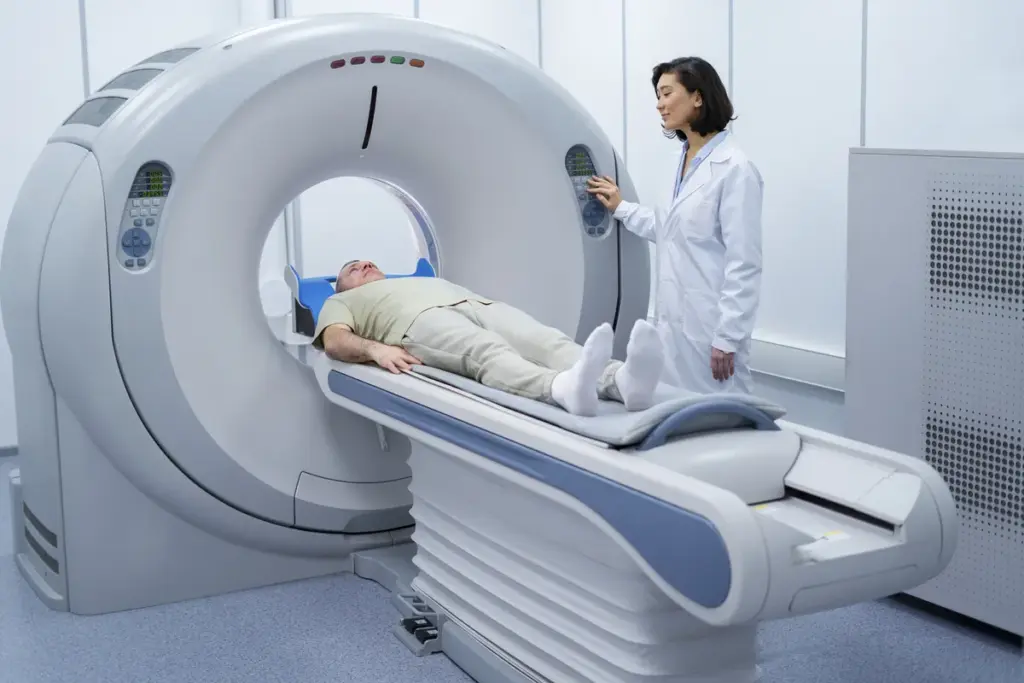
Amyloid PET scans are key in diagnosing and managing Alzheimer’s disease. They show the presence of beta-amyloid plaques in the brain. These scans help doctors make better care plans for patients.
Studies show that over 60% of people with mild cognitive impairment see changes in their care plans after these scans. This is because the scans give doctors a clearer picture of what’s happening in the brain.
The Science Behind Amyloid Imaging
Amyloid PET scans use special tracers to find beta-amyloid plaques in the brain. This lets doctors see these plaques through PET imaging. The most used tracer is F-florbetapir, which the FDA has approved for use.
Being able to see amyloid plaques in the brain has changed how we study and treat Alzheimer’s. It helps doctors diagnose Alzheimer’s more accurately and earlier. This is important for starting treatment sooner.
How These Scans Detect Beta-Amyloid Plaques
Amyloid PET scans use radioactive tracers that stick to beta-amyloid plaques. After the tracer is given, PET imaging shows where and how many plaques are in the brain. This info is key for diagnosing Alzheimer’s and tracking how it progresses.
The Alzheimer’s Impact Movement praises amyloid PET scans for their role in making accurate diagnoses. This, in turn, helps doctors make better treatment plans.
|
Characteristics |
Amyloid PET Scans |
Other Brain Imaging Techniques |
|---|---|---|
|
Primary Use |
Detection of beta-amyloid plaques |
Structural brain imaging or functional assessment |
|
Diagnostic Focus |
Alzheimer’s disease pathology |
Various brain conditions (stroke, tumors, etc.) |
|
Tracer Used |
Specific amyloid-binding tracers (e.g., F-florbetapir) |
Various tracers depending on the purpose (e.g., FDG for glucose metabolism) |
Difference Between Amyloid PET Scans and Other Brain Imaging
Amyloid PET scans are different from MRI or CT scans. These other scans show the brain’s structure but don’t find amyloid plaques. Amyloid PET scans, on the other hand, directly find these plaques.
The American College of Radiology’s IDEAS Study showed amyloid PET scans’ big impact on patient care. It involved about 20,000 Medicare beneficiaries. This study highlights the scans’ value in clinical practice.
Historical Medicare Coverage Limitations for Amyloid PET Scans
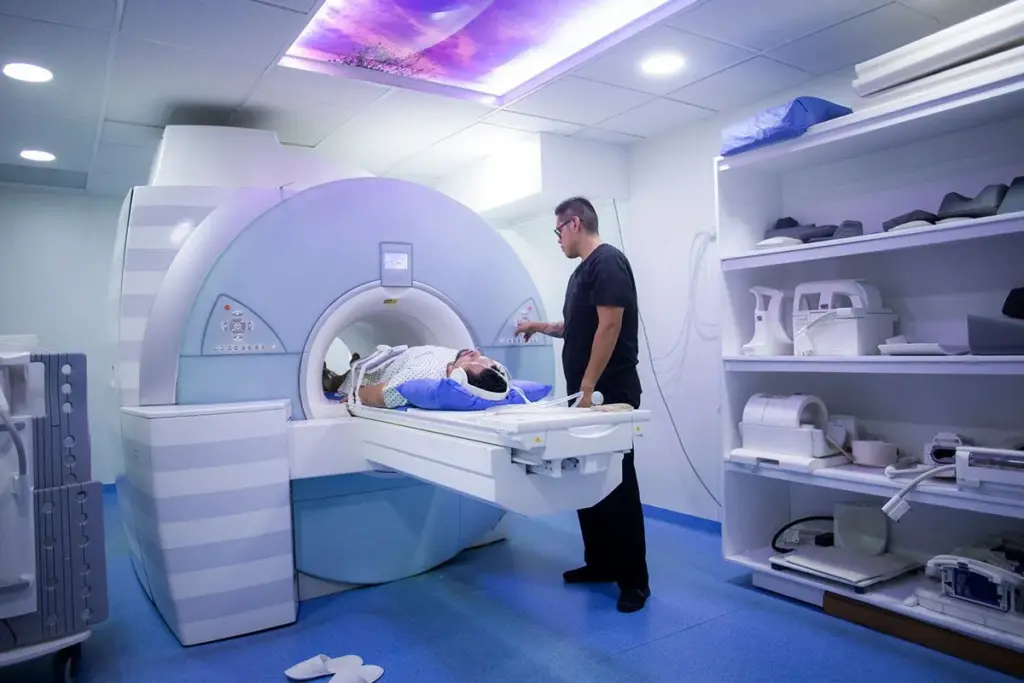
Medicare once had strict rules for amyloid PET scans, making them expensive for many. These rules made it hard for patients to get this test. It’s key for diagnosing and managing Alzheimer’s disease.
Previous One-Scan-Per-Lifetime Restriction
One big rule was the one-scan-per-lifetime rule. Medicare only covered one scan per patient. This made it hard to track disease changes or see if treatments worked over time.
Clinical Trial Requirements Under Coverage with Evidence Development (CED)
Medicare also needed patients to join clinical trials to get covered. This made it even harder for patients to get the scan. Not everyone could join these trials, making the scan more expensive and hard to get.
The CED program was good for research but tough for patients. It had strict rules that often delayed or stopped patients from getting the care they needed.
Challenges Patients Faced Under Old Policies
These old rules caused big problems for patients. They often led to late diagnoses or missed care. This was very bad for people with Alzheimer’s, where quick and right diagnosis is key.
Here’s a comparison to show the impact:
|
Aspect |
Previous Policy |
Impact on Patients |
|---|---|---|
|
Scan Frequency |
One scan per lifetime |
Limited monitoring of disease progression |
|
Eligibility Criteria |
Participation in clinical trials |
Delayed or prevented access to diagnostic care |
|
Coverage Scope |
Restricted to CED program |
Limited access to necessary treatments |
The old rules showed we needed better medicare coverage for amyloid PET scans. Knowing these old rules helps us see why new changes are important. They aim to make it easier for patients to get the care they need.
Medicare’s Expanded Coverage Policy as of October 2023
Medicare has made a big change to help more people get tested for Alzheimer’s disease. Starting in October 2023, they now cover amyloid PET scans more. This is because these scans are key in diagnosing and treating Alzheimer’s.
Centers for Medicare & Medicaid Services (CMS) Policy Changes
The Centers for Medicare & Medicaid Services (CMS) has made big changes. Now, Medicare Administrative Contractors (MACs) decide who gets covered. This means more people can get these important tests.
This change is because amyloid PET scans are becoming more important in treating patients. By letting MACs make decisions, CMS is making it easier for patients to get these scans. This could lead to quicker and more accurate diagnoses.
The New Role of Medicare Administrative Contractors (MACs)
Medicare Administrative Contractors (MACs) have a big role now. They decide who gets amyloid PET scans. This lets them make decisions based on local needs.
This change means coverage can be more tailored to different areas and patients. It could make it easier for people to get the tests they need.
|
Aspect |
Previous Policy |
New Policy (October 2023) |
|---|---|---|
|
Coverage Determination |
Centralized CMS decision |
Decentralized to MACs |
|
Access to Amyloid PET Scans |
Limited by strict criteria |
Expanded, with more localized decisions |
|
Decision-Making Authority |
CMS |
MACs |
How Coverage Determination Has Changed
The way CMS decides who gets covered has changed a lot. Now, more people can get amyloid PET scans because decisions are made locally.
This change means care can be more tailored to each person. Decisions can consider local healthcare practices and patient needs.
Why Medicare Has Expanded Amyloid PET Scan Coverage
Medicare has made a big change by covering more amyloid PET scans. This is because of new Alzheimer’s treatments and the need for early, accurate diagnosis.
FDA Approval of New Alzheimer’s Therapies
The FDA’s approval of new Alzheimer’s treatments is key. As new therapies emerge, we need to diagnose Alzheimer’s more accurately. Early treatment works best, making amyloid PET scans very important.
The American College of Radiology says this change is because of new treatments. The FDA’s approval shows how critical accurate diagnosis is.
Clinical Value of Early and Accurate Diagnosis
Diagnosing Alzheimer’s early and accurately is key to managing it well. Amyloid PET scans give valuable diagnostic information that can change treatment plans. Research shows early diagnosis through these scans leads to better outcomes.
- Accurate diagnosis helps in tailoring treatment plans to individual patient needs.
- Early diagnosis allows for better patient and caregiver planning.
- It facilitates access to emerging treatments that are most effective when started early.
Research Supporting the Policy Change
Research has been vital in backing Medicare’s decision to cover more amyloid PET scans. Studies show the clinical utility of these scans in managing Alzheimer’s. This evidence has convinced policymakers to make these scans more accessible.
Recent research highlights:
- The ability of amyloid PET scans to detect Alzheimer’s disease early, often before symptoms become severe.
- The impact of scan results on treatment decisions, with many patients experiencing changes in their care plans following the scan.
- The overall improvement in patient outcomes associated with the use of amyloid PET scans in clinical practice.
Clinical Impact of Amyloid PET Scans on Patient Care
Amyloid PET scans have changed how we care for patients with cognitive issues. They help doctors find beta-amyloid plaques. This leads to better diagnoses and treatment plans.
Changes in Care Plans for Patients with Cognitive Impairment
These scans greatly affect patient care, mainly for those with cognitive issues. Over 60% of patients with mild cognitive impairment see changes in their care plans after a scan. This shows how valuable these scans are in making decisions.
These changes can include new medications, lifestyle changes, and other treatments. Doctors can focus on each patient’s needs. This can slow the disease and improve life quality.
The American College of Radiology’s IDEAS Study Results
The IDEAS Study by the American College of Radiology showed the big impact of amyloid PET scans. The study found scans change diagnoses, treatment plans, and patient outcomes. These findings help shape how we treat patients with cognitive issues.
|
Outcome |
Percentage of Patients |
|---|---|
|
Change in Care Plan |
63% |
|
Change in Diagnosis |
41% |
|
Change in Treatment |
55% |
How Scan Results Influence Treatment Decisions
Scan results are key in deciding treatments for patients with cognitive issues. A positive scan might start or change treatments to slow the disease. A negative scan might lead to looking for other reasons for symptoms, avoiding wrong treatments.
Scan results affect treatment plans in many ways. For example, a positive scan might lead to new Alzheimer’s treatments. A negative scan might mean looking for other conditions. This shows how important amyloid PET scans are in patient care.
Current Medicare Eligibility Requirements for Coverage
To get Medicare coverage for amyloid PET scans, patients must meet certain rules. It’s important for both patients and doctors to know these rules. This way, everyone can make sure patients get the care they need.
Patient Qualification Criteria
Patients need to meet specific rules to get Medicare to cover amyloid PET scans. They must have a diagnosis of cognitive issues, like Alzheimer’s disease. They also need to show they really need the scan.
Key qualification criteria include:
- A clinical diagnosis of cognitive impairment
- Presence of symptoms suggesting Alzheimer’s disease or other dementias
- Unclear diagnosis after thorough evaluation
Required Documentation from Healthcare Providers
Doctors are key in getting Medicare to cover amyloid PET scans. They must explain why the scan is needed. They need to show how the scan will help in treating the patient.
Required documentation typically includes:
- Patient’s medical history and current symptoms
- Results of previous diagnostic tests and evaluations
- Rationale for ordering the amyloid PET scan
Medical Necessity Requirements
Medicare says the amyloid PET scan must be needed for the patient’s care. This means a doctor treating the patient for cognitive issues must order it. The scan must help in diagnosing or treating the condition.
The rules on medical necessity are in place. They make sure the scan is used right. And that it will really help the patient’s care.
Step-by-Step Process for Getting Medicare Approval
Getting Medicare approval for an amyloid PET scan has several steps. Knowing these steps can make the process smoother. It helps patients get the care they need.
Required Referrals from Specialists
First, patients need a referral from a specialist. This usually comes from a doctor who specializes in neurology or geriatrics. The doctor will check if the scan is needed.
Specialists are key in deciding if a scan is right. They help figure out the best steps for patients with cognitive issues.
Prior Authorization Procedures
After getting a referral, the next step is prior authorization. This means asking Medicare for approval before the scan. The request must include the patient’s medical history and why the scan is needed.
- Patient’s medical history and current diagnosis
- Results of previous diagnostic tests
- Rationale for the amyloid PET scan
Medicare checks this info to see if the scan is covered.
Timeline Expectations
The time it takes for Medicare approval varies. It usually takes a few days to weeks. Patients should be patient and check with their doctor to make sure the request is on track.
It’s important to plan ahead to avoid delays in getting the scan.
Documentation Needed from Your Doctor
Doctors must provide detailed documents for the prior authorization. This includes:
- Detailed medical records
- Test results and imaging studies
- A letter explaining why the amyloid PET scan is needed
Good documentation is key for Medicare approval. Doctors are essential in preparing and sending this information.
By knowing these steps, patients can better navigate the Medicare approval process. This ensures they get the care they need.
Understanding Amyloid PET Scan CPT Codes and Billing
Knowing the CPT codes for amyloid PET scans is key for correct Medicare billing. It helps cut down on what you might have to pay out of pocket. It’s important to understand how billing works for these scans under Medicare.
Common CPT Codes for Amyloid PET Scans
Amyloid PET scans use specific CPT codes for billing. The most common code is 78811, which means “Positron emission tomography (PET) imaging; limited area (e.g., chest, head/neck).” But, the exact code might change based on the scan details and the facility.
To bill correctly, healthcare providers must pick the right CPT code. They need to think about the scan area and if it’s with or without contrast.
|
CPT Code |
Description |
Usage |
|---|---|---|
|
78811 |
Positron emission tomography (PET) imaging; limited area |
Commonly used for amyloid PET scans focusing on the brain |
|
78812 |
PET imaging; skull base to mid-thigh |
Used for scans that cover a larger area |
|
78813 |
PET imaging; whole body |
Used for complete PET scans |
|
78814 |
PET imaging; limited area with attenuation correction |
Used for scans needing extra correction |
How Facilities Bill Medicare for These Procedures
Facilities billing Medicare for amyloid PET scans must follow rules. First, they need to be certified by the Centers for Medicare & Medicaid Services (CMS) for PET scans. After getting certified, they use the right CPT code and send the claim to Medicare.
Medicare Administrative Contractors (MACs) handle these claims. MACs check if the claim meets Medicare’s rules. They make sure the scan was needed and the facility is allowed to do it.
“Accurate coding and billing are key for patients to get the Medicare coverage they deserve,” said a nuclear medicine expert. “Facilities must keep up with the latest CPT codes and billing rules to avoid problems.”
What to Look for on Your Medicare Summary Notice
After an amyloid PET scan, patients get a Medicare Summary Notice (MSN). It’s important to check this notice for accuracy.
Look for these things on your MSN:
- The date of service
- The CPT code used for the scan
- The amount billed to Medicare
- The amount Medicare paid
- Any amount you’re responsible for paying
If you spot any mistakes or have questions, talk to your healthcare provider or Medicare.
Complete Cost Breakdown of an Amyloid PET Scan
Patients should know the costs of amyloid PET scans to budget for healthcare. The price varies by location and provider.
National Average Costs
The average cost for an amyloid PET scan is important to know. It’s between $1,800 and $3,000. But, prices can change based on where you are and who you see.
Medicare Part B Coverage Percentage
Medicare Part B helps a lot with the cost of amyloid PET scans. It covers 80% of the approved cost. You’ll pay 20% and any deductible.
Supplemental Insurance Considerations
If you have Medigap, it might cover some or all of your costs. How much depends on your Medigap plan. Always check your plan to know what’s covered.
Potential Out-of-Pocket Expenses
Be ready for costs like deductibles, coinsurance, and copayments. Your total cost can change based on your insurance and the scan’s price.
|
Cost Component |
Average Cost |
Medicare Part B Coverage |
Patient Responsibility |
|---|---|---|---|
|
Amyloid PET Scan |
$1,800 – $3,000 |
80% of approved amount |
20% of approved amount + deductible |
|
Deductible |
Varies by year |
Not covered |
Full amount |
|
Coinsurance/Copayment |
Varies |
Not covered |
Full amount |
Knowing these costs helps you manage your expenses for an amyloid PET scan. It’s smart to talk about these costs with your doctor and insurance.
Comparing Amyloid PET Scans with Other Diagnostic Methods
It’s important to know the different ways to diagnose Alzheimer’s. Amyloid PET scans are one tool used to find Alzheimer’s disease. Each method has its own benefits and drawbacks.
PET Scans vs. MRI and CT Scans for Alzheimer’s
MRI and CT scans help rule out other causes of memory loss. They show the brain’s structure but don’t find Alzheimer’s plaques. Amyloid PET scans, on the other hand, directly look for these plaques.
Key differences between PET scans and MRI/CT scans include:
- PET scans measure metabolic activity or specific protein deposits, while MRI and CT scans focus on structural imaging.
- Amyloid PET scans are more sensitive to Alzheimer’s pathology, whereas MRI and CT scans are better for identifying other brain abnormalities.
Cerebrospinal Fluid Testing Alternatives
Cerebrospinal fluid (CSF) testing is another way to diagnose Alzheimer’s. It involves analyzing the fluid around the brain and spinal cord for Alzheimer’s biomarkers. But, it’s an invasive procedure that requires a lumbar puncture.
The advantages and limitations of CSF testing compared to amyloid PET scans:
- CSF testing can provide direct evidence of Alzheimer’s biomarkers, but it’s more invasive than a PET scan.
- Amyloid PET scans offer a visual representation of amyloid distribution in the brain, which can be more intuitive for some patients and clinicians.
Neuropsychological Testing and Its Coverage
Neuropsychological testing is key in diagnosing Alzheimer’s. It checks cognitive function through tests on memory, language, and problem-solving. These tests help understand the extent of cognitive impairment.
Medicare coverage for neuropsychological testing:
- Medicare usually covers neuropsychological testing when it’s medically necessary.
- The extent of coverage can vary based on the tests done and the patient’s condition.
Emerging Blood Tests for Alzheimer’s Biomarkers
New blood tests can detect Alzheimer’s biomarkers like beta-amyloid and tau proteins. These tests are less invasive than CSF testing and could be a future diagnostic option.
The benefits and current limitations of blood tests for Alzheimer’s:
- Emerging blood tests may offer an earlier and less invasive diagnosis.
- More research is needed to confirm their accuracy and usefulness in clinical settings.
How Amyloid PET Scan Results Affect Treatment Options
New Alzheimer’s medications have made amyloid PET scans even more important. Accurate diagnosis is critical for effective treatment planning. Amyloid PET scans are key in this process.
Connection to Newly Approved Alzheimer’s Medications
New Alzheimer’s therapies have changed treatment options. Medications like lecanemab slow disease progression in early Alzheimer’s patients. Amyloid PET scans are essential for finding the right patients for these treatments.
“The use of amyloid PET imaging has become increasingly important in the diagnosis and management of Alzheimer’s disease, particular with the advent of new anti-amyloid therapies.”
– An Alzheimer’s Expert
Medicare Coverage for Treatments Based on Scan Results
Medicare now covers treatments based on amyloid PET scan results. Medicare covers certain FDA-approved treatments for Alzheimer’s disease. These include treatments confirmed by PET scans or other tests.
- Medicare Part B covers certain diagnostic tests and treatments for Alzheimer’s disease.
- Coverage includes FDA-approved medications for patients with a confirmed diagnosis.
- Prior authorization may be required for certain treatments.
The Importance of Accurate Diagnosis for Treatment Planning
Accurate diagnosis through amyloid PET scans is vital for treatment planning. It allows healthcare providers to tailor treatments to each patient’s needs. This improves outcomes and quality of life.
Understanding amyloid pathology helps healthcare providers choose the best treatments. This personalized approach is changing how we manage Alzheimer’s disease.
What to Do If Medicare Denies Your Amyloid PET Scan
If Medicare says no to your amyloid PET scan, you can appeal. Knowing why they denied it and how to appeal can help. This might change their mind and get you the coverage you need.
Understanding Common Denial Reasons
Medicare might say no for a few reasons. They might think the scan isn’t needed, or they might not have enough information. They might also think the scan is too new or doesn’t meet their rules.
Knowing why they said no is key. It helps you know what to do next.
The Five-Level Medicare Appeals Process
The Medicare appeals process has five levels. Each level has its own rules and time limits. Here’s a quick look:
- Level 1: Redetermination – Start by asking for a redetermination from the Medicare Administrative Contractor (MAC). You have 120 days to do this.
- Level 2: Reconsideration – If the first level doesn’t work, ask for a reconsideration from a Qualified Independent Contractor (QIC). You have 180 days for this.
- Level 3: Hearing with an Administrative Law Judge (ALJ) – If the reconsideration doesn’t go your way, ask for a hearing with an ALJ. You have 90 days for this.
- Level 4: Review by the Medicare Appeals Council – If the ALJ says no, ask the Medicare Appeals Council to review it. You have 90 days for this.
- Level 5: Federal District Court Review – The last step is to sue in federal district court. This is if the amount in question is big enough.
Timeline for Appeals and Expectations
The time it takes to go through the appeals process can vary. It depends on the level and how complex your case is. Make sure to follow the time limits for each level.
Keep good records of all your communication with Medicare. This helps track your appeal and makes sure you provide all needed info.
Working with Your Doctor During Appeals
It’s important to work with your doctor during the appeals process. They can provide more information, write letters, and even testify on your behalf. Their help can make a big difference in your case.
By understanding the appeals process and working with your healthcare team, you can fight for your amyloid PET scan coverage.
Alternative Payment Options When Medicare Won’t Cover the Scan
Getting a Medicare denial for an amyloid PET scan doesn’t mean you’re out of luck. We know it can be tough to hear, but there are ways to get this important test. You can look into different payment options to make it happen.
Private Insurance Coverage Possibilities
If you have private insurance along with Medicare, it might help pay for an amyloid PET scan. It’s key to check your policy to see what’s covered and what’s not. Some private insurers might have different rules for amyloid PET scans. So, it’s a good idea to talk to your insurance company to see what you can do.
- Check your policy’s coverage for diagnostic imaging
- Understand any out-of-pocket costs you may incur
- Ask about pre-approval or prior authorization requirements
Clinical Trials and Research Studies
Joining clinical trials or research studies is another way to get an amyloid PET scan. Many studies cover the scan cost as part of their research. You can find clinical trials on websites like ClinicalTrials.gov. But, each study has its own rules, so make sure you qualify.
- Search for relevant clinical trials on ClinicalTrials.gov
- Contact the study coordinators to inquire about eligibility
- Understand the benefits and risks of joining
Hospital Financial Assistance Programs
Some hospitals and healthcare providers have financial help for patients who can’t afford tests like amyloid PET scans. These programs might offer discounts or payment plans to make it more affordable. It’s a good idea to ask the billing department at the hospital or imaging center.
- Ask about available financial assistance programs
- Understand the eligibility criteria for these programs
- Inquire about any additional costs or fees associated with the program
Patient Advocacy Organization Resources
Patient groups focused on Alzheimer’s and dementia often help with financial barriers to diagnosis and treatment. These groups might offer grants or help with costs for amyloid PET scans. Organizations like the Alzheimer’s Association and the Dementia Society of America are good places to start.
- Research patient advocacy organizations related to Alzheimer’s
- Contact these organizations to inquire about available resources
- Understand the application process for any financial assistance programs
Where to Get an Amyloid PET Scan: Facilities and Providers
Finding a reliable place for an amyloid PET scan is key for accurate diagnosis and treatment planning. Patients have many options. Both major medical centers and specialized imaging centers offer the procedure.
Major Medical Centers Providing the Service
Many top medical centers in the U.S. provide amyloid PET scans. Famous places like Mayo Clinic, Cleveland Clinic, and Johns Hopkins Hospital are among them. These centers have the latest technology and skilled professionals in nuclear medicine and neurology.
When choosing a major medical center, consider their:
- Accreditation status
- Experience with amyloid PET scans
- Availability of multidisciplinary teams
Questions to Ask Possible Providers
Before picking a provider, ask important questions for quality care. Some questions include:
- What experience do you have with amyloid PET scans?
- How do you ensure the accuracy of the scan results?
- Can you provide information about the qualifications of the staff who will be performing and interpreting the scan?
- What is the typical turnaround time for receiving scan results?
What to Look for in a Quality Imaging Center
A quality imaging center should have:
- Advanced Technology: Make sure the center uses the latest PET scan technology.
- Experienced Staff: Look for centers with staff who are certified in nuclear medicine.
- Patient-Centered Care: The center should focus on patient comfort and provide clear instructions and support.
Preparing for Your Appointment
To have a smooth experience, prepare well for your amyloid PET scan appointment. Here’s how:
- Follow any pre-scan instructions from the imaging center
- Arrive early to complete any necessary paperwork
- Bring any relevant medical records or previous scan results
By choosing a reputable facility and preparing well, patients can get the best care and accurate results from their amyloid PET scan.
Future Outlook for Medicare Coverage of Amyloid PET Scans
The future of amyloid PET scan coverage under Medicare looks bright. This is thanks to new Alzheimer’s treatments. As we learn more about Alzheimer’s, amyloid PET scans are becoming key for diagnosis and treatment.
Potential Policy Developments
Medicare’s rules on amyloid PET scans might change soon. These updates could make coverage better. They will depend on new research and the need for better Alzheimer’s tools.
Impact of Emerging Research
New studies are changing how we see Alzheimer’s. They’re helping us find better treatments and tests. This research could lead to more people getting amyloid PET scans covered by Medicare.
Advocacy Efforts for Expanded Coverage
Groups like patient organizations are pushing for more coverage. They want to make sure people with Alzheimer’s get the tests they need. Their work is important for better care.
How New Alzheimer’s Treatments May Affect Coverage
New Alzheimer’s treatments will likely change Medicare’s rules. As we get more treatments, we’ll need better tests like amyloid PET scans. This could mean more people can get these scans.
We think the mix of new research, treatments, and advocacy will shape Medicare’s future. This will help both patients and doctors a lot.
Conclusion: Navigating Medicare Coverage for Your Amyloid PET Scan
It’s important for patients to understand Medicare coverage for amyloid PET scans. These scans help diagnose Alzheimer’s disease accurately. As of October 2023, Medicare now covers FDA-approved treatments like lecanemab (Leqembi®) and donanemab (Kisunla™). This is if doctors join a simple registry.
This change is a big step forward for patient care. It lets more people get these new treatments. To get this coverage, patients need to work with their doctors. They must make sure they meet all the criteria and follow the right steps.
FAQ
What is an amyloid PET scan and how does it work?
An amyloid PET scan is a tool to find beta-amyloid plaques in the brain. These plaques are a sign of Alzheimer’s disease. It uses a radioactive tracer that sticks to these plaques, making them visible through positron emission tomography.
Why has Medicare expanded its coverage for amyloid PET scans?
Medicare now covers amyloid PET scans more because of new Alzheimer’s treatments. These treatments need accurate and early diagnosis. Studies show these scans help plan patient care, mainly for those with mild cognitive impairment.
What were the previous limitations on Medicare coverage for amyloid PET scans?
Before, Medicare only covered one scan per lifetime. It was only for those in clinical trials under the Coverage with Evidence Development (CED) program.
How do I qualify for Medicare coverage for an amyloid PET scan?
To qualify, you must meet certain criteria. Healthcare providers must also show the scan is medically necessary. Knowing these rules is key for both patients and doctors.
What is the process for getting Medicare approval for an amyloid PET scan?
First, get a referral from a specialist. Then, go through prior authorization and submit needed documents from your healthcare team.
How much does an amyloid PET scan cost, and how much does Medicare cover?
The cost of an amyloid PET scan varies. But, Medicare Part B pays a lot of it. You might also have to pay out-of-pocket. Check your insurance and any extra costs.
What are the alternatives if Medicare denies coverage for an amyloid PET scan?
If Medicare says no, you can appeal. You can also look into private insurance, clinical trials, or help from patient groups.
How do amyloid PET scan results affect treatment options for Alzheimer’s disease?
Scan results help plan treatment, thanks to new Alzheimer’s meds. Medicare covering treatments based on scans shows how important they are.
Where can I get an amyloid PET scan?
You can get a scan at big medical centers or specialized imaging places. Ask important questions and look for quality when choosing a provider.
What is the future outlook for Medicare coverage of amyloid PET scans?
Medicare’s coverage might change with new policies, research, and advocacy. As more Alzheimer’s treatments come out, scans will play a bigger role in diagnosis and treatment.
How do amyloid PET scans compare to other diagnostic methods for Alzheimer’s disease?
Amyloid PET scans are one tool for managing Alzheimer’s. They differ from MRI, CT scans, cerebrospinal fluid tests, and neuropsychological tests. Blood tests for Alzheimer’s biomarkers are also being developed.
References
• Reed Smith. CMS Acts to Allow Medicare Coverage Determinations for PET Imaging to Confirm Alzheimer Diagnosis. https://viewpoints.reedsmith.com/post/102iq53/cms-acts-to-allow-medicare-coverage-determinations-for-pet-imaging-to-confirm-alz



 Departments
 Related Videos
 Our Doctors
 News
News