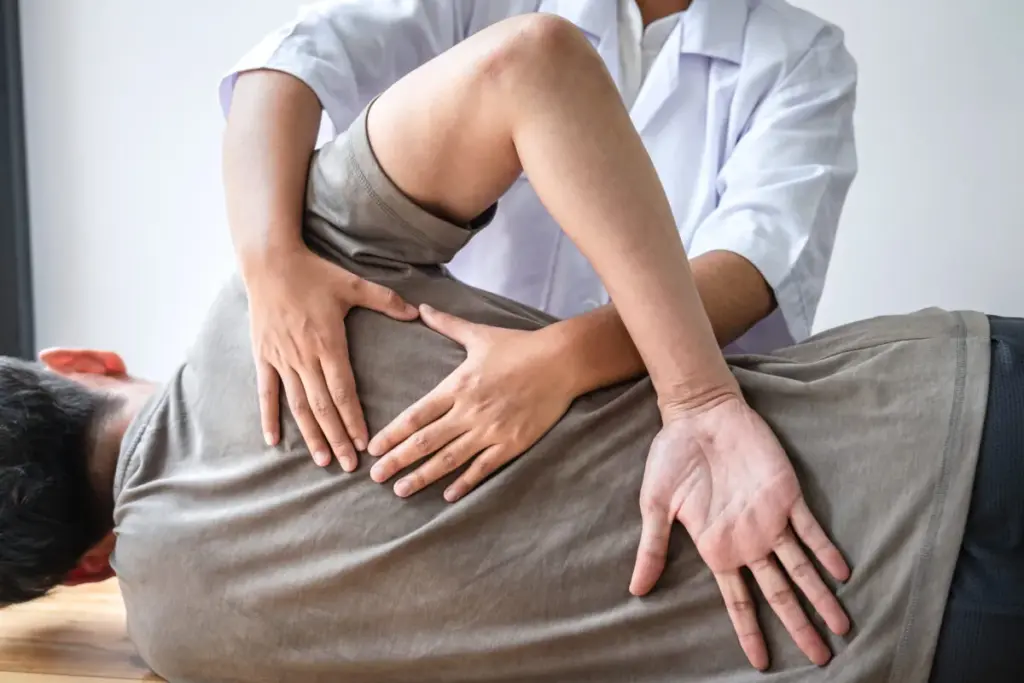
Chronic pain affects approximately 20% of adults globally. This makes pain management key to better living. We’ll look at the three pain management levels from the 2019 IASP guidelines. These include basic, interventional, and multidisciplinary care.
A study on the National Center for Biotechnology Information website shows. This highlights the need for a tiered approach.
Familiarity with these levels provides insight into how healthcare facilities address pain relief worldwide. A structured method is vital for dealing with pain’s complexities.
Key Takeaways
- Effective pain management is key for a better life for those with chronic pain.
- The 2019 IASP guidelines outline three levels of pain management.
- A tiered approach is essential in addressing various pain complexities.
- Multidisciplinary hospitals play a critical role in delivering competitive medical outcomes in pain relief.
- Chronic pain prevalence varies widely among adults globally.
Understanding Pain and Its Impact
Understanding pain is crucial for effective management. It affects people, communities, and healthcare systems worldwide. Pain is more than just a symptom; it’s a complex issue that touches many parts of a person’s life.
Definition and Types of Pain
Pain is an unpleasant feeling that comes from actual or possible tissue damage. It can be divided into different types based on its duration, intensity, and cause.
Acute pain is sharp and short-lived, often from injury or surgery. On the other hand, chronic pain lasts longer than three months and is hard to manage.
- Nociceptive pain comes from tissue damage or inflammation.
- Neuropathic pain is due to nerve damage or problems.
Global Prevalence of Chronic Pain
Chronic pain is common worldwide. About 20% of adults globally have chronic pain. Up to 7% of them have pain that severely affects their lives.
Economic and Social Burden of Untreated Pain
Untreated pain has big economic and social costs. It leads to high healthcare bills, lost work time, and a lower quality of life for people and their families.
|
Aspect |
Impact of Chronic Pain |
|---|---|
|
Healthcare Costs |
Increased due to frequent medical visits, diagnostic tests, and treatments. |
|
Lost Productivity |
Reduced work capacity and increased absenteeism. |
|
Quality of Life |
Significant reduction in physical and emotional well-being. |
It’s important to understand pain’s wide-ranging effects. This helps in creating effective pain management plans. These plans should tackle physical, emotional, and social aspects of pain.
The Evolution of Pain Management Approaches

Pain management has changed a lot over time. This change is driven by new discoveries and clinical experiences. Now, we understand pain better and have more ways to manage it.
Historical Perspectives on Pain Treatment
In the past, treating pain was simple and not well understood. People used herbs, spiritual ways, and later, opioids. Today, we use more proven methods.
Important moments in pain management history include:
- The discovery of opioid receptors and the development of opioid analgesics
- The introduction of non-opioid analgesics such as NSAIDs
- The emergence of interventional pain management techniques
Development of Structured Pain Management Models
Structured pain management models are a big step forward. They help doctors manage pain better. The WHO Analgesic Ladder is one example, used for cancer pain.
These models include:
- Checking how much pain someone has
- Picking the right pain medicines
- Changing treatment as needed
The IASP2019 Guidelines
In 2019, the International Association for the Study of Pain (IASP) updated pain management guidelines. They suggest a three-level pain management model. This includes basic, interventional, and full care.
The IASP2019 guidelines focus on:
- Customizing pain care for each person
- Using a step-by-step approach
- Adding non-drug treatments to drug ones
Knowing the history of pain management helps us understand today’s guidelines. These guidelines, along with historical and current knowledge, guide us in treating pain.
The WHO Analgesic Ladder and Modern Frameworks
The WHO analgesic ladder was introduced decades ago. It is a key model in pain management today. It helps doctors choose the right pain medicines based on how bad the pain is.
Origins of the WHO Pain Ladder
In the 1980s, the WHO analgesic ladder was first introduced. It was made to be simple and easy to use, even in places with few resources. It has three steps: non-opioid medicines for mild pain, weak opioids for moderate pain, and strong opioids for severe pain.
Transition to Contemporary Three-Level Models
Over time, the WHO ladder has changed. It now helps manage different types of pain, not just cancer pain. New models have been built on this, adding new medicines and treatments. These models focus on making pain care fit each patient’s needs.
Comparing Different Pain Management Frameworks
Many pain management frameworks exist, each with its own benefits and drawbacks. Some are for specific pain types, while others are more general. Looking at these frameworks helps us see how they work in different situations and how they affect patients.
Understanding the WHO ladder’s evolution helps us see the complexity of pain care. This knowledge helps doctors give better, more focused care to their patients.
Overview of the Three-Level Pain Management Model
Pain is complex and needs a detailed plan to manage it. The three-level pain management model offers a structured way to tackle pain. It makes sure patients get the right care for their pain level and complexity.
Purpose of a Tiered Approach
A tiered approach in pain management means care is tailored to each patient. It sorts pain into levels of severity and complexity. This way, healthcare providers can give more effective treatment plans.
This method also makes sure resources are used well. And patients get the care that fits their needs best.
Matching Treatment Intensity to Pain Complexity
It’s important to match treatment intensity with pain complexity for good pain management. The three-level model helps by linking pain severity with the right treatment level. This means patients with harder pain get more intense and specialized care.
Key benefits of this approach include:
- Improved patient outcomes through targeted interventions
- Efficient use of healthcare resources
- Enhanced patient satisfaction due to more appropriate care
Progressive Escalation of Interventions
The three-level model is based on escalating interventions as pain gets worse. When pain gets more complex or severe, treatment gets stronger. This could mean moving from basic pain meds to more advanced treatments or even to a team of specialists for the toughest cases.
This tiered method helps healthcare providers give the right care at the right time. It improves patient outcomes and quality of life.
Level 1: Basic Pain Management
The first step in pain management is Level 1. It uses non-opioid drugs and other treatments. These are the basics to start with.
Non-Opioid Analgesics
Non-opioid drugs are the first choice for pain. They include:
- Acetaminophen: Good for mild to moderate pain.
- NSAIDs (Nonsteroidal Anti-Inflammatory Drugs): They help with pain and inflammation.
Acetaminophen and NSAIDs are popular because they work well and are safe when used right.
Adjuvant Therapies
Adjuvant therapies add to non-opioid drugs. They help more with pain or other symptoms.
- Antidepressants: Some help with nerve pain.
- Anticonvulsants: They treat nerve pain by fixing nerve issues.
These treatments are key for people with hard-to-manage pain.
Non-Pharmacological Approaches
There are also non-drug ways to manage pain in Level 1.
- Physical Therapy: It makes you move better and hurts less with exercises.
- Cognitive Behavioral Therapy (CBT): It helps with the mind part of pain, teaching ways to cope.
In summary, Level 1 pain management uses drugs, other treatments, and non-drug methods. Knowing and using these helps doctors give their patients real pain relief.
Principles of Analgesia and Pain Relief Mechanisms
The ways pain relief works are complex and involve many body systems. Knowing these principles is key to managing pain well.
Peripheral vs. Central Pain Pathways
Pain can start from two places: the body’s outer parts or the brain and spinal cord. Peripheral pain comes from skin, muscles, and joints. Central pain happens when the brain or spinal cord is damaged.
Peripheral pain pathways send pain signals to the spinal cord through chemicals. Central pain pathways deal with pain signals that get stuck in the brain, leading to long-term pain.
Anti-Inflammatory Actions
Reducing inflammation is important for pain relief, mainly for pain caused by swelling. Nonsteroidal anti-inflammatory drugs (NSAIDs) are used to fight inflammation and ease pain. They block enzymes that cause inflammation, lowering the amount of harmful chemicals.
Modulation of Pain Perception
Pain feeling can change at different levels in the body. This change involves many neurotransmitters, receptors, and brain circuits. Knowing how to adjust pain feeling is vital for making pain relief work.
Neurotransmitters Involved in Pain Control
Many neurotransmitters help control pain, like endogenous opioids, serotonin, and norepinephrine. They can either stop or send pain signals, based on how they interact with receptors and brain circuits. Focusing on these neurotransmitters is a big part of treating pain with medicine.
To really help with pain, we need to understand all these mechanisms and how they work together. By focusing on specific pain paths and neurotransmitters, we can create pain plans that fit each person’s needs.
When to Use Level 1 Interventions
We use Level 1 interventions in certain situations to help with pain relief. They are the first step in managing pain and work well for many cases.
Acute Pain Management
Acute pain management is a key reason for using Level 1 interventions. Non-opioid analgesics and adjuvant therapies help with pain from surgery, injury, or other causes. The aim is to relieve pain well without harmful side effects.
Mild to Moderate Pain Conditions
Level 1 interventions are also good for mild to moderate pain. This includes headaches, menstrual cramps, or minor muscle pain. Over-the-counter analgesics like acetaminophen or ibuprofen are often used here.
Limitations of Level 1 Approaches
Even though Level 1 interventions work for many, they have limits. Some people might not get enough pain relief, or they could have big side effects. If this happens, it might be time to try stronger pain management.
Monitoring Treatment Response
It’s important to watch how well Level 1 interventions work. Healthcare providers should check pain levels, how well a person can function, and any side effects. This helps decide if the treatment should stay the same or change.
Knowing when to use Level 1 interventions and how to check their success helps healthcare providers manage pain better for their patients.
Level 2: Interventional Pain Management
In Level 2, we take a step up in managing pain. We use opioid analgesics and interventional techniques. This level is for those who need more than basic pain relief but not as much as Level 3.
Introduction to Opioid Analgesics
Opioid analgesics are key in Level 2 pain management. They are used when other pain medicines don’t work. Opioids bind to receptors in the brain and spinal cord, reducing pain. Examples include codeine, hydrocodone, and oxycodone.
Using opioids needs careful thought. It’s important to watch for signs of opioid use disorder. We aim to use the lowest dose for the shortest time.
Minor Interventional Procedures
Minor interventional procedures are also part of Level 2. They are less invasive than Level 3 but more focused than basic pain relief. Examples include:
- Trigger point injections
- Facet joint injections
- Epidural steroid injections
These procedures can help a lot. The right procedure depends on the patient’s diagnosis and the doctor’s judgment.
Combination Therapies in Level 2
In Level 2, we often use more than one therapy to help with pain. This can be mixing opioid medicines with other drugs or procedures. The goal is to control pain better while reducing side effects.
|
Therapy Type |
Examples |
Benefits |
|---|---|---|
|
Opioid Analgesics |
Codeine, Hydrocodone |
Effective for moderate to severe pain |
|
Minor Interventional Procedures |
Trigger point injections, Epidural steroid injections |
Targeted pain relief with potentially fewer systemic side effects |
|
Adjuvant Therapies |
Gabapentin, Pregabalin |
Can enhance opioid analgesia and treat neuropathic pain |
By mixing different treatments, we can tailor care to each patient. This improves results in Level 2 pain management.
Balancing Efficacy and Risk in Level 2 Management
We must balance the good and bad of pain treatments. Level 2 pain management uses opioids and minor procedures. It’s important to think about both the benefits and risks of these treatments.
Opioid-Related Concerns
Opioids can cause dependency, addiction, and other problems. We must consider these risks when deciding on Level 2 treatments. This helps us weigh the pain relief against the dangers.
Key opioid-related concerns include:
- Risk of dependency and addiction
- Potential for overdose
- Respiratory depression
- Constipation and other gastrointestinal effects
Patient Selection for Level 2 Treatments
Choosing the right patients for Level 2 treatments is key. We look at their medical history and health status. We also check for risks of opioid misuse.
|
Patient Characteristics |
Considerations for Level 2 Treatment |
|---|---|
|
History of substance abuse |
Caution advised; alternative treatments considered |
|
Chronic pain conditions |
Potential candidate for Level 2 interventions |
|
Mental health comorbidities |
Requires thorough assessment and monitoring |
Monitoring and Follow-up Protocols
It’s vital to monitor and follow up with patients on Level 2 treatments. We check their pain relief and any side effects. We also watch for signs of opioid misuse.
Effective monitoring involves:
- Regular follow-up appointments
- Use of standardized assessment tools
- Patient education on safe use of opioids
- Adjusting treatment plans as needed
Transitioning Between Level 1 and Level 2
Deciding to move from Level 1 to Level 2 pain management is a big step. It needs a careful look at the patient’s needs. We must know when a patient’s pain is too much for basic care.
Indicators for Treatment Escalation
Going from Level 1 to Level 2 means looking for signs that the current treatment isn’t working. These signs might be:
- Pain that gets worse even with the best Level 1 treatments
- New kinds of pain or pain that changes
- Not getting better or staying disabled
- Patient says they’re not happy with their pain relief
We need to check these signs to see if we should move to a more intense treatment. This makes sure the patient’s pain is well managed.
Combination Approaches
At Level 2, combination therapies are key. Mixing different pain treatments, like opioids and non-opioids, helps manage pain better. This mix of treatments is a more complete plan for pain management.
For example, adding a small procedure to non-opioid medicines can help more. We must weigh the good and bad of these mixes to fit the patient’s needs.
Reassessment Strategies
Checking in regularly is key in pain management, even when moving levels. We use special tools to track pain changes. This helps us see how pain affects daily life.
Regular visits let us tweak the treatment plan as needed. This keeps the patient getting the best care. It also helps spot any side effects or problems with the new treatments.
Patient Education During Transitions
Teaching patients well is important when changing levels of care. We explain why we’re moving to a new treatment, what to expect, and any risks. This helps patients understand and stick to their treatment plan.
By teaching patients about their pain, we make them more involved in their care. This teamwork is key to managing pain well.
Level 3: Comprehensive Multidisciplinary Pain Management
For those with severe or chronic pain, Level 3 care offers a detailed plan. It involves many medical fields and therapies. This is for those needing a complex treatment plan.
Components of Multidisciplinary Care
A team of experts is key in Level 3 pain management. This team includes pain specialists, psychologists, and physical therapists. Together, they create a treatment plan that covers physical, emotional, and psychological aspects of pain.
- Pain specialists handle advanced treatments and procedures.
- Psychologists offer therapy and support for the mind.
- Physical therapists help patients regain function and reduce pain through exercises.
Advanced Pharmacological Approaches
Level 3 uses more advanced medicines. This includes opioids and other drugs that target pain. The aim is to reduce pain while avoiding side effects.
Some advanced treatments include:
- Opioids for severe pain, monitored for safety.
- Medicines like anticonvulsants to help with pain.
- Direct pain treatments like nerve blocks.
Complex Interventional Procedures
Some patients need advanced treatments for pain. These include:
- Spinal cord stimulation to reduce pain perception.
- Medicine delivered directly to the spinal fluid for better pain relief.
Psychological Support and Behavioral Therapies
Psychological support is vital in Level 3 care. Therapies like cognitive-behavioral therapy (CBT) help patients cope. These therapies lessen the emotional impact of pain and improve well-being.
Level 3 pain management is a team effort. It offers a detailed approach to complex pain. It’s a personalized care plan that tackles pain from all angles.
The Role of Pain Specialists in Level 3 Care
Pain specialists are key in Level 3 care. They handle complex pain cases. Their work ensures patients get the best care.
Specialized Training and Expertise
Pain specialists get deep training. They learn about pain, medicine, and how to treat it. They know how to make treatment plans that fit each patient’s needs.
Coordinating Multidisciplinary Teams
Pain specialists lead teams of different healthcare experts. These teams include doctors, therapists, and more. Together, they tackle pain from all angles, physical and mental.
Personalized Treatment Planning
Pain specialists make plans just for each patient. They look at the patient’s health, history, and life to create a plan. This plan might include medicine, therapy, and support. This way, patients get care that’s right for them.
Case Management Approaches
Good case management is vital in Level 3 care. Pain specialists manage complex cases. They watch how treatments work, change plans if needed, and support patients always. This helps patients live better with chronic pain.
Pain Assessment Across the Three Levels
Managing pain well needs accurate assessment at every care level. Pain is complex and needs a detailed approach to understand it fully.
Standardized Pain Assessment Tools
Using standardized tools is key for consistent pain evaluation. Tools like the Numeric Rating Scale (NRS) and the Faces Pain Scale (FPS) help measure pain intensity. They let healthcare providers track pain changes and adjust treatments.
We also use tools like the McGill Pain Questionnaire (MPQ) and the Brief Pain Inventory (BPI). These tools look at pain’s quality, intensity, and how it affects daily life.
Comprehensive Pain History
Getting a detailed pain history is vital. It includes when pain started, how long it lasts, and what it feels like. Knowing a patient’s pain history helps doctors find the cause and plan treatment.
A full pain history also covers past treatments and their outcomes. This info is key for choosing the right treatment.
Functional Impact Evaluation
Understanding pain’s impact on daily life is important. It affects work, social life, and physical ability. Tools like the Pain Disability Index (PDI) measure pain’s disability level.
Knowing how pain affects daily life helps doctors create better treatment plans. This aims to improve function and reduce disability.
Psychological Assessment in Pain Management
Psychological assessment is key in pain management. Pain often ties to mental health issues. Checking for anxiety, depression, and other mental health problems is important for a full treatment plan.
We use tools like the Hospital Anxiety and Depression Scale (HADS) to check for mental distress. Addressing mental health issues can lead to better treatment results and patient happiness.
Special Considerations for Different Patient Populations
Pain management needs to be tailored for each patient group. It’s important to understand the challenges of different ages, health conditions, and cultures.
Pediatric Pain Management
Children’s pain is special because of their growing bodies and future health. We must pick the right pain medicines and doses carefully, based on their age and size.
Non-medical ways to help, like distractions and comfort, are key for kids. They can really help reduce pain and worry in young patients.
Geriatric Pain Management
Older adults face unique pain challenges. Changes in their bodies can make medicines work differently, leading to more side effects.
Managing pain in the elderly often needs a team effort. This includes physical therapy, mental support, and careful medicine use.
Pain Management in Patients with Comorbidities
People with many health issues need a detailed pain plan. Their other conditions can make treatment tricky, as some medicines might not be safe or need to be adjusted.
|
Comorbidity |
Impact on Pain Management |
Considerations |
|---|---|---|
|
Diabetes |
Increased risk of neuropathy |
Careful use of certain analgesics |
|
Renal Impairment |
Affects medication clearance |
Dose adjustments necessary |
|
Cardiovascular Disease |
Potential interactions with pain medications |
Monitoring for cardiovascular side effects |
Cultural Considerations in Pain Treatment
Culture plays a big role in how people feel and talk about pain. We need to be aware of these differences to help our patients better.
Knowing a patient’s culture helps us tailor our care. This makes patients more likely to follow treatment and get better results.
By focusing on the special needs of each patient group, we can offer better pain care. This care is not just effective but also kind and understanding.
Challenges and Future Directions in Three-Level Pain Management
Pain management is changing, but it faces many challenges. We must tackle these issues as we improve the three-level pain management model. Several obstacles stand in our way.
Healthcare System Barriers
One big challenge is the healthcare system itself. Barriers like limited access to pain specialists, poor insurance, and broken care make it hard to manage pain well. We need to make care smoother for patients.
Pain conditions often need many doctors to help. Improving how doctors talk to each other and teaching patients more is key to solving these problems.
Access to Specialized Care
Getting to specialized pain care is tough in many places. Not enough pain specialists means delays in treatment. We must find ways to get more care, like through telemedicine and training more doctors.
Emerging Technologies and Approaches
New technologies and ideas are changing pain management. Neuromodulation, biofeedback, and digital health offer new ways to ease pain. We’re moving towards more tailored pain treatments.
Integrating Complementary Therapies
Adding complementary therapies to pain care is becoming more common. Therapies like acupuncture, mindfulness, and physical therapy help patients feel better. We should keep studying these therapies and use them in treatment plans.
Looking ahead, we must take a holistic view of pain management. This means looking at pain’s physical, emotional, and social sides. By doing this, we can better care for patients.
Evidence-Based Outcomes of Tiered Pain Management
Studies show that tiered pain management improves patient care and lowers healthcare costs. The three-level approach has been well-studied, showing its effectiveness.
Success Rates Across Different Levels
Research shows the tiered method works well at all care levels. Tailoring treatment to the pain’s complexity leads to better results.
A study on chronic pain patients found big improvements. Those in the three-level model saw better pain relief and function than standard care patients.
Impact on Disability Rates
Tiered pain management lowers disability rates in chronic pain patients. It helps patients stay functional and avoid long-term disability.
Quality of Life Improvements
Patients in tiered care often see their quality of life improve. They can do daily tasks, keep social ties, and feel better overall.
Cost-Effectiveness Analysis
Cost analysis shows tiered pain management cuts healthcare costs. It provides the right care at the right time, reducing the need for expensive treatments.
In conclusion, tiered pain management is a proven, effective method. It supports better patient care and is cost-efficient. Healthcare providers can make informed decisions with this knowledge.
Conclusion
Effective pain management is key to better patient outcomes and quality of life. We’ve looked at the three levels of pain management. This approach ensures patients get the right care for their pain.
The three-level model includes basic, interventional, and multidisciplinary pain management. It lets healthcare providers tailor treatments to each patient’s needs. This helps patients feel better and function better.
Using this model, healthcare systems can improve pain management. They can also lower disability rates and enhance patients’ quality of life. It’s important to have a coordinated pain care approach. This includes medicines, non-medicine treatments, and psychological support.
In summary, the three levels of pain management offer a way to deliver top-notch, patient-focused care. By understanding and using this tiered approach, healthcare providers can greatly improve the lives of those in pain.
FAQ
What are the three levels of pain management?
Pain management has three levels. Each level deals with different types of pain. They range from simple to complex care.
What is the WHO analgesic ladder?
The WHO analgesic ladder is a pain management plan by the World Health Organization. It has evolved into today’s three-level models.
What are analgesic medications?
Analgesic medications help relieve pain. They include non-opioid and opioid drugs. These are used at different pain levels.
How does the three-level pain management model work?
The model matches treatment to pain level. It starts with simple treatments and moves to more complex ones as needed.
When is Level1 pain management appropriate?
Level1 is for acute pain and mild to moderate pain. It uses non-opioid drugs and other treatments.
What are the limitations of Level1 pain management?
Level1 has its limits. Some patients need stronger treatments. So, treatment results must be watched closely.
What is the role of pain specialists in Level3 care?
Pain specialists are key in Level3 care. They have special training and expertise. They lead teams, create treatment plans, and handle complex cases.
How is pain assessment conducted across the three levels?
Pain assessment uses tools and a detailed pain history. It looks at how pain affects daily life and includes mental health checks.
What are the challenges facing three-level pain management?
Challenges include system barriers and limited access to care. New technologies and approaches are needed to improve pain management.
What are the benefits of the three-level pain management approach?
This approach improves patient outcomes and quality of life. It also reduces disability and is cost-effective.
How do cultural factors impact pain treatment?
Culture affects how we feel and treat pain. Personalized care that respects individual cultures is essential.
What is the importance of patient education during transitions between levels?
Teaching patients about their treatment is vital. It helps them manage their pain better during level changes.
What are the principles of analgesia and pain relief mechanisms?
Analgesia involves understanding pain pathways and how to block pain. It also looks at anti-inflammatory actions and neurotransmitters’ role in pain control.
References
The Lancet. Evidence-Based Medical Insight. Retrieved from



 Departments
 Related Videos
 Our Doctors
 News
News