
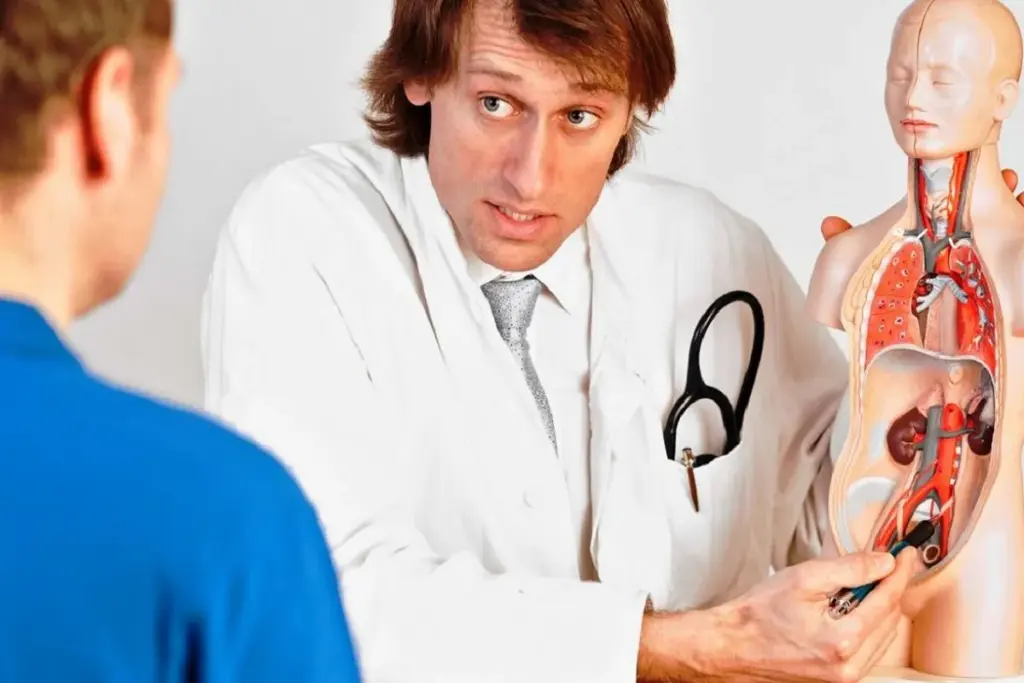
Did you know nearly 40% of men face sexual problems by 40? This shows how vital male reproductive health is. An andrologist is a doctor who deals with male reproductive health issues. They are like urologists but focus more on men’s health, unlike urologist meaning which covers both genders andrology.
It’s key to tackle these health issues with the right care and knowledge. An andrologist handles many problems, from erectile dysfunction to infertility. They offer detailed care for men’s health.
Key Takeaways
- An andrologist is a medical doctor specializing in male reproductive health.
- The field of andrology deals with issues like erectile dysfunction and male infertility.
- Andrologists provide diagnosis, treatment, and management of male reproductive disorders.
- Understanding the andrologist definition helps clarify their role in men’s health.
- Men’s reproductive health issues are common and can be effectively treated with the right care.
Introduction to Andrology

Understanding andrology is key to meeting the health needs of men, focusing on the reproductive system. Andrology is a branch of medicine that deals with male reproductive health. It covers a wide range of medical conditions.
Definition of Andrology
Andrology is the medical field that handles male reproductive health issues. This includes erectile dysfunction, infertility, and hormonal imbalances. Andrologists are experts in treating these complex problems.
Andrology goes beyond treating diseases. It also focuses on preventing and managing issues that affect male fertility and sexual health. Andrologists use their knowledge to improve their patients’ lives.
Importance of Male Health
Good male reproductive health is vital for overall well-being. Problems like low testosterone levels and sexual dysfunction can harm a man’s life quality. They affect his physical, mental, and emotional health.
The role of male health is huge. Regular visits to an andrologist can catch and treat problems early. Andrologists also teach men about healthy lifestyle choices. These choices can boost their reproductive and overall health.
Common Conditions Treated by Andrologists

Andrologists treat a wide range of conditions, from erectile dysfunction to infertility. These issues affect men’s health and have big emotional and psychological effects.
Erectile Dysfunction
Erectile dysfunction (ED) makes it hard for a man to get or keep an erection. It can be caused by mental or physical factors, or both. Treatment includes lifestyle changes, medicines, and sometimes surgery.
Infertility Issues
Infertility is a big concern for men. It can be due to hormonal problems, physical issues, or lifestyle choices. Doctors use semen analysis and hormone tests to diagnose it. Treatment might include medicines, surgery, or fertility treatments.
Sexual Dysfunction
Sexual dysfunction includes low libido, trouble with ejaculation, and ED. It can stem from many factors like mental health, nerves, or hormones. Treatment depends on the issue and might include therapy, medicines, or changes in lifestyle.
|
Condition |
Common Causes |
Treatment Options |
|---|---|---|
|
Erectile Dysfunction |
Diabetes, hypertension, psychological factors |
Medications (e.g., PDE5 inhibitors), lifestyle changes |
|
Infertility Issues |
Hormonal imbalances, varicocele, lifestyle factors |
Medications, surgery, assisted reproductive technologies |
|
Sexual Dysfunction |
Psychological factors, hormonal imbalances |
Counseling, medications, lifestyle adjustments |
It’s important for men to know about these conditions and their treatments. Andrologists offer vital care, focusing on both physical and emotional health.
Hormonal Disorders in Men
Men’s hormonal health is key to their overall well-being. Issues like low testosterone and gynecomastia can affect their health. We focus on understanding these conditions to offer the best care.
Low Testosterone Levels
Low testosterone, or hypogonadism, means the testes don’t make enough testosterone. This hormone is vital for male health, affecting libido, bone density, and muscle mass. Symptoms include low sex drive, erectile dysfunction, and feeling tired.
To diagnose, we use blood tests to check testosterone levels. We also do physical exams and review medical history. Treatment can be testosterone replacement therapy or making lifestyle changes like diet and exercise.
Gynecomastia
Gynecomastia is when men’s breast tissue gets bigger, often due to hormone imbalance. It can cause discomfort and emotional issues. Causes include hormonal changes, certain medications, and health conditions.
Treatment for gynecomastia varies based on the cause. It might include medication, lifestyle changes, or surgery. We work with patients to find the best treatment.
Hormonal Imbalances
Hormonal imbalances in men can come from aging, obesity, or medical conditions. These can lead to symptoms like weight gain, mood swings, and low libido.
Diagnosing these imbalances involves blood tests, physical exams, and reviewing medical history. Treatment is based on the cause and might include hormone therapy, lifestyle changes, or addressing health issues.
|
Condition |
Symptoms |
Diagnosis |
Treatment |
|---|---|---|---|
|
Low Testosterone |
Decreased sex drive, erectile dysfunction, fatigue |
Blood tests, physical examination |
Testosterone replacement therapy, lifestyle changes |
|
Gynecomastia |
Enlargement of breast tissue, discomfort |
Physical examination, hormonal evaluation |
Medication, lifestyle changes, surgery |
|
Hormonal Imbalances |
Weight gain, mood changes, decreased libido |
Blood tests, physical exams, medical history |
Hormone replacement therapy, lifestyle modifications |
It’s important to understand and treat hormonal disorders in men. We aim to provide thorough care and support for those dealing with these issues.
Infections Affecting Male Reproductive Health
Infections in male reproductive health are a big worry. They need quick diagnosis and treatment. If not treated, these infections can harm reproductive health and overall well-being.
Sexually Transmitted Infections (STIs)
Sexually transmitted infections (STIs) are a big problem worldwide. STIs like chlamydia, gonorrhea, and syphilis can cause infertility if not treated fast. It’s key to practice safe sex and get regular check-ups to prevent and manage STIs.
- Chlamydia: Often without symptoms, chlamydia can cause epididymitis and orchitis if not treated.
- Gonorrhea: This infection can cause urethritis and, if not treated, can lead to complications like epididymitis.
- Syphilis: Syphilis can progress through stages, potentially leading to serious health issues if not treated.
Urinary Tract Infections
Urinary tract infections (UTIs) in men are less common but can happen. They can affect the reproductive system. UTIs are usually caused by bacteria and can lead to conditions like urethritis and cystitis. We talk about symptoms, diagnosis, and treatment for UTIs, focusing on hygiene and urinary health.
- Symptoms may include dysuria, frequent urination, and abdominal pain.
- Diagnosis is typically made through urine culture and analysis.
- Treatment involves antibiotics, with the specific medication depending on the causative organism.
Prostatitis
Prostatitis is inflammation of the prostate gland and can be caused by infections, including bacterial infections. We look at the different types of prostatitis, including acute and chronic bacterial prostatitis, as well as chronic prostatitis/chronic pelvic pain syndrome. It’s important to understand the causes, symptoms, and treatment options for managing this condition effectively.
- Acute Bacterial Prostatitis: Characterized by sudden onset, severe symptoms, and bacterial infection.
- Chronic Bacterial Prostatitis: Recurring infections with persistent or recurrent symptoms.
- Chronic Prostatitis/Chronic Pelvic Pain Syndrome: Characterized by prolonged pain and discomfort, often without evidence of bacterial infection.
We stress the importance of seeking medical attention if symptoms persist or worsen over time. Early diagnosis and appropriate treatment are key to managing infections affecting male reproductive health.
Male Infertility: Causes and Treatments
Male infertility is a growing concern. It’s important to look at the causes and treatments. Male infertility can come from hormonal imbalances, physical issues, and lifestyle factors. Knowing these causes helps us find the right treatment.
Semen Analysis
Semen analysis is a key tool for diagnosing male infertility. It checks the quality and quantity of sperm. This test gives insights into possible issues causing infertility.
Semen analysis parameters:
- Sperm count: The number of sperm per ejaculate.
- Motility: The percentage of moving sperm.
- Morphology: The shape and structure of sperm.
|
Parameter |
Normal Value |
Implications for Fertility |
|---|---|---|
|
Sperm Count |
> 15 million/ml |
Low count can indicate fertility issues |
|
Motility |
> 32% progressive motility |
Poor motility can affect fertilization |
|
Morphology |
> 4% normal forms |
Abnormal morphology can impact fertility |
Hormonal Treatments
Hormonal imbalances often cause male infertility. Our andrologists diagnose and treat these issues. Hormonal treatments can help balance hormones and improve fertility.
Hormonal treatments may include:
- Testosterone replacement therapy for low testosterone levels.
- Medications to stimulate sperm production.
- Treatments for thyroid disorders or other hormonal imbalances.
Surgical Options
Surgery may be needed for some cases of male infertility. Our specialists offer various surgical options. These range from correcting physical blockages to more complex procedures.
Surgical options for male infertility:
- Varicocele repair: Correcting enlarged veins in the scrotum.
- Vasectomy reversal: Reversing a previous vasectomy.
- Sperm retrieval: Procedures to retrieve sperm directly from the testes.
Understanding male infertility and its treatments is key. We can find solutions through semen analysis, hormonal treatments, or surgery. Our goal is to help men overcome infertility challenges.
Disorders of the Penis
Penis disorders like Peyronie’s disease and penile cancer need quick medical help from an andrologist. These issues can really hurt a man’s life, causing pain and emotional stress. It’s key for men to know the symptoms, how to get diagnosed, and treatment options.
Peyronie’s Disease
Peyronie’s disease makes the penis curve and hurt during erections because of scar tissue. It’s not clear why it happens, but injury might play a part. We’ll look at treatments like medicines, shots, and surgery.
Symptoms and Diagnosis: Signs include a bent penis, pain when erect, and trouble getting or keeping an erection. Doctors check with a physical exam and might use ultrasound.
Treatment Options: Options include medicines to reduce swelling, shots to soften the scar, or surgery for severe cases.
Phimosis and Paraphimosis
Phimosis means the foreskin can’t pull back, and paraphimosis is when it’s pulled back but can’t go back. Both can be uncomfortable and might lead to bigger problems if not treated.
- Phimosis might be treated with creams or sometimes circumcision.
- Paraphimosis needs quick doctor care to reduce swelling and fix the foreskin.
Penile Cancer
Penile cancer is rare but serious, affecting the penis’s skin or tissues. Risks include HPV, smoking, and poor hygiene.
Symptoms and Diagnosis: Signs include unusual growths, sores, or color changes. Doctors use biopsies and imaging to find out how far the cancer has spread.
Treatment Options: Treatment depends on the cancer’s stage and might include surgery, radiation, or chemo. Catching it early is key for good treatment.
It’s vital to see an andrologist for these issues. An andrologist focuses on men’s health, including reproductive problems. They offer care that fits each man’s needs, helping improve his life quality.
Testicular Disorders
Testicular health is very important for men’s overall health. Issues like varicocele and testicular cancer are major concerns. We focus on understanding these conditions to provide timely and effective treatment.
Cancer of the Testicles
Testicular cancer is a serious condition that affects the testicles. Early detection is key for effective treatment. Symptoms include a lump or swelling, pain, and a feeling of heaviness.
To diagnose, we use a physical exam, ultrasound, and blood tests. Treatment depends on the cancer’s stage and type. It may include surgery, chemotherapy, or radiation. We create a treatment plan tailored to each patient.
Undescended Testicles
Undescended testes, or cryptorchidism, is when testicles don’t move down into the scrotum. This can raise the risk of infertility and testicular cancer. Early intervention is critical to prevent these issues.
Surgery, called orchiopexy, is the usual treatment. It moves the testicle into the scrotum. We recommend seeing an andrologist for evaluation and treatment planning.
Varicocele and Fertility Concerns
A varicocele is like varicose veins in the scrotum. It can harm sperm production and quality, leading to infertility. Symptoms include a dull ache or pain in the scrotum.
We diagnose with a physical exam and ultrasound. Surgery can fix the varicocele and improve fertility. We discuss the best treatment options with our patients based on their needs and health.
It’s important to understand testicular disorders and their impact on men’s health. We’re dedicated to providing top-notch care and support. Our goal is to ensure the best outcomes for our patients.
Prostate Health and Treatment
Prostate health issues like BPH, prostate cancer, and prostatitis are common in men, mainly as they get older. These problems can really affect a man’s quality of life. It’s important to know about their symptoms, how to find out if you have them, and what treatments are available.
Benign Prostatic Hyperplasia (BPH)
BPH, or an enlarged prostate, is a non-cancerous condition. It makes the prostate gland grow bigger, which can cause urinary problems. Symptoms of BPH include trouble starting to pee, a weak urine flow, needing to pee a lot, and waking up to pee a lot at night.
To find out if you have BPH, doctors might do a digital rectal exam (DRE) and a prostate-specific antigen (PSA) test. Treatment can range from just watching it and making lifestyle changes to taking medicine or surgery, based on how bad your symptoms are.
“The management of BPH is multifaceted, involving both medical and surgical strategies to alleviate symptoms and improve quality of life.” –
American Urological Association
Prostate Cancer
Prostate cancer is a common cancer in men. It often doesn’t show symptoms in the early stages, which is why screening is so important. Risk factors include getting older, having a family history, and being of certain ethnicities.
Screening for prostate cancer includes PSA tests and DREs. If cancer is found, treatment depends on how advanced it is and your overall health. Treatments can be active surveillance, surgery, radiation therapy, or hormone therapy.
|
Stage |
Treatment Options |
|---|---|
|
Localized |
Surgery, Radiation Therapy |
|
Advanced |
Hormone Therapy, Chemotherapy |
Prostatitis: Symptoms and Treatments
Prostatitis is inflammation of the prostate gland. It can be acute or chronic bacterial, or chronic prostatitis/chronic pelvic pain syndrome (CP/CPPS).
Symptoms include pain in the pelvic area, trouble peeing, and sexual problems. Doctors use a mix of clinical evaluation, urine tests, and sometimes prostate fluid analysis to diagnose it.
Treatment varies by type of prostatitis. Antibiotics are used for bacterial types, while CP/CPPS might need a mix of pain management, physical therapy, and lifestyle changes.
- Antibiotics for bacterial infections
- Pain relief medications
- Alpha-blockers to relax prostate muscles
It’s key for men to understand prostate conditions and their treatments. Seeing an andrologist can help men get the right care for these issues.
Andrological Surgeries
Andrological surgeries are key for men’s health, focusing on fertility, sexual health, and overall well-being. Andrologists are experts in these surgeries. They help diagnose and treat male reproductive health issues.
Vasectomy
Vasectomy is a way for men to prevent pregnancy permanently. It involves cutting or blocking the vas deferens. This is the tube that carries sperm from the testicles to the penis.
Indications and Benefits: It’s mainly for family planning. Vasectomy is very effective, with a failure rate under 1%.
Risks and Complications: Though safe, it can cause pain, infection, or hematoma.
Penile Implants
Penile implants help men with erectile dysfunction (ED) that other treatments can’t fix. They are implanted in the penis.
Types of Implants: There are inflatable and semi-rigid implants. Inflatable ones mimic a natural erection. Semi-rigid ones keep the penis firm all the time.
|
Type of Implant |
Description |
Advantages |
|---|---|---|
|
Inflatable |
Allows for inflation and deflation |
More natural erection, concealable |
|
Semi-rigid |
Keeps the penis firm |
Simpler to implant, less mechanical failure |
Varicocele Repair
Varicocele repair fixes an enlarged vein in the scrotum, like varicose veins. It’s a surgical procedure.
Indications: It’s for men with infertility, testicular atrophy, or pain from varicocele.
- Surgical methods include open surgery, laparoscopic surgery, and percutaneous embolization.
- The right method depends on the case and the surgeon’s skill.
Knowing about andrological surgeries helps men make better health choices. It’s important to talk to a qualified andrologist to find the best treatment.
Lifestyle Factors Impacting Male Health
Andrologists say a healthy lifestyle is key for men. This includes eating right, exercising, and managing stress. These habits help men stay healthy and lower the risk of many diseases.
Nutrition and Its Role
Nutrition is vital for men’s health. Eating a balanced diet helps keep hormones in check and supports reproductive health. Key nutritional elements include:
- Protein-rich foods to support muscle health
- Omega-3 fatty acids for heart health
- Antioxidants to combat oxidative stress
- Zinc and selenium for reproductive health
Men should talk to a healthcare provider or nutritionist. They can help create a diet plan that meets their health needs.
Exercise and Physical Activity
Exercise is also key for men’s health. It boosts heart health, strengthens muscles, and helps with mental health. Recommended forms of exercise include:
- Aerobic exercises such as walking, cycling, or swimming
- Resistance training to build muscle mass
- Flexibility exercises like yoga or Pilates
Men should pick an exercise they enjoy. Doing something they like makes it easier to stick with it and improves health more.
Stress Management Techniques
Managing stress is essential for men’s health. Too much stress can cause hormonal problems, erectile dysfunction, and heart disease. Stress management techniques include:
- Meditation and mindfulness practices
- Deep breathing exercises
- Physical activity, such as walking or yoga
- Seeking social support from friends, family, or a professional counselor
By using these stress management methods, men can handle stress better. This improves their overall well-being.
When to See an Andrologist
Knowing when to see an andrologist is key for men’s health. They deal with sexual health, fertility, and hormone balance. These are all important for men’s well-being.
Signs and Symptoms Indicating a Need for Consultation
Some signs mean it’s time to see an andrologist. These include:
- Erectile dysfunction or trouble getting or keeping an erection
- Issues with fertility or trouble getting pregnant
- Pain or discomfort in the genital area
- Abnormalities in the testes, like lumps or swelling
- Low libido or less interest in sex
If you notice any of these, you should see an andrologist. Doctors say, “Early intervention can significantly improve treatment outcomes.”
Importance of Regular Check-ups
Regular visits to an andrologist are key for men’s health. They help catch problems early and prevent bigger issues. Men with a family history of health problems should see an andrologist often.
“Regular health check-ups are a proactive step towards maintaining overall well-being,” health experts say. By focusing on male health and getting care when needed, men can improve their health outcomes.
In summary, knowing when to see an andrologist and going for regular check-ups are vital for men’s health. We urge men to be proactive about their health and seek professional care when necessary.
Conclusion: The Role of Andrology in Men’s Health
Andrology has made big steps in finding and treating health problems in men. This shows how important it is for men’s health. Now, men have better ways to deal with health issues.
New Frontiers in Treatment
The field of andrology keeps growing. New research brings new treatments for problems like erectile dysfunction and infertility. This means doctors can help men better, leading to better health.
Empowering Men to Take Control
Men should feel okay talking about their health. We want men to take charge of their health. This means seeing a doctor when they need to.
Andrologists are key in helping men stay healthy. We need to keep spreading the word about the importance of men’s health.
FAQ
What is an andrologist?
An andrologist is a doctor who deals with men’s health issues. They focus on problems related to male reproductive health.
What conditions do andrologists treat?
Andrologists treat many conditions. This includes erectile dysfunction, infertility, and hormonal issues. They also handle infections and problems with the penis, testicles, and prostate.
What is andrology?
Andrology is the study of men’s reproductive health. It involves diagnosing and treating disorders related to male reproductive health.
What are the symptoms of low testosterone levels?
Low testosterone can cause several symptoms. These include a decrease in libido, feeling tired, less muscle mass, and weaker bones.
How is erectile dysfunction treated?
Erectile dysfunction can be treated in different ways. This includes medications, lifestyle changes, and other therapies, depending on the cause.
What is the role of an andrologist in treating infertility?
An andrologist is key in treating male infertility. They do semen analysis, hormonal treatments, and surgery to help.
What are the signs and symptoms of prostate cancer?
Prostate cancer symptoms include trouble urinating, painful urination, and blood in urine or semen.
What is the importance of regular check-ups with an andrologist?
Regular visits to an andrologist are important. They help catch and treat health issues early, keeping you healthy.
What lifestyle factors impact male health?
Lifestyle choices like diet, exercise, and managing stress affect male health. Andrologists can offer advice on these areas.
What is the difference between a urologist and an andrologist?
Urologists and andrologists both focus on men’s health. But andrologists specialize in reproductive health issues. Urologists look at the urinary tract too.
When should I see an andrologist?
See an andrologist if you have issues like erectile dysfunction, infertility, or other reproductive health problems.
What are the treatment options for varicocele?
Varicocele treatments include surgery, embolization, and other therapies. The choice depends on the severity and its effect on fertility.
Can andrologists treat sexually transmitted infections (STIs)?
Yes, andrologists can diagnose and treat STIs. They also give advice on prevention and management.
What is the role of nutrition in male reproductive health?
Nutrition is vital for male reproductive health. Andrologists can suggest dietary changes to improve overall health and well-being.
References
National Center for Biotechnology Information. Evidence-Based Medical Insight. Retrieved from https://pubmed.ncbi.nlm.nih.gov/20688396/