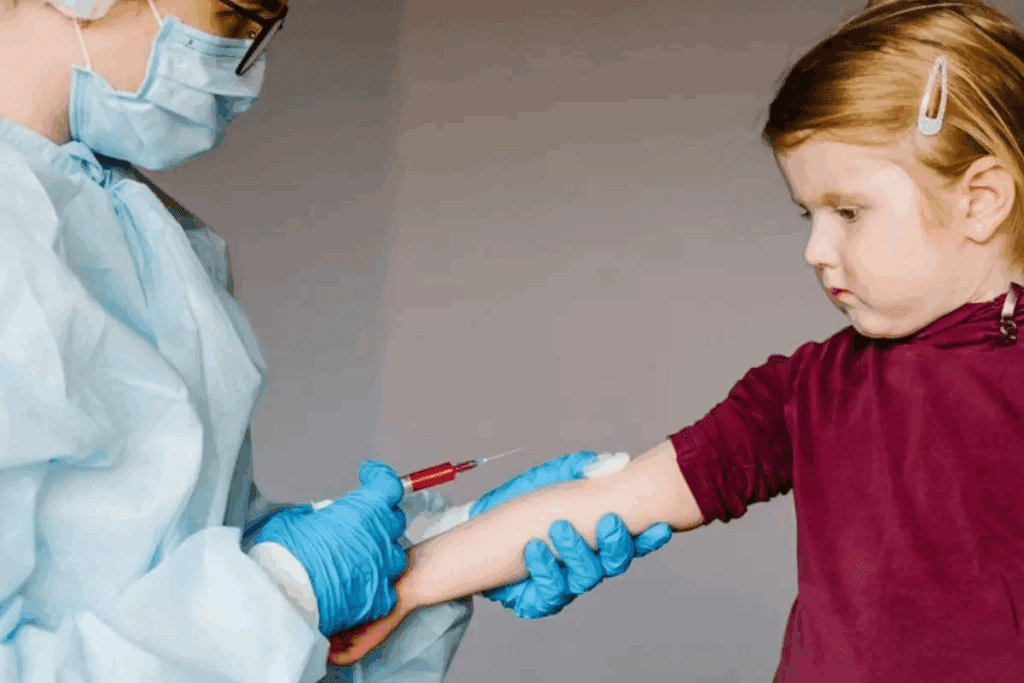
Nearly a quarter of children worldwide suffer from anemia. This is a condition where the body lacks enough red blood cells or hemoglobin. Listing the most frequent Anemia causes in children, including nutritional deficiencies (iron) and genetic disorders.
A child’s body needs hemoglobin to carry oxygen to cells. Without enough, tissues and organs can’t work right.
The most common anemia is iron deficiency anemia. This happens when the body doesn’t have enough iron for hemoglobin.
Key Takeaways
- Anemia in children is a significant health concern that impacts their growth and overall well-being.
- A child with anemia lacks sufficient red blood cells or hemoglobin.
- Hemoglobin is key for carrying oxygen to the body’s cells.
- Iron deficiency is the most common cause of anemia in children.
- Understanding anemia causes is vital for effective management.
Anemia in children is a significant health concern that impacts their growth and overall well-being.

Anemia in children is a significant health concern that impacts their growth and overall well-being. Understanding anemia, the role of hemoglobin, and the various types that can affect children is crucial.
Understanding anemia, the role of hemoglobin, and the various types that can affect children is crucial.
Anemia in children is a significant health concern that impacts their growth and overall well-being.
Importance of Hemoglobin
Hemoglobin is key for keeping body tissues healthy. It carries oxygen from the lungs to the body. Having enough hemoglobin is vital for energy and growth in kids. Low levels can cause pale skin, shortness of breath, and dizziness.
Understanding anemia, the role of hemoglobin, and the various types that can affect children is crucial.
There are many types of anemia in children, each with its own cause and effects. Some common ones are:
- Iron-deficiency anemia: Happens when there’s not enough iron for hemoglobin.
- Megaloblastic anemia: Caused by a lack of vitamin B12 or folate, making red blood cells too big.
- Hemolytic anemia: When red blood cells break down too early.
- Sickle cell anemia: A genetic disorder that changes red blood cells’ shape and function.
- Thalassemia: A genetic disorder that affects hemoglobin production, causing anemia and other issues.
Knowing about these anemia types is key for finding and treating it right. By identifying the cause, doctors can give better care to help kids get better.
Nutritional Deficiencies
Nutritional deficiencies are a big reason for anemia in kids. Good nutrition helps make red blood cells and hemoglobin. Without the right nutrients, kids can get different kinds of anemia.
Iron-Deficiency Anemia
Iron-deficiency anemia is the most common anemia in kids. It happens when the body doesn’t have enough iron for hemoglobin. Iron is key for healthy red blood cells.
Without enough iron, kids can feel tired, weak, and have trouble thinking clearly. Foods high in iron include red meat, poultry, fish, beans, lentils, and fortified cereals. It’s important for kids to get enough iron, even more so if they’re very active or on special diets.
Folate-Deficiency Anemia
Folate, a B vitamin, is also important for making red blood cells. Folate-deficiency anemia happens when there’s not enough folate for hemoglobin and red blood cells. Foods rich in folate are spinach, broccoli, and fortified cereals.
Not eating enough of these foods can cause folate deficiency. This is a big risk for kids who eat poorly or need more folate because of health issues like hemolytic anemia.
Vitamin B12 Deficiency
Vitamin B12 is also key for making red blood cells. Not having enough vitamin B12 can cause anemia and brain problems. Vitamin B12 is mainly found in animal products, like meat, fish, poultry, eggs, and dairy.
Kids on a strict vegan diet might not get enough vitamin B12 unless they eat fortified foods or take supplements. It’s a good idea to check vitamin B12 levels regularly in vegan kids.
Chronic Diseases
Chronic diseases are a big deal when it comes to anemia in kids. Some conditions can really mess with how red blood cells are made, leading to anemia.
Conditions Leading to Anemia
For example, chronic kidney disease can mess with the hormone that helps make red blood cells. Cancer and its treatment can also cause anemia by hurting the bone marrow’s ability to make red blood cells. HIV/AIDS can lead to anemia too, by affecting the bone marrow and the gut.
Impact of Infections
Infections can cause anemia by causing inflammation. This makes it hard for the body to make red blood cells. Chronic infections can lead to long-term anemia if not treated.
Effects of Inflammation
Inflammation from chronic diseases or infections can cause anemia of chronic disease. This happens when the body’s fight against inflammation stops it from making red blood cells and using iron.
Genetic Disorders
Some genetic conditions can cause anemia in kids by changing how red blood cells are made. We’ll look into these genetic issues and how they affect kids’ health.
Sickle Cell Anemia
Sickle cell anemia is a genetic problem that messes with hemoglobin. This makes red blood cells look different and break down faster. Kids with this condition often have anemia, pain crises, and are more likely to get infections.
Thalassemia
Anemia in children is a significant health concern that impacts their growth and overall well-being.
Hereditary Spherocytosis
Hereditary spherocytosis makes red blood cells look like spheres. These cells break down early, leading to anemia.
It’s important to understand these genetic disorders to help manage anemia in kids. Here’s a quick comparison:
| Disorder | Effect on Red Blood Cells | Common Symptoms |
| Sickle Cell Anemia | Misshapen cells | Anemia, pain crises, infections |
| Thalassemia | Reduced hemoglobin production | Anemia, fatigue, pale skin |
| Hereditary Spherocytosis | Sphere-shaped cells prone to destruction | Anemia, jaundice, splenomegaly |
Blood Loss Causes
Blood loss can cause a drop in red blood cells, leading to anemia in kids. It’s key to find out where the blood loss is coming from. We’ll look at how blood loss can cause anemia in children.
Gastrointestinal Issues
Gastrointestinal problems are a big reason for blood loss in kids. Issues like ulcers, gastrointestinal infections, and inflammatory bowel disease can cause bleeding. This bleeding can be seen as blood in the stool or hidden and found through tests.
Finding the cause of the bleeding is important. We suggest tests like endoscopy and colonoscopy to find the source.
Menstrual Bleeding in Adolescents
In teen girls, menstrual bleeding can cause iron deficiency anemia. Heavy periods can lead to a lot of iron loss. Girls with bleeding disorders or very heavy periods are at higher risk.
We suggest keeping an eye on how much bleeding happens during periods. We also recommend eating more iron and, if needed, medical help to reduce bleeding.
Trauma and Surgery
Trauma and surgery can also cause blood loss and anemia in kids. Losing a lot of blood needs quick medical help to replace it and prevent anemia.
It’s vital to manage blood loss during and after surgery. We check hemoglobin levels after surgery and might give blood transfusions if needed.
Environmental Factors
Exploring anemia in children, we see how environmental factors play a big role. Toxins and habits can harm red blood cell production, causing anemia.
Lead Poisoning
Lead poisoning is a major cause of anemia in kids. Exposure to lead can stop hemoglobin production. Lead-based paint in older homes and contaminated soil are common sources.
To prevent lead poisoning, homes should be checked for lead-based paint. Also, avoid areas with known lead contamination.
Pesticide Exposure
Pesticides can also lead to anemia in children. Some pesticides reduce red blood cell production. Kids can get exposed through household use, agricultural areas, or contaminated food.
To reduce exposure, use integrated pest management techniques. Also, choose organic produce when you can.
Nutritional Habits
Nutrition is key in preventing and causing anemia. A diet without enough iron, folate, and vitamin B12 can lead to anemia. But, a balanced diet can help prevent it.
Parents should encourage healthy eating. Include iron-rich foods like red meat, spinach, and fortified cereals. Also, make sure to get enough folate and vitamin B12 from foods like leafy greens and animal products.
| Environmental Factor | Impact on Anemia | Prevention Strategies |
| Lead Poisoning | Interferes with hemoglobin production | Inspect homes for lead-based paint, avoid contaminated soil |
| Pesticide Exposure | Decreases red blood cell production | Use integrated pest management, choose organic produce |
| Poor Nutritional Habits | Lack of essential nutrients leads to anemia | Promote a balanced diet rich in iron, folate, and vitamin B12 |
Understanding anemia, the role of hemoglobin, and the various types that can affect children is crucial.
To find out if someone has anemia, doctors look at their medical history, do a physical check, and run lab tests. This way, they can figure out why someone has anemia and how to treat it.
Common Tests and Procedures
There are several tests used to spot anemia. A complete blood count (CBC) is key. It checks the numbers of red and white blood cells, and platelets.
Other tests include:
- Iron level tests to find iron-deficiency anemia
- Folate and vitamin B12 level tests to see if these nutrients are low
- Bone marrow examination to look at blood cell production
Importance of Medical History
Knowing a child’s medical history is very important. Doctors want to know about their diet, any ongoing health issues, and if anyone in their family has anemia. This helps find out why they might have anemia.
For example, if a teen has had stomach problems or heavy periods, it could mean they’re losing blood and have anemia.
Evaluating Symptoms
Doctors also look at the symptoms of anemia. Signs include feeling very tired, weak, and pale. Kids might also get upset easily, have trouble focusing, and not want to eat.
By looking at these symptoms and the lab test results, doctors can accurately diagnose anemia. Then, they can plan the best treatment.
Treatment Options
Managing anemia in children needs a full plan. This includes changing diets, using supplements, and treating underlying health issues. We’ll look at these options closely, helping you manage anemia well.
Dietary Changes
Eating right is key in fighting anemia. Kids should eat iron-rich foods like red meat, poultry, fish, beans, and cereals with iron. Avoid tea and coffee with meals to help iron absorption.
A diet full of fruits, veggies, and whole grains is also vital. It boosts health and helps with anemia symptoms.
Supplements and Medications
Supplements and meds are often needed to treat anemia. Iron supplements are common for iron-deficiency anemia. Vitamin B12 shots might be needed for B12 deficiency anemia.
The right supplements or meds depend on the anemia cause and the child’s health. Always follow your doctor’s advice for the best treatment.
Addressing Underlying Conditions
For kids with anemia from chronic diseases or genetic issues, treating the cause is key. This might mean managing chronic infections, inflammatory diseases, or genetic conditions like sickle cell anemia or thalassemia.
By tackling the anemia’s root cause, we can improve the child’s health. This reduces the risk of serious problems from untreated anemia.
Preventive Measures
To stop anemia in kids, we need to do several things. We must eat right, get regular check-ups, and learn about anemia. These steps help a lot in keeping kids healthy and safe from anemia.
Dietary Recommendations
Eating foods high in iron, folate, and vitamin B12 is key. Kids should eat red meat, poultry, fish, beans, and cereals with iron. But, they should avoid tea and coffee with these foods.
Regular Health Check-ups
It’s important for kids at risk to see doctors often. This includes those with a family history of anemia or chronic diseases. Catching and treating anemia early can avoid serious problems later.
Education and Awareness
Teaching parents, caregivers, and kids about good nutrition is essential. Knowing about anemia and its dangers helps prevent it. Together, we can keep kids healthy and free from anemia.
FAQ
Anemia in children is a significant health concern that impacts their growth and overall well-being.
Anemia in children is a significant health concern that impacts their growth and overall well-being.
What are the common causes of anemia in children?
Anemia in children can be caused by several things. It can be due to not getting enough iron, folate, or vitamin B12. It can also be caused by chronic diseases, genetic disorders, blood loss, or exposure to harmful substances like lead.
How does iron deficiency cause anemia?
Iron is key for making hemoglobin, which carries oxygen in red blood cells. Without enough iron, the body can’t make enough healthy red blood cells. This leads to anemia.
What are the symptoms of anemia in children?
Children with anemia might feel tired, weak, and pale. They might also have shortness of breath. In severe cases, they might not want to eat, grow slowly, or have trouble developing.
How is anemia diagnosed in children?
Doctors use several ways to find out if a child has anemia. They look at the child’s medical history and do a physical check. They also do blood tests to see if the child has enough hemoglobin and to find out why they might have anemia.
What are the treatment options for anemia in children?
Treatment for anemia in children depends on why they have it. Doctors might tell them to eat more foods with iron, folate, and vitamin B12. They might also give supplements or medicines. In some cases, they might need a blood transfusion.
How can anemia be prevented in children?
To prevent anemia, kids need to eat a balanced diet with lots of iron, folate, and vitamin B12. They should also get regular check-ups and learn about healthy eating.
Can genetic disorders cause anemia in children?
Yes, genetic disorders like sickle cell anemia, thalassemia, and hereditary spherocytosis can cause anemia. They affect how red blood cells are made or work.
What is the role of hemoglobin in the body?
Hemoglobin is a protein in red blood cells that carries oxygen. It’s very important for keeping the body healthy and working well.
How do chronic diseases lead to anemia?
Chronic diseases can cause anemia by making it hard for the body to make red blood cells. This can happen because of inflammation, infection, or problems with the bone marrow.
What are the effects of lead poisoning on children’s health?
Lead poisoning can cause anemia by damaging the bone marrow and reducing hemoglobin production. It can also cause serious health problems like neurological damage and developmental delays.
Why are regular check-ups important for preventing anemia?
Regular check-ups help prevent anemia by letting doctors watch over children’s health. They can spot risk factors early and start treatments to prevent or treat anemia before it gets worse.
References
World Health Organization. Evidence-Based Medical Insight. Retrieved from https://www.who.int/vmnis/indicators/haemoglobin.pdf