How to increase hemoglobin in cancer patients? Manage anemia with positive and effective strategies. Powerful steps to improve quality of life during treatment.
Cancer patients often see their hemoglobin (Hb) levels drop. This is key for their health. Over 30% of patients get anemia from cancer or its treatments. This affects how well they do and their quality of life.

It’s important to manage low hemoglobin levels for better health and recovery. Good anemia treatment can really help cancer patients feel better.
Key Takeaways
- Cancer patients with low hemoglobin levels have a poorer prognosis.
- Anemia treatment is key for better treatment results.
- Managing hemoglobin levels is vital for cancer patient care.
- Low hemoglobin levels can greatly affect quality of life.
- Good anemia management helps with recovery during cancer care.
Understanding Hemoglobin and Its Importance in Cancer Care
Hemoglobin is a protein in red blood cells that carries oxygen around the body. It’s key for making sure tissues and organs get the oxygen they need to work right.
The Role of Hemoglobin in Oxygen Transport
Hemoglobin’s main job is to pick up oxygen in the lungs and carry it to the body’s tissues. This is vital for keeping cells, tissues, and organs healthy. Low hemoglobin levels can mean less oxygen gets to the body, which can make it harder for it to function.
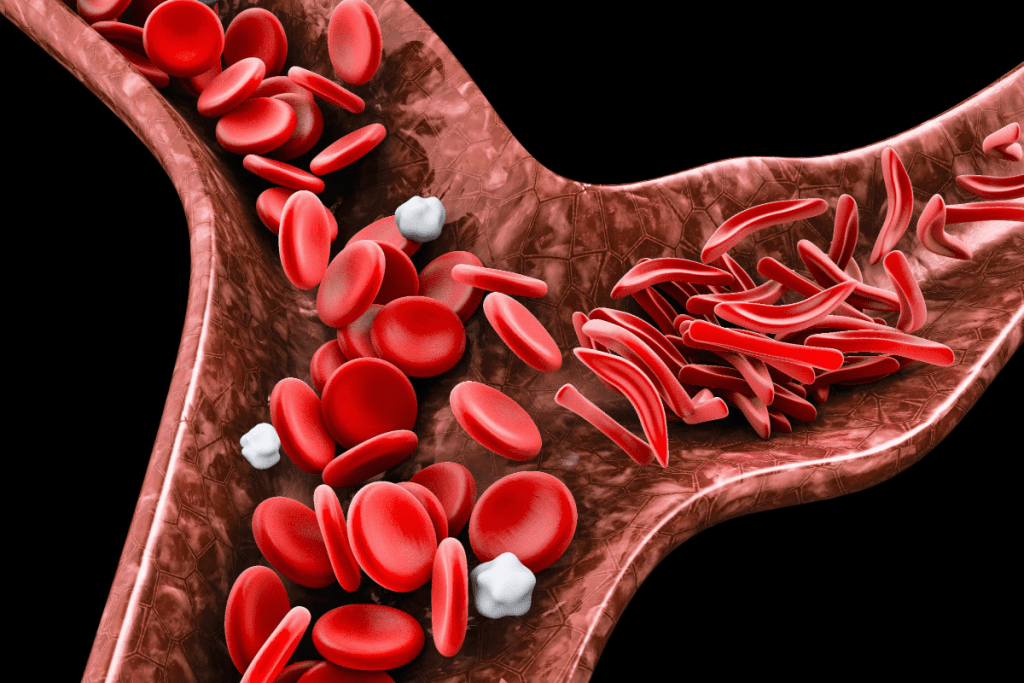
Normal Hemoglobin Levels vs. Cancer-Related Deficiencies
For men, normal hemoglobin levels are between 13.8 and 17.2 grams per deciliter. For women, it’s between 12.1 and 15.1 grams per deciliter. But, cancer patients often see their hemoglobin levels drop. This can happen because of the disease itself or treatments like chemotherapy. Studies show anemia can affect up to 35% of cancer patients after chemotherapy, making it important to watch hemoglobin levels closely.
It’s key for both patients and doctors to understand how hemoglobin affects cancer care. By spotting low hemoglobin early and acting on it, we can help improve treatment results and quality of life.
The Impact of Cancer-Related Anemia on Patient Outcomes
Anemia is a common problem in cancer patients. It affects their quality of life and how well they respond to treatment. It’s caused by a low red blood cell count, leading to fatigue, weakness, and shortness of breath. Knowing about anemia is key to better cancer care.
Prevalence Among Cancer Patients
About 30% of cancer patients have anemia. This shows how important it is in cancer treatment. Anemia can come from the cancer itself or from treatments like chemotherapy and radiation.
Impact on Treatment Efficacy and Quality of Life
Anemia can make cancer treatment less effective. It can also make treatments more toxic. To fix this, treatments like iron supplements, ESAs, and blood transfusions are needed. Knowing about anemic meaning helps doctors give better care.

By treating anemia, doctors can make patients’ lives better. Managing anemia is a big part of caring for cancer patients.
How Cancer Treatments Deplete Hemoglobin Levels
Cancer treatments like chemotherapy, radiation, and surgery can lower hemoglobin levels. These treatments help fight cancer but can also cause anemia. This is because they reduce hemoglobin in patients.
Chemotherapy-Induced Hemoglobin Reduction
Chemotherapy often lowers hemoglobin levels. Studies show an average drop of about 0.65 g/dL. This happens because chemotherapy agents harm the bone marrow. The bone marrow then can’t make enough red blood cells.
Radiation Therapy Effects on Bone Marrow Function
Radiation therapy can hurt the bone marrow’s ability to make red blood cells. This leads to low hemoglobin levels. The impact depends on the radiation dose and area treated.
Surgical Interventions and Blood Loss Considerations
Surgery for cancer can cause a lot of blood loss. This loss lowers hemoglobin levels. To manage this, careful treatment and sometimes blood transfusions are needed.
Recognizing Signs and Symptoms of Low Hemoglobin
It’s important for cancer patients to know the signs of low hemoglobin. This condition, known as anemia, can affect their life quality and treatment results.
Physical Manifestations of Anemia in Cancer Patients
Cancer patients with anemia may feel:
- Fatigue and weakness, making daily activities hard
- Pale skin because of fewer red blood cells
- Shortness of breath even with simple tasks
- Dizziness or lightheadedness, which can cause falls
These symptoms can really impact a patient’s health and ability to handle treatments.
When to Seek Immediate Medical Attention
If patients have severe symptoms like chest pain, severe dizziness, or shortness of breath at rest, they need to see a doctor right away. Eating foods rich in iron, vitamin B12, folate, and vitamin C can help manage anemia.
Diagnostic Approaches for Anemia in Cancer Patients
Getting an accurate diagnosis of anemia is key in cancer treatment. Tests are used to understand the severity and cause of anemia.
The first step is usually a Complete Blood Count (CBC) and Hematocrit Analysis. The CBC checks the blood’s components, like red blood cells (RBC) and hemoglobin levels. Low RBC count or hemoglobin levels can show anemia.
Complete Blood Count and Hematocrit Analysis
A CBC gives important info about the blood’s cells. Hematocrit analysis measures red blood cells’ volume in the blood. These tests help find and measure anemia.
Iron Studies and Nutritional Deficiency Testing
More tests might include iron studies to check for iron deficiency, a common anemia cause. Tests for nutritional deficiencies, like vitamin B12 or folate, can also find other causes.
Bone Marrow Assessment in Complex Cases
In tough cases, a bone marrow assessment might be needed. It looks at red blood cell production by examining the bone marrow. This helps find any problems.
Using these tests, doctors can accurately diagnose anemia in cancer patients. Then, they can create good treatment plans.
Iron Supplementation Protocols for Cancer-Related Anemia
Iron supplements help manage cancer-related anemia by boosting hemoglobin levels. This strategy is key to treating anemia and improving patient health.
Oral Iron Therapy: Dosing and Administration Guidelines
Oral iron therapy is often the first choice for treating anemia in cancer patients. Patients usually take 100-200 mg of elemental iron per day on an empty stomach. The dose might change based on how well the patient tolerates it.
It’s important to watch for side effects like nausea and constipation. These can be managed with diet changes or extra medications. For example, iron with vitamin C can help absorption, and a high-fiber diet can ease stomach issues.
Intravenous Iron Formulations for Severe Deficiency
For those who can’t take oral iron or find it ineffective, intravenous iron formulations are a good option. IV iron quickly fixes severe anemia, which is vital for patients with severe anemia or those in active cancer treatment.
IV iron options include iron sucrose, ferric gluconate, and ferumoxytol. The right choice depends on the patient’s health, anemia level, and cancer treatment. Dosage is based on the patient’s weight and iron deficit.
Managing Side Effects and Monitoring Efficacy
Managing anemia with iron supplements means keeping an eye on hemoglobin, iron levels, and side effects. Regular blood tests show if treatment is working and if changes are needed.
Doctors should teach patients about sticking to their iron treatment and watching for side effects. By closely watching patients and adjusting treatments, doctors can make iron supplements work better and help patients get better.
Erythropoiesis-Stimulating Agents (ESAs): Evidence-Based Applications
ESAs are key in treating anemia linked to cancer and its treatments. They boost hemoglobin levels. This reduces the need for blood transfusions and improves patients’ lives.
Types of ESAs Available for Cancer Patients
There are several ESAs for cancer patients, like epoetin alfa and darbeopoetin alfa. Studies show they help manage anemia and improve patient results.
Choosing an ESA depends on the patient’s condition, cancer type, and treatment. Clinical guidelines suggest customizing ESA therapy for each patient.
Current Clinical Guidelines and Dosing Strategies
The latest clinical guidelines for ESA use in cancer patients stress careful selection and dosing. They suggest starting ESA therapy when hemoglobin is below 10 g/dL. The aim is to keep levels between 10 g/dL and 12 g/dL.
- Dosing strategies vary based on the ESA and patient response.
- It’s important to regularly check hemoglobin levels to adjust dosing as needed.
- ESA therapy should stop if there’s no response after a proper trial period.
Safety Considerations and Contraindications
While ESAs are mostly safe, there are safety considerations and contraindications. These include a higher risk of blood clots and possible tumor growth or return in some cancers.
It’s vital to weigh the benefits and risks of ESA therapy for each patient. Consider the cancer type, treatment plan, and individual risk for side effects.
Blood Transfusion Strategies: Modern Approaches to Minimize Risks
The way we handle blood transfusions in oncology is evolving. We’re focusing on safer, more precise methods. This shift is vital as cancer treatments get more advanced.
Current Transfusion Thresholds in Oncology
New guidelines suggest using more cautious transfusion levels. This is to lower the risks tied to blood transfusions. Research backs up the idea that being more selective can benefit patients.
For stable patients, a hemoglobin level of 7-8 g/dL is often advised. This is a key part of the new approach.
Key considerations for transfusion thresholds include:
- Patient’s overall health and comorbidities
- Type and stage of cancer
- Ongoing treatment protocols
Single-Unit Transfusion Protocols
Single-unit transfusion protocols are becoming more popular. They involve giving just one unit of blood at a time. This method helps avoid unnecessary transfusions and lowers the chance of complications.
Managing and Preventing Transfusion Reactions
It’s essential to manage and prevent transfusion reactions. This means watching patients closely during and after transfusions. It also involves using blood products that have been processed to reduce risks.
- Monitor vital signs before, during, and after transfusion
- Use pre-medication for patients with a history of transfusion reactions
- Ensure accurate patient identification and blood product labeling
By using these modern strategies, healthcare teams can reduce risks. This leads to better care for cancer patients.
Nutritional Interventions to Support Hemoglobin Production
Dietary changes can greatly help with hemoglobin production in cancer patients. Eating the right foods is key to making more red blood cells.
Iron-Rich Foods and Meal Planning for Cancer Patients
Eating foods rich in iron is very important for keeping hemoglobin levels up. Cancer patients should eat lots of red meat, poultry, fish, beans, and fortified cereals. Planning meals helps make sure they get enough iron and other important nutrients.
Examples of Iron-Rich Foods:
- Red meat
- Poultry
- Fish
- Beans
- Fortified cereals
Adding foods high in vitamin C to your diet can also help. Vitamin C is found in citrus fruits, bell peppers, and tomatoes. It helps your body absorb iron better.
Critical Nutrients for Erythropoiesis
Other nutrients are also important for making red blood cells. These include vitamin B12, folate, and copper. Getting enough of these through food or supplements is important for hemoglobin production.
Key Nutrients and Their Sources:
- Vitamin B12: Found in animal products like meat, fish, and dairy.
- Folate: Abundant in leafy greens, legumes, and fortified cereals.
- Copper: Found in nuts, seeds, and whole grains.
Nutritional interventions are very helpful for making more red blood cells. A balanced diet is key for cancer patients to keep their hemoglobin levels healthy during treatment.
Multidisciplinary Management of Anemia in Cancer Care
Managing anemia in cancer patients needs a team effort. This team includes doctors, nutritionists, and more. They work together to meet the complex needs of patients.
Coordinated Care Between Oncology and Hematology
It’s important for oncology and hematology teams to work together. They create plans that tackle both the cancer and anemia. This teamwork helps patients get better.
“Collaboration between healthcare providers is key to delivering high-quality care.”
The Role of Nutritionists and Dietitians
Nutritionists and dietitians help by making sure patients get the right nutrients. They suggest foods high in iron and other important nutrients. This helps with making hemoglobin.
Patient Education and Self-Management Strategies
Teaching patients about their condition is very important. It helps them take charge of their anemia. This way, they can get better faster.
Liv Hospital believes in using evidence-based care. This approach is key to success in treating anemia.
Evidence-Based Protocols at Specialized Cancer Centers
Specialized cancer centers like Liv Hospital lead in using evidence-based protocols for cancer patients. At Liv Hospital, the goal is to improve healthcare quality with evidence-based care.
Liv Hospital’s Approach to Hemoglobin Management
Liv Hospital has a detailed plan for managing hemoglobin levels. They use the latest research and guidelines. Each patient gets a treatment plan that fits their needs.
Key components of Liv Hospital’s approach include:
- Advanced diagnostic techniques to accurately assess hemoglobin levels and related deficiencies.
- Tailored supplementation protocols, including iron and erythropoiesis-stimulating agents.
- Close monitoring and adjustment of treatments based on patient response.
International Best Practices and Guidelines
International best practices stress the need for a team effort in managing cancer-related anemia. Guidelines suggest a mix of nutritional support, iron supplements, and erythropoiesis-stimulating agents when needed.
“The management of anemia is a critical component of complete cancer care, needing teamwork among healthcare providers.”
Emerging Research and Treatment Innovations
New research is finding ways to better manage hemoglobin levels in cancer patients. New treatments include advanced erythropoiesis-stimulating agents and new transfusion methods.
A leading oncologist said, “The future of cancer care is in personalizing treatments, including managing hemoglobin levels, to better patient outcomes.”
Conclusion: Optimizing Hemoglobin Levels for Better Cancer Outcomes
Keeping hemoglobin levels in check is key to better cancer care. Managing anemia well can greatly improve patient care and treatment success. Ways to boost hemoglobin include iron supplements, ESAs, and blood transfusions, all based on what each patient needs.
Hospitals like Liv Hospital use proven methods to handle anemia. This shows how important teamwork is in cancer care. By working together, doctors and nutrition experts can create plans that meet each patient’s unique needs.
By focusing on hemoglobin, doctors can make treatments more effective. This leads to better patient outcomes, fewer complications, and a better quality of life. Keeping up with new research in anemia management is vital for top-notch cancer care.
FAQ
What is anemia, and how does it relate to cancer?
Anemia is when you don’t have enough red blood cells or hemoglobin. In cancer patients, it can happen because of the cancer or treatments like chemo and radiation.
What are the signs and symptoms of low hemoglobin in cancer patients?
Signs of anemia include feeling very tired, weak, and pale. You might also get short of breath or dizzy. If these get worse, see a doctor right away.
How is anemia diagnosed in cancer patients?
Doctors use a blood test called a CBC to check for anemia. They also look at your bone marrow to find out why you have it.
What are the treatment options for anemia in cancer patients?
Treatments include taking iron, using special medicines, or getting blood transfusions. Eating foods rich in iron and B vitamins also helps.
How can cancer patients manage anemia through dietary changes?
Eating foods high in iron and vitamin C helps. Foods with folate and B12 are also important. Tailor your diet to your needs.
What is the role of erythropoiesis-stimulating agents (ESAs) in managing anemia?
ESAs help make more red blood cells. Doctors choose the right ESA and dose based on your needs and health.
What are the risks associated with blood transfusions, and how can they be minimized?
Blood transfusions can cause reactions or spread diseases. Using single units and following guidelines helps reduce risks.
How can healthcare providers coordinate care to manage anemia in cancer patients?
Working together with doctors, nutritionists, and dietitians is key. Teaching patients how to manage anemia also helps.
What are the current best practices for managing anemia in cancer care?
Best practices include using proven methods and treating each patient differently. Places like Liv Hospital focus on this approach.
Reference
Cortesi, E., Gascón, P., Henry, D., Littlewood, T., Milroy, R., Pronzato, P., Reinhardt, U., Shasha, D., Thatcher, N., & Wilkinson, P. (2005). Standard of care for cancer-related anemia: improving hemoglobin levels and quality of life. Oncology, 68(Suppl 1), 22-32.https://pubmed.ncbi.nlm.nih.gov/15855813/
Crawford, J., et al. (2002). Relationship between changes in hemoglobin level and quality of life in anemic cancer patients treated with epoetin alfa. Cancer, 95(4), 888-895.https://acsjournals.onlinelibrary.wiley.com/doi/full/10.1002/cncr.10763



 Departments
 Related Videos
 Our Doctors
 News
News