Did you know that nearly one in four individuals worldwide may have a condition where they don’t have enough healthy red blood cells? This leads to a deep tiredness that makes everyday tasks hard.
This tiredness is more than just feeling tired. It’s a serious state that can really change how you live your life. People with this condition often say they feel weak and can’t do even simple things.
Beat anemia symptoms with best amazing fatigue relief. Learn incredible proven secrets for a successful and energetic day today.
It’s important to understand this condition to find the right treatment. Knowing how it affects you can help manage its impact.
Key Takeaways
- Anemia fatigue is a common complaint among individuals with a lack of healthy red blood cells.
- It is characterized by persistent and profound tiredness.
- This condition significantly impacts daily activities and quality of life.
- Understanding its symptoms is crucial for diagnosis and treatment.
- Recognizing the impact on daily life helps in managing its effects.
Understanding Anemia: A Brief Overview
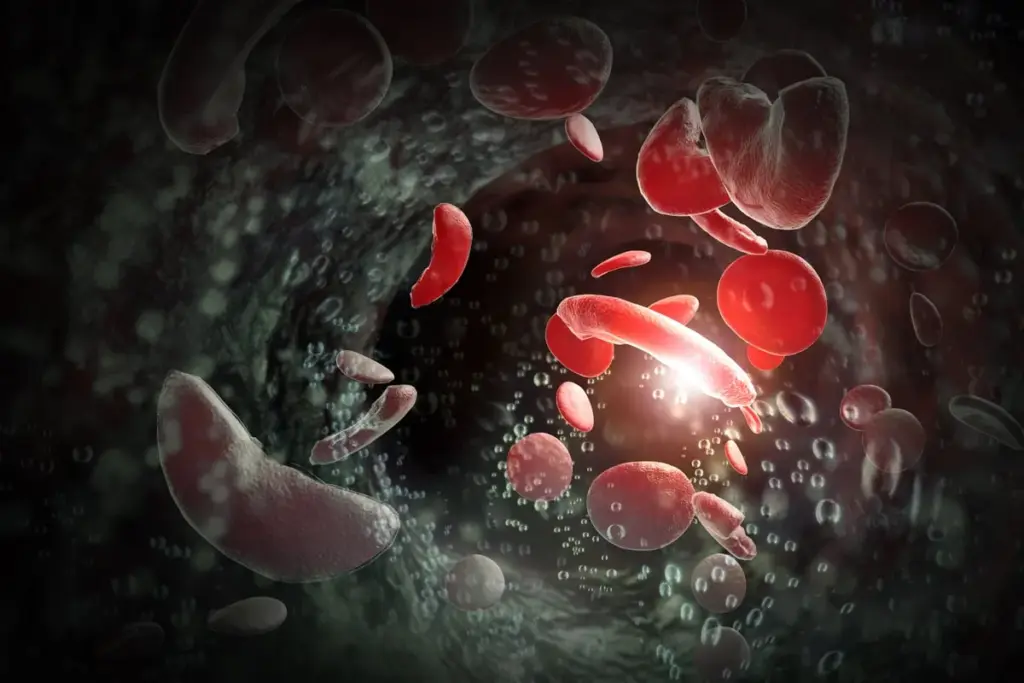
Anemia occurs when the body has too few or low‑quality red blood cells. These cells are key for carrying oxygen. This lack can cause fatigue, weakness, and other symptoms of anemia that affect daily life.
What Is Anemia?
Anemia is not a disease but a sign of another issue. It happens when the body lacks red blood cells or when these cells don’t carry enough oxygen. Causes range from iron deficiency to chronic diseases, making it important to understand them for treatment.
The anemia anemic symptoms vary by person and cause. Common signs include tiredness, pale skin, and shortness of breath.
How Common Is Anemia?
The World Health Organization (WHO) says anemia affects about 25% of the world’s population. It’s a big health issue. The risk varies by area, with some groups facing more challenges due to diet, disease, and genetics.
- Anemia can stem from nutritional gaps and chronic illnesses.
- Its widespread nature calls for global awareness and health action.
- Knowing about anemia is the first step to managing its symptoms and finding the root cause.
By spotting anemia’s signs and knowing its commonality, we can work towards early diagnosis and treatment. This can greatly improve life for those with anemia.
The Unique Nature of Anemia Fatigue
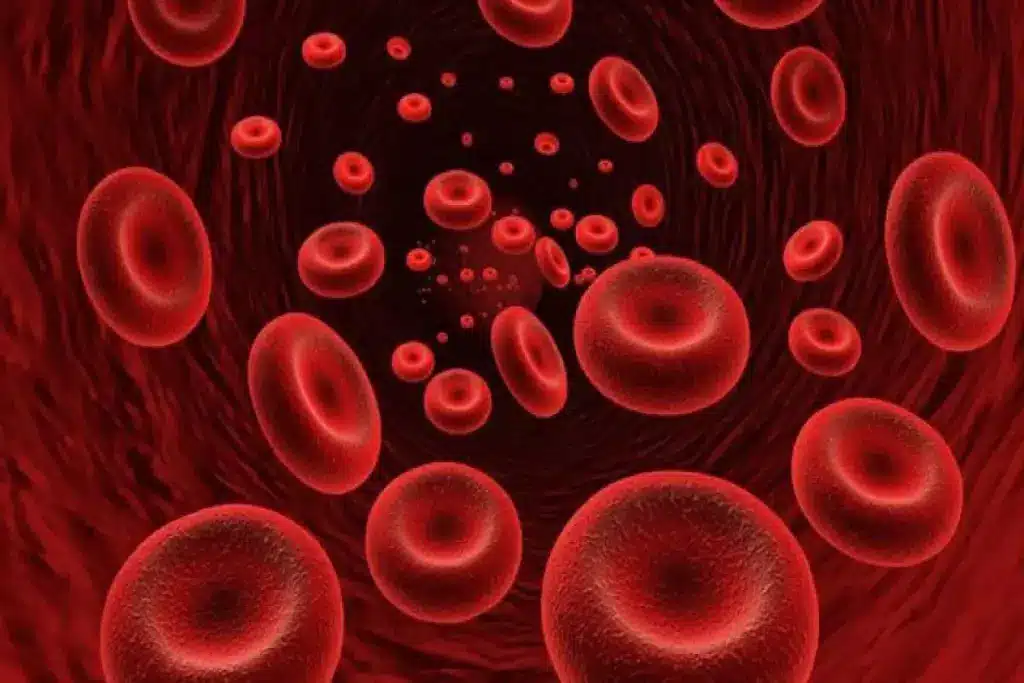
Anemia fatigue is different from regular tiredness. It’s a challenge that affects daily life. Unlike normal tiredness, it doesn’t go away easily.
How Anemia Fatigue Differs from Normal Tiredness
Normal tiredness comes from hard work or not enough sleep. It gets better with rest. But anemia fatigue doesn’t follow these patterns. It’s a deep, lasting tiredness that doesn’t improve with rest.
Key differences include:
- Persistent and unrelenting nature
- Not necessarily related to physical activity
- Often accompanied by other symptoms like weakness
- Can significantly impact daily functioning and quality of life
The Connection Between Red Blood Cells and Energy
Red blood cells carry oxygen to all parts of the body. Iron is key for making hemoglobin, which carries oxygen. Low iron means cells don’t get enough oxygen, causing fatigue and other symptoms.
This connection shows why anemia fatigue is more than just tiredness. It’s about the body’s struggle to deliver oxygen, leading to constant exhaustion.
Common Anemia Symptoms and Warning Signs
It’s important to know the signs of anemia early. Anemia can show up in many ways, affecting your health in different ways.
Physical Manifestations
Anemia can cause noticeable symptoms. You might feel fatigue and weakness, making everyday tasks hard. You could also notice pale skin, shortness of breath, and dizziness.
In some cases, you might have cold hands and feet because of poor blood flow.
These symptoms happen because anemia makes it hard for your body to get oxygen. Without enough red blood cells or hemoglobin, your body can’t deliver oxygen well. This leads to these symptoms.
Cognitive and Emotional Symptoms
Anemia can also affect your mind and mood. You might find it hard to concentrate and have memory problems. This is because your brain isn’t getting enough oxygen.
Emotional symptoms include mood swings and increased irritability. These can make life harder than the physical symptoms.
Progression of Symptoms
The way symptoms of anemia get worse can vary. Sometimes, they come on slowly. Other times, they can happen fast. Knowing how symptoms progress is key to getting help quickly.
|
Symptom |
Mild |
Moderate |
Severe |
|---|---|---|---|
|
Fatigue |
Mild tiredness |
Noticeable weakness |
Severe exhaustion |
|
Shortness of Breath |
With heavy exertion |
With moderate exertion |
At rest |
|
Dizziness |
Occasional |
Frequent |
Constant |
Knowing these symptoms and how they get worse can help you get medical help early. This can prevent bigger problems and help you feel better sooner.
What Does Anemia Fatigue Actually Feel Like?
Anemia fatigue feels like a deep, lasting tiredness that doesn’t go away with rest. It affects your body, mind, and emotions. It makes everyday life hard.
The Overwhelming Exhaustion
People with anemia often feel extremely tired. Even simple tasks seem hard. This tiredness is both physical and mental, making it hard to focus or make decisions.
Characteristics of Anemia-Related Exhaustion:
- Persistent tiredness despite adequate rest
- Difficulty in performing daily tasks
- Lack of energy for activities once enjoyed
Weakness and Physical Heaviness
Another symptom is feeling weak or heavy in the body. It’s hard to carry groceries or climb stairs. Even lifting a light object feels like a big task.
Some people feel generally unwell without pain. This is often due to symptoms of low iron. Knowing these symptoms helps manage the condition better.
Breathlessness with Minimal Exertion
Shortness of breath is a common symptom. People get winded easily, even with simple tasks. This can be scary and unpredictable.
|
Symptom |
Description |
Impact on Daily Life |
|---|---|---|
|
Overwhelming Exhaustion |
Persistent tiredness not relieved by rest |
Difficulty in performing daily tasks |
|
Weakness and Physical Heaviness |
Lack of strength, feeling of heaviness |
Challenges in everyday activities |
|
Breathlessness |
Shortness of breath with minimal exertion |
Distress and limitation in physical activities |
Understanding anemia fatigue helps identify symptoms and seek medical help. Recognizing signs and taking action can improve life quality for those with anemia.
The Mental Fog of Anemia: Cognitive Effects
Anemia can make you feel mentally foggy, affecting your daily life. This can make it hard to do everyday tasks.
Concentration and Memory Problems
Anemia can make it tough to focus and remember things. Iron deficiency, a common cause, can hurt your brain’s performance. People with iron deficiency anemia often find it hard to concentrate and stay focused.
- Difficulty in focusing on tasks
- Memory lapses and forgetfulness
- Reduced productivity due to cognitive fog
Mood Changes and Irritability
Anemia can also change your mood, making you more irritable and depressed. Not having enough red blood cells means less oxygen for your brain. This can mess with how you feel.
The emotional toll of anemia should not be underestimated. It can make you feel more stressed and anxious.
Impact on Decision-Making
Anemia can also mess with your ability to make decisions. Struggling to focus and remember things makes it hard to make good choices.
If you’re feeling this way, see a doctor. They can help figure out why and find a way to treat it.
5 Weird Signs of Iron Deficiency You Might Not Recognize
Many know the usual signs of iron deficiency. But, there are odd signs that often go unnoticed. Iron deficiency can hit anyone, no matter their age or background. Spotting these signs early can lead to quicker treatment.
Unusual Cravings (Pica)
Pica is a weird symptom of iron deficiency. It’s when you crave non-food items like dirt or chalk. The exact reason for pica isn’t known, but it might be the body’s way of trying to fix nutritional gaps.
Some people might crave certain textures or tastes. This could be a sign of iron deficiency. If you find yourself wanting to eat things you shouldn’t, talk to a doctor.
Restless Leg Syndrome
Restless Leg Syndrome (RLS) makes you feel like you must move your legs. It’s often uncomfortable. Iron deficiency is one cause of RLS. Treating iron deficiency can help ease RLS symptoms.
If you have restless legs, especially at night, check your iron levels. A simple blood test can show if iron deficiency is the cause.
Brittle Nails and Hair Loss
Iron is key for healthy nails and hair. Without enough iron, nails can become brittle and hair can fall out. Iron helps make hemoglobin, which carries oxygen to our cells, including those in our nails and hair.
- Brittle or fragile nails
- Hair loss or thinning
- Ridges or spoon-shaped nails
Cold Intolerance
Feeling cold, even in mild weather, might mean you’re iron deficient. Iron helps make hemoglobin, which carries oxygen and helps keep our body temperature normal. Low iron can make us feel colder than usual.
“Iron deficiency can cause a range of symptoms, some of which may seem unrelated to the condition at first glance.” – Medical Expert
Spotting these odd signs of iron deficiency can help you get medical help sooner. If you’re experiencing these symptoms, see a doctor for a proper diagnosis and treatment.
Different Types of Anemia and Their Unique Fatigue Patterns
Anemia comes in many forms, each with its own fatigue pattern. It’s a condition where the body lacks enough red blood cells. These cells are key for carrying oxygen to our tissues. This lack can cause fatigue, weakness, and shortness of breath.
Knowing about the different anemias and how they affect fatigue is key. It helps doctors create better treatment plans.
Iron Deficiency Anemia
Iron deficiency anemia is the most common anemia worldwide. It happens when the body doesn’t have enough iron for hemoglobin. Hemoglobin is a protein in red blood cells that carries oxygen.
The fatigue from iron deficiency anemia is severe. It can make daily tasks hard and affect your quality of life. Iron supplements and diet changes can help to reduce symptoms.
Vitamin B12 and Folate Deficiency Anemia
Vitamin B12 and folate deficiencies can also cause anemia. This type of anemia makes it hard to produce red blood cells. People with this anemia may feel tired and have numbness or tingling in their hands and feet.
Supplementing with the missing vitamin can help. It can improve red blood cell production and reduce fatigue.
Chronic Disease-Related Anemia
Anemia of chronic disease is linked to long-term infections, inflammation, and cancer. The fatigue from this anemia comes from both the anemia and the chronic condition itself. It’s important to treat the underlying disease to help the anemia and fatigue.
Treating the chronic condition can improve symptoms like fatigue.
Hemolytic Anemia
Hemolytic anemia happens when red blood cells are destroyed too quickly. The fatigue from this anemia can be different for everyone. It may also cause jaundice and dark urine.
Treatment depends on why the red blood cells are being destroyed. It might include medicines or, in some cases, removing the spleen.
It’s important for doctors to understand the different anemias and their fatigue patterns. By treating the root cause of anemia, they can help reduce fatigue. This improves the quality of life for those with these conditions.
How Anemia Affects Your Daily Life
Anemia does more than just make you feel tired. It can change how you work, interact with others, and connect with friends and family. Anemia is when you don’t have enough blood or red blood cells. This can really mess up your daily life.
Impact on Work Performance
Anemia can really hurt your work life. The tiredness and weakness make it hard to do your job well. People with anemia often need more breaks and can’t get as much done.
“I used to be able to handle a lot at work, but since being diagnosed with anemia, even simple tasks feel overwhelming. I’ve had to adjust my workload and learn to prioritize tasks more effectively.”
To make work easier, people with anemia might try working from home or changing their hours. This can help them keep their energy up.
|
Work Challenges |
Potential Solutions |
|---|---|
|
Fatigue and decreased productivity |
Flexible work arrangements, regular breaks |
|
Difficulty concentrating |
Prioritizing tasks, minimizing distractions |
|
Need for more frequent rest |
Adjusting work schedule, taking short naps |
Effects on Physical Activities
Anemia can make even simple activities hard. Going shopping or taking a walk can feel like too much because of the tiredness and shortness of breath.
- Reduce the intensity and frequency of physical activities
- Choose low-impact exercises like yoga or swimming
- Schedule regular rest periods to avoid exhaustion
By making these changes, people with anemia can still do physical things. They just need to do them in a way that doesn’t make them too tired.
Social and Relationship Challenges
Anemia can also make it tough to be social and keep relationships strong. Feeling tired all the time can make you want to stay home and avoid people.
“It’s hard to explain to friends and family why I just want to stay home and rest all the time. They don’t understand why I can’t keep up with them like I used to.”
Talking openly with loved ones about your anemia can help them understand. Joining support groups can also help you feel connected and supported.
The Main Causes of Anemia
It’s important to know why anemia happens. Anemia is when you don’t have enough red blood cells or they’re not good enough. Many things can cause this.
Nutritional Deficiencies
Nutritional deficiencies are a big reason for anemia. Not having enough iron, vitamin B12, or folate is a problem. These are key for making healthy red blood cells.
Iron deficiency anemia is common, especially in women. Low iron symptoms female include feeling tired, weak, and looking pale.
- Not eating enough of the right foods
- Having trouble absorbing nutrients because of stomach issues
- Needing more nutrients when you’re pregnant or have your period
Blood Loss
Blood loss is another big reason for anemia. It can happen for many reasons like:
- Heavy or long periods can cause iron deficiency anemia.
- Ulcers, cancer, or other stomach problems can lead to chronic blood loss.
- Big blood loss during surgery or because of an injury can also cause anemia.
Chronic Conditions
Chronic diseases can mess with your body’s ability to make red blood cells. They can also cause anemia of chronic disease. Examples include:
- Chronic infections like HIV/AIDS or tuberculosis
- Inflammatory diseases such as rheumatoid arthritis
- Cancer and its treatment
Genetic Factors
Some anemia types are inherited. This means they’re passed down from parents to kids. These include:
- Sickle cell anemia: A condition where red blood cells are misshapen.
- Thalassemia: A genetic disorder affecting hemoglobin production.
Knowing the causes helps people take steps to avoid anemia or get help if they have symptoms.
Low Iron Symptoms in Women: Special Considerations
Low iron levels have a big impact on women’s health, especially with menstruation and pregnancy. Women are more likely to have iron deficiency anemia because of their reproductive health.
Menstruation and Pregnancy Factors
Menstruation is a big reason for iron deficiency in women. The blood lost each month can lower iron levels over time. Pregnancy also raises iron needs because of the baby’s growth and the mother’s increased blood volume. Pregnant women need almost twice as much iron as non-pregnant women.
Some common symptoms of low iron during menstruation and pregnancy include:
- Fatigue and weakness
- Pale skin
- Shortness of breath
- Dizziness or lightheadedness
Postpartum Anemia
Postpartum anemia is a big worry for new moms. Blood loss during delivery can lower iron levels, leading to anemia. It’s important to recognize the signs of postpartum anemia early. Symptoms include ongoing fatigue, weakness, and in severe cases, trouble breastfeeding.
Age-Related Changes
As women get older, their risk for iron deficiency anemia can change. Postmenopausal women might see a drop in iron deficiency because they no longer menstruate. But, other age-related issues like chronic diseases or gut problems can still affect iron levels.
To deal with low iron symptoms well, women should know their own risk factors. They should talk to their healthcare provider about how menstruation, pregnancy, and postpartum changes affect iron levels. They should also consider any age-related factors.
When to See a Doctor: Warning Signs of Severe Anemia
It’s important to know the warning signs of severe anemia. This condition can cause serious problems like heart issues, poor pregnancy results, and brain function problems. Spotting these signs early can help get medical help before things get worse.
Symptoms That Require Immediate Attention
Some symptoms mean you have a severe case of anemia that needs quick medical help. These include:
- Severe fatigue that makes it hard to do daily tasks
- Shortness of breath even when you’re not active
- Dizziness or fainting spells
- Rapid or irregular heartbeat
- Chest pain or pressure
If you or someone you know is showing these signs, get medical help right away.
Distinguishing Between Mild and Severe Anemia
Mild anemia might not show clear symptoms or could be confused with other issues. But severe anemia has clear signs that really affect your life. Here’s a table to show the differences:
|
Characteristics |
Mild Anemia |
Severe Anemia |
|---|---|---|
|
Fatigue Level |
Mild tiredness |
Severe exhaustion |
|
Shortness of Breath |
Only during strenuous activity |
Even at rest |
|
Impact on Daily Life |
Minimal |
Significant |
Complications of Untreated Anemia
Not treating anemia can cause serious health problems. Doctors say,
“Anemia, if left untreated, can lead to complications such as heart disease, as the heart has to work harder to compensate for the lack of red blood cells.”
Other serious issues include poor pregnancy results and brain function problems. It’s key to treat anemia early to avoid these problems.
As shown in the image below, knowing the signs of severe anemia is crucial for staying healthy.
Diagnosing Anemia: What to Expect
Anemia diagnosis starts with blood tests. These tests check red blood cell count and hemoglobin levels. Your healthcare provider will first talk about your symptoms and medical history. They want to understand why you might have anemia.
Common Blood Tests
Blood tests are key in finding out if you have anemia. The main tests are:
- Complete Blood Count (CBC): This test looks at different blood cells. It shows how severe anemia is.
- Hemoglobin Test: It measures hemoglobin levels. Hemoglobin carries oxygen to your body’s parts.
- Iron Level Test: This test checks iron levels. It helps find iron-deficiency anemia.
These tests give important info about your blood. They help doctors figure out the type and how severe anemia is.
Additional Diagnostic Procedures
Sometimes, more tests are needed to find anemia’s cause. These include:
- Bone Marrow Biopsy: It takes a bone marrow sample. Doctors check its condition and look for any problems.
- Endoscopy or Colonoscopy: These tests find internal bleeding that might cause anemia.
- Imaging Tests: X-rays, CT scans, or MRI scans check for conditions that might cause anemia.
Understanding Your Test Results
After your tests, your doctor will talk about the results. It’s important to understand what they mean. This helps plan your treatment.
|
Test |
Normal Range |
Anemia Indication |
|---|---|---|
|
Hemoglobin (g/dL) |
13.8-17.2 (men), 12.1-15.1 (women) |
Below normal range |
|
Red Blood Cell Count (million cells/μL) |
4.32-5.72 (men), 3.90-5.03 (women) |
Below normal range |
|
Iron Level (μg/dL) |
65-175 (men), 50-170 (women) |
Below normal range |
Knowing your diagnosis helps you work with your doctor. Together, you can create a treatment plan that fits your needs.
Effective Treatments for Anemia and Fatigue Relief
Managing anemia requires a mix of medical care, lifestyle changes, and supplements. The aim is to fix the root cause, ease symptoms, and boost life quality.
Medical Interventions
Doctors tailor treatments for anemia based on its type and cause. For iron deficiency, patients might get iron shots or pills. Vitamin B12 deficiency often calls for injections.
Treatment Options Based on Anemia Type:
|
Anemia Type |
Common Treatment |
|---|---|
|
Iron Deficiency Anemia |
Iron supplements, dietary changes |
|
Vitamin B12 Deficiency Anemia |
Vitamin B12 injections |
|
Chronic Disease-Related Anemia |
Treatment of underlying chronic disease |
Dietary Changes
Eating right is key in fighting anemia, especially for iron and vitamin deficiencies. Eating more iron, vitamin C, and folate can help.
“A well-balanced diet rich in iron, vitamin B12, and folate can significantly improve anemia symptoms. Foods such as red meat, spinach, beans, and fortified cereals are excellent sources.”
Supplements and Their Proper Use
Supplements are vital for treating nutritional deficiencies. Always take them as directed by a doctor to avoid side effects.
Timeline for Symptom Improvement
How fast symptoms get better depends on the anemia type and treatment. Most people start feeling better in a few weeks. Full recovery can take months.
Living with Anemia: Managing Fatigue Day to Day
Living with anemia can be tough, but there are ways to handle it. You need medical treatment, lifestyle changes, and support to manage it well.
Energy Conservation Strategies
One key thing is to save energy. Here’s how:
- Pacing activities: Break tasks into smaller parts and take breaks often.
- Prioritizing tasks: Focus on what’s most important and do less important tasks later.
- Resting: Make sure to get enough sleep to help your body heal.
Lifestyle Adjustments
Changing your lifestyle can also help. Here are some tips:
- Dietary changes: Eat foods rich in iron, vitamin B12, and folate.
- Regular exercise: Do gentle exercises like walking or yoga to boost energy.
- Stress management: Use stress-reducing activities like meditation or deep breathing.
Support Systems and Resources
Having a strong support system is key. It includes:
- Family and friends: People who understand and support you.
- Support groups: Places where you can share and get advice.
- Healthcare professionals: Doctors who help monitor your condition and adjust treatment.
By using these strategies, you can manage anemia better. It’s about treating the condition and making lifestyle changes. This way, you can live a better life despite anemia.
Preventing Anemia: Proactive Approaches
Preventing anemia is possible with proactive steps, especially for those at high risk. Knowing the causes and taking preventive actions can keep health in check.
Nutritional Strategies
Eating a balanced diet is key to avoiding anemia. Iron, vitamin B12, and folate are vital, as their lack often leads to anemia. Adding foods rich in these nutrients to your diet can help prevent it.
Red meat, poultry, fish, beans, lentils, and fortified cereals are good sources of iron. Vitamin B12 is found in animal products like meat, poultry, fish, and dairy. Folate is in leafy greens, legumes, and citrus fruits. Eating a variety of these foods can lower anemia risk.
Regular Screening
Regular health checks and screenings are crucial for catching anemia early, especially for those at high risk. Pregnant women, people with chronic diseases, and those with anemia history should be extra careful.
Screening tests can spot anemia before symptoms show, allowing for early action. Healthcare providers can suggest the right screening schedule based on your risk.
Special Considerations for High-Risk Groups
Some groups face a higher risk of anemia, like pregnant women, menstruating women, and those with chronic diseases. These groups need to pay close attention to their diet and work with their healthcare providers.
Pregnant women need more iron and nutrients, making supplements and diet changes essential. Menstruating women should monitor their menstrual flow and talk to their healthcare provider about any issues. People with chronic diseases should follow their healthcare provider’s advice on managing anemia risk.
By taking these proactive steps, people can lower their risk of anemia and stay healthy.
Conclusion
Anemia is a complex condition with many causes and symptoms. It can greatly affect our daily lives. In this article, we’ve looked at anemia from different angles. This includes its definition, types, symptoms, and how it impacts our well-being.
It’s important to recognize anemia symptoms early. This helps in getting a timely diagnosis and treatment. Knowing about anemia fatigue and other symptoms can lead to seeking medical help. This improves our quality of life.
We’ve also talked about preventing anemia. This includes nutritional strategies and regular screenings. By being proactive, we can manage our health better and lessen anemia’s effects.
Understanding anemia symptoms and preventing it are key to better health. If you’re showing signs of anemia, see a healthcare professional. They can guide you on the best steps to take.
FAQ
What is anemia fatigue, and how does it differ from normal tiredness?
Anemia fatigue is a deep and lasting tiredness that affects daily life. It’s more severe than regular tiredness and impacts your quality of life.
What are the common symptoms of anemia?
Symptoms of anemia include weakness, pale skin, and shortness of breath. You might also have trouble concentrating, memory issues, and mood swings.
How does anemia affect daily life?
Anemia can make everyday tasks hard. It affects your work, physical activities, and social life. Symptoms like fatigue and weakness play a big role.
What are the main causes of anemia?
Anemia can be caused by not getting enough nutrients, losing blood, chronic conditions, or genetics. These factors lead to different types of anemia.
How is anemia diagnosed?
Doctors use blood tests like the complete blood count (CBC) and iron tests to diagnose anemia. They might also do more tests to find the cause.
What are the treatment options for anemia?
Treatment for anemia includes medicine, changing your diet, and taking supplements. The goal is to fix the cause and reduce symptoms like fatigue.
How can anemia fatigue be managed on a daily basis?
To manage anemia fatigue, use energy-saving strategies and make lifestyle changes. Having a support system can also help improve your quality of life.
Can anemia be prevented?
Yes, you can prevent anemia by eating right, getting regular check-ups, and being careful if you’re at risk.
What are the warning signs of severe anemia that require immediate medical attention?
Severe anemia signs include extreme fatigue, shortness of breath, and chest pain. These symptoms mean you need to see a doctor right away.
How do different types of anemia affect fatigue levels?
Different anemias, like iron or B12 deficiency, affect fatigue in different ways. This means you need specific treatments for each type.
What are the less common signs of iron deficiency?
Signs of iron deficiency include cravings for non-food items, restless legs, brittle nails, hair loss, and feeling cold. These signs are often missed or misdiagnosed.
How does low iron affect women differently?
Low iron affects women in unique ways, especially due to menstruation, pregnancy, and age. It’s important to consider these factors when diagnosing and treating anemia.
Reference
National Center for Biotechnology Information. Evidence-Based Medical Insight. Retrieved from