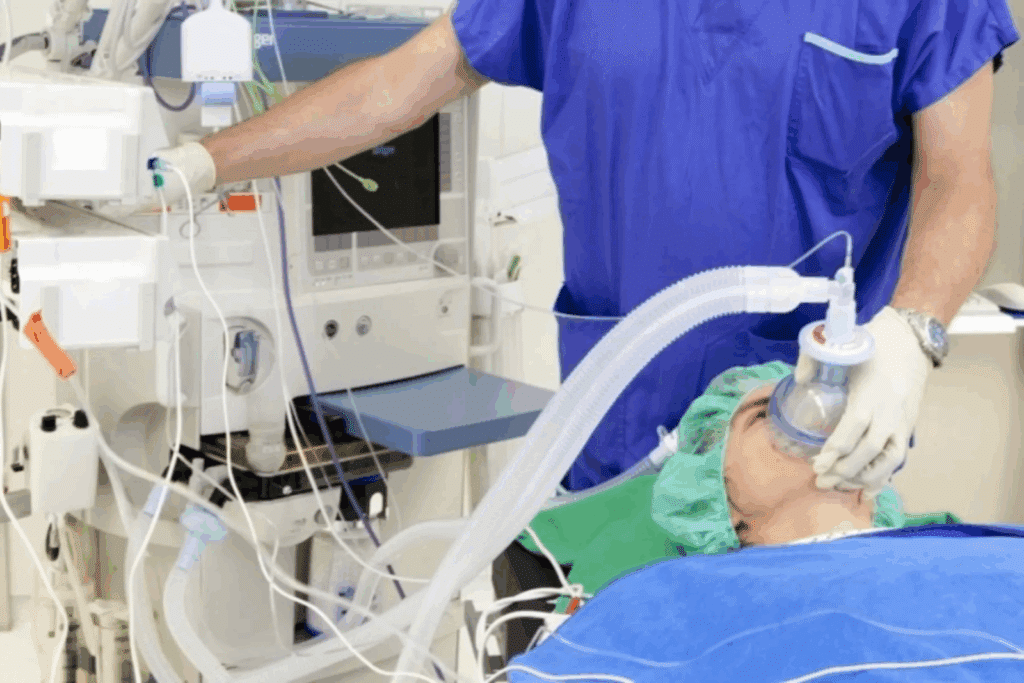
Did you know that advances in medical technology have made anesthesia safer? Recent studies show a big drop in anesthesia-related deaths. Now, we can better protect patients during surgery.anesthesia mortality rateSurgery Complication Rate Explained
As we keep improving anesthesia safety, it’s key for patients to know the risks. We’ll look at the latest anesthesia death statistics and what they mean for those having surgery. Knowing these risks helps patients make better choices about their care.
Key Takeaways
- The risks linked to anesthesia have gone down a lot thanks to new medical tech.
- It’s very important for patients to understand anesthesia safety before surgery.
- Today’s anesthesia death stats show a big drop in deaths.
- Patients should know the risks to make smart choices about their care.
- Thanks to ongoing medical progress, anesthesia safety keeps getting better.
What is Anesthesia and Its Purpose?
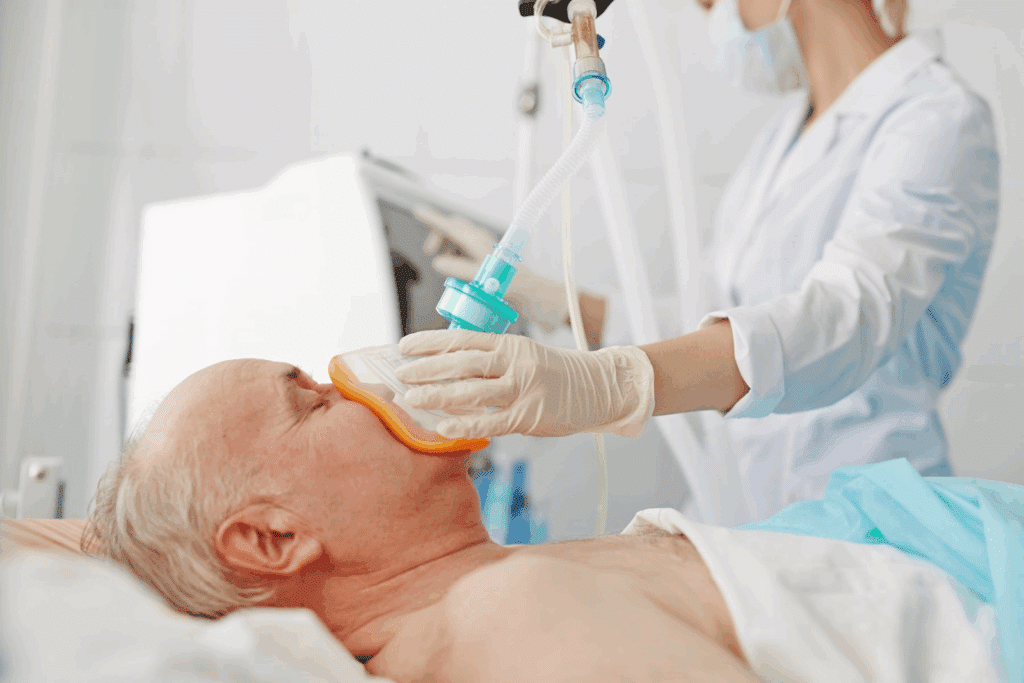
Anesthesia plays a crucial role in modern surgery by ensuring that patients remain comfortable and safe. It blocks pain during surgeries, letting patients go through operations without pain. This makes surgeries less stressful for them.
Anesthesia isn’t just one thing; it includes many types for different surgeries and patients. Knowing about these types helps us see how important anesthesia is in healthcare.
Overview of Anesthesia Types
There are several types of anesthesia. General anesthesia makes patients unconscious, perfect for big surgeries. Regional anesthesia numbs a bigger area, like the lower body, for surgeries there. Local anesthesia numbs a small area for minor surgeries.
Choosing the right anesthesia depends on the surgery, the patient’s health, and what the patient wants. For example, general anesthesia is used for complex surgeries. But for less invasive procedures, regional or local anesthesia might be better.
Importance in Surgical Procedures
Anesthesia is vital in surgeries because it keeps patients pain-free. This makes patients more comfortable and lets surgeons work without interruptions. Thanks to anesthesia safety statistics, fewer patients die during surgeries now.
Anesthesia also covers pre and post-surgery care. Anesthesiologists work hard to reduce risks and help patients recover well. Looking at anesthesia mortality statistics and anesthesia death rates shows how much work goes into keeping patients safe.
Anesthesia makes surgeries safer and more successful. As medical technology gets better, anesthesia will keep playing a big role in patient care.
Anesthesia Mortality Rate: Definition and Statistics
Medical technology has improved a lot, leading to fewer deaths related to anesthesia. This is thanks to better techniques, more monitoring, and a better understanding of patient care. We will look at how safety in anesthesia has changed over time and what has helped it get better.
Historical Data on Anesthesia Mortality
Anesthesia has changed a lot over the years. In the past, there were more deaths because of less advanced techniques and poor monitoring. But, thanks to new advancements, death rates have dropped a lot.
Key Historical Milestones:
- Introduction of New Anesthetics: New, safer anesthetics have been key in lowering death rates.
- Advancements in Monitoring: Better monitoring lets doctors check on patients in real time, helping them act fast if needed.
- Standardization of Care: Making anesthesia care the same everywhere has made it safer and more consistent.
Current Trends in Anesthesia Safety
Anesthesia safety is getting even better, thanks to new medical technology and practices. Some of the latest trends include:
- Enhanced Patient Screening: Better checks before surgery help doctors plan safer anesthesia for each patient.
- Technological Innovations: New tools and systems for giving anesthesia and monitoring patients have made it safer.
- Evidence-Based Practices: Using proven methods in anesthesia care has led to better results.
These changes show a strong focus on making anesthesia safety rates better and cutting down on anesthesia death probability. Looking at anesthesia mortality data helps us understand the risks and benefits of anesthesia better.
Factors Influencing Anesthesia Risks
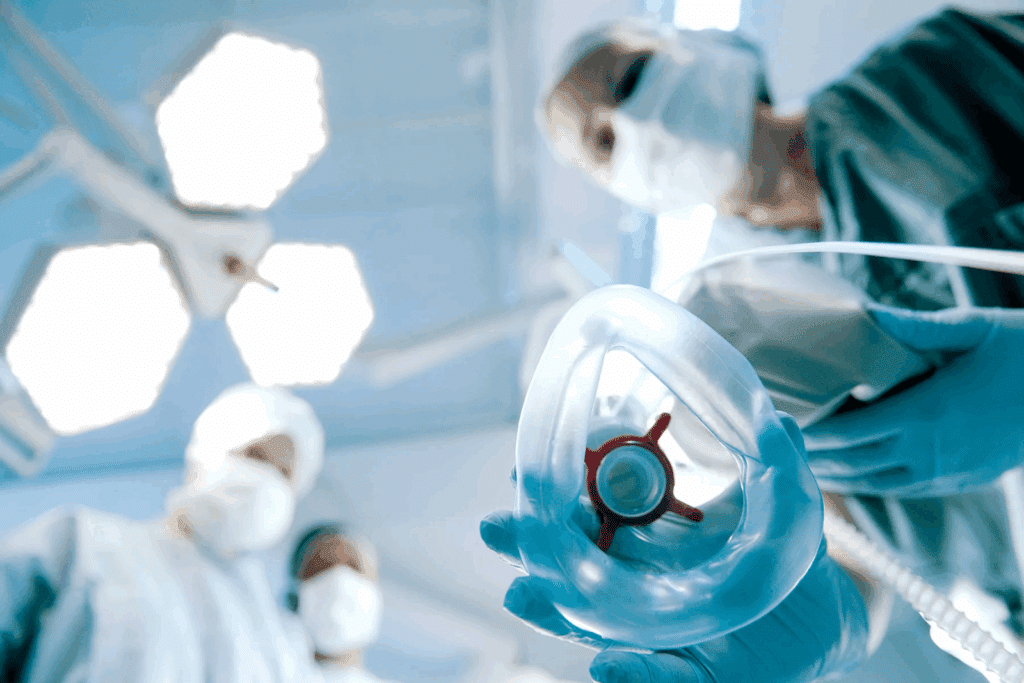
Anesthesia risks depend on many things. These include the patient’s health, how complex the surgery is, and the type of anesthesia used. Knowing these factors helps us make anesthesia safer for everyone.
Patient Health and Medical History
A patient’s health and past medical issues greatly affect anesthesia risks. Conditions like heart disease or diabetes can make anesthesia more complicated. We carefully look at each patient’s health to plan the best anesthesia.
“The presence of comorbid conditions significantly impacts anesthesia risk, underscoring the need for thorough preoperative evaluations.”
Surgery Type and Duration
The type and length of surgery also matter a lot. More complex and longer surgeries are riskier. This is because they can lead to more blood loss, longer anesthesia time, and more stress on the body.
- Complex surgeries need more careful anesthesia planning.
- Long surgeries increase the chance of problems like hypothermia or nerve damage.
Anesthesia outcome statistics show that longer and more complex surgeries have more complications. So, we work hard to plan surgeries and anesthesia carefully to lower these risks.
| Surgery Type | Average Duration | Anesthesia Risk Level |
| Minor Surgery | Less than 1 hour | Low |
| Major Surgery | 1-3 hours | Moderate |
| Complex Surgery | More than 3 hours | High |
Anesthesia Technique Used
The type of anesthesia used is also very important. Different methods, like general, regional, or local anesthesia, have different risks. We choose the best method based on the surgery, the patient’s health, and what the patient prefers.
For example, general anesthesia can cause breathing problems, while regional anesthesia might lead to nerve damage. We think about these risks when picking the right anesthesia.
By understanding and managing these factors, we can lower anesthesia complication rates and improve patient results. Our aim is to give safe and effective anesthesia care that meets each patient’s specific needs.
Understanding Anesthesia Complications
It’s important for patients and healthcare providers to know about anesthesia complications. Anesthesia helps manage pain during surgeries but comes with risks. These risks need to be understood and managed well.
Common Short-term Complications
Short-term anesthesia complications can be mild or severe. They often involve breathing and heart problems. Here are some common ones:
- Respiratory depression, where breathing becomes shallow or slow.
- Nausea and vomiting, which can be distressing but are typically managed with medication.
- Allergic reactions to anesthesia, which can be severe but are rare.
Anesthesia complication statistics show these issues are rare. But knowing about them is key for patient safety. We watch patients closely during and after anesthesia to spot and handle any problems quickly.
Potential Long-term Effects
Long-term anesthesia effects are less common but can happen. These might include:
- Persistent cognitive dysfunction, sometimes referred to as postoperative cognitive dysfunction (POCD).
- Awareness during surgery, though this is very rare with today’s anesthesia.
Studies on anesthesia safety data show long-term risks can be lowered. This is done by choosing patients carefully, using the right anesthesia doses, and giving good postoperative care. We also use anesthesia risk data to make our practices better and improve patient results.
By knowing about these complications and taking steps to reduce risks, we can make sure patients get safe and effective anesthesia care.
Anesthesia Monitors and Safety Protocols
Advanced anesthesia monitors and safety protocols are key to reducing risks. They help ensure anesthesia is given safely. This lowers the chance of complications.
Role of Anesthesia Monitors
Anesthesia monitors watch a patient’s vital signs and anesthesia depth during surgery. They include:
- Electrocardiogram (ECG) for heart activity
- Pulse Oximetry for oxygen levels
- Capnography for carbon dioxide in breath
- Blood Pressure Monitoring for stability
These tools help anesthesiologists adjust care quickly. This keeps patients stable during surgery.
Safety Protocols in the Operating Room
Safety protocols prevent bad events during anesthesia. Important steps include:
- Pre-anesthesia checks to confirm patient and surgery details
- Use of checklists to check equipment
- Continuous monitoring of the patient’s state
- Team communication for coordinated care
Following these protocols greatly lowers the risk of death or serious harm from anesthesia.
In summary, using advanced monitors and strict safety rules is vital for safe anesthesia care. We keep improving these methods to better patient outcomes.
Informed Consent and Patient Rights
Informed consent is key in patient care, mainly with anesthesia. It’s vital for patients to know the risks and benefits of anesthesia. This way, they can make informed decisions about their care.
The Significance of Informed Consent
Informed consent is more than a legal rule; it’s about respecting patients’ autonomy. By sharing clear information about anesthesia, we help patients make choices that fit their values. This includes talking about risks, benefits, and other options, so patients can give their consent.
The importance of informed consent is clear in several areas:
- Patient Autonomy: It respects patients’ right to decide about their care.
- Risk Management: Knowing risks helps patients prepare for and handle complications.
- Trust Building: The informed consent process builds trust between patients and healthcare providers.
Patients’ Right to Know Risks
Patients have the right to know all about anesthesia risks. This includes short-term and long-term complications and how to avoid them. We promise to be transparent, giving patients accurate and unbiased information to help them make informed choices.
Important things patients should know include:
- The type of anesthesia and its risks.
- The qualifications and experience of the anesthesia team.
- The safety and monitoring protocols during anesthesia.
By knowing all this, patients can feel more confident and ready for their procedure. They know their safety and well-being are our main concern.
How to Minimize Anesthesia Risks
To lower anesthesia risks, healthcare providers must focus on detailed preoperative evaluations and careful postoperative care. This approach helps improve patient safety and outcomes.
“The key to successful anesthesia lies in careful planning and monitoring,”of Anesthesiologists. This highlights the need for a detailed approach to anesthesia care.
Preoperative Assessments
Preoperative assessments are key in spotting risks and finding ways to reduce them. We do thorough medical histories, physical exams, and tests to check the patient’s health.
- Reviewing the patient’s medical history to identify any conditions that could affect anesthesia.
- Conducting physical examinations to assess the patient’s current health status.
- Ordering diagnostic tests as needed to further evaluate the patient’s condition.
By doing this, we can make the anesthesia plan fit the patient’s needs, reducing risks.
Postoperative Monitoring
Postoperative monitoring is also vital for patient safety after anesthesia. We watch patients in the recovery room for any complications and manage their pain well.
Effective postoperative care includes:
- Monitoring vital signs and watching for signs of complications.
- Managing pain through appropriate medication and techniques.
- Providing clear instructions for post-discharge care to patients and their caregivers.
Asa renowned anesthesiologist, notes, “Postoperative care is not just about managing pain; it’s about ensuring the patient’s overall recovery and safety.”
By combining thorough preoperative assessments with careful postoperative monitoring, we can greatly reduce anesthesia risks. This ensures the best outcomes for our patients.
Innovations in Anesthesia Technology
Technological advancements in anesthesia have greatly improved patient care and safety. We see big changes in how anesthesia is given and watched over, thanks to new tech.
Advancements in Anesthesia Delivery Systems
Today’s anesthesia delivery systems are much better, thanks to new software and hardware. They help doctors control the anesthetic more accurately. This lowers the chance of problems.
Key Features of Advanced Anesthesia Delivery Systems:
- Precise control over anesthetic dosage
- Advanced ventilation modes for better patient management
- Integrated monitoring systems for real-time feedback
Impact of Technology on Safety
Technology has made anesthesia care much safer for patients. New monitoring systems can spot issues early. This lets doctors act fast.
Some notable safety innovations include:
- Continuous vital sign monitoring
- Automated record-keeping for improved documentation
- Alert systems for possible anesthesia-related complications
These tech upgrades don’t just make care safer. They also make it more efficient. This leads to better results for patients during surgery.
What to Expect During Anesthesia
Knowing what to expect during anesthesia can greatly improve your surgical experience. The thought of anesthesia can be scary, but knowing the process can help ease your worries. It prepares you for what’s to come.
Preoperative Procedure
We do a detailed preoperative check to make sure you’re safe under anesthesia. We look at your medical history, talk about allergies, and explain the anesthesia type. We also give you instructions on fasting, medication, and other preparations.
On surgery day, you’ll go to the preoperative area. Our anesthesiologist will discuss the anesthesia plan with you. They’ll also start an IV line for medications and fluids.
Intraoperative Experience
In the operating room, our team will watch over you during the surgery. The anesthesiologist will give you anesthesia and check your vital signs. You might be fully asleep or just numb in the surgery area.
We use advanced monitoring to keep an eye on you. We’re ready to adjust anything to keep you safe and comfortable.
Postoperative Recovery
After surgery, you’ll go to the recovery room. Our team will watch you as you wake up from anesthesia. We’ll manage any pain and give you medication to keep you comfortable.
When you’re stable and comfortable, we’ll let you go home. We’ll give you instructions on caring for yourself, including pain management and wound care. Our team is here to support you through your recovery.
Understanding the anesthesia process can make you feel more ready for your surgery. We’re committed to giving you the best care and support every step of the way.
Resources for Patients and Families
Understanding anesthesia and its risks is key for those going through surgery. Many resources are out there to help patients and their families. They offer more information and support.
Accessing Educational Materials
Patients can find lots of educational materials. This includes brochures, online resources, and videos. These help patients learn about anesthesia and what to expect during surgery.
Support and Advocacy
There are also groups for support and advocacy. These offer a place for patients to share their stories and get advice. They can talk to others who have gone through similar things.
Using these resources can make patients feel more in control and supported. It helps them through their anesthesia and surgery journey.
FAQ
What is the current anesthesia mortality rate?
Anesthesia mortality rates have dropped a lot. Now, about 1 death happens for every 200,000 to 300,000 anesthetics given. This is thanks to better safety, monitoring, and techniques.
What are the different types of anesthesia and their associated risks?
There are many types of anesthesia, like general, regional, and local. Each has its own risks. General anesthesia, for example, is riskier than local anesthesia. Knowing the type of anesthesia and its risks is key for safety.
How has anesthesia safety improved over time?
Safety in anesthesia has gotten much better. This is thanks to new technology, better monitoring, and more training for providers. Old data shows a big drop in deaths related to anesthesia, showing these improvements.
What factors influence the risk of anesthesia complications?
Many things can affect the risk of anesthesia problems. These include the patient’s health, the surgery’s complexity, and the anesthesia type. Conditions like heart disease or diabetes can also raise risks.
What are the common complications associated with anesthesia?
Short-term anesthesia problems include nausea, vomiting, and breathing issues. Long-term, there can be brain problems or, rarely, permanent damage. Knowing these risks helps with informed consent.
How do anesthesia monitors and safety protocols contribute to patient safety?
Monitors and protocols are vital for safety during surgery. They let doctors track vital signs and anesthesia levels in real-time. This way, they can act fast if needed. Pre-op checks and post-op monitoring also help keep patients safe.
Why is informed consent important for anesthesia?
Informed consent is key because it lets patients make informed choices. They need to know about anesthesia risks and benefits, and any other options.
How can patients minimize their risks associated with anesthesia?
Patients can lower risks by getting full pre-op checks and sharing their health history. Following post-op instructions and going to follow-up visits also helps.
What advancements have been made in anesthesia technology?
New tech in anesthesia includes better delivery systems and monitoring tools. These advancements help control anesthesia more precisely and catch problems sooner.
What should patients expect during the anesthesia process?
Patients should expect a detailed pre-op check before anesthesia. During the surgery, they’ll be watched closely, focusing on comfort and safety. After, they’ll be checked for complications and pain managed.
Where can patients find additional resources and support related to anesthesia?
Patients and families can find help through educational materials, support groups, and organizations focused on anesthesia and surgery. These offer important info and support, improving care.
References
JAMA Network. Evidence-Based Medical Insight. Retrieved from https://jamanetwork.com/journals/jama/fullarticle/2749045