Many couples going through IVF worry about aneuploid embryos. These embryos have the wrong number of chromosomes. But, new studies give hope.
Research shows some aneuploid embryos can fix themselves. This means they can grow into healthy babies. At Liv Hospital, we keep up with this research. We offer our patients the newest IVF treatments.
Analysis of the risks and rare possibilities of a aneuploid embryos healthy baby outcome.
Key Takeaways
- Recent studies show that some aneuploid embryos can self-correct during development.
- This self-correction can lead to successful pregnancies.
- Liv Hospital is dedicated to implementing the latest research findings.
- The possibility of aneuploid embryos leading to healthy babies is exciting.
- Learning about aneuploid embryos’ abilities can change how we do IVF.
Understanding Aneuploid Embryos
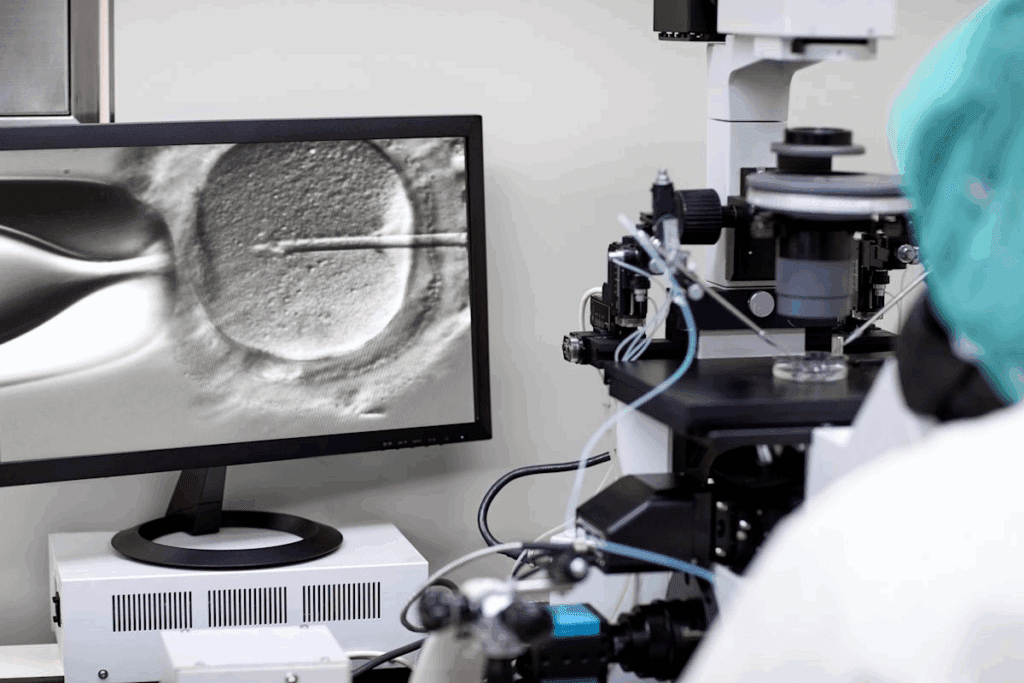
It’s key for fertility experts and patients to grasp what aneuploid embryos are. Aneuploidy means an embryo has the wrong number of chromosomes. This affects its health and chances of growing well.
What Are Chromosomal Abnormalities?
Chromosomal issues happen when a cell has the wrong number of chromosomes. Normally, humans have 46 chromosomes in 23 pairs. But, aneuploidy means a cell might have too many or too few.
Types of chromosomal abnormalities include having the wrong number of chromosomes or changes in the chromosome’s structure. These changes can harm an embryo’s growth and health.
Types of Aneuploidy in Embryos
Aneuploidy in embryos can take two main forms: trisomy and monosomy.
- Trisomy: This is when an embryo has an extra chromosome, leading to three copies of a chromosome instead of two. For example, Trisomy 21 is linked to Down syndrome.
- Monosomy: This happens when an embryo has only one copy of a chromosome, instead of the usual pair. Monosomy X, or Turner syndrome, is a case where a person has only one X chromosome.
Both trisomy and monosomy can greatly affect an embryo’s development and survival chances.
How Common Are Aneuploid Embryos?
Aneuploid embryos are more common than you might think, and this is true in some situations. The chance of aneuploidy goes up with the mother’s age.
| Maternal Age | Estimated Aneuploidy Rate |
|---|---|
| 20-24 years | 5-10% |
| 35-39 years | 20-30% |
| 40-44 years | 40-50% |
| 45 years and above | 80-90% |
This table shows how maternal age affects the rate of aneuploidy in embryos. It shows a clear increase in risk with age.
The Traditional View on Aneuploid Embryos

For a long time, doctors have been careful with aneuploid embryos. This is because they are linked to higher risks of miscarriage and genetic problems. This careful approach comes from years of research and watching how things go in clinics.
Historical Approach to Embryo Selection
Before, doctors picked embryos based on how they looked. But, with new genetic tests, they now check if the chromosomes are right. This change helps find embryos that are more likely to lead to a healthy baby.
When choosing embryos, doctors look at:
- How the embryo looks
- Its chromosomes
- How well it might grow
Why Aneuploid Embryos Were Typically Discarded
Aneuploid embryos were often thrown away because they can lead to problems. These problems include miscarriage, failed implantation, and genetic issues. Doctors thought that aneuploidy made it unlikely for a baby to be born healthy.
- High risk of miscarriage
- Potential for chromosomal abnormalities in the offspring
- Low success rate of implantation
Connection Between Aneuploidy and Miscarriage
Aneuploidy is a big reason for early pregnancy loss. Many studies have found that most miscarriages are due to genetic problems in the embryo. It’s clear that aneuploid embryos are more likely to cause pregnancy loss.
Knowing this helps set realistic hopes and make better choices in fertility treatments. It shows how important genetic testing and picking the right embryo are.
Preimplantation Genetic Testing for Aneuploidy (PGT-A)
PGT-A is key for those going through IVF. It spots embryos with the right number of chromosomes. This test checks embryos before they’re transferred during IVF.
How PGT-A Works
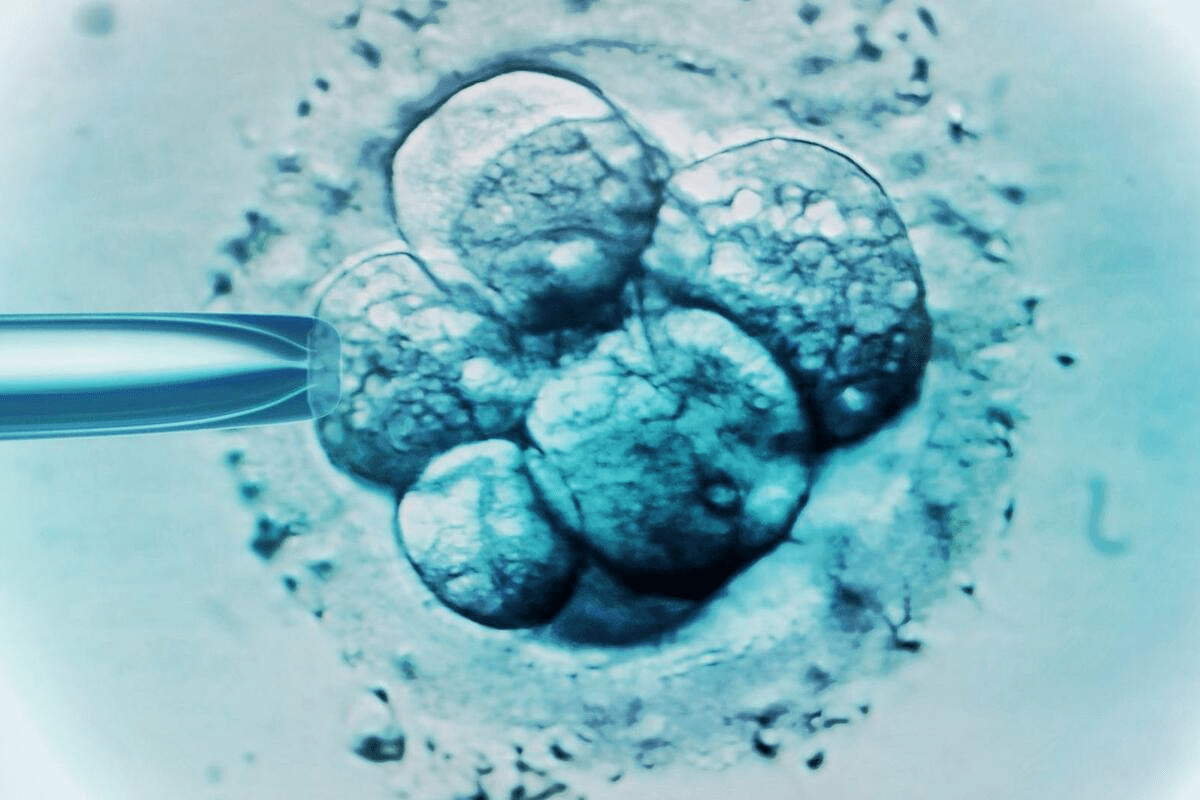
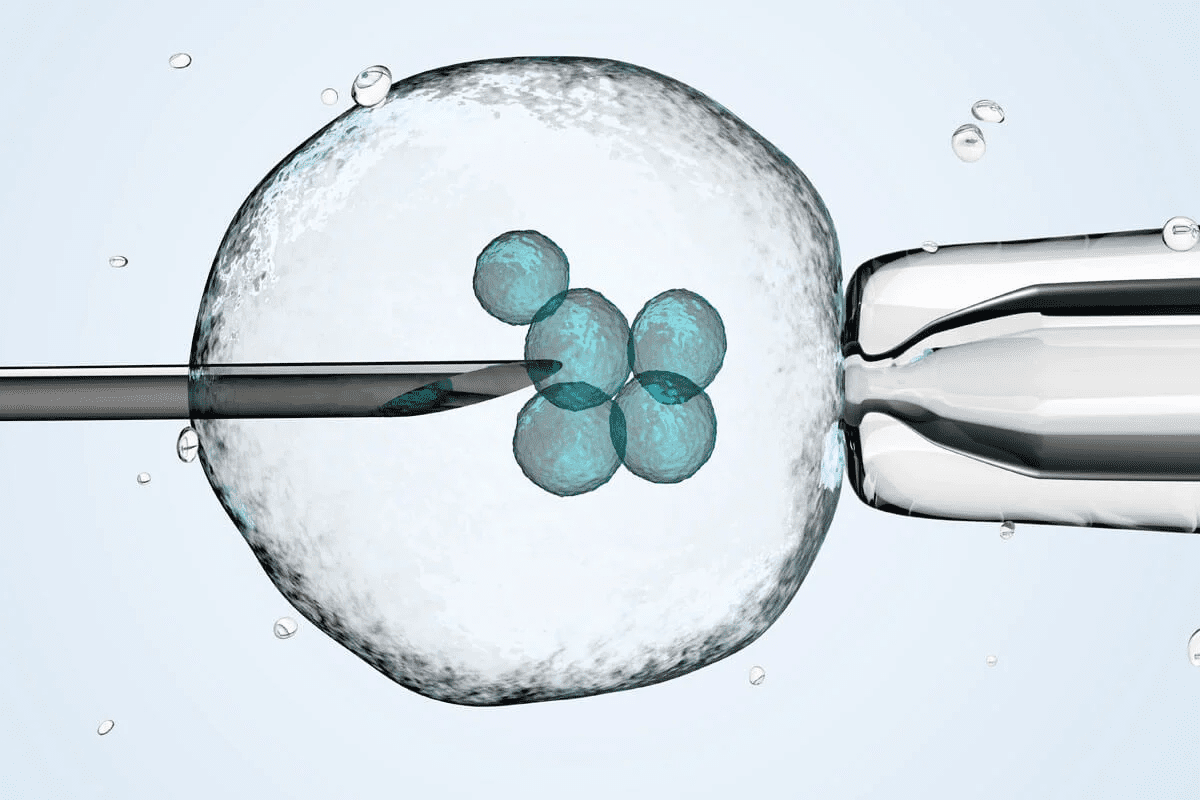
PGT-A takes a few cells from an embryo to check its chromosomes. This is vital for a healthy pregnancy.
The test is done on Day 5 or 6, when the embryo is strong. This makes it safer to take cells for testing.
Limitations of Current Testing Methods
PGT-A is powerful but has limits. One big issue is mosaicism, where an embryo has both normal and abnormal cells.
The test’s accuracy also depends on the quality of the cells taken and the testing method. Knowing these limits is important when looking at PGT-A results.
Interpreting PGT-A Results
Looking at PGT-A results needs careful thought. A euploid result means the embryo has the right number of chromosomes. An aneuploid result means it has the wrong number.
| PGT-A Outcome | Implication |
|---|---|
| Euploid | Normal number of chromosomes; higher chances of a healthy pregnancy |
| Aneuploid | Abnormal number of chromosomes; lower chances of a healthy pregnancy |
| Mosaic | Mix of normal and abnormal cells; possible healthy pregnancy, but with risks |
Knowing about PGT-A helps those going through IVF make better choices.
The Phenomenon of Embryo Self-Correction
Recent studies have shown that some embryos can fix chromosomal problems on their own. This is a big deal for understanding how embryos grow and how some with genetic issues can be born healthy.
Mechanisms of Chromosomal Self-Correction
Research has found that some embryos with genetic issues can fix themselves. They do this by getting rid of cells with the wrong number of chromosomes. This process is complex and scientists are trying to understand it better.
Cellular correction mechanisms are key in this self-fixing process. They might involve cells with genetic problems dying off. This shows how dynamic and changing early embryo development is.
Mosaicism and Its Significance
Mosaicism means an embryo has both normal and abnormal cells. Studies have found that embryos with this condition can grow and develop normally. The normal cells might help balance out the abnormal ones.
The amount of abnormal cells in a mosaic embryo can vary a lot. Some might have just a few abnormal cells, while others might have mostly abnormal cells. Knowing how mosaicism affects development is important for understanding embryo health.
The Role of Placental Tissue in Embryo Rescue
Placental tissue is very important for supporting the growth of an embryo. Recent research suggests it might also help rescue embryos with genetic problems. The placenta can help counteract the effects of genetic issues in the embryo.
The complex relationship between the placenta and the embryo is fascinating. More research into this could help us understand how to support embryos with genetic problems to grow normally.
Can Aneuploid Embryos Result in a Healthy Baby? Recent Research
New studies show that some aneuploid embryos can grow into healthy babies. This is a big change from what we thought before. Researchers at Rockefeller University have made big discoveries about aneuploidy in embryos.
Groundbreaking Studies from Rockefeller University
Researchers at Rockefeller University have done groundbreaking work. They’ve shown that some aneuploid embryos can fix themselves and grow normally.
They used advanced genetic tests and follow-ups to check the embryos’ chromosomes. Their findings were amazing. They found that some aneuploid embryos can lead to healthy, normal babies.
Aneuploid Embryo Success Rates
The success rates of aneuploid embryos vary, the research shows. A key study found that many aneuploid embryos can self-correct and lead to successful pregnancies.
To show the success rates, we made a table:
| Initial Diagnosis | Number of Embryos | Successful Pregnancies | Success Rate (%) |
|---|---|---|---|
| Aneuploid | 100 | 25 | 25% |
| Mosaic Aneuploid | 50 | 15 | 30% |
| Low-Grade Mosaic | 30 | 12 | 40% |
Follow-up Testing and Confirmation of Normal Chromosomes
Follow-up tests were key to confirming the babies’ normal chromosomes. They used detailed genetic analysis of placental tissue and sometimes amniocentesis.
This confirmed that babies from aneuploid embryos can be healthy. It shows how important advanced genetic testing and follow-up are in checking embryo viability.
Recent research has opened new doors in understanding embryo viability. Rockefeller University’s work is a big step forward in this field.
Categories of Aneuploid Embryos and Their Potential
It’s important to know about the different types of aneuploid embryos. This knowledge helps us see if they can lead to a healthy baby. We sort embryos based on how much mosaicism they have and the kind of chromosomal problem they face. This sorting helps doctors and patients decide the best course of action.
Low-Grade Mosaicism (20-80% Aneuploid DNA)
Low-grade mosaicism means 20-80% of the embryo’s cells are not right. Studies show these embryos might have a better chance of implanting and leading to a pregnancy. A study in a top fertility journal found that using these embryos led to more live births.
“Even with low-grade mosaicism, a successful pregnancy is possible,” a study recently said. This news changes how we talk to patients about their embryos’ chances.
High-Grade Aneuploidy
High-grade aneuploidy means more than 80% of the cells are not right. These embryos usually have a lower chance of leading to a healthy baby. But, recent studies suggest some high-grade aneuploid embryos might lead to a pregnancy, though it’s rare.
- High-grade aneuploid embryos often face a higher risk of miscarriage.
- Choosing to transfer a high-grade aneuploid embryo depends on the patient’s health history and past IVF results.
Specific Chromosomal Abnormalities and Their Prognosis
Different chromosomal problems affect embryos differently. For example, trisomy 16 often leads to early miscarriage. But, other issues like monosomy X might result in a live birth, though the baby might have health problems.
| Chromosomal Abnormality | Prognosis |
|---|---|
| Trisomy 16 | Poor prognosis, often associated with early miscarriage |
| Monosomy X | Possible live birth, often with Turner syndrome |
In conclusion, knowing about the types of aneuploid embryos is key in IVF. By looking at the level of mosaicism and the type of chromosomal issue, we can guess better how each embryo might do.
Clinical Decision-Making for Aneuploid Embryos
Deciding what to do with aneuploid embryos is complex. It involves many medical and personal factors. Understanding the current medical guidelines is key to making these decisions.
Current Medical Guidelines
Guidelines from the American Society for Reproductive Medicine (ASRM) and the Preimplantation Genetic Diagnosis International Society (PGDIS) are vital. They help doctors make choices. These guidelines highlight the role of Preimplantation Genetic Testing for Aneuploidy (PGT-A) in spotting abnormal embryos.
“PGT-A has changed reproductive medicine,” says Medical Expert, a reproductive genetics expert. “But, it’s important to consider each patient’s situation when looking at PGT-A results.”
Do Chromosomally Abnormal Embryos Implant?
Can chromosomally abnormal embryos implant? Research shows yes, but success rates vary. Factors like mosaicism level and specific chromosomal issues play a role.
Embryos with low mosaicism levels might have a better chance of implanting. But, the risks of miscarriage and failed implantation must be weighed against any benefits of transferring these embryos.
Factors Influencing Transfer Decisions
Several things affect the decision to transfer aneuploid embryos. These include:
- The level of mosaicism detected by PGT-A
- The specific chromosomal abnormalities identified
- Patient age and reproductive history
- Previous IVF cycle outcomes
- Patient preferences and values
We must look at all these factors together. This way, we can offer care that meets each patient’s unique needs and circumstances.
Counseling Patients About Aneuploid Embryo Options
Talking to patients about aneuploid embryo options is key in their fertility journey. It helps them make informed decisions. We must offer full support to those facing these tough choices.
The Role of Genetic Counselors
Genetic counselors are vital in helping patients decide on aneuploid embryo transfer. They explain the risks and benefits of aneuploidy. This helps patients understand their choices better.
Genetic counselors do more than just the initial talk. They offer ongoing support and guidance. This ensures patients get the care and understanding they need.
Discussing Risks and Possible Benefits
Talking about aneuploid embryo transfer must cover both risks and benefits. There’s a chance of failed pregnancy or health issues in the child. Yet, some aneuploid embryos might develop into healthy babies.
Transferring an aneuploid embryo might avoid the need for more egg retrieval cycles. This can save patients emotional and financial stress. But, the risks of miscarriage and chromosomal problems must be weighed.
Emotional and Financial Considerations
Choosing to transfer an aneuploid embryo is not just a medical decision. It’s also emotional and financial. Patients must consider the emotional impact and the financial costs of treatments.
We aim to support patients by addressing these concerns. This way, they can make choices that are right for them, both medically and personally.
Conclusion: The Evolving Understanding of Embryo Viability
Our view of aneuploid embryos is changing a lot. Studies show that some embryos thought to be abnormal can actually grow into healthy babies. This new understanding is opening up new possibilities for people trying to have a baby.
Research from places like Rockefeller University has given us new insights. They’ve found out how some embryos can fix themselves and grow normally. This makes us rethink the old idea of throwing away abnormal embryos, giving hope to many.
We can now talk to patients about the chances of aneuploid embryos becoming healthy babies. This knowledge helps us make better choices about when to transfer an embryo. It’s all about weighing the risks and benefits for each person.
As we learn more, our understanding of aneuploid embryos will keep getting better. This will help us give even better care to those dealing with fertility issues. It’s a step forward in helping people have the babies they dream of.
FAQ
What is an aneuploid embryo?
An aneuploid embryo has an abnormal number of chromosomes. This can make it hard to conceive and can lead to genetic disorders.
Can aneuploid embryos result in healthy babies?
Yes, recent studies show that some aneuploid embryos can develop normally. They can even result in healthy babies.
What is preimplantation genetic testing for aneuploidy (PGT-A)?
PGT-A is a key tool in fertility treatments. It helps find embryos with the right number of chromosomes by spotting aneuploidy.
How common are aneuploid embryos?
Aneuploid embryos are quite common. Their numbers go up with age, more so in women over 35.
Do chromosomally abnormal embryos implant?
Yes, some abnormal embryos can implant. But, the chance of a successful pregnancy is lower than with normal embryos.
What is the success rate of aneuploid embryo transfer?
The success rate of transferring aneuploid embryos varies. It depends on how abnormal the embryo is and the specific chromosomal issues.
What is mosaicism, and how does it affect embryo viability?
Mosaicism means an embryo has both normal and abnormal cells. The impact of mosaicism depends on the number of abnormal cells and the chromosomes involved.
How do genetic counselors help patients making decisions about aneuploid embryos?
Genetic counselors are vital in guiding patients. They explain the risks and benefits of using aneuploid embryos. They also consider the emotional and financial aspects.
What are the different categories of aneuploid embryos?
Aneuploid embryos fall into several categories. These include low-grade mosaicism, high-grade aneuploidy, and specific chromosomal issues. Each category has its own chance of leading to a healthy baby.
National Center for Biotechnology Information. Aneuploidy Correction: Viability in IVF Pregnancies. Retrieved from https://pmc.ncbi.nlm.nih.gov/articles/PMC10504192/