


Every year, thousands of people worldwide face a potentially life-threatening condition called an aneurysm. An aneurysm happens when a blood vessel in the brain or other parts of the body weakens and bulges. This can lead to severe consequences if it ruptures.
Getting an aneurysm can be a scary experience. The severity of the condition depends on several factors. These include its location, size, and if it has ruptured. We will look into the basics of aneurysms, their risks, and why it’s important to seek medical help.
Key Takeaways
- An aneurysm is a potentially life-threatening condition that occurs when a blood vessel weakens and bulges.
- The severity of an aneurysm depends on its location, size, and whether it has ruptured.
- Seeking medical attention is critical if an aneurysm is suspected or diagnosed.
- Understanding the risks and basics of aneurysms is essential for patients and their families.
- Prompt medical treatment can significantly improve outcomes for individuals with aneurysms.
What Is an Aneurysm?
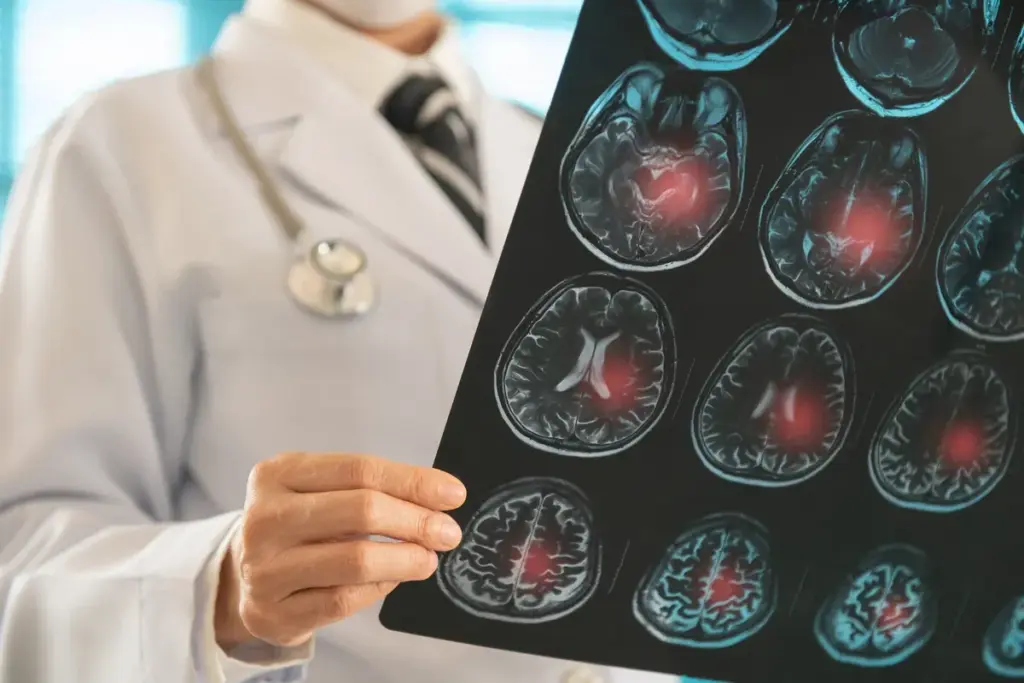
Aneurysms are abnormal bulges in blood vessels that can be life-threatening if they rupture. These vascular anomalies occur due to a weakening in the blood vessel wall, leading to a balloon-like dilation. Knowing what an aneurysm is, its types, and how it forms is key for early detection and effective management.
Medical Definition and Types
An aneurysm is medically defined as a localized, blood-filled dilation of a blood vessel caused by disease or weakening of the vessel wall. There are several types of aneurysms, including:
- Brain Aneurysms (Cerebral Aneurysms): These occur in the blood vessels of the brain.
- Aortic Aneurysms: Found in the aorta, the main blood vessel that carries blood from the heart.
- Peripheral Aneurysms: Occur in blood vessels other than the aorta, such as in the legs, neck, or spleen.
How Aneurysms Form in Blood Vessels
Aneurysms form due to a weakening of the blood vessel wall. This can be caused by genetic predisposition, high blood pressure, and atherosclerosis (the buildup of plaque on the inner walls of the arteries). When the wall of the blood vessel becomes weakened, it can no longer withstand the pressure of the blood flowing through it, leading to a bulge.
Prevalence and Statistics
Aneurysms are more common than one might think. According to various studies, the prevalence of aneurysms varies depending on the location and population being studied. For instance, cerebral aneurysms are estimated to occur in about 3-5% of the general population. The table below summarizes some key statistics on aneurysm prevalence.
|
Type of Aneurysm |
Estimated Prevalence |
|---|---|
|
Cerebral (Brain) Aneurysm |
3-5% |
|
Aortic Aneurysm |
2-5% in men, 1-2% in women |
|
Peripheral Aneurysm |
Varies widely depending on location |
Understanding these statistics and the nature of aneurysms is key for both healthcare providers and the general public. It helps appreciate the risks and take preventive measures.
Different Types of Aneurysms
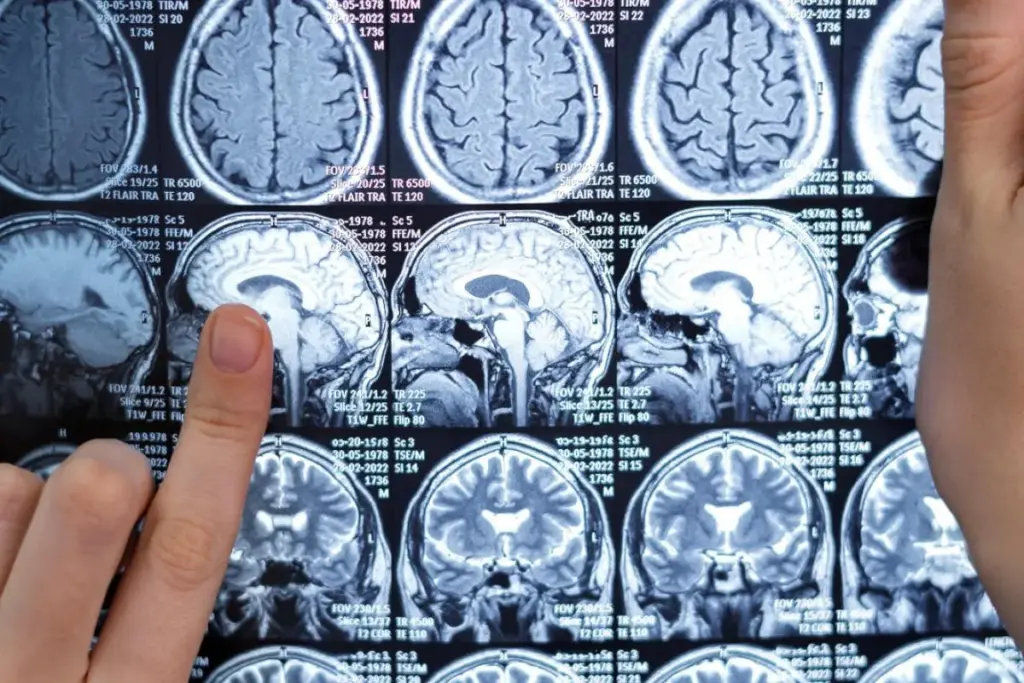
There are many types of aneurysms, each with its own risks. They are classified by where they occur in the body.
Brain Aneurysms (Cerebral)
Brain aneurysms happen in the brain’s blood vessels. They often appear at artery junctions, where the walls are weak. Brain aneurysms can be very dangerous because they can burst and cause a stroke. This can lead to serious brain damage or even death.
Aortic Aneurysms
Aortic aneurysms happen in the aorta, the main blood vessel. They can be in the abdomen (AAA) or the chest (TAA). Aortic aneurysms can be deadly if they burst. So, finding and managing them quickly is very important.
- Abdominal aortic aneurysms (AAA) are more common. They are often linked to smoking and high blood pressure.
- Thoracic aortic aneurysms (TAA) are less common. They can be caused by genetic conditions like Marfan syndrome.
Peripheral Aneurysms
Peripheral aneurysms happen in blood vessels not in the aorta or brain. They are often found behind the knee, in the thigh, or in the neck. While not as common, peripheral aneurysms can be risky. They can cause problems like limb ischemia and rupture.
Knowing about the different aneurysms is key for diagnosis and treatment. Each type has its own challenges and risks. This means treatment needs to be tailored to each case.
Understanding Brain Aneurysms in Detail
It’s important to know about brain aneurysms to diagnose and treat them well. A brain aneurysm is a serious condition where a blood vessel in the brain weakens and bulges. We’ll look into how they form, where they usually happen, and their risks to patients.
Structure and Formation
A brain aneurysm forms at a weak spot in a blood vessel, often where it splits into smaller branches. The structure of an aneurysm looks like a balloon bulge. It’s caused by a mix of genetics, environment, and lifestyle.
The walls of brain blood vessels have layers. When these layers get weak, the vessel can bulge, creating an aneurysm. Factors like high blood pressure, smoking, and genetics can weaken these walls.
Common Locations in the Brain
Brain aneurysms often happen at the brain’s base, near the Circle of Willis. This area is key for blood flow to the brain. The basilar artery is also a common spot for aneurysms.
Aneurysms can be found in different parts of the brain:
- Aneurysms of the anterior communicating artery
- Aneurysms of the posterior communicating artery
- Basilar artery aneurysms
Each spot has its own challenges for doctors to treat. Knowing where aneurysms occur helps doctors plan better treatments.
By studying brain aneurysms, we can grasp the dangers they pose. Early detection and the right treatment are key to preventing rupture and helping patients.
Risk Factors for Developing an Aneurysm
Knowing what can lead to aneurysms is key to preventing and catching them early. Many things can cause an aneurysm. Knowing these can help people take steps to avoid them.
Genetic and Hereditary Factors
Genetics are a big part of aneurysm development. If your family has a history of aneurysms, you’re more likely to get one. Certain genetic conditions, like polycystic kidney disease and Ehlers-Danlos syndrome, also raise your risk.
Lifestyle Contributors
How you live can also affect your risk of an aneurysm. Smoking harms blood vessel walls. High blood pressure puts extra stress on blood vessels, making them more likely to burst.
Medical Conditions That Increase Risk
Some health issues can also up your risk of an aneurysm. For example, atherosclerosis (plaque buildup in arteries) and infections that harm blood vessels can weaken walls. This makes them more likely to form an aneurysm.
Warning Signs and Symptoms of an Aneurysm
Spotting aneurysm symptoms early can greatly help patients. Aneurysms, found in the brain or elsewhere, show various signs. It’s important to know these symptoms.
Brain Aneurysm Symptoms
Brain aneurysms can cause symptoms due to pressure or rupture. Common signs include:
- Severe headache, often described as “the worst headache” ever experienced
- Nausea and vomiting
- Confusion or altered mental state
- Seizures
- Visual disturbances, including double vision or loss of vision
Aortic Aneurysm Symptoms
Aortic aneurysms might not show symptoms until they’re large or ruptured. Symptoms include:
- Pain in the chest, back, or abdomen
- Pulsating feeling in the abdomen
- Difficulty swallowing or breathing due to pressure on adjacent structures
- Coughing or hoarseness
Unruptured vs. Ruptured Aneurysm Presentation
Unruptured aneurysms might not show symptoms or cause mild ones. Ruptured aneurysms, on the other hand, have sudden and severe symptoms.
|
Symptom |
Unruptured Aneurysm |
Ruptured Aneurysm |
|---|---|---|
|
Headache |
Mild to moderate |
Severe, often described as “thunderclap” |
|
Nausea/Vomiting |
Less common |
Common |
|
Consciousness |
Usually normal |
Altered, potentially loss of consciousness |
Knowing these differences is key for early detection and treatment. If you or someone you know shows symptoms of an aneurysm, get medical help right away.
Neurological Signs of a Brain Aneurysm
It’s important to know the neurological signs of a brain aneurysm early. A brain aneurysm can put pressure on brain tissues. This leads to various symptoms.
Blown Pupil and Visual Disturbances
A blown pupil is a sign of a brain aneurysm, often with other symptoms. Visual disturbances like double vision or blurred vision are common. These happen because the aneurysm presses on vision nerves.
Speech and Cognitive Changes
Changes in speech and thinking can mean a brain aneurysm. You might have slurred speech or trouble finding words. Memory issues or problems with judgment can also occur.
Motor Function Impairment
Motor function issues are another sign of a brain aneurysm. You might feel weakness or paralysis in certain areas. For example, an aneurysm near the motor cortex can cause limb weakness.
Spotting these signs early is key. It can greatly improve outcomes for those with a brain aneurysm. If you notice any symptoms, seek medical help right away.
What Happens During an Aneurysm Rupture
An aneurysm rupture is a serious event that needs quick medical help. It happens when the weak wall of the aneurysm bursts. This causes bleeding into the tissue around it.
The Physiological Process
When an aneurysm ruptures, blood suddenly spills into the area around it. This can quickly raise pressure and harm nearby brain tissue or other areas. The rupture also starts an immediate inflammatory response, causing more damage from the blood pressure.
The severity of the rupture depends on several factors, including the size and location of the aneurysm. Larger aneurysms are more likely to rupture. The location can also affect how severe the symptoms are and the outcome.
Immediate Effects on the Body
The effects of an aneurysm rupture are severe. Symptoms include severe headache, nausea, vomiting, and loss of consciousness. It can also cause stroke, brain damage, and even death if not treated quickly.
As one medical expert notes,
“The moment an aneurysm ruptures, the clock starts ticking. Every minute counts in saving the patient’s life and preventing further brain damage.”
Survival Rates and Critical Timeframes
Survival rates after an aneurysm rupture depend on many factors, including how fast and well medical care is given. Research shows that quick action can greatly improve outcomes.
|
Time to Treatment |
Survival Rate |
|---|---|
|
Within 0-2 hours |
65% |
|
Within 2-6 hours |
45% |
|
After 6 hours |
25% |
The table shows how important quick medical help is. If you think you’re having an aneurysm rupture, get help right away.
We know an aneurysm rupture is a life-threatening situation that needs fast and effective treatment. By understanding what happens, we see why quick medical care is so critical.
Diagnosis Methods for Aneurysms
Diagnosing an aneurysm needs a mix of tools and techniques. It’s key to find the right treatment and help patients get better.
Imaging Techniques
Imaging is a big part of finding aneurysms. Here are some common ways:
- Computed Tomography (CT) scans: CT scans use X-rays to show detailed brain images.
- Magnetic Resonance Imaging (MRI): MRI uses magnetic fields and radio waves to see inside the body.
- Cerebral Angiography: This method uses dye to see the aneurysm and blood vessels.
Cerebrospinal Fluid Analysis
CSF analysis helps find aneurysms, mainly after they rupture. It looks for signs of bleeding or other issues.
A lumbar puncture, or spinal tap, is used to get CSF for testing.
Challenges in Early Detection
Finding aneurysms early is hard, even with new tech. Many aneurysms don’t show symptoms until they burst. The size and where the aneurysm is also matter.
Doctors must be careful and use many methods to spot aneurysms early. This can save lives.
Emergency Treatment for Ruptured Aneurysms
When an aneurysm ruptures, it’s a serious emergency. It causes bleeding into the tissue around it. This can lead to severe damage and even death. Getting medical help right away is key to treating it effectively.
Immediate Medical Interventions
The first thing doctors do is stabilize the patient. They use medicines to control blood pressure and stop more bleeding. They also manage pain and try to prevent seizures. Keeping an eye on the patient’s brain function is very important.
Here are some immediate steps doctors take:
- They give nimodipine to stop blood vessels from narrowing
- They use drugs to keep blood pressure in check
- They give anticonvulsants to stop seizures
- They use painkillers to manage pain
Surgical Options
Surgery is often needed to fix or remove the ruptured aneurysm. There are two main surgeries: clipping and coiling. The choice depends on the aneurysm’s size, location, and the patient’s health.
|
Surgical Option |
Description |
Advantages |
|---|---|---|
|
Surgical Clipping |
They place a metal clip at the aneurysm’s neck to stop bleeding |
High success rate, quick results |
|
Endovascular Coiling |
A less invasive method where coils fill the aneurysm |
Less invasive, faster recovery |
Managing Complications
Handling complications is a big part of treating ruptured aneurysms. Complications like vasospasm, hydrocephalus, and re-bleeding can happen. Doctors watch for these and act fast if they see them.
Vasospasm is treated with nimodipine. Hydrocephalus might need a ventricular drain. Re-bleeding is a serious issue that needs surgery right away.
In summary, treating ruptured aneurysms needs a team effort. This includes quick medical care, surgery, and managing complications. Knowing about these steps helps patients and their families understand what to expect.
Treatment Options for Unruptured Aneurysms
Unruptured aneurysms are a complex challenge. There are many treatment options, each with its own benefits and risks. The right treatment depends on the aneurysm’s size, location, and the patient’s health.
Surgical Clipping
Surgical clipping is a traditional and effective method. It involves surgically accessing the aneurysm. A clip is then placed around its neck to stop blood flow.
Benefits: This method can provide a definitive treatment by isolating the aneurysm.
Risks: Like any surgery, there are risks, including damage to surrounding brain tissue.
Endovascular Coiling
Endovascular coiling is a less invasive option. It involves using a catheter to reach the aneurysm. Coils are then deployed to promote clotting and exclude the aneurysm from circulation.
|
Treatment |
Invasiveness |
Recovery Time |
|---|---|---|
|
Surgical Clipping |
High |
Several weeks |
|
Endovascular Coiling |
Low to Moderate |
Less than a week |
Flow Diversion Devices
Flow diversion devices are a newer approach. They are stent-like structures placed across the aneurysm’s neck. They alter blood flow and promote thrombosis within the aneurysm.
Observation and Monitoring
For some patients, observation and monitoring may be recommended. This involves regular imaging studies to track the aneurysm’s size and shape.
In conclusion, treating unruptured aneurysms requires a personalized approach. It considers the aneurysm’s characteristics and the patient’s health. Understanding the treatment options helps patients make informed decisions about their care.
Recovery and Rehabilitation After an Aneurysm
Recovering from an aneurysm is a complex process. It involves immediate hospital care and long-term rehabilitation. Each recovery path is unique, based on the aneurysm’s severity, treatment, and the patient’s health.
Short-term Hospital Recovery
The first step in recovery is in the hospital. Medical staff closely watch over the patient. They focus on stabilizing the patient, managing pain, and preventing complications. This initial phase is key to setting the recovery path.
In the hospital, patients may receive medication to manage symptoms. The medical team also looks out for complications like vasospasm or hydrocephalus.
Long-term Rehabilitation Needs
After leaving the hospital, patients need ongoing rehabilitation. This includes physical, occupational, and speech therapy, based on their needs.
A tailored rehabilitation plan helps patients regain strength and function. It aims to improve their quality of life.
|
Rehabilitation Type |
Purpose |
Benefits |
|---|---|---|
|
Physical Therapy |
Regain physical strength and mobility |
Improved physical function, reduced risk of falls |
|
Occupational Therapy |
Relearn daily living skills |
Increased independence, enhanced daily functioning |
|
Speech Therapy |
Address communication and swallowing issues |
Improved communication, reduced risk of aspiration |
Potential Complications and Deficits
Patients recovering from an aneurysm may face complications or deficits. These can include cognitive, memory, or physical impairments.
Early identification and management of these complications are key to a better recovery. Regular check-ups with healthcare providers are important to address any issues quickly.
Psychological Impact and Support
The psychological effects of an aneurysm should not be ignored. Patients may struggle with anxiety, depression, or other emotional challenges.
Psychological support, through counseling, support groups, or family networks, is essential. It helps patients cope with their experience and adjust to life changes.
Prevention Strategies and Risk Reduction
Preventing aneurysms involves lifestyle changes and managing risk factors. Understanding and tackling the causes of aneurysms can lower your risk.
Lifestyle Modifications
Changing your lifestyle can help prevent aneurysms. Quitting smoking is a big step, as smoking increases aneurysm risk. Keeping your blood pressure healthy through exercise and diet also helps.
Eating more fruits, veggies, and whole grains is good for your blood vessels. Regular exercise improves your heart health and blood pressure.
Medical Management of Risk Factors
Managing health conditions that raise aneurysm risk is key. This includes controlling hypertension and managing diabetes. It’s also important to address other heart disease risks.
Regular doctor visits can catch and manage these conditions early. If you have a family history of aneurysms, talk to your doctor about screenings and prevention.
Screening Recommendations for High-Risk Individuals
Those at higher risk, like those with a family history, should consider screening. Screening tests can spot aneurysms early, allowing for quick action.
Talking to your doctor about screening is important. They’ll look at your risk factors and suggest the best screening plan. Some may need regular checks, while others might need more urgent steps.
Conclusion
Aneurysms are complex and can be life-threatening. It’s important to know the risks, symptoms, and treatment options. This knowledge helps people take care of their health.
We talked about different aneurysms, like brain aneurysms. It’s key to spot symptoms like severe headaches, nausea, and vision problems. Finding and treating aneurysms early can make a big difference.
Preventing aneurysms is also important. This includes making lifestyle changes and managing risk factors. For those with an aneurysm, treatments like surgery or endovascular coiling are available.
Our institution is dedicated to helping those with aneurysms. We work with patients and their families to improve care and quality of life.
FAQ
What is a brain aneurysm?
A brain aneurysm is a weak spot on an artery wall in the brain. It bulges out and fills with blood. If it ruptures, it can cause bleeding in the brain, leading to a hemorrhagic stroke.
What are the symptoms of a brain aneurysm?
Symptoms of a brain aneurysm include a severe headache, nausea, vomiting, and blurred vision. You might also feel sensitive to light and have a stiff neck. If it ruptures, symptoms can get worse, including loss of consciousness and trouble speaking.
What causes a brain aneurysm?
The exact cause of a brain aneurysm is not always known. But risk factors include genetics, high blood pressure, smoking, and certain medical conditions. These include atherosclerosis or a family history of aneurysms.
How is a brain aneurysm diagnosed?
To diagnose a brain aneurysm, imaging tests are used. These include a CT scan, MRI, or angiogram. They help see the aneurysm and check its size, shape, and location.
What is the treatment for a ruptured aneurysm?
For a ruptured aneurysm, immediate medical help is needed. This includes stabilizing vital signs. Then, surgical or endovascular treatments are used to secure the aneurysm and stop further bleeding.
What are the treatment options for an unruptured aneurysm?
For an unruptured aneurysm, treatment options vary. They include surgical clipping, endovascular coiling, or using flow diversion devices. Sometimes, just monitoring and observation are recommended, depending on the aneurysm’s size and location.
Can aneurysms be prevented?
While some risk factors, like genetics, can’t be changed, lifestyle choices can help. Quitting smoking, managing high blood pressure, and eating healthy can reduce aneurysm risk.
What is the recovery process like after an aneurysm?
Recovery after an aneurysm involves short-term hospital stay and long-term rehabilitation. It may include managing complications and addressing psychological impact.
What is a basilar artery aneurysm?
A basilar artery aneurysm occurs in the basilar artery. This artery is vital for the brainstem. It’s a serious condition due to its location and the risk it poses to brain function.
What is the significance of a blown pupil in relation to a brain aneurysm?
A blown pupil, or a dilated pupil that doesn’t react to light, can signal increased pressure in the brain. It’s a sign of a ruptured brain aneurysm, often affecting the third cranial nerve.
National Center for Biotechnology Information. Evidence-Based Medical Insight. Retrieved from https://pmc.ncbi.nlm.nih.gov/articles/PMC7903045/

























