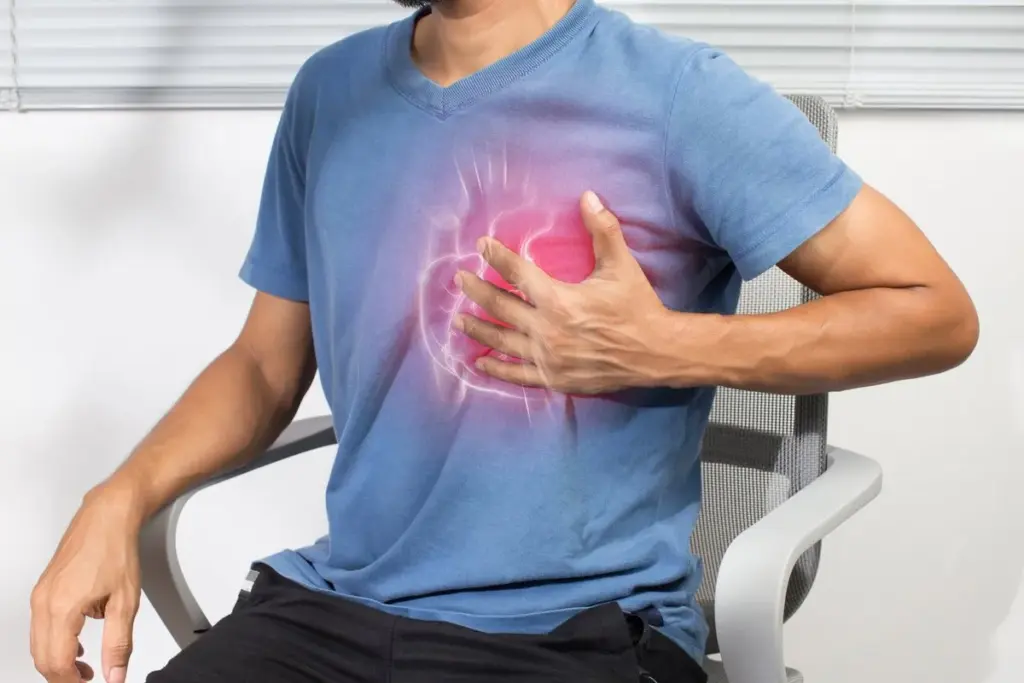
Chest pain or discomfort, known as angina pectoris, affects millions worldwide. It often signals an underlying heart condition. We explore the primary cause of this condition, which is closely linked to the heart’s need for oxygen.
The heart muscle needs a constant supply of oxygen-rich blood to function properly. When the coronary arteries, responsible for supplying this blood, become narrowed or blocked, the heart muscle does not receive the oxygen it needs. This leads to chest pain or discomfort. This condition is a symptom of coronary artery disease, a leading cause of morbidity and mortality globally.
Key Takeaways
- Angina pectoris is characterized by chest pain due to transient myocardial ischemia.
- The predominant cause of angina is related to the narrowing or blockage of coronary arteries.
- Coronary artery disease is a major underlying factor in the development of angina.
- Understanding angina is key for managing and treating coronary artery disease.
- Recognizing the symptoms of angina can lead to timely medical intervention.
The Nature and Definition of Angina

Angina pectoris, or angina, is a symptom of heart muscle not getting enough oxygen. It causes chest pain or discomfort. This pain usually happens when you’re active or stressed and goes away when you rest or take nitroglycerin.
It’s key for both patients and doctors to understand angina. It shows there’s heart disease and the need for treatment to avoid more heart problems.
What Happens During an Angina Episode
During an angina episode, the heart muscle doesn’t get enough oxygen-rich blood. This leads to pain or discomfort. This happens when the heart’s blood supply is blocked or narrowed.
The symptoms of angina can differ but often include a squeezing or heavy feeling in the chest. This feeling might spread to the arms, back, neck, jaw, or stomach. Some people also feel short of breath, tired, or dizzy along with the chest pain.
“The pain of angina is usually described as a dull, aching sensation, often accompanied by a feeling of tightness or pressure in the chest.”
— American Heart Association
Differentiating Angina from Other Chest Pain
Telling angina apart from other chest pains is important for the right treatment. Angina is usually caused by activity or stress and gets better with rest or medicine. Other chest pains might not act the same way.
|
Characteristics |
Angina |
Other Causes of Chest Pain |
|---|---|---|
|
Trigger |
Exertion or emotional stress |
Varies (e.g., deep breathing, movement) |
|
Relief |
Rest or sublingual nitroglycerin |
Varies (e.g., antacids for GERD) |
|
Nature of Pain |
Squeezing, pressing, or heavy |
Sharp, stabbing, or burning |
A study on diet and lifestyle changes at work showed big benefits for heart health. This highlights the need for lifestyle changes to manage angina and stop it from getting worse.
Coronary Artery Disease: The Predominant Cause of Angina
Coronary artery disease is the main reason for angina. Angina is chest pain or discomfort caused by the heart not getting enough blood. We will look into how this happens and how it affects the heart.
The Process of Atherosclerosis Development
Atherosclerosis is the main cause of coronary artery disease. It’s when plaque builds up in the arteries. This plaque is made of fat, cholesterol, and other stuff.
High blood pressure, high cholesterol, smoking, and diabetes can cause atherosclerosis. As plaque builds up, the arteries get narrower. This makes it harder for the heart to get the oxygen and nutrients it needs.
How Reduced Blood Flow Triggers Angina
When the heart doesn’t get enough oxygen-rich blood, it leads to ischemia. This is when angina happens. It’s often triggered by physical activity or stress, which makes the heart need more oxygen.
During an angina episode, the heart muscle doesn’t get enough blood. This causes pain or discomfort in the chest. It can also spread to the arms, back, neck, jaw, or throat. Knowing how coronary artery disease, reduced blood flow, and angina symptoms are linked is key to managing and treating it.
Research shows that some diets can help heart health. For example, studies on berry polyphenols and gut microbiota suggest dietary choices can help. They might reduce the risk of coronary artery disease and angina symptoms.
Pathophysiology of Angina
Angina happens when the heart’s need for oxygen is more than what it gets. This imbalance causes the heart to have brief periods of ischemia.
The Oxygen Supply-Demand Mismatch
The heart’s oxygen needs depend on its rate, how hard it works, and the tension in its walls. When we exert ourselves, the heart needs more oxygen. But, in people with coronary artery disease, the heart can’t get enough because of narrowed or blocked arteries.
This mismatch is what causes angina. The heart muscle doesn’t get the oxygen it needs, leading to ischemia.
Cellular Mechanisms of Cardiac Ischemia
Without enough oxygen, the heart starts to use anaerobic metabolism. This process makes lactic acid and causes acidosis. This change starts a series of events that lead to angina.
Ischemia also depletes high-energy phosphates like ATP and builds up metabolic byproducts. This messes up normal cell function. It triggers signaling pathways that cause angina symptoms.
Neurological Pathways of Angina Pain
The pain of angina is sent to the brain through the spinal cord. It involves complex pathways. The pain feels like pressure or squeezing in the chest, sometimes in the arms, back, or jaw.
People often wonder, “why does my heart hurt?” during angina. This shows how important it is to understand these pathways.
Types of Angina and Their Specific Causes
Angina is a condition that causes chest pain or discomfort. It comes in different types, each with its own causes and effects. Knowing these differences is key to getting the right treatment.
Stable Angina: Predictable Patterns
Stable angina is the most common type. It happens when you exert yourself or feel stressed and goes away with rest or medicine. It follows a pattern, so you can usually predict when it will happen. Stable angina often means you have coronary artery disease, where plaque blocks blood flow to your heart.
Unstable Angina: A Warning Sign
Unstable angina is a serious warning of a heart attack. It happens without warning, often when you’re resting, and can be more severe than stable angina. It means your symptoms are changing and you need to see a doctor right away.
Variant (Prinzmetal’s) Angina: Coronary Spasm
Variant angina, or Prinzmetal’s angina, is caused by a spasm in the coronary arteries. This spasm temporarily blocks blood flow to your heart. It usually happens when you’re resting and can show up as ST-segment elevation on an ECG.
Microvascular Angina: Small Vessel Disease
Microvascular angina is caused by disease in the small coronary arteries. It’s more common in women and linked to diabetes and high blood pressure. The symptoms can be like stable angina but are harder to diagnose because they involve small vessels.
In summary, knowing the different types of angina is vital for proper care. Each type has its own signs and causes, needing a specific treatment plan.
- Stable Angina: Predictable, exertion-related chest pain.
- Unstable Angina: Unpredictable, potentially severe, and a medical emergency.
- Variant Angina: Caused by coronary artery spasm, often at rest.
- Microvascular Angina: Related to small vessel disease, more common in women.
Recognizing Angina Symptoms
Knowing the signs of angina can greatly improve health outcomes and quality of life. Angina pectoris, or angina, is chest pain or discomfort caused by temporary heart blockage. It’s important to recognize these symptoms to get the right medical help.
Classic Presentation of Angina
Angina usually feels like a tight squeeze or pressure in the chest. It can spread to the arms, back, neck, jaw, or stomach. This pain often starts with effort or stress and goes away with rest or medicine.
Atypical Symptoms More Common in Women
Women may have different symptoms of angina. They might feel sharp pain in the upper back, neck, or jaw without chest pain. Women are also more likely to feel short of breath, nauseous, or tired as their main symptoms.
Silent Ischemia: Angina Without Pain
Some people have silent ischemia, where the heart is not getting enough blood without pain. This is more common in people with diabetes and is just as dangerous as painful angina. Silent ischemia is often found during stress tests or other heart checks.
It’s important for both doctors and patients to know about these different ways angina can show up. Spotting symptoms early and acting quickly can help avoid serious problems and improve health.
|
Symptom Type |
Classic Presentation |
Atypical Symptoms |
Silent Ischemia |
|---|---|---|---|
|
Chest Pain |
Yes, squeezing or pressure |
May be absent or atypical |
No pain |
|
Radiation of Pain |
To arms, back, neck, jaw |
May vary, upper back, neck |
No pain |
|
Triggers |
Exertion, emotional stress |
Varies |
Any, often without notice |
|
Relief |
Rest or medication |
Varies |
Not applicable |
Secondary Causes of Angina Beyond Atherosclerosis
Angina isn’t just from atherosclerosis. Other heart issues can also cause this pain. Atherosclerosis is the main reason for angina, but other heart problems can also block blood flow to the heart. This can lead to symptoms similar to angina.
Aortic Valve Stenosis
Aortic valve stenosis happens when the aortic valve gets too narrow. This makes the heart work harder, leading to angina. The narrowing blocks blood flow from the left ventricle to the aorta, increasing the heart’s need for oxygen.
The symptoms of aortic valve stenosis can be hard to tell apart from angina. But, surgery or a new valve can greatly improve symptoms and outcomes.
Hypertrophic Cardiomyopathy
Hypertrophic cardiomyopathy (HCM) makes the heart muscle too thick. This can block blood flow and increase the risk of angina. The thickened muscle can cause an imbalance in oxygen supply and demand, leading to chest pain.
|
Characteristics |
Aortic Valve Stenosis |
Hypertrophic Cardiomyopathy |
|---|---|---|
|
Primary Effect |
Narrowing of aortic valve |
Thickening of heart muscle |
|
Impact on Heart |
Increased workload |
Obstruction of blood flow |
|
Common Symptoms |
Chest pain, shortness of breath |
Chest pain, palpitations |
Severe Anemia and Oxygen Transport Issues
Severe anemia can cause angina because it reduces blood’s ability to carry oxygen. Without enough oxygen, the heart muscle can get painful, even without coronary artery disease.
Treating anemia can help reduce angina symptoms. This might include iron supplements, blood transfusions, or other treatments based on the anemia’s cause.
Coronary Artery Anomalies
Coronary artery anomalies are rare birth defects that can cause angina. These anomalies can lead to reduced blood flow to the heart, causing ischemia, mainly during exercise or stress.
Diagnosing these anomalies often needs advanced imaging like coronary angiography or cardiac MRI. Treatment might include surgery or other methods to improve blood flow to the heart.
In summary, while atherosclerosis is the main cause of angina, other heart conditions can also lead to it. Knowing these secondary causes is key for accurate diagnosis and effective treatment.
Risk Factors Contributing to Angina Development
Angina develops from a mix of risk factors we can and can’t change. Knowing these factors is key to preventing and managing angina.
Modifiable Risk Factors
These are risks we can change through lifestyle or medicine. Important modifiable risks for angina include:
- Hypertension: High blood pressure puts extra work on the heart, leading to ischemia.
- Hyperlipidemia: High cholesterol and triglycerides cause atherosclerosis, a main angina cause.
- Smoking: Smoking damages blood vessel linings, making them more likely to block.
- Diabetes Mellitus: Diabetes greatly increases the risk of heart diseases, including angina.
- Physical Inactivity: Not exercising regularly leads to obesity, high blood pressure, and heart risks.
- Obesity: Being overweight or obese raises the risk of conditions that cause angina.
It’s vital to manage these risks. For example, the “2022 Thai Hypertension Society guidelines on home blood pressure monitoring” by Sirisawat Kunanon stress the importance of controlling hypertension for heart health. This means regular checks and following treatment plans.
|
Modifiable Risk Factor |
Impact on Angina Development |
Management Strategy |
|---|---|---|
|
Hypertension |
Increases heart workload, possible ischemia |
Medication, lifestyle changes |
|
Hyperlipidemia |
Causes atherosclerosis |
Statins, diet, exercise |
|
Smoking |
Damages blood vessel lining |
Quit smoking programs |
Non-modifiable Risk Factors
These are risks we can’t change. They include:
- Age: Angina risk grows with age, over 45 for men and 55 for women.
- Gender: Men face higher angina risk at younger ages than women.
- Family History: Heart disease in family members raises individual risk.
- Genetic Predisposition: Some genetic conditions increase heart disease risk.
Even though we can’t change these risks, knowing them helps us understand our overall risk. It guides us in taking preventive steps.
The Relationship Between Physical Exertion and Angina
For those with heart conditions, knowing how physical activity affects angina is key. Physical activity can cause angina in people with coronary artery disease. It’s important to keep an eye on how much you exercise.
Understanding Exercise-Induced Angina
Exercise-induced angina happens when your heart needs more oxygen but can’t get it. This is because your coronary arteries can’t supply enough blood. This leads to ischemia and angina symptoms.
Key factors that contribute to exercise-induced angina include:
- Increased heart rate and blood pressure during exercise
- Reduced blood flow through narrowed coronary arteries
- Increased oxygen demand by the heart muscle
Determining Your Physical Activity Threshold
Finding a safe exercise level is important for those with angina. It’s about knowing how much you can do without getting angina. Work with your doctor to create a plan that’s right for you.
|
Activity Level |
Description |
Angina Risk |
|---|---|---|
|
Low |
Light walking, stretching |
Low |
|
Moderate |
Brisk walking, cycling |
Moderate |
|
High |
Running, intense exercise |
High |
Safe Exercise Guidelines for Heart Patients
Heart patients need to exercise safely to avoid angina. Here are some tips:
- Start with low-intensity exercises and gradually increase intensity
- Monitor your heart rate and blood pressure regularly
- Avoid extreme temperatures and high altitudes
- Carry nitroglycerin with you during exercise
Understanding how physical activity affects angina helps manage the condition. It allows for an active lifestyle.
Diagnostic Approaches
Diagnosing angina involves several methods. We use these to find out if someone has angina and how severe it is. This helps us create the best treatment plan.
Non-invasive Testing Methods
First, we use non-invasive tests to check for angina. These include:
- Electrocardiogram (ECG): This test shows the heart’s electrical activity. It can spot signs of heart problems or past heart attacks.
- Stress Test: You exercise on a treadmill while being watched by an ECG. Sometimes, imaging tests like echocardiography or nuclear stress tests are used too.
- Echocardiogram: It uses sound waves to create heart images. This shows how well the heart works.
- Cardiac MRI or CT Scan: These tests give detailed heart images. They can find heart damage or blockages.
These tests help us see how the heart works when it’s stressed and when it’s not. They give us clues about heart disease.
Invasive Diagnostic Procedures
If tests show a big chance of heart disease, we might do more invasive tests.
- Coronary Angiography: A dye is injected into the heart’s arteries. This gives clear X-ray images of the arteries and any blockages.
- Fractional Flow Reserve (FFR): It measures the pressure in a blocked artery. This tells us how bad the blockage is.
|
Diagnostic Method |
Description |
Primary Use |
|---|---|---|
|
Electrocardiogram (ECG) |
Records heart’s electrical activity |
Initial assessment, ischemia detection |
|
Stress Test |
Monitors heart under physical stress |
Evaluating heart function, ischemia during exercise |
|
Coronary Angiography |
X-ray imaging with contrast dye |
Detailed visualization of coronary arteries and blockages |
By looking at the results from these tests, we can figure out if someone has angina. We can also find out why and plan the best treatment.
Medical Management of Angina
Managing angina pectoris is key to treating it. It helps ease symptoms, improve life quality, and lower heart risks. We use proven treatments to help patients get better.
First-Line Medications
First treatments are vital for angina. Nitrates, like nitroglycerin, quickly help during attacks. Beta-blockers and calcium channel blockers also help by lowering heart oxygen needs.
- Nitrates: Open blood vessels to ease symptoms.
- Beta-blockers: Cut down heart oxygen need.
- Calcium Channel Blockers: Lower oxygen demand in the heart.
Newer Antianginal Medications
New drugs offer more help for those not helped by first treatments. Ranolazine and ivabradine are examples. They help manage angina better.
- Ranolazine: Makes heart use oxygen better.
- Ivabradine: Slows heart rate without raising blood pressure.
Addressing the Underlying Coronary Disease
It’s important to tackle the root cause of angina. Antiplatelet therapy, statins, and ACE inhibitors or ARBs help a lot. They improve patient results.
- Antiplatelet therapy: Stops clots.
- Statins: Lower cholesterol and stabilize plaques.
- ACE inhibitors or ARBs: Control blood pressure and ease heart work.
Managing angina well means more than just easing symptoms. It’s about fixing the cause and risk factors too. By mixing first treatments, new drugs, and disease therapies, we greatly improve patients’ lives.
Interventional and Surgical Treatments for Angina
Interventional and surgical treatments offer hope for those with angina. These advanced methods aim to improve blood flow to the heart. They help reduce symptoms and enhance quality of life.
Percutaneous Coronary Intervention (PCI)
Percutaneous Coronary Intervention, or PCI, is a non-surgical method. It opens blocked coronary arteries. This helps restore blood flow to the heart muscle, easing angina symptoms.
A catheter is inserted into the narrowed artery. A balloon is then inflated to widen the artery. Sometimes, a stent is placed to keep it open. This procedure is very effective for many patients, improving their condition significantly.
Coronary Artery Bypass Grafting (CABG)
Coronary Artery Bypass Grafting, or CABG, is a surgical option. It bypasses blocked sections of coronary arteries with grafts. This surgery is recommended for those with multiple blockages or complex disease.
CABG offers long-term relief from angina symptoms by improving blood flow. A healthy blood vessel is taken from another part of the body. It’s used to bypass the blocked artery, restoring blood flow.
Enhanced External Counterpulsation (EECP)
Enhanced External Counterpulsation is a non-invasive treatment. It uses pressure cuffs on the legs to improve blood flow to the heart. EECP is for patients not suited for PCI or CABG.
This therapy involves cuff inflation and deflation with the heartbeat. It enhances blood flow and reduces angina symptoms. EECP is a valuable option for managing angina without surgery.
Emerging Therapeutic Approaches
New treatments for angina are being researched. Several emerging approaches show promise. These include new drugs, gene therapy, and advanced revascularization techniques.
As medical technology and our understanding of heart disease grow, better treatments for angina will emerge. These new therapies aim to improve outcomes for patients with angina and heart disease.
When Angina Becomes a Medical Emergency
It’s vital to know when angina turns into a serious condition that needs quick medical help. Angina often shows there’s a problem with the heart’s blood flow. Sometimes, it can mean a bigger heart issue is coming.
Warning Signs of Unstable Angina
Unstable angina is when angina symptoms get worse or change. This is a sign of a serious problem. Warning signs include:
- Angina that occurs at rest or with little effort
- New angina or a change in existing angina
- Severe, long-lasting angina, or with other symptoms like nausea or shortness of breath
Spotting these signs early is very important. A doctor said, “Unstable angina is a sign of a heart attack. Quick medical help is needed.”
“The change from stable to unstable angina is a warning sign for immediate medical help.”
Distinguishing Angina from Myocardial Infarction
Angina is when the heart doesn’t get enough blood. A heart attack happens when the heart muscle is damaged because of blocked blood flow. The main differences are:
|
Characteristics |
Angina |
Myocardial Infarction |
|---|---|---|
|
Duration of Pain |
Typically short, less than 10 minutes |
Prolonged, often more than 20 minutes |
|
Response to Rest or Medication |
Usually relieved by rest or nitroglycerin |
Not relieved by rest or nitroglycerin |
Appropriate Emergency Response
If you or someone else has unstable angina or a heart attack symptoms, act fast. Steps to follow:
- Call emergency services right away
- Chew and swallow an aspirin (if not allergic and advised by a doctor)
- Stay calm and rest in a comfortable position
Knowing what is angina and when it’s a serious emergency can save lives. Quick action and recognition are key to avoiding serious problems.
Living with Angina: Lifestyle Management
Getting diagnosed with angina means you need to make big changes in your life. You’ll need to change your lifestyle and follow your doctor’s advice closely. This is key to feeling better and living a better life.
Living with angina means making some big changes. “The key to managing angina lies in adopting a heart-healthy lifestyle,” says a leading cardiologist. “This includes dietary changes, stress management, and being mindful of physical activity levels.”
Dietary Modifications for Heart Health
Your diet is very important when you have angina. You should eat lots of fruits, vegetables, whole grains, and lean proteins. Try to avoid foods high in saturated fats, cholesterol, and sodium. “A heart-healthy diet should focus on eliminating unhealthy options while incorporating nutrient-dense foods for overall cardiovascular health.
Here are some dietary tips:
- Eat at least 5 servings of fruits and vegetables every day
- Include whole grains in your meals
- Choose lean proteins like poultry, fish, and legumes
- Limit foods high in saturated fats and sodium
Stress Reduction Techniques
Stress can make angina symptoms worse. It’s important to find ways to reduce stress. Meditation, deep breathing exercises, and yoga are good options. “Finding healthy ways to cope with stress is critical for individuals with angina,” notes a stress management specialist.
Activity Pacing and Energy Conservation
It’s important to be careful with how much you exercise. Try to pace yourself and save your energy. “Understanding your physical limits and taking regular breaks can help prevent angina episodes,” advises a physical therapist.
Medication Adherence Importance
It’s very important to take your medications as your doctor tells you to. This helps control your symptoms and prevent serious problems. “Medication adherence is a cornerstone of angina management,” states a cardiologist.
By following these lifestyle tips, people with angina can manage their condition better. They can reduce symptoms like tightness in the chest and improve their quality of life. Understanding why your heart hurts and taking action can really help.
Preventing Angina Through Cardiovascular Health Practices
To prevent angina, we need to take a few steps. A healthy lifestyle can greatly lower the risk of angina and heart disease.
Primary Prevention Strategies
Primary prevention helps stop angina before it starts. It means managing risks like high blood pressure, diabetes, and high cholesterol. This can be done through lifestyle changes and sometimes medicine.
Regular health check-ups are key. They help keep an eye on risk factors and adjust prevention plans as needed.
Heart-Healthy Dietary Patterns
Eating right is vital for preventing angina. Focus on foods like fruits, veggies, whole grains, and lean proteins. The Mediterranean diet is a great example of a heart-friendly diet.
- Choose whole grains, fruits, and veggies.
- Go for lean proteins like chicken and fish.
- Stay away from saturated fats and cholesterol.
- Watch your sodium intake.
Physical Activity Recommendations
Exercise is also important for angina prevention. Aim for 150 minutes of moderate exercise or 75 minutes of vigorous exercise weekly. Or mix both.
|
Activity Type |
Intensity |
Frequency/Duration |
|---|---|---|
|
Aerobic Exercise |
Moderate |
At least 150 minutes/week |
|
Aerobic Exercise |
Vigorous |
At least 75 minutes/week |
Smoking Cessation and Alcohol Moderation
Quitting smoking is essential for angina prevention. Smoking greatly increases heart disease risk. Also, drink alcohol in moderation to avoid heart problems.
Smoking Cessation Resources:
- Counseling
- Nicotine replacement therapy
- Prescription medications
By following these heart-healthy practices, we can lower our risk of angina. This helps keep our hearts in top shape.
Conclusion: Addressing the Root Cause of Angina for Better Outcomes
Knowing the angina definition is key for doctors and patients. Angina often shows signs of heart disease. It needs a full plan to manage it well.
We’ve looked at angina’s many sides, like its definition, types, and how it affects the heart. By tackling the main cause, doctors can make a big difference in patient care.
Good management means more than just medicine. It also includes changing your lifestyle and sometimes, surgery. A complete approach helps lessen angina’s impact, making life better for those who have it.
Our talk shows how important a detailed plan is for fighting angina. It’s vital to keep researching and teaching patients to fight this condition well.
FAQ
What is angina pectoris?
Angina pectoris is a condition where you feel chest pain or discomfort. It happens when your heart doesn’t get enough oxygen, often because of blocked arteries.
What causes angina?
Angina is usually caused by blocked or narrowed coronary arteries. This is often due to coronary artery disease.
What happens during an angina episode?
During an angina episode, your heart muscle doesn’t get enough oxygen. This leads to chest pain or discomfort. It’s often triggered by hard work or stress.
How is angina different from other causes of chest pain?
Angina feels like a squeezing or pressure in the chest. It can spread to your arms, neck, or jaw. It’s usually caused by exertion or stress. Other chest pains might feel different and have different triggers.
What are the different types of angina?
There are several types of angina. These include stable angina, unstable angina, variant (Prinzmetal’s) angina, and microvascular angina. Each has its own causes and signs.
What are the symptoms of angina?
Symptoms of angina include chest pain or discomfort. You might also feel short of breath, tired, or dizzy. Women might experience abdominal pain or nausea instead.
Can angina occur without pain?
Yes, some people have silent ischemia. This means they have angina without feeling any pain. It’s more common in people with diabetes or those who’ve had a heart attack.
How is angina diagnosed?
Doctors diagnose angina by looking at your medical history and doing a physical exam. They might use an electrocardiogram (ECG), stress tests, and imaging studies like echocardiography or coronary angiography.
What are the risk factors for developing angina?
Risk factors for angina include high blood pressure, high cholesterol, smoking, and not being active. Age, family history, and heart disease are also risk factors.
How can I manage angina through lifestyle changes?
To manage angina, make healthy lifestyle choices. Eat well, reduce stress, exercise regularly, and take your medication as directed. These steps can help reduce symptoms and improve heart health.
When should I seek emergency care for angina?
If you have severe or lasting chest pain, shortness of breath, or other concerning symptoms, get help right away. These could be signs of unstable angina or a heart attack.
Can angina be prevented?
Yes, you can prevent angina by living a heart-healthy lifestyle. Eat well, stay active, quit smoking, and drink alcohol in moderation. These steps can lower your risk of angina and heart disease.
What is the role of exercise in managing angina?
Exercise is key in managing angina. It should be tailored to your health and fitness level. Regular exercise can improve your heart health, reduce symptoms, and boost your overall well-being.
What are the treatment options for angina?
Treatment for angina includes medications, lifestyle changes, and procedures like PCI or CABG. These aim to lessen symptoms and enhance your quality of life.
References
National Center for Biotechnology Information. Evidence-Based Medical Insight. Retrieved from https://pubmed.ncbi.nlm.nih.gov/11624365/