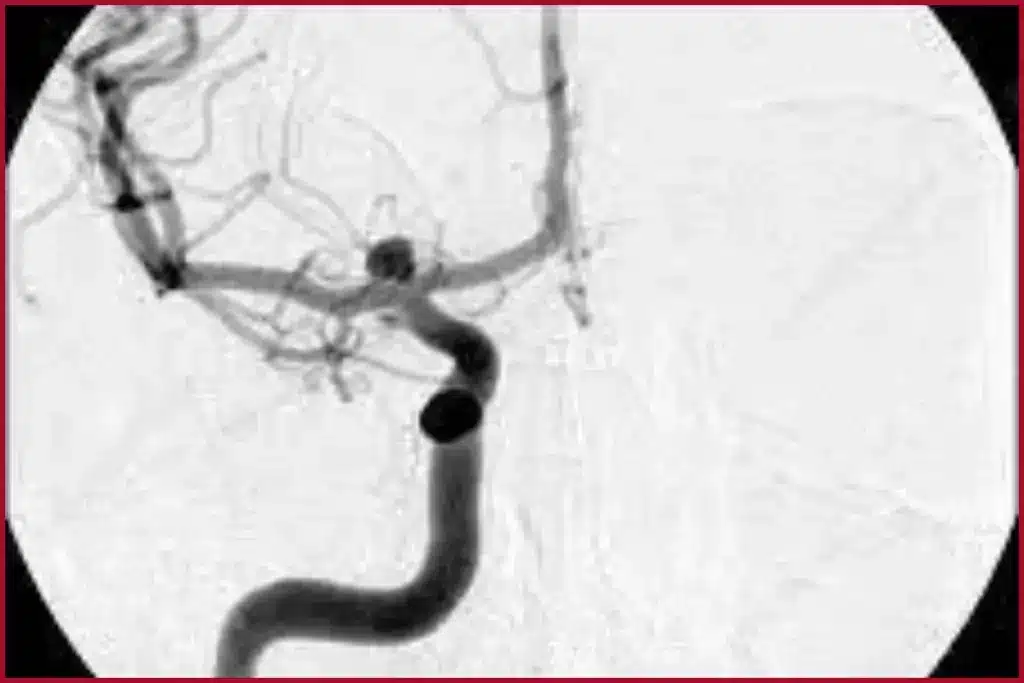
Cardiovascular diseases are a big problem worldwide. They cause millions of deaths each year. Doctors use special tools to find and fix these problems. One key tool is the angiogram.
Is it true? Angiogram best CT accuracy health facts. It is 99% effective at ruling out disease. Trust the results for peace of mind.
An angiogram lets doctors see inside blood vessels. They can spot blockages or other issues. This helps them plan the best treatment.
To do an angiogram, doctors use cardiac catheterization. This is also known as a heart cath. It happens in a special cath lab.
During the procedure, a thin catheter is inserted into a blood vessel. It’s then moved to the area of concern. There, a contrast agent is released. This makes the blood vessels show up on a screen.
Key Takeaways
- An angiogram is a medical imaging technique used to visualize blood vessels.
- It helps diagnose vascular diseases and identify blockages or abnormalities.
- The procedure is performed using cardiac catheterization in a cath lab.
- Angiography is critical for diagnosing coronary artery disease and other heart conditions.
- It allows for precise visualization, aiding in effective treatment planning.
Understanding Angiograms
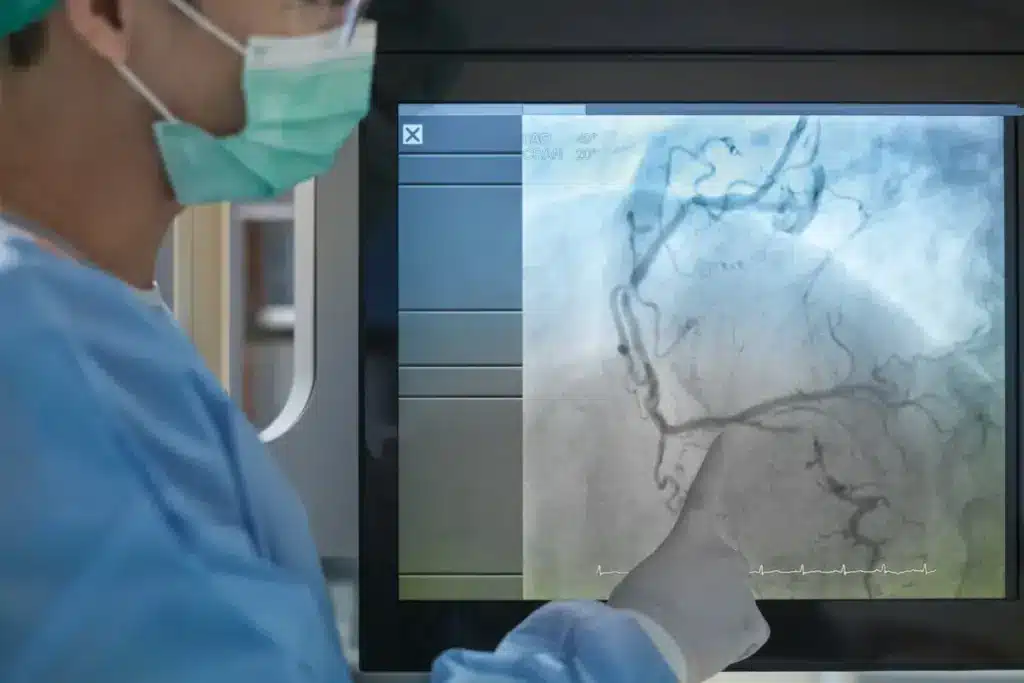
An angiogram is a detailed medical imaging method. It helps find heart diseases. It uses special agents and high-tech tools to see blood vessels and find blockages.
Definition of Angiogram
An angiogram is a way to see blood vessels. It uses special agents and imaging tools. This method is key for finding and treating blood vessel diseases.
To do an angiogram, a thin tube is put into a blood vessel. Then, a special dye is injected. This dye makes the blood vessels show up on the scans.
Purpose of Angiograms
The main goal of an angiogram is to find and treat heart problems. It shows detailed pictures of blood vessels. This helps doctors spot blockages, aneurysms, or other issues.
In cardiology, angiograms are very helpful. They help doctors check for heart artery disease. They also guide treatments like angioplasty.
|
Aspect |
Description |
|---|---|
|
Definition |
A medical imaging technique using contrast agents to visualize blood vessels. |
|
Purpose |
Diagnose and potentially treat cardiovascular conditions. |
|
Procedure |
Involves inserting a catheter and injecting a contrast agent. |
|
Application |
Used in cardiology to assess coronary artery disease. |
Types of Angiograms
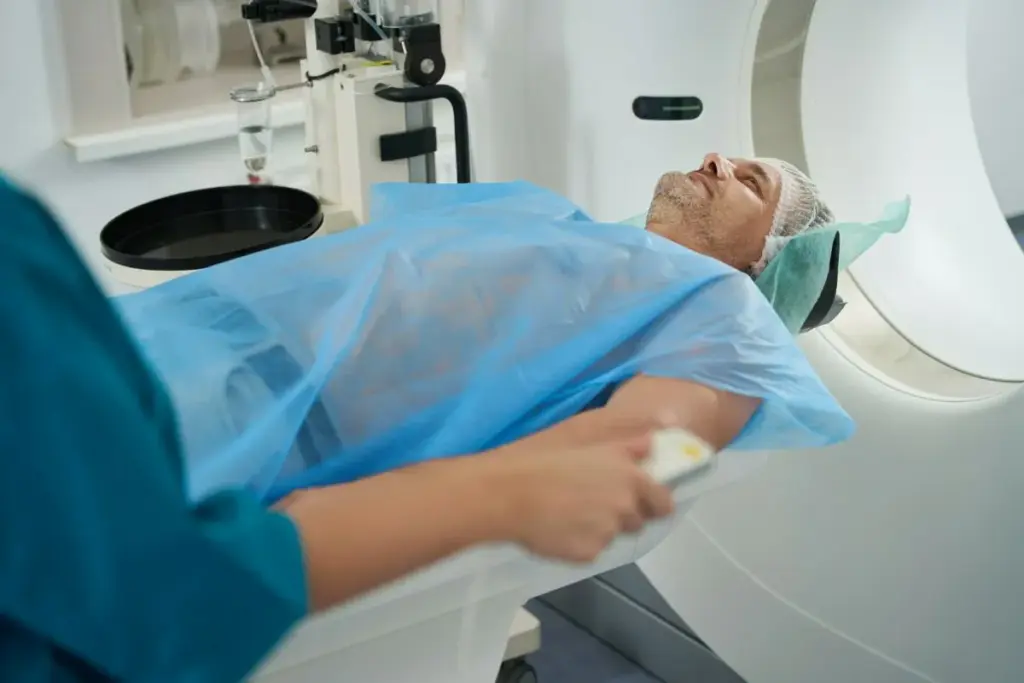
Angiography has grown to include many types, each with its own benefits. The right angiogram depends on the patient’s health, the body part being checked, and the needed detail.
X-ray Angiogram
An X-ray angiogram, or conventional angiogram, is very common. It uses a contrast dye in the blood vessels to show them on an X-ray. This method is great for finding blockages and vascular diseases.
Key Benefits: It gives clear images of blood vessels. This helps doctors diagnose and sometimes treat problems right away.
CT Angiogram
A CT angiogram uses CT technology to show detailed images of arteries and diagnose vascular issues. It’s less invasive than X-ray angiography and gives a full view of the vascular system.
Advantages: It combines CT scanning with blood vessel imaging. This makes it perfect for complex vascular diseases.
MRI Angiogram
An MRI angiogram uses MRI to see blood vessels without radiation. It’s great for patients who can’t have CT or X-ray angiography because of health issues.
Notable Features: It shows detailed images of blood vessels and tissues. This helps diagnose many vascular conditions.
The Angiogram Procedure
Let’s dive into the angiogram procedure. It’s key to know the steps and what happens. An angiogram is a test that uses X-rays, CT, or MRI to see inside blood vessels. It helps find vascular problems.
Preparation for the Procedure
Before an angiogram, patients go through some steps. These include:
- Telling their doctor about allergies or health issues
- Stopping certain medicines that might affect the test
- Not eating or drinking for a while
- Signing a consent form
Listening to your doctor’s advice is crucial for ensuring that the procedure goes smoothly.
Steps Involved in the Angiogram
The angiogram process has several steps:
- Insertion of the Catheter: A thin tube (catheter) is put into an artery in the leg or arm.
- Guiding the Catheter: The catheter is moved to the needed area with imaging help.
- Injecting Contrast Agent: A contrast agent is put through the catheter to show blood vessels.
- Imaging: X-rays, CT, or MRI pictures are taken to see the blood vessels and find problems.
|
Procedure Step |
Description |
|---|---|
|
Catheter Insertion |
A thin, flexible tube is inserted into an artery. |
|
Catheter Guidance |
The catheter is guided to the area of interest. |
|
Contrast Agent Injection |
A contrast agent is injected to highlight blood vessels. |
|
Imaging |
X-rays, CT, or MRI images are taken to visualize blood vessels. |
Knowing about the angiogram procedure can make patients feel more at ease. By following the doctor’s advice and understanding what happens, patients can have a better experience.
Risks and Complications
Every medical procedure, like an angiogram, has its own risks and complications. While angiograms are usually safe, knowing about these issues is key. It helps you make smart choices about your health.
Common Side Effects
Most people who get an angiogram don’t have big problems. But, some might feel:
- Bruising or discomfort where the catheter was put in
- Allergic reactions to the dye used in the test
- A temporary change in kidney function, more so for those with kidney problems
These side effects are usually mild and go away quickly after the test.
Serious Risks to Consider
Even though rare, there are serious risks with angiograms that need quick medical help. These include:
- Bleeding or hematoma at the catheter site that doesn’t stop
- Stroke or heart attack caused by the test
- Infection at the catheter site
- Damage to blood vessels or the heart
Talking to your doctor about your personal risks is very important before an angiogram.
Knowing about both common side effects and serious risks helps you make better choices for your heart health.
Interpreting Angiogram Results
Getting your angiogram results is a big step in knowing your heart health. It helps figure out what to do next. We’ll help you understand the images and talk about them with your doctor.
Understanding the Images
To get what your angiogram results mean, you need to know about the images. Angiogram images show how your blood vessels are doing. They can spot blockages, narrow spots, or other issues. These images are key for finding vascular diseases and planning treatments.
Your doctor will look at your images for signs of disease. This includes stenosis (narrow arteries) or aneurysms (ballooning blood vessels). Knowing this helps make better choices for your care.
Discussing Results with Your Doctor
After getting your angiogram images, talking to your doctor is very important. They will explain the images and how they relate to your health and symptoms. This is your chance to ask questions and understand what your results mean.
Make sure to come ready with questions about your results, treatment options, and any worries. Your doctor will guide you based on your angiogram results. This might include changes in lifestyle, medication, or more tests.
Angiograms and Heart Health
Angiograms are key in keeping the heart healthy. They give important insights into heart conditions. Doctors use these tests to understand the heart’s system, helping them make better care plans.
Importance in Cardiovascular Diagnosis
Angiograms are vital for finding heart diseases. They let doctors see inside blood vessels. This helps them spot blockages or problems that might be causing health issues.
With these images, doctors can see how serious heart disease is. They can then decide the best treatment, like angioplasty, stenting, or other interventions to fix blood flow.
Role in Identifying Blockages
Angiograms mainly help find blockages in the heart’s system. They show where blood vessels are narrowed or blocked. This info is key for deciding how to treat patients at risk of heart attack or stroke.
Doctors also use angiograms to check if treatments are working. They can make changes as needed to keep patients healthy. This ongoing check is a big part of caring for the heart.
Alternatives to Angiography
Medical imaging has seen big changes, leading to new ways to check the heart without angiography. These new methods are key in treating heart diseases. They help doctors see what’s going on inside the heart without surgery.
Non-invasive Imaging Techniques
There are many non-invasive ways to look at the heart now. Some popular ones are:
- Ultrasound: Uses sound waves to see blood vessels and check blood flow.
- Computed Tomography (CT) Angiography: Uses CT scans and dye to see blood vessels and find blockages.
- Magnetic Resonance Angiography (MRA): Uses magnetic fields and dye to get detailed images of blood vessels.
These methods are safer and can be done outside the hospital. They’re good because they don’t hurt as much and are quicker.
Pros and Cons of Alternatives
Alternatives to angiography have their good and bad sides. Here’s what you need to know:
- Pros:
- They’re safer than invasive tests
- Patients feel less pain
- They can be done quickly, so you don’t have to stay in the hospital long
- Cons:
- They might not show as much detail as traditional angiography
- Some use dye, which can be bad for people with allergies or kidney problems
- They might not work for everyone or every condition
Knowing the good and bad of these options is important. It helps doctors pick the best way to check your heart. This way, they can give you the best care for your needs.
Recovery After an Angiogram
Recovering from an angiogram is more than just resting. It requires a detailed plan for care and health management. We will guide you through the key steps for a safe and smooth recovery.
Immediate Post-Procedure Care
Right after the angiogram, the medical team will watch over you. They will check for any immediate issues. It’s very important to listen to their advice.
- Resting for the remainder of the day
- Avoiding heavy lifting, bending, or strenuous activities
- Keeping the catheter site clean and dry
- Monitoring for signs of complications, such as bleeding, swelling, or severe pain
Long-term Recovery Tips
For long-term recovery, living a heart-healthy lifestyle is key. This means making dietary changes, exercising regularly, and managing stress.
- Dietary Adjustments: Eat a balanced diet with lots of fruits, vegetables, whole grains, and lean proteins.
- Regular Exercise: Start with moderate activities like walking, as your doctor suggests.
- Stress Management: Try stress-reducing activities like meditation or deep breathing.
- Medication Adherence: Always take your medications as your doctor tells you to.
|
Aspect |
Immediate Post-Procedure Care |
Long-term Recovery |
|---|---|---|
|
Activity Level |
Rest, avoid strenuous activities |
Gradually increase physical activity |
|
Diet |
Follow hospital guidelines |
Adopt a heart-healthy diet |
|
Monitoring |
Watch for signs of complications |
Regular follow-ups with your doctor |
Frequently Asked Questions About Angiograms
We’ve talked about angiograms, now let’s answer some common questions. It’s important to know about the safety and results of cardiac imaging. This helps you make smart choices about your health.
Safety Concerns
Angiograms are usually safe, but there are risks. We do everything we can to keep these risks low. The safety of an angiogram depends on your health and the skill of the medical team.
Receiving Your Results
How long it takes to get your angiogram results varies. Usually, your doctor will talk about them right after. Sometimes, it takes a bit longer to study the images carefully. We aim to give you your results as fast as we can.
FAQ
What is a heart cath?
A heart cath, or cardiac catheterization, is a procedure. It involves putting a thin, flexible tube into a blood vessel. This tube is guided to the heart to check for blockages or abnormalities.
What is the purpose of a cardiac catheterization?
A cardiac catheterization is used to diagnose and treat heart conditions. It helps doctors see the heart’s blood vessels. They can then find and fix any blockages or problems.
What is a cath lab?
A cath lab, or catheterization laboratory, is a special place for heart procedures. It has advanced imaging like X-ray and ultrasound. These tools help guide the procedure.
How long does a heart cath take?
The time for a heart cath varies. It can take from 30 minutes to several hours. This depends on the procedure’s complexity and the person’s condition.
What are the risks associated with cardiac catheterization?
Cardiac catheterization is generally safe but carries risks. These include bleeding, infection, and allergic reactions to dye. Though rare, serious issues like heart attack or stroke can happen.
How do I prepare for a cardiac catheterization?
To prepare, you’ll likely need to fast and tell about any medications or allergies. You’ll also need someone to drive you home after.
What is a stent, and how is it related to cardiac catheterization?
A stent is a small, mesh-like device used in cardiac catheterization. It’s placed in a narrowed or blocked blood vessel. This keeps the vessel open and improves blood flow, often treating coronary artery disease.
What is the difference between a left heart catheterization and a right heart catheterization?
A left heart catheterization accesses the left side of the heart. It’s used to diagnose and treat coronary artery disease. A right heart catheterization accesses the right side. It’s used to measure heart and lung pressures and oxygen levels.
How do I care for myself after a cardiac catheterization?
After a cardiac catheterization, rest is key. Avoid heavy lifting and strenuous activities. Follow a healthy diet. Your doctor will give specific instructions for recovery.
Reference
National Center for Biotechnology Information. Evidence-Based Medical Insight. Retrieved from https://pubmed.ncbi.nlm.nih.gov/30325124/