

After angioplasty procedure, how long in recovery? Get best fast time facts. Learn what to expect for a safe and amazing return to health.
Did you know nearly 1 million angioplasty procedures happen every year in the United States? If you’re having this procedure, knowing what to expect in recovery is key.
After an angiogram, patients usually spend time in the recovery room. Medical staff watch over them closely. The recovery room duration varies. It depends on the patient’s health and the procedure details.
Thinking about angioplasty can be scary, and worries about recovery are normal. We aim to give you a clear idea of what’s ahead. This should help make your recovery smoother.
Key Takeaways
- The average recovery room stay after an angiogram can range from a few hours to overnight, depending on the patient’s condition.
- Close monitoring by medical staff during the recovery phase is critical for spotting and handling any early complications.
- Teaching patients about post-procedure care is vital. It ensures a safe and effective recovery at home.
- Knowing the details of your recovery can ease your worries and improve your experience.
- Every patient’s recovery is different. It’s influenced by their health, age, and any other health issues they might have.
Understanding the Angioplasty Procedure

The angioplasty procedure is key in widening blocked arteries. It helps improve heart health. This method is a mainstay in treating heart conditions.
What is Angioplasty?
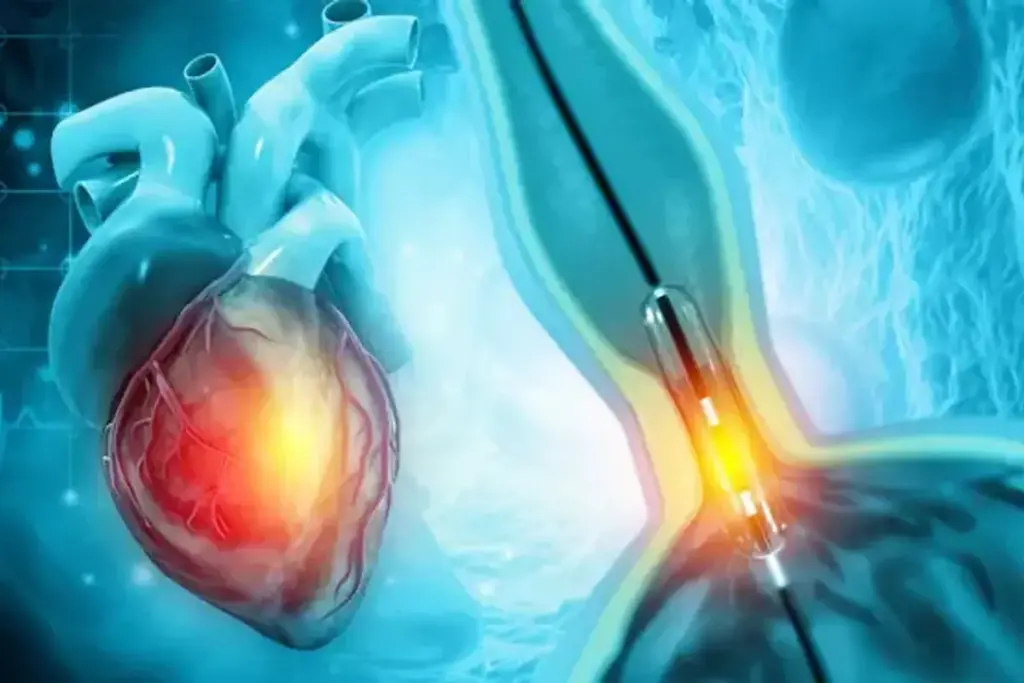
Angioplasty, or PTA, uses a balloon to open blocked blood vessels. A stent is often placed to keep the artery open.
A catheter guides the balloon to the blocked area. When inflated, it restores blood flow. This is very helpful for those with coronary artery disease.
Importance of Angioplasty
Angioplasty plays a crucial role in managing heart diseases. The ESVS Guidelines highlight its importance for treating certain artery diseases. It prevents heart attacks and strokes by improving blood flow.
This procedure offers quick recovery and lowers risks compared to surgery. It’s a big plus for patients.
Common Conditions Treated
Angioplasty treats many heart conditions. These include coronary artery disease, peripheral artery disease, and carotid artery disease. It’s also used for renal artery stenosis.
|
Condition |
Treatment Outcome |
|---|---|
|
Coronary Artery Disease |
Restored blood flow to the heart, reducing the risk of heart attacks |
|
Peripheral Artery Disease |
Improved circulation, alleviating symptoms like leg pain |
|
Carotid Artery Disease |
Reduced risk of stroke by clearing blockages |
The Role of Angiograms in Angioplasty
Angiograms are key in heart medicine for finding and fixing problems that need angioplasty. They use X-rays to see inside blood vessels. This helps doctors find blockages or other issues.
How Angiograms Work
Angiograms use a dye that shows up on X-rays to see blood vessels. Doctors can then spot blockages or other problems. This clear view is vital for planning angioplasty to make sure it works well.
At the EBPOM World Congress 2022, it was said that angiograms are very important for finding heart problems. They help doctors decide the best treatment for patients needing angioplasty.
Preparing for an Angiogram
Getting ready for an angiogram means a few steps. You might need to stop eating and change your medicine. It’s very important to follow your doctor’s advice to make the procedure safe and successful.
- Tell your doctor about any allergies or health issues.
- Follow the instructions about not eating and medicine.
- Make sure someone can drive you home after.
Risks and Complications
Angiograms are usually safe, but there can be risks. These include dye reactions, bleeding, and rare but serious problems like kidney damage or stroke. Knowing these risks helps make informed choices.
“The benefits of angiograms in diagnosing and treating cardiovascular conditions far outweigh the risks for most patients,” according to leading cardiologists.
Thinking about angioplasty and related procedures like heart cath and ablation can be scary. Heart cath and ablation are different; cath is for checking, and ablation is for fixing heart problems. How many times you can have ablation depends on your health and heart issue.
Even though catheter ablation is mostly safe, there are risks like bleeding, infection, and heart damage. Talking to a healthcare provider about these risks and benefits is very important if you’re thinking about this treatment.
Recovery Room Overview Post-Angiogram
After an angiogram, patients go to the recovery room. Here, they are watched closely to make sure they are okay. This is a key step to catch any problems right away.
What to Expect After the Procedure
In the recovery room, doctors and nurses keep a close eye on patients. They check heart rate, blood pressure, and oxygen levels. They also watch for any bleeding or other issues at the catheter site.
Having a medical test can be scary. Our team works hard to make the recovery easy. Patients often get medicine to help with pain or discomfort.
Duration of Recovery Room Stay
How long a patient stays in the recovery room varies. It depends on their health and the procedure details. It can be a few hours or even overnight, based on the case and patient’s health.
|
Patient Category |
Average Recovery Time |
Factors Influencing Recovery |
|---|---|---|
|
Low-Risk Patients |
2-4 Hours |
Minimal complications, stable vital signs |
|
High-Risk Patients |
4-24 Hours |
Presence of comorbidities, complexity of the procedure |
Monitoring in the Recovery Room
Patients are watched closely in the recovery room. They check the catheter site for bleeding or swelling. Our team is ready to act fast if there’s a problem.
We also talk about heart ablation and catheterization risks, mainly for older patients. These procedures are usually safe, but knowing the risks is important. Older patients might face higher risks of bleeding, kidney damage, and stroke. But, with good care, these risks can be lowered.
Factors Influencing Recovery Time
Recovery from angioplasty is complex and depends on many factors. Knowing these factors helps manage expectations and ensures a smooth recovery.
Patient Health History
A patient’s health history greatly affects their recovery time. Conditions like diabetes, hypertension, and heart disease can make recovery harder. Patients with heart disease often need closer monitoring after the procedure.
A study showed diabetes increases complications after angioplasty. It’s important for patients to share their full medical history with their doctor.
|
Health Condition |
Impact on Recovery |
|---|---|
|
Diabetes |
Increased risk of complications |
|
Hypertension |
Potential for slower healing |
|
Heart Disease |
May require additional monitoring |
Type of Anesthesia Used
The type of anesthesia used during angioplasty affects recovery time. Local anesthesia, which numbs just the area around the catheter site, leads to faster recovery. This is compared to conscious sedation or general anesthesia.
Complexity of the Angioplasty
The complexity of the angioplasty procedure also matters. Procedures with multiple blockages or the use of stents are more complex. They may take longer to recover from.
When it comes to how many heart ablations can you have, it depends on the case. There’s no strict limit, but each case is different. The decision for multiple ablations should be based on the patient’s health and condition specifics.
We suggest patients talk to their healthcare provider about their situation. This way, they can get advice tailored to their needs.
Signs of Complications After Angioplasty
Angioplasty is usually safe, but it’s key to watch for complications. Knowing about possible issues can help you recover better.
Common Symptoms to Watch Out For
After angioplasty, look out for signs of trouble. These might include:
- Severe pain at the procedure site or in the chest
- Swelling, bruising, or bleeding at the catheter site
- Shortness of breath or trouble breathing
- Weakness or numbness in the legs or arms
- Changes in heart rate or blood pressure
If you see any of these signs, tell your healthcare provider right away.
When to Contact a Healthcare Provider
If you notice odd symptoms or worry about your recovery, call your healthcare provider. The ESVS Guidelines stress the need to watch for complications after angioplasty. Your healthcare team is ready to help.
Some times to call your healthcare provider include:
- If you have severe pain that doesn’t get better with medicine
- If you see signs of infection, like redness, swelling, or fever at the catheter site
- If walking is hard or you have leg pain
Your healthcare provider can give advice and reassurance. They can also act quickly to stop serious problems.
Remember, while ablation surgery is different, knowing its risks and benefits is important. We’re here to support you at every step of your treatment.
Post-Procedure Care Instructions
Success after an angioplasty isn’t just about the surgery. It’s also about the care after. Studies show that following care instructions is key for a good recovery. We’ll cover the main points of post-procedure care that patients need to follow.
Importance of Following Care Guidelines
It’s vital to follow the care guidelines given by doctors. These are made just for you, based on your needs and the procedure. By sticking to these guidelines, you can avoid problems and get the best results.
Dietary Recommendations
Eating right is important after an angioplasty. We suggest a diet full of fruits, veggies, whole grains, and lean proteins. Drinking lots of water is also key. Some diets might be needed based on your health and the procedure.
|
Food Group |
Recommended Foods |
Foods to Avoid |
|---|---|---|
|
Fruits and Vegetables |
Fresh fruits, leafy greens, broccoli |
Fried or processed vegetables |
|
Proteins |
Lean meats, fish, poultry, beans |
Processed meats, high-fat dairy |
|
Grains |
Whole grains, brown rice, quinoa |
Refined grains, sugary snacks |
Activity Restrictions
It’s important to follow activity restrictions during recovery. You should avoid heavy lifting, bending, or hard work for a while. Also, don’t drive for a period, depending on your recovery and the anesthesia.
By following these care instructions, you can lower the risk of problems and recover well. Remember to go to follow-up appointments with your healthcare team to check on your healing.
Timeline for Full Recovery
Recovery from angioplasty is a journey that needs patience and following doctor’s orders. It also requires making lifestyle changes. Knowing the different stages of recovery helps patients understand their post-procedure path.
Initial Recovery vs. Long-Term Recovery
The recovery from angioplasty has two main parts: initial and long-term. Initial recovery is right after the procedure, when doctors watch for any immediate problems. This phase usually lasts a few days to a week.
Long-term recovery can last weeks to months. It’s when the body fully heals, and you can slowly get back to normal. Studies show recovery times vary greatly, depending on the person.
Follow-Up Appointments
Follow-up appointments are key to recovery. They let doctors check on your progress and adjust treatment plans if needed. Usually, these appointments are a few weeks after the procedure.
At these visits, doctors might run tests to see how the treated artery and heart are doing. It’s important to go to these appointments for a smooth recovery.
Lifestyle Adjustments
Making lifestyle adjustments is essential for a good recovery and long-term health. This includes eating heart-healthy, exercising regularly, quitting smoking, and managing stress. You should also avoid heavy lifting and strenuous activities for a while.
Knowing the mortality rate for ablation patients by age can help patients understand their risks. Angioplasty and ablation treat heart conditions, and knowing the risks helps patients make better choices.
By following doctor’s advice and making lifestyle changes, patients can improve their recovery and lower the risk of complications.
Support Resources for Patients
Having a cardiovascular procedure can be stressful. That’s why we want to highlight the support resources available to patients. Going through an angioplasty or other cardiovascular procedures is a big deal. The right support can greatly help a patient’s recovery journey.
Finding Support Groups
Support groups are key for patients. They offer a sense of community and understanding. People can share their stories, get emotional support, and learn from others who have gone through similar things.
We suggest patients look for local and online support groups that fit their needs. Many healthcare organizations have support groups for cardiovascular procedure patients. These groups are led by healthcare pros who can guide and answer questions. Online forums and social media groups also offer a chance to connect with others worldwide.
Educational Materials Available
Educational materials are vital for patients. They include brochures, DVDs, and online content. These materials explain the procedure, recovery, and lifestyle changes. We provide clear, easy-to-understand materials.
Patients can find these materials through their healthcare provider or our website. These resources aim to empower patients with the knowledge they need to make informed decisions about their care.
Consulting with Healthcare Providers
Talking to healthcare providers is key for patients. They can offer personalized advice, address concerns, and provide reassurance. We encourage patients to keep in touch with their healthcare team throughout their journey.
For patients having ablation procedures, safety concerns are normal. We want to reassure patients that ablation procedures are generally safe when done by experienced healthcare professionals. But, as with any medical procedure, there are risks. We advise patients to talk about their specific situation and any concerns with their healthcare provider.
Frequently Asked Questions
After an angioplasty, patients often wonder about their recovery and when they can get back to normal. We know this time can be uncertain. We’re here to answer some common questions patients have.
How Soon Can You Return to Normal Activities?
The time it takes to get back to normal after an angioplasty varies. It depends on the procedure’s complexity and your health. Most patients can start with light activities a few days after.
But, it’s important to follow your doctor’s specific advice. Here are some things to keep in mind:
- Avoid heavy lifting and hard activities for a time your doctor recommends.
- Slowly increase your activity level, as advised by your doctor.
- Watch how your body reacts to more activity and tell your doctor about any issues.
Can You Drive After an Angioplasty?
Driving after an angioplasty is usually okay, but there are rules to follow. Usually, you shouldn’t drive for 24 hours after, if you were sedated. Make sure you’re fully awake and alert before driving.
Before you start driving again, remember these points:
- Check if any medicines you’re taking could affect your driving.
- Begin with short drives to see how you feel and react.
- Have someone with you on your first few drives.
Additional Concerns: Cardiac Ablations
Some people also ask about cardiac ablations, a treatment for heart rhythm problems. How many times you can have a cardiac ablation depends on your health and the heart issue. Your doctor will decide, considering your health and any risks.
For more specific advice, always talk to your healthcare provider. They can give you personalized guidance based on your situation.
Conclusion
As we wrap up our talk on angioplasty and recovery after an angiogram, it’s key to remember the main points. Knowing how to recover and following doctor’s orders is critical for a good outcome.
Key Takeaways for a Smooth Recovery
Recovering from angioplasty needs careful attention to post-procedure care. It’s important for patients to know the risks, like in older adults. By sticking to diet and activity rules, and going to follow-up visits, patients can avoid problems.
Importance of Medical Guidance
Listening to doctor’s advice is essential for a smooth recovery. Doctors give tailored guidance based on each patient’s needs. By following their advice, patients can get the best results and lower the chance of complications.
FAQ
How many times can you have heart ablation?
The number of times you can have heart ablation depends on several factors. These include the condition being treated and your overall health. While there’s no strict limit, some patients may need repeated ablations.
Is an ablation dangerous?
Ablation, like any medical procedure, has some risks. These can include bleeding, infection, or damage to the heart or blood vessels. But, these risks are low. The procedure is safe when done by skilled healthcare professionals.
How many heart ablations can you have?
The number of heart ablations varies by individual. It depends on your condition and how well you respond to treatment. Some may need multiple ablations, while others might only need one.
What is the mortality rate for ablation patients by age?
The mortality rate for ablation patients changes with age and health. Older patients often face higher risks due to health issues and less physical strength.
How soon can you return to normal activities after an angioplasty?
Recovery time after an angioplasty varies. It depends on your health and the procedure’s complexity. Most patients can get back to normal in a few days to a week.
Can you drive after an angioplasty?
It’s best to avoid driving for a few days after an angioplasty. The procedure can cause discomfort or drowsiness from anesthesia. Always follow your doctor’s advice on driving.
How dangerous is heart ablation?
Heart ablation is considered safe but carries some risks. These include bleeding, infection, or damage to the heart or blood vessels. The risks are low when done by skilled professionals.
Are ablations dangerous?
Ablations, including heart ablation, have some risks. But, they are generally safe when done by experienced healthcare professionals. The benefits often outweigh the risks for many patients.
What are the risks of cardiac catheterization in elderly patients?
Elderly patients face higher risks with cardiac catheterization. This is due to health issues, decreased physical strength, and procedure challenges. But, the benefits often outweigh the risks when done by skilled professionals.
Is cardiac ablation safe?
Cardiac ablation is generally safe when done by experienced healthcare professionals. While there are risks, the benefits often outweigh them for many patients.
How risky is heart ablation?
Heart ablation carries some risks, but it’s generally safe. The risks are low, and the benefits often outweigh them for many patients when done by skilled professionals.
Reference
National Center for Biotechnology Information. Evidence-Based Medical Insight. Retrieved from https://pubmed.ncbi.nlm.nih.gov/20536398/